
Last updated September 23, 2026
Free visual inspection and a written scope of work before any mitigation begins - photos, moisture readings, and drying logs go in your claim file
The scope we write is the scope we bill. Anything new gets shown to you, in writing, before we touch it.


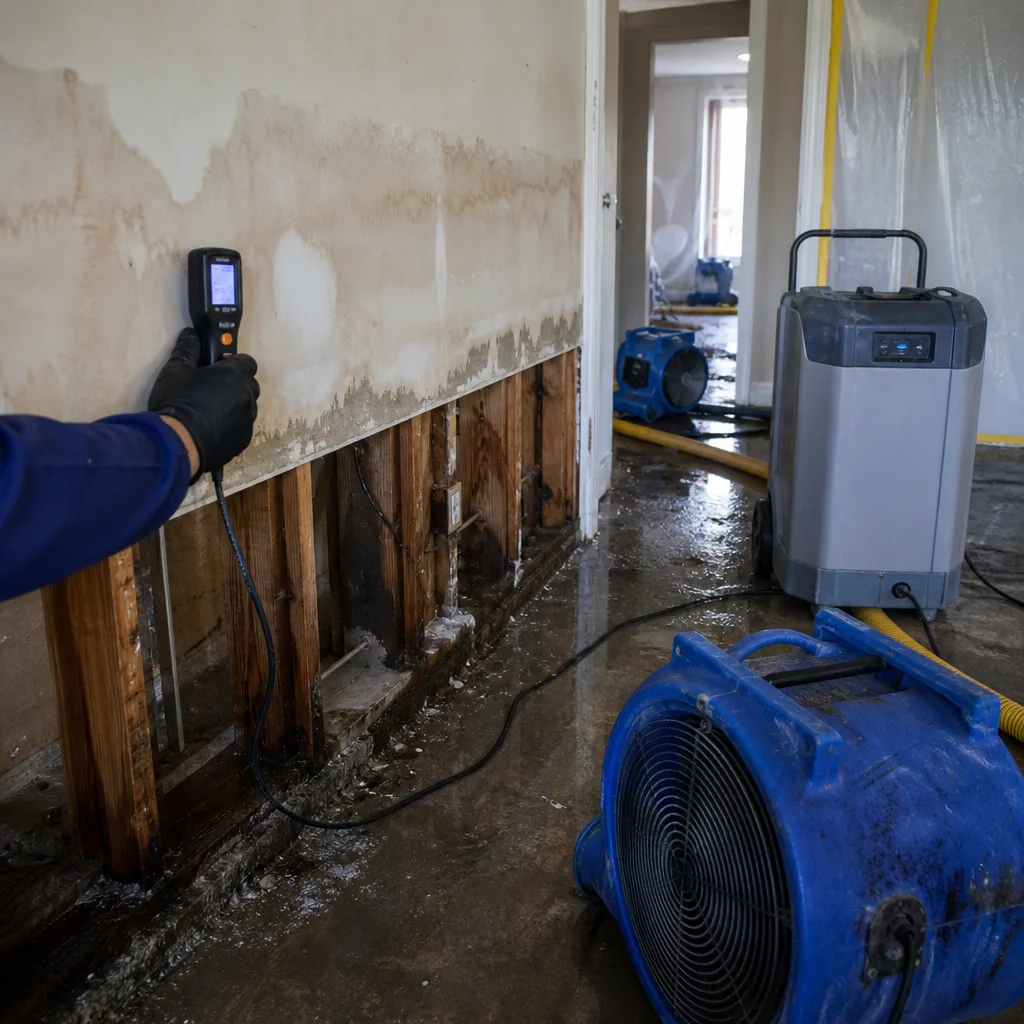 Before
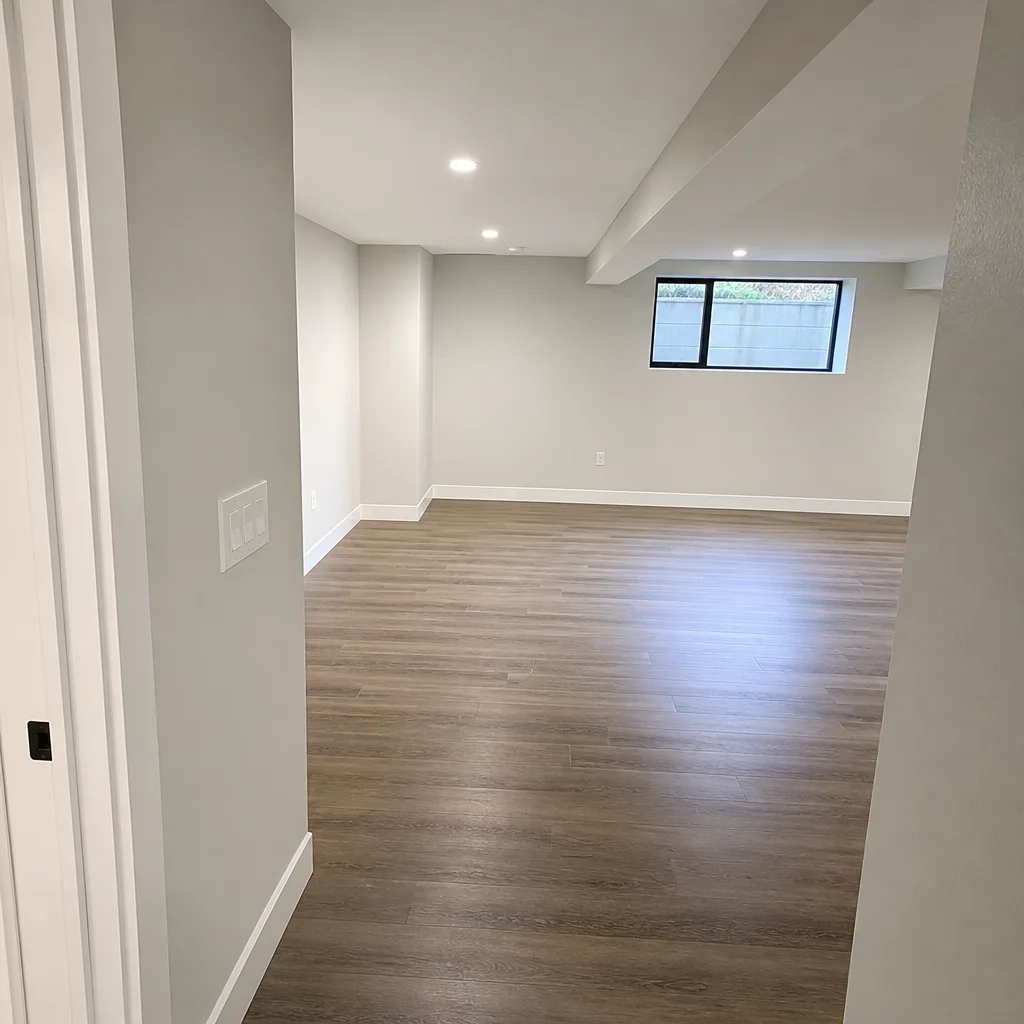 After
After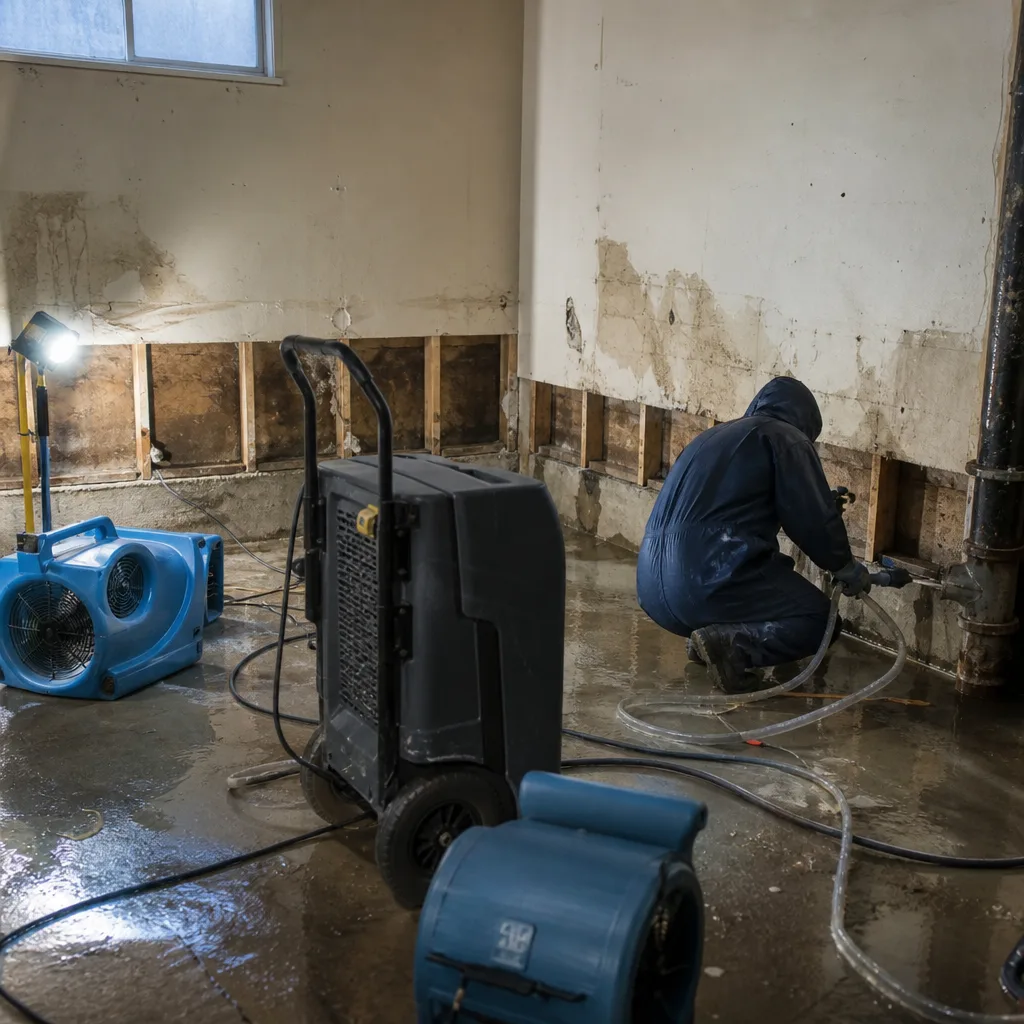 Before
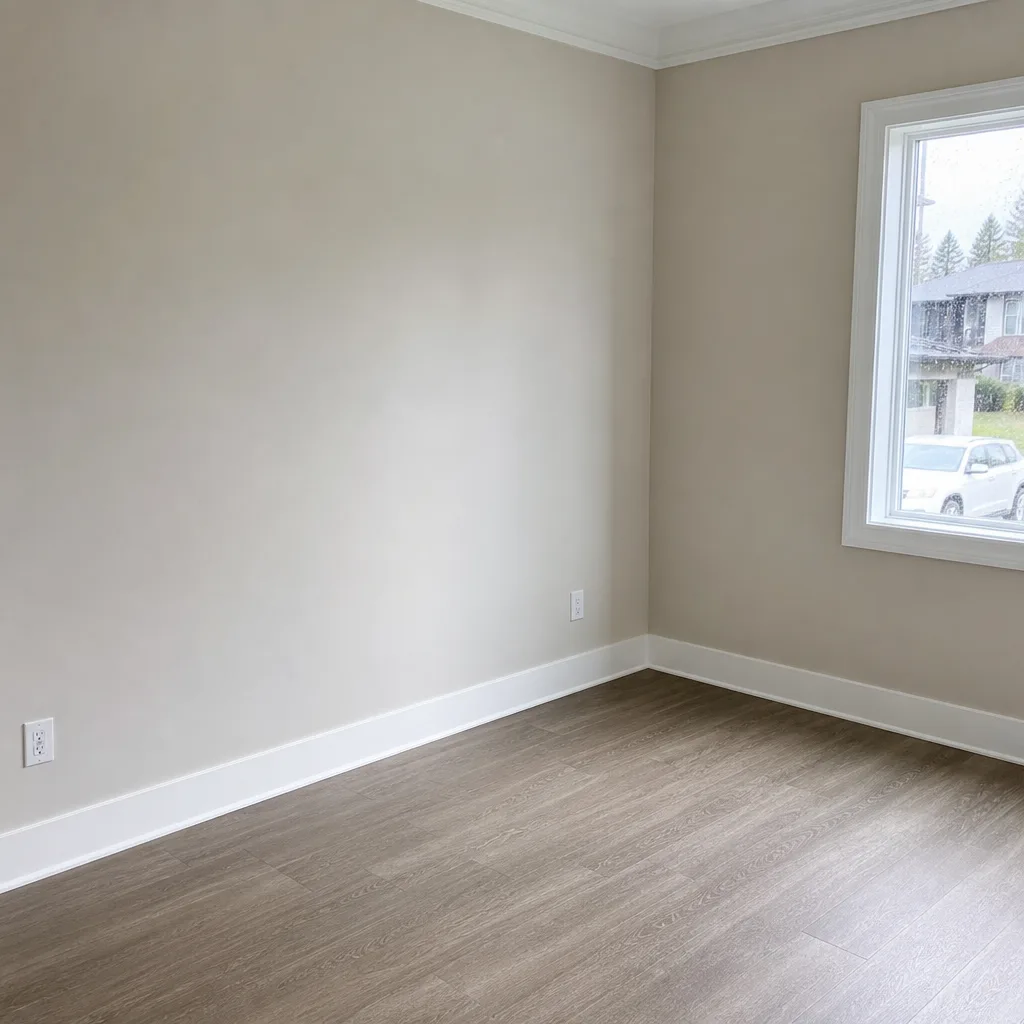 After
After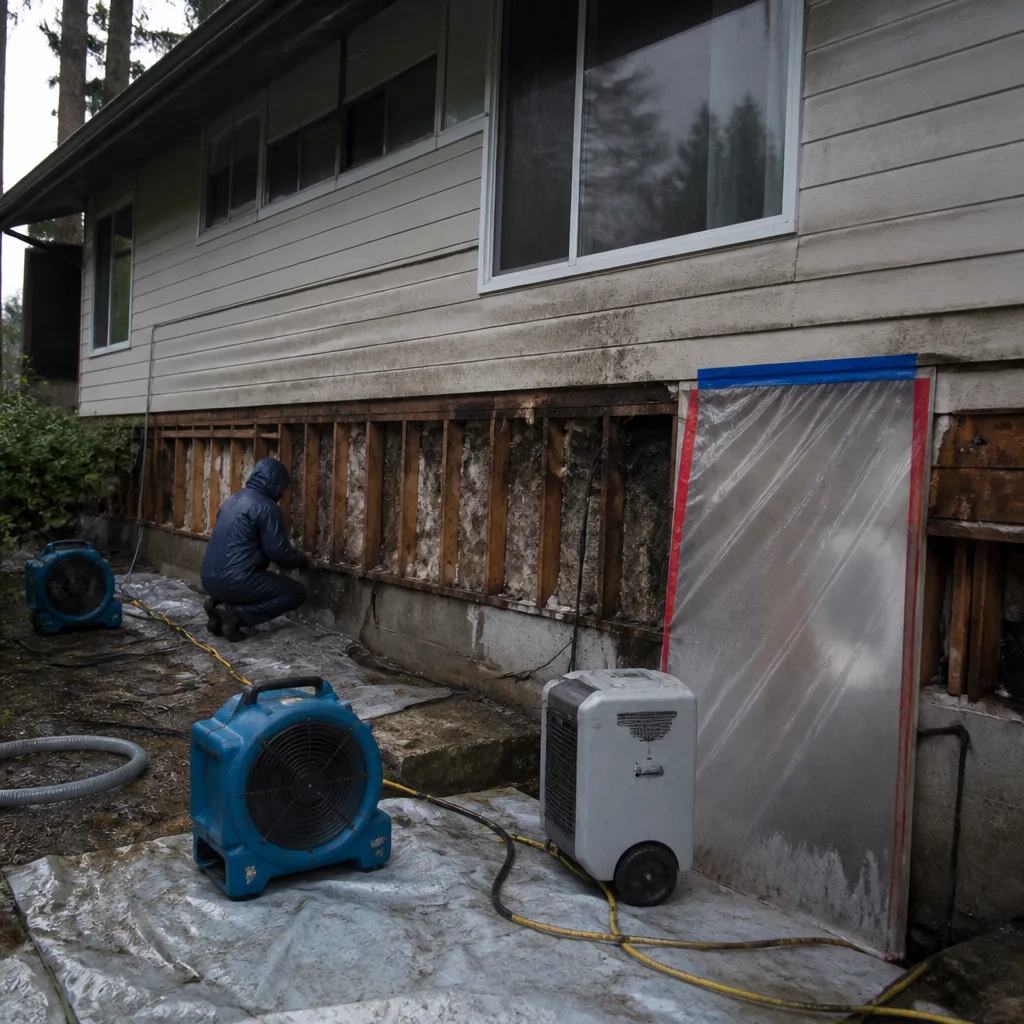 Before
 After
AfterSeasonal Damage Restoration Care for Bellevue: Year-Round Homeowner’s Guide
The atmospheric river events that hit the Bellevue foothills in November and December account for a disproportionate share of annual water claims, but the crawl space and gutter conditions that make those events damaging were created in September when nothing was leaking yet. Most homeowners we meet in Bellevue’s Newport Hills and Somerset neighborhoods discover this too late: their maintenance calendar is organized by month, not by risk mechanism, and the critical preparatory window closes before the first storm arrives. This guide is organized by the four weather transitions that actually drive damage in King County’s microclimate, with specific actions for each window and a method for building dated documentation that insurers accept when a claim is filed. For a broader overview, see The Complete Guide to Damage Restoration in Bellevue.
Quick Answer
Bellevue homeowners face four distinct damage risk windows each year: pre-storm preparation (September-November), freeze-thaw vulnerability (December-February), post-saturation recovery (March-May), and dry-season inspection (June-August). The most cost-effective protection is completing preparatory actions 6-8 weeks before each risk peaks, then maintaining a dated photo record that serves as pre-loss documentation if a claim becomes necessary.
Table of Contents
- Fall Preparation: The September Window That Determines Your Winter
- Winter Freeze-Thaw: Why Bellevue’s Mild Cold Is Deceptively Damaging
- Spring Recovery: Reading Your Foundation’s Moisture Signature
- Summer Inspection: The Only Clear View You’ll Get All Year
- Building a Dated Seasonal Record That Insurers Accept
- What Professional-Grade Drying and Documentation Look Like
- Common Mistakes to Avoid
- When to Call a Professional
- Frequently Asked Questions
BeforeAfterFall Preparation: The September Window That Determines Your Winter
By the time an atmospheric river is forecast for the Bellevue area, the preparatory work that matters has a 48-hour lead time at best. The real work belongs in September, when soil moisture is still low and crawl spaces are accessible without wading.
We inspect hundreds of Bellevue homes each November where the damage was preventable in September. The pattern is consistent: downspouts terminate at the foundation line, crawl space vents are blocked with debris from summer windstorms, and sump pumps haven’t run since April so nobody knows if the float switch still moves freely.
Here is the September checklist we recommend for Bellevue’s specific conditions:
- Extend downspouts to 6 feet minimum. Bellevue’s clay-heavy soils in neighborhoods like Lakemont and Bridle Trails shed water slowly. A downspout terminating at the foundation saturates the perimeter soil within hours during heavy rain. Rigid extensions are preferable to flex pipe, which collapses under the weight of wet leaves.
- Load-test the sump pump. Pour 15-20 gallons of water into the crock and verify the float switch activates, the discharge line carries water at least 10 feet from the foundation, and the check valve prevents backflow. In Bellevue’s older homes near Old Bellevue, we find failed check valves on roughly 30% of September inspections.
- Inspect crawl space vents for blockage. Summer debris, rodent nests, and stored items block cross-ventilation. In our experience, a fully blocked vent in a 1,200-square-foot crawl space raises relative humidity 15-20% within 72 hours of the first sustained rain.
- Verify vapor barrier integrity. The 6-mil polyethylene sheeting common in Bellevue crawl spaces tears at support piers and perimeter edges. A 12-inch gap at the foundation wall is enough to allow soil moisture to elevate the crawl space humidity above 70%, the threshold where mold growth accelerates.
- Clear roof valleys and gutter screens. Bellevue’s bigleaf maple and Douglas fir shed heavily in October. Clogged valleys back water under shingles; we’ve documented ice dam formation in November from October debris that trapped standing water.
The cost of completing these five items in September typically runs $200-$600 for a homeowner handling basic tasks, or $800-$1,400 if a restoration contractor performs full crawl space preparation including vapor barrier repair. For detailed pricing context, see our Damage Restoration Cost Breakdown: The Bellevue Homeowner’s Reference for 2026. Compare that to the $4,500-$12,000 range for crawl space water mitigation and mold remediation after a failed sump pump during an atmospheric river event.
We document every September inspection with dated photos of each component condition. If a claim is filed later, these photos establish that maintenance was performed and that damage resulted from a sudden event, not gradual neglect.
Winter Freeze-Thaw: Why Bellevue’s Mild Cold Is Deceptively Damaging
Bellevue’s winter temperatures rarely drop below 20°F for extended periods. This creates a specific risk profile that differs fundamentally from eastern Washington’s sustained freeze conditions, and the pipe insulation standards marketed nationally often mislead local homeowners.
The problem is the freeze-thaw cycle frequency. Bellevue typically experiences 15-25 freeze-thaw events per winter, compared to 3-5 in Spokane or Wenatchee. Each cycle stresses plumbing at joints, hose bibs, and exterior wall penetrations. Pipe insulation rated for 0°F sustained conditions may be inadequate for Bellevue’s pattern of rapid temperature swing, where pipes freeze overnight and thaw by mid-morning, creating pressure spikes at weak points.
Specific vulnerabilities we encounter in Bellevue homes:
- Hose bibs on north-facing walls. These receive no solar warming and are often the first to freeze. The frost-proof sillcocks installed in homes built after 1995 still require the interior shutoff valve to be closed and the exterior fixture drained. We find this step skipped in roughly half of winter damage calls.
- Kitchen plumbing on exterior walls. Bellevue’s 1960s-1980s ranch homes in Crossroads and Lake Hills frequently route kitchen supply lines through exterior wall cavities with minimal insulation. A single overnight freeze at 28°F can split copper at the elbow inside the wall, with damage not visible until the thaw releases pressurized water.
- Attic HVAC condensate lines. High-efficiency furnaces routed through attics in Bellevue’s newer construction are required to have condensate drainage to exterior. These 3/4-inch PVC lines freeze at the roof penetration, backing water into the air handler. The resulting damage often involves multiple ceiling rooms before discovery.
Our recommendation for Bellevue’s specific freeze-thaw pattern focuses on air sealing rather than insulation thickness alone:
- Seal all exterior wall penetrations with expanding foam rated for the gap width, not fiberglass stuffed loosely around pipes.
- Install heat tape on hose bibs and condensate lines only on north and west exposures, with thermostatic controls set to activate at 38°F, not the 20°F settings common in colder climates.
- Maintain interior temperature at 55°F minimum, even in unoccupied homes. The energy cost is negligible compared to the deductible and disruption of a pipe burst.
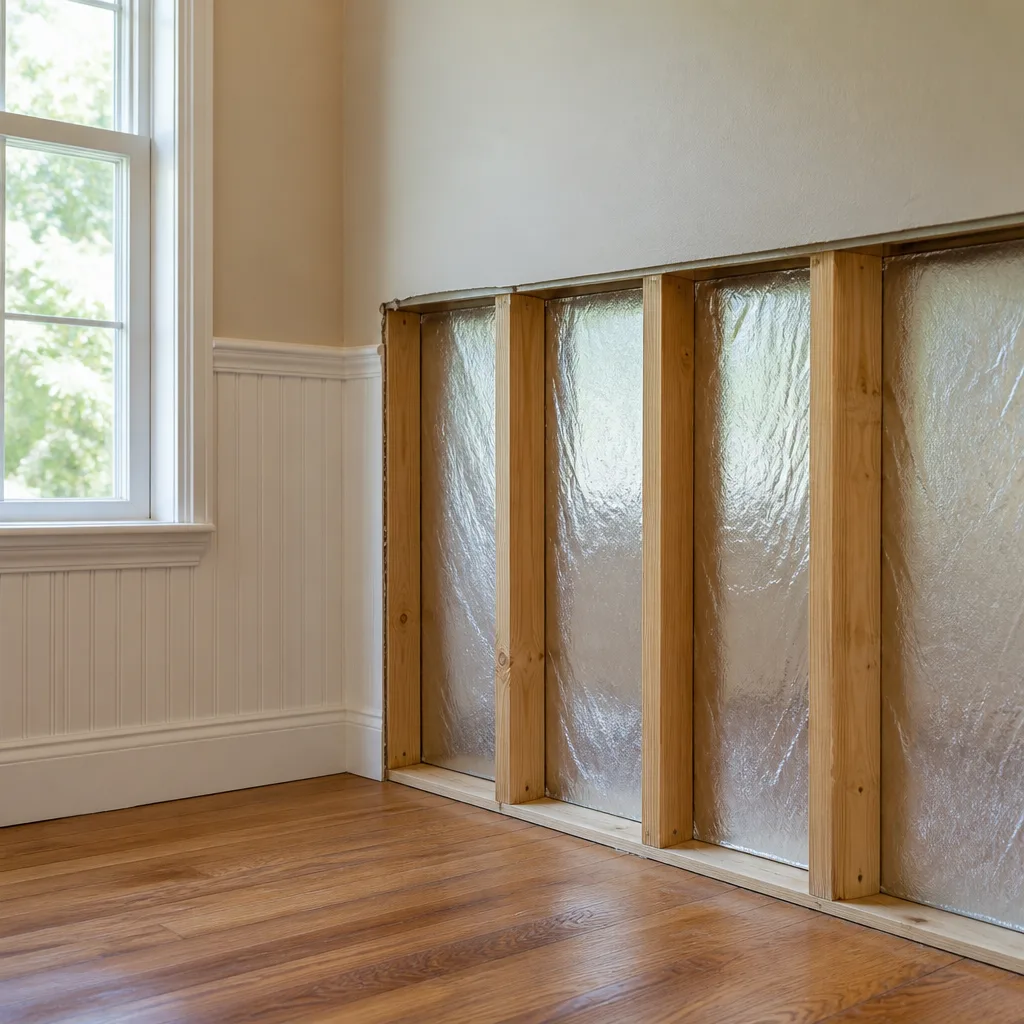
When pipe bursts do occur in Bellevue winters, the damage pattern is distinctive: limited to a single wall cavity or ceiling bay, with water travel constrained by the home’s vapor barrier and insulation configuration. This actually complicates drying, as moisture becomes trapped in closed assemblies. Our crews use injected drying systems with Injectidry and Dri-Eaz equipment to establish airflow within wall cavities without destructive removal, documented with daily moisture readings to IICRC S500 standards.
Spring Recovery: Reading Your Foundation’s Moisture Signature
March through May in Bellevue is when the previous season’s moisture either dissipates or becomes a structural problem. The key question for homeowners: did your fall preparations hold, and what do the numbers say?
We recommend three specific moisture benchmarks for spring assessment, each measurable with tools available at hardware stores or through a restoration contractor:
| Location | Acceptable Range | Action Threshold | What It Indicates |
|---|---|---|---|
| Crawl space relative humidity | 30-50% | Above 60% for 72+ hours | Vapor barrier failure, drainage problem, or ventilation blockage |
| Foundation wall moisture content (wood) | Below 16% | 20% or higher | Capillary moisture wicking, likely from perimeter soil saturation |
| Subfloor moisture content | Below 12% | 16% or higher | Active moisture migration from crawl space, risk of cupping or mold |
These numbers matter because Bellevue’s spring soil conditions are unique. The glacial till underlying neighborhoods from West Bellevue to Eastgate drains poorly. Saturated clay holds moisture against foundations for 6-10 weeks after the last heavy rain. A crawl space that read dry in October can read critically wet by April even with no new water intrusion, simply from sustained soil contact.
Spring is also when we see the delayed effects of winter ice damming. Water that entered in January may have frozen in soffits and wall cavities, then released in March thaws. The damage pattern: stained drywall at exterior wall-ceiling junctions, often with no active leak visible during rain. Infrared imaging reveals the extent, but the critical documentation is the moisture meter reading at the insulation face.
For Bellevue homeowners, spring is the season to verify whether your vapor barrier, drainage, and ventilation investments from September actually performed. We recommend a professional moisture assessment in April for any home where:
- Crawl space access was limited all winter
- Ice damming occurred, even if interior damage was not visible
- The home was constructed 1975-1995, when Bellevue’s building boom used perimeter drainage details now considered inadequate
A documented spring assessment establishes a baseline. If moisture readings are acceptable, you have dated proof of pre-loss condition. If readings are elevated, you have time for targeted repair before summer humidity compounds the problem.
Summer Inspection: The Only Clear View You’ll Get All Year
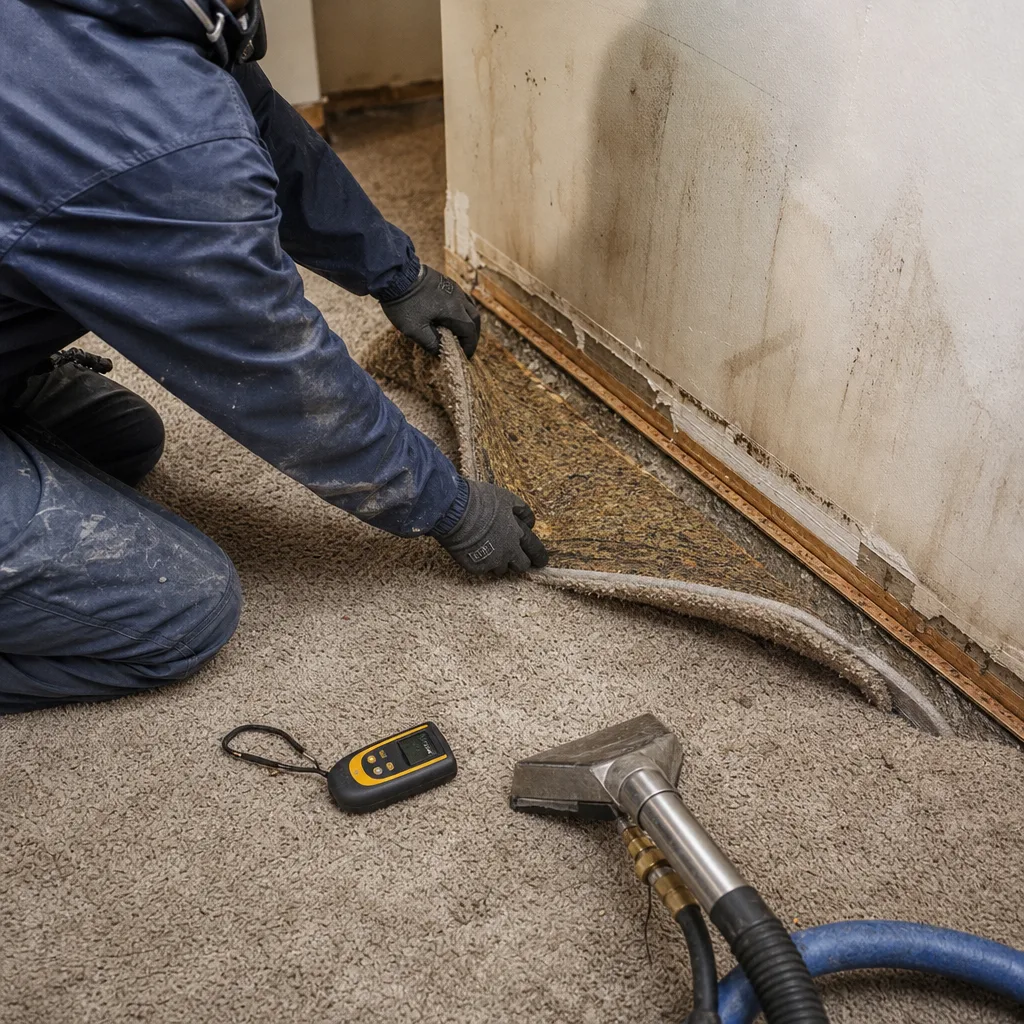
June through August is Bellevue’s driest period, with average precipitation below 1.5 inches monthly. This is not a damage season. It is an inspection season, the only window when roofing, flashing, and exterior envelope conditions are visible without active moisture obscuring the evidence.
We schedule our most thorough documentation visits in July. The roof is dry, the attic is ventilated and accessible, and HVAC systems are under load so condensate production is at peak. Problems visible now become the water damage calls of November.
Priority inspection items for Bellevue’s summer window:
- Roofing and flashing at penetrations. Check chimney saddles, vent pipe boots, and skylight curbs for cracked sealant or lifted flashing. Bellevue’s mature tree canopy drops debris that traps moisture against these joints. A boot that looks sound in July may fail in November under leaf load and wind-driven rain.
- HVAC condensate drainage under load. Run the system continuously for 4-6 hours and verify condensate flows freely from the primary and secondary drains. In Bellevue’s humidity, a clogged primary drain with no secondary backup overflows the pan in 2-3 hours of runtime. We see this cause ceiling collapse in August when homeowners are away and thermostats are set high.
- Exterior grade and hardscaping. Walk the perimeter during or immediately after irrigation. Water should flow away from the foundation on all sides. Bellevue’s sloped lots in Somerset and Cougar Mountain are particularly prone to grade reversal from soil settlement and mulch accumulation against siding.
- Window and door sealant joints. Caulk failure is visible in dry conditions as separation or powdering. Re-caulking in August allows full cure before the first rains, typically by October 15 in Bellevue.
Summer is also when we recommend homeowners photograph their home’s condition systematically: roof from multiple angles, attic sheathing, crawl space vapor barrier and piers, foundation perimeter, and mechanical room. These photos, dated and stored with cloud backup, are the single most effective tool in a coverage dispute. When an insurer alleges pre-existing maintenance neglect, dated summer documentation of sound condition shifts the burden.
For homes with prior water damage history, summer is the season to verify that mold remediation and structural drying were complete. We use thermal imaging and moisture meters to confirm that areas treated in previous seasons have remained dry through a full weather cycle.
Building a Dated Seasonal Record That Insurers Accept
The most common reason we see Bellevue homeowners bear costs that insurance should cover is inadequate documentation of pre-loss condition and maintenance history. Insurers in Washington State increasingly cite maintenance exclusions for water damage claims, and the burden of proving sudden and accidental cause falls on the policyholder.
A seasonal record that withstands claim scrutiny has specific characteristics:
- Dated photographs with location metadata. Smartphone photos with geotagging and timestamp are admissible. Store originals, not screenshots or compressed copies.
- Written maintenance log with specifics. “Cleaned gutters” is weak. “Cleared gutters and downspouts, verified flow at all four corners, photographed discharge” is strong. Include the name of any contractor and invoice number.
- Professional inspection reports. A written scope from a licensed restoration contractor with moisture readings, photos, and recommendations establishes baseline condition with third-party credibility.
- Equipment and material specifications. If you upgraded a sump pump, note the model, horsepower, and date. If you replaced a vapor barrier, note the mil thickness and seam sealing method.
We structure our seasonal inspection reports for Bellevue homeowners to serve this dual purpose. Each report includes:
- Room-by-room or zone-by-zone moisture readings with instrument calibration date
- Photo documentation of conditions found, with annotations
- Written scope of any recommended work with itemized pricing
- Haven Standard, Clause 1: written price before any work begins
- 365-Day Done Right Promise documentation for any work performed
This documentation has directly supported successful claim outcomes for Bellevue homeowners where initial denials were reversed on appeal. The adjuster’s question is always the same: “How do we know this wasn’t gradual?” A dated seasonal record with professional moisture benchmarks is the answer.
What Professional-Grade Drying and Documentation Look Like
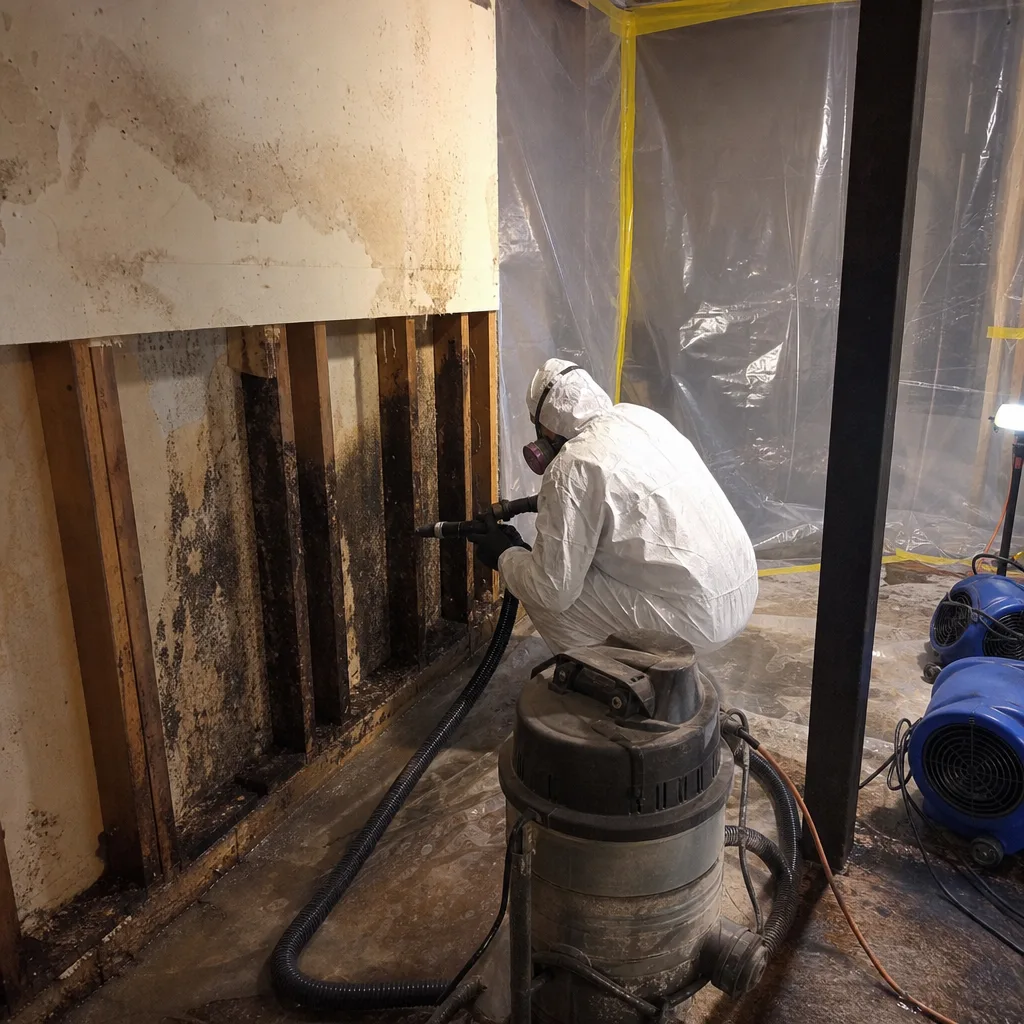
When damage does occur despite preparation, the quality of documentation during mitigation determines whether the invoice is paid without dispute. We built our protocols around the documentation gap that costs homeowners their claims.
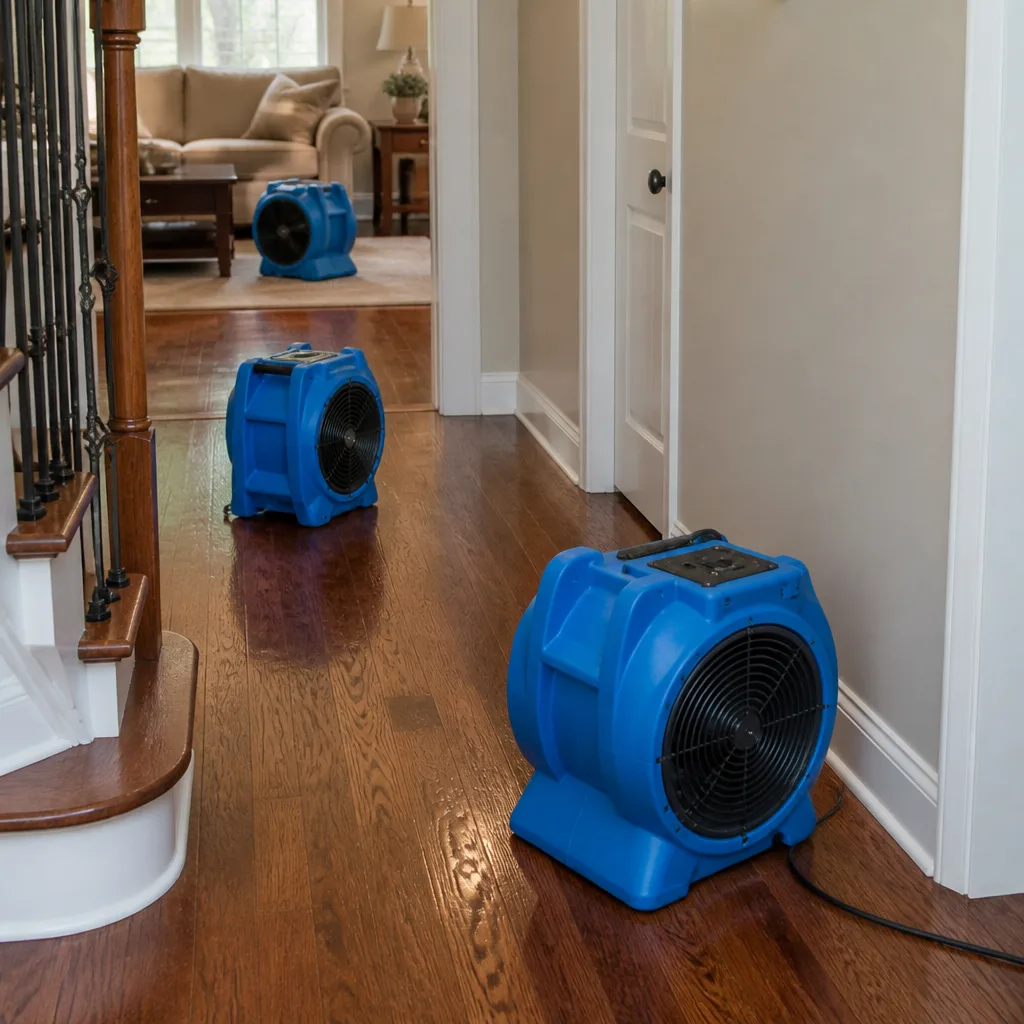
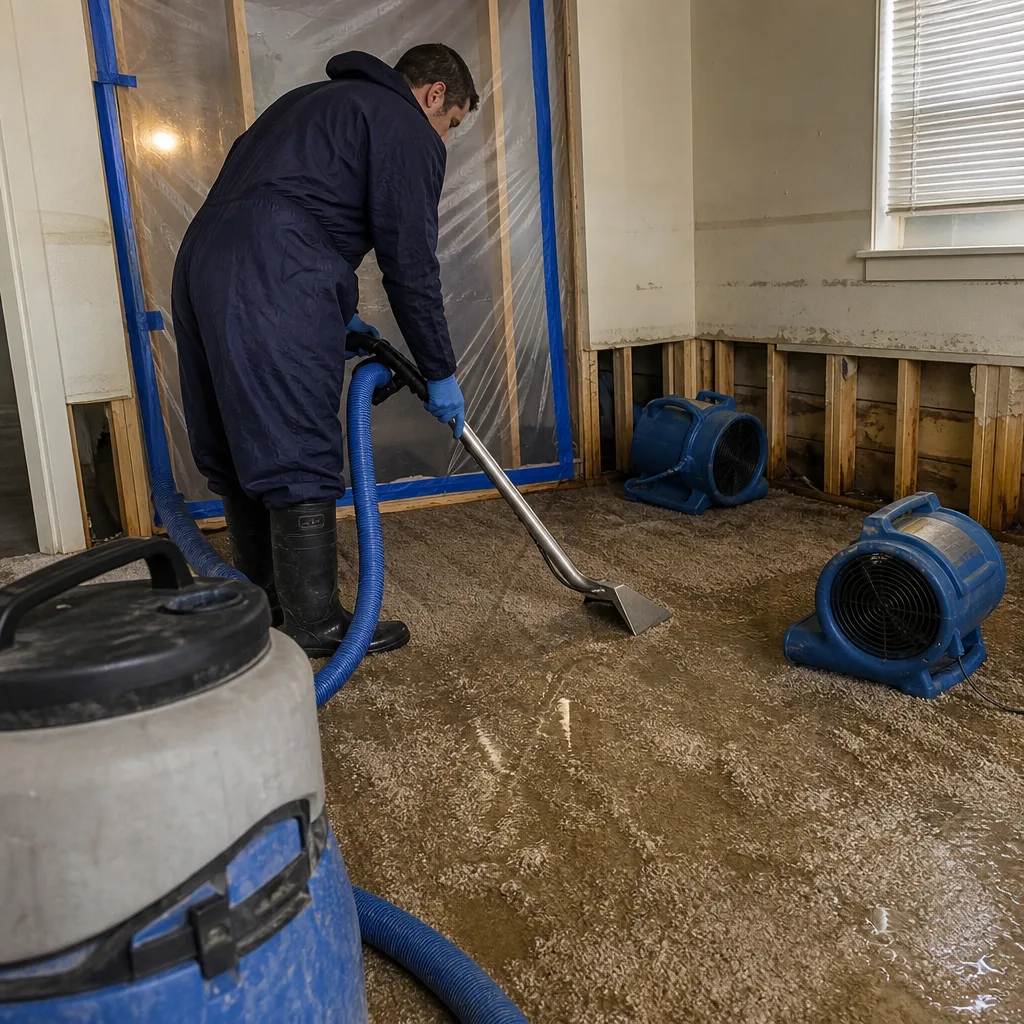
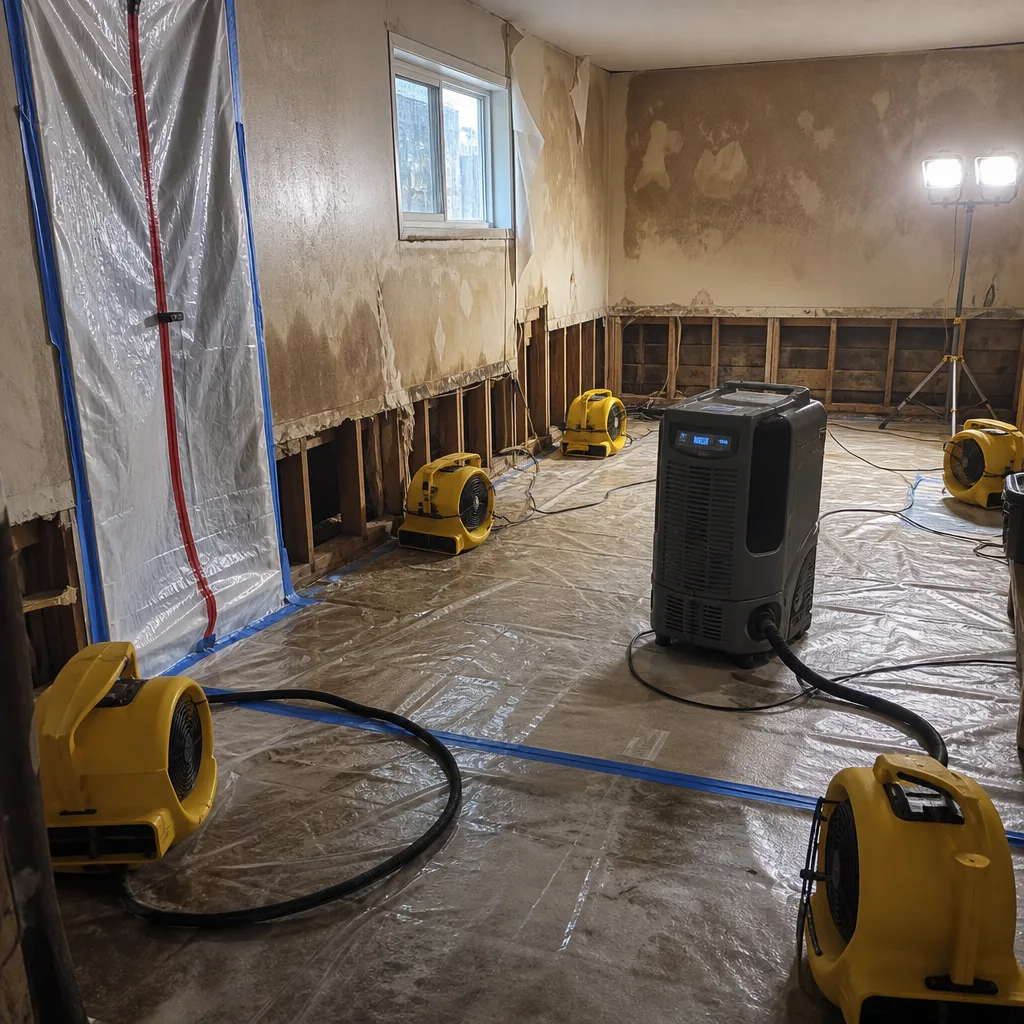
Our drying systems include Phoenix and Dri-Eaz LGR dehumidifiers, XPOWER air movers, and Injectidry hardwood floor and wall cavity drying systems. Each piece of equipment is logged to the job with serial number, placement location, and daily psychrometric readings: temperature, relative humidity, and vapor pressure differential (the measurable force that drives moisture from wet materials into the air).
Psychrometric data is the language of insurance adjusters. When we report that a living room reached 72°F, 38% RH, with a 12.4-grain vapor pressure differential on day three of drying, we are documenting that the environment was optimized for moisture removal from the oak flooring specified in the scope. This specificity turns a restoration invoice into a payable claim.
Every visit produces a photo record, included as standard, never an upsell. Every job has a written price before work begins, per Haven Standard, Clause 1. Our daily drying logs, written scopes, and room-by-room moisture readings are the documentation that turns a restoration invoice into a claim an insurer will pay without a fight.
We do not use equipment as a marketing point. We name the manufacturers because the brands are relevant to adjusters who verify that mitigation was performed to IICRC, RIA, and IFA standards. A homeowner who understands this distinction is better equipped to evaluate contractor proposals on documentation quality, not price alone.
Common Mistakes to Avoid
- Waiting for visible water to call for help. By the time water is visible on drywall or flooring, the damage behind the surface is typically 3-5 days advanced. In Bellevue’s tight building envelopes, moisture travels along wall cavities and subfloors long before it appears on interior finishes.
- Installing pipe insulation rated for colder climates than Bellevue’s. Thick fiberglass wraps designed for Montana winters trap condensation against copper pipes in Bellevue’s moderate, humid cold. The result is external corrosion and pinhole leaks that manifest as slow, hidden damage.
- Cleaning gutters once in October and calling it done. Bellevue’s bigleaf maple drop continues through November. A single November storm can fill a clean gutter with enough debris to overflow. We recommend three clearings: early October, late October, and after the last significant leaf drop in mid-November.
- Assuming a sump pump that runs is a sump pump that works. The float switch can activate while the impeller is clogged or the discharge line is frozen at the terminus. The load test described above is the only verification that matters.
- Storing seasonal documentation only on a phone or local computer. Water damage and fire damage both destroy the devices where homeowners store their documentation. Cloud backup with date verification is essential.
- Accepting verbal estimates or scope changes during mitigation. Haven Standard, Clause 1 exists because scope creep during emergency work is a known problem in this trade. Every change to the work plan should be documented in writing with price impact before the change is executed.
When to Call a Professional
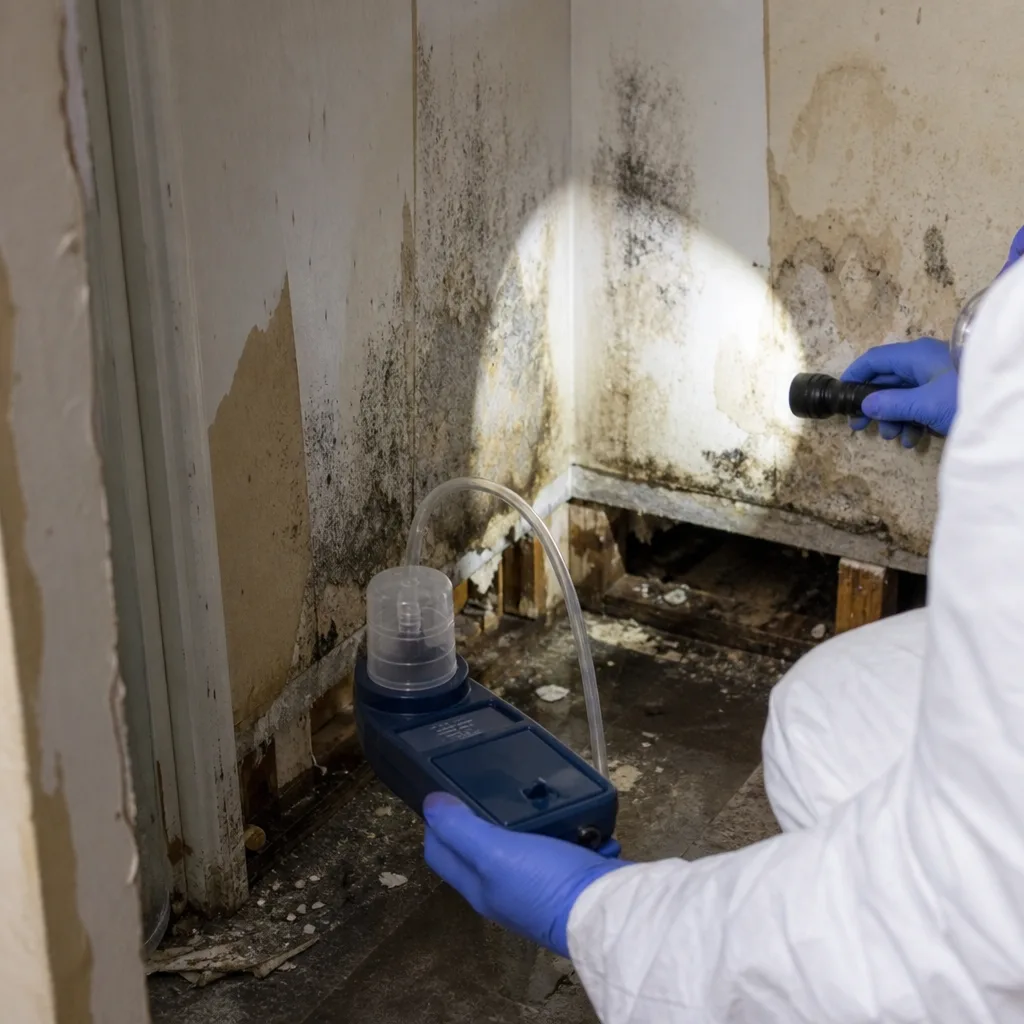
Call for professional assessment when moisture readings exceed the benchmarks in this guide, when you discover active water with no identifiable source, or when damage involves contaminated water (Category 2 or 3), electrical systems, or structural components. Do not attempt to open wall cavities or access crawl spaces with standing water without verifying electrical safety.
For fire and smoke damage, professional assessment is warranted for any fire that produced smoke beyond the room of origin, as odor compounds penetrate building materials in ways that surface cleaning cannot address.
DryMark Restoration Bellevue offers free estimates in Bellevue. Our live phone coverage is available 24 hours a day, 7 days a week with no voicemail on emergency lines. Every job is quoted in writing before work begins, documented with a photo record on every visit, and covered by the 365-Day Done Right Promise. We also provide a Free Second Opinion on any competitor’s written estimate at no charge. Call (425) 696-6320.
Frequently Asked Questions
Annual preventive maintenance for a 2,000-3,000 square foot Bellevue home typically ranges from $400-$1,200 for homeowner-managed tasks, or $1,500-$3,500 for professional seasonal inspection and preparation including crawl space work. For a detailed task list, download our Water Damage Restoration Maintenance Checklist for Bellevue Homeowners. This compares to $4,500-$15,000+ for reactive mitigation after damage occurs. Call (425) 696-6320 for a written estimate on seasonal preparation specific to your home’s age, location, and prior damage history.
Washington homeowners policies typically cover sudden and accidental water damage while excluding damage from gradual seepage, maintenance neglect, or repeated leakage. The strength of your documentation determines which category applies. A dated seasonal maintenance record with photos and professional inspection reports significantly improves claim outcomes when maintenance exclusions are cited. We document every inspection to support this purpose.
Our live phone coverage is available 24 hours a day, 7 days a week with no voicemail on emergency lines. Response time for water damage emergencies in Bellevue typically ranges from 45-90 minutes depending on traffic and weather conditions. For reconstruction and non-emergency work, we schedule in writing with a specific date and arrival window, scoped and priced before work begins per Haven Standard, Clause 1.
The determination depends on affected square footage, material type, and moisture source. Surface mold on non-porous materials in an area under 10 square feet with a corrected moisture source may be addressed with cleaning and drying. Mold on porous structural materials, or any growth exceeding 10 square feet, or where moisture source is not definitively identified, requires professional remediation with containment, negative air, and post-remediation verification. We provide written scope and pricing for either scenario before work begins.
We coordinate directly with adjusters as part of our standard service, providing the documented photo record, daily drying logs, and written scope that adjusters need to process claims. Our documentation is structured specifically to answer the questions that most commonly delay payment. We do not charge extra for adjuster coordination; it is part of producing a payable claim.
Bellevue’s specific risk factors include: higher elevation neighborhoods with steeper drainage and more severe ice dam potential; mature tree canopy with heavy leaf and debris load; glacial till soils with poor drainage that prolong foundation moisture exposure; and a building stock heavily constructed during 1975-1995 with perimeter drainage details now considered inadequate. These factors combine to create localized risks that generic Pacific Northwest advice misses.
The Bottom Line
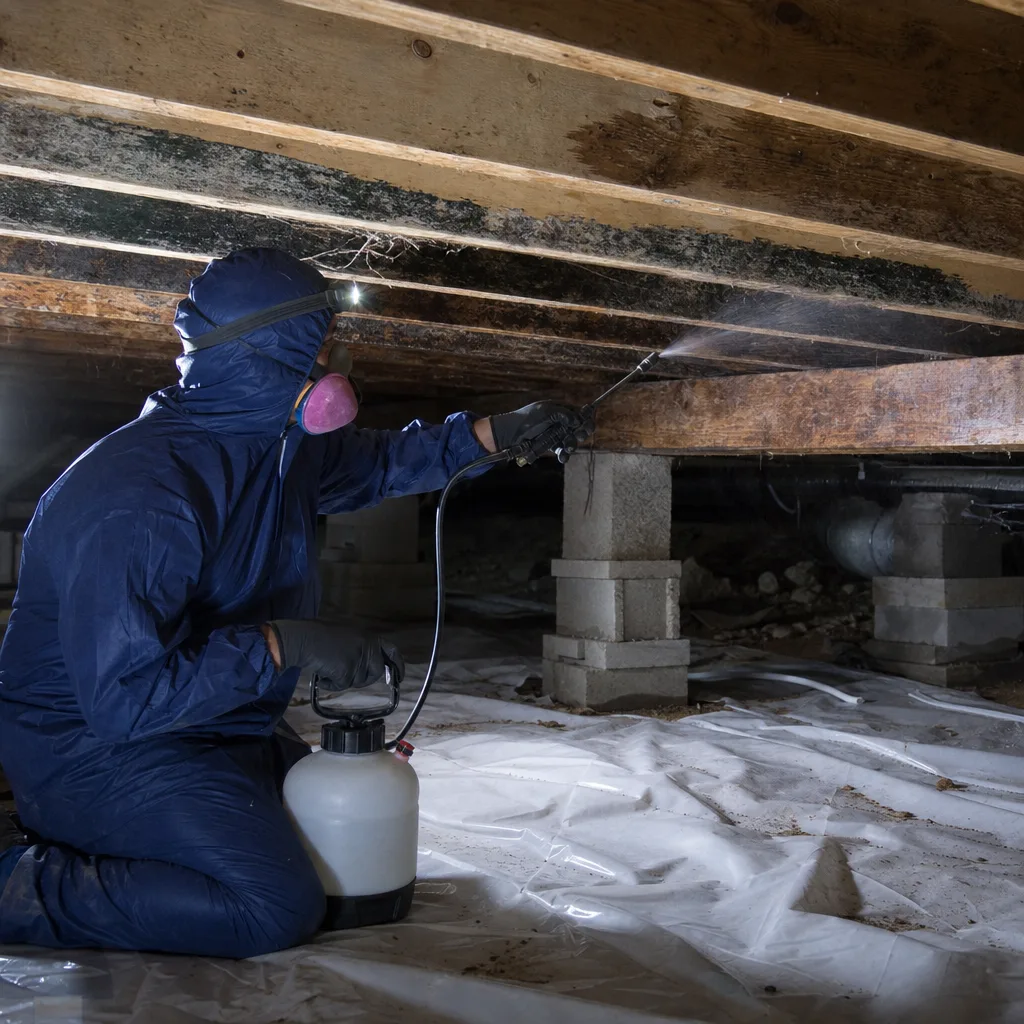
Bellevue’s damage risk clusters around four weather transitions, not twelve months. The September preparation window determines your November outcome. The freeze-thaw cycle frequency, not absolute cold, drives winter pipe risk. Spring moisture readings reveal whether your fall work held. Summer is your only unobstructed inspection season. A dated, specific seasonal record with professional moisture benchmarks is your strongest protection in a coverage dispute. The homeowners who fare best are not those who spend the most on prevention, but those who time their actions to the actual risk mechanisms and document every step.
Written by Alicia Brennan, Owner at DryMark Restoration Bellevue, serving Bellevue since 2011.