
Last updated September 23, 2026
Free visual inspection and a written scope of work before any mitigation begins - photos, moisture readings, and drying logs go in your claim file
The scope we write is the scope we bill. Anything new gets shown to you, in writing, before we touch it.
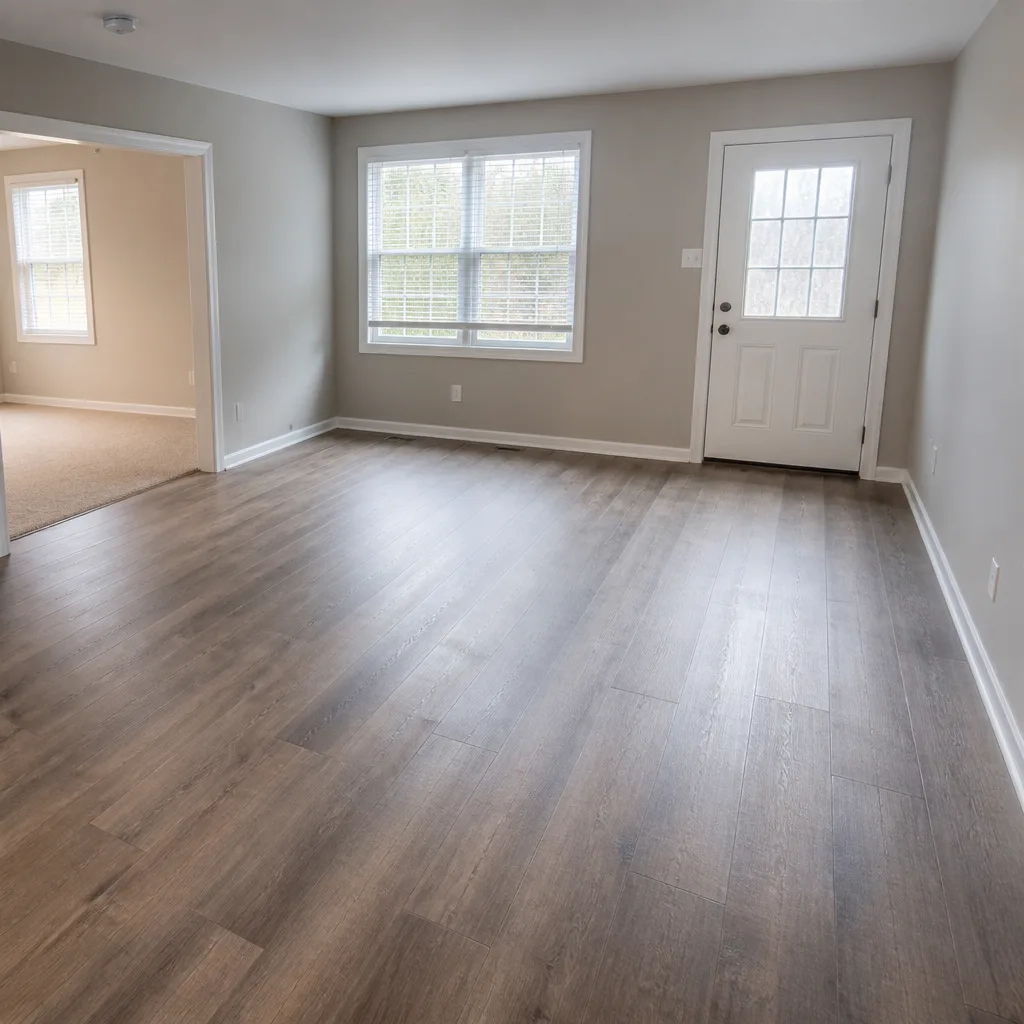
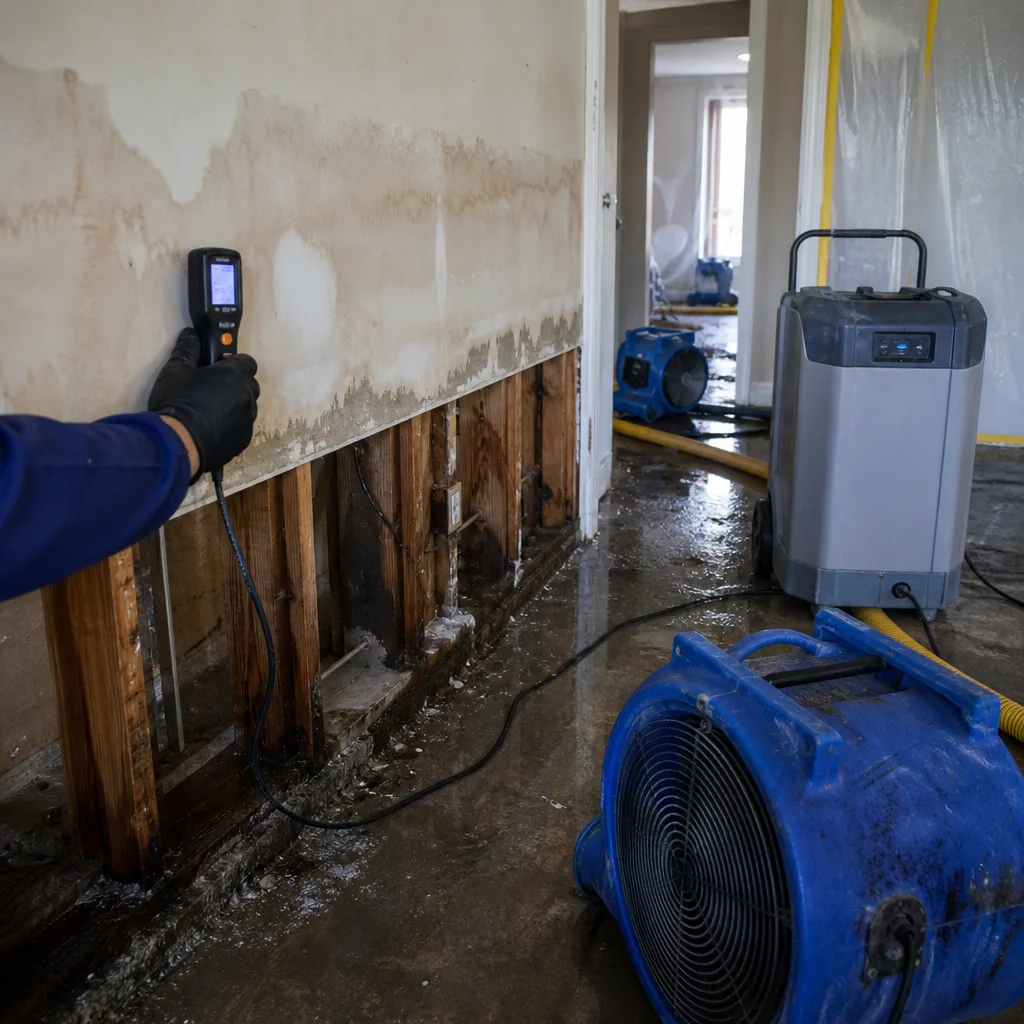 Before
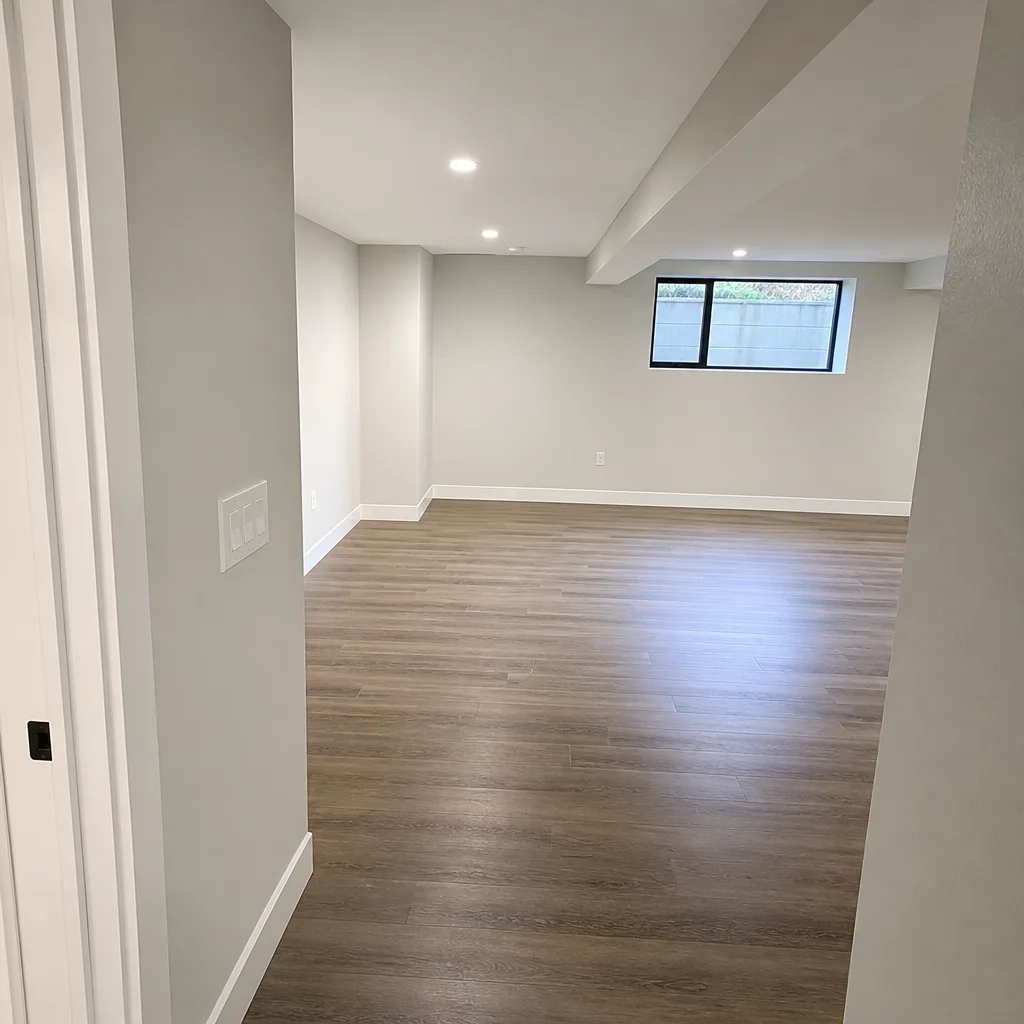 After
After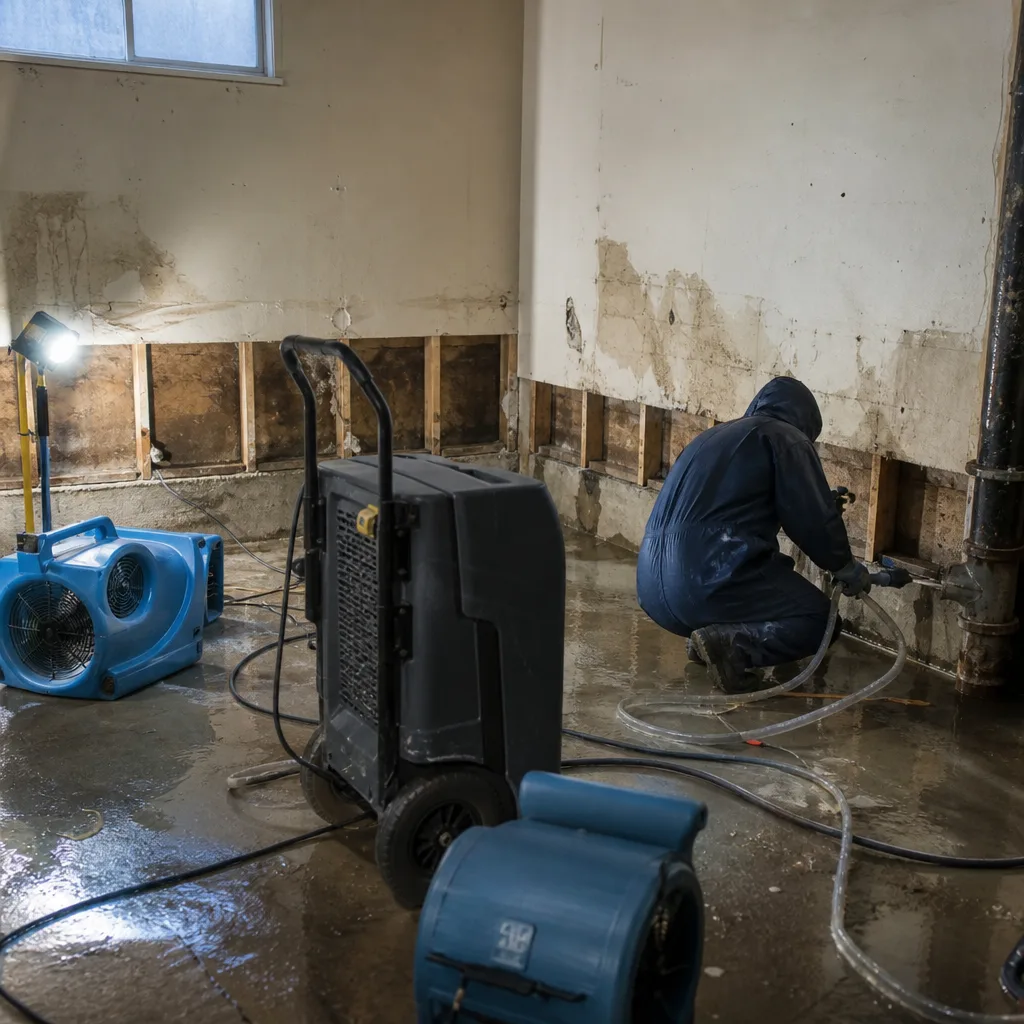 Before
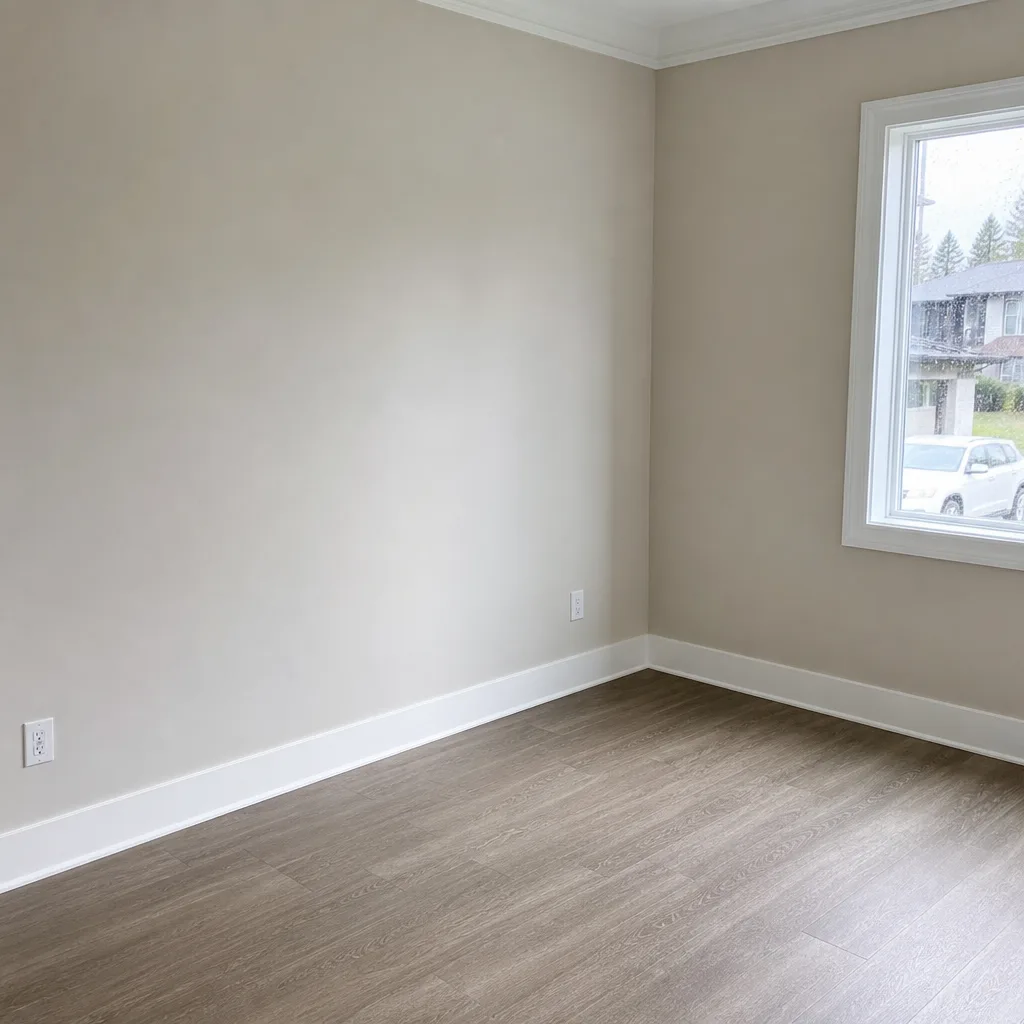 After
After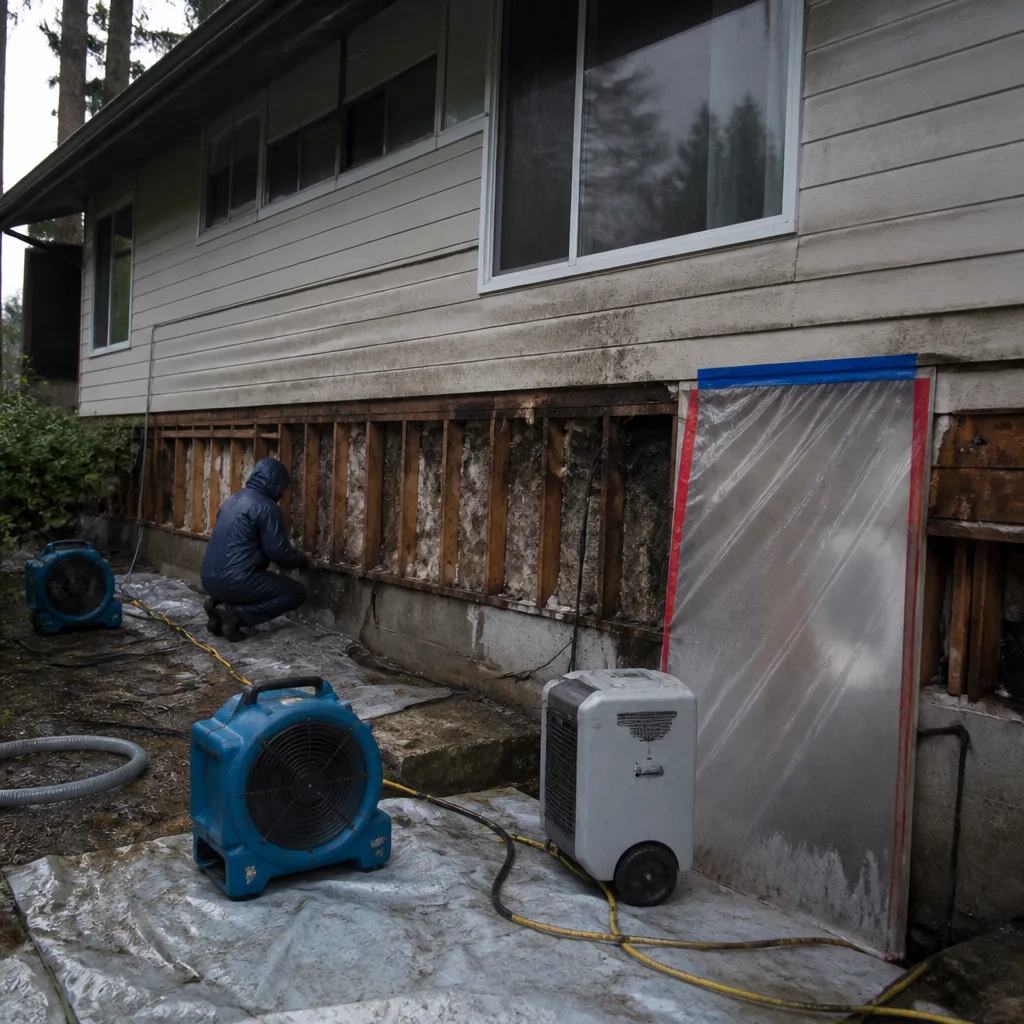 Before
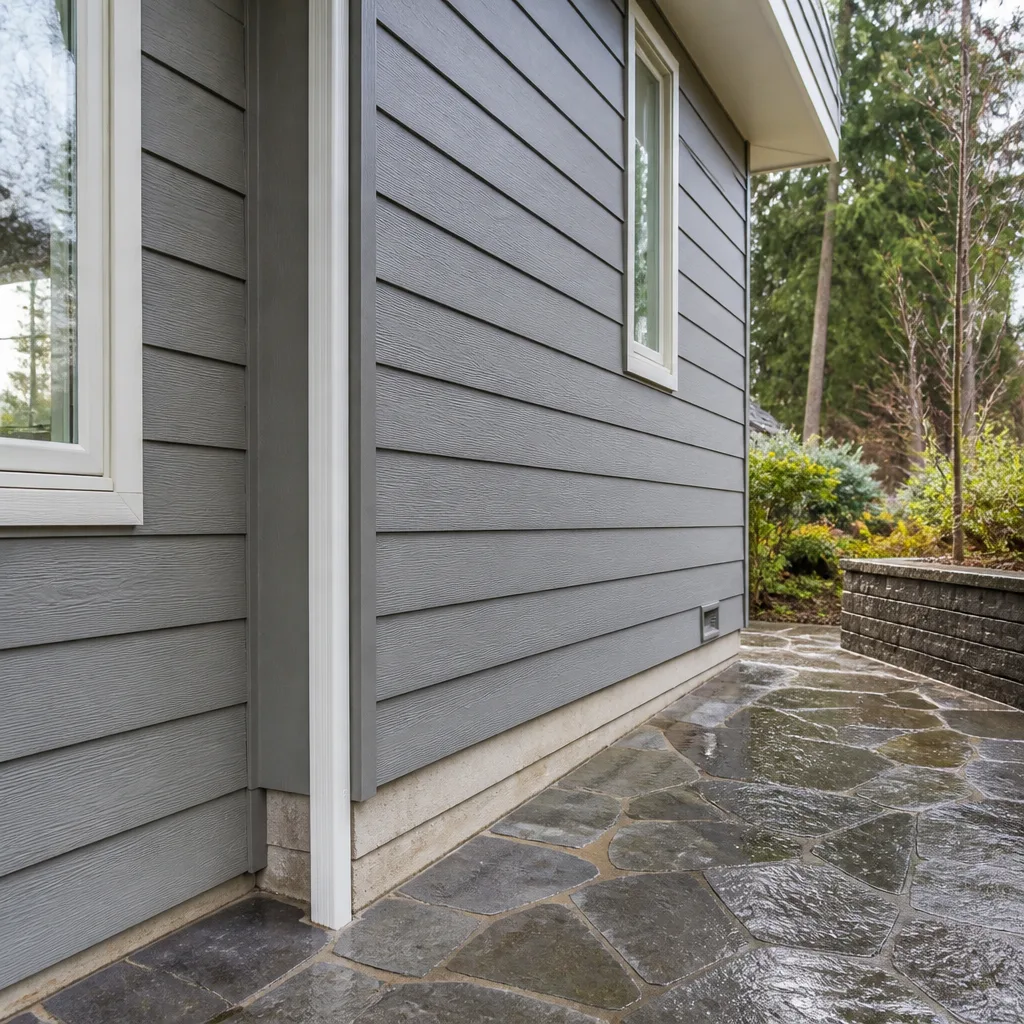 After
AfterDamage Restoration Cost Breakdown: The Bellevue Homeowner’s Reference for 2026
The average gap between what a Bellevue restoration contractor invoices and what an insurer’s first-pass settlement pays is not random. It clusters around three line-item categories that adjusters are trained to challenge and most homeowners don’t recognize: equipment rental per-day charges, antimicrobial application, and contents manipulation. We’ve reviewed thousands of estimates since 2011, and the same pattern repeats. Homeowners who understand how restoration invoices are structured, and who demand the documentation that makes each line item defensible, recover settlements that are 15-30% higher on average than those who accept the first adjuster worksheet. This guide decodes what each line item represents, where insurers apply pressure, and what a Bellevue homeowner can do about it. For Damage Restoration Warning Signs: A Bellevue Homeowner’s Reference Guide, see our companion resource.
Quick Answer
Water damage restoration in Bellevue typically ranges from $3,200 for a contained single-room dry-out to $18,000+ for whole-house structural drying with reconstruction. A standard three-tier invoice breaks down into mitigation (water extraction, demolition, $1,800-$4,500), structural drying (equipment, monitoring, $2,400-$7,200), and reconstruction (build-back, $4,000-$15,000+). The final cost depends on material classification, square footage, and whether daily drying logs document the work to IICRC standards.
Table of Contents
- The Three Pricing Tiers in Every Restoration Invoice
- How Xactimate and Industry Pricing Databases Work
- The Line Items Insurers Challenge Most in Washington State
- Overhead and Profit: Legitimate Charges and How to Defend Them
- The Cost of the Documentation Gap
- 2026 Bellevue Market Pricing by Task Category
- Common Mistakes to Avoid
- When to Call a Professional
- Frequently Asked Questions
BeforeAfterThe Three Pricing Tiers in Every Restoration Invoice
Every restoration invoice in Bellevue, whether submitted through Xactimate, Symbility, or as a narrative bid, organizes work into three tiers. Understanding this structure is the first step to reading your estimate like an adjuster reads it.
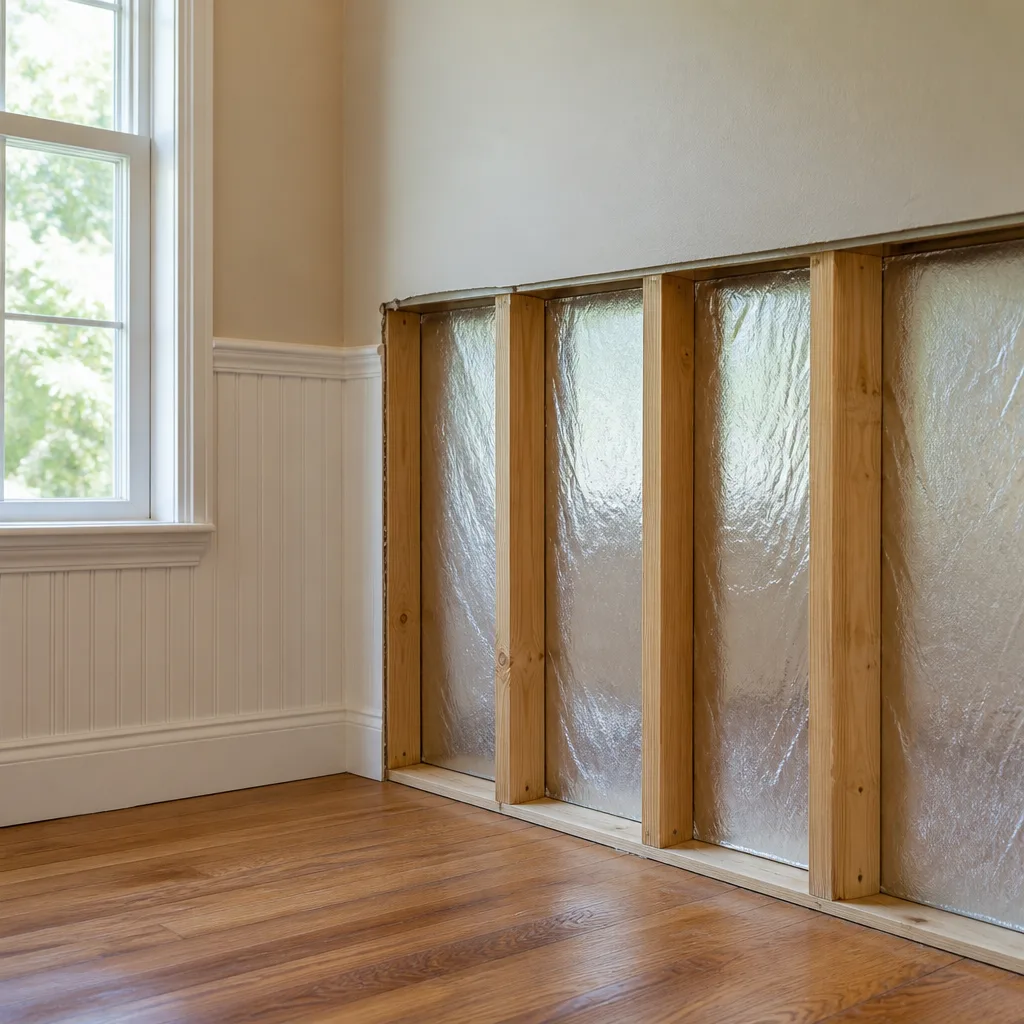
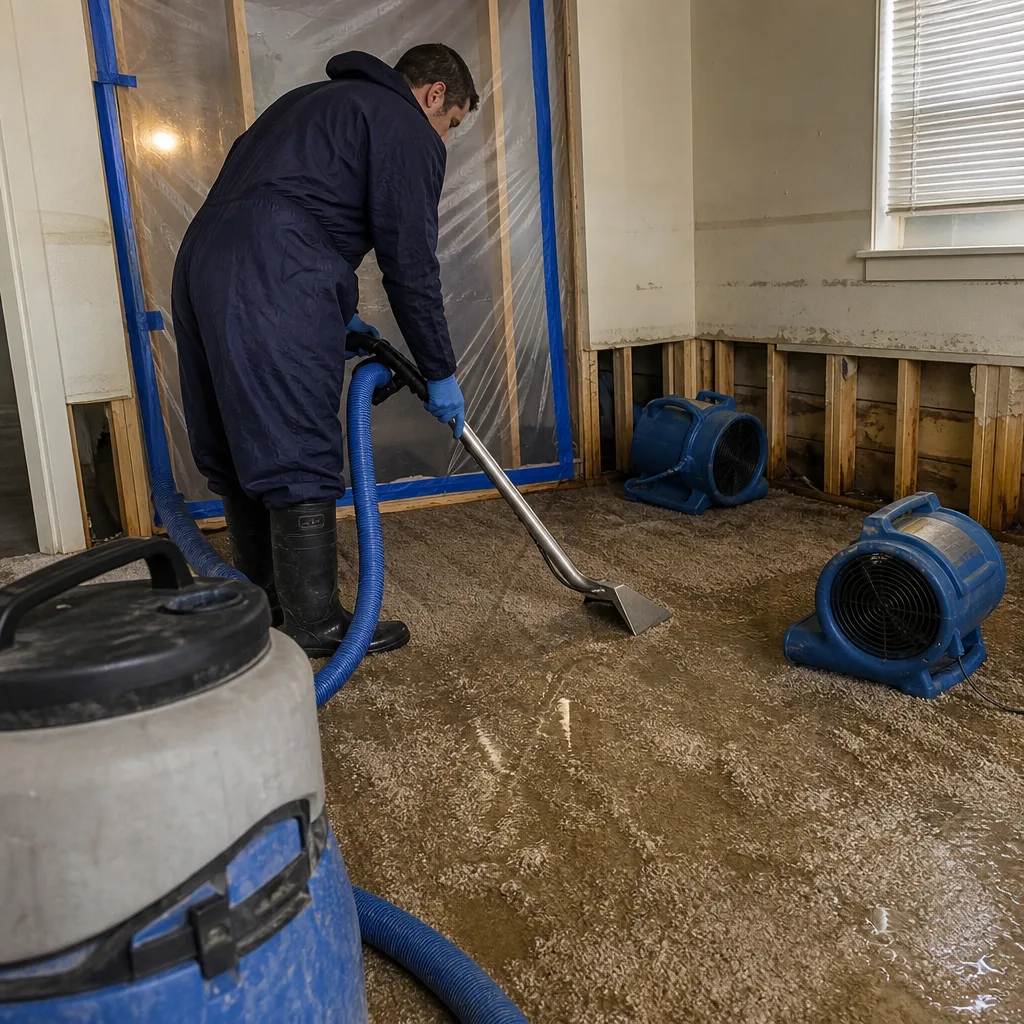
Tier 1: Mitigation - This is emergency work to stop damage from spreading. It includes water extraction, controlled demolition of unsalvageable materials, and initial antimicrobial application. In Bellevue, where many homes built between 1965 and 1995 have original gypsum board and no vapor barriers behind tile, mitigation often reveals more moisture than surface readings suggest. We’ve opened walls in Bridle Trails ranches and found saturated insulation behind apparently dry drywall. Mitigation pricing in Bellevue runs $1,800-$4,500 for typical residential jobs, with per-square-foot demolition costs of $2.80-$4.50 depending on material classification and asbestos screening requirements.
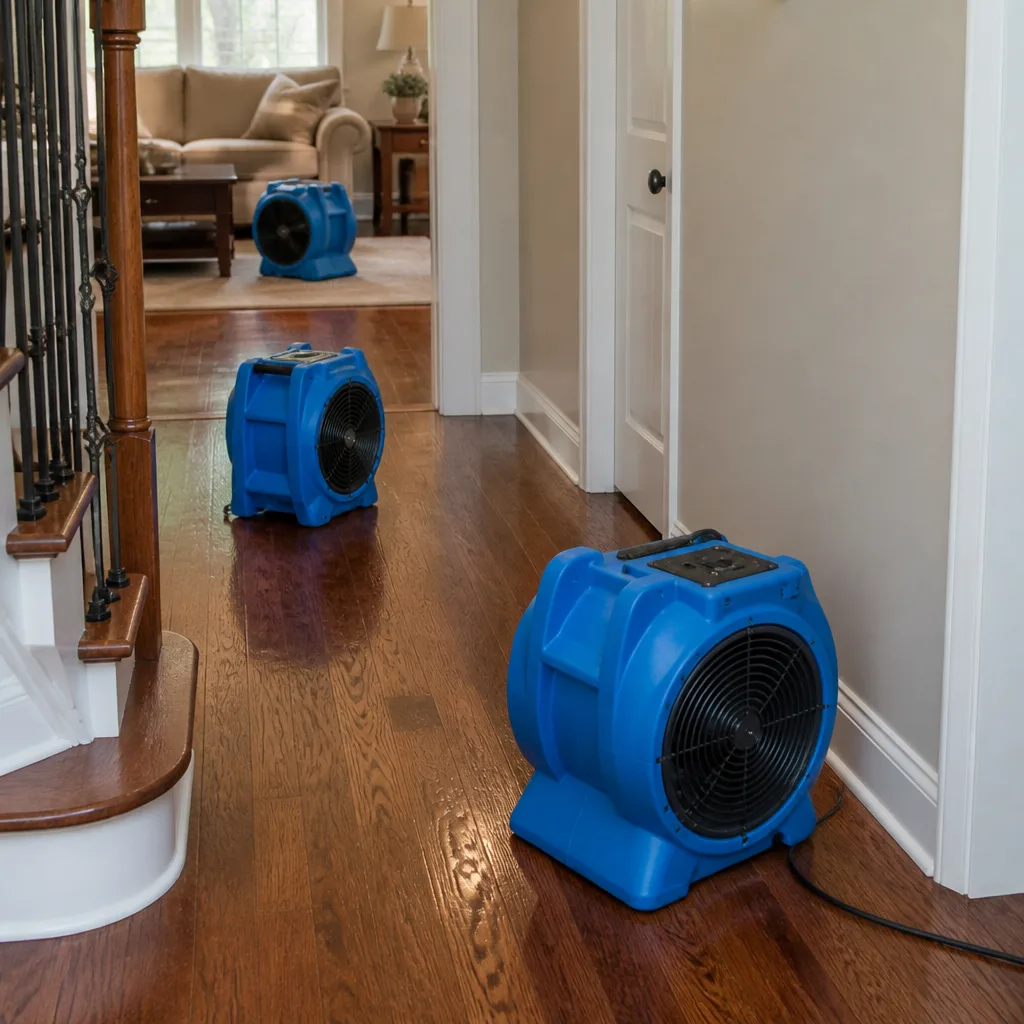
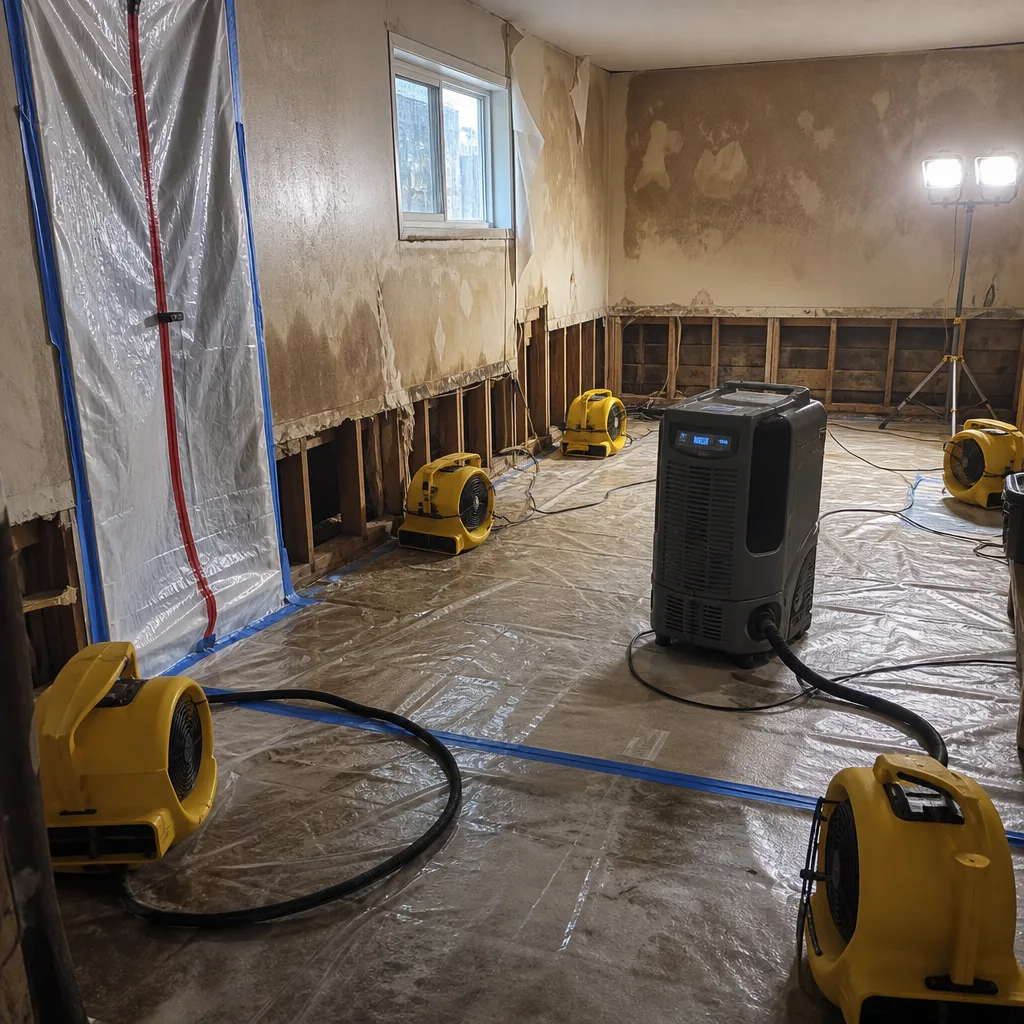
Tier 2: Structural Drying - This is where equipment lives. Air movers, dehumidifiers, and specialty drying systems run until materials return to established dry standards. The key metric is the daily drying log: a record of moisture content readings, relative humidity, temperature, and equipment placement that documents progress to IICRC S500 standards. Without these logs, an insurer can argue that equipment ran longer than necessary. With them, each day of rental is defensible. Structural drying in Bellevue’s marine climate, where outdoor humidity averages 75%+ for eight months of the year, typically requires 3-5 days minimum. Equipment rental charges run $85-$195 per day per dehumidifier and $22-$35 per day per air mover, with most residential jobs deploying 2-4 dehumidifiers and 6-12 air movers.
Tier 3: Reconstruction - This is build-back: new drywall, flooring, paint, trim, and fixtures. Unlike mitigation and drying, reconstruction is priced like remodeling, with material costs, labor hours, and markup. The critical difference is that reconstruction follows a documented scope of work established during mitigation and drying. Change orders at this stage, without written authorization, violate Haven Standard, Clause 1. Reconstruction costs in Bellevue vary widely based on finish level, but expect $4,000-$15,000+ for typical residential rebuilds, with high-end finishes in neighborhoods like Clyde Hill or Medina running significantly higher.
Each tier builds on the documentation of the previous one. A gap in Tier 2 logs undermines Tier 3 scope. This is why we deliver a written price before work begins on every tier, with no scope-creep additions once the crew is inside. Haven Standard, Clause 1.
How Xactimate and Industry Pricing Databases Work
Most restoration contractors in Bellevue use Xactimate, the pricing database owned by Verisk, or its competitor Symbility. These platforms set unit costs by ZIP code, updated quarterly based on contractor surveys, material costs, and labor rates. The Bellevue ZIP codes (98004, 98005, 98006, 98007, 98008) pull from the Seattle-Tacoma market with local modifiers for labor and disposal costs.
Here’s what matters: Xactimate line items are coded. “WTR DRY” indicates water damage drying. “WTR MIT” indicates mitigation. “RFG” indicates roofing, “FLR” flooring. Each code carries a unit cost, a unit of measurement (square foot, linear foot, each, hour), and a brief description. When a contractor submits an estimate, the adjuster reviews line-item codes against the claimed scope. Mismatches trigger questions.
The problem arises when contractors submit narrative bids instead of database line items. A narrative bid - “dry out basement, $6,500” - gives an adjuster nothing to verify against industry standards. Adjusters are trained to reduce narrative bids by 20-40% on first pass, citing lack of detail. We’ve seen Bellevue homeowners accept these reductions because they didn’t know the bid format itself was the problem.
Our process: every estimate is line-itemed to database standards, with each code matched to a documented condition. The photo record on every visit supports the line items. The daily drying log supports the equipment days. The written scope, signed before work begins, locks the line items. This is how a restoration invoice becomes a claim an insurer pays without a fight.
Key codes Bellevue homeowners should recognize:
- WTR DRY - Structural drying, per square foot, includes equipment and monitoring
- WTR EXTR - Water extraction, per square foot or per hour depending on volume
- WTR DEM - Demolition of water-damaged materials, per square foot
- WTR CLN - Cleaning and antimicrobial application, per square foot
- WTR CONT - Contents manipulation, per item or per hour
- WTR EQD - Equipment decontamination, per piece
When reviewing your estimate, ask your contractor to explain each code used. If they cannot, or if the bid lacks codes entirely, that’s a flag. A written price before work begins should be a detailed price, not a round number.
The Line Items Insurers Challenge Most in Washington State
Three line items generate disproportionate pushback in Washington State claims. Adjusters receive training specifically targeting these categories. Homeowners who understand why, and who have the documentation to respond, preserve their settlements.
Equipment Rental Per-Day Charges
Insurers challenge equipment days because they’re easy to dispute. “Was the dehumidifier really necessary on day four?” “Could air movers have been removed earlier?” Without daily drying logs showing moisture readings, relative humidity, and temperature, the contractor has no evidence. With logs, each day is justified.
In Bellevue’s climate, equipment typically runs longer than in drier regions. Our marine layer, persistent from October through May, means outdoor air can’t assist drying. Dehumidifiers work harder. We’ve documented jobs in the Lake Hills area where equipment ran seven days because exterior humidity prevented natural drying, even with windows open. The logs proved it. The insurer paid.
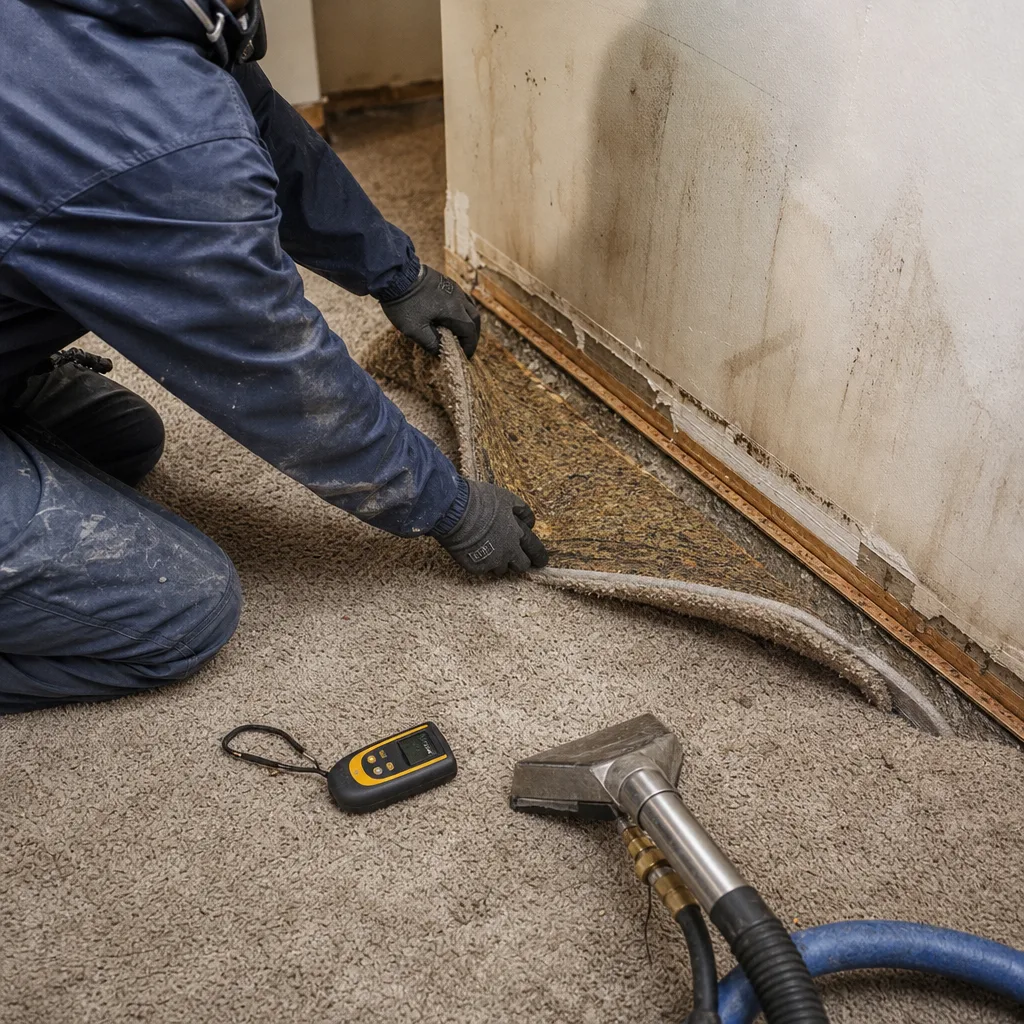
Defensible documentation: daily psychrometric readings (temperature, relative humidity, specific humidity), moisture content readings for affected materials, equipment inventory with serial numbers, and photos showing equipment placement. IICRC S500 establishes dry standards for each material class. We document to those standards, not to calendar dates.
Antimicrobial Application
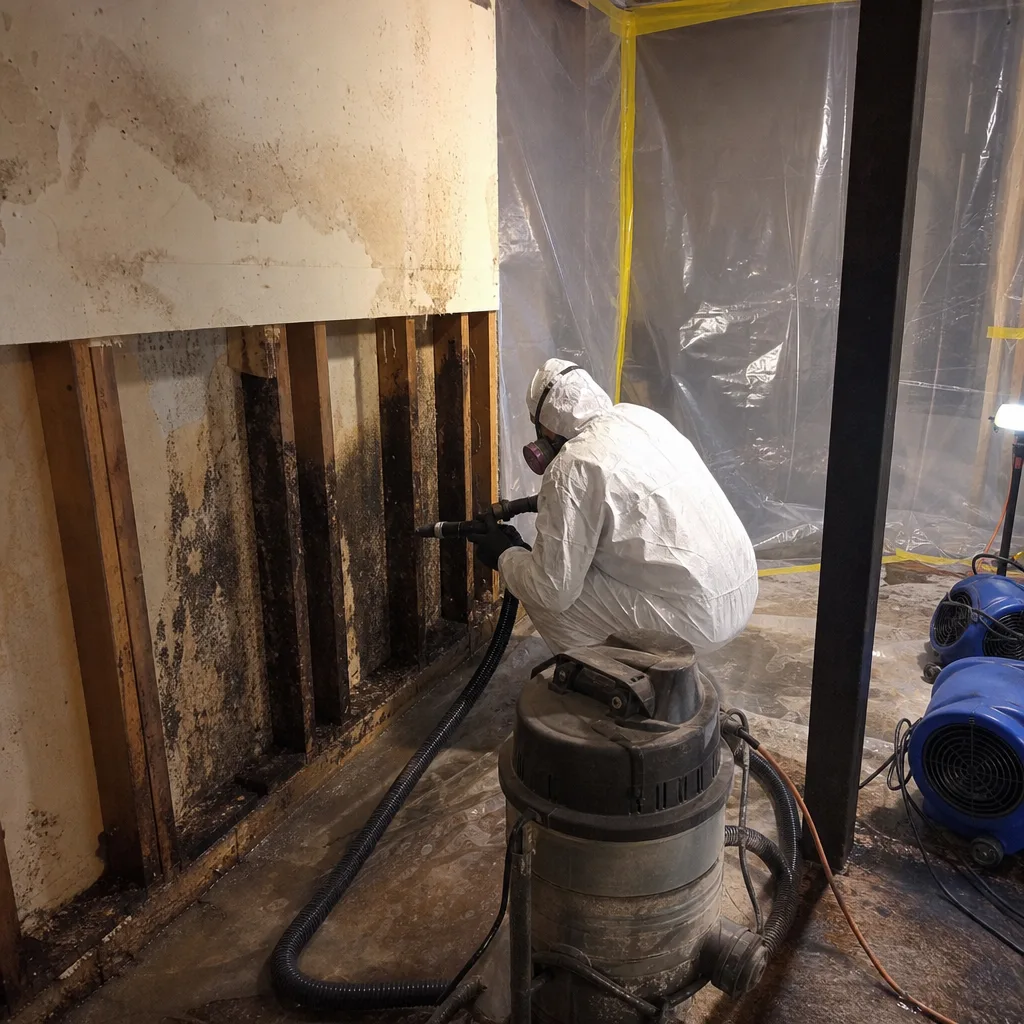
Insurers classify antimicrobial application as “preventive” rather than “necessary,” and many initial worksheets exclude it or cap it at one application. The counterargument requires documentation of Category 2 or Category 3 water intrusion (gray or black water), visible microbial growth, or structural conditions that create ongoing moisture risk.
In Bellevue, homes with crawl spaces or built on slopes with poor drainage, common in the Somerset and Factoria areas, present ongoing moisture risk even after surface drying. We document these conditions with photos, moisture readings from subfloor cavities, and written scope notes. The antimicrobial application then ties to a documented condition, not a generic precaution.
Contents Manipulation
p>This line item covers moving, cleaning, storing, and returning homeowner belongings. Insurers challenge it because it’s labor-intensive and subjective: “Couldn’t the homeowner have moved their own furniture?” The answer depends on the condition of the contents and the work required.
When water has reached furniture, electronics, or personal items, moving them without professional handling risks secondary damage and health exposure. We document contents condition with photos, inventory each item, and note why professional handling was necessary. For jobs involving Category 3 water, this documentation includes PPE requirements and disposal records for unsalvageable items.
Overhead and Profit: Legitimate Charges and How to Defend Them
Overhead and profit (O&P) is the most commonly removed line item on first-pass adjuster worksheets, and it’s the one homeowners are least prepared to defend. Here’s what it actually is, and why you’re entitled to it on contractor-managed work.
O&P covers the contractor’s fixed costs: office rent, insurance, vehicle maintenance, administrative staff, training, equipment depreciation, and profit margin. On restoration work, where the contractor coordinates multiple trades, schedules inspections, manages documentation, and warrants the work, O&P is standard. Xactimate applies 10% overhead and 10% profit (20% total) to contractor-managed jobs where three or more trades are involved.
Adjusters remove O&P by arguing that the job was “not complex enough” or that the homeowner could coordinate trades directly. Both arguments fail under Washington State insurance regulations when the contractor’s scope demonstrates trade coordination.
What makes O&P defensible:
- Three or more trades in scope - If your restoration involves water extraction, drywall, flooring, and painting, that’s four trades. Document this in the written scope.
- Contractor coordination - The contractor schedules, inspects, and warrants the work. This is not handoff management; it’s integrated project delivery with documentation at each phase.
- Written scope signed before work begins - Haven Standard, Clause 1. The scope establishes the complexity that justifies O&P.
If an adjuster removes O&P, the specific language to use: “This is contractor-managed work involving [number] trades, with integrated scheduling, inspection, and warranty. Per Xactimate guidelines and Washington State insurance practice, overhead and profit applies.” Request the adjuster’s written basis for removal. Most will not provide one, because the removal is often automatic rather than considered.
We’ve seen Bellevue homeowners recover $2,000-$8,000 in O&P on residential jobs simply by challenging the removal with documented scope. The money is in the documentation.
The Cost of the Documentation Gap
The documentation gap is the difference between what a job actually required and what can be proven after the fact. It is the single largest driver of reduced insurance settlements, and it’s entirely preventable.
Consider a typical Bellevue water damage job: a supply line failure in a second-floor bathroom, affecting the bathroom, hallway, and ceiling below. Properly documented, with daily drying logs, photo records, and line-itemed estimates, the settlement matches the invoice. Poorly documented, with narrative bids and no moisture readings, the insurer’s first-pass settlement may cover 60-70% of actual costs.
The gap manifests in three ways:
- Supplement disputes - When documentation is insufficient, the contractor must submit supplements after work is complete. Each supplement requires additional adjuster review, often involving a new inspection. Timeline: 3-8 weeks. Success rate: variable. In our experience, undocumented supplements in Bellevue recover 40-60% of requested amounts, compared to 90%+ for documented initial submissions.
- Depreciation holdbacks - Without documentation of pre-loss condition, insurers apply maximum depreciation to materials. A documented photo record of original finishes supports actual cash value calculations and reduces recoverable depreciation holdbacks.
- Out-of-pocket costs - When settlements fall short, homeowners pay the difference. On a $12,000 job with a 30% documentation gap, that’s $3,600 out of pocket, plus the time spent disputing.
Quantified: a typical Bellevue supplement dispute, when documentation is poor, costs 3-8 weeks in time, $400-$800 in additional inspection or appraisal fees if escalated, and reduces final settlement by 15-30%. On a $15,000 job, that’s $2,250-$4,500 in lost recovery, plus fees and delay.
Our documentation standard: photo record on every visit, daily drying logs with psychrometric data, written scope signed before work begins, and equipment inventory with serial numbers. Delivered to the homeowner and available to the adjuster on request. This is not extra service. It is standard. It is how restoration invoices become payable claims.
2026 Bellevue Market Pricing by Task Category
These ranges reflect Bellevue-specific unit costs as of early 2026, drawn from Xactimate pricing for ZIP codes 98004-98008, adjusted for local labor rates and disposal costs. Every job is unique; these are reference points, not quotes. A written price before work begins, per Haven Standard, Clause 1, provides your specific number.
| Task Category | Unit | Bellevue Range |
|---|---|---|
| Water extraction, standing water | per sq ft | $1.85 - $3.20 |
| Water extraction, truck-mounted | per hour | $185 - $265 |
| Demolition, gypsum board | per sq ft | $2.80 - $4.50 |
| Demolition, tile/vinyl flooring | per sq ft | $3.40 - $5.80 |
| Antimicrobial application | per sq ft | $0.85 - $1.65 |
| Dehumidifier rental, standard | per day | $85 - $125 |
| Dehumidifier rental, LGR (low-grain refrigerant) | per day | $145 - $195 |
| Air mover rental | per day | $22 - $35 |
| Air scrubber/negative air machine | per day | $45 - $75 |
| Injectidry hardwood drying system | per day | $185 - $285 |
| Daily monitoring/inspection | per visit | $125 - $195 |
| Contents manipulation, pack-out | per hour | $85 - $125 |
| Contents cleaning, soft goods | per pound | $3.50 - $5.50 |
| Drywall installation, 1/2″ | per sq ft | $2.80 - $4.20 |
| Drywall finish, Level 4 | per sq ft | $1.85 - $2.95 |
| Paint, two coats | per sq ft | $1.65 - $2.85 |
| Carpet replacement, mid-grade | per sq ft | $4.50 - $7.50 |
| Hardwood floor repair, localized | per sq ft | $8.50 - $14.50 |
| Tile floor replacement, ceramic | per sq ft | $12.50 - $22.00 |
Equipment notes: We deploy professional-grade drying systems from Dri-Eaz, Phoenix, XPOWER, B-Air, and Injectidry, selected by material type and moisture load. LGR dehumidifiers are standard for Bellevue’s climate; desiccant systems for large commercial losses or winter conditions when exterior temperatures drop below 40°F. The equipment specified affects daily rental rates and total drying days. We document equipment selection rationale in the written scope.
Regional factors: Bellevue’s steep hillside lots, common in West Bellevue and Cougar Mountain areas, create drainage challenges that extend drying times. Homes with conditioned crawl spaces versus vented crawl spaces require different approaches. Permits for reconstruction in Bellevue proper require plan review for structural work; the City of Bellevue’s permitting timeline adds 2-4 weeks to reconstruction schedules for permitted trades. See Damage Restoration Permits, Codes & Inspections in WA: What You Need to Know for full requirements.
Common Mistakes to Avoid
- Accepting a narrative bid without line-item detail - A single-number bid gives you no basis to dispute adjuster reductions and no documentation of what was actually done. Always request coded line items.
- Starting work without a written, signed scope - Verbal authorizations lead to scope disputes, change order conflicts, and unpaid invoices. Haven Standard, Clause 1 exists because we’ve seen what happens without it.
- Not requesting daily drying logs - These logs are your primary defense against equipment day challenges. If your contractor doesn’t produce them automatically, ask. If they can’t, that’s a serious gap.
- Overlooking contents documentation - Bellevue homes often contain high-value electronics, artwork, and furnishings. Without pre-loss photos and itemized inventory, contents manipulation and cleaning charges are indefensible.
- Accepting O&P removal without challenge - This is automatic on many adjuster worksheets. If your job involves three or more trades, challenge it with documented scope.
- Ignoring permit requirements for reconstruction - Bellevue requires permits for electrical, plumbing, and structural work. Unpermitted reconstruction can block final payment and create resale disclosure issues.
- Not getting a second opinion on a competitor’s estimate - We offer this free because we’ve found that 30% of competitor estimates in Bellevue contain scope gaps that reduce final settlements or leave moisture unaddressed.
When to Call a Professional
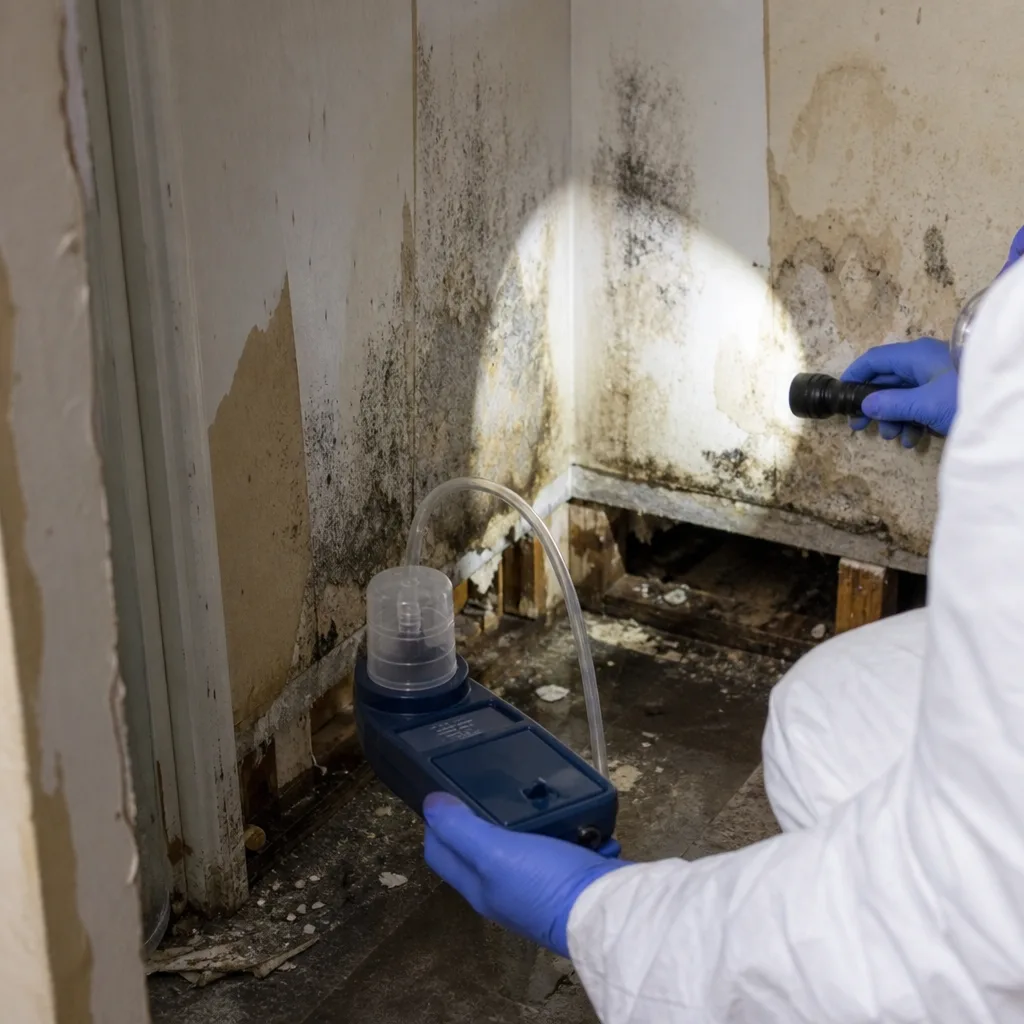
Call immediately when water is actively spreading, when you smell mold or see visible growth, after any fire or smoke event, or when sewage or contaminated water is involved. These situations worsen with time and create documentation gaps that cost money later.
For water damage, the critical window is the first 24-48 hours. After that, microbial growth becomes likely, Category 1 water becomes Category 2, and mitigation costs increase. In Bellevue’s climate, that window is shorter than in drier regions.
For reconstruction-only needs, where no emergency mitigation is required, schedule a scoped appointment. This work is estimated, scheduled, and priced in writing like a remodel. Same-day dispatch applies to mitigation, not to elective reconstruction.
DryMark Restoration Bellevue offers free estimates in Bellevue. Call (425) 696-6320. A live person answers every call, 24 hours a day, 7 days a week. No voicemail on emergency lines.
Frequently Asked Questions
Water damage restoration in Bellevue typically costs $3,200-$18,000 depending on affected square footage, material classification, and whether reconstruction is included. A contained single-room dry-out with Category 1 water runs $3,200-$5,500. Whole-house structural drying with Category 2 or 3 water and reconstruction can exceed $18,000. Call (425) 696-6320 for a written estimate specific to your loss.
Insurance covers the cost of sudden, accidental water damage when the policy includes water damage coverage, minus your deductible. The gap between invoice and settlement usually stems from documentation gaps, not policy limits. A properly documented claim with daily drying logs, photo records, and line-itemed estimates typically settles at 95-100% of invoice. Undocumented claims often settle at 60-75%. We coordinate directly with adjusters and provide the documentation that closes the gap. Explore more guides & resources on navigating insurance claims.
For active water damage, we dispatch same day, typically within 2-4 hours of call receipt. Bellevue’s geography, with I-405 and I-90 corridors, allows rapid response to all neighborhoods. For non-emergency reconstruction, we schedule within 2-5 business days for estimate appointments. Live dispatch is available 24 hours a day, 7 days a week at (425) 696-6320.
Category 1 water in a small, easily accessible area with immediate response can sometimes be handled by a homeowner with proper equipment. Category 2 or 3 water, any visible mold, water behind walls, or damage affecting structural materials requires professional handling. In Bellevue, where many homes have complex HVAC systems and conditioned crawl spaces, DIY drying often leaves moisture in concealed cavities that becomes a mold problem in 30-60 days. Read our DIY vs Professional Damage Restoration: The Bellevue Homeowner’s Decision Guide before deciding. We offer free second opinions on any competitor’s written estimate if you’re unsure about scope.
We do. Our estimates are formatted for adjuster review, with Xactimate line items, photo documentation, and daily drying logs delivered in standard insurance packages. We speak adjuster language because our founder is a former claims adjuster who built this company around the documentation gap. Direct adjuster coordination is standard, not an upsell.
A contractor using Xactimate submits estimates in the format adjusters expect, with industry-standard unit costs and coded line items. A contractor using narrative bids submits descriptive paragraphs with round numbers. Adjusters are trained to reduce narrative bids by 20-40% on first pass. The format alone can cost you thousands. We use Xactimate-equivalent line-item structure on every estimate, with documentation that supports each code.
Review your adjuster’s worksheet against your contractor’s estimate. Look for line items labeled “Overhead,” “Profit,” “O&P,” or “10 & 10.” If your contractor’s estimate includes these and the adjuster’s worksheet does not, they were removed. Challenge this if your job involved three or more trades with contractor coordination. We flag O&P on our estimates and help homeowners document the trade coordination that justifies it.
The Bottom Line
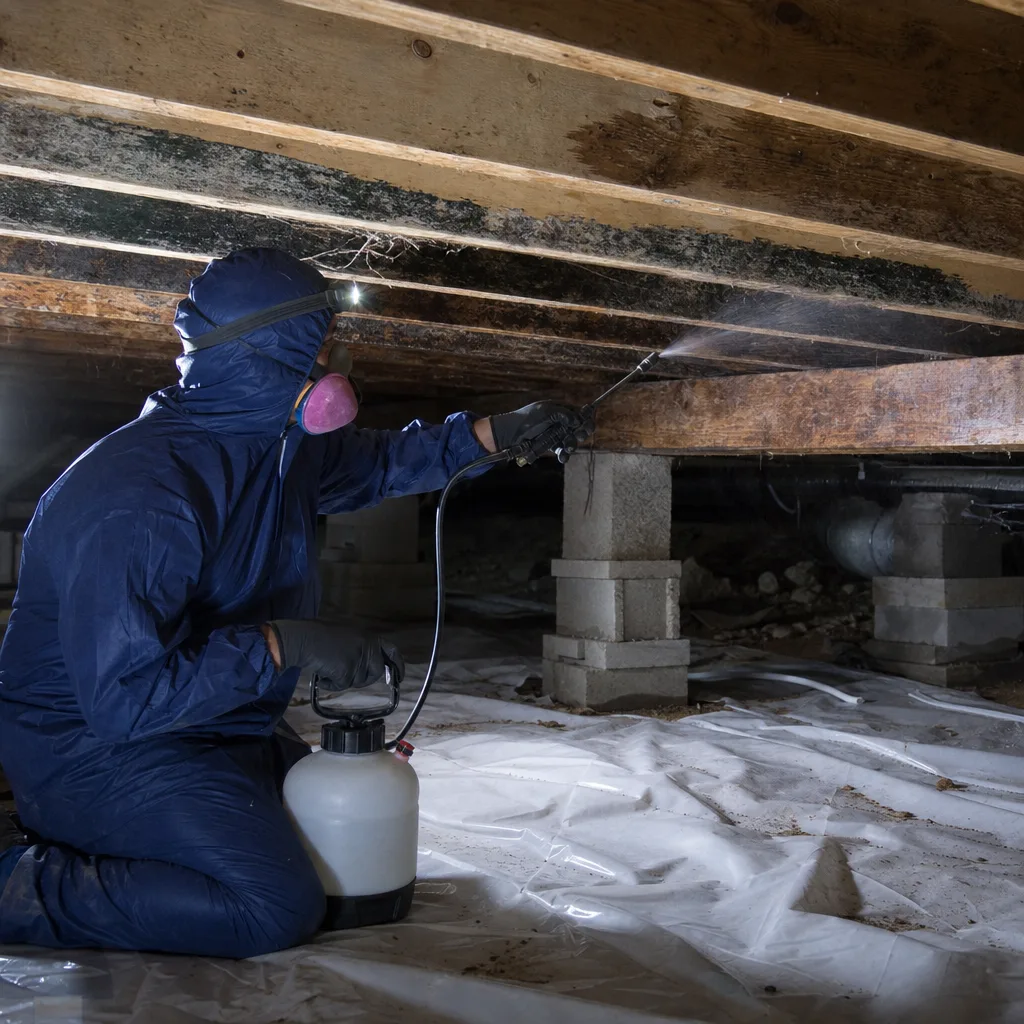
Restoration invoices are not remodeling invoices. They follow a unit-cost structure tied to industry pricing databases, and every line item either carries documentation that makes it defensible or doesn’t. The three tiers, mitigation, structural drying, and reconstruction, each require specific documentation: demolition scope, daily drying logs with psychrometric data, and written build-back scope signed before work begins. The line items insurers challenge most, equipment rental, antimicrobial application, and contents manipulation, are precisely the ones most dependent on documentation. Overhead and profit, routinely removed from first-pass settlements, is recoverable when the job’s complexity is documented. The cost of the documentation gap, measured in reduced settlements, supplement disputes, and out-of-pocket expenses, far exceeds the cost of doing it right the first time.
In Bellevue’s market, where home values and repair costs are both elevated, understanding this structure is not optional for homeowners who want full recovery. The information is available. The documentation standards are established by IICRC. The only question is whether your contractor follows them and delivers the records to you.
Water Damage Restoration in Bellevue | Mold Remediation in Bellevue | Fire & Smoke Damage Restoration in Bellevue
Call (425) 696-6320 for a free estimate. Written price before work begins, every time. Haven Standard, Clause 1.
Written by Alicia Brennan, Owner at DryMark Restoration Bellevue, serving Bellevue since 2011.