
Last updated September 23, 2026
Free visual inspection and a written scope of work before any mitigation begins - photos, moisture readings, and drying logs go in your claim file
The scope we write is the scope we bill. Anything new gets shown to you, in writing, before we touch it.
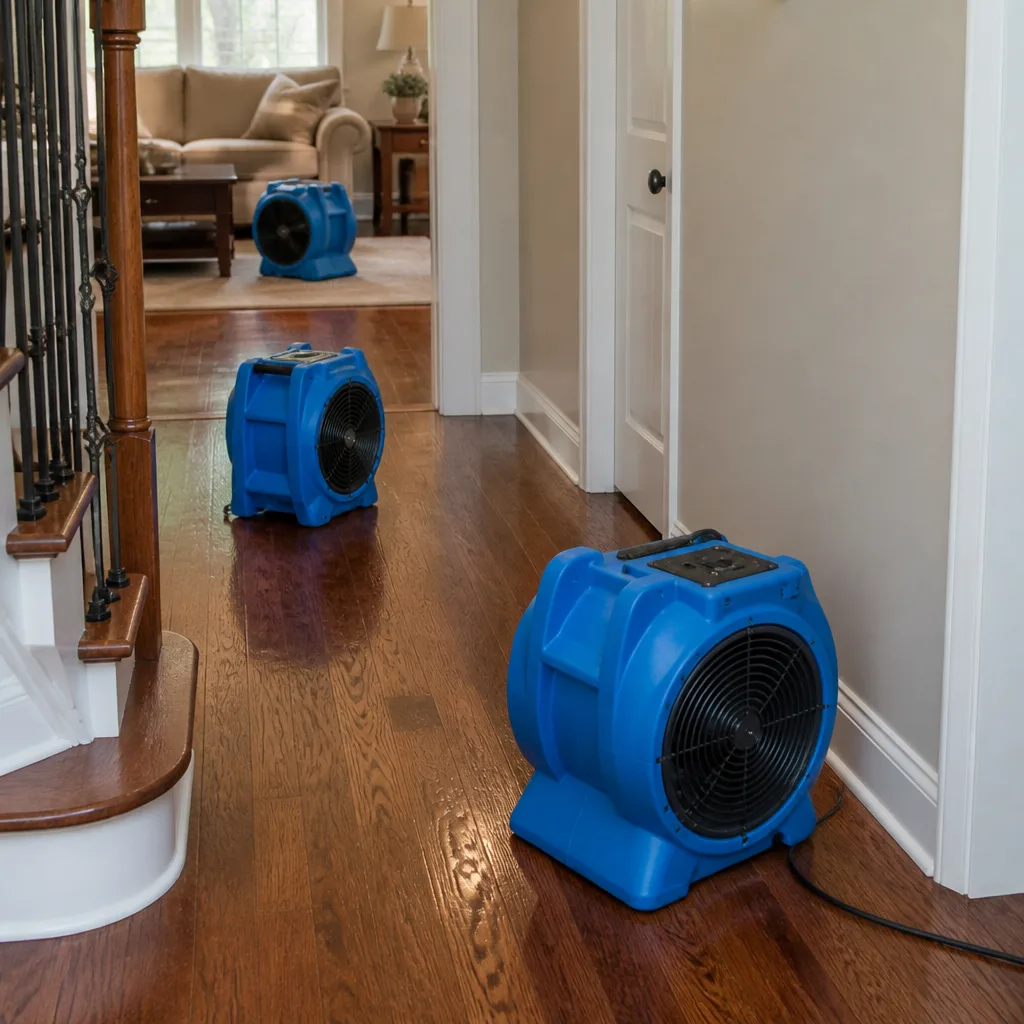

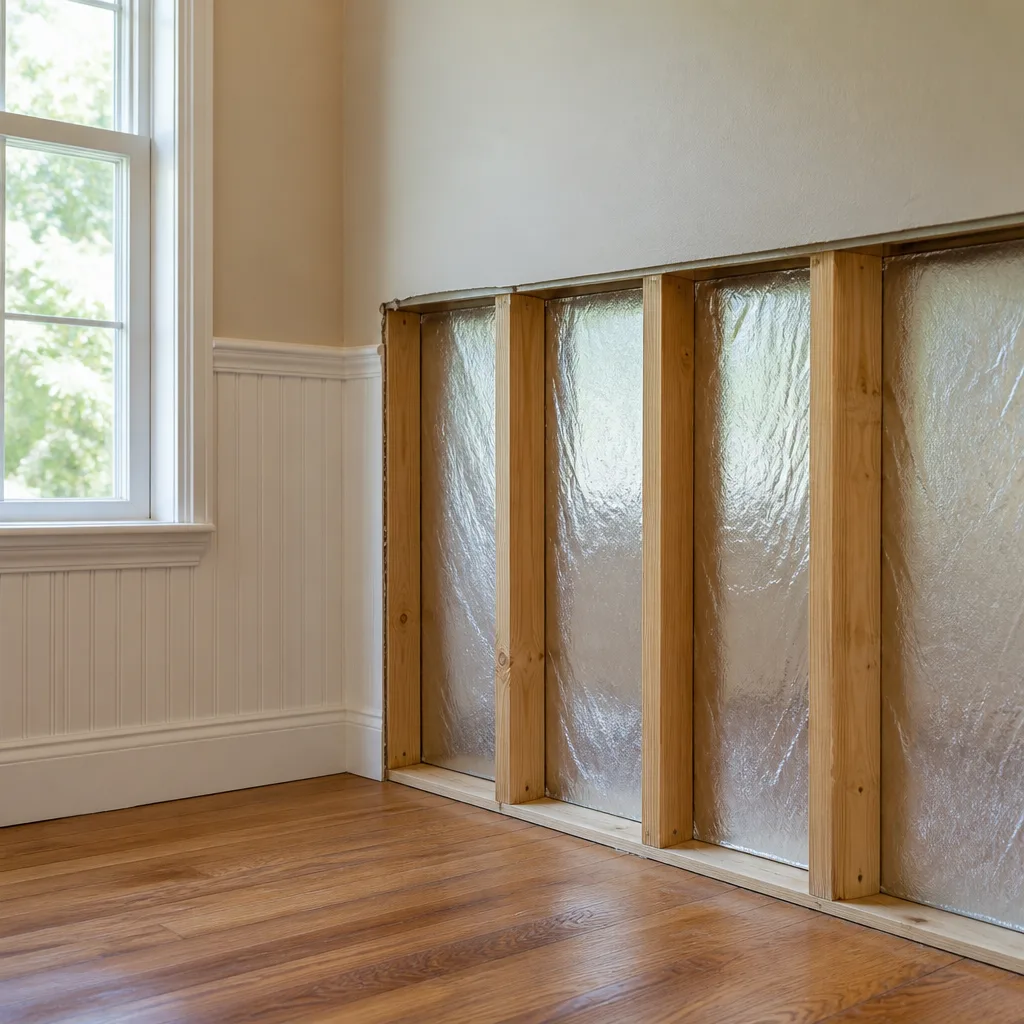

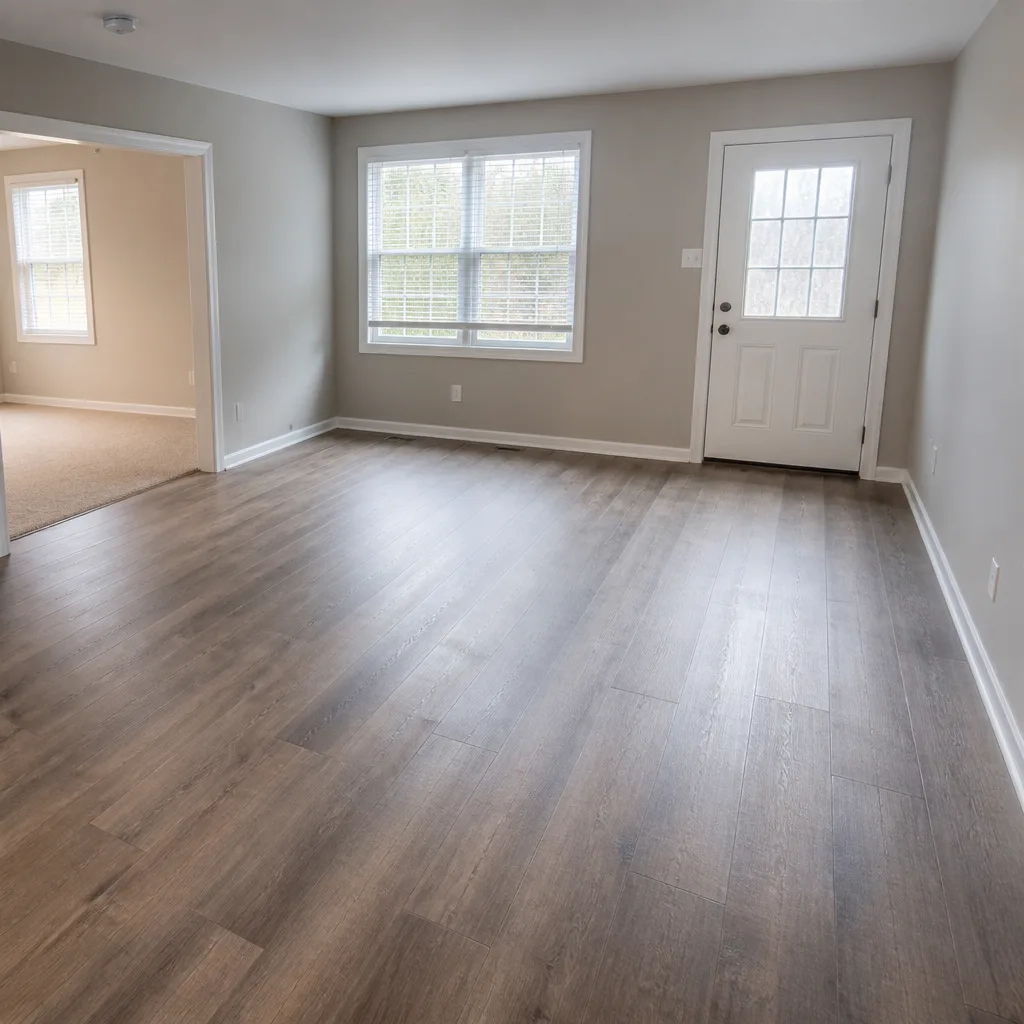

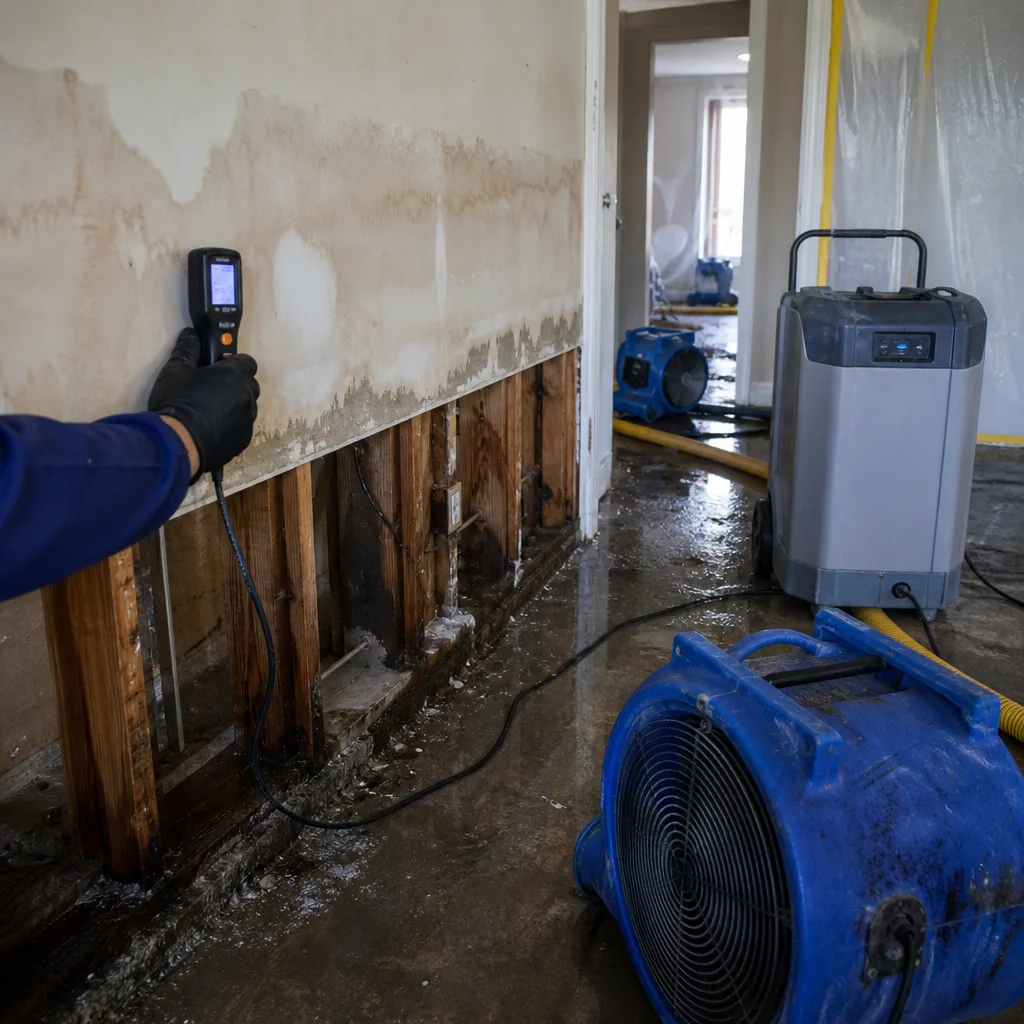 Before
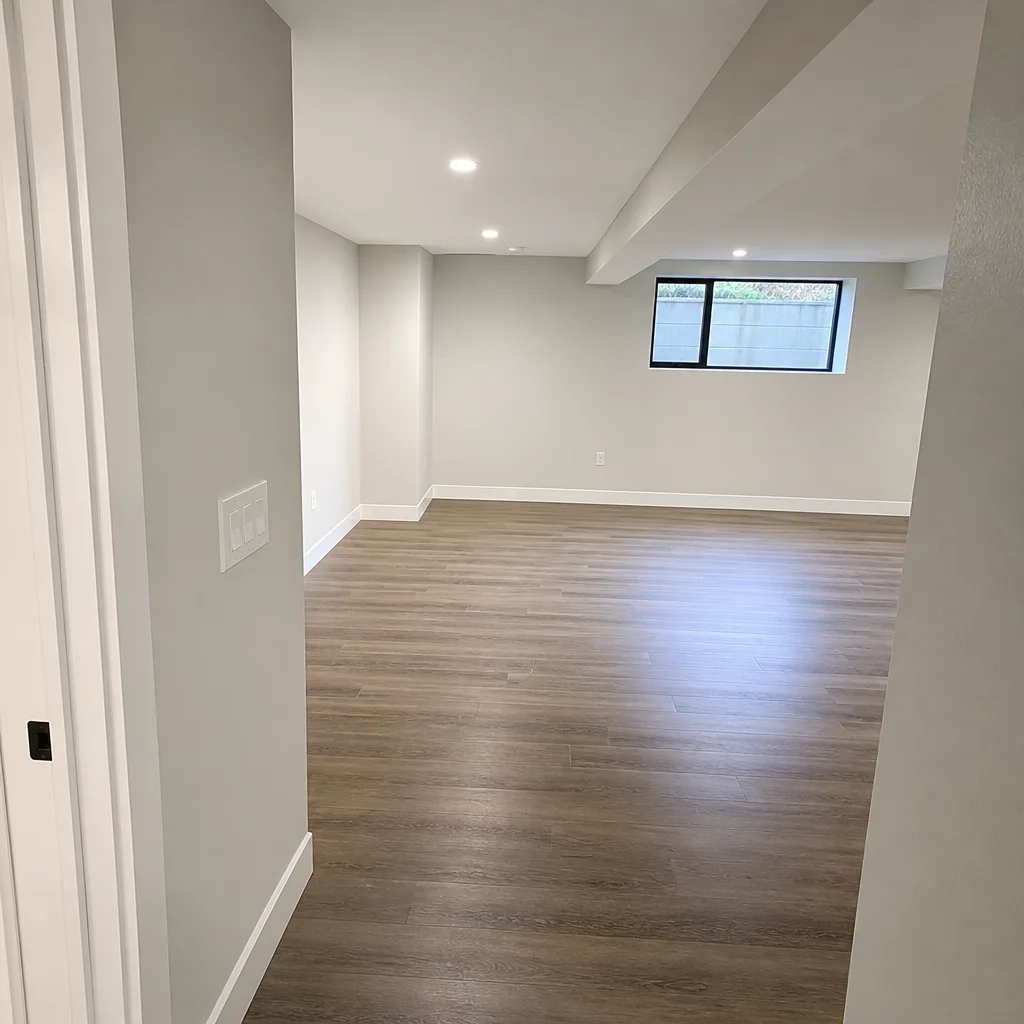 After
After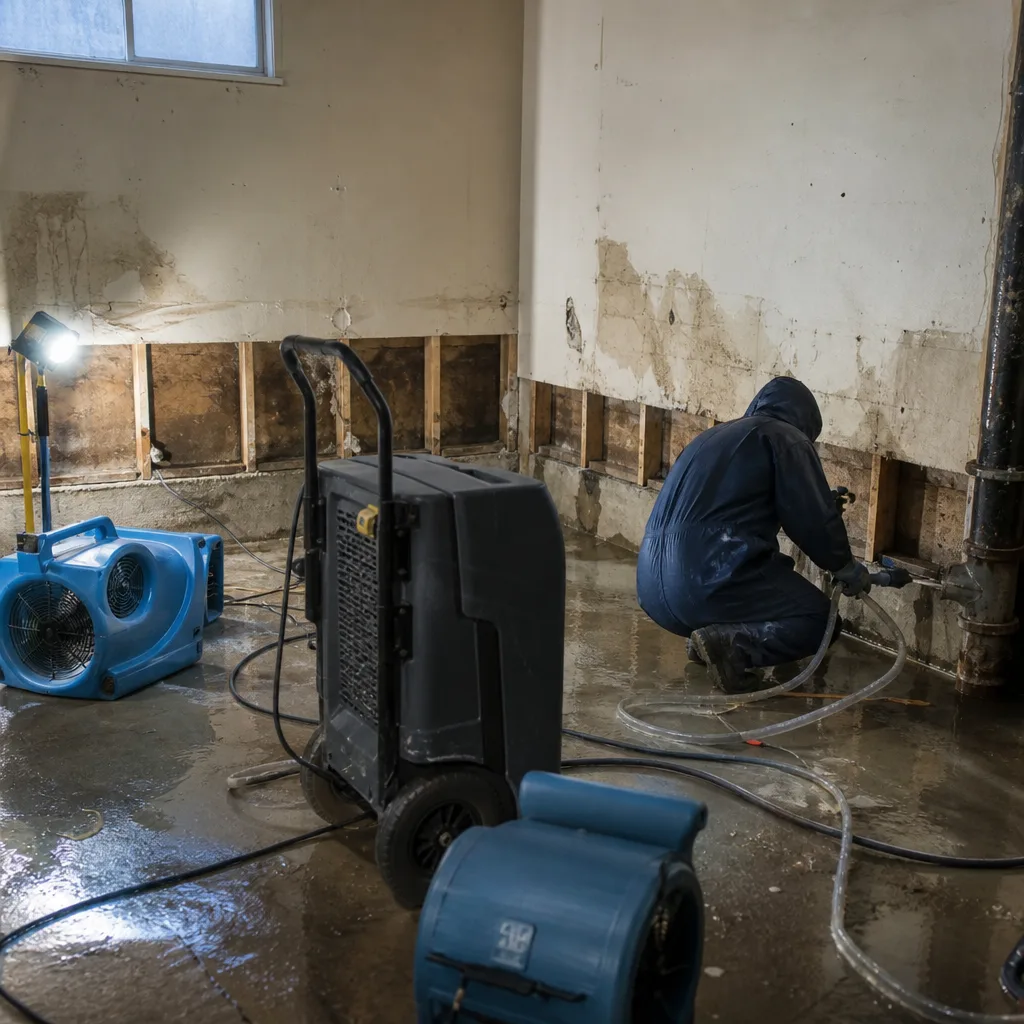 Before
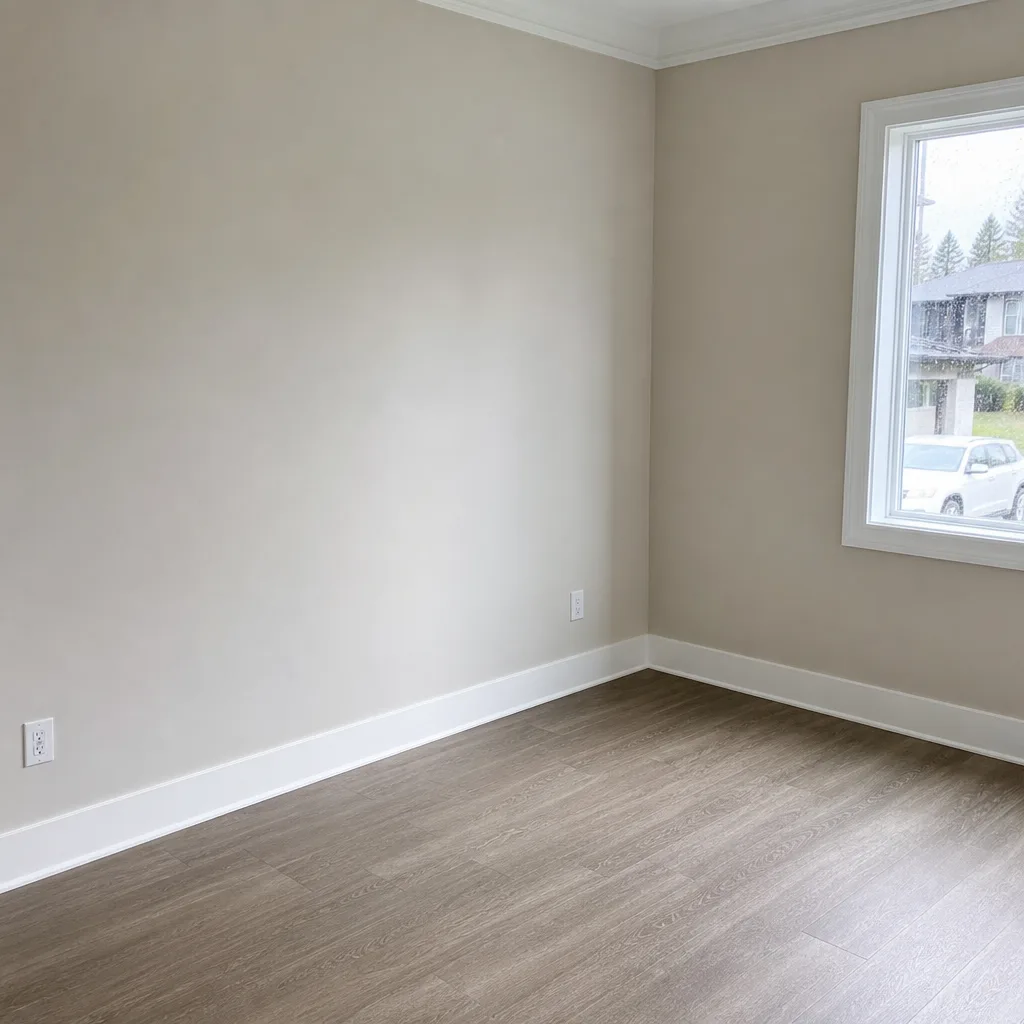 After
After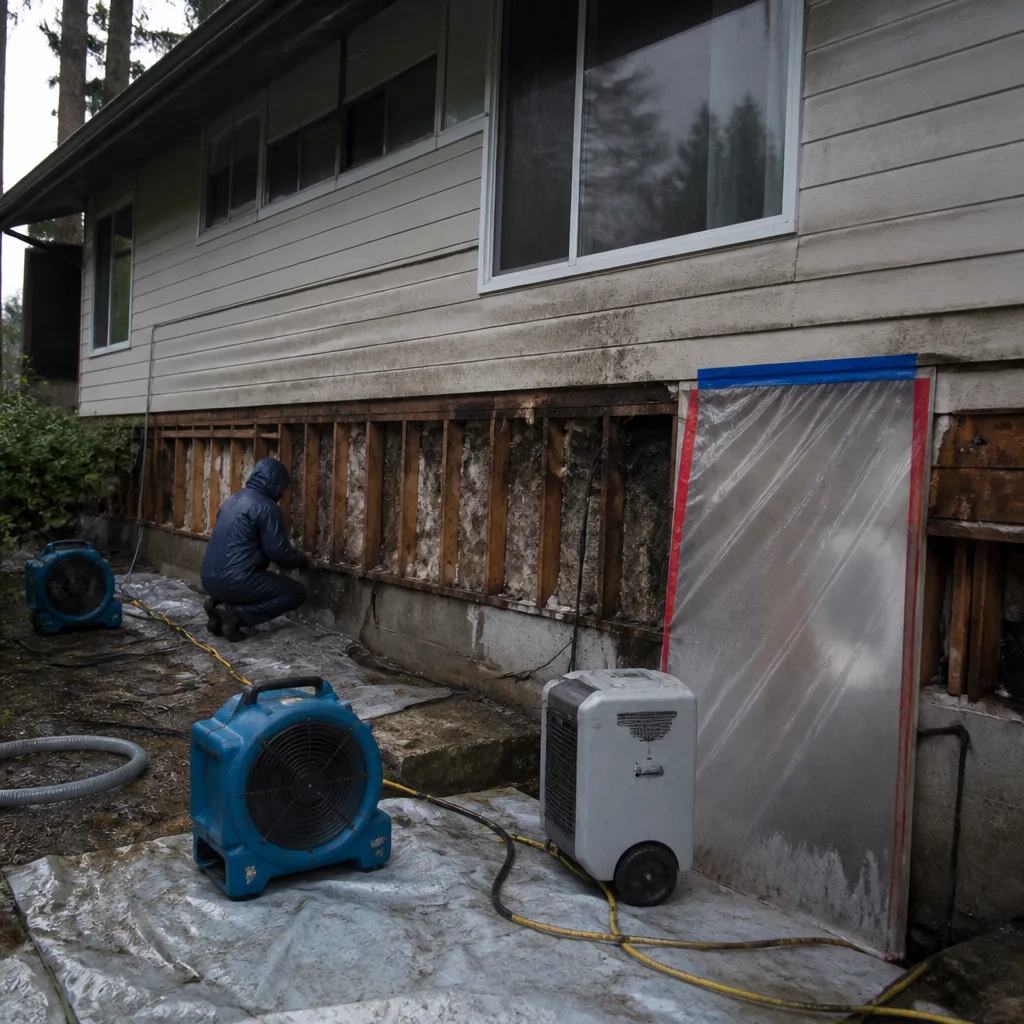 Before
 After
AfterWater Damage Restoration Maintenance Checklist for Bellevue Homeowners
Bellevue averages 37 inches of rain per year, but the water damage claims that get disputed most often trace back to slow leaks - the kind a dated inspection record would have caught and a missing one cannot explain away. In our experience delivering our Water Damage Restoration services across over 12,000 homes since 2011, the difference between a paid claim and a denied one often comes down to a single question: can you prove you maintained the property? This guide gives you a maintenance checklist built around measurable readings and dated records, not vague tasks. You’ll learn the specific moisture baselines for Bellevue’s climate zone, how to create a photo log that adjusters accept as proof, and which maintenance gaps Washington insurers treat as owner-neglect exclusions.
Quick Answer
A water damage maintenance checklist for Bellevue homeowners should include quarterly moisture readings in crawl spaces (below 15% wood moisture content), under-sink cabinets, and attic sheathing; seasonal inspections timed to Bellevue’s rainfall calendar; and a dated photo log of high-risk areas. Insurers in Washington deny claims when maintenance records are absent, so documentation matters as much as the maintenance itself.
Table of Contents
- Why Documentation Beats Tasks Alone
- Bellevue Climate Baselines: What Your Readings Should Show
- Quarterly Moisture & Inspection Checklist
- Seasonal Maintenance Calendar for Bellevue’s Rainfall
- How to Build a Dated Photo Log That Adjusters Accept
- Washington Insurer Exclusions: Maintenance That Prevents Denial
- Maintaining Your Own Prevention Equipment
- Common Mistakes to Avoid
- When to Call a Professional
- Frequently Asked Questions
- The Bottom Line
BeforeAfterWhy Documentation Beats Tasks Alone
Most water damage checklists fail at the moment they’re needed most: when an adjuster opens the file. A task checked off in your head - or even on a notepad that got wet - carries no weight. What carries weight is a dated photograph, a moisture reading with a timestamp, and a written note of what was found and when.
At DryMark Restoration Bellevue home, we built our company around this gap. Our founder, Alicia Brennan, worked as a claims adjuster before starting Back to Dry in 2011. She saw homeowners lose tens of thousands because they could say “I checked the crawl space” but couldn’t produce evidence. The Haven Standard, which governs every job we take, exists in part because documentation should flow both ways: from homeowner to insurer, and from contractor to homeowner.
There are two columns on any effective maintenance checklist. Column one is prevention: the act of finding and fixing a problem before it causes damage. Column two is condition documentation: the record that proves the property was maintained to a reasonable standard. Both matter independently. A perfectly maintained home with no records gets the same claim scrutiny as a neglected one. A poorly maintained home with meticulous records at least gives an adjuster something to work with - though we don’t recommend testing that.
The checklist below - with more guides & resources available on our blog - builds both columns into every item. Each task includes what to measure, what the measurement means, and how to record it.
Bellevue Climate Baselines: What Your Readings Should Show
Bellevue sits in King County’s marine west coast climate zone, which means mild, wet winters and dry summers with moderate humidity swings. Your home’s moisture readings should reflect this pattern, not fight it. Understanding the baseline helps you spot anomalies before they become claims.
Wood moisture content (WMC) is the percentage of water weight relative to dry wood weight, measured with a pin-type or pinless moisture meter. In Bellevue’s climate zone, these are the baselines we use when documenting a dry structure:
- Crawl space framing and subfloor: 10-15% WMC year-round. Readings above 18% indicate active moisture intrusion or inadequate ventilation. Readings above 20% for more than 48 hours create conditions for fungal growth.
- Attic sheathing: 9-14% WMC. Bellevue’s winter humidity can push this toward the high end. Readings above 16% suggest bathroom or kitchen exhaust venting into the attic, or roof leakage.
- Interior baseboards and drywall near plumbing: Below 12% WMC. Elevated readings here often precede visible water damage by weeks.
- Under-sink cabinet floors: Below 15% WMC on the cabinet base material. P-trap leaks and supply line seepage show here first.
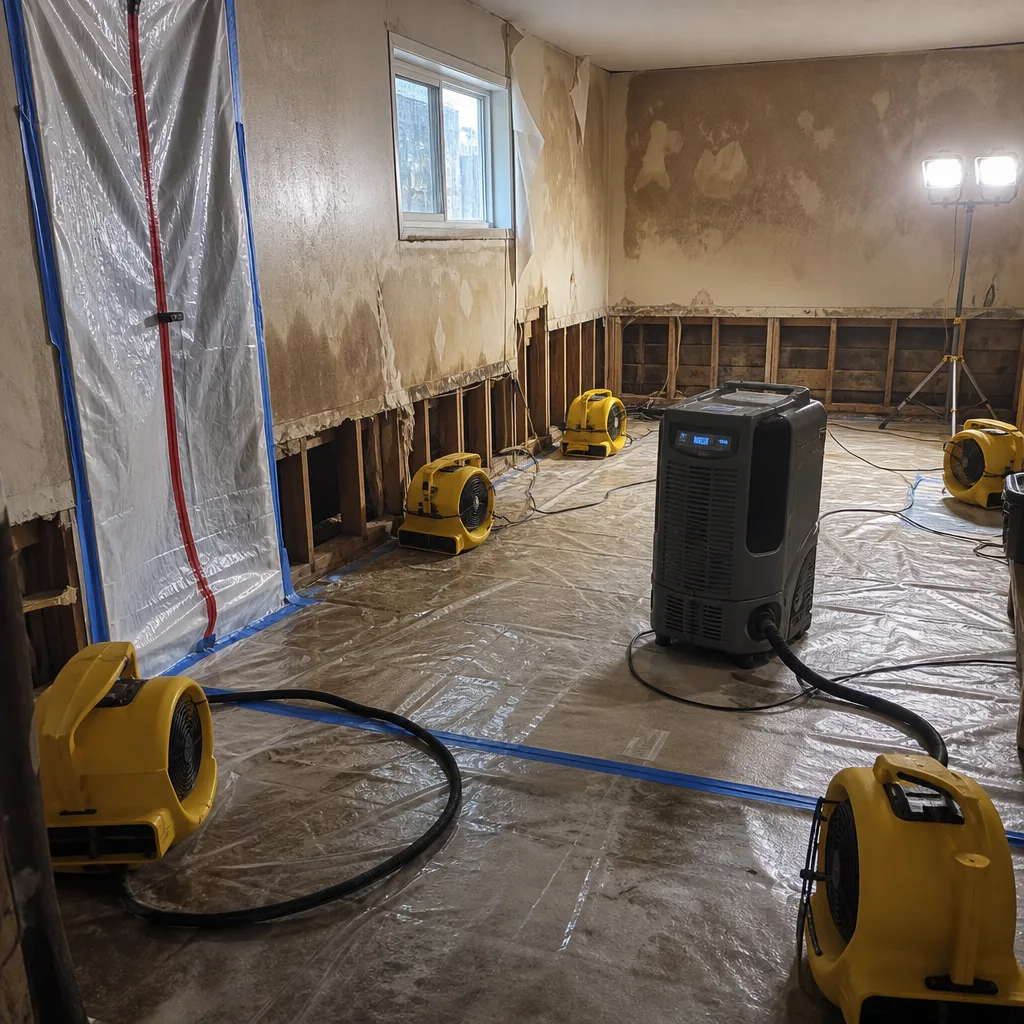
Relative humidity (RH) matters too, especially in crawl spaces and basements. In Bellevue, a crawl space RH above 70% sustained through winter indicates inadequate vapor barrier coverage or perimeter drainage failure. We document psychrometric data - temperature, RH, and dew point together - on every drying job because these three numbers tell the story a single reading cannot.
Vapor pressure differential is the force that drives moisture through materials. When the vapor pressure inside your crawl space exceeds the vapor pressure outside by more than a few millibars, moisture moves into the structure. You don’t need to calculate this yourself, but you should know that a musty smell without visible water often signals a vapor pressure problem that a moisture meter will confirm.
Pin-type meters cost $40-$80 and last years. Pinless meters run $80-$150 and work well for scanning large areas without surface damage. Either is sufficient for homeowner use. Record the meter model in your log so an adjuster knows the readings came from a calibrated device, not a guess.
Quarterly Moisture & Inspection Checklist
Quarterly inspections catch the slow leaks that cause 60% of the disputed claims we see in Bellevue. The January, April, July, and October timing aligns with seasonal stress points: post-freeze, post-pollen, peak dryness, and pre-storm.
Crawl Space Inspection
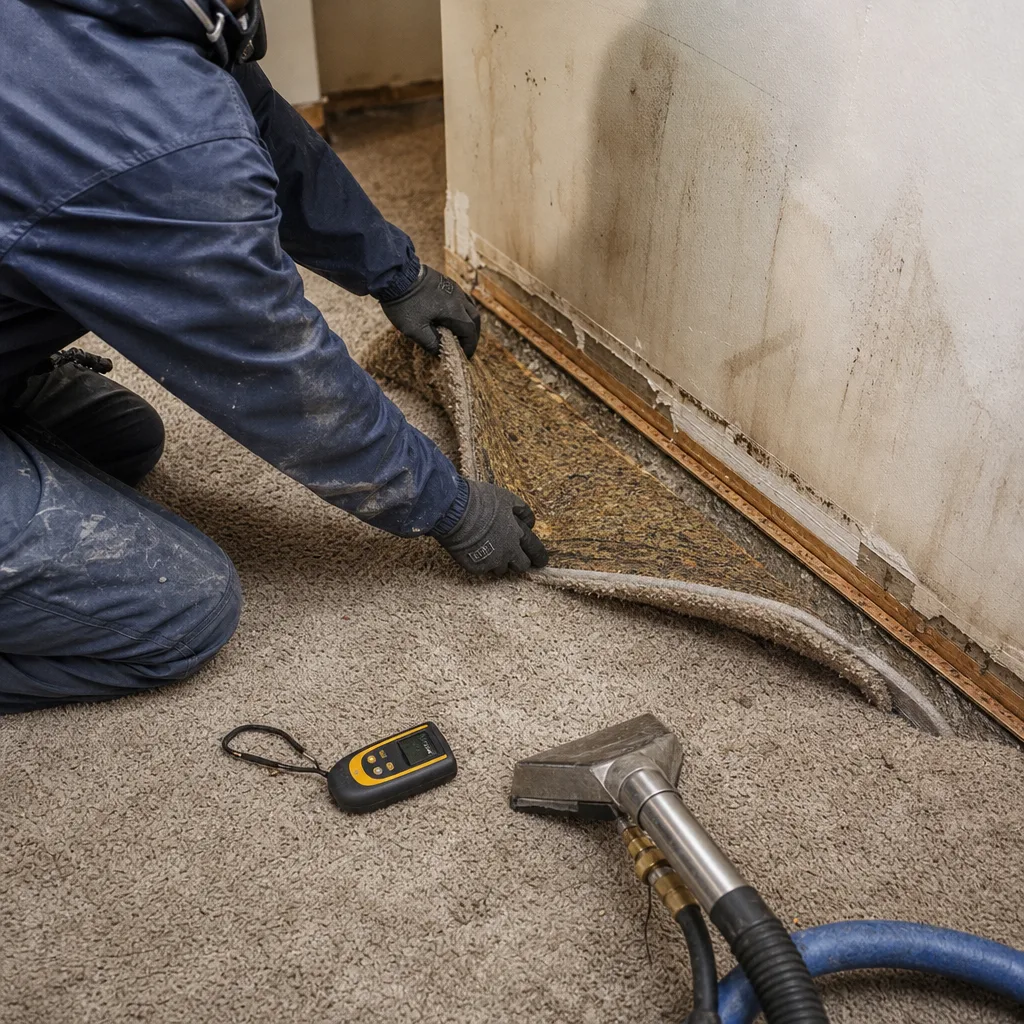
- Measure WMC at three points: the center of the subfloor, a rim joist, and a post or pier. Record each reading with the date and meter model.
- Photograph the vapor barrier. Note tears, displacement, or pooling water above the barrier. A 6-mil polyethylene barrier should cover 100% of the soil surface in Bellevue’s wet climate; 10-mil is better for high water table areas near Lake Washington or the Mercer Slough.
- Check the sump pump if present. Pour a bucket of water into the pit and verify automatic activation. Photograph the discharge point - it should terminate at least 6 feet from the foundation, per Washington State Building Code.
- Inspect foundation vents. In Bellevue’s climate, vents should be closed in winter and open in summer, or replaced with conditioned crawl space encapsulation. Mixed strategies - some vents open, some closed - create moisture pockets.
Under-Sink Cabinet Inspection
- Remove everything from the cabinet. Wipe the base dry, then wait 30 minutes. Any new moisture indicates an active leak.
- Measure WMC on the cabinet base material. Record the reading.
- Run hot and cold water through the faucet for 60 seconds each. Check the P-trap, supply line connections, and valve stems with a flashlight and a dry paper towel. The towel test reveals seepage that visual inspection misses.
- Photograph the cabinet interior, the supply lines, and the shutoff valves. Date-stamped photos of braided stainless supply lines (recommended) versus corrugated copper (aging, prone to fatigue) help document upgrade decisions.
Attic Sheathing Inspection
- Measure WMC at three points: near the ridge, at mid-span, and near the eave. Record each reading.
- Inspect for dark staining, which indicates past or active moisture even when current readings are normal. Photograph any stained areas with a ruler or coin for scale.
- Verify all exhaust fans terminate through the roof or gable end, not into the attic space. Bellevue’s winter humidity makes this error particularly costly.
- Check ridge vents, soffit vents, and any gable vents for blockage. Airflow prevents moisture accumulation; a blocked vent is a moisture trap.
Exterior Grade and Drainage
- Walk the perimeter. Soil should slope away from the foundation at 6 inches of drop per 10 feet of run, minimum. Measure with a level and tape measure - eyeballing fails.
- Photograph the grade at each corner and at any low points. Note settling, erosion, or mulch buildup that creates a water path toward the foundation.
- Test downspout discharge. Water should flow freely away from the foundation. In Bellevue’s dense neighborhoods like Crossroads or West Bellevue, where lot lines are tight, downspout extensions may need to run underground to a daylight outlet or drywell.
Seasonal Maintenance Calendar for Bellevue’s Rainfall
Bellevue’s rainfall pattern is predictable: October through March delivers 85% of annual precipitation, with a secondary peak in November. Freezing events are infrequent but damaging when they occur, typically in December through February. Summer drought stress creates its own problems when soil shrinkage cracks foundations and separates waterproofing.
October: Pre-Storm Preparation
This is the critical window. Before the first major storm system arrives - usually by mid-October - complete these tasks:
- Clean gutters and downspouts completely. Bellevue’s big-leaf maple and alder drop heavily in October; a single clogged gutter overflows directly against the foundation.
- Inspect the roof from the ground or a ladder. Look for lifted shingles, damaged flashing, and moss accumulation. Moss holds moisture against shingles and accelerates degradation in Bellevue’s wet winters.
- Test the sump pump with a full bucket cycle. October groundwater rise precedes surface flooding by weeks.
- Seal foundation cracks with appropriate polyurethane sealant. Water follows the path of least resistance; a crack sealed in dry October holds through wet January.
February: Post-Freeze Check
Bellevue’s freeze-thaw cycles are mild compared to eastern Washington, but they occur. February is when damage from January cold snaps becomes visible:
- Inspect hose bibs and exterior faucets for split casings. Even “frost-free” bibs fail if hoses were left attached.
- Check for ice dam damage at eaves. Look for water staining on exterior walls, lifted shingles at the roof edge, and damaged gutter hangers from ice weight.
- Measure crawl space moisture. Winter condensation from temperature differentials often peaks in February.
- Inspect the water heater pressure-relief valve. This is the maintenance item Washington insurers most commonly cite in denial letters. Test by lifting the valve lever briefly; water should discharge through the drain tube. If it doesn’t open, or if it doesn’t reseat without dripping, replace it. Photograph the test date on a label attached to the heater.
July: Roof and Gutter Verification
July’s dryness is the safest time for hands-on roof work and reveals winter damage that wet-season inspection missed:
- Walk the roof if safely accessible, or hire a licensed roofer. Look for brittle shingles, granule loss, and damaged pipe boots. Bellevue’s UV exposure in July is when hidden winter moisture damage becomes visible as warping or delamination.
- Clean gutters again. July’s dry conditions make this easier, and early fall leaf drop will come sooner than expected.
- Inspect and regrade any settled areas. Dry soil is workable; wet soil in October is not.
- Service the sump pump. Remove the pump, clean the intake screen, and verify the float moves freely. A pump that ran all winter needs attention before the next season.
How to Build a Dated Photo Log That Adjusters Accept
A photo log costs nothing but time and transforms your maintenance from unverifiable claim to documented evidence. The key is consistency in format and storage.
Format: Use your phone’s camera with timestamp enabled, or a dedicated app like Timestamp Camera that embeds date, time, and GPS coordinates in the image file. Adjusters verify when and where a photo was taken; EXIF data provides that verification.
Structure: Create a folder system by date and location. Example: “2024-10-15 / Crawl Space / Vapor Barrier.” Each inspection generates 8-12 photos minimum. The goal is coverage, not artistry.
Required shots for each inspection:
- Wide establishing shot of the space, showing overall condition.
- Close-up of each moisture meter reading, with the display legible.
- Any anomaly found, with a scale reference (ruler, coin, or hand).
- Any repair or improvement made, before and after.
- The equipment or material used for the repair, with label visible.
Storage: Cloud storage with automatic backup (Google Photos, iCloud, Dropbox) protects against device loss. For additional security, email the photo set to yourself at a dedicated address; the email timestamp creates a secondary verification chain.
Written companion: Each photo set needs a brief text note. Example: “2024-10-15. Crawl space: WMC 11%, 13%, 12% at three points. Vapor barrier intact, minor displacement at north pier. Sump pump tested, 8-second activation. No anomalies.” This note transforms images into a narrative an adjuster can follow.
At Water Damage Restoration in Bellevue, we produce a documented photo record on every visit as a standard deliverable, never an upsell. Homeowners who maintain their own parallel records have the strongest position when claims are filed.
Washington Insurer Exclusions: Maintenance That Prevents Denial
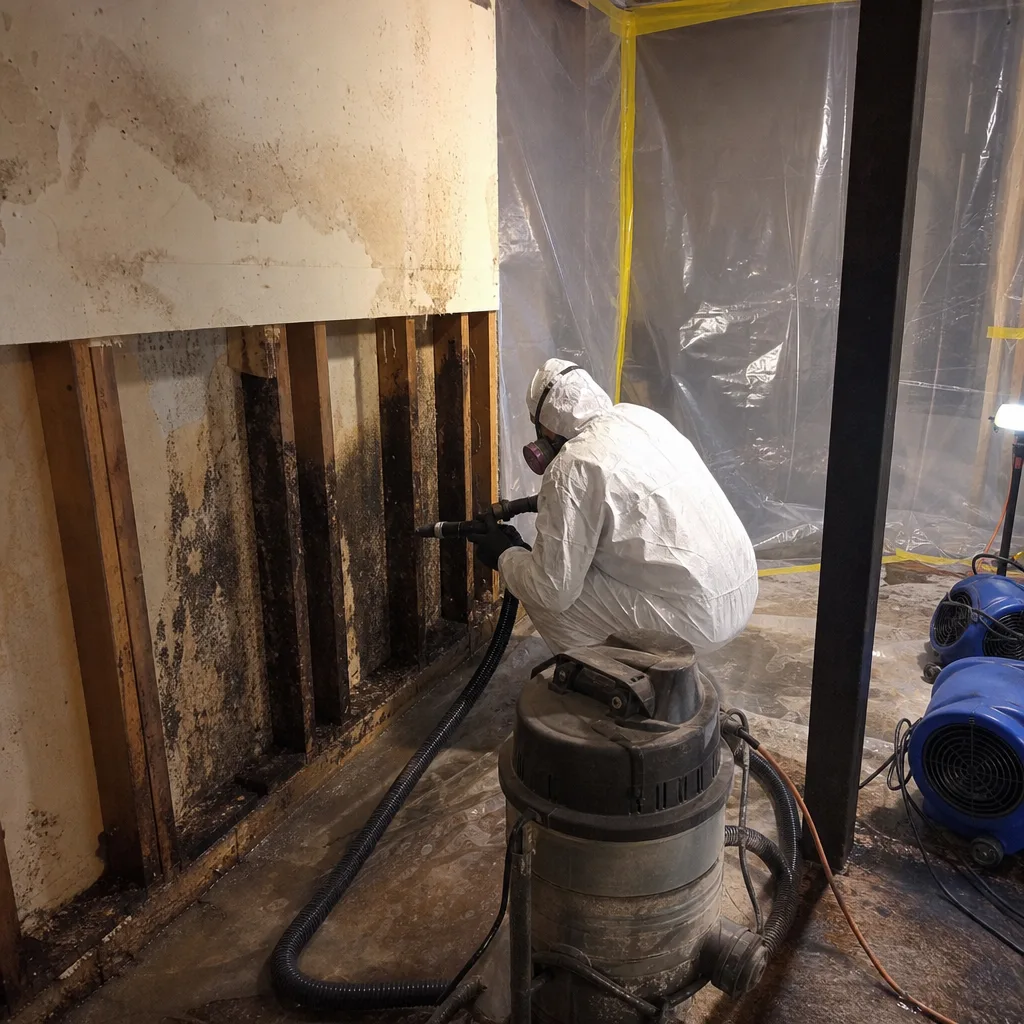
Washington’s insurance regulations allow insurers to deny water damage claims based on “owner neglect” when specific maintenance was required and not performed. These are the exclusions we see most often in Bellevue claim disputes:
Pressure-relief valve failure on water heaters. Washington insurers consider this a known maintenance item. A failed valve that releases and floods a utility room is often denied as gradual damage, not sudden and accidental. Test annually and photograph the test date.
Crawl space vapor barrier absence or deterioration. In Bellevue’s wet climate, a missing or torn vapor barrier is treated as a maintenance failure, not a peril. Insurers argue the moisture accumulation was foreseeable and gradual.
Gutter and downspout neglect. Overflowing gutters that cause foundation seepage or basement flooding are routinely excluded. The maintenance is visible and low-cost; failure to perform it shifts liability.
Sump pump failure without maintenance record. A sump pump that fails during a storm may be covered as equipment breakdown if you have that endorsement, but not if the pump shows signs of neglect - a clogged intake, a stuck float, or a disconnected discharge. Annual service records matter.
Tree root intrusion into sewer lines. Not water damage in the traditional sense, but the resulting sewage backup often is. Regular sewer line inspection with a camera, especially for Bellevue homes with mature Douglas fir or cedar on the property, documents pre-loss condition.
Ice dam damage without roof ventilation maintenance. Insurers may deny ice dam claims if attic ventilation was blocked or inadequate, arguing the dam was a foreseeable result of owner-maintained conditions.
The pattern is clear: insurers deny claims where the homeowner could have prevented the damage through reasonable maintenance. “Reasonable” is defined by what a typical homeowner in a similar climate would do. In Bellevue, that means accounting for 37 inches of annual rain, winter humidity, and occasional freeze events.
Maintaining Your Own Prevention Equipment
Some homeowners install dehumidifiers, crawl space fans, or water leak detectors as additional protection. These tools help only when maintained.
Dehumidifiers: Clean the condensate drain and filter quarterly. A clogged drain floods the unit’s location, converting prevention into cause. In Bellevue’s climate, a crawl space dehumidifier should maintain RH below 60%. If it cannot, the unit is undersized or the space has unsealed air leaks.
Water leak detectors: Test sensors every six months with a damp cloth. Replace batteries annually, or when the low-battery chirp begins - not after it stops, which means the battery is dead. Position sensors near the water heater, washing machine, dishwasher, and under each sink.
Sump pumps with battery backup: Test the backup system by unplugging the primary pump and filling the pit. The backup should activate within seconds. Replace backup batteries every 3-4 years; Bellevue’s temperature swings degrade battery life faster than constant climate.
Whole-house water shutoff valves: Exercise the main shutoff annually. A valve that hasn’t moved in years may seize when needed most. Photograph the open and closed positions for reference during an emergency.
Professional-grade drying systems from Dri-Eaz and Phoenix, deployed by DryMark Restoration Bellevue home, include redundant moisture monitoring that documents every stage of the drying process. Homeowners who understand this equipment - what it measures, how it reports - are better prepared to evaluate any restoration contractor’s claims about “dry.”
Common Mistakes to Avoid
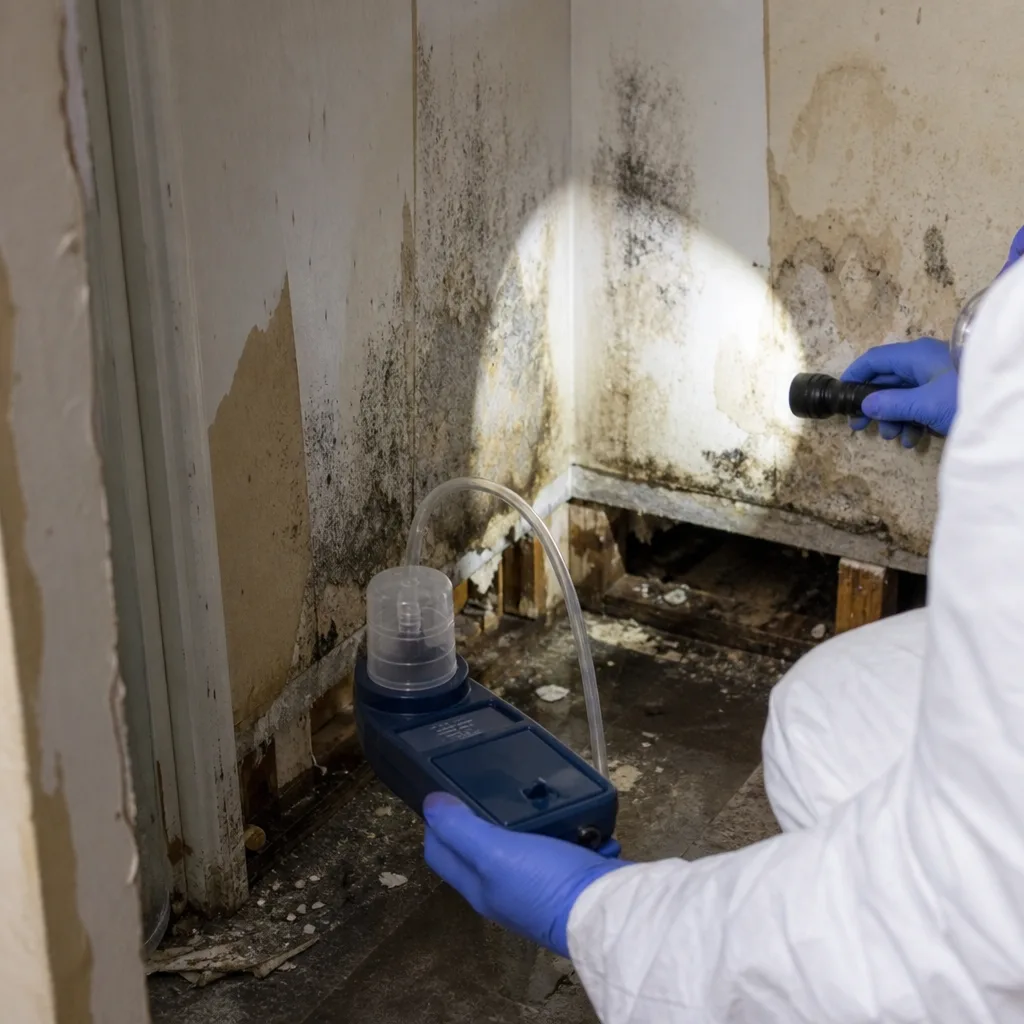
- Eyeballing instead of measuring. “Looks dry” is not a moisture reading. We have opened walls in Bellevue homes where the drywall looked perfect and the framing behind read 28% WMC. A $50 meter eliminates this guesswork.
- Recording tasks without recording conditions. A checkbox that says “inspected crawl space” proves nothing. A dated photo of the vapor barrier with a note on its condition proves everything.
- Ignoring the pressure-relief valve. This is the single most common maintenance omission in Washington water heater claims. The test takes 30 seconds. The denial costs thousands.
- Storing records only on paper. Paper records survive fires and floods poorly. Digital backup with cloud redundancy is essential for a document that may be needed after water damage has already occurred.
- Waiting for visible damage to inspect. By the time water stains appear, the damage is extensive. Quarterly inspections find problems at the moisture anomaly stage, before material degradation.
- Assuming new construction is exempt. Bellevue’s building boom in the 2015-2025 period produced homes with rapid construction schedules and incomplete grading settlement. New homes need the same inspection discipline as 1950s ramblers.
- Confusing maintenance with repair documentation. Maintenance records show you prevented damage. Repair records show you responded to damage. Both belong in your file, but they serve different purposes in a claim.
When to Call a Professional
Some conditions exceed homeowner maintenance and require documented professional intervention. Call a certified restoration contractor when:
- Moisture readings exceed the baselines in this guide by more than 5% WMC, or remain elevated after 48 hours of identified source correction.
- You smell mustiness without finding visible moisture. This indicates hidden growth or vapor pressure problems that require professional psychrometric assessment.
- Water appears in the crawl space after rainfall, indicating drainage or foundation issues beyond maintenance scope.
- Your insurer requests an inspection or you need a documented scope for a claim.
- You receive a competitor’s estimate and want verification. DryMark Restoration Bellevue offers a Free Second Opinion on any written estimate at no charge.
DryMark Restoration Bellevue provides Water Damage Restoration in Bellevue with written prices before work begins on every job, documented photo records on every visit, and the 365-Day Done Right Promise backed by The Haven Standard. For a free estimate, call (425) 696-6320. Live phone coverage is available 24 hours a day, 7 days a week with no voicemail on emergency lines.
Frequently Asked Questions
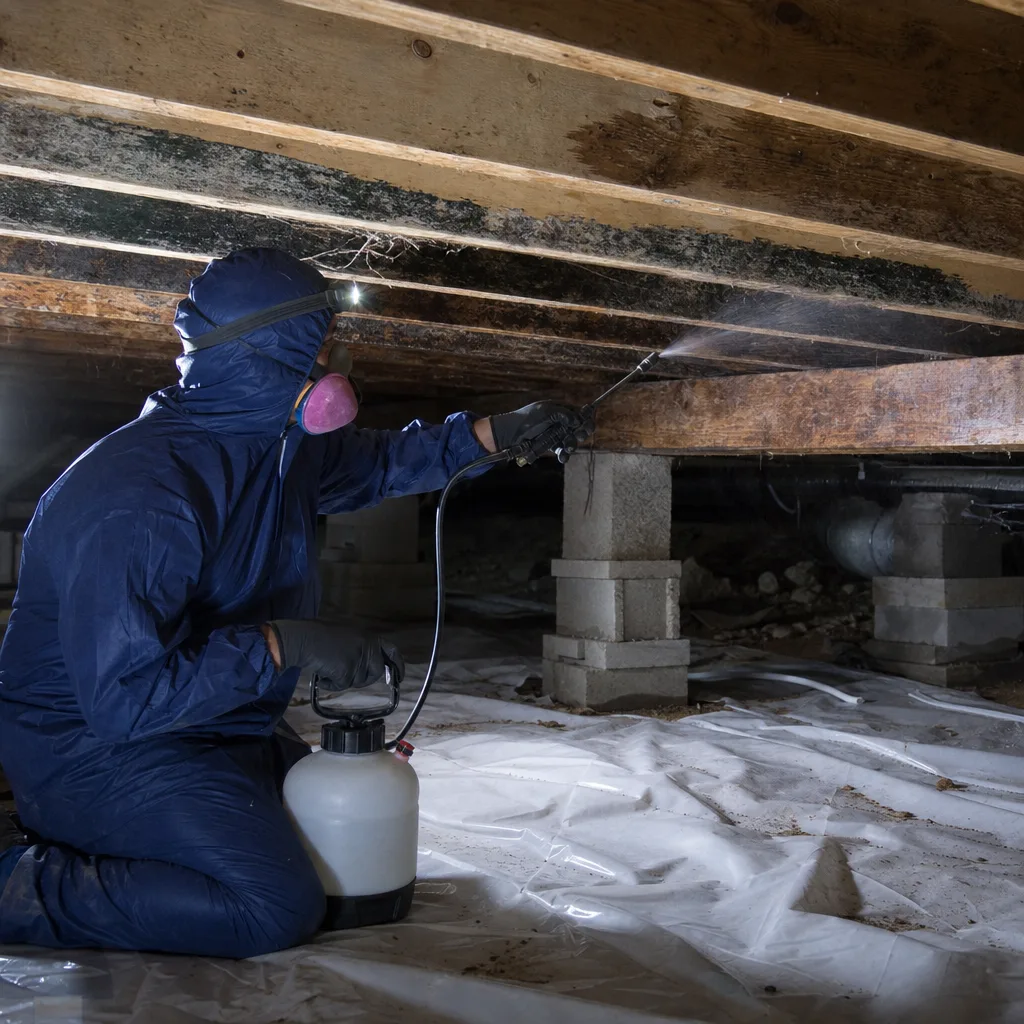
A pin-type moisture meter costs $40-$80 and works well for most homeowner applications in Bellevue’s climate. Pinless meters run $80-$150 and are better for scanning large areas without surface damage. Either type is sufficient if you record the model number and calibration date in your maintenance log.
Maintenance records do not guarantee coverage, but they eliminate the most common basis for denial: owner neglect. Washington insurers must demonstrate that the damage resulted from lack of reasonable maintenance. Dated photos and moisture readings make that demonstration difficult. Call (425) 696-6320 for a free estimate if you’re navigating a claim - we coordinate directly with adjusters and document to IICRC standards.
Quarterly, with additional inspections after any significant weather event: windstorms that may damage roof ventilation, freeze events that stress plumbing, or prolonged rainfall that elevates groundwater. Bellevue’s wet season runs October through March; inspections in October and February are particularly important.
In Bellevue’s climate zone, wood moisture content above 18% in crawl spaces or 16% in attics indicates active moisture intrusion requiring investigation. Readings above 20% for more than 48 hours create conditions for structural fungal growth. These thresholds come from IICRC S500 standards for water damage restoration, which we document on every job - see The Complete Guide to Damage Restoration in Bellevue for deeper context on local standards.
No. Lift the lever gently until water discharges through the drain tube, then release. The valve should reseat without dripping. If it doesn’t open, doesn’t reseat, or discharges continuously, replace it. Photograph the test with a dated label on the heater. This 30-second test is the maintenance item most commonly cited in Washington insurer denials.
A smartphone is sufficient. Enable timestamp in camera settings, or use Timestamp Camera or similar app that embeds date, time, and GPS in the image EXIF data. Adjusters verify this metadata; screenshots or edited photos carry less weight. Store in cloud backup with automatic sync.
The Bottom Line
Water damage prevention in Bellevue is not a list of tasks to complete and forget. It is a system of measurable baselines, seasonal inspections timed to local weather patterns, and dated records that prove maintenance occurred. The 37 inches of annual rain are predictable. The slow leak under your sink is not - unless you inspect for it. The insurer’s denial is preventable - if you document your prevention. This checklist gives you the structure; the discipline of execution is yours. When damage exceeds what maintenance can address, DryMark Restoration Bellevue home provides documented restoration with written prices before work begins, photo records on every visit, and the 365-Day Done Right Promise under The Haven Standard.
Written by Alicia Brennan, Owner at DryMark Restoration Bellevue, serving Bellevue since 2011.