
Last updated September 23, 2026
Free visual inspection and a written scope of work before any mitigation begins - photos, moisture readings, and drying logs go in your claim file
The scope we write is the scope we bill. Anything new gets shown to you, in writing, before we touch it.



 Before
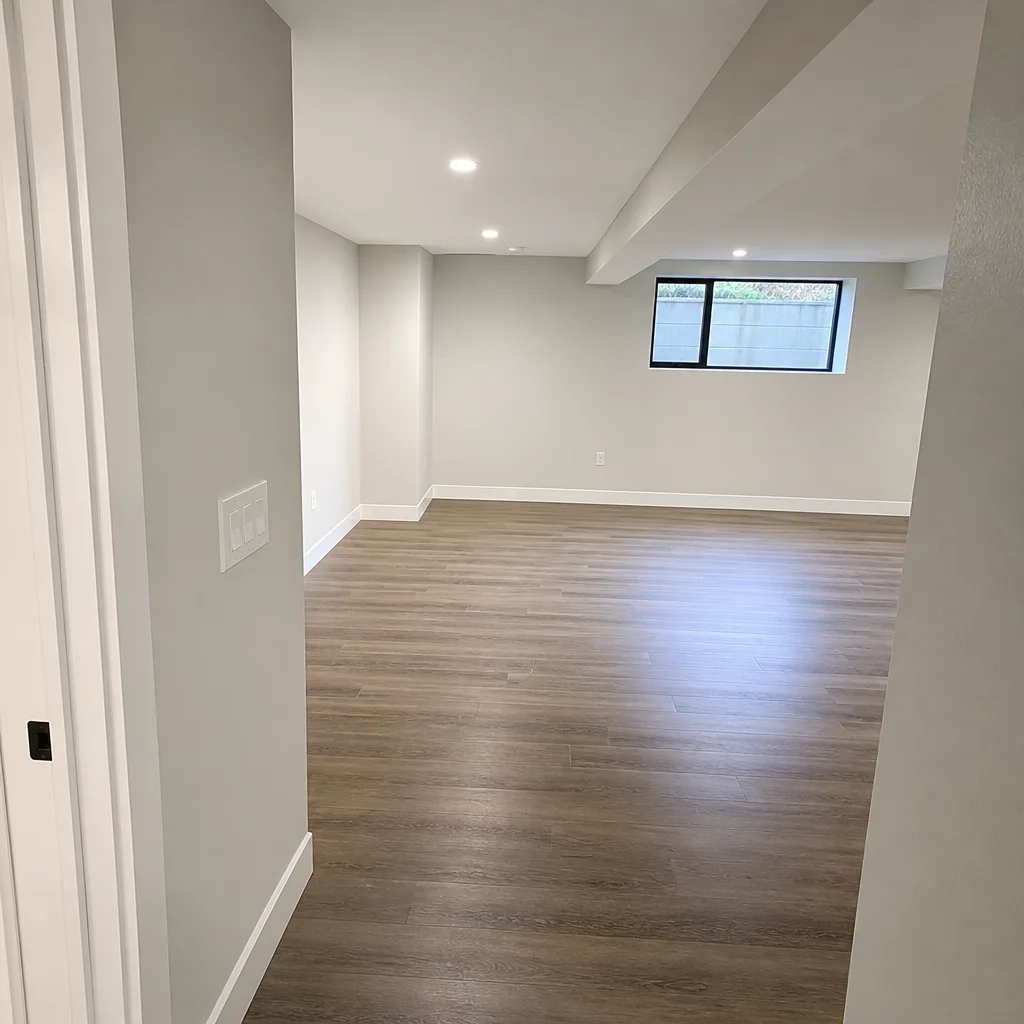 After
After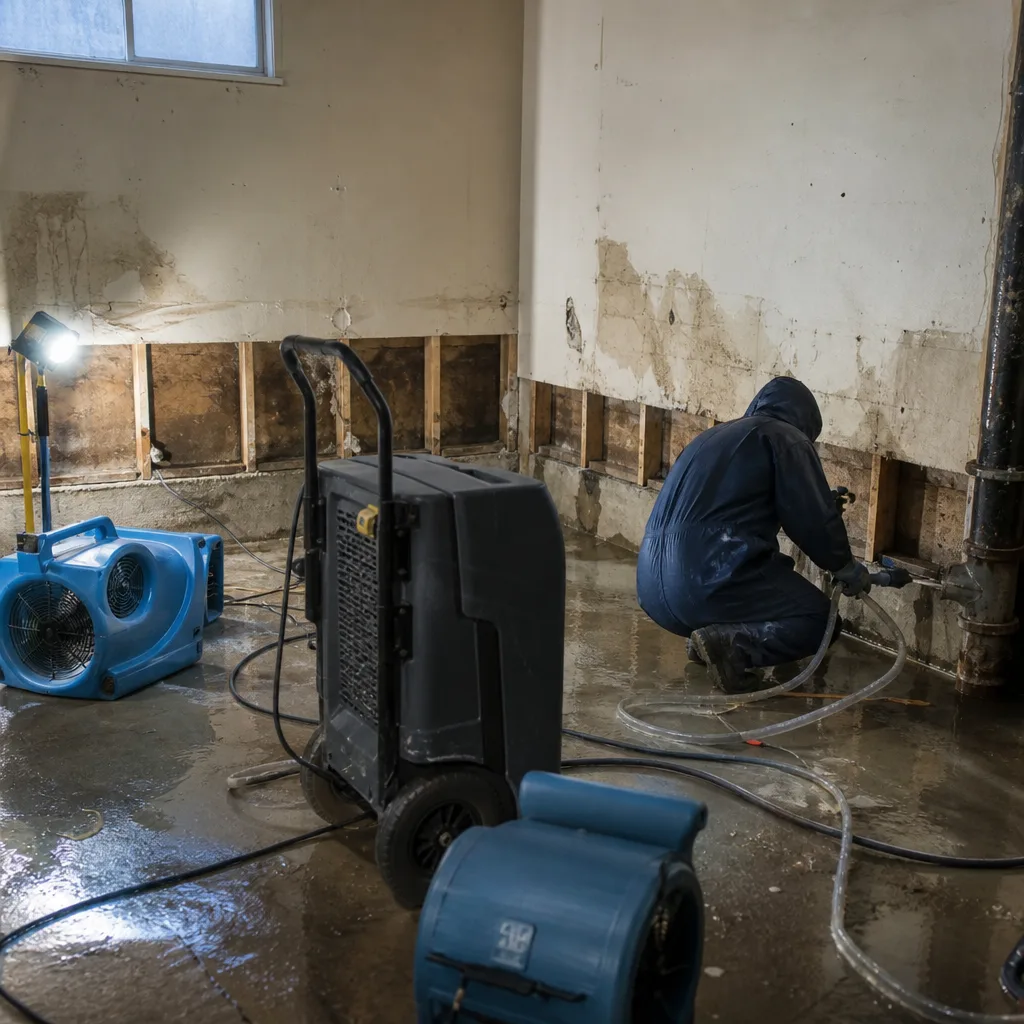 Before
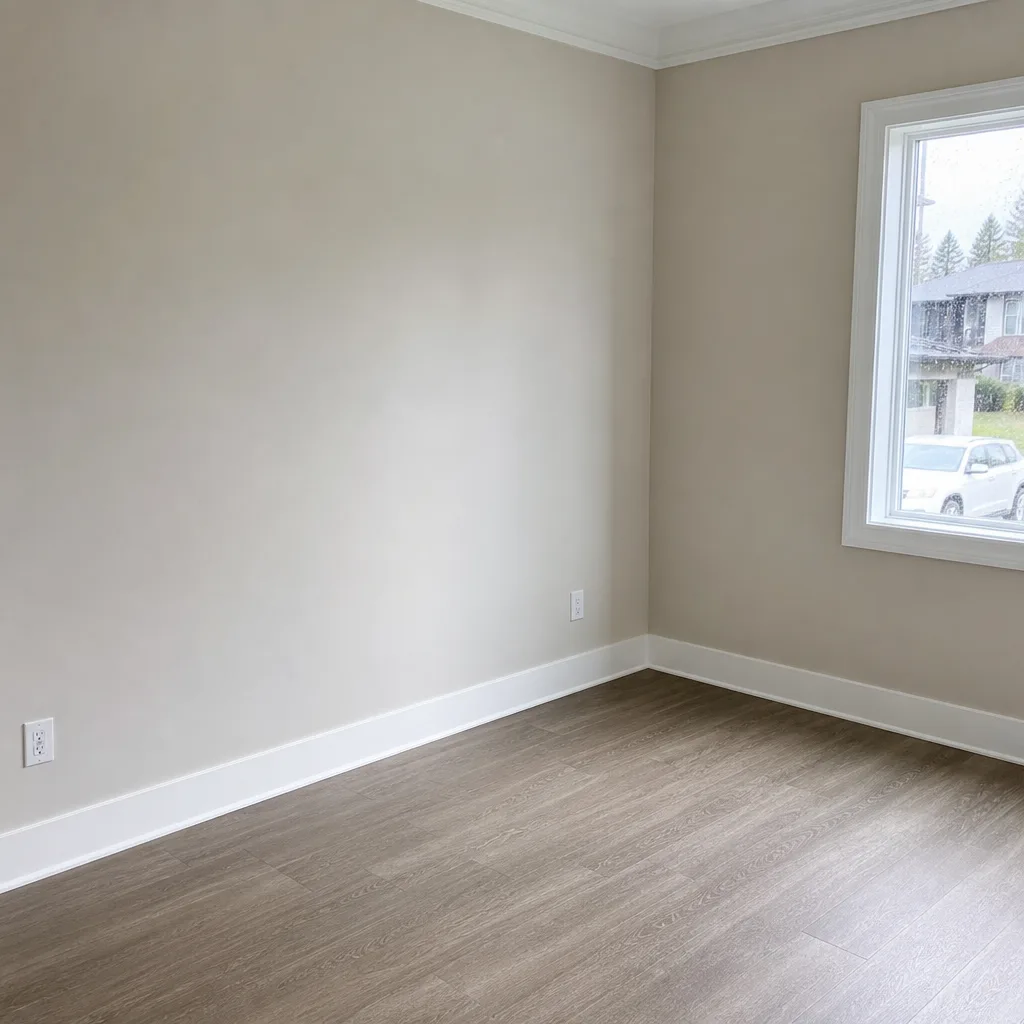 After
After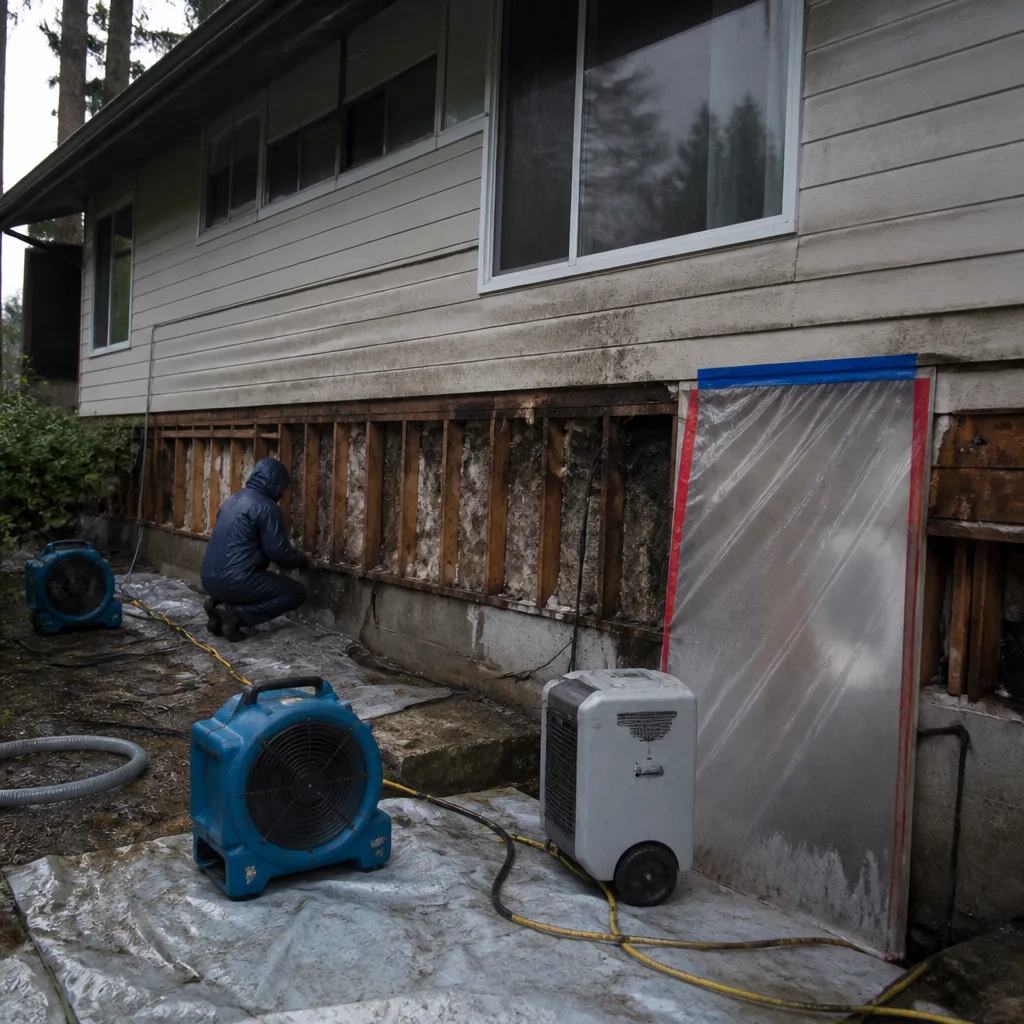 Before
 After
AfterHow to Hire a Damage Restoration Contractor in Bellevue: A Step-by-Step Guide
A Bellevue homeowner can hire the highest-rated contractor on Google and still have a claim reduced by $15,000 if that contractor delivers a narrative summary instead of a line-item scope with moisture readings attached to each affected area. In our experience reviewing competitor estimates across King County since 2011, the gap between a paid claim and a disputed one almost never comes down to the quality of the drying work itself. It comes down to whether the documentation would hold up in a deposition. This guide will teach you to vet contractors by their evidence practices, not their review stars, so your restoration invoice becomes a claim your insurer pays without a fight. For more guides & resources, see our blog.
Quick Answer
To hire a damage restoration contractor in Bellevue, verify their Washington L&I contractor registration and bond status, request samples of five specific documents before signing, and confirm their quote uses the same unit measurements as competing bids. The contractor who can produce a written scope, equipment log template, photo protocol, daily drying report format, and final clearance standard on request will almost always deliver the documentation your insurer needs to approve the full claim.
Table of Contents
- Why Liability Insurance Alone Won’t Protect Your Claim
- The Five Documents to Request Before You Sign
- How to Verify a Contractor in Washington State
- How to Compare Restoration Quotes Apples-to-Apples
- Bellevue-Specific Red Flags
- Who Owns Your Job File (And Why It Matters)
- Common Mistakes to Avoid
- When to Call a Professional
- Frequently Asked Questions
- The Bottom Line
BeforeAfterWhy Liability Insurance Alone Won’t Protect Your Claim
Every hiring guide tells you to verify insurance. Almost none tell you what kind of insurance matters for claim approval, or what questions to ask after you confirm the certificate exists.
General liability insurance protects the contractor if they damage your property further. It does not protect you if their documentation is so thin that your insurer denies coverage for the original damage. In Bellevue’s high-value housing market, where median home prices have exceeded $1.4 million since 2021, a denied or reduced claim on water or fire damage can leave you with tens of thousands in uncovered repairs.
Here’s what actually matters:
- Workers’ compensation coverage through the Washington State Department of Labor & Industries. If a technician is injured on your property and the contractor lacks this, you can be named in the claim.
- Pollution liability for mold, sewage, or fire remediation work. Standard GL policies often exclude microbial or contamination events.
- Completed operations coverage that extends 12-24 months past job completion. Mold regrowth or structural issues from inadequate drying often surface after the crew leaves.
But the document that matters most is not the insurance certificate. It’s the contractor’s documentation standard, the written protocol that determines what gets recorded, how often, and in what format. Without that protocol, your adjuster receives a narrative invoice (“dried living room, 3 days”) rather than a forensic record (“living room, 287 sq ft, hardwood over plywood subfloor, initial moisture content 28%, target 12%, achieved on Day 3 with 2x Dri-Eaz Revolution LGRs, 1x Phoenix 200 HT dehumidifier, readings logged at 8 AM / 8 PM”).
The second version gets paid. The first gets questioned. We’ve reviewed enough competitor files to know the difference shows up in Bellevue claim disputes more often than homeowners expect.
The Five Documents to Request Before You Sign
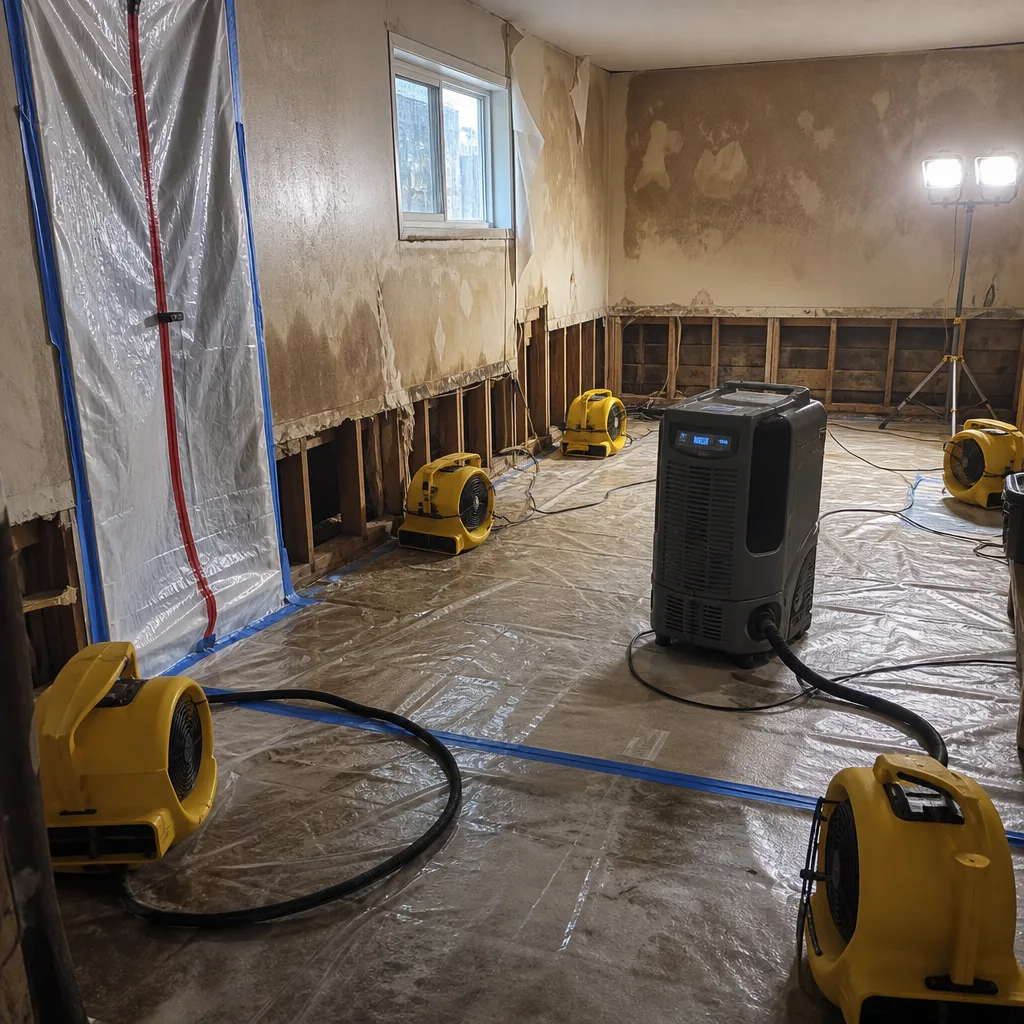
Any contractor who treats documentation as a priority can produce samples of these five documents within one business day. A contractor who cannot, or who offers excuses about proprietary formats, is telling you that claim support is not part of their standard workflow.
1. Written Scope of Work
This is not an estimate. A written scope specifies each affected area by room name and square footage, identifies materials by trade name (not generic description), lists the restoration action for each, and attaches a unit price. Example: “Master bedroom, east wall, 144 sq ft, Category 2 water intrusion, drywall removal to 24″ above visible water line, HEPA vacuum, antimicrobial application with Benefect or equivalent, drying to IICRC S500 standard.”
Haven Standard, Clause 1 requires this document before any work begins. We deliver it on every job. If a contractor asks you to approve work verbally or via text message, that is not a scope. It is a liability.
2. Equipment Log Template
The log should show make, model, and serial number for each piece of drying equipment; placement location by room; deployment and retrieval dates; and daily runtime hours. Professional-grade equipment from Dri-Eaz, Phoenix, XPOWER, B-Air, and Injectidry should be identifiable by model, not described as “dehumidifier” or “fan.”
Psychrometric data, the measurement of temperature, relative humidity, and vapor pressure differential (the force that drives moisture from wet materials into dry air), should be collected at each visit and recorded on this log. Ask to see a sample. If the contractor does not know what psychrometric data is, their drying is guesswork.
3. Photo Protocol
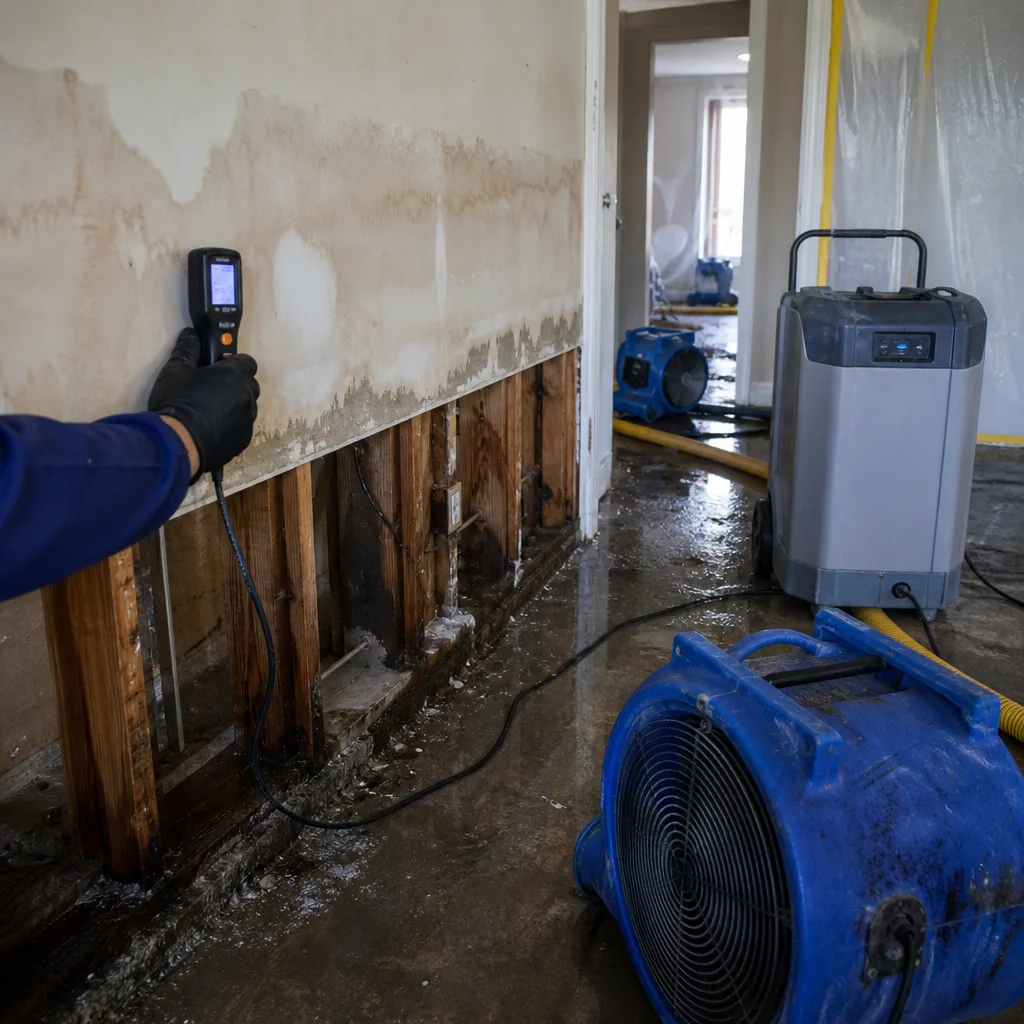
Request the written standard that governs photos: how many per room, what angles (wide establishing shot, detail of damage, equipment placement, moisture meter readings in frame), time-stamping method, and resolution minimum. At DryMark Restoration Bellevue home, our protocol requires date-stamped photos on every visit, with moisture meter displays visible in damage documentation shots. The photo record is included as a standard deliverable, never an upsell.
4. Daily Drying Report Format
This report should combine moisture readings, psychrometric conditions, equipment status, and narrative observations into a single dated record. Ask for a redacted sample from a completed job. Look for:
- Moisture content readings by material type (wood, drywall, concrete, insulation) with target values specified
- Equipment adjustments with justification (“added Phoenix 200 HT in basement after vapor pressure differential dropped below 10 grains/lb”)
- Tertiary drying phase noted, the final period where hidden moisture is extracted from structural cavities after surface materials read dry
Tertiary drying is where most contractors fail. They remove equipment when surfaces feel dry, leaving moisture trapped in wall cavities that breeds mold in 48-72 hours. A proper daily report shows the transition from secondary to tertiary drying with readings to support it.
5. Final Clearance Standard
How does the contractor define “dry”? The answer should reference a specific moisture content percentage by material, not “looks dry” or “smells dry.” For structural wood in Bellevue’s marine west coast climate, we typically target 12-16% moisture content, adjusted for seasonal humidity. See our Seasonal Damage Restoration Care for Bellevue: Year-Round Homeowner’s Guide for more on climate-adjusted drying targets. The clearance should be documented with final readings, photos, and a signed statement. This document is what your adjuster needs to close the claim.
How to Verify a Contractor in Washington State
Washington’s contractor registration system is more rigorous than most homeowners realize, and the details matter more than a simple “yes, they’re registered” check.
Start at the Washington State Department of Labor & Industries contractor lookup. Search by business name or Unified Business Identifier (UBI) number. The results page contains four fields that most homeowners never read:
- Registration status: Active, expired, or suspended. An expired registration means no legal authority to contract for work over $500.
- Bond amount: For restoration work, this should be $12,000 minimum for general contractors, higher for specialty contractors. The bond protects you if the contractor abandons the job or fails to pay suppliers.
- Insurance on file: L&I tracks workers’ compensation coverage, not general liability. If this field is blank, the contractor has no workers’ comp. In Bellevue’s high-labor-cost market, uninsured contractors often underbid by 15-20% while shifting injury risk to you.
- Disciplinary history: Click through. A pattern of complaints for “abandoned job” or “failure to pay subcontractors” predicts documentation problems. A contractor who doesn’t finish jobs for previous clients will not produce complete records for yours.
Cross-reference with the Washington State Attorney General’s consumer protection complaints and the Better Business Bureau for Bellevue/King County. Look specifically for complaints about insurance documentation, not just workmanship. A contractor with clean L&I records but multiple complaints about “insurer wouldn’t pay” is a contractor whose documentation fails at the moment it matters most.
We background-check, license-verify, and insure every technician before they arrive in uniform with their license number visible. It’s a standard we established in 2011 because we’d seen what happens when restoration companies treat documentation as an afterthought.
How to Compare Restoration Quotes Apples-to-Apples
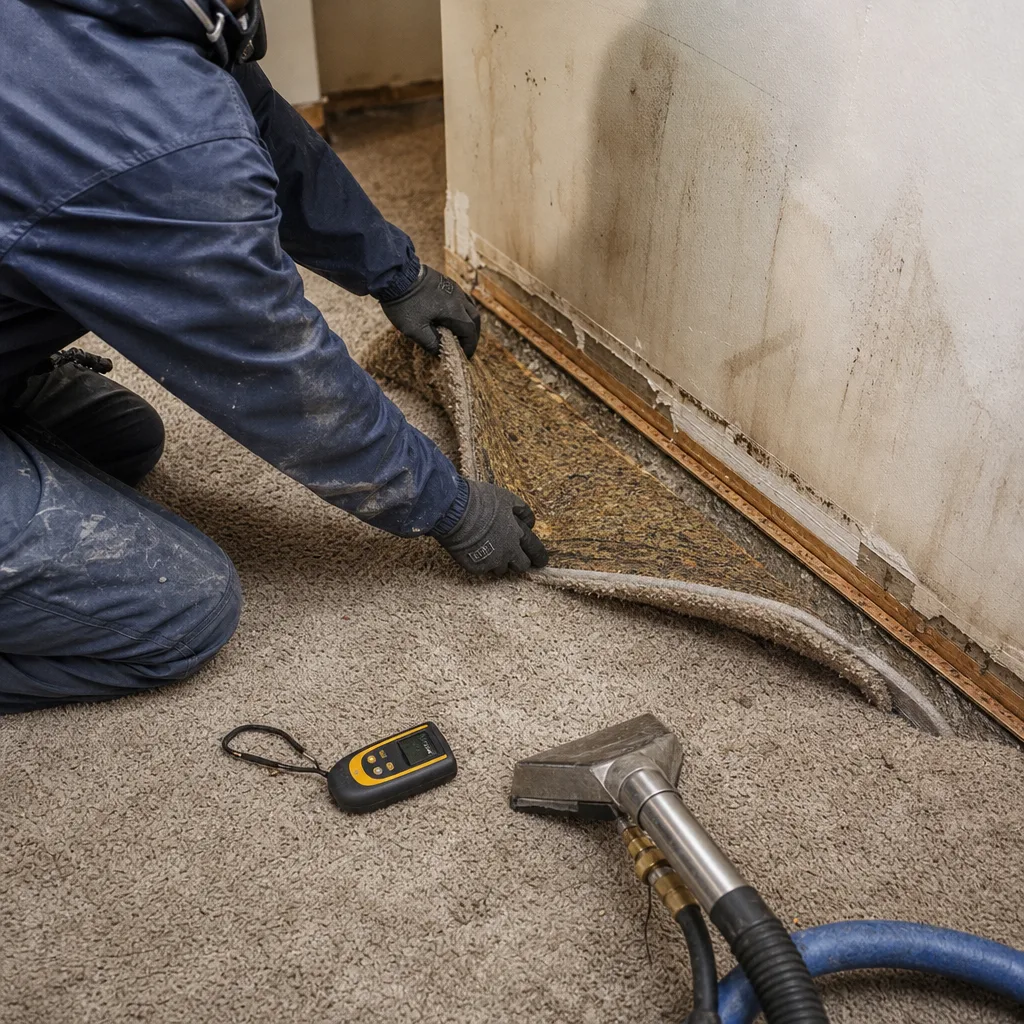
This is where most homeowners lose money without knowing it. Three contractors bid on the same water damage. One quotes $4,200, one quotes $6,800, one quotes $8,500. The homeowner chooses the middle bid, assuming safety in averages. But the bids used different unit measurements, and the middle bid was actually the most expensive per square foot of affected area.
Here is how to read the line items:
| Unit Type | What It Measures | Risk to Homeowner |
|---|---|---|
| Per square foot | Actual affected area | Lowest risk if measured accurately; verify the measurement method |
| Per room | Room count, not size | A 150 sq ft powder room and 400 sq ft kitchen count equally; favors contractor on large rooms |
| Lump sum | Total job, no breakdown | Highest risk; no way to verify scope completeness or compare to other bids |
| Per hour + materials | Time and materials | Unpredictable final cost; no incentive for efficiency; documentation often sparse |
When comparing per-square-foot bids, verify that each contractor measured the same boundaries. One may have included the hallway leading to the affected bathroom; another may have excluded it. Ask each contractor to mark their measured area on a floor plan or photo. A contractor who cannot show you their measurement method is a contractor who estimated by guess.
At Water Damage Restoration in Bellevue, we provide our measured drawings as part of the written scope, with each affected area outlined and dimensioned. Haven Standard, Clause 1 requires this transparency. A written price before work begins is meaningless if you cannot verify what was priced.
Also compare the equipment allowances. One bid may include three air movers and one dehumidifier for 800 sq ft; another may include six air movers and two dehumidifiers for the same area. The lower bid is not saving you money. It is under-drying your structure, which shows up as mold remediation six months later, typically uncovered as a secondary loss.
Bellevue-Specific Red Flags
The Bellevue market has characteristics that create specific contractor shortcuts. Recognizing them protects your claim and your property. Our Complete Guide to Damage Restoration in Bellevue covers additional local risk factors in depth.
Same-day quotes without moisture assessment. Bellevue’s competitive contractor density means some companies promise immediate quotes to win the call. Water damage cannot be accurately scoped without moisture meter readings and thermal imaging to trace migration paths. A quote given over the phone or at the door, before equipment is deployed to find hidden moisture, is a quote that will change, usually upward, once work begins. That change creates a documentation gap: the original quote in your insurer’s file does not match the final invoice, triggering review.
Failure to account for Bellevue’s soil and drainage conditions. Homes in neighborhoods like Somerset, Factoria, and Newport Hills sit on slopes with varying drainage. Water intrusion in these areas often follows subsurface paths that don’t match visible damage. A contractor who scopes only what they can see will miss affected areas that show up later as mold or structural decay. Ask specifically how they account for site drainage and foundation type in their moisture mapping.
Vague permit knowledge. Bellevue requires permits for structural repairs, electrical work, and plumbing modifications common in restoration. A contractor who says “we’ll handle permits” but cannot name the specific Bellevue Development Services permits required for your job type is a contractor who may skip permitting to speed completion. Unpermitted work voids some homeowners insurance policies and creates title issues on resale.
Equipment brands you cannot verify. Professional drying requires specific airflow rates and dehumidification capacity. If a contractor lists equipment by generic type (“commercial dehumidifier”) rather than manufacturer and model, you cannot verify whether the equipment meets IICRC S500 standards for your loss category. We document Dri-Eaz, Phoenix, XPOWER, B-Air, and Injectidry equipment by serial number on every job.
Pressure to sign immediately. In Bellevue’s high-value market, some contractors use the cost of delay, your fear of further damage, to push immediate approval. A legitimate contractor will explain the emergency stabilization they can perform without a signed contract (water shutoff, containment, initial extraction) and provide the full written scope for review within hours, not minutes.
Who Owns Your Job File (And Why It Matters)
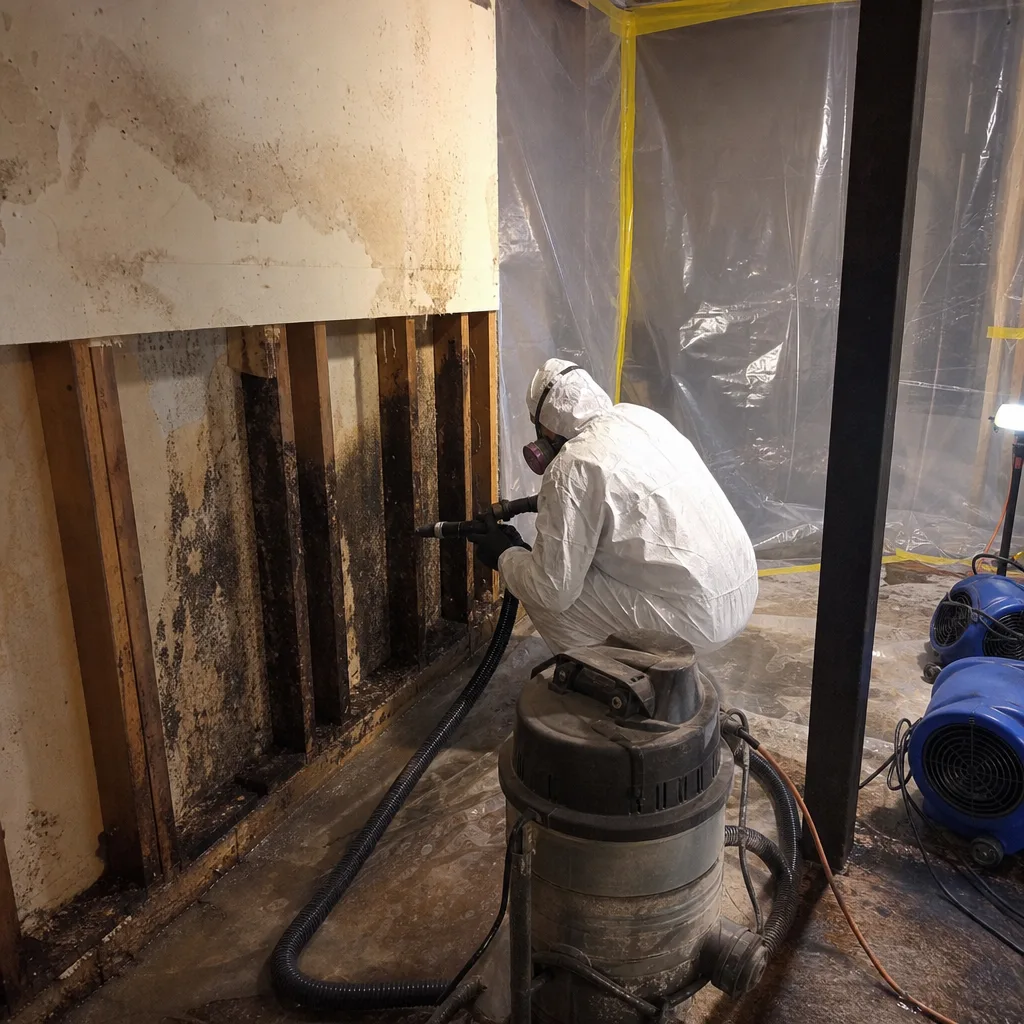
This is the clause most homeowners skip, and it costs them at claim settlement.
Your restoration job file, the complete record of scope, photos, drying logs, and correspondence, has value beyond the immediate repair. It is the evidence base for your insurance claim, your protection against future mold or structural disputes, and your documentation for property resale. Yet most restoration contracts assign ownership of this file to the contractor, with no obligation to provide copies to you.
Read the contract’s intellectual property or records clause. If it states that “all job documentation is the property of [contractor name],” you are paying for work product you do not control. Your adjuster may request documentation the contractor has already archived or lost. Your attorney may need moisture readings the contractor considers proprietary. You may discover mold recurrence and need baseline data the contractor will not release without a subpoena.
The Haven Standard specifies that every customer receives a complete job file copy within 10 business days of final billing, at no additional charge. This includes all photos, daily drying reports, equipment logs, and the final clearance documentation. We consider this a customer right, not a favor.
When vetting contractors in Bellevue, ask directly: “Will I receive a complete copy of all documentation, and when?” A contractor who hesitates, who mentions “proprietary formats,” or who offers to “send what the insurer needs” is a contractor who retains control of your evidence. That control becomes leverage if disputes arise.
Also ask: How long do you retain job files? Washington’s statute of limitations for construction defect claims is six years. If your contractor deletes files after two years, your protection expires before your legal rights do. We retain complete job files for ten years, with encrypted backup, because we’ve seen Bellevue homeowners need documentation for secondary claims or property transactions years after the original loss.
Common Mistakes to Avoid
- Choosing by response time alone. Speed matters for emergency mitigation, but reconstruction should be scoped, scheduled, and priced in writing like any remodel. A contractor who promises same-day reconstruction starts is a contractor who skipped planning.
- Accepting a “narrative summary” instead of line-item documentation. Insurers deny narrative invoices because they cannot verify what was done where. Demand the detailed format from the start.
- Not verifying the adjuster-contractor relationship. Some contractors offer to “handle everything with your insurance” while actually negotiating coverage reductions that limit their own documentation obligations. You want a contractor who documents thoroughly enough that any adjuster can approve the claim, not one who relies on personal relationships to bypass standard review.
- Ignoring seasonal factors in Bellevue. Winter water intrusions often involve ice dam backup on roofs common in Bridle Trails and Lakemont; summer losses may follow the intense rainfall events that overwhelm older drainage in Crossroads. A contractor who applies the same drying protocol regardless of intrusion source is missing variables that affect documentation requirements.
- Failing to get the second opinion in writing. We offer a Free Second Opinion on any competitor’s written estimate, but the value depends on receiving the competitor’s actual scope, not a verbal recap. Always request the written document before any secondary review.
- Assuming “certified” means documented. IICRC certification indicates training completion. It does not indicate that the certified technician will produce daily moisture logs, photo records, or written scopes. Verify the documentation standard separately from the credential.
- Not asking about vapor pressure differential monitoring. This measurement, the force that actually drives drying, separates professional-grade restoration from equipment rental with a truck logo. If the contractor does not measure and record vapor pressure differential, they are not monitoring drying science. They are watching clocks.
When to Call a Professional
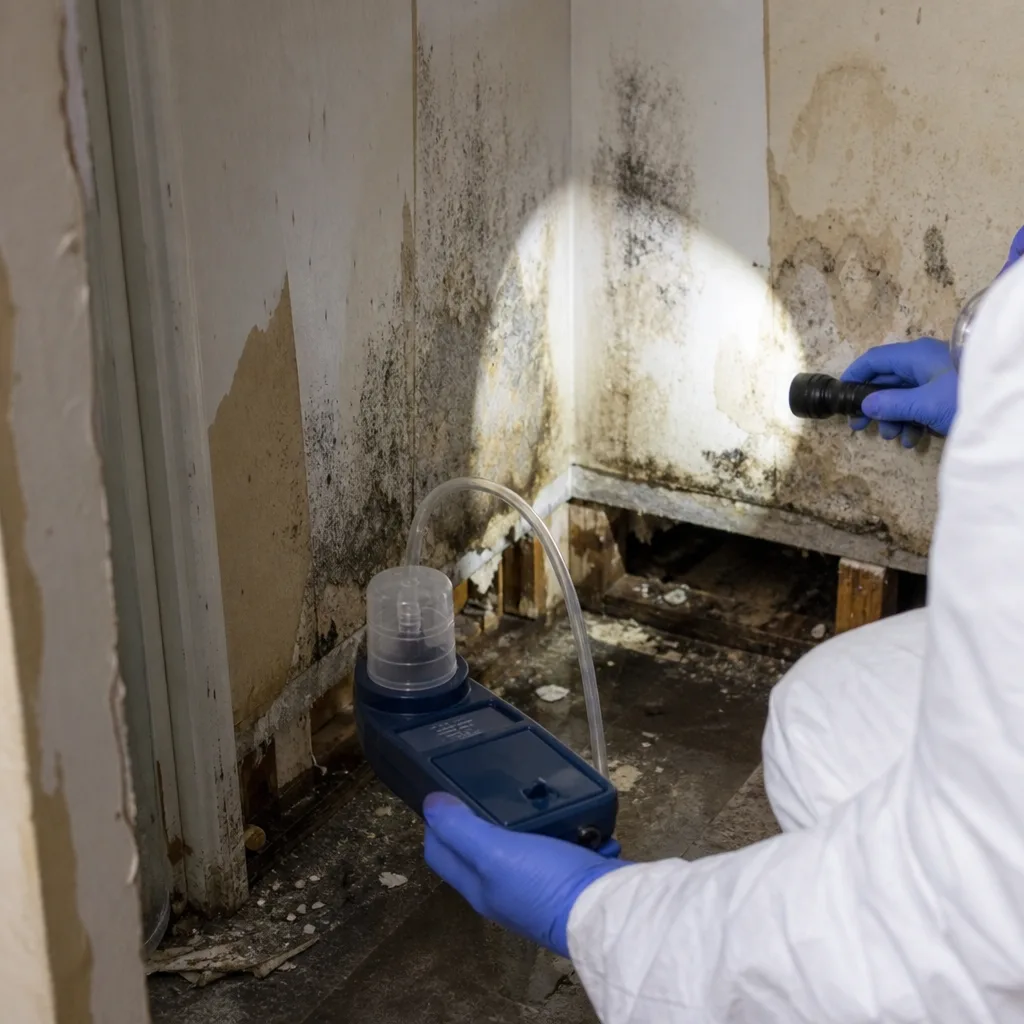
Call a professional restoration contractor when water has affected finished materials (drywall, hardwood, cabinetry), when mold is visible or suspected, when fire or smoke damage involves structural components, or when sewage or biohazard contamination is present. These scenarios require containment, specialized equipment, and documentation that homeowners cannot produce independently.
For Mold Remediation in Bellevue, professional intervention is particularly critical because Washington’s moisture-rich climate allows rapid colonization. What appears as a small patch on a bathroom ceiling often indicates extensive cavity growth that requires controlled demolition, negative air containment, and post-remediation verification sampling.
Similarly, Fire & Smoke Damage Restoration in Bellevue demands documentation of soot classification (dry, wet, protein, or fuel oil) and corresponding cleaning protocols. Without this documentation, smoke damage claims are routinely reduced by insurers who argue that “cleaning” should have sufficed where “replacement” was performed.
DryMark Restoration Bellevue offers free estimates in Bellevue. Call (425) 696-6320 to request a written scope before any work begins, or bring a competitor’s written estimate for our Free Second Opinion review.
Frequently Asked Questions
Emergency water mitigation typically ranges from $1,800 to $5,500 for residential losses under 1,500 square feet, with reconstruction costs additional and dependent on finish materials. Mold remediation in Bellevue’s older homes, particularly in neighborhoods like West Bellevue and Clyde Hill with original construction from the 1960s-1980s, often runs $15-$30 per square foot of contained area depending on cavity access and HVAC involvement. Every job is quoted in writing before work begins under Haven Standard, Clause 1. Call (425) 696-6320 for an exact quote on your specific loss, estimates are free.
Coverage depends on your policy language, the cause of loss, and, critically, the quality of your contractor’s documentation. Sudden and accidental water damage is typically covered; gradual leaks often are not. The contractor who produces daily moisture logs, dated photo records, and line-item scopes gives your adjuster the evidence to approve covered items. The contractor who delivers a narrative summary invites scrutiny and reduction. We document to IICRC, RIA, and IFA standards specifically to support claim approval, and we coordinate directly with adjusters when authorized.
For emergency water mitigation, our live dispatch answers 24 hours a day, 7 days a week with no voicemail, and we deploy for stabilization within the response window we quote on the call. Reconstruction and non-emergency remediation are scheduled after written scope approval, not dispatched for same-day starts. Any contractor promising immediate reconstruction without assessment is skipping the documentation that protects your claim. Call (425) 696-6320 for current emergency availability.
Surface cleaning addresses visible contamination only. Water wicks upward in drywall at approximately 1 inch per hour; mold colonizes hidden cavities within 48-72 hours in Bellevue’s typical indoor humidity. Without moisture mapping and controlled drying, DIY cleaning leaves active damage that voids future coverage as pre-existing conditions. For Category 2 or 3 water, fire smoke, or any confirmed mold, professional remediation with documented clearance is the only approach that protects your health, your structure, and your insurance position.
You retain control of your claim. We provide documentation directly to your adjuster when you authorize it, but we do not negotiate coverage on your behalf or accept assignment of benefits that transfers your claim rights to us. This protects you from contractors who settle claims for their convenience rather than your full recovery. Our role is to produce evidence so complete that adjuster review becomes straightforward, not to substitute our judgment for yours or your insurer’s.
Structural repairs, electrical modifications, plumbing changes, and HVAC alterations all require permits from Bellevue Development Services. A permit ensures work meets current code, creates a record for future property transactions, and protects insurance coverage that excludes unpermitted work. We identify required permits in our written scope and coordinate permit applications as part of project management. Contractors who suggest “saving time” by skipping permits are exposing you to coverage voids and resale liability.
The Bottom Line
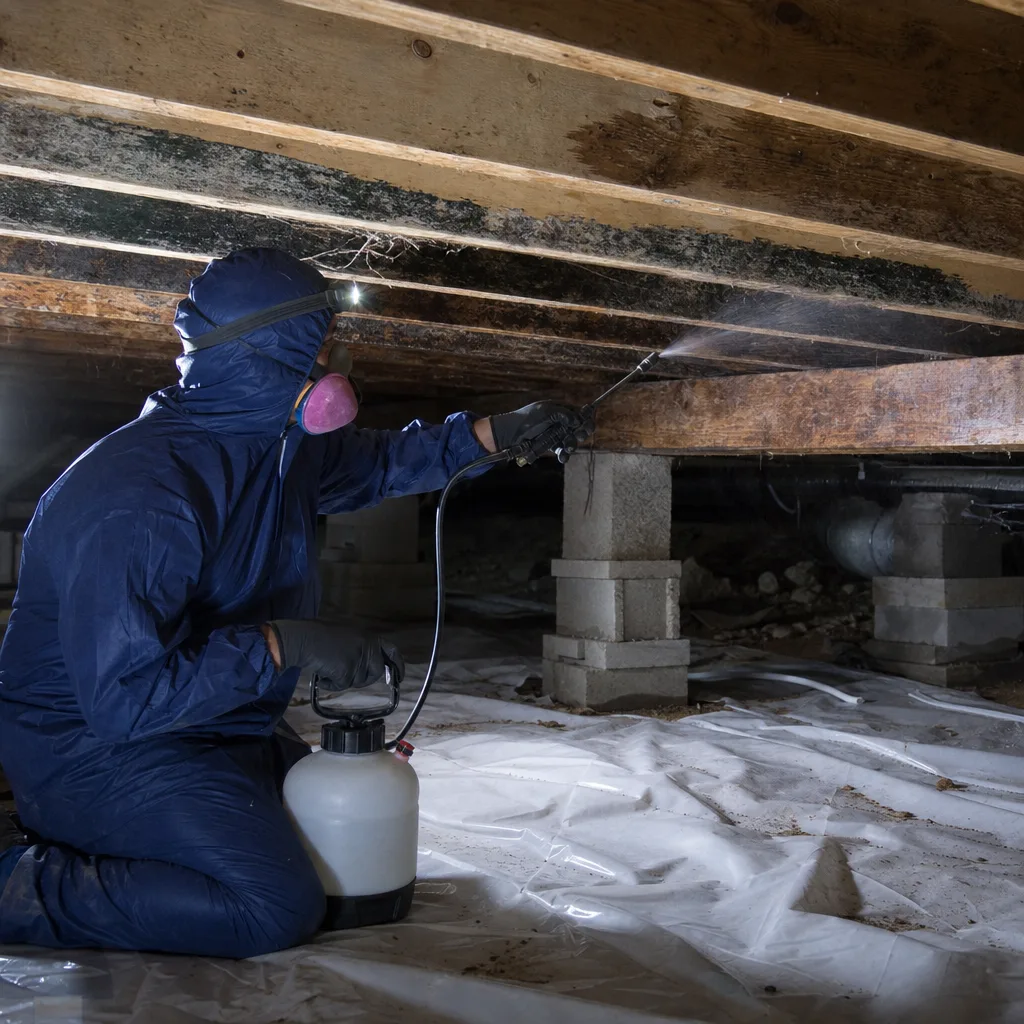
The contractor you hire in Bellevue should be selected for their ability to produce evidence, not enthusiasm. Verify their Washington L&I registration and bond status. Request samples of all five documentation types before signing. Compare quotes using identical units and verified measurements. Read the contract’s records clause. And reject any contractor who cannot explain, in plain language, how they measure and document vapor pressure differential, moisture content, and drying progress.
The highest-rated contractor with thin documentation will cost you more at claim settlement than the methodical contractor with complete records. We’ve reviewed enough files since 2011 to know: insurers pay what they can verify, not what they are asked to trust.
Written by Alicia Brennan, Owner at DryMark Restoration Bellevue, serving Bellevue since 2011.