
Last updated September 23, 2026
Free visual inspection and a written scope of work before any mitigation begins - photos, moisture readings, and drying logs go in your claim file
The scope we write is the scope we bill. Anything new gets shown to you, in writing, before we touch it.
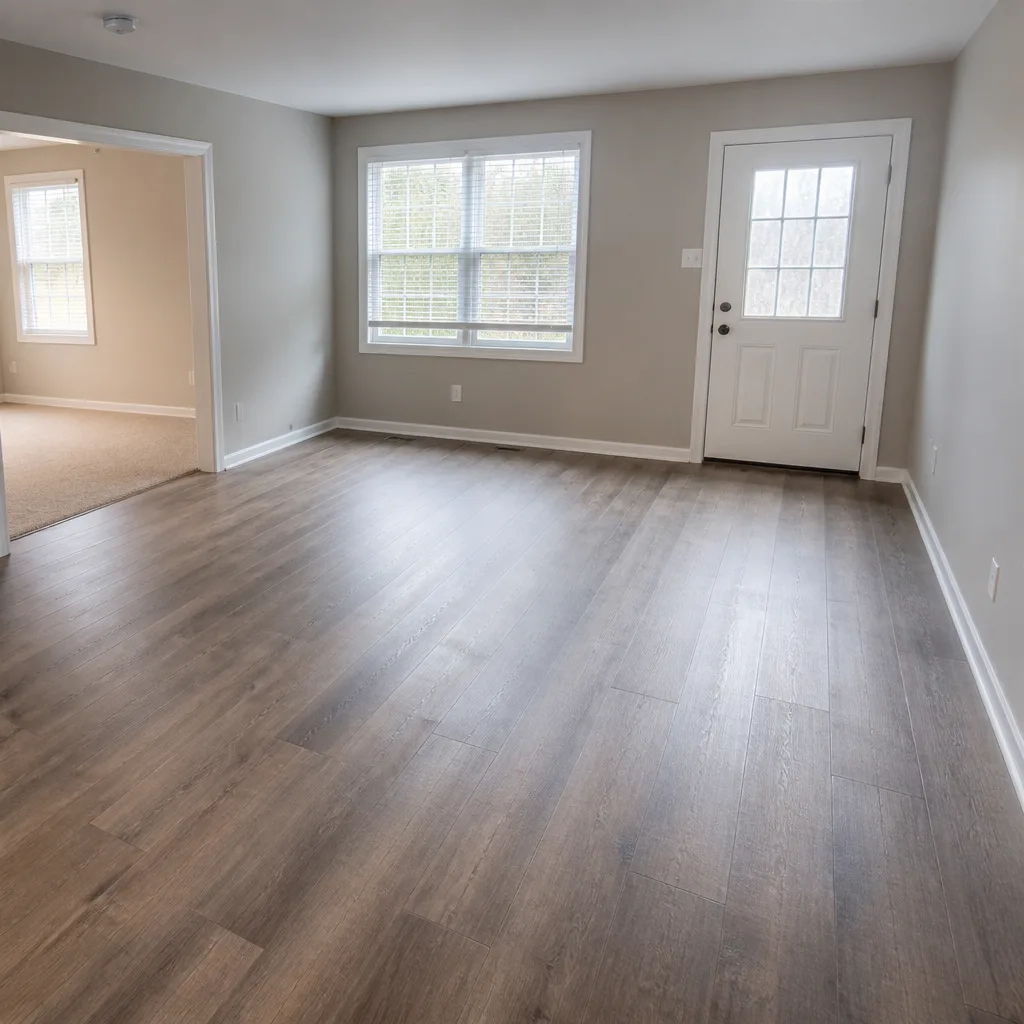

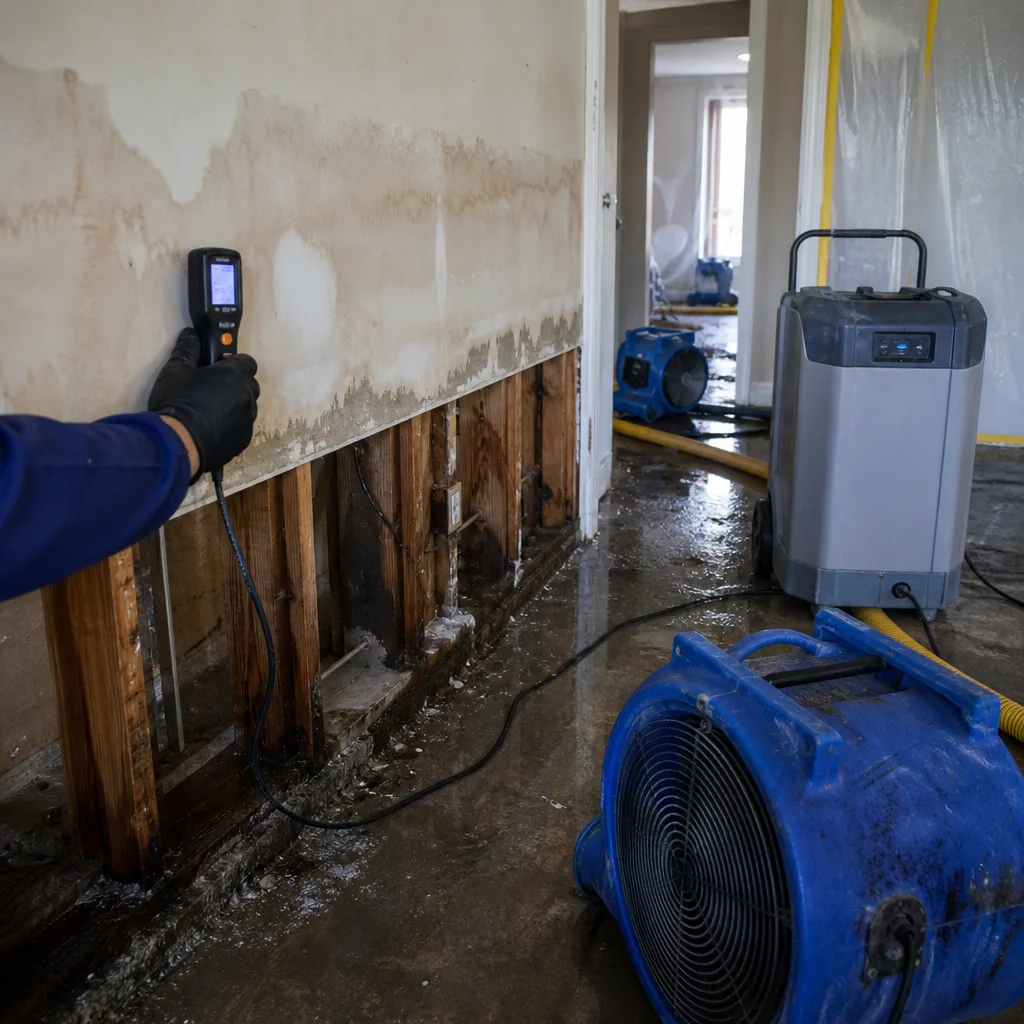 Before
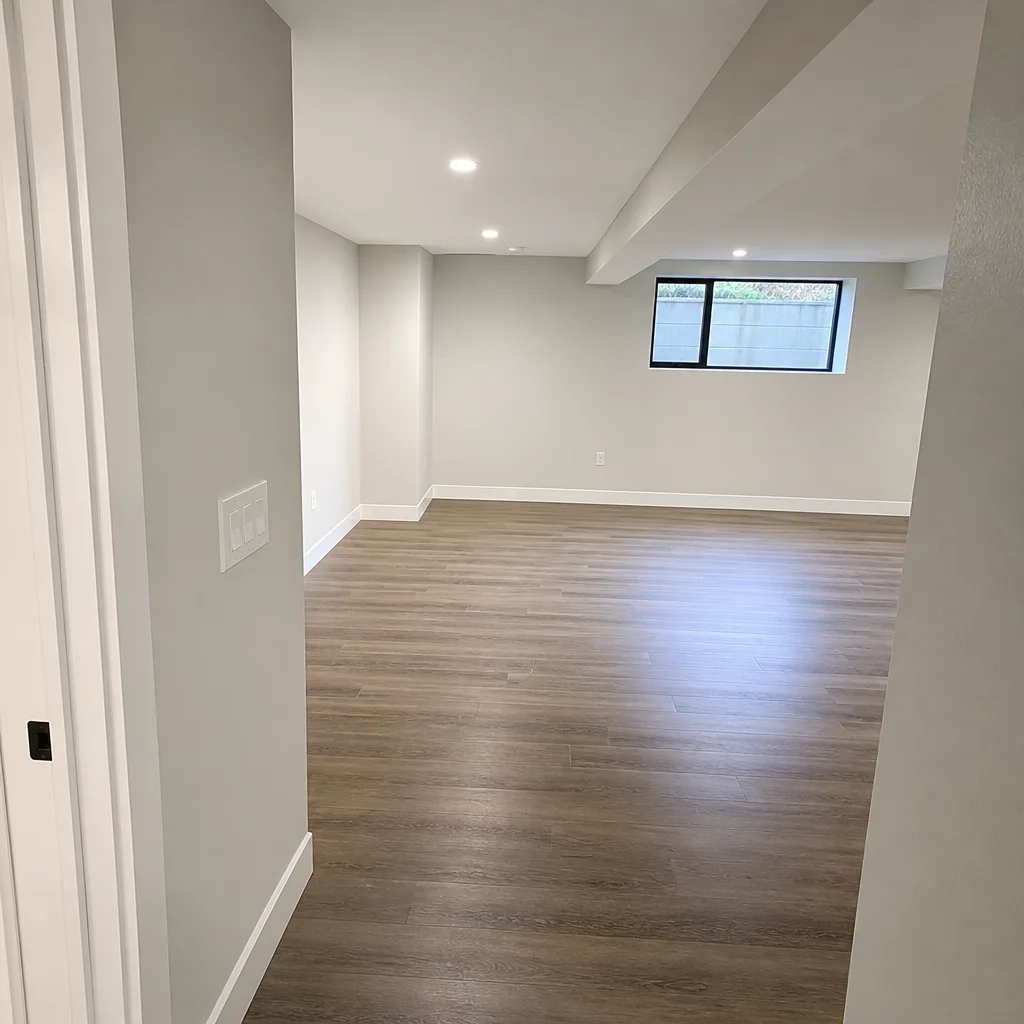 After
After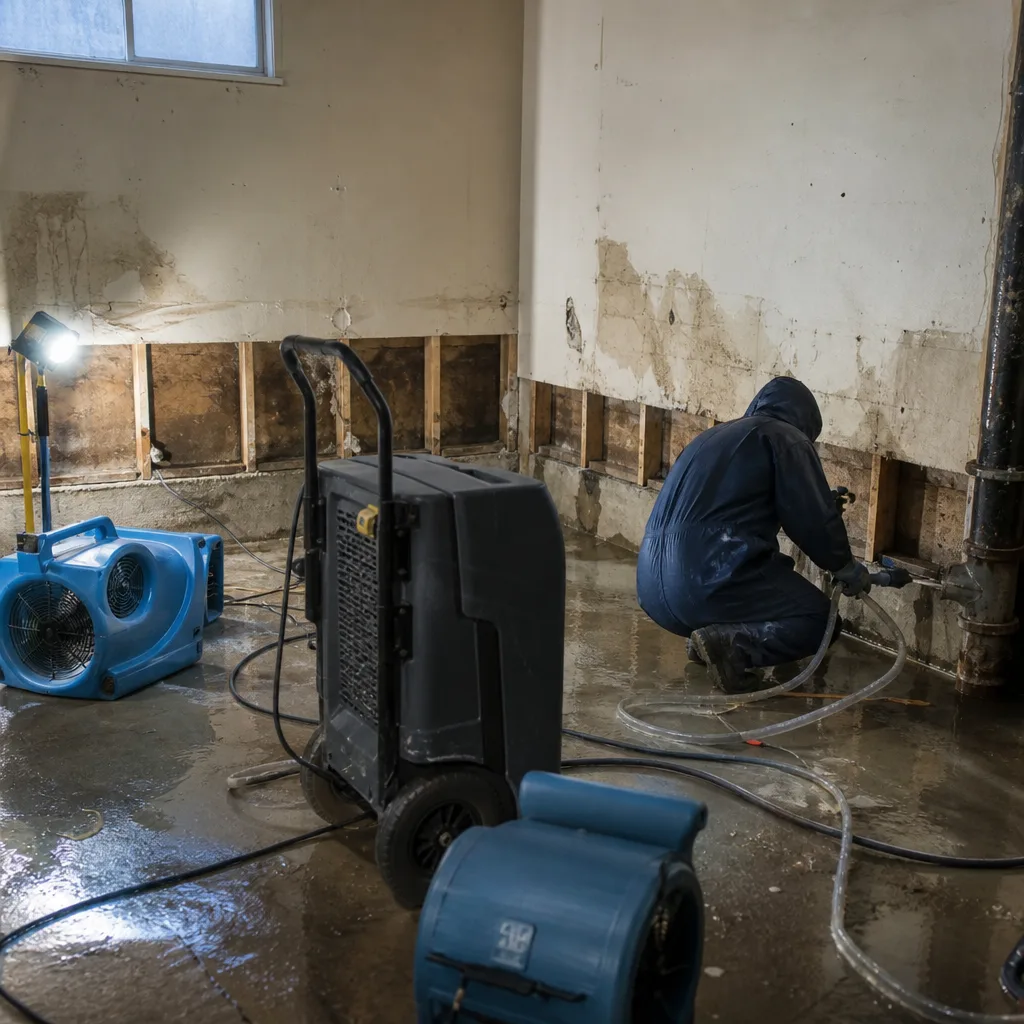 Before
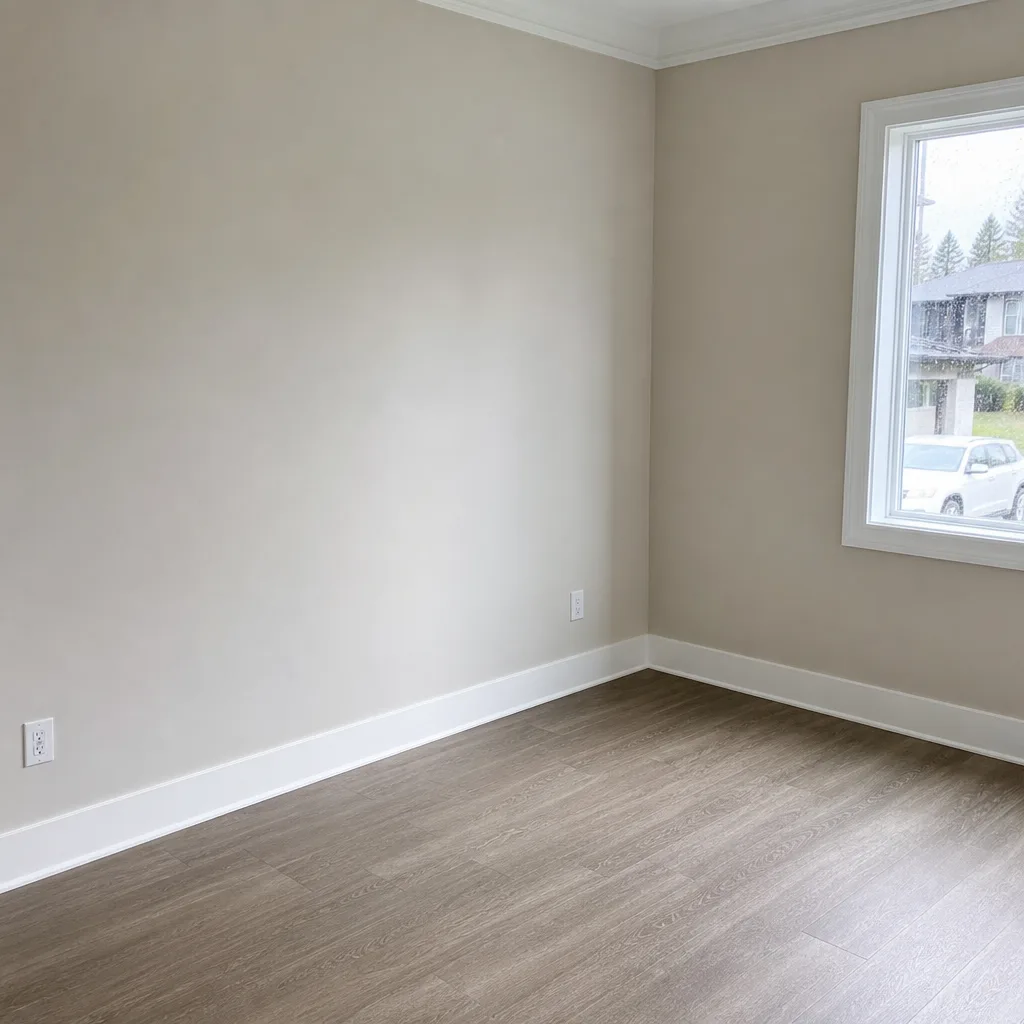 After
After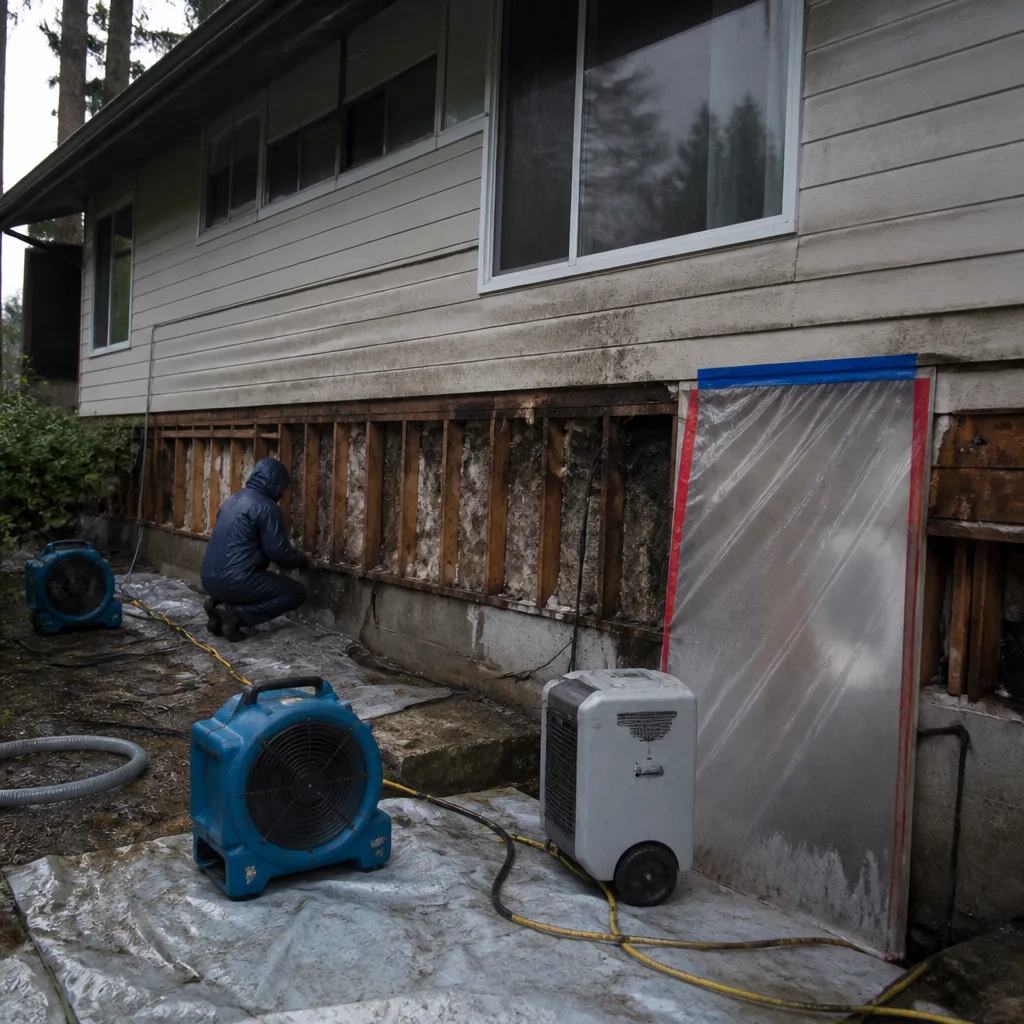 Before
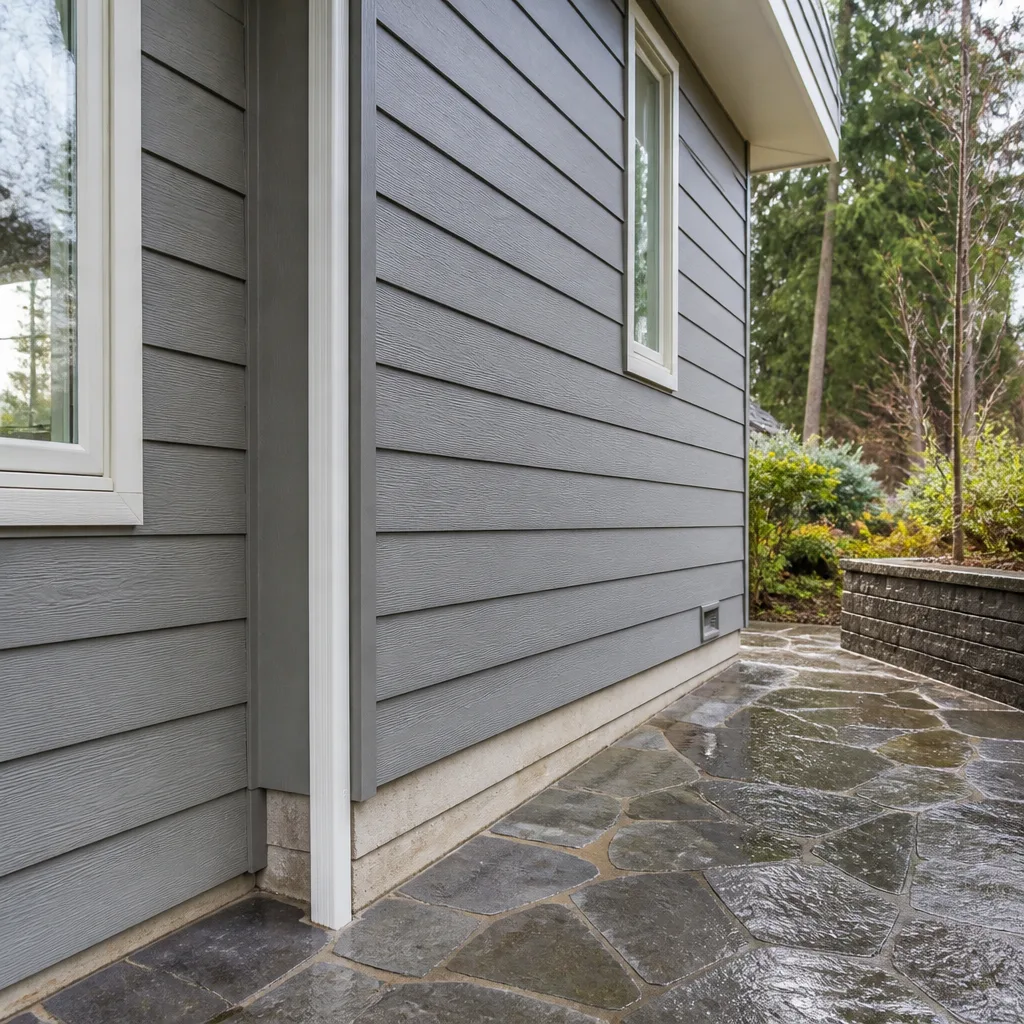 After
AfterDamage Restoration Warning Signs: A Bellevue Homeowner’s Reference Guide
A moisture reading of 19% in a wood subfloor registers as “elevated” on a professional meter and as nothing at all to the naked eye. Yet it’s the reading that, left unaddressed for 30 days in Bellevue’s cool, marine climate, produces the mold colony that costs $12,000 to remediate. Most warning-sign guides describe what damage looks like after it’s visible. By the time you can see discoloration or smell mustiness, moisture has usually been active long enough to affect structural materials you cannot see at all. This guide is organized by detection method, starting with the indicators that precede visible damage, so Bellevue homeowners can intervene before a manageable drying job becomes a full reconstruction. For more guides & resources, see our blog.
Quick Answer
The earliest warning signs of home damage in Bellevue are detectable before anything looks wrong: indoor humidity sustained above 60% RH, subfloor moisture above 16%, doors that begin binding in their frames, and utility bills that rise without explanation. These instrument-detectable and structural indicators typically appear 2-4 weeks before visible staining or odor. Consumer-grade tools including pinless moisture meters ($30-$80) and indoor humidity monitors ($15-$40) can identify most of these conditions.
Table of Contents
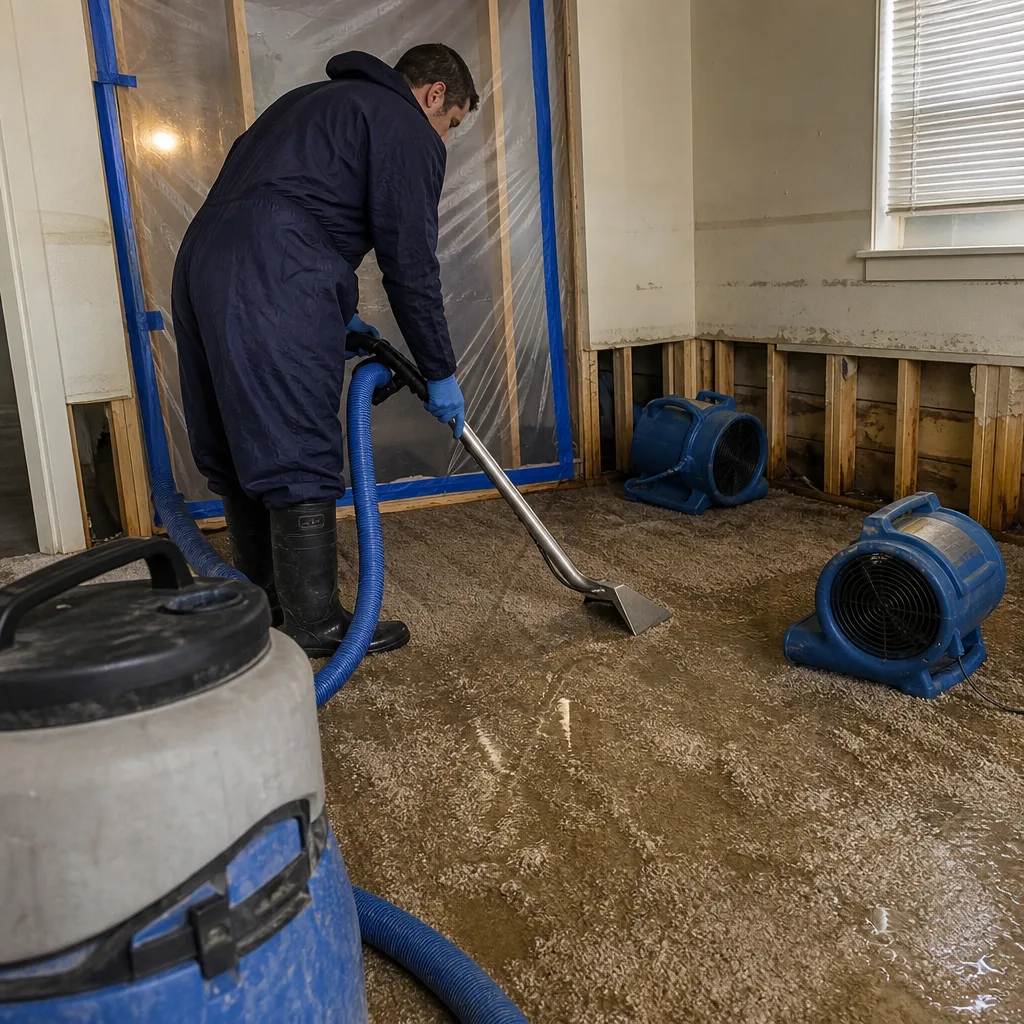
- Instrument-Detectable Warning Signs
- Structural Warning Signs That Precede Visible Damage
- Utility Bill Anomalies and What They Reveal
- Staining Patterns: Active Moisture vs. Historic Damage
- How to Photograph and Date Signs for Insurance Claims
- How Bellevue’s Climate and Construction Affect Damage Progression
- Common Mistakes to Avoid
- When to Call a Professional
- Frequently Asked Questions
BeforeAfterInstrument-Detectable Warning Signs
Professional restoration crews in Bellevue carry meters that measure three things: relative humidity (RH), moisture content (MC) in materials, and vapor pressure differential. You do not need their equipment to catch early warning signs. Consumer tools available at hardware stores in Bellevue and online will detect most pre-visible conditions if you know where to look and what the numbers mean.
Relative Humidity Above 60% in Enclosed Spaces
Indoor relative humidity should run 30-50% in Bellevue homes during heating season, and 40-60% during the damp months of November through March. Sustained readings above 60% in a closed closet, crawl space, or room with limited air circulation indicate that moisture is entering faster than it is leaving. At 70% RH, mold spores common in Pacific Northwest air begin germinating on organic surfaces within 48-72 hours.
A $15-$30 digital hygrometer placed in your crawl space, attic hatch area, or a closet on an exterior wall will tell you what your nose cannot. Check it weekly during the rainy season. If the reading climbs steadily over several days without a weather event, you have a moisture source, not just damp air.
Subfloor and Framing Moisture Above 16%
Wood in a dry Bellevue home typically measures 10-14% moisture content. Readings above 16% indicate that wood is taking on water from somewhere. At 20%, wood fibers begin to swell, which is when you start seeing doors bind and trim crack. At 28%, wood-decay fungi become active.
A pinless moisture meter ($35-$75 at hardware stores) pressed against a subfloor through a crawl space access, or against baseboard trim on an exterior wall, will give you a reading in seconds. Take readings in multiple locations and note them with dates. A single elevated reading near a plumbing fixture suggests a localized leak. Multiple elevated readings across a broad area suggest groundwater intrusion, failed exterior waterproofing, or condensation from inadequate ventilation.
Wall Cavity Readings That Diverge from Room Baseline
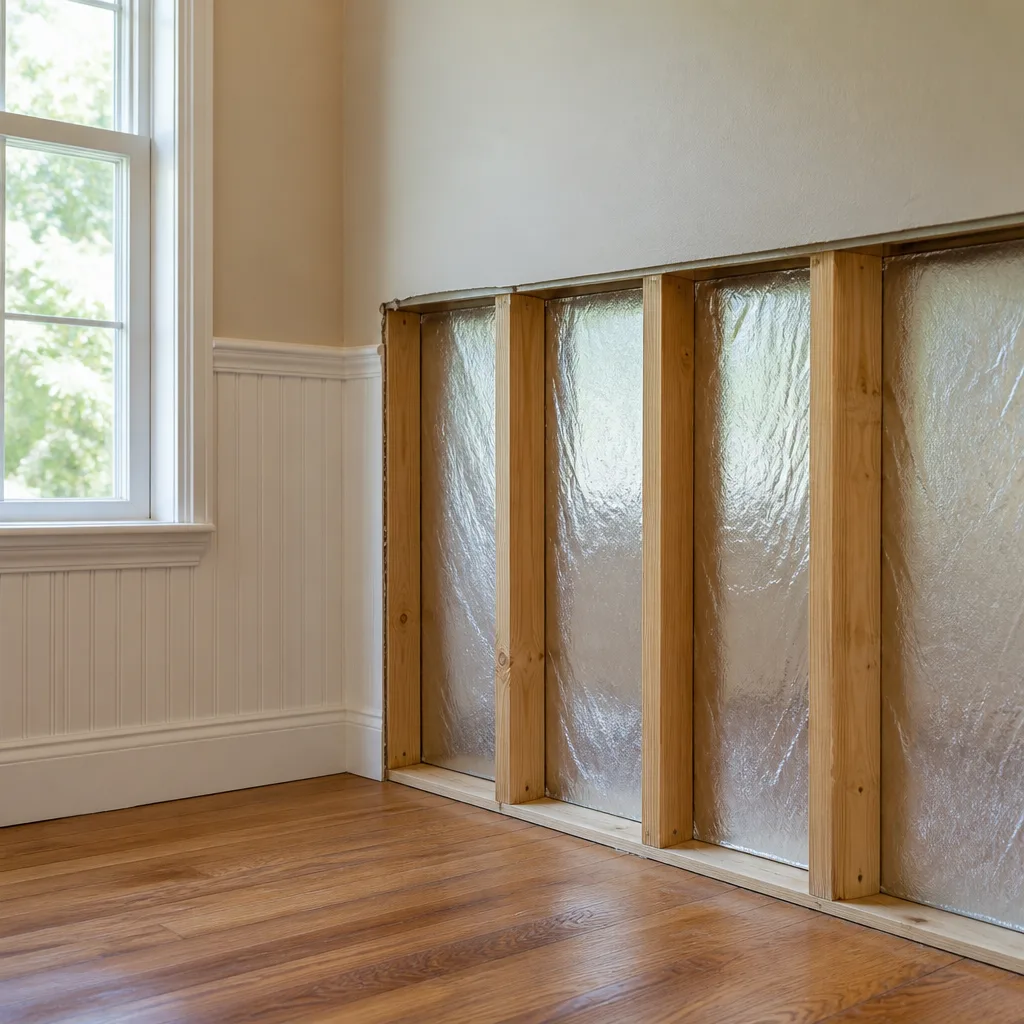
This is the reading that catches most hidden leaks. The drywall surface in a room may read 12% moisture content, perfectly normal. But a pin-type meter with insulated probes pushed through a small nail hole in the baseboard into the cavity behind may read 35% or higher. That divergence means water is traveling inside the wall, not on it.
We see this pattern regularly in Bellevue’s 1990s-era homes with slab foundations, where pinhole leaks in copper supply lines run inside walls for weeks before surfacing. The drywall face stays dry. The cavity fills with moisture that migrates downward into the sill plate and subfloor. By the time the homeowner sees a stain, the sill plate is often punky and the insulation is saturated.
What to document: Date, room location, meter type, surface reading, cavity reading if obtainable, and any plumbing fixtures or roof penetrations within 10 feet. This becomes your baseline for comparison in 7 days.
Consumer Tool Summary
| Tool | Cost | Detects | Where to Use |
|---|---|---|---|
| Digital hygrometer | $15-$30 | RH above 60% | Crawl spaces, attics, closets, basements |
| Pinless moisture meter | $35-$75 | Surface MC above 16% | Subfloors, baseboards, drywall, trim |
| Pin-type meter with deep probes | $50-$120 | Cavity moisture divergence | Wall cavities through small probe holes |
| Infrared thermometer | $25-$60 | Surface temperature variations of 3°F+ | Ceilings, walls, floors (indicates evaporative cooling from moisture) |
Structural Warning Signs That Precede Visible Damage
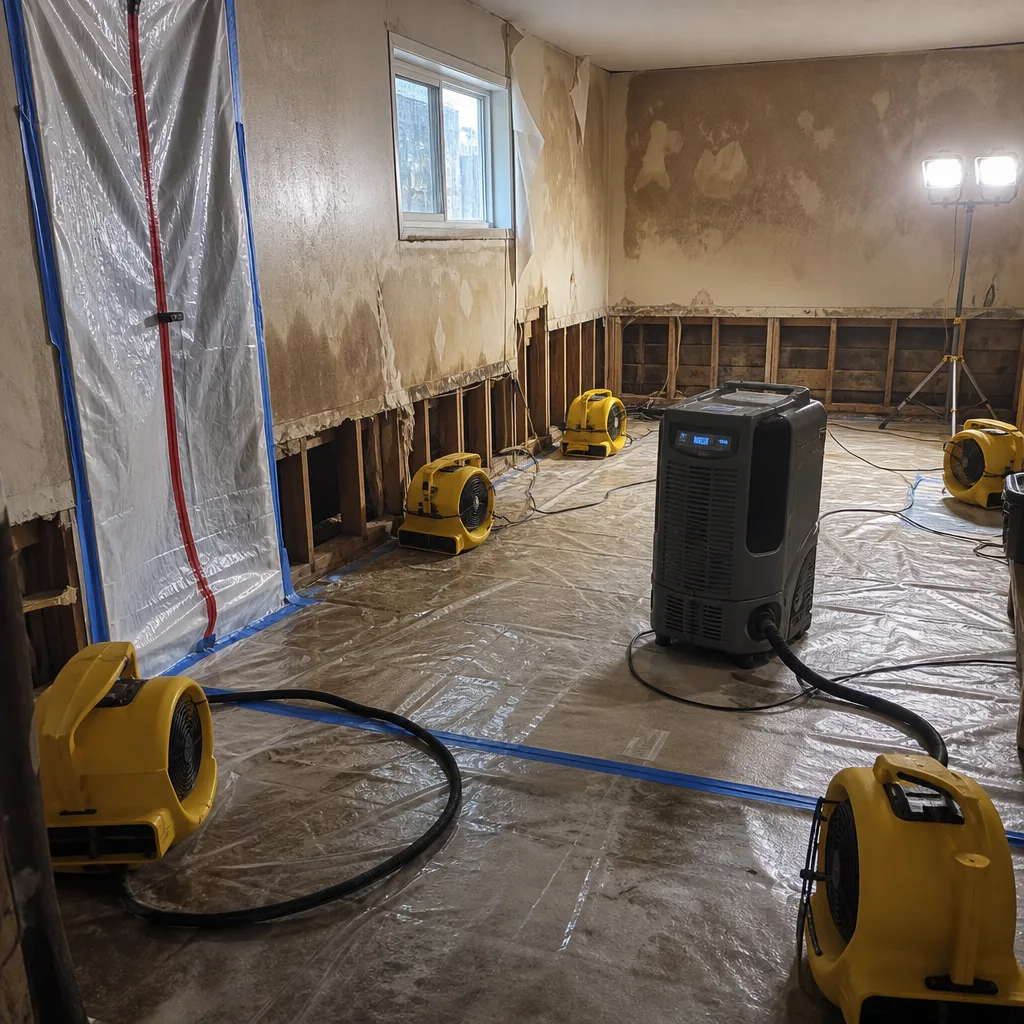
Wood is hygroscopic: it absorbs and releases moisture, changing dimension as it does. In Bellevue’s climate, where outdoor humidity averages 75% in winter and heating systems run continuously, these dimensional changes produce physical signals before any material looks damaged.
Door and Window Binding
A door that suddenly needs shoulder pressure to latch, or a window that sticks in its track during winter when it operated smoothly in summer, is often telling you that the framing around it has swollen from moisture uptake. The moisture source may be a leak in the wall cavity, failed flashing around the window rough opening, or condensation on the interior of the exterior sheathing.
In Bellevue’s 1960s-1980s pier-and-beam homes, we regularly see this pattern in south-facing walls where afternoon sun drives moisture inward through degraded exterior paint, then the evening cool-down causes condensation on the interior sheathing surface. The door frame swells on the exterior side first, binding the door against the jamb. Homeowners adjust the strike plate. The real problem is moisture cycling through the wall assembly.
Floor Deflection and Soft Spots
Before a floor shows staining or cupping, it may develop deflection: a slight spring or softness underfoot that wasn’t there before. This indicates that the subfloor or joist system has lost stiffness due to moisture elevation. OSB subfloor, common in Bellevue homes built after 1985, loses structural integrity rapidly when its moisture content exceeds 20%. The adhesive resins begin to hydrolyze. The panel feels soft before it looks damaged.
Walk your home with attention to floor feel, especially near plumbing walls, exterior doors, and the transition between original construction and additions. Note any location where your heel sinks perceptibly. Test with a moisture meter if you find one.
Trim Separation and Caulk Failure
Baseboard pulling away from the wall, caulk cracking at tub surrounds, or crown molding developing gaps at miters are often dismissed as seasonal movement. In Bellevue’s moderate climate, seasonal movement is modest. Persistent separation usually means the substrate behind the trim is swelling or deteriorating, forcing the trim outward or causing the fasteners to lose purchase.
Check whether the separation is worsening over time, or whether recaulking lasts less than a year. Either pattern suggests an active moisture condition, not normal expansion and contraction.
Nail Pops and Screw Heads
When drywall or subfloor swells from moisture, it pushes fasteners outward. A nail pop in a ceiling may indicate roof leakage into the attic space above. Multiple screw heads visible through carpet tack strip along a wall may indicate subfloor swelling from a plumbing leak in the wall cavity. The fasteners are being pushed up by material expansion beneath them.
Document location, count, and whether they are new or recurring after repair. Recurring nail pops in the same location almost always mean the moisture source was not resolved.
Utility Bill Anomalies and What They Reveal
A water bill that jumps $40-$100 without changed usage, or an electricity bill that rises in winter without temperature change, is data. In our experience with Bellevue homes, specific bill anomalies correlate with specific leak locations depending on when the home was built.
Water Bill Spikes in 1960s-1980s Pier-and-Beam Homes
These homes typically have copper or galvanized supply lines running through crawl spaces. A pinhole leak in a crawl space line can lose 5-10 gallons daily without any interior sign. The water dissipates into the soil. The homeowner sees only the bill.
Check your water meter. Turn off all fixtures and watch the flow indicator (the small dial or digital readout) for 10 minutes. Movement indicates flow somewhere in the system. If the meter is near the street and the home is on a pier-and-beam foundation, a leak in the crawl space supply line is the most likely culprit in Bellevue’s older neighborhoods like Lake Hills and Factoria.
Water Bill Spikes in 1990s-2000s Slab Homes
Slab foundations in this era typically have copper or early PEX lines embedded in or beneath the slab. A slab leak pressurizes the soil beneath the foundation, often showing first as warm spots on the floor (for hot water lines) or unexplained dampness at slab edges. The water bill rises before any interior damage is visible.
In Bellevue’s plateau neighborhoods with expansive clay soils, slab leaks also produce foundation movement: doors binding, drywall cracks at ceiling corners, or gaps where baseboard meets tile flooring. The leak undermines the soil support, causing differential settlement.
HVAC Bill Increases Without Temperature Change
An electricity bill that rises 15-30% during heating season, with no thermostat change, often indicates that the HVAC system is working harder to condition air that is being replaced faster than designed. The cause is usually a negative pressure condition created by a hidden moisture problem.
Wet insulation in an attic or crawl space loses R-value. The heating system runs longer to maintain temperature. Alternatively, a leak in a return duct in a damp crawl space draws moist air into the system, increasing the latent load that the system must dehumidify. The homeowner feels no comfort difference, but the meter records the energy cost.
We documented this exact pattern in a Bellevue home near Crossroads where a crawl space vapor barrier had been displaced by rodents, exposing 800 square feet of damp soil. The HVAC bill rose $87 monthly before any mold odor was detected. The moisture meter reading in the subfloor above: 24%.
Staining Patterns: Active Moisture vs. Historic Damage
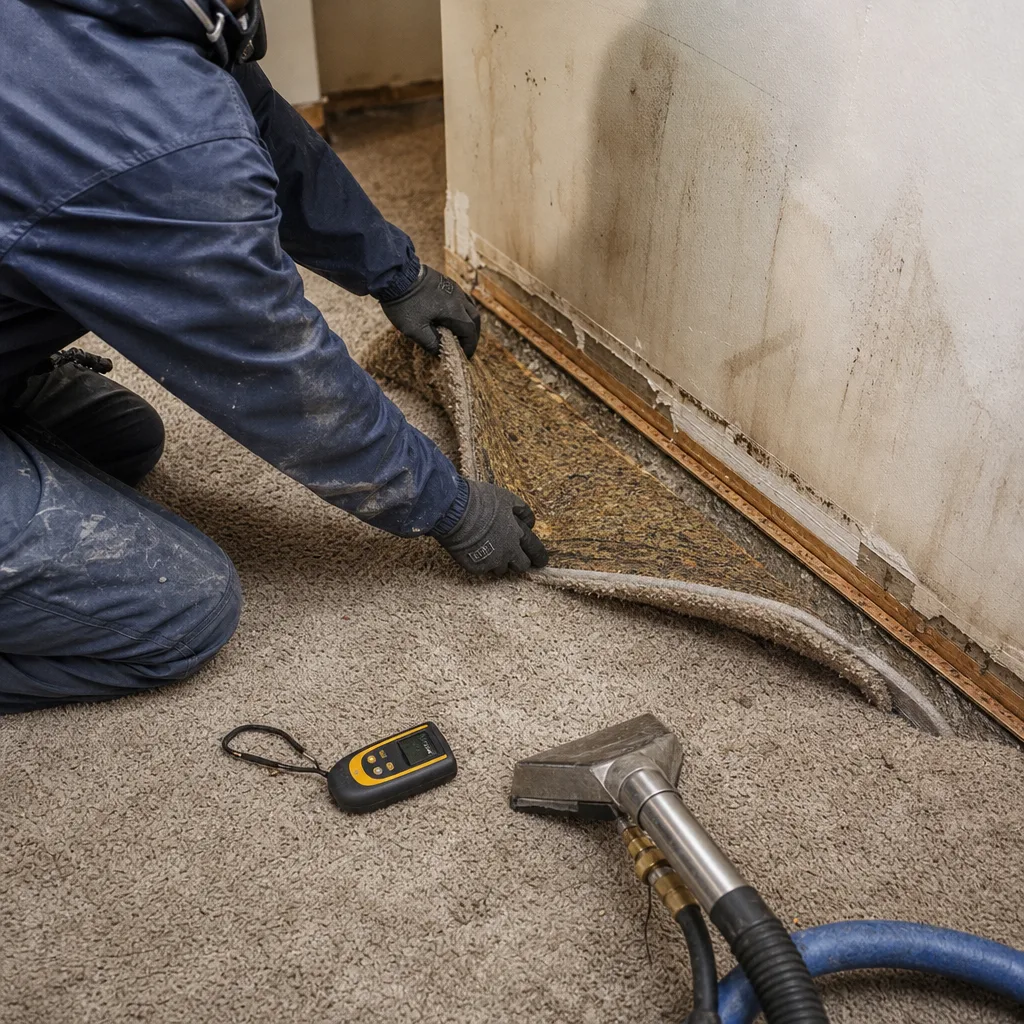
This distinction determines whether your insurance claim is filed as a current, covered loss or denied as pre-existing damage. Adjusters are trained to look for specific visual cues. Homeowners who understand the same cues can document more effectively and avoid claim disputes.
Indicators of Active Moisture
- Stain borders that are darker at the edge, indicating wicking from an ongoing source
- Surface that feels cool to the touch due to evaporative cooling from active water movement
- Peeling paint or wallpaper that is wet or pliable behind the loose material, not dry and brittle
- Mold growth with fuzzy or raised texture, indicating recent colonization (less than 30 days typically)
- Musty odor that intensifies when the area is disturbed, suggesting active microbial volatile organic compound (MVOC) production
Indicators of Historic Damage
- Stain with dry, powdery surface and uniform color throughout, no darker edge
- Paint failure that is dry and cracked, not peeling in sheets
- Dark, flat mold staining with no texture, often described as “ghosting”
- No odor, or odor that does not intensify with disturbance
- Substrate that reads at or below ambient moisture content on a meter
Why the Distinction Matters for Claims
Insurance policies cover sudden and accidental water damage. They do not cover long-term leakage, maintenance issues, or pre-existing conditions. A stain that is clearly historic, with dry substrate and no active moisture, will be documented by the adjuster as pre-existing. A stain with active wicking, elevated moisture readings, and recent mold growth supports a claim for current loss.
Your documentation should include: dated photos with a ruler or coin for scale, moisture meter readings at multiple depths, and a written description of whether the stain is changing. “Stain appeared two weeks ago and has grown 3 inches toward the corner” is a claim-supporting statement. “Stain has been there since we bought the house” is not.
At DryMark Restoration Bellevue home, we provide documented assessments that distinguish active from historic conditions using moisture mapping and thermal imaging. Our reports include the data points adjusters need to classify the loss correctly.
How to Photograph and Date Signs for Insurance Claims
The photos most homeowners take support personal reference. The photos that support insurance claims follow a specific format that adjusters, contractors, and if necessary, attorneys can read without interpretation.
- Establish context first. Before any close-up, take a wide shot that shows the room, the affected area’s relationship to fixtures and windows, and the overall condition. Include a landmark: a doorway, a fireplace, a kitchen appliance. This prevents later disputes about which room, which wall, which incident.
- Include scale in every detail shot. A ruler is best. A coin or common object (AA battery, credit card) works. Without scale, a 2-inch water spot and a 2-foot water spot look identical on a phone screen.
- Photograph the meter reading in the frame. If you are using a moisture meter or hygrometer, include the display in the photo with the probe in contact with the material. A photo of a meter reading “24.6%” on a subfloor is objective evidence. A written note saying “moisture was high” is not.
- Take orthogonal pairs. For stains or damage, shoot one photo perpendicular to the surface (showing shape and extent) and one at a shallow angle (showing texture, depth of peeling, or dimensional change like cupping). The perpendicular shot measures area. The angled shot reveals condition.
- Document the unaffected adjacent area. A photo of normal baseboard 12 inches from stained baseboard establishes that the condition is localized, not systemic. This supports the “sudden and accidental” characterization.
- Use consistent file naming. YYYY-MM-DD_Room_Description. Example: 2024-03-15_MasterBath_NorthWall_MoistureMeter. This makes retrieval and chronological ordering automatic.
- Store in two locations. Phone cloud backup plus email to yourself, or dedicated folder on a separate drive. Water damage has a way of affecting the device that holds the documentation.
- Write a contemporaneous note. Within 24 hours, write what you observed, when you first noticed it, what you did, and what changed. Date and sign it. This becomes your recorded statement if the claim is questioned.
The documentation standard we apply at DryMark Restoration Bellevue on every job, every visit, is derived from the same principles: context, scale, measurement, and contemporaneous record. Our photo records are delivered to the homeowner and, with authorization, to the adjuster as a standard deliverable, never an upsell.
How Bellevue’s Climate and Construction Affect Damage Progression
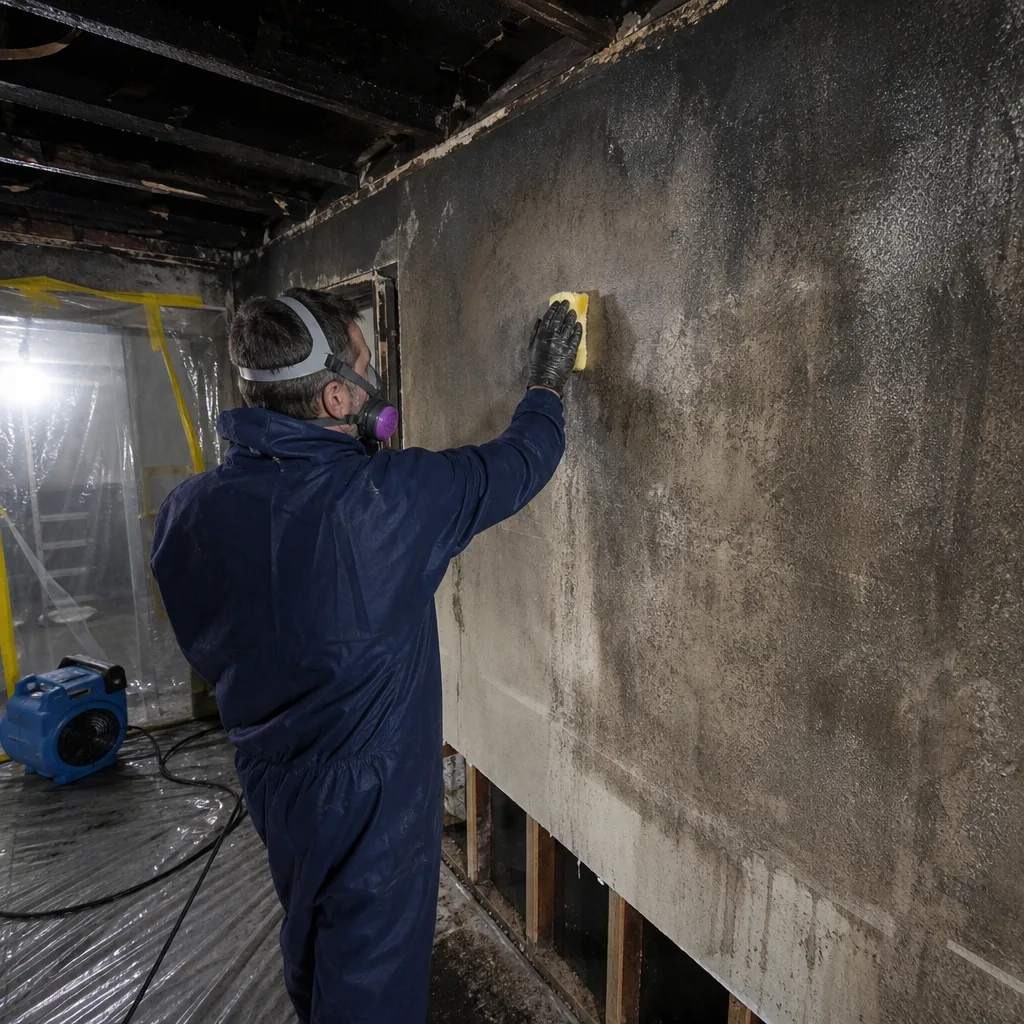
Bellevue’s climate is moderate but persistently damp. Annual precipitation averages 37 inches, concentrated October through April. Heating degree days exceed cooling degree days by roughly 6:1. Homes are heated continuously for 7-8 months, often with forced air that pressurizes building cavities and drives moisture into unintended pathways.
1960s-1980s Pier-and-Beam Construction
Homes in neighborhoods like Lake Hills, Newport Hills, and parts of Eastgate were built with crawl spaces that were ventilated per code of the era, not sealed. Foundation vents were intended to dry the space, but in Bellevue’s cool, humid winters, they often admit moist air that condenses on the cooler subfloor and ductwork. The result is chronic elevated moisture in the crawl space, even without a plumbing leak.
We regularly find subfloor moisture at 18-22% in these crawl spaces during February and March, purely from condensation. The homeowners have no interior symptoms. The condition persists until spring warming allows evaporation, or until a plumbing leak adds enough moisture to trigger visible mold on the interior.
1990s-2000s Slab-on-Grade Construction
The building boom in Crossroads, Bridle Trails, and Somerset produced thousands of slab homes with minimal exterior waterproofing and early-generation PEX or copper plumbing. Slab leaks in these homes are particularly insidious because the water has no escape path except through the slab edge or upward via capillary action through wall framing.
Bellevue’s clay soils, especially on the plateau east of I-405, expand when wet and shrink when dry. A slab leak wets the soil unevenly, creating differential swelling that cracks drywall, separates baseboard, and in severe cases, produces visible cracks in the slab itself. The structural damage precedes any water damage claim by months.
Post-2010 Construction
Newer Bellevue homes in neighborhoods like Wilburton and the BelRed corridor typically include sealed crawl spaces or conditioned basements, better exterior drainage, and modern water-resistant barriers. But they also include more complex plumbing manifolds, tankless water heaters with small-diameter recirculation lines, and irrigation systems tied to municipal pressure that can fail catastrophically.
The warning signs in newer homes are more likely to be electronic: smart water shutoff valves that alert to flow anomalies, or humidity sensors in building management systems. Homeowners who do not monitor these alerts, or who disable them after false alarms, miss the early warning window that the technology was designed to provide.
Common Mistakes to Avoid
- Waiting for visible mold before acting. Mold is a late indicator. By the time it is visible, the moisture condition has typically been active for 14-30 days, and the remediation scope is 3-5 times larger than it would have been at the moisture-detection stage.
- Using bleach on suspected mold. Bleach does not penetrate porous materials like drywall or wood framing. It bleaches the color while leaving viable hyphae in the substrate. The mold returns, and the homeowner has destroyed the evidence that would have supported an insurance claim for professional remediation.
- Ignoring a single high moisture reading. One elevated reading is data. The same reading two weeks later, in the same location, is a trend. Trends predict outcomes. Document, wait, re-measure, then decide.
- Assuming new construction is immune. Bellevue homes built 2015-2022 have some of the highest leak rates we document, due to complex plumbing configurations and the pressure to complete construction during the narrow dry-season window. New does not mean dry.
- Photographing without scale or context. A close-up of a water stain on drywall tells an adjuster nothing about location, extent, or severity. Every photo needs a reference object and a establishing shot.
- Discarding the first estimate. Bellevue’s restoration market includes operators who write scopes that omit necessary steps, and others who inflate line items. A second opinion on any written estimate costs nothing at DryMark Restoration Bellevue and often reveals material differences in scope.
When to Call a Professional
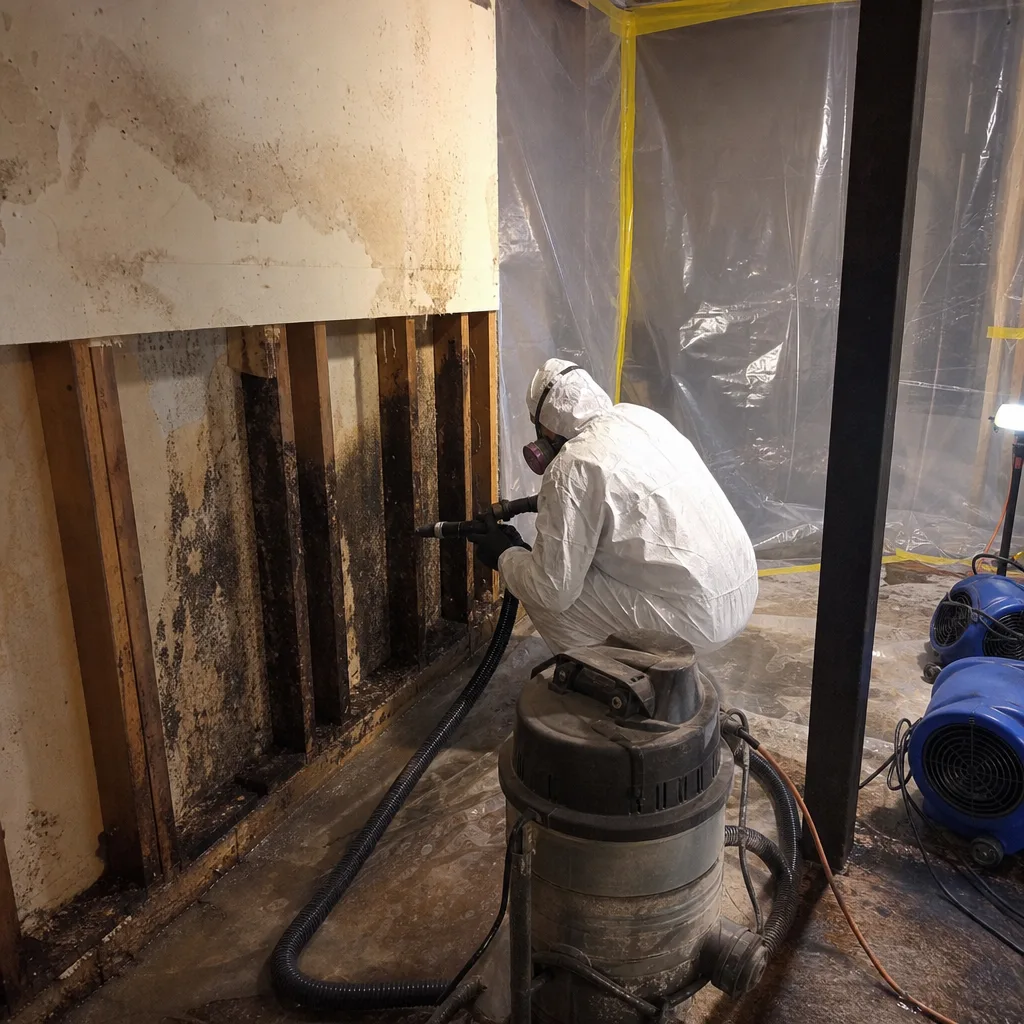
Call for documented assessment when: moisture readings exceed 16% in any structural material; humidity remains above 60% RH in an enclosed space despite ventilation; doors or windows begin binding without seasonal explanation; your water or HVAC bill rises without changed usage; or you discover any staining that is new, growing, or accompanied by odor. These are not emergencies in the sense of immediate danger, but they are points where professional drying prevents structural damage and preserves insurance coverage. If you need help selecting a contractor, see our How to Hire a Damage Restoration Contractor in Bellevue: A Step-by-Step Guide.
For active water intrusion, sewage backup, or fire damage, the timeline compresses. Water Damage Restoration in Bellevue requires same-day response to prevent secondary damage. Mold Remediation in Bellevue should begin within 48-72 hours of discovery to contain the colonization. Fire & Smoke Damage Restoration in Bellevue demands immediate board-up and assessment to secure the structure and document the loss for adjuster review.
DryMark Restoration Bellevue offers free estimates in Bellevue. Call (425) 696-6320. Every assessment includes moisture mapping, a written scope with line-item pricing, and a photo record. Work begins only after you have a signed written price, per Haven Standard, Clause 1.
Frequently Asked Questions
Most reputable restoration companies in Bellevue, including DryMark Restoration Bellevue, provide initial moisture detection and assessment at no charge for homeowners. The assessment typically includes thermal imaging, pin and pinless moisture meter readings, and a written findings report. Call (425) 696-6320 to schedule. Estimates are free.
Yes, if the moisture condition is active and caused by a covered peril such as sudden pipe failure, wind-driven rain, or appliance overflow. Insurance covers the damage, not the method of discovery. Documented early detection with dated meter readings often strengthens the claim by establishing the timeline and preventing disputes about whether the condition is long-term maintenance neglect. Call (425) 696-6320 if you need help documenting for your adjuster.
For active water intrusion or sewage backup, DryMark Restoration Bellevue dispatches within 60-90 minutes during normal coverage hours, with live phone answering 24 hours a day, 7 days a week. For assessment of elevated moisture readings without active flow, scheduling is typically within 24 hours. Call (425) 696-6320 for current availability.
Surface mold on non-porous materials like ceramic tile or glass can be cleaned by a homeowner. Mold on porous materials like drywall, insulation, or wood framing requires professional remediation because hyphae penetrate the material and will regrow unless removed or treated with appropriate methods. In Bellevue’s climate, we see frequent recurrence after DIY cleaning because the moisture source was not identified and the spore load was not contained. A professional assessment determines whether the condition is surface-only or systemic.
At DryMark Restoration Bellevue, we coordinate directly with your adjuster as part of our standard service. This includes providing the documented photo record, daily drying logs with psychrometric data, and the written scope with line-item pricing that adjusters need to approve payment. Our documentation is formatted to IICRC and RIA standards, which most adjusters recognize. You are not responsible for translating technical findings to your insurance company.
A moisture meter provides a quantitative reading, typically as a percentage of moisture content in wood or a relative scale for other materials. A thermal camera shows temperature differentials, which may indicate evaporative cooling from moisture but can also reflect insulation gaps, air leaks, or thermal bridging. We use both tools: the thermal camera to scan large areas quickly for anomalies, then the moisture meter to confirm whether the temperature difference is caused by moisture. Either tool alone can mislead. Together, they produce defensible findings.
The Bottom Line
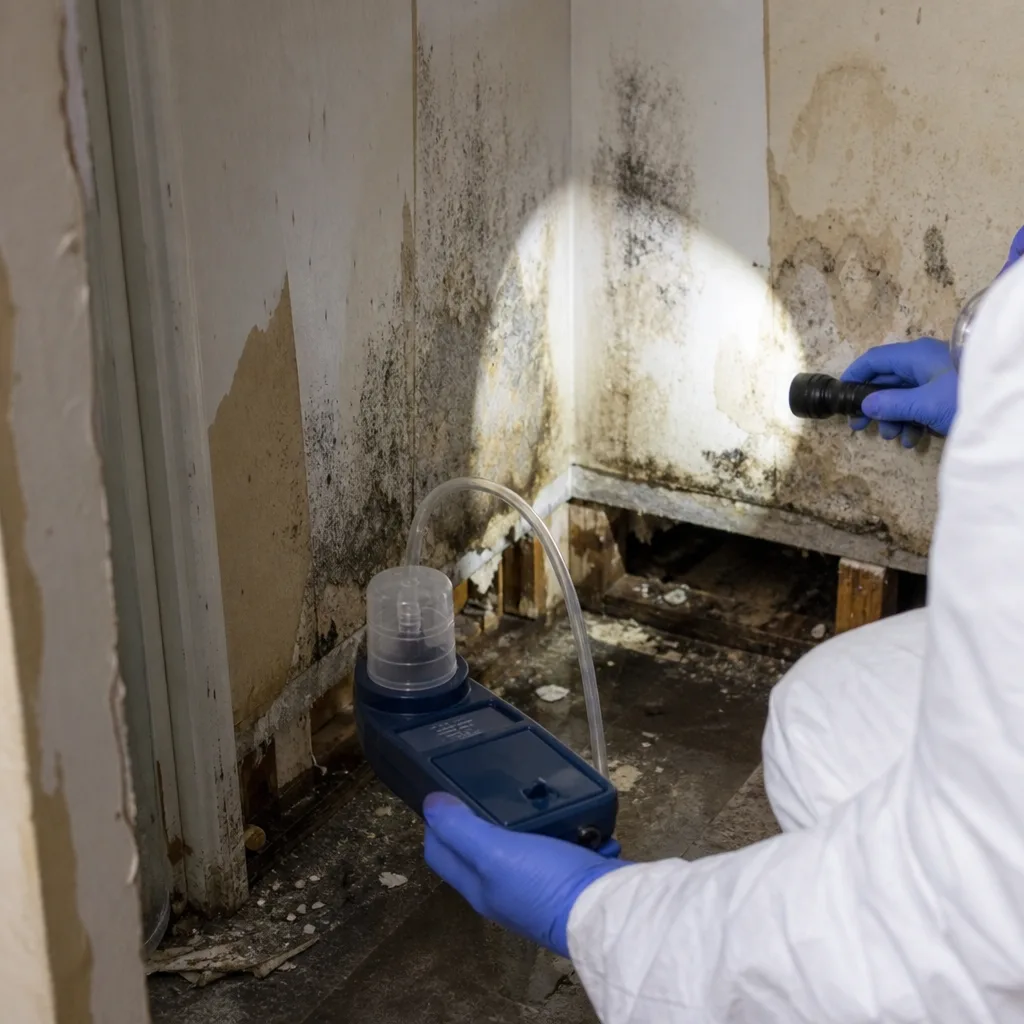
The most expensive restoration jobs we perform in Bellevue are not the ones with the most visible damage. They are the ones where moisture was active longest before detection. A $200 pinless meter and 20 minutes of monthly checking in your crawl space, attic, and around plumbing fixtures will catch most conditions in the drying phase, before structural materials are affected and before mold colonization begins. The warning signs are there. They are just not visible yet. Document what you find, date it, and act on trends, not on appearance. When the numbers rise or the doors bind, you have data worth a professional assessment.
Written by Alicia Brennan, Owner at DryMark Restoration Bellevue, serving Bellevue since 2011.