
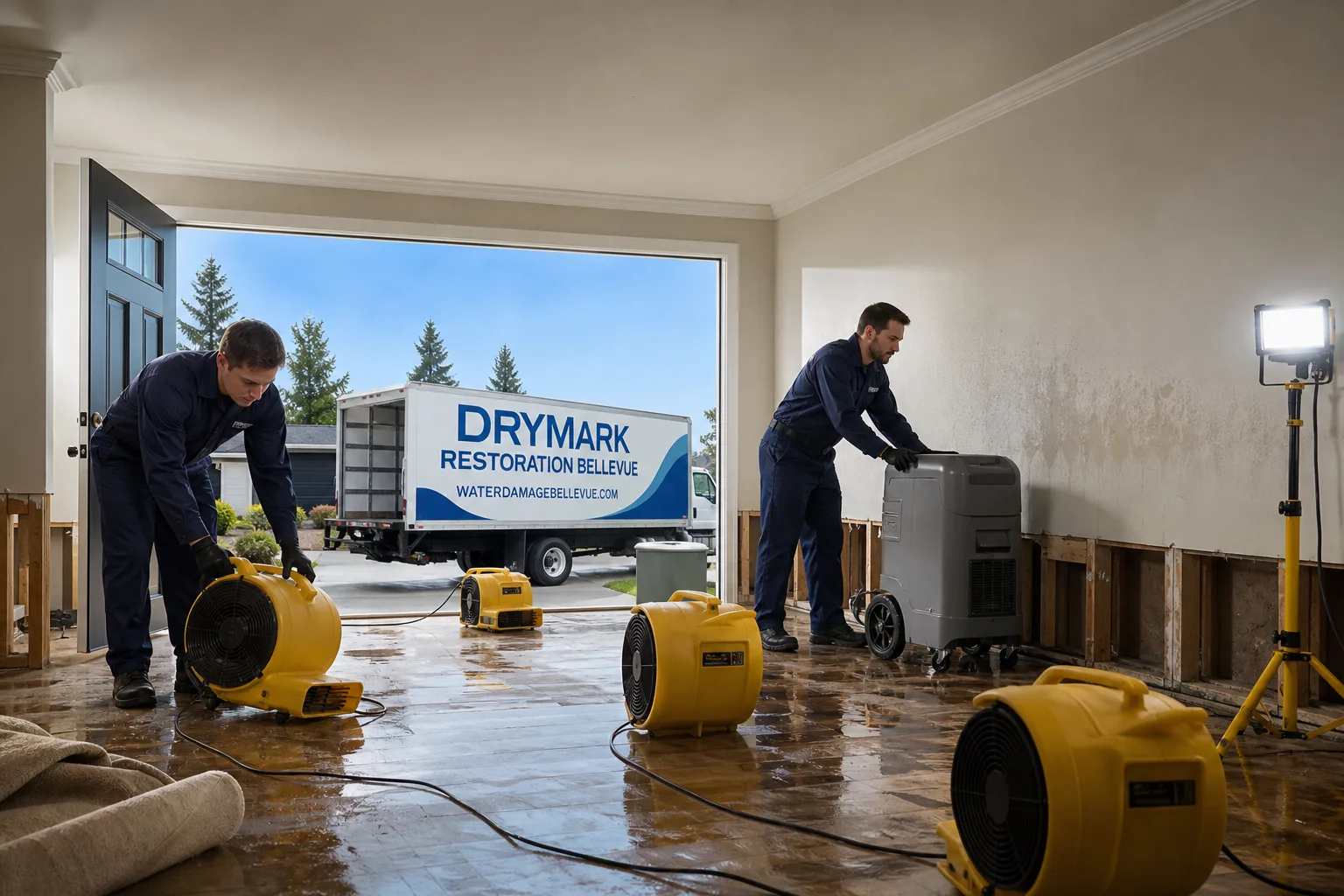
Free visual inspection and a written scope of work before any mitigation begins - photos, moisture readings, and drying logs go in your claim file
The scope we write is the scope we bill. Anything new gets shown to you, in writing, before we touch it.
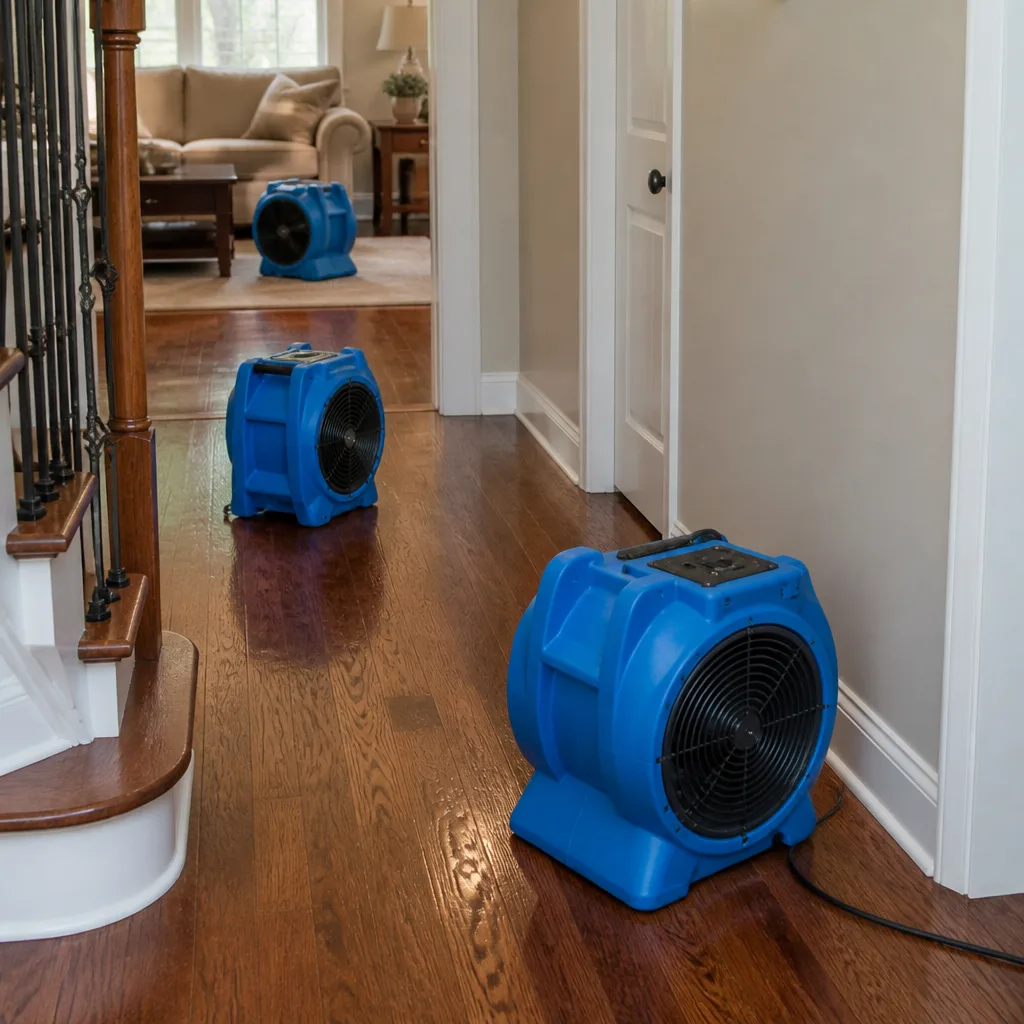
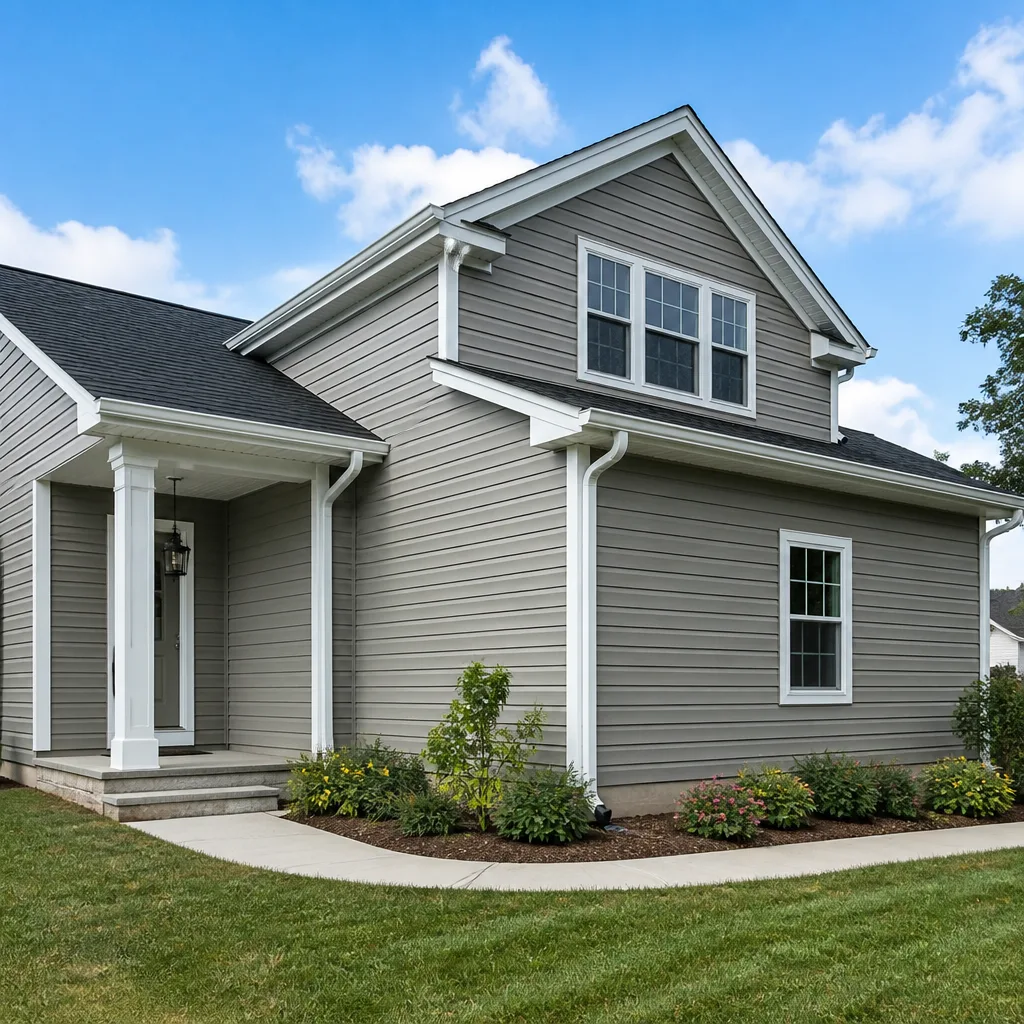
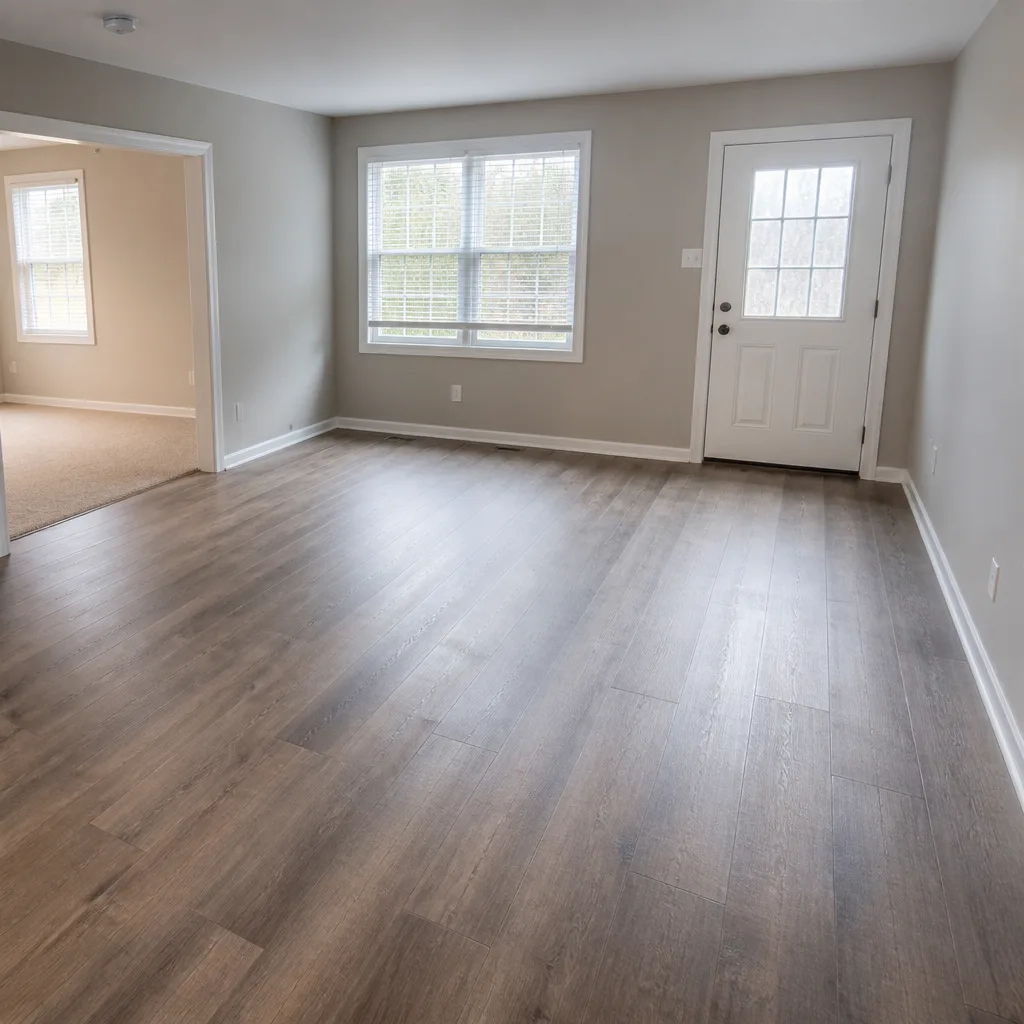
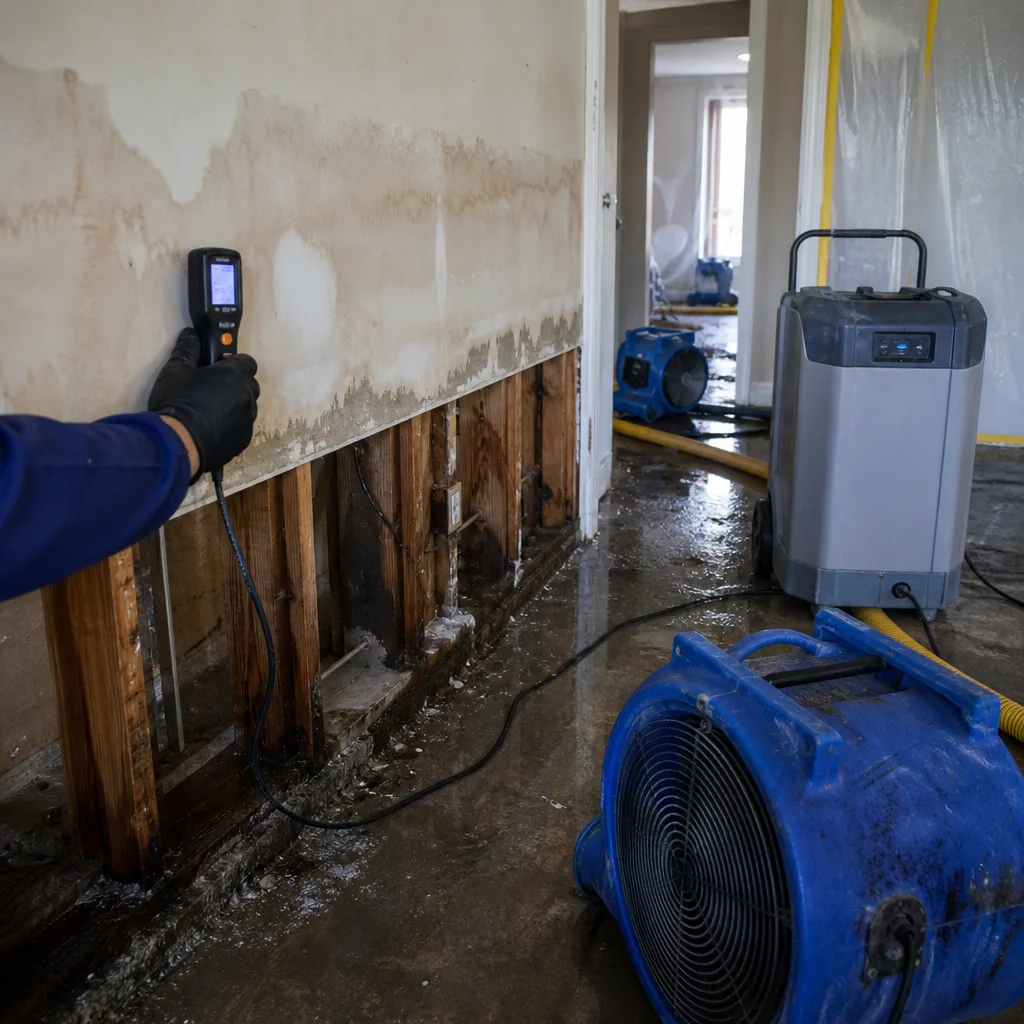 Before
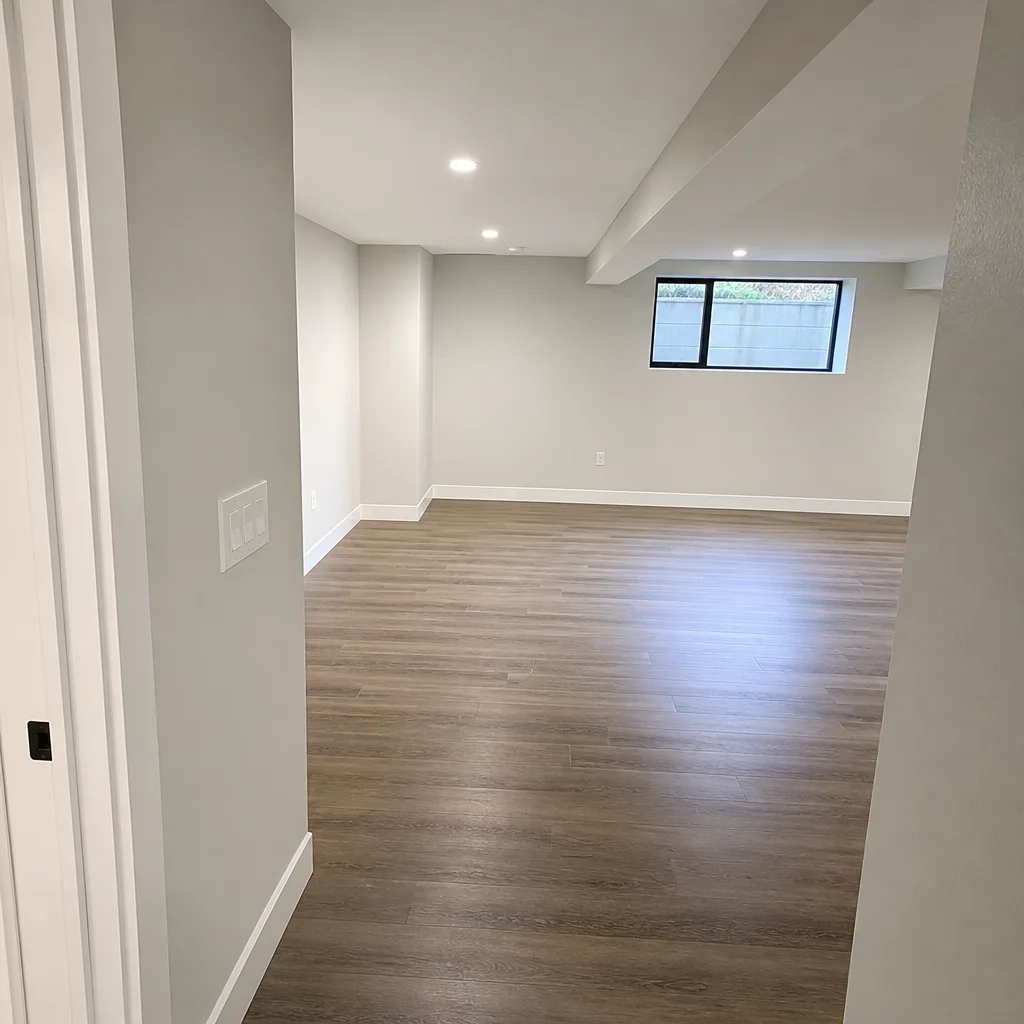 After
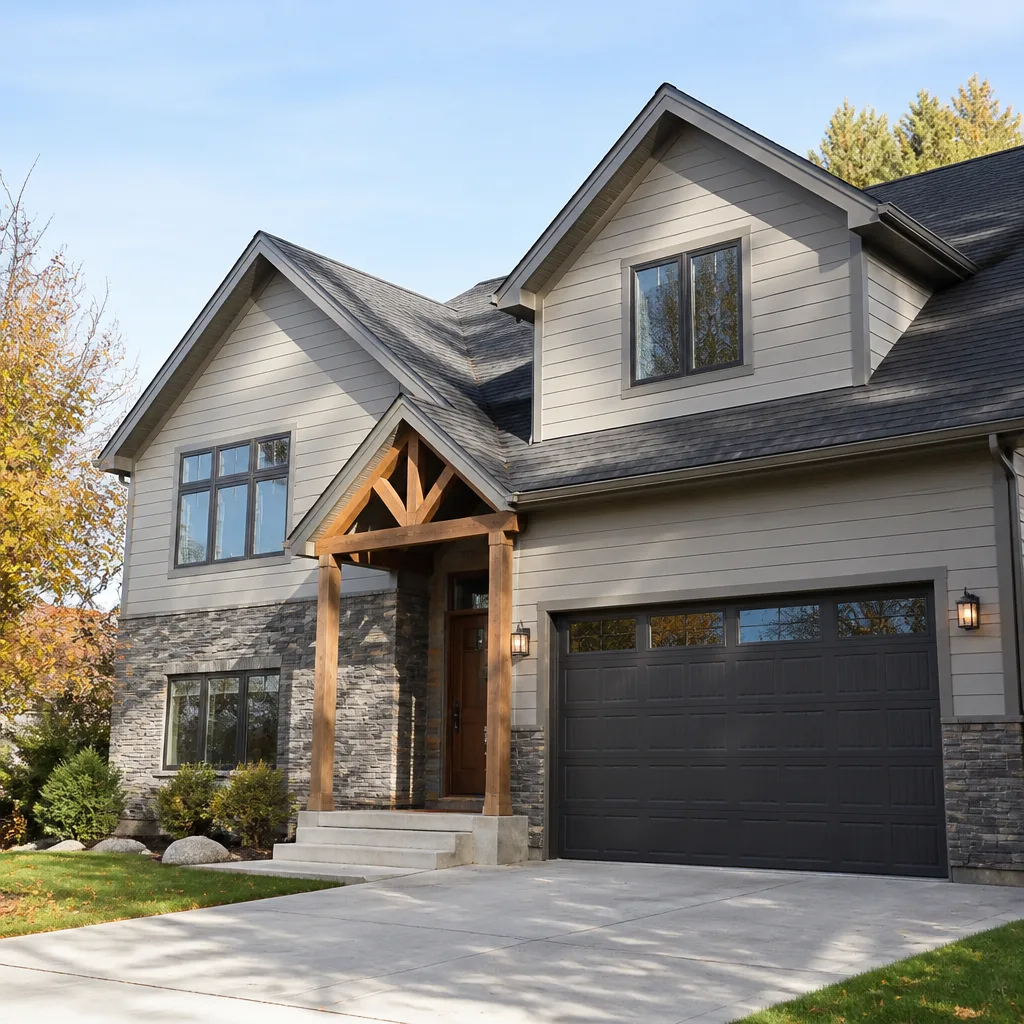
After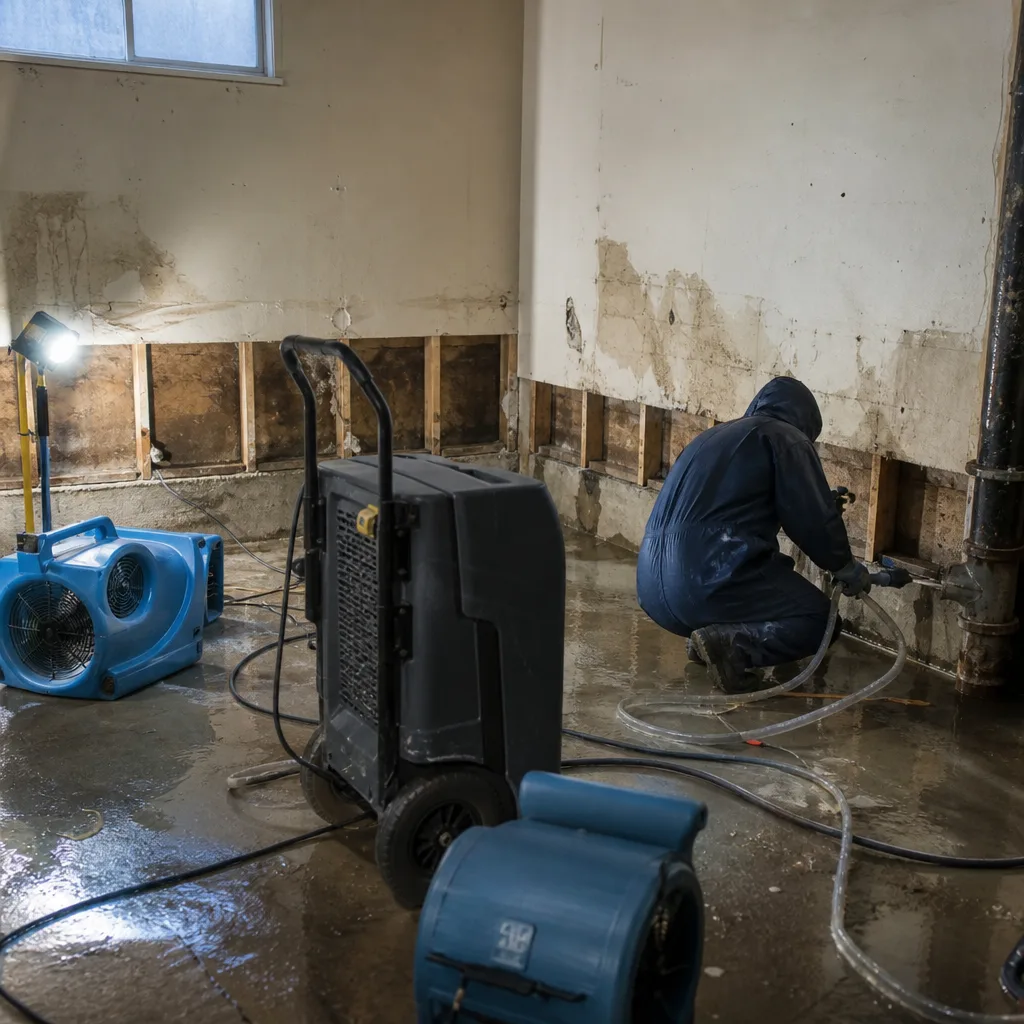 Before
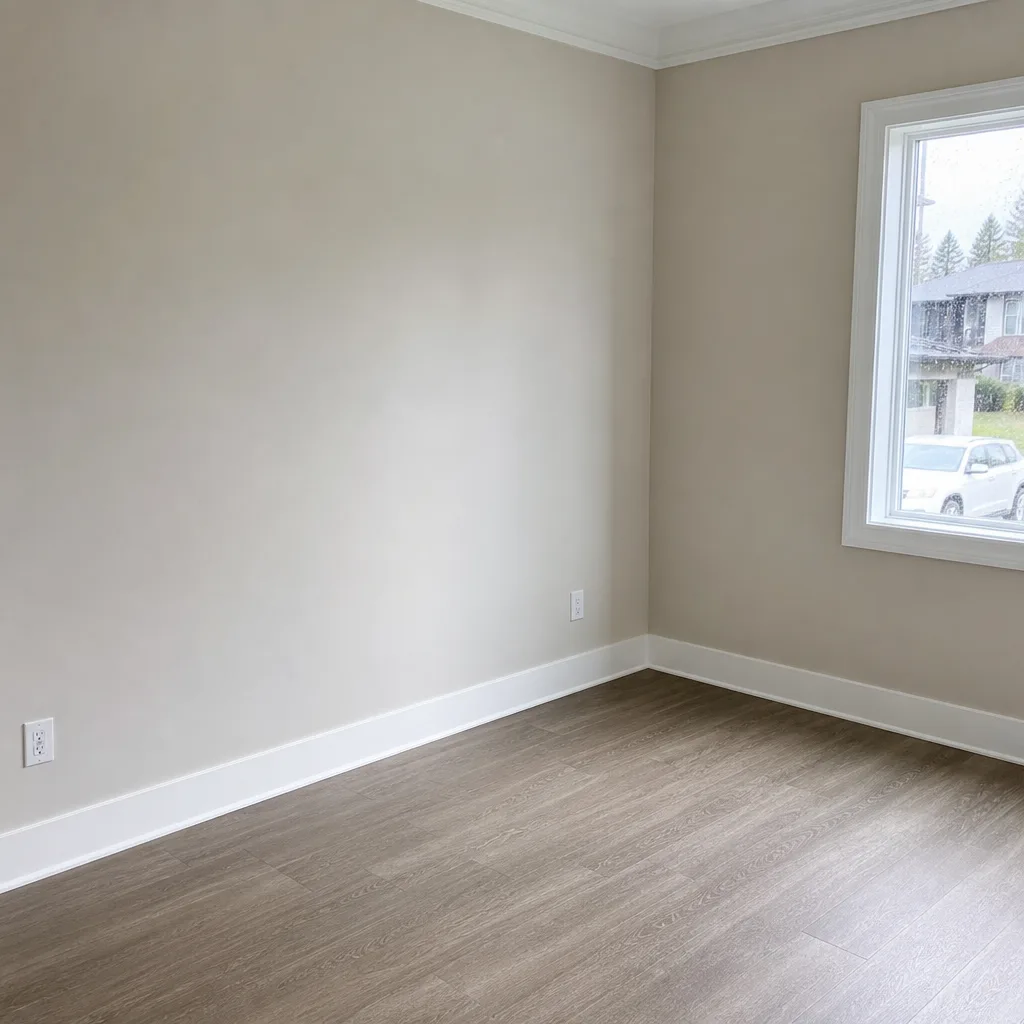 After
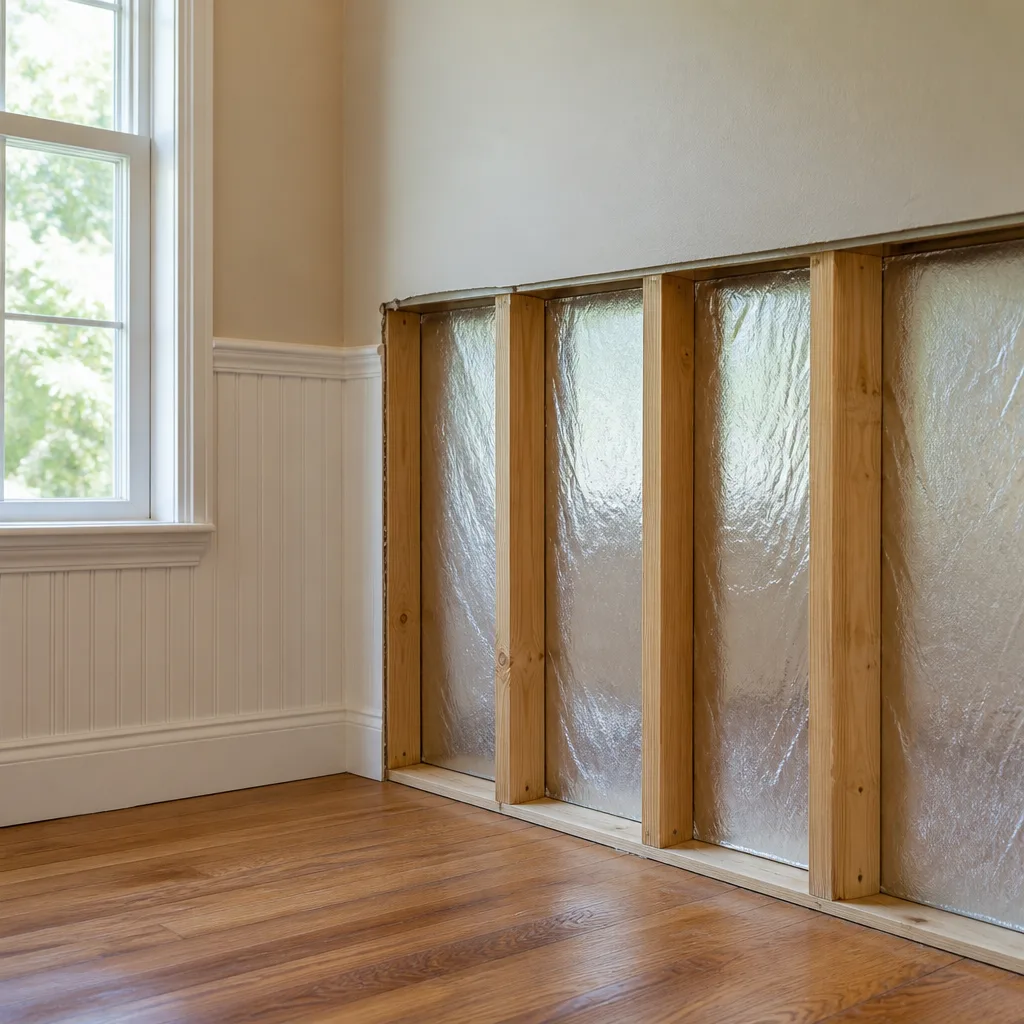
After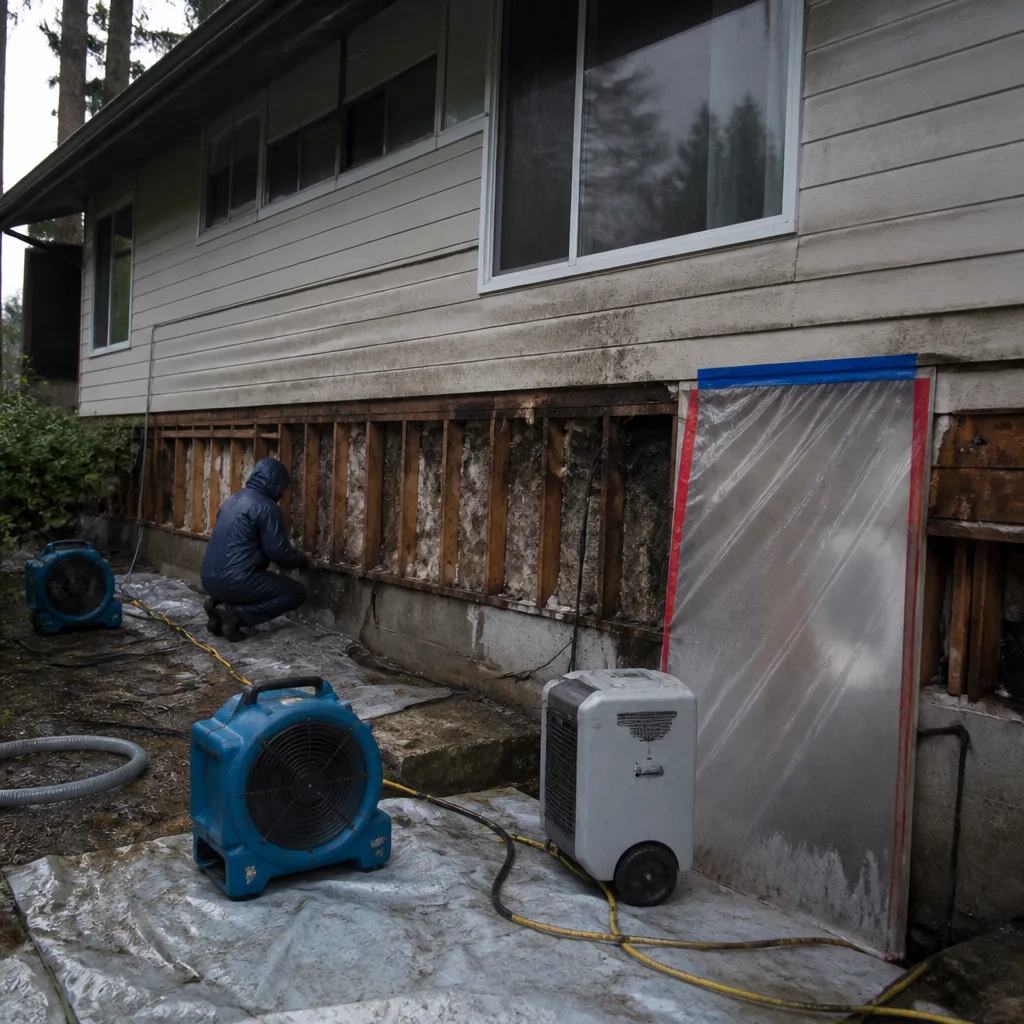 Before
 After
AfterFast, Reliable Water Damage Restoration Across Federal Way
Water damage restoration in Federal Way typically runs $2,800-$6,500 for a standard residential mitigation, with emergency extraction starting around $800-$1,400 and full structural drying adding $1,500-$3,200 depending on square footage and category of water. Our crews respond to Federal Way calls within 45-90 minutes during wet-season emergencies, and every job starts with a written price before any equipment touches your property. Call (425) 696-6320 - a live person answers, 24 hours a day, 7 days a week.
We’ve restored water-damaged homes in Federal Way since 2011, from the garden-style apartment clusters along Pacific Highway South to the ranch homes tucked behind Dash Point Road. Our dispatch and scheduling run from our Seattle office, but our crews live and work this corridor daily. We know the difference between a 1978 tract ranch with a vented crawl space and a 1992 townhome with polybutylene plumbing, and we know that in Federal Way’s marine climate, waiting past 24 hours on a wet subfloor means mold.
Why DryMark Restoration Bellevue Is Federal Way’s Preferred Water Damage Restoration Company
Back to Dry Restoration, led by Alicia Brennan, has completed more than 12,000 restorations since 2011, every one with a written price before work started and a documented photo record when the crew left. In Federal Way specifically, our reputation rests on how we handle the multi-unit losses that dominate this market - the four-to-eight-unit cascades from a single pipe failure that generic restoration companies treat like single-family jobs.
Our Federal Way customers find us through word-of-mouth among property managers along Pacific Highway South and through the three-star reviews they actually read. They mention the same things: moisture readings emailed daily, drying logs that their adjuster accepted without revision, and crews who showed up named, licensed, and uniformed rather than subcontracted day labor. Response time to Federal Way averages under 90 minutes for emergency calls, and our live dispatch means no voicemail while water is still moving through your unit.
What separates our Water Damage Restoration work in Federal Way is documentation discipline born from insurance reality. Alicia Brennan founded this company after years as a claims adjuster watching homeowners lose coverage because crews failed to log psychrometric data or photograph pre-existing conditions. Every Federal Way job carries that adjuster’s eye: dated photos, room-by-room moisture maps, and a written scope signed before demolition begins.
Our Water Damage Restoration Services in Federal Way
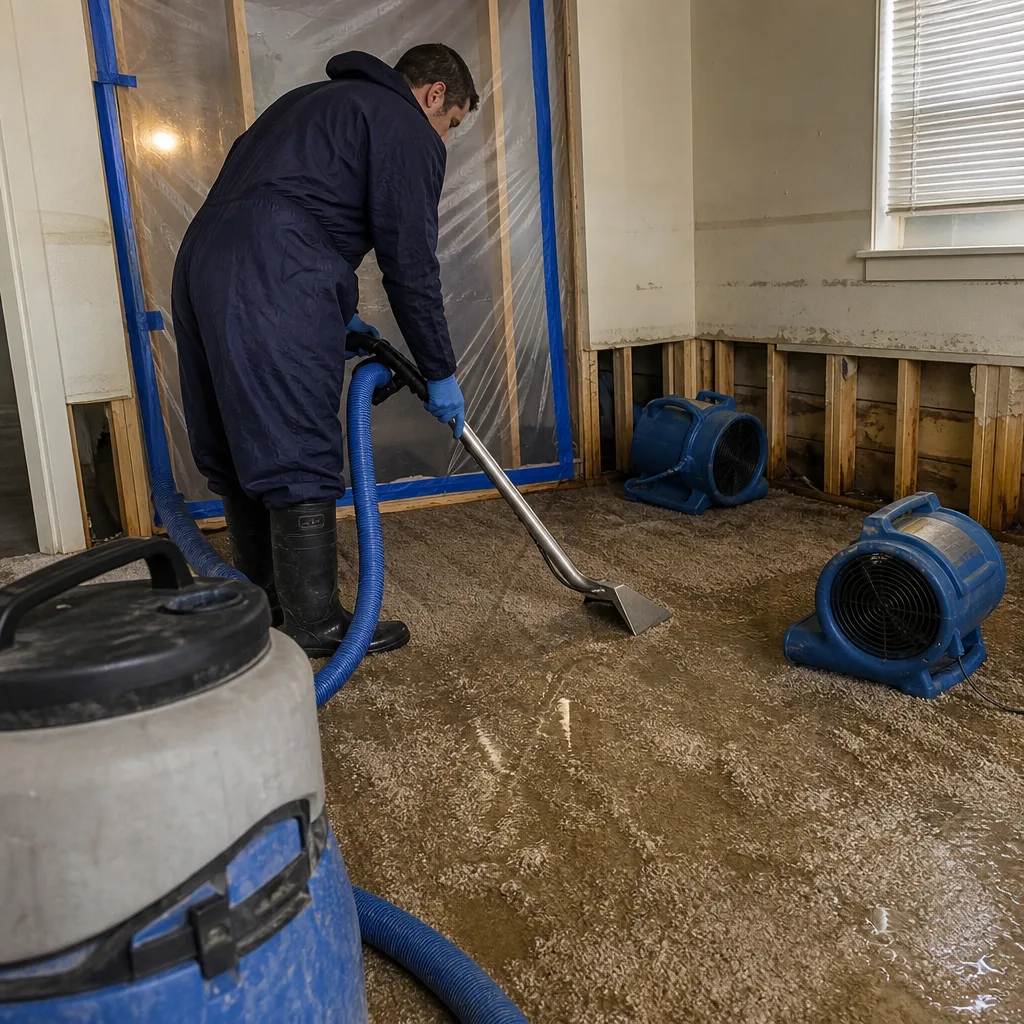
Emergency Water Extraction
Federal Way’s October-April wet season means ground saturation before any pipe even fails. When a supply line bursts in a Dash Point Road rancher or a Pacific Highway South apartment, standing water doesn’t wait. Our emergency extraction crews deploy truck-mounted systems and portable units from Dri-Eaz and XPOWER to remove water from carpet, pad, and hard surfaces within hours of your call. In multi-unit complexes, we extract by unit with separate documentation for each insurance claim - not one sloppy scope covering four flooded apartments.
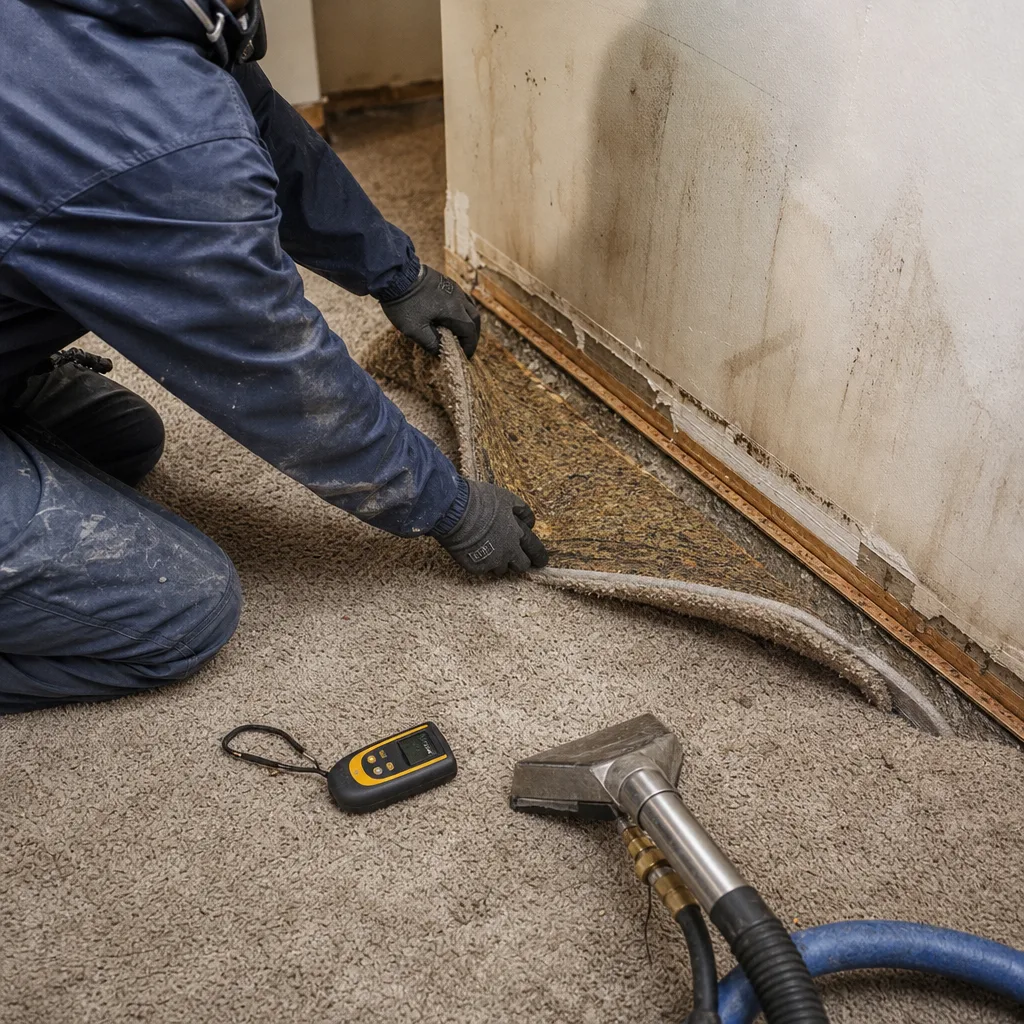
Structural Drying & Dehumidification
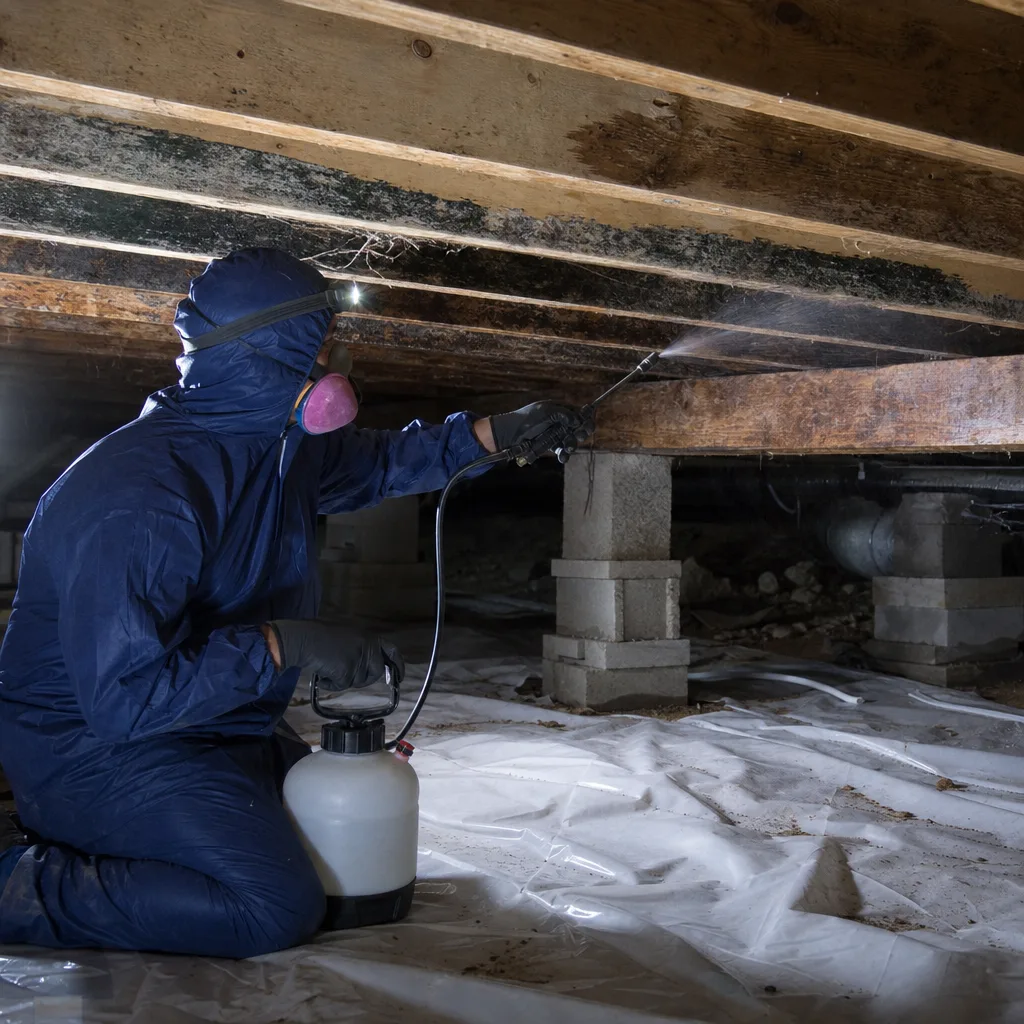
Federal Way’s 1970s-80s ranch homes were built on crawl-space foundations that trap moisture with almost no natural airflow between storms. Our structural drying process uses Phoenix and Dri-Eaz dehumidifiers sized to the vapor pressure differential - the measurable force that drives moisture from wet materials into dry air - with air movers positioned to create laminar airflow across subfloors and wall cavities. We log specific humidity, temperature, and grain depression daily, producing the drying records that turn restoration invoices into payable claims. In a Federal Way townhome with a wet crawl space, this means sealing the vapor barrier, installing low-grain refrigerant dehumidifiers, and monitoring until wood moisture content drops below 16 percent.
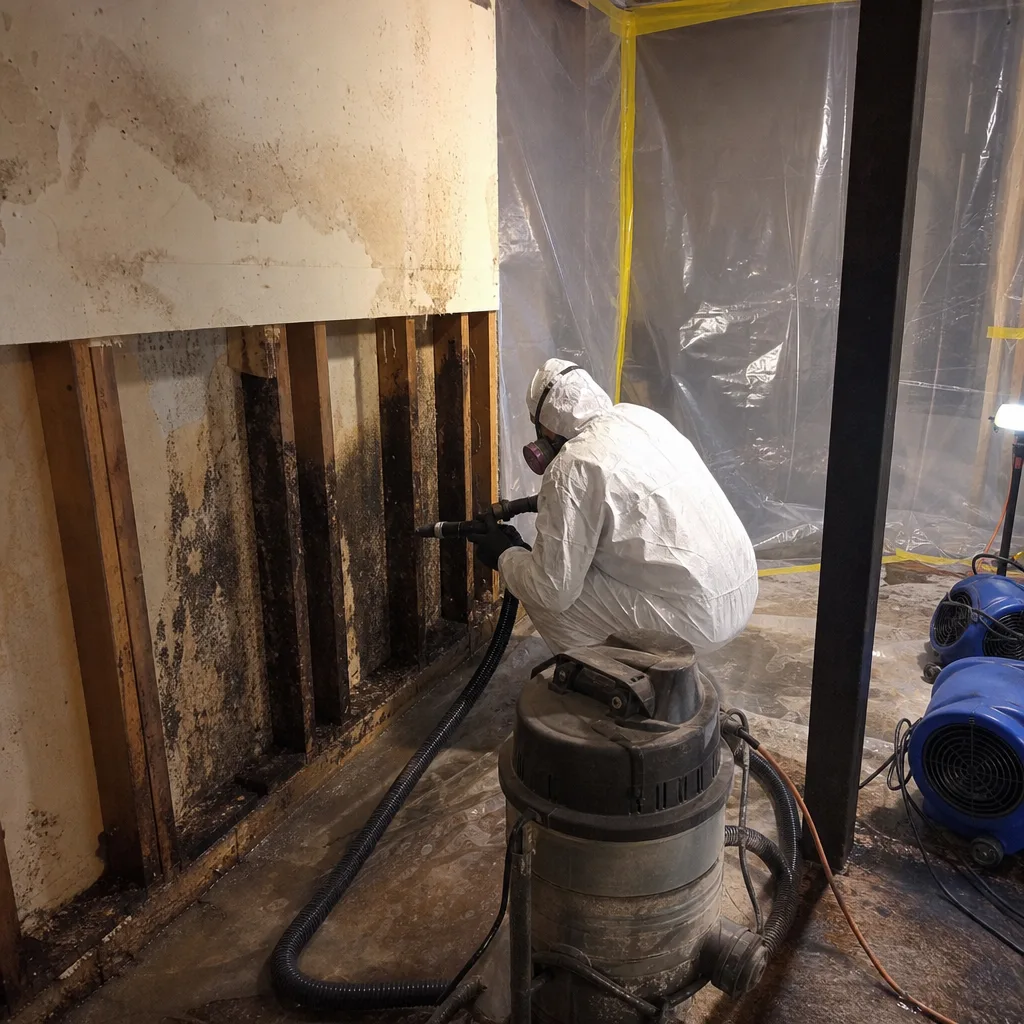
Flood Cleanup
The aging rental corridor along Pacific Highway South contains numerous complexes with original low-slope built-up roofs installed in the 1980s. After sustained multi-day rain, our crews regularly respond to simultaneous calls from three or four properties within a half-mile stretch - buildings constructed and last re-roofed on the same schedule, failing in the same storm. Federal Way flood cleanup requires category assessment first: rainwater that enters through a roof breach is Category 1 initially, but if it contacts asphalt roofing materials or sits past 24 hours, it degrades. We test and document the category before choosing extraction and drying protocols, because the wrong call means your insurer denies the secondary damage claim.
Burst Pipe Restoration
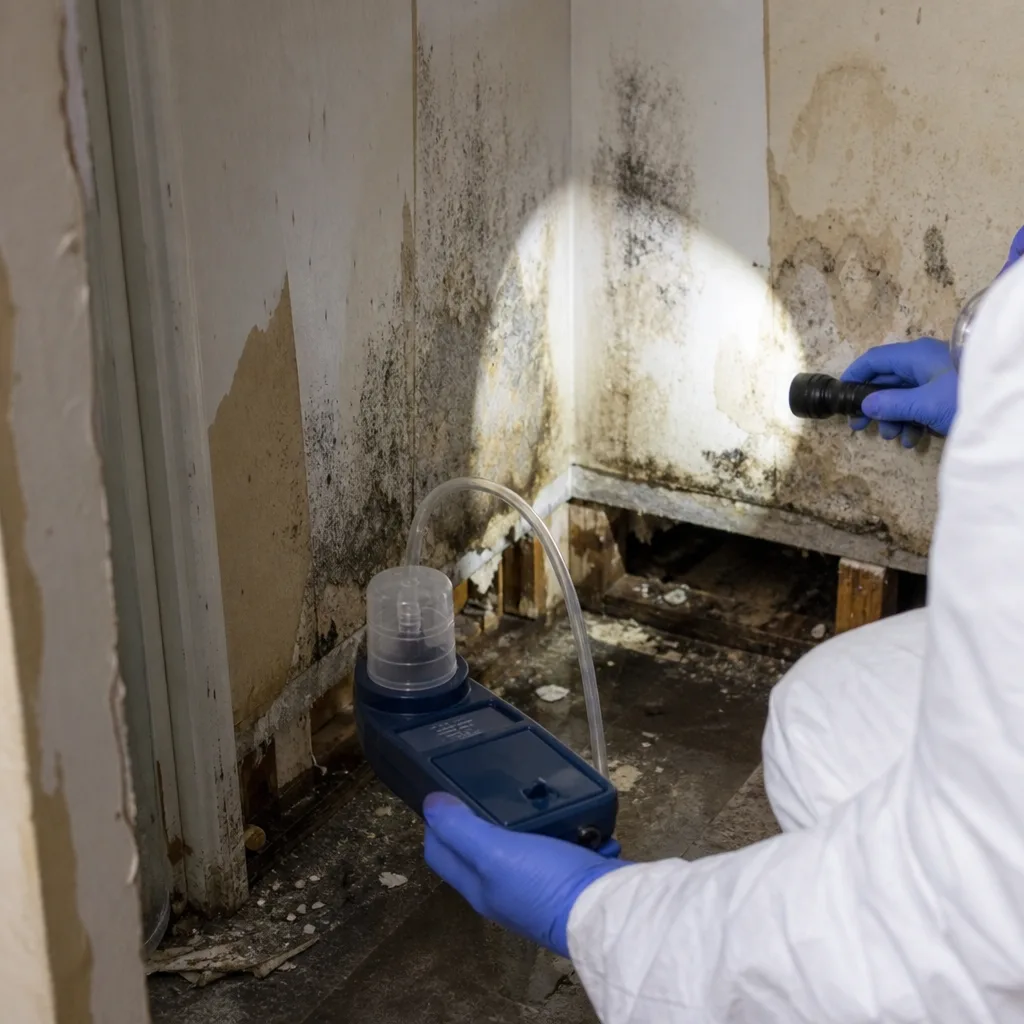
Federal Way’s dominant housing stock - 1970s-1990s construction - still carries original polybutylene and galvanized plumbing well past its service life. When an original polybutylene supply line let go in a 1986 garden-style complex off Pacific Highway South, our crew arrived to water pouring through three floors of stacked units. We set up containment and a drying system with Dri-Eaz and Phoenix dehumidifiers, ran moisture mapping across four affected apartments, and finished with antimicrobial treatment before reconstruction could begin. The property manager told us they’d had two other complexes within a half-mile call that same week - all built and re-roofed on the same schedule. Burst pipe restoration here means replacing failed sections to current code, documenting pre-existing water damage for the insurer, and producing separate drying logs per unit so no tenant’s claim gets tangled in another’s.
What happens when you call
- 1
A real person answersNo phone trees - you reach a local pro.
- 2
You get an upfront price rangeHonest numbers before anyone is dispatched.
- 3
A background-checked tech heads outLicensed & insured, dispatched right away.
- 4
You approve before work beginsNothing starts until you say go.
BeforeAfterTrusted Brands We Service in Federal Way
Our Federal Way crews deploy professional-grade drying systems from Dri-Eaz, Phoenix, and XPOWER - equipment we own, maintain, and specify by job rather than renting whatever’s available. We stock HEPA filtration, antimicrobial applicators, and moisture detection tools locally, which means no waiting for Seattle delivery when a Federal Way crawl space needs immediate dehumidification. All work is documented to IICRC, RIA, and IFA standards, producing the tertiary drying records and psychrometric logs that adjusters recognize and accept. When we specify a Phoenix 200 HT dehumidifier for your Federal Way rancher’s crawl space, we document why: its 33-gallon-per-day removal rate at 80°F/60% RH matches the vapor load your saturated subfloor is actually producing.
Common Water Damage Restoration Problems We See in Federal Way Homes
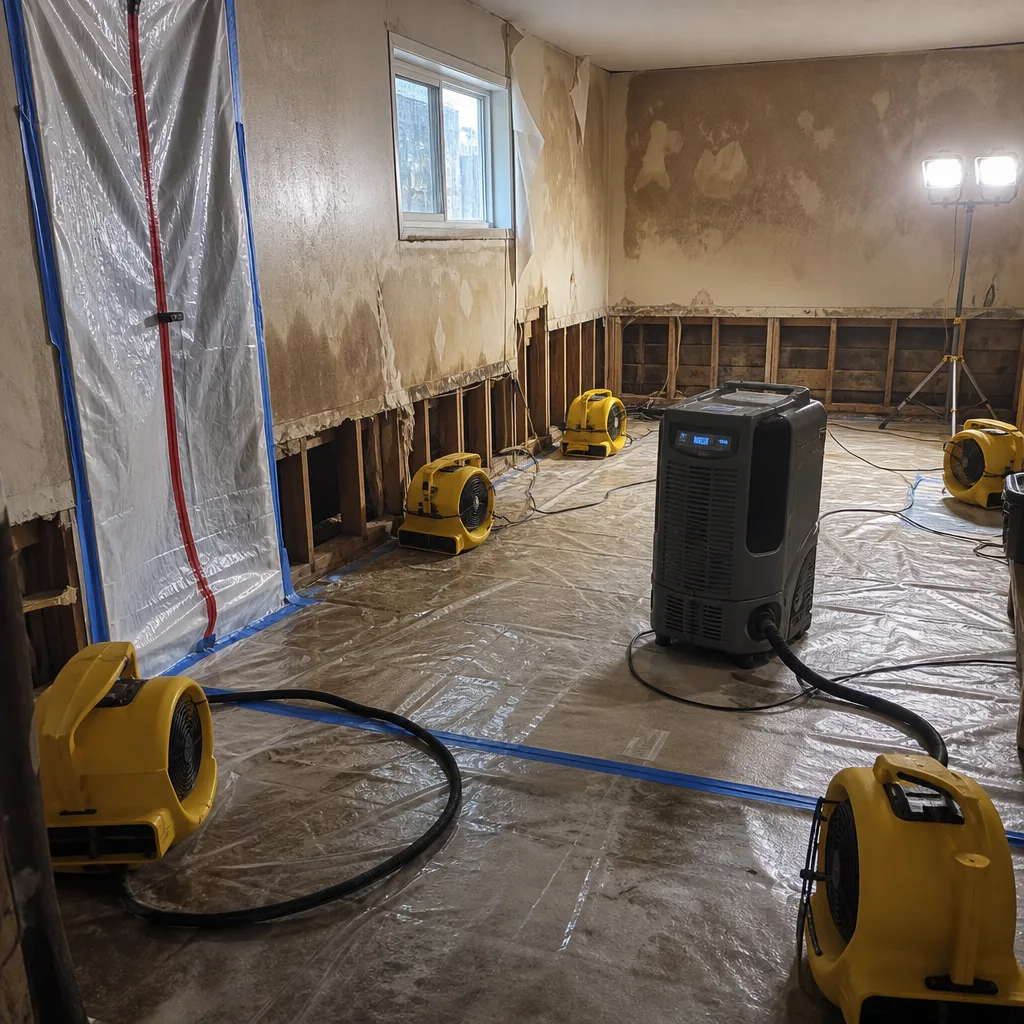
- Multi-unit losses treated as single-family jobs. A burst pipe in a Federal Way garden-style complex floods four to eight units simultaneously, but inexperienced crews dry one unit, write one scope, and leave adjacent tenants with undocumented moisture that becomes mold claims six months later. We coordinate separate drying logs, separate tenant communications, and separate insurance documentation for every affected unit.
- Crawl-space mold after delayed response. Federal Way’s marine climate delivers 37-38 inches of rain concentrated October through April with evaporation rates near zero during that stretch. A 1970s ranch with a vented crawl space and no vapor barrier will grow subfloor mold within 48 hours of any water intrusion. We prioritize crawl-space drying with sealed dehumidification, not just air movers pointed at the floor above.
- Category misclassification on aging plumbing. Water from a broken polybutylene or galvanized line in a pre-1995 Federal Way home may carry bacterial contamination from pipe degradation, classifying it as Category 2 or 3. Drying instead of removing affected materials violates IICRC protocol and voids insurance coverage for secondary damage. We test, document, and remove when the category demands it.
- Missed asbestos in pre-1980 units. Federal Way homes built before 1980 frequently contain asbestos-bearing floor tiles and joint compound. Demolition without abatement planning stalls the mitigation scope, extends tenant displacement, and creates liability. We identify suspect materials during initial assessment and coordinate certified abatement before any demolition begins.
Pricing for Water Damage Restoration in Federal Way, WA
Water damage restoration in Federal Way follows measurable ranges, not mystery pricing. Emergency water extraction for a typical residential loss runs $800-$1,400. Structural drying and dehumidification for a 1,200-2,000 square foot home adds $1,500-$3,200, depending on affected square footage, material types, and required drying days. Category 3 losses requiring material removal start around $4,500 and range to $8,500+ for full gut-to-studs mitigation with antimicrobial treatment. Multi-unit apartment losses in Federal Way’s Pacific Highway South corridor scale per affected unit, with coordination fees for tenant management and separate documentation.
| Service Component | Federal Way Price Range |
|---|---|
| Emergency water extraction (residential) | $800 - $1,400 |
| Structural drying & dehumidification | $1,500 - $3,200 |
| Full mitigation with material removal (Category 3) | $4,500 - $8,500+ |
| Crawl-space-specific drying (sealed system) | $2,200 - $4,000 |
| Multi-unit coordination (per additional unit) | $600 - $1,100 |
What moves a Federal Way job toward the higher end: crawl-space access complications, asbestos abatement requirements in pre-1980 construction, polybutylene or galvanized plumbing failures requiring category upgrade, and multi-unit coordination across separate insurance policies. What keeps costs controlled: fast extraction limiting secondary damage, accurate category assessment preventing unnecessary removal, and documentation that gets your claim paid without dispute. Every Federal Way job receives a written price before work begins - Haven Standard, Clause 1 - with no scope-creep additions once our crew is inside. Call (425) 696-6320 for your specific written estimate; estimates are free, and we offer a Free Second Opinion on any competitor’s written quote.
We Also Serve Cities Near Federal Way
Our crews respond daily throughout south King County and the Eastside. We provide Water Damage Restoration in Federal Way and surrounding communities including Auburn, Kent, Renton, and Mercer Island. Each city’s housing stock and climate conditions shape how we approach mitigation - Auburn’s newer construction presents different challenges than Federal Way’s 1980s apartment clusters, and we adjust our drying protocols accordingly.
Serving Federal Way, WA - Our Local Coverage Area
We’re based in the Federal Way area and know this community well. Use the map below to see our service coverage - if you’re nearby, we can almost certainly help.
FAQs - Water Damage Restoration in Federal Way
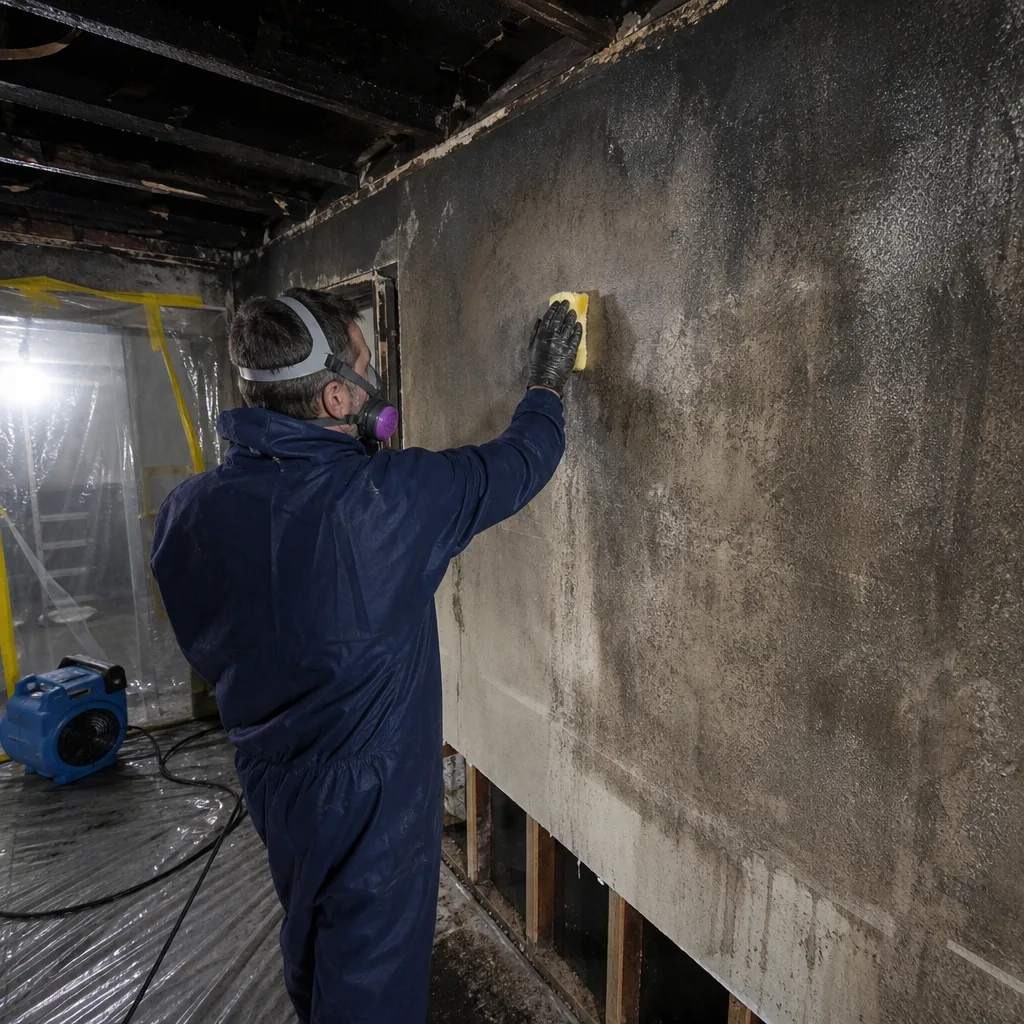
In Federal Way’s marine climate, mold colonization begins on wet subflooring within 24-48 hours during the October-April wet season, when evaporation rates are effectively zero and crawl-space humidity stays above 70 percent. The combination of saturated ground, no vapor barrier, and vented crawl spaces that pull in moist exterior air creates ideal conditions for Aspergillus and Penicillium species. Our crews prioritize same-day extraction and sealed dehumidification for all Federal Way crawl-space losses. Call (425) 696-6320 for immediate response - estimates are free.
Federal Way’s unusually dense concentration of 1980s-1990s garden-style apartment complexes - built rapidly during the suburban boom that preceded the city’s 1990 incorporation - means stacked units share common plumbing chases and low-slope roofing. A single polybutylene supply line failure or roof breach cascades vertically and horizontally across multiple units, requiring coordination across tenants, landlords, and insurance policies in a way rarely encountered in single-family-dominant suburbs to the east like Auburn or Covington. Our Federal Way crews carry separate documentation packets for each unit and assign a dedicated project manager to tenant coordination. Call (425) 696-6320 for multi-unit emergency response.
Water from a broken polybutylene pipe in a Federal Way home is typically classified Category 2 - “gray water” - because polybutylene degradation releases bacterial contaminants and pipe adhesives into the water stream. If the water has sat past 24 hours or traveled through significant pipe length, it may upgrade to Category 3. Category 2 and 3 water cannot be dried in place; IICRC protocol requires removal of affected porous materials. We test and document category at arrival, because drying instead of removing voids insurance coverage for secondary damage. Call (425) 696-6320 for category assessment and written scope.
Structural drying in a Federal Way townhome crawl space begins with vapor-barrier sealing, not just air movers pointed upward. We install low-grain refrigerant dehumidifiers - typically Phoenix or Dri-Eaz units rated for 33+ gallons per day - to create negative vapor pressure that pulls moisture from the subfloor into the equipment rather than into the living space above. Daily logging tracks specific humidity, temperature, and wood moisture content until readings stabilize below 16 percent. For townhomes with shared walls, we coordinate drying chamber boundaries to prevent moisture migration to adjacent units. Call (425) 696-6320 for crawl-space drying assessment and written price.
Pre-1980 Federal Way homes frequently contain asbestos-bearing 9×9 floor tiles, mastic adhesives, and joint compound that become friable when water-damaged, triggering mandatory abatement before demolition or significant disturbance. We identify suspect materials during initial assessment with our moisture mapping inspection, then coordinate Washington-certified abatement contractors before any demolition begins. Skipping this step stalls the mitigation scope and creates liability exposure for both homeowner and restoration contractor. Your written scope from DryMark Restoration Bellevue includes abatement coordination when indicated. Call (425) 696-6320 for assessment and Free Second Opinion on any competitor’s estimate.
Written by Alicia Brennan, Owner at Back to Dry Restoration, serving Federal Way since 2011 under The Haven Standard.