
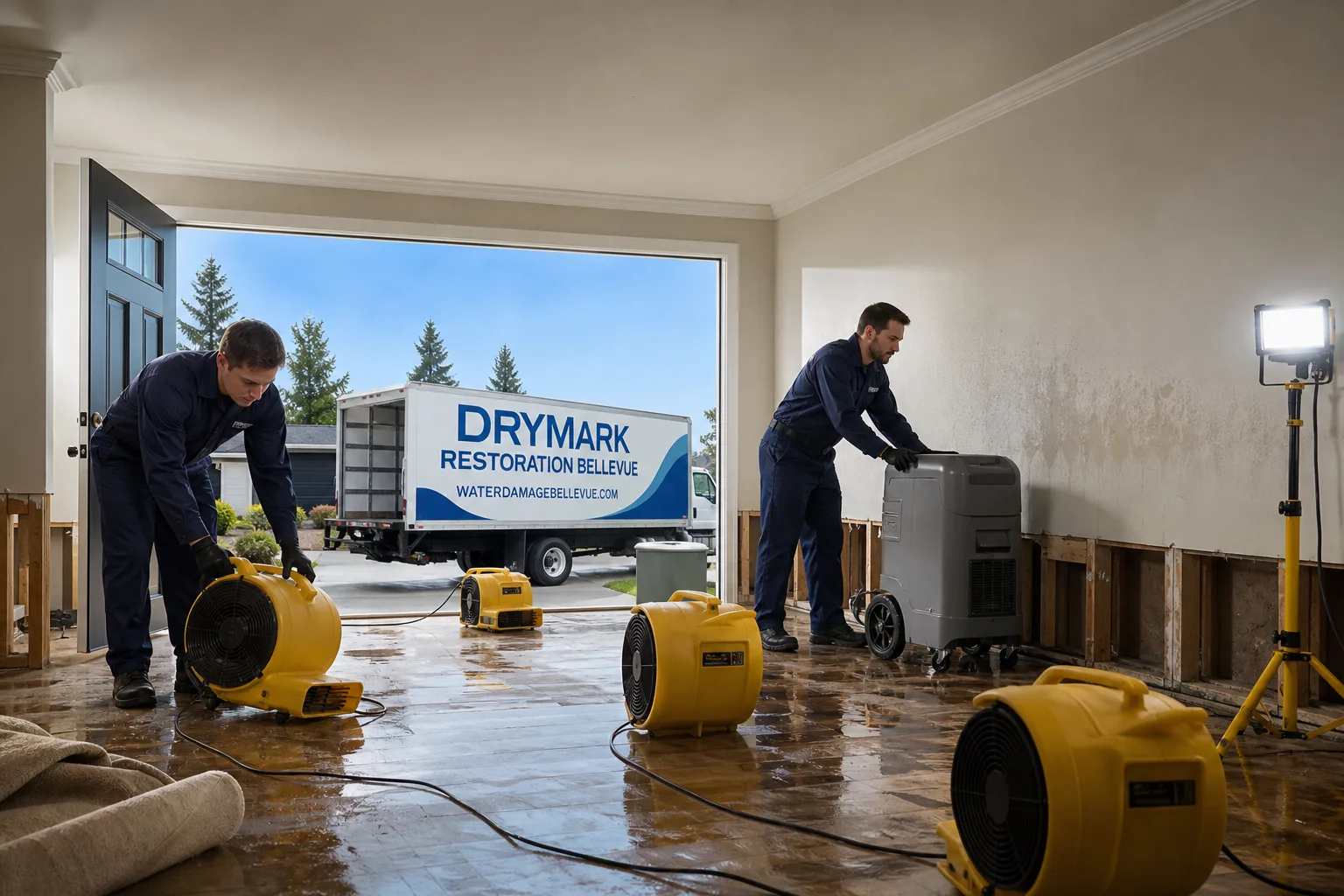
Free visual inspection and a written scope of work before any mitigation begins - photos, moisture readings, and drying logs go in your claim file
The scope we write is the scope we bill. Anything new gets shown to you, in writing, before we touch it.
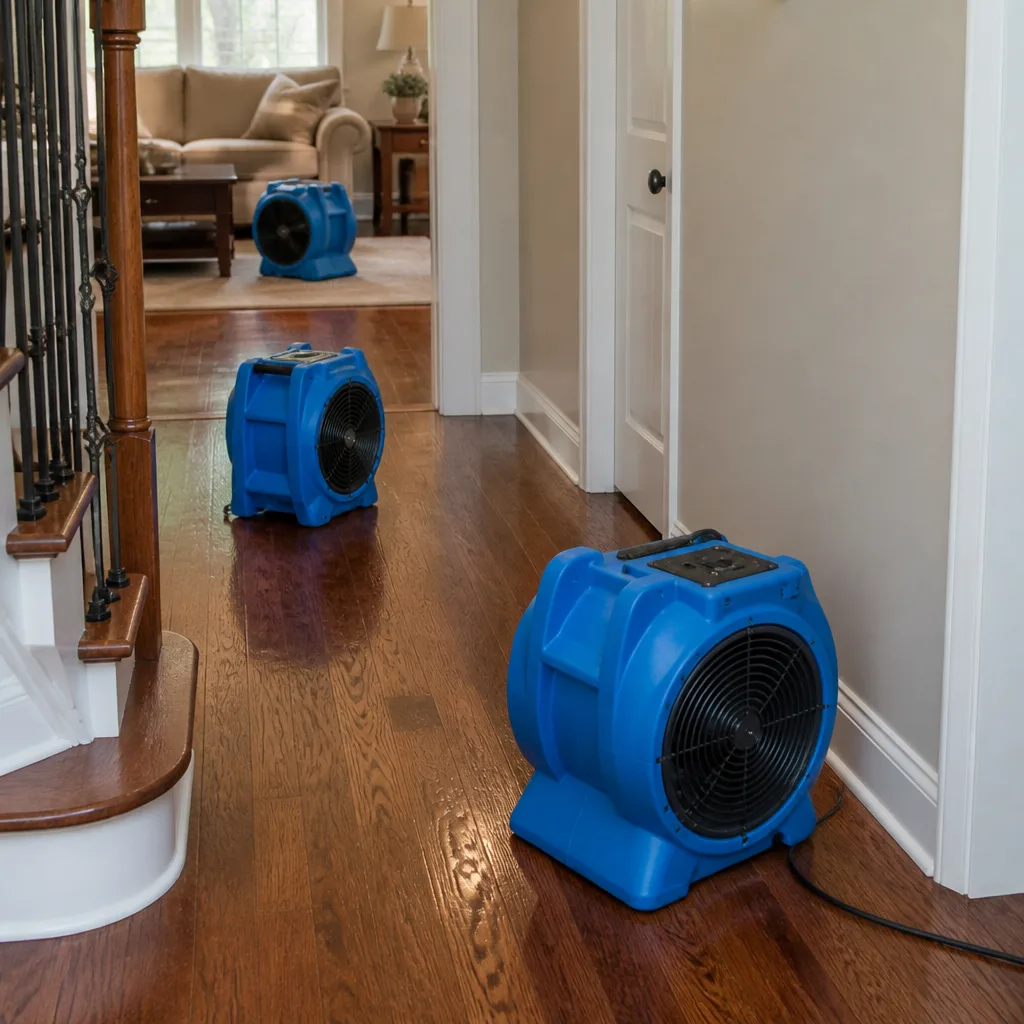
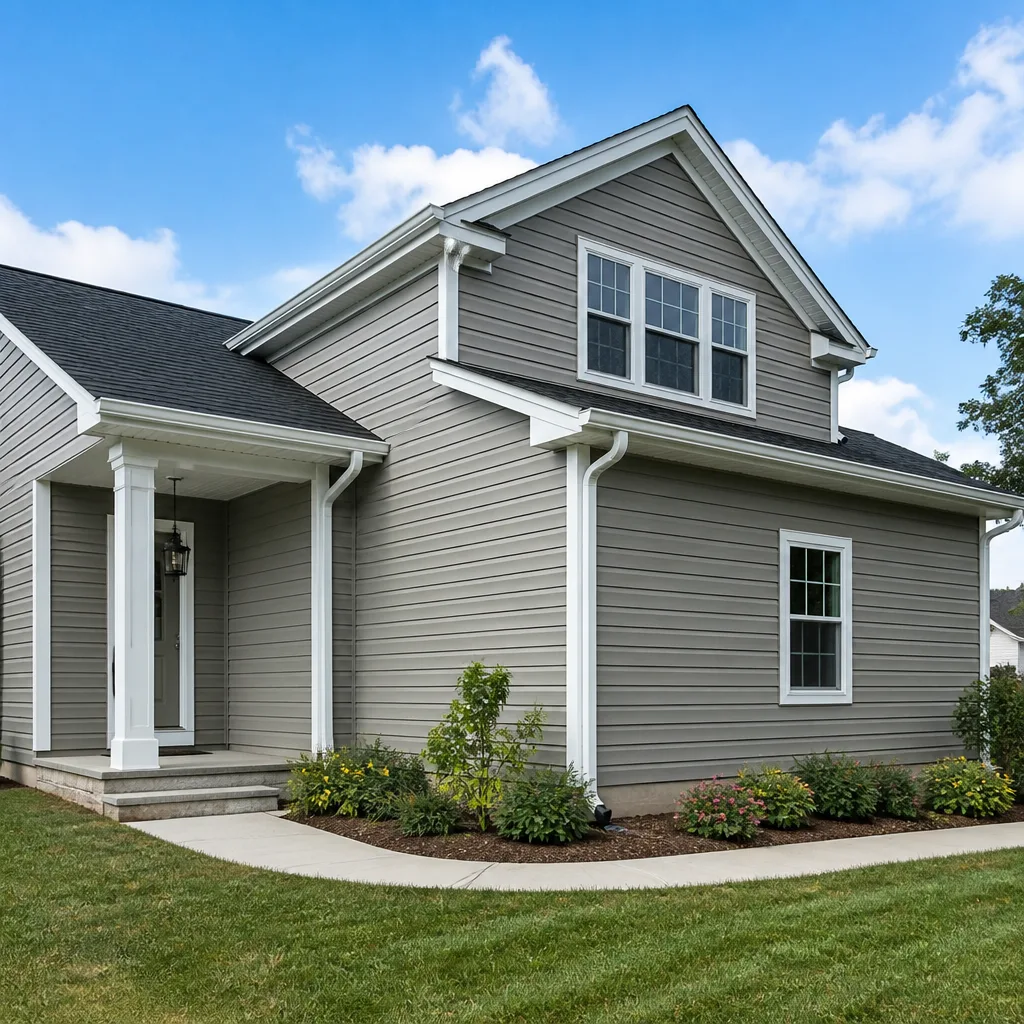
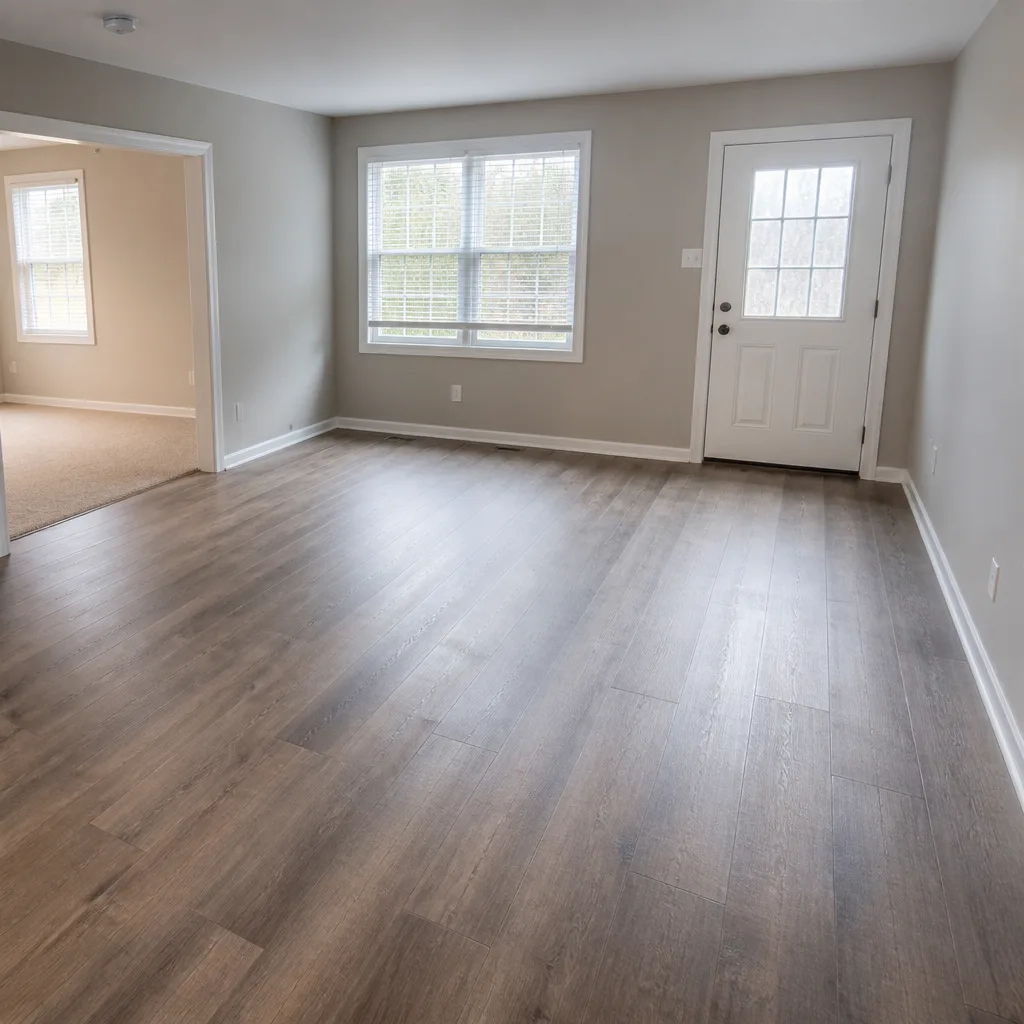
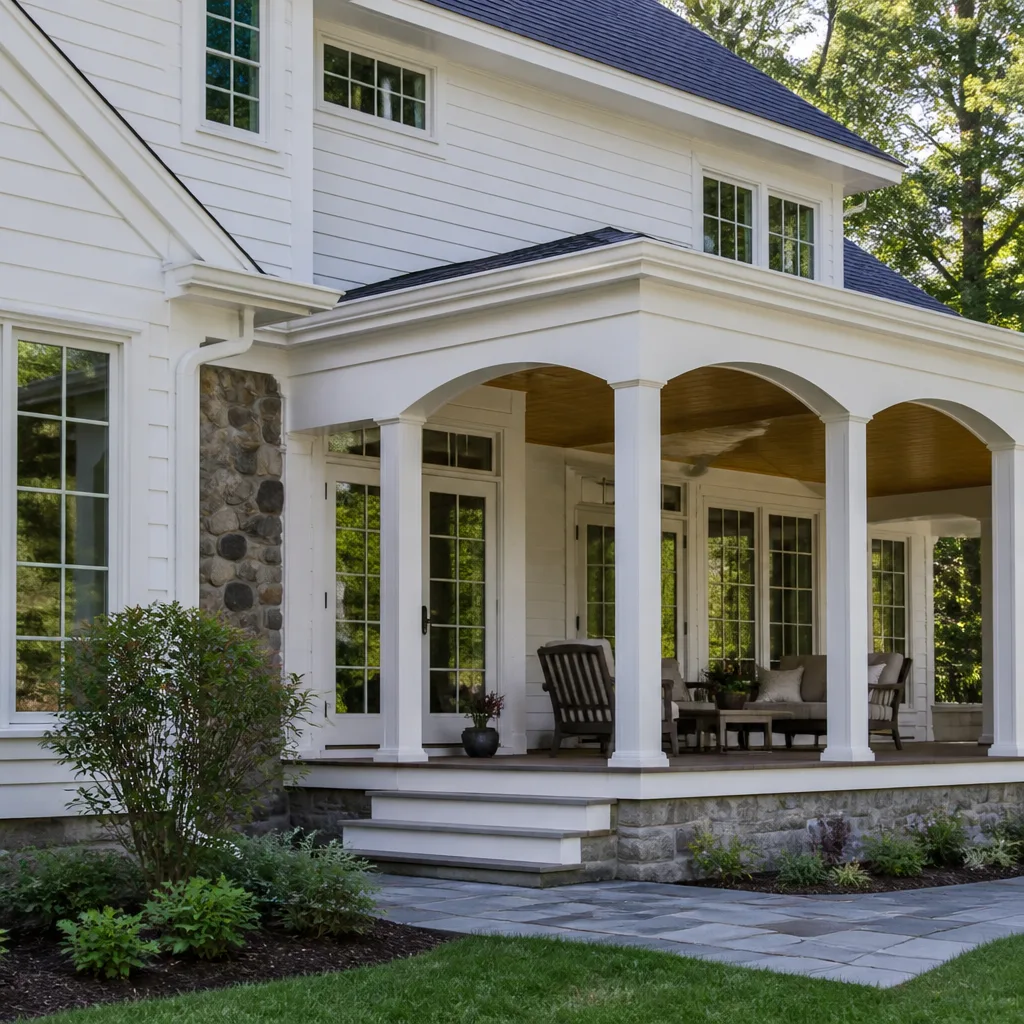
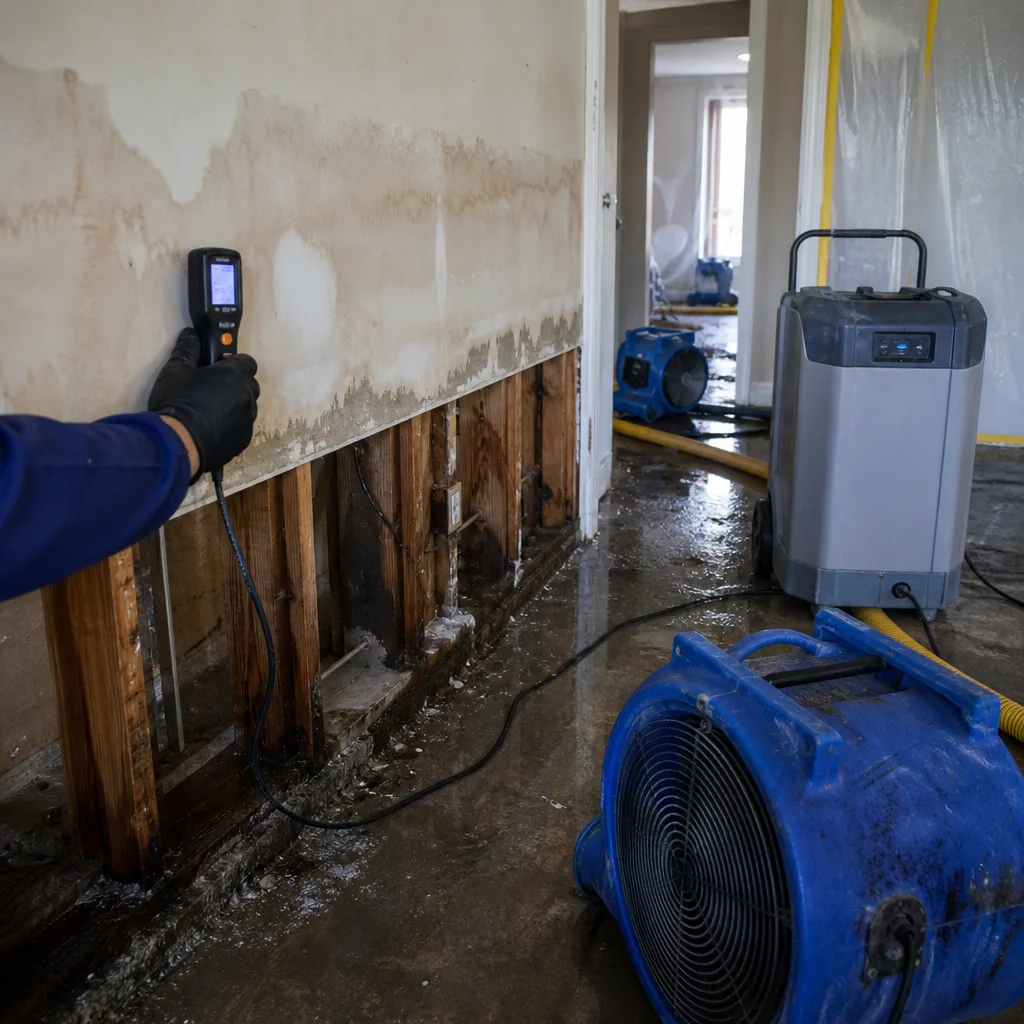 Before
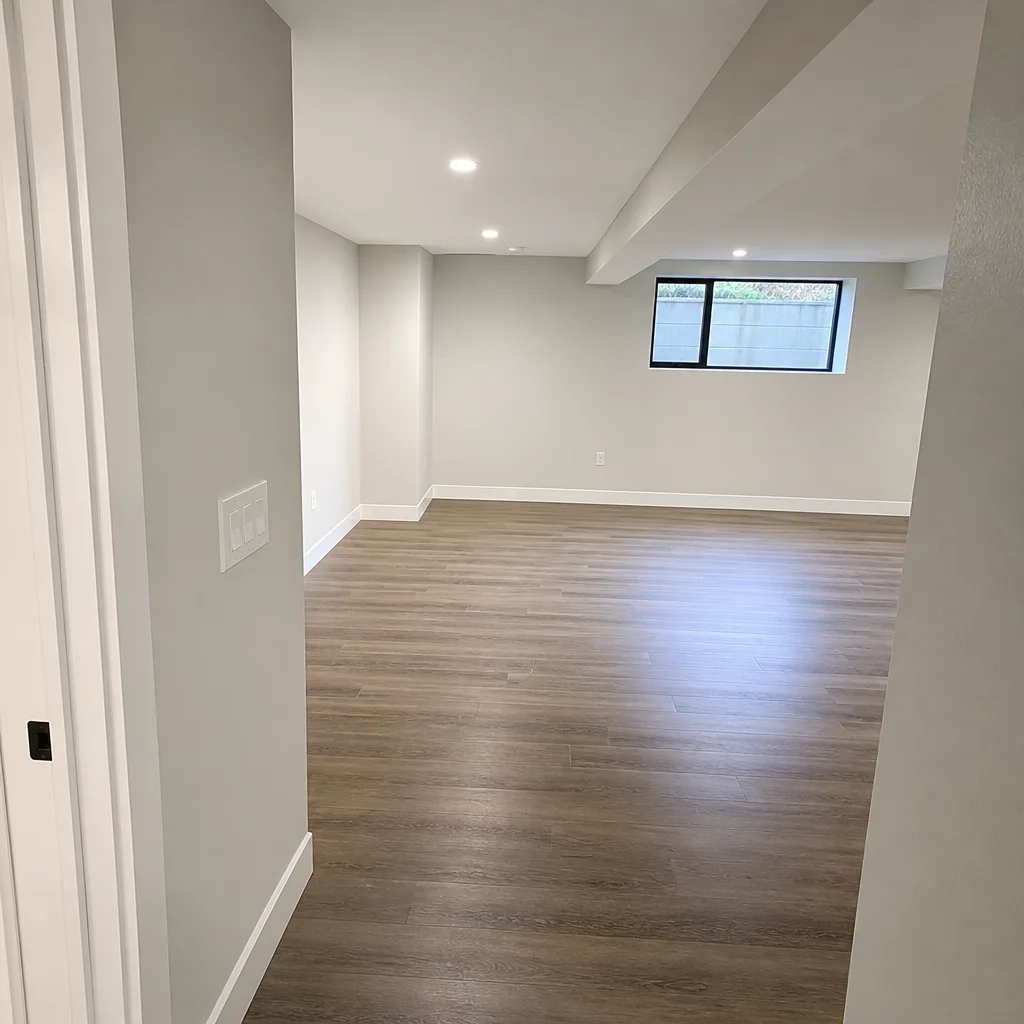 After
After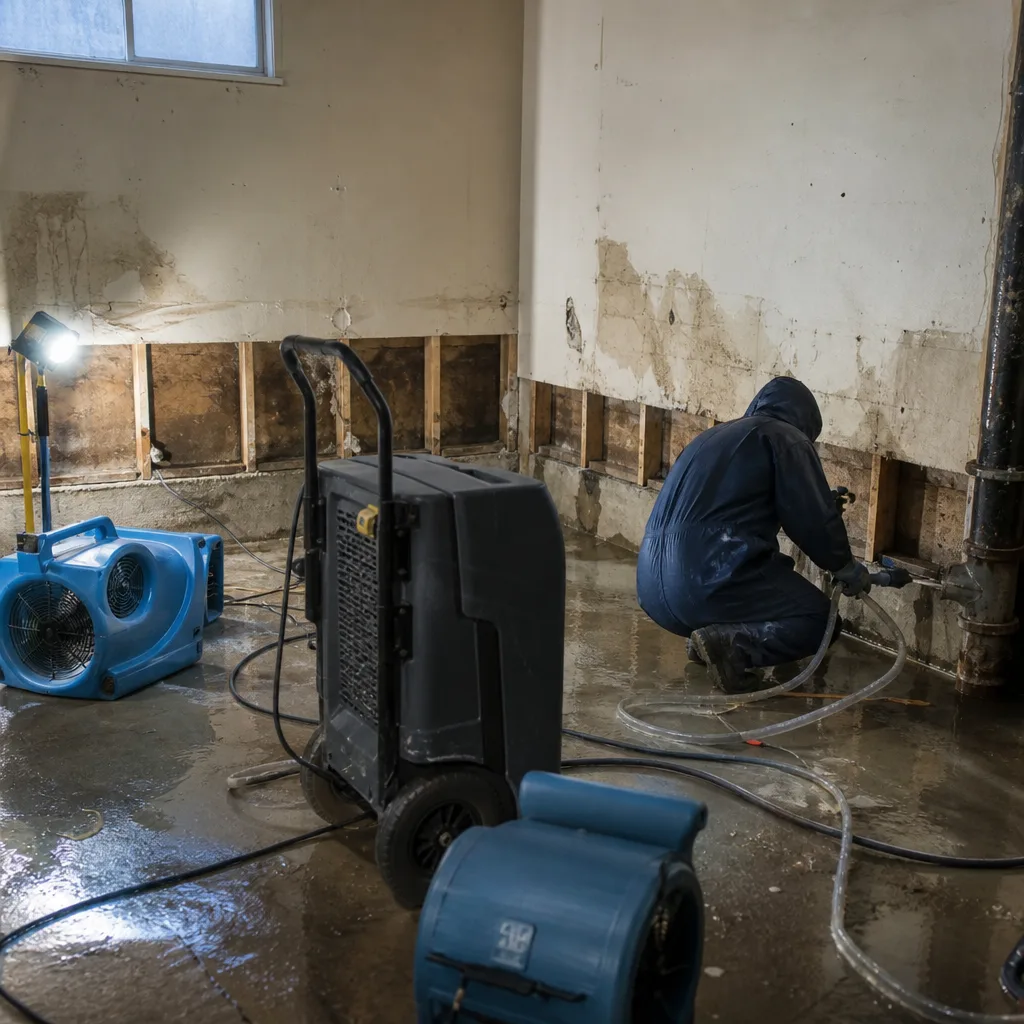 Before
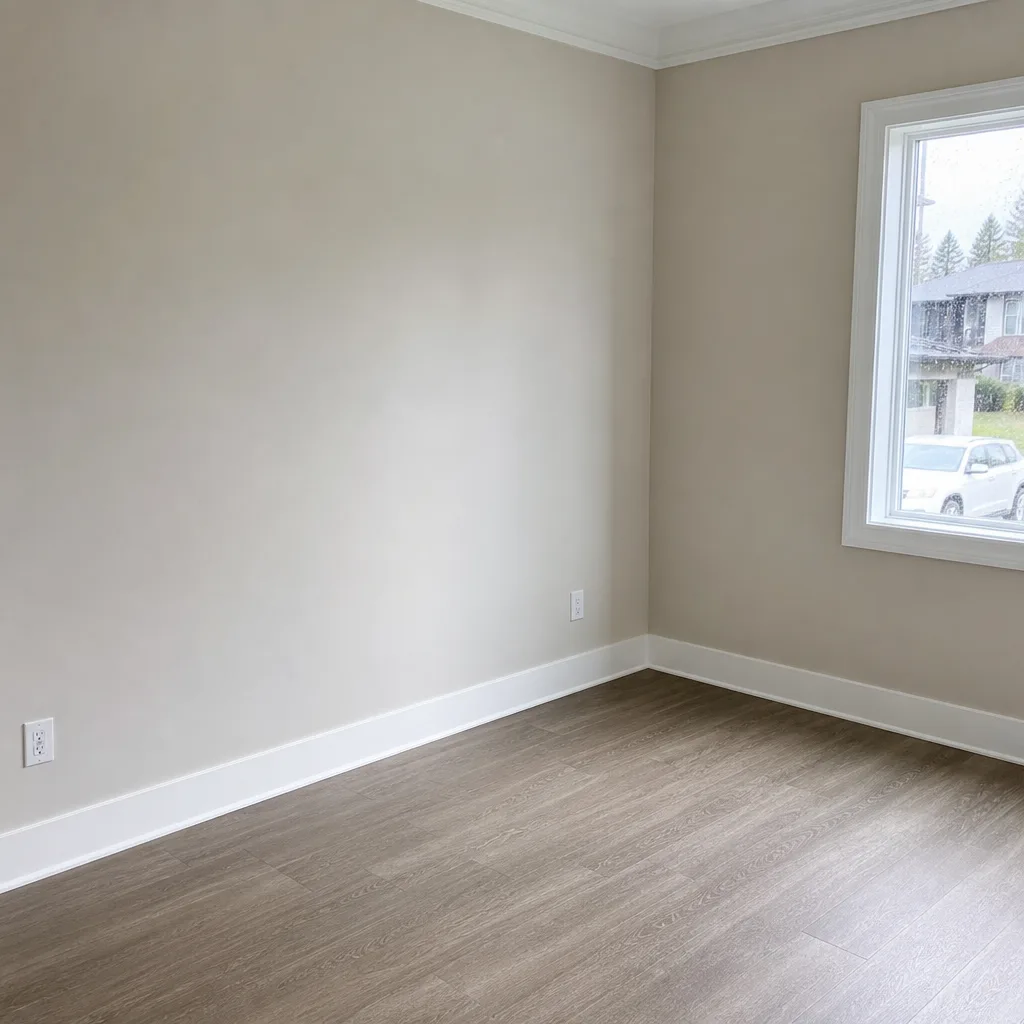 After
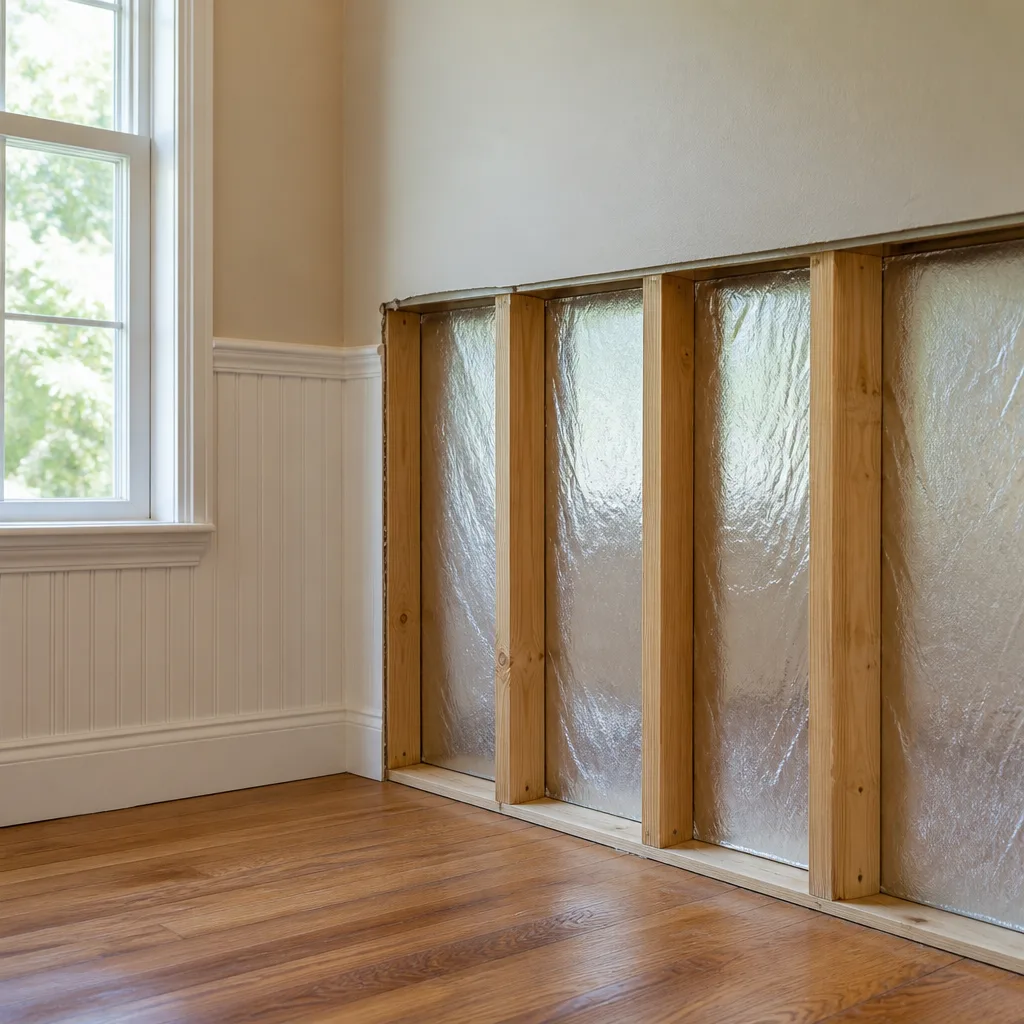
After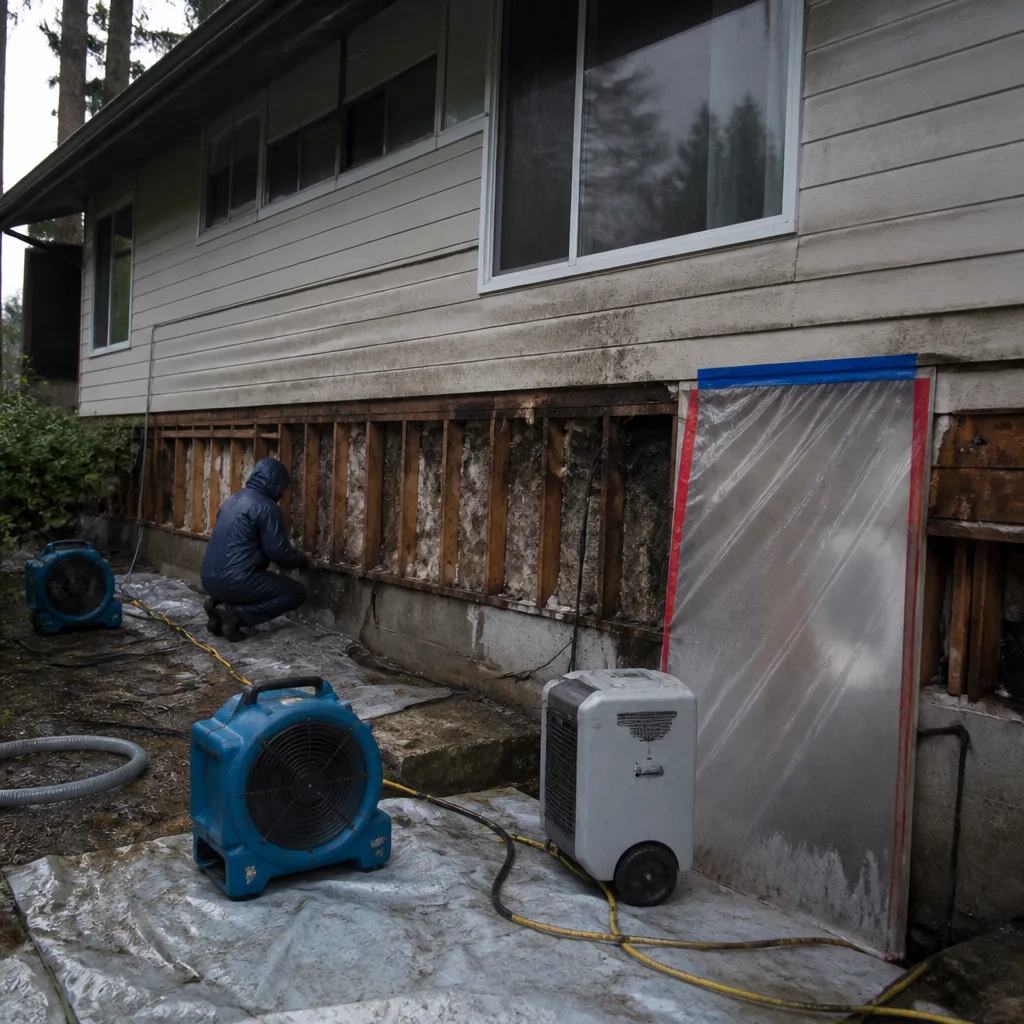 Before
 After
AfterFast, Reliable Water Damage Restoration Across Auburn
Water damage restoration in Auburn typically costs $2,800-$6,500 for a standard residential drying job, with emergency water extraction starting at $1,200-$2,400 and full structural drying running $180-$340 per day for equipment deployment. Most Auburn homeowners see our crew on-site within 45-60 minutes of calling (425) 696-6320, with dispatch coordinated from our Seattle office and crews routed directly to valley-floor neighborhoods, hillside developments, and manufactured home communities alike.
We’re familiar with the specific challenges Auburn properties face: the Green River Valley’s rising winter water table, aging postwar crawl spaces in neighborhoods like Lea Hill, and the manufactured home parks where sump pump failures during King County’s multi-day rain events can flood undercarriages before morning. Our Water Damage Restoration team documents every job to IICRC, RIA, and IFA standards because we’ve seen what happens when sloppy paperwork kills an insurance claim. Every job gets a written price before work starts, a photo record on every visit, and the 365-Day Done Right Promise under The Haven Standard.
Why DryMark Restoration Bellevue Is Auburn’s Preferred Water Damage Restoration Company
We’ve restored water-damaged homes across Auburn since 2011, from the valley-floor ranches near the Green River to the newer hillside subdivisions above Highway 18. Our reviews from Auburn customers consistently cite two things: the written scope they received before anyone touched their house, and the daily moisture logs that made their adjuster’s job simple.
Response time to Auburn averages 45-60 minutes for emergency calls. Our 24/7 live dispatch means no voicemail trees while water is still moving through your subfloor.
What builds trust here is local knowledge most competitors lack. We know that an Auburn “plumbing loss” is often lateral groundwater intrusion masked as a pipe issue, and we scope accordingly. Misidentify the source, and your insurer denies the claim. We’ve seen it happen.
Our Water Damage Restoration Services in Auburn
Emergency Water Extraction
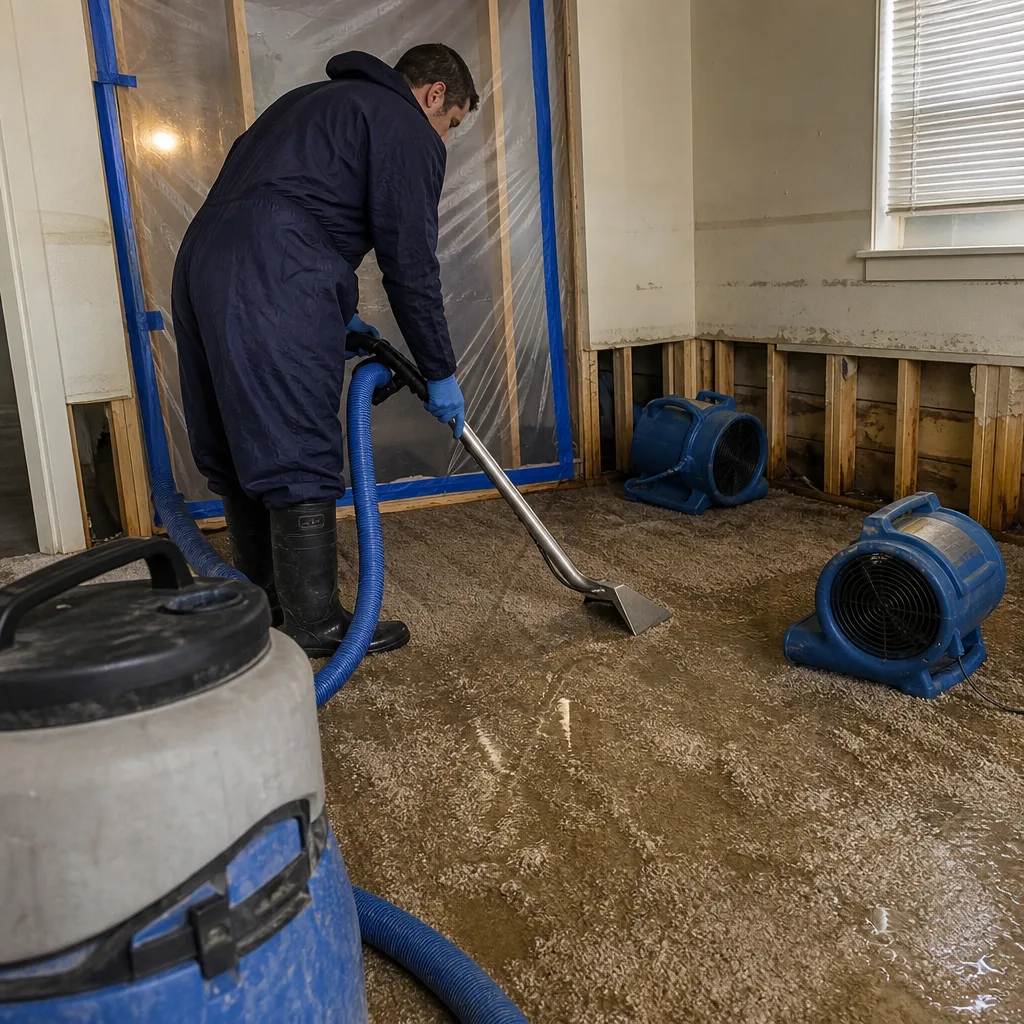
When a sump pump fails overnight in an Auburn manufactured home park or a valley-floor ranch near the Green River, standing water doesn’t wait. Our truck-mounted extraction systems remove Category 2 and Category 3 water from crawl spaces, basements, and living areas before secondary damage spreads. In Auburn’s alluvial-soil environment, groundwater carries silt and bacteria that wick into rim joists and subflooring fast. We extract first, then map moisture migration with thermal imaging to find what the eye misses.
Structural Drying & Dehumidification
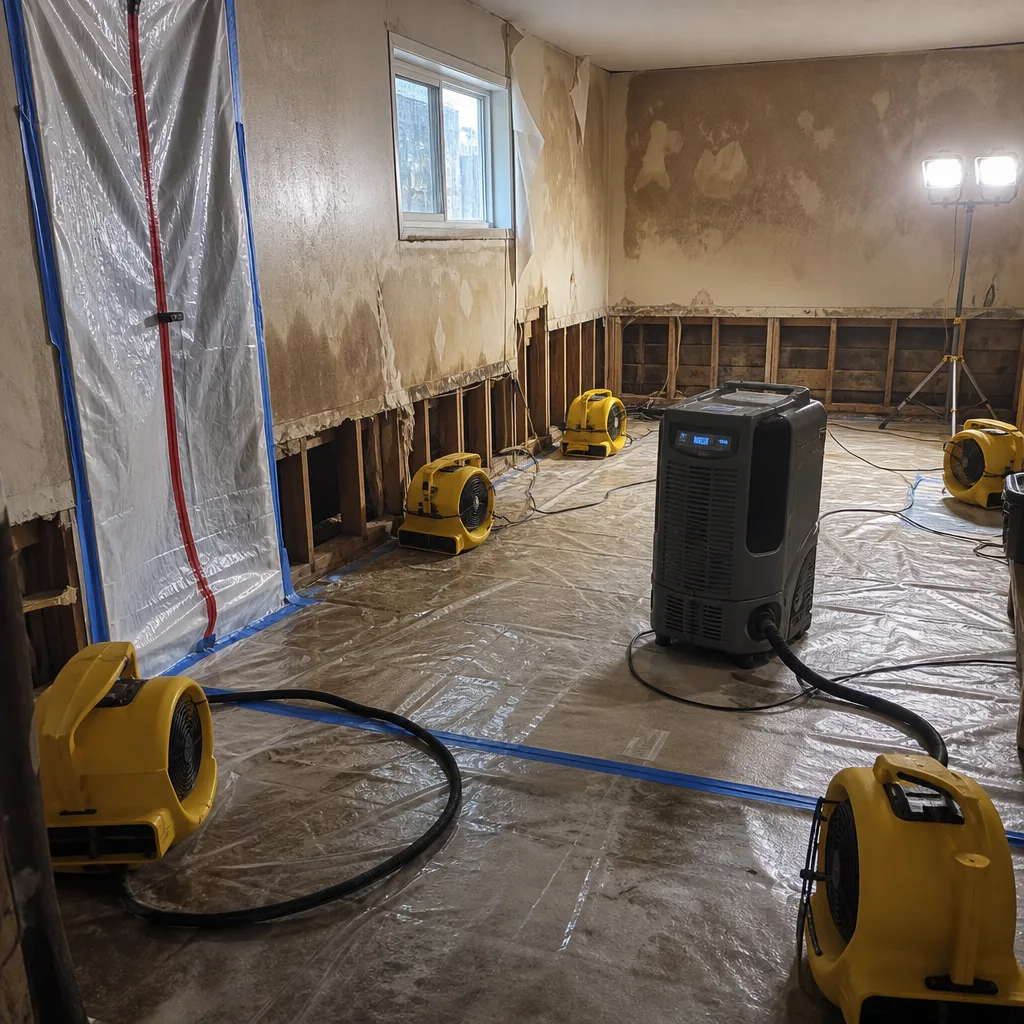
Auburn’s winter water table sits within a few feet of grade from October through March, which means standard drying protocols often fail here. We deploy Phoenix and Dri-Eaz dehumidifiers sized to the vapor pressure differential between your saturated structure and the ambient air, plus air movers positioned to disrupt boundary layers on concrete and framing. Psychrometric data - temperature, relative humidity, and dew point - is logged daily and delivered with your documentation package. Without this rigor, an Auburn crawl space dries to specification in March and resaturates in November when the water table rises again.
Flood Cleanup
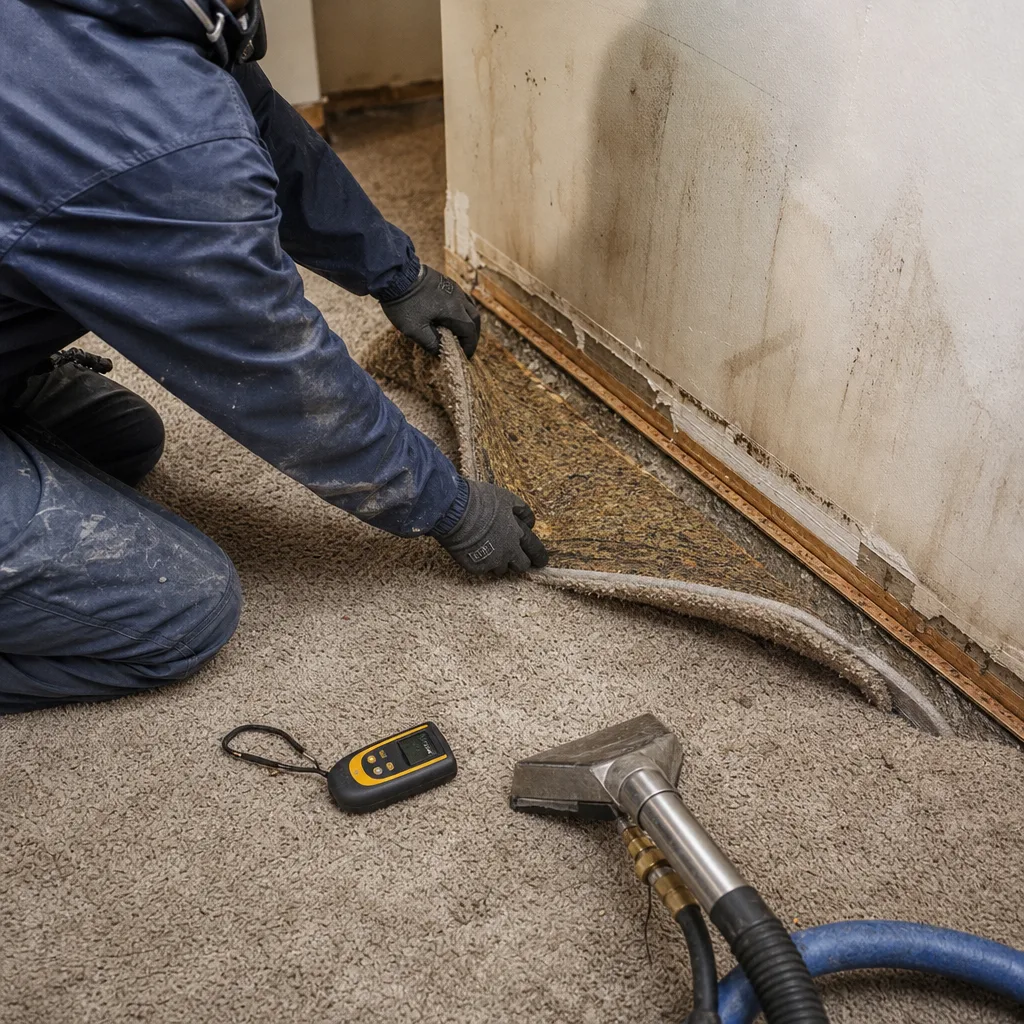
FEMA-designated flood zones on the Green River Valley floor mean Auburn sees riverine flooding that plateau cities like Federal Way simply don’t experience. Our flood cleanup protocols address soil saturation, contaminated sediment deposits, and the lateral pressure that cracks foundation seals. We coordinate with adjusters who need documented material classifications - what’s salvageable, what’s Category 3 total loss, and why - to keep your claim moving. Every flood cleanup includes antimicrobial treatment on exposed framing and a written scope for drainage improvements that reduce recurrence.
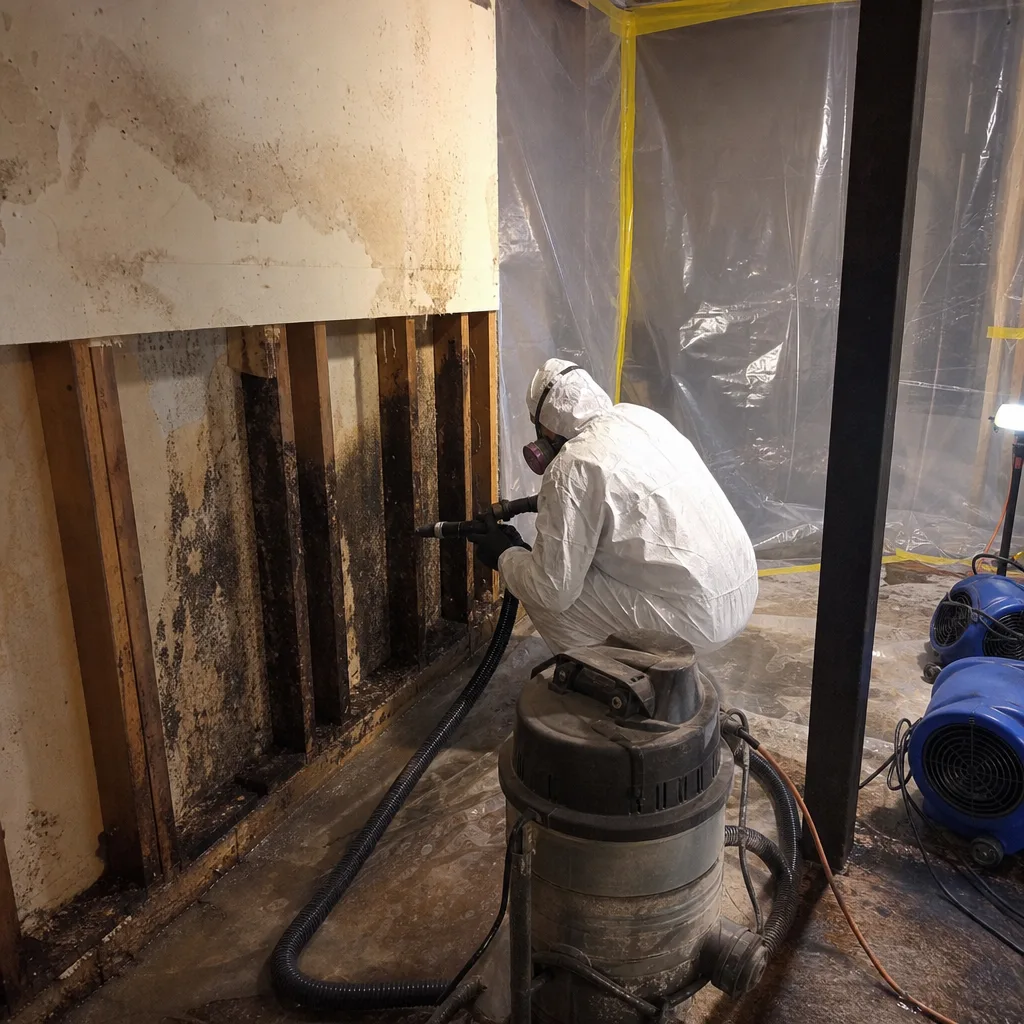
Burst Pipe Restoration
Auburn’s older postwar plumbing and newer hillside homes with insufficient insulation both see freeze-thaw pipe failures during cold snaps. We dry the damage, but we also document the line-of-sight cause for your adjuster: where the pipe failed, why, and what materials were affected. This matters in Auburn, where some valley-floor homes have galvanized supply lines from the 1960s that fail catastrophically. Our written price covers extraction, drying, and any necessary demolition - no scope-creep additions once we’re inside.
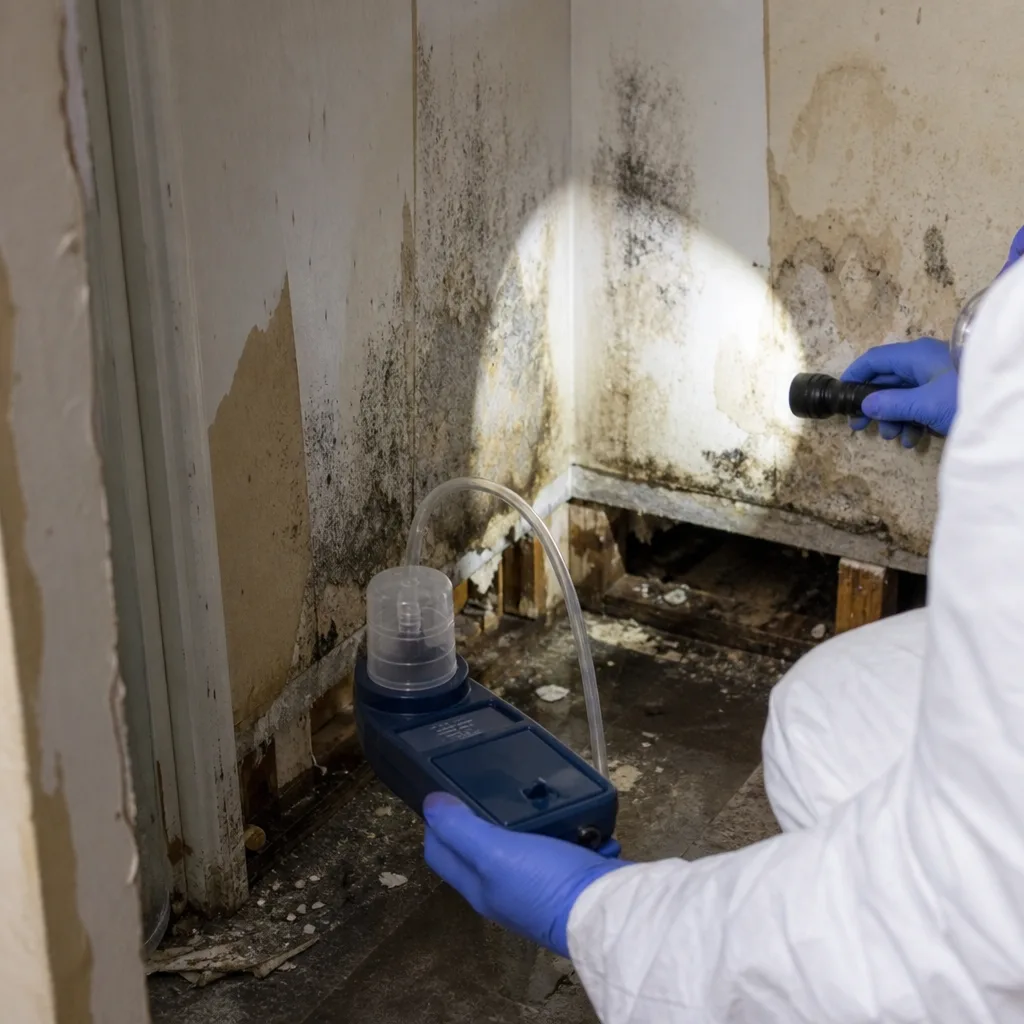
What happens when you call
- 1
A real person answersNo phone trees - you reach a local pro.
- 2
You get an upfront price rangeHonest numbers before anyone is dispatched.
- 3
A background-checked tech heads outLicensed & insured, dispatched right away.
- 4
You approve before work beginsNothing starts until you say go.
BeforeAfterTrusted Brands We Service in Auburn
We stock parts and deploy equipment from Dri-Eaz, Phoenix, and XPOWER on Auburn jobs, with Injectidry systems for hardwood and cabinet drying when standard air movers can’t reach the moisture. These aren’t marketing names - they’re the machines producing the daily drying logs your insurance company expects. Our crews arrive with the right equipment for your specific loss type, not whatever’s on the truck from the last job.
Common Water Damage Restoration Problems We See in Auburn Homes
- Sump pump failures during multi-day King County rain events. Valley-floor homes and manufactured home parks sit on alluvial fill where the water table rises fast. One overnight outage floods crawl spaces with Category 3 groundwater that looks like a plumbing loss but isn’t. Crews that skip antimicrobial treatment mis-scope the job and invite reinspection failure.
- Shallow crawl spaces with aging or absent vapor barriers. Auburn’s 1950s-70s tract homes and many manufactured home installations have dirt-floored crawl spaces with no moisture barrier between alluvial soil and subfloor framing. Subfloor rot and mold colonization return every winter without drainage and barrier upgrades.
- Lateral groundwater pressure against foundations from October through March. Interior-only drying ignores the exterior force driving moisture inward. We address both: drying the structure and documenting the drainage conditions that caused it, so your scope includes prevention, not just repair.
- Category 3 groundwater wicking into rim joists and wall plates. Auburn’s high water table means groundwater doesn’t just pool - it climbs. Moisture mapping with thermal imaging finds wicking paths that visual inspection misses, and our drying protocols target these hidden reservoirs before mold establishes.
Pricing for Water Damage Restoration in Auburn, WA
Typical water damage restoration in Auburn runs $2,800-$6,500 for residential drying jobs, with specific line-item ranges as follows:
- Emergency water extraction: $1,200-$2,400
- Structural drying equipment (per day): $180-$340
- Antimicrobial treatment (Category 2/3 losses): $450-$890
- Crawl space vapor barrier replacement: $1,800-$3,200
- Contents pack-out and cleaning: $800-$2,400
What moves a job toward the higher end: Category 3 groundwater contamination requiring full PPE and disposal, extensive hardwood or tile drying with Injectidry systems, and crawl spaces needing vapor barrier or drainage work to prevent recurrence. What keeps costs controlled: fast extraction callouts before water wicks into drywall and insulation, and accurate source identification that avoids unnecessary demolition.
Haven Standard, Clause 1: your written price arrives before any work starts. No exceptions. We also offer a Free Second Opinion on any competitor’s written estimate - bring it in and we’ll review the scope at no charge. Call (425) 696-6320 for exact pricing on your situation.
We Also Serve Cities Near Auburn
Our crews handle Water Damage Restoration in Auburn and surrounding communities including Federal Way, Kent, Renton, and Mercer Island. Each city’s geography drives different loss patterns - plateau cities see different water table behavior than valley-floor Auburn - and we scope accordingly.
Serving Auburn, WA - Our Local Coverage Area
We’re based in the Auburn area and know this community well. Use the map below to see our service coverage - if you’re nearby, we can almost certainly help.
FAQs - Water Damage Restoration in Auburn
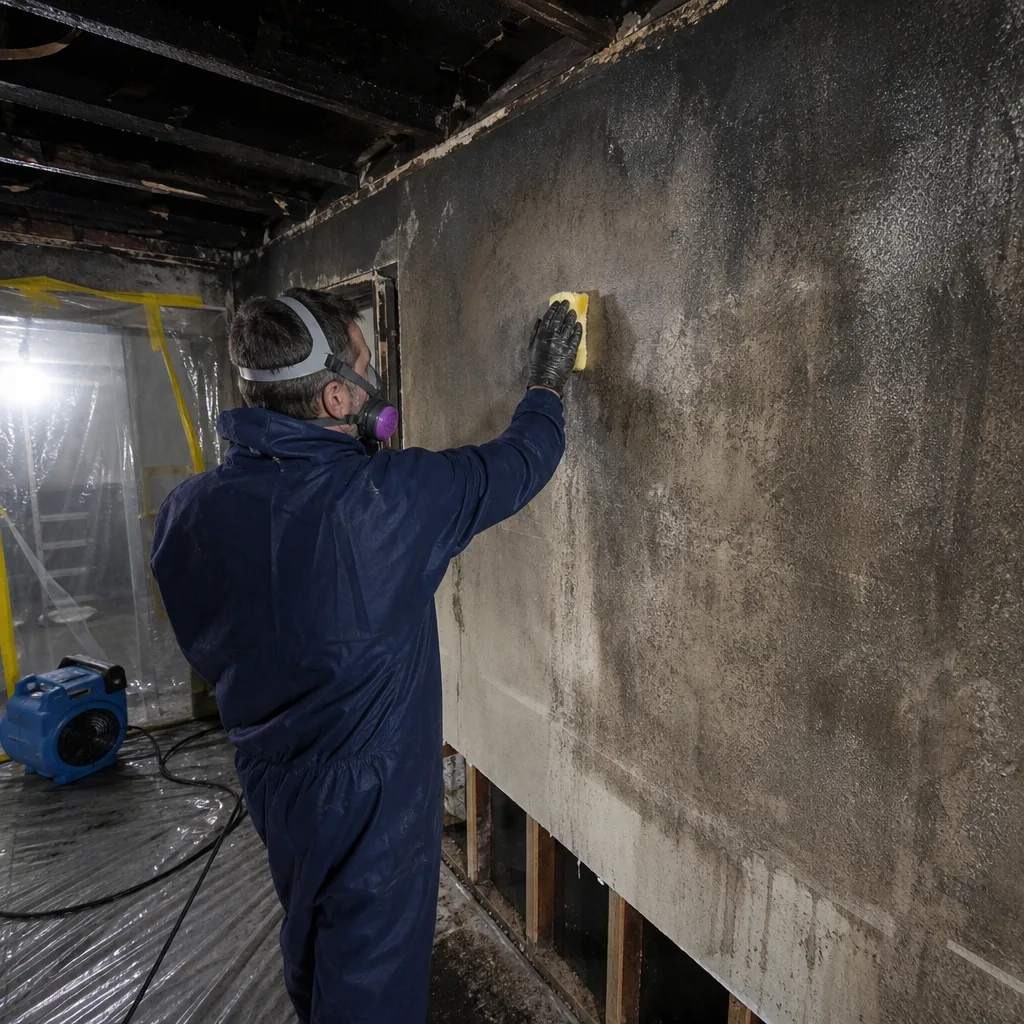
Your crawl space floods because Auburn sits on the Green River Valley floor, where the winter water table rises to within a few feet of grade and generates lateral groundwater pressure against your foundation from October through March. This isn’t a plumbing failure - it’s hydrostatic pressure from saturated alluvial soils pushing water through cracks, joints, and porous concrete. We identify this source with moisture mapping and document it as groundwater intrusion for your insurance scope, which affects both coverage and the remediation protocol required. Call (425) 696-6320 and we’ll inspect at no charge.
Mold colonization begins in 24-48 hours in Auburn’s climate, but the critical window is shorter in crawl spaces with dirt floors and absent vapor barriers where groundwater introduces organic loading and bacteria. Category 3 water from alluvial soil carries nutrients that accelerate fungal growth on wood framing with moisture content above 20%. Our crew was called out to a 1968 valley-floor ranch in the Lea Hill area after a sump pump failed during a multi-day King County rain event - the crawl space had taken on several inches of murky groundwater overnight, and moisture mapping showed category 3 water had wicked into the rim joist and subfloor where the vapor barrier was absent. We ran emergency water extraction with truck-mount units, set up containment, applied antimicrobial treatment to the alluvial-soil-exposed framing, and positioned Phoenix and Dri-Eaz dehumidifiers with air movers to complete structural drying over four days. Final moisture readings in the joists returned to pre-loss condition, and we documented the drying logs for the homeowner’s insurance scope of work. Call (425) 696-6320 for immediate response.
Valley-floor restoration deals with lateral groundwater pressure, alluvial soil saturation, and recurring seasonal moisture that hillside homes rarely face. Hillside properties see more roof and surface drainage issues; valley-floor homes battle the water table itself. Drying a valley-floor crawl space without addressing exterior drainage and vapor barriers means the job fails reinspection when the water table rises again. Our scopes for valley-floor jobs include drainage documentation and barrier recommendations that hillside jobs typically don’t need. Both get the same daily moisture logging and photo record, but the prevention strategy differs fundamentally.
Whether materials stay or go depends on water category, contamination level, and material porosity, not convenience. Category 1 clean water on solid hardwood or tile often dries in place with Injectidry systems. Category 3 groundwater on porous subflooring, insulation, or drywall means removal per IICRC standards - drying contaminated materials in place creates a mold reservoir. We make this call with moisture readings and document the classification for your adjuster before demolition starts. Haven Standard, Clause 1 means you see the written scope and cost before any removal begins. Call (425) 696-6320 for an assessment.
We deploy professional-grade drying systems from Dri-Eaz, Phoenix, and XPOWER, with Injectidry systems for specialty drying of hardwood, cabinets, and wall cavities. These units produce the psychrometric data and daily drying logs that turn restoration invoices into payable insurance claims - documentation that cheaper rental equipment simply can’t generate. Every Auburn job’s equipment selection is matched to the loss type and documented in your photo record. The brands matter less than the data they produce; we choose the tools that give your claim the strongest documentation.
Written by Alicia Brennan, Owner at DryMark Restoration Bellevue, serving Auburn since 2011 under The Haven Standard.