
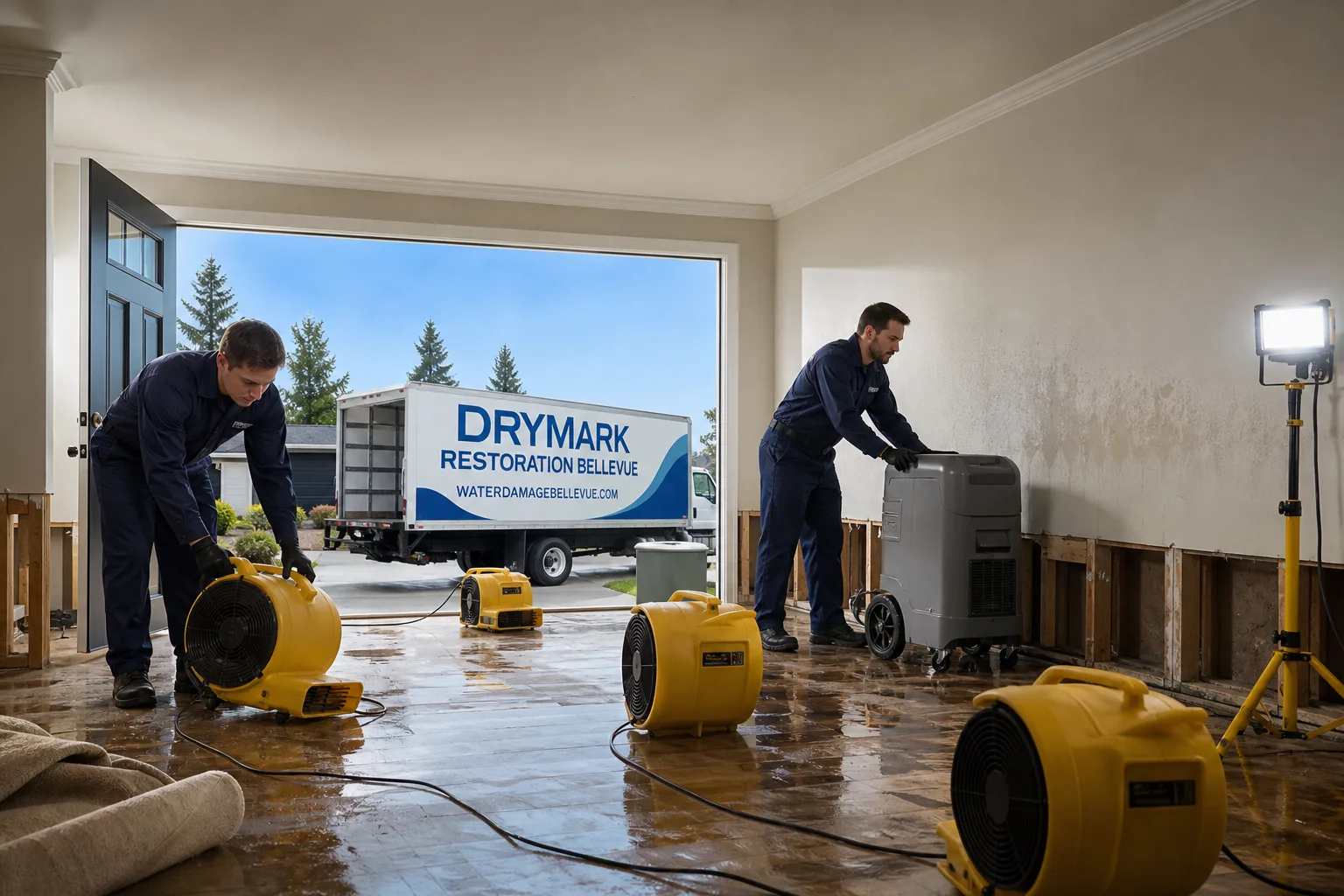
Free visual inspection and a written scope of work before any mitigation begins - photos, moisture readings, and drying logs go in your claim file
The scope we write is the scope we bill. Anything new gets shown to you, in writing, before we touch it.
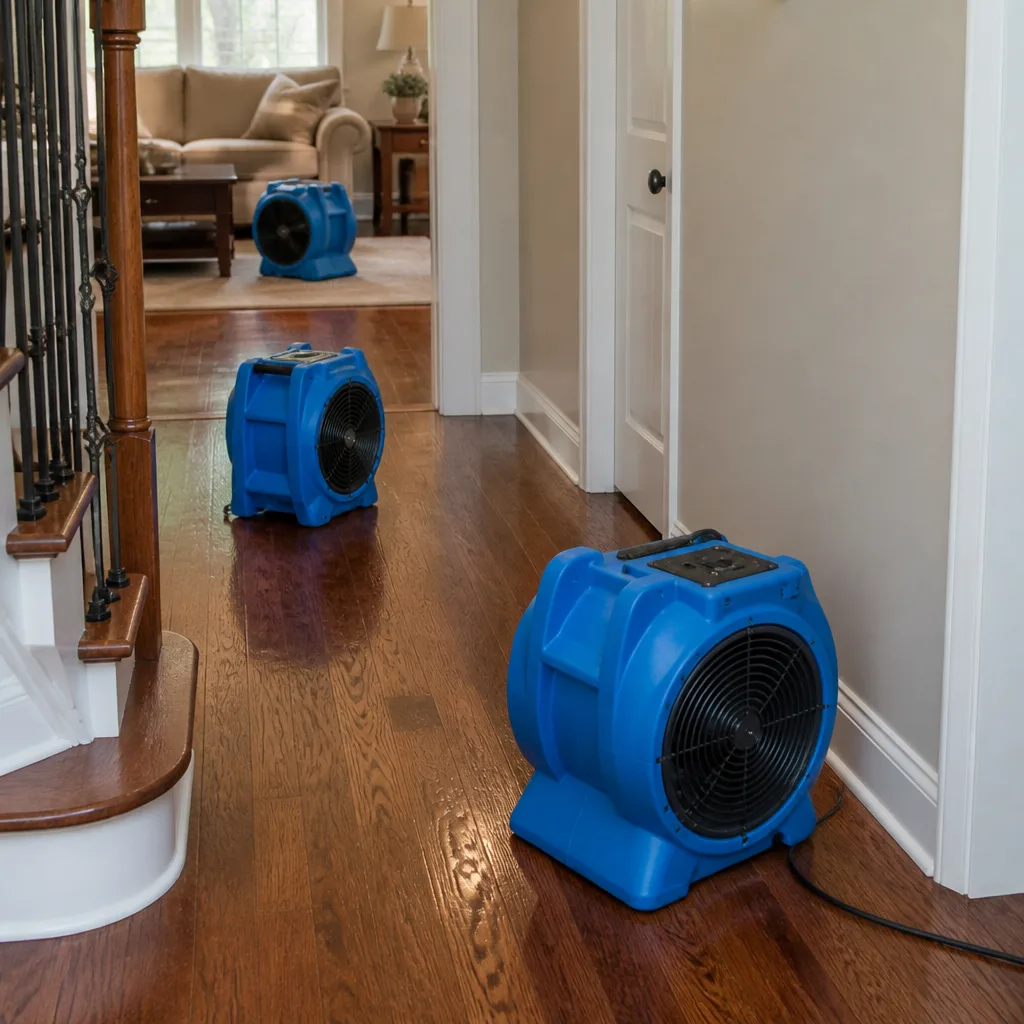
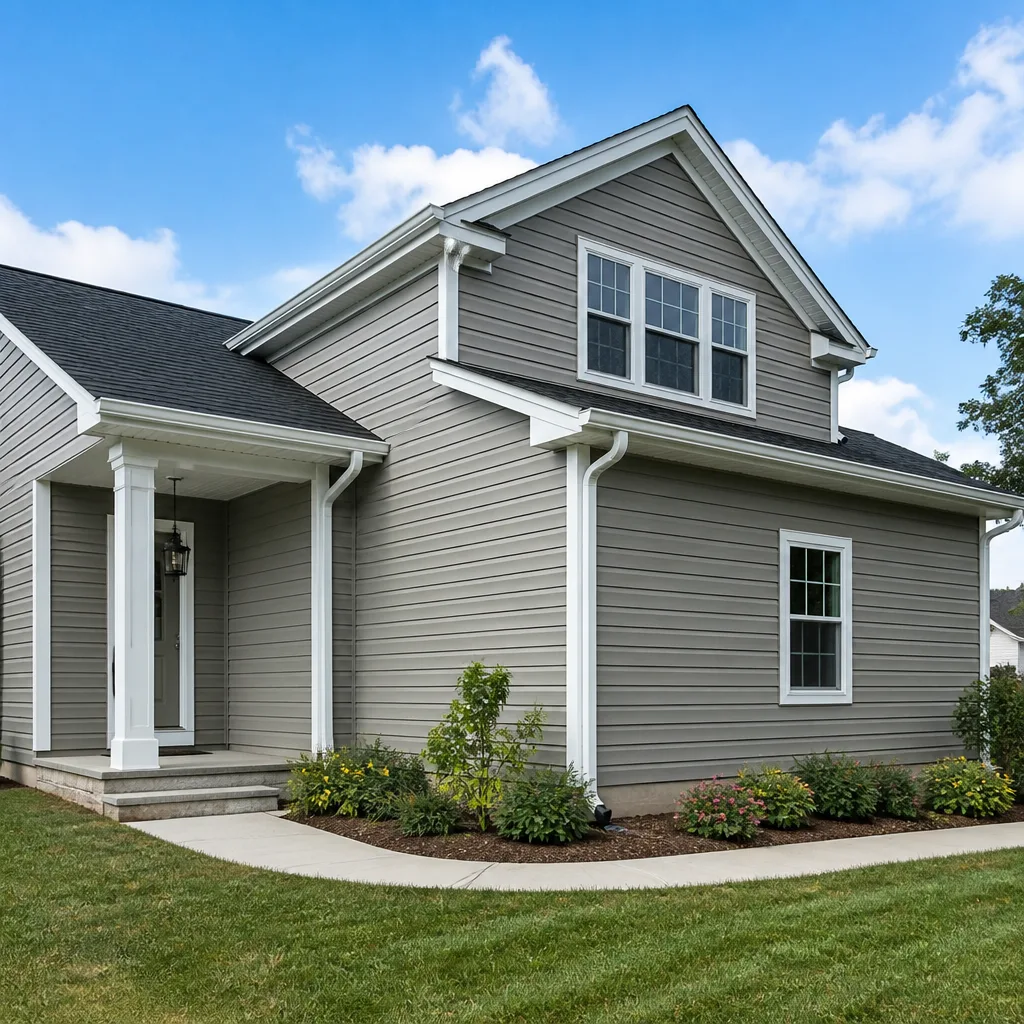
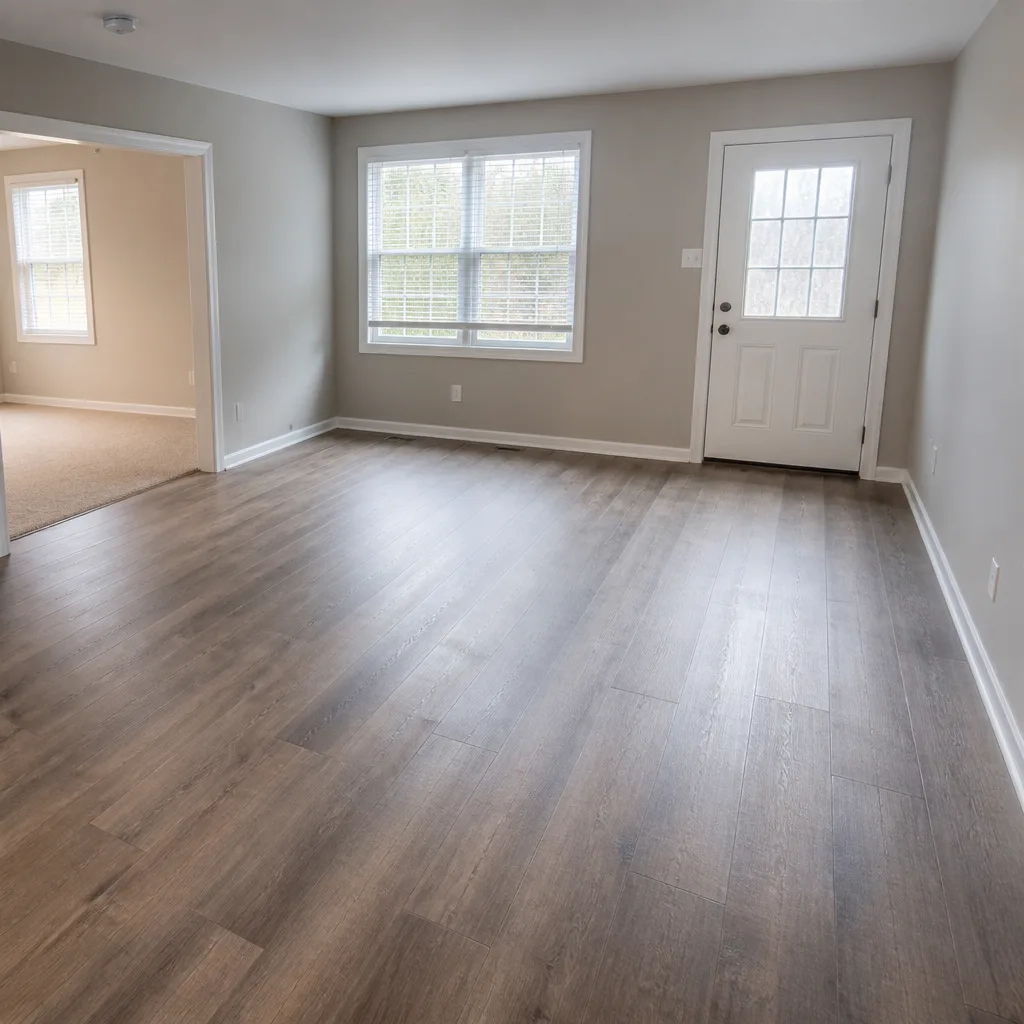
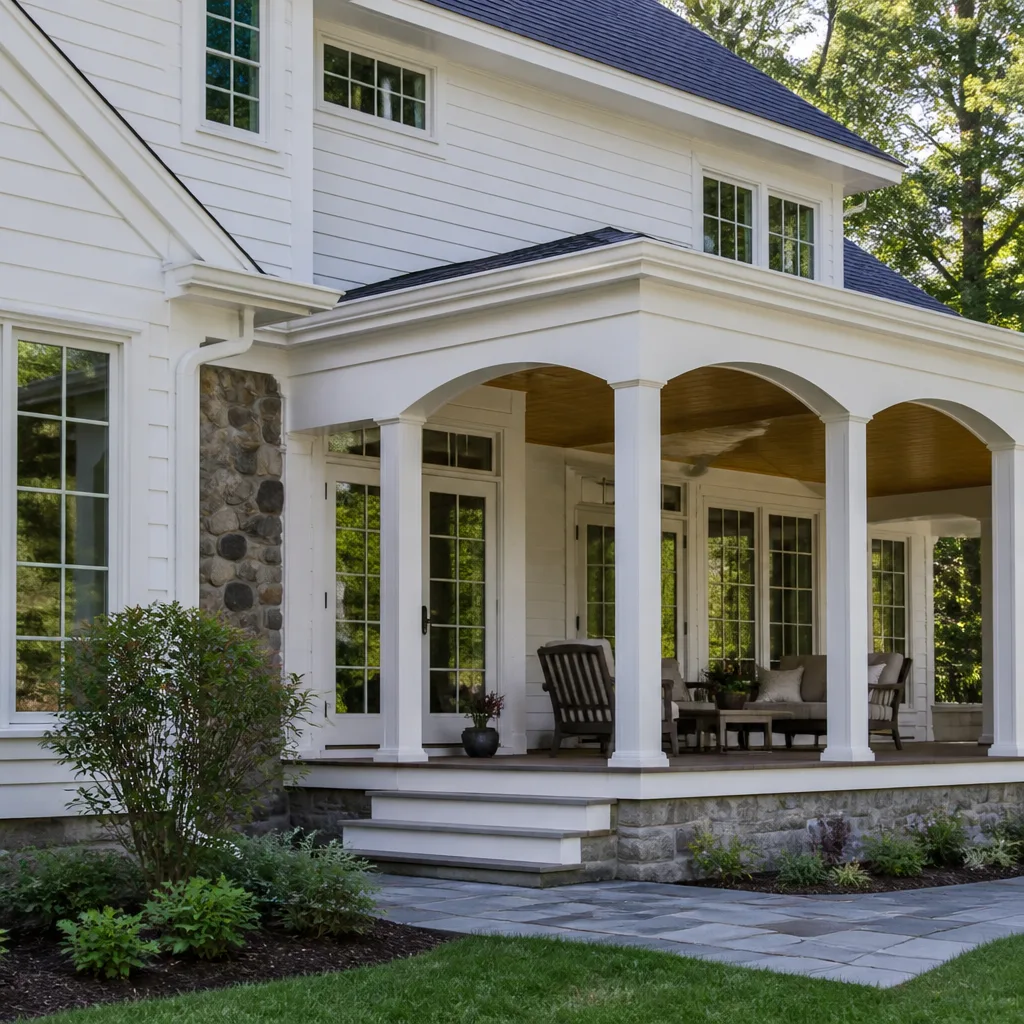
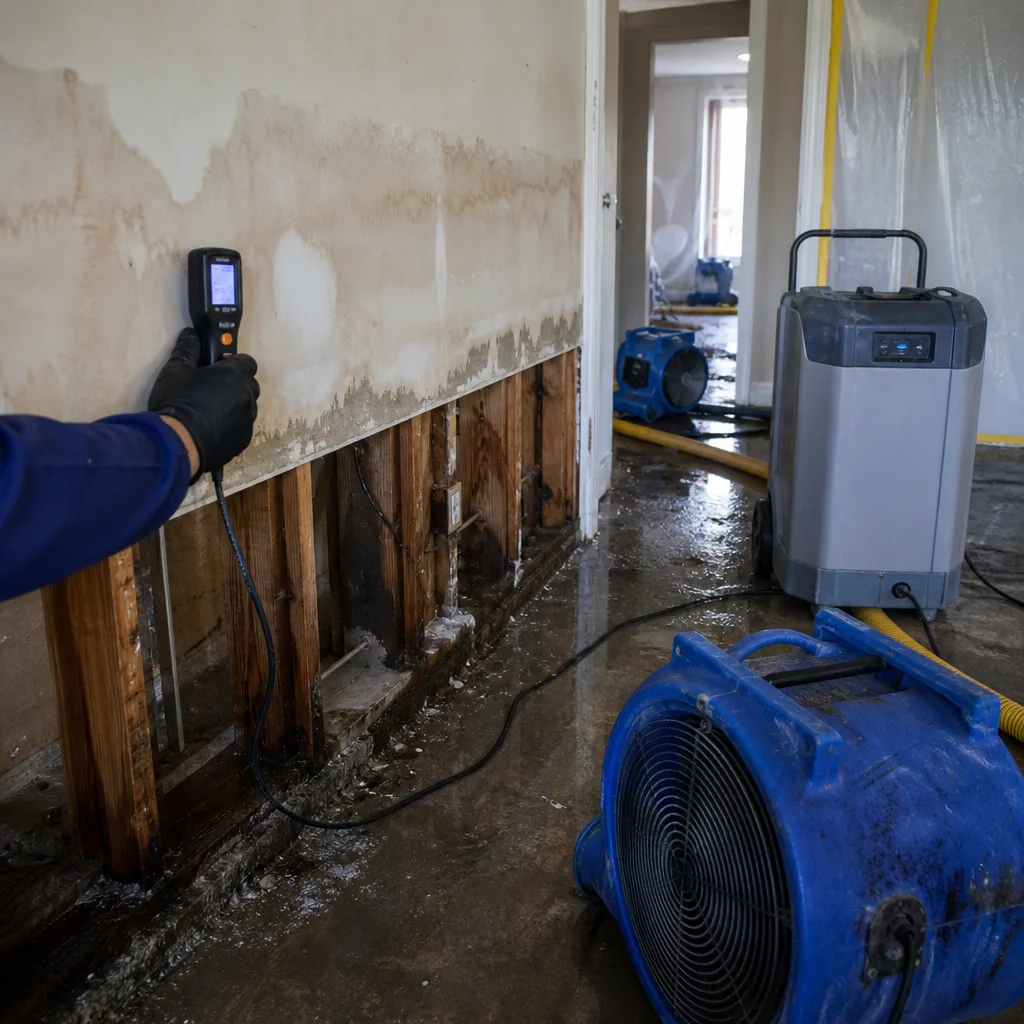 Before
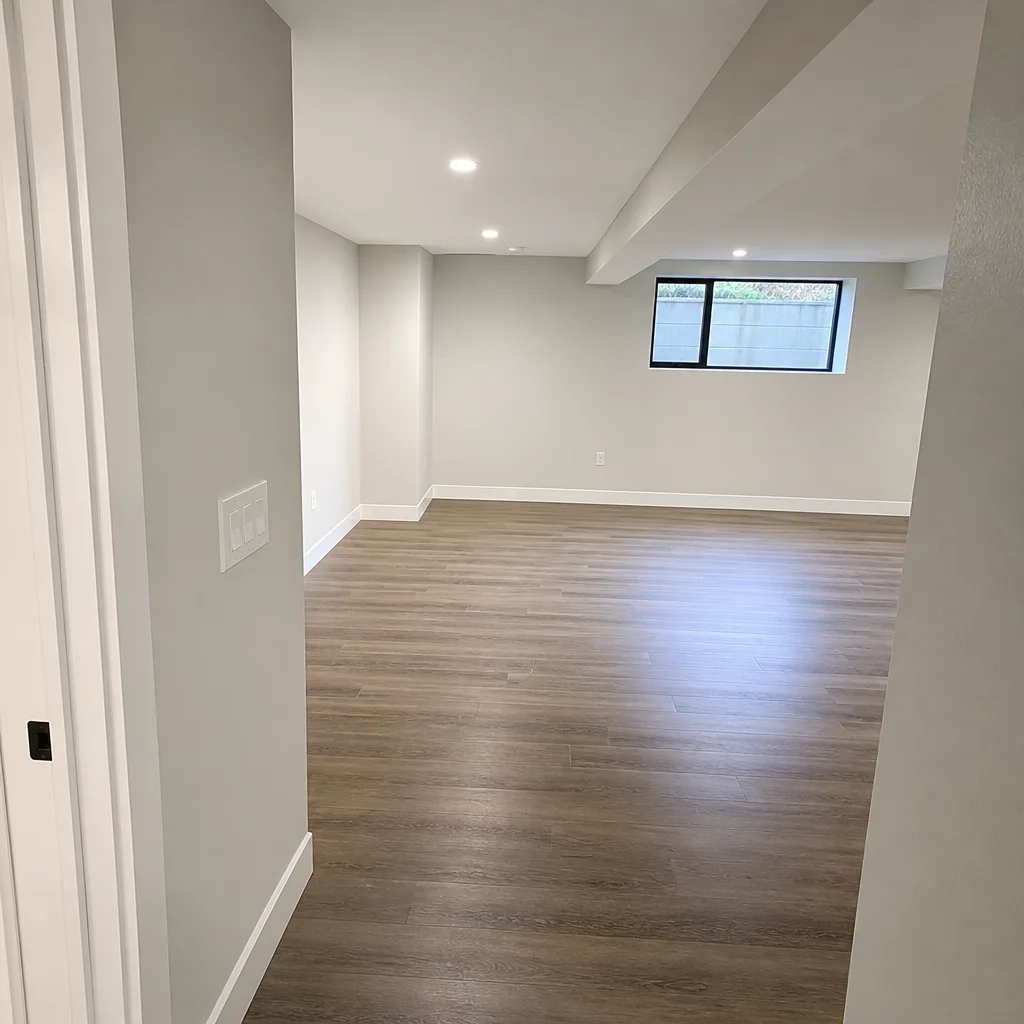 After
After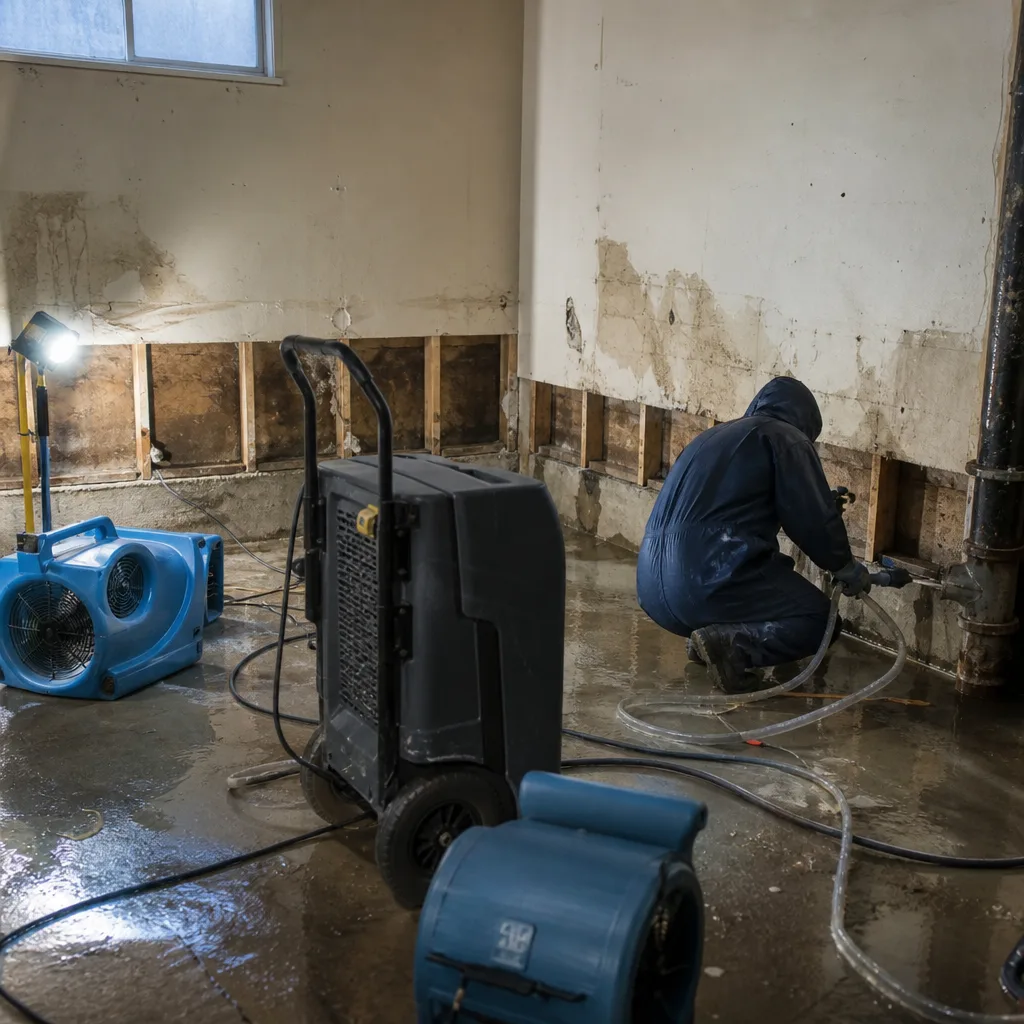 Before
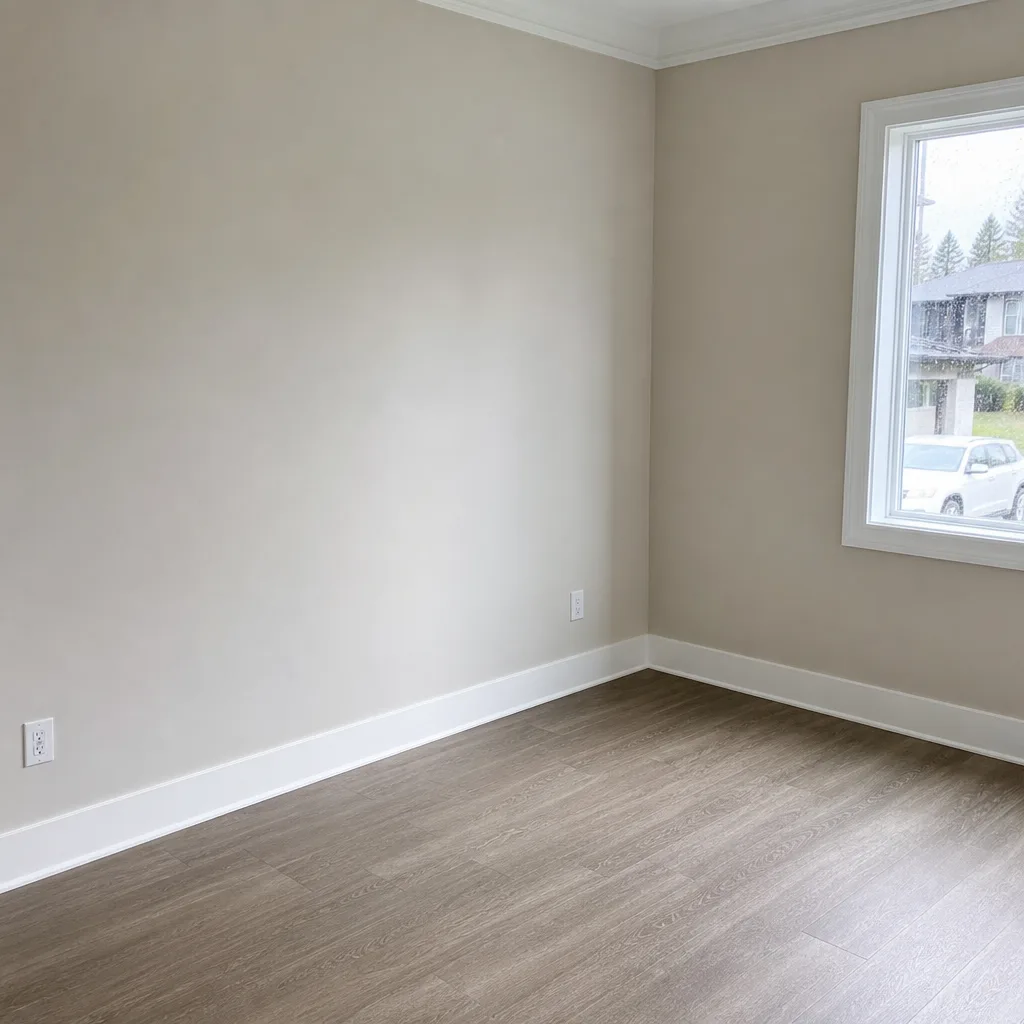 After
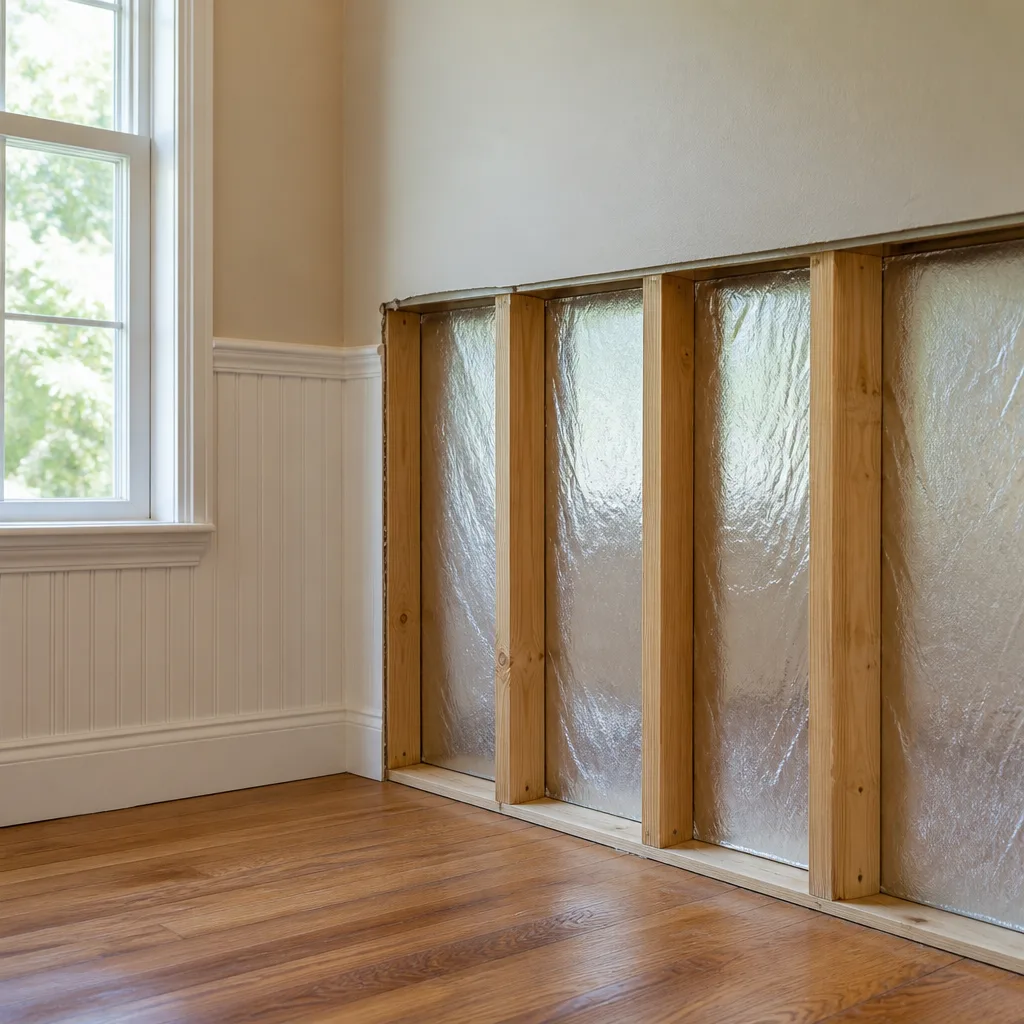
After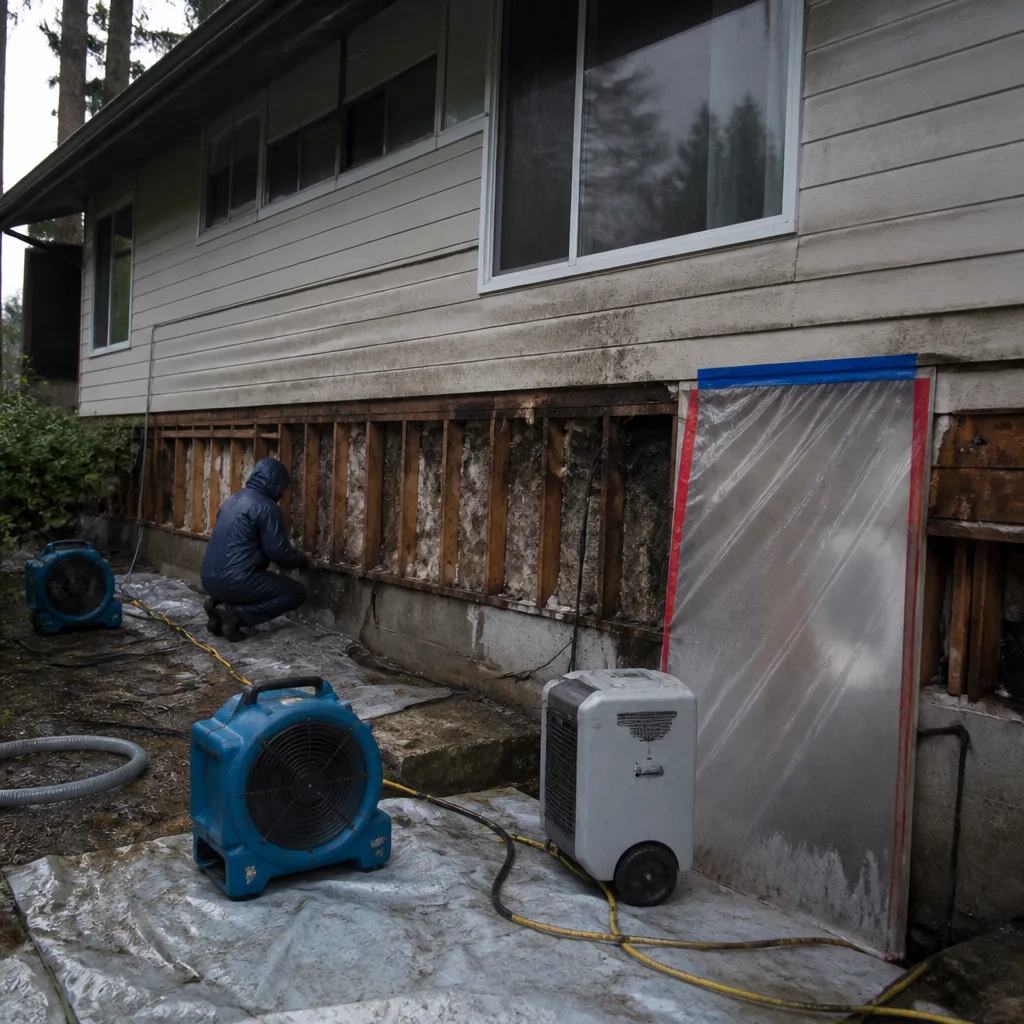 Before
 After
AfterFast, Reliable Mold Remediation Across Auburn
Professional mold remediation in Auburn typically runs $1,200-$4,500 depending on affected square footage, contamination level, and whether the source is groundwater-driven or plumbing-related. Most Auburn crawl space jobs we handle are scoped and started within 24-48 hours, with emergency containment available same day when structural damage or active water intrusion is present. Call (425) 696-6320 for a written estimate before any work begins.
We serve Auburn from our Seattle office, with crews dispatched daily to valley-floor neighborhoods, Lea Hill hillside properties, and manufactured home communities throughout the city. Auburn’s position on the Green River Valley floor creates a mold remediation environment unlike neighboring plateau cities - the seasonal water table, lateral groundwater pressure, and FEMA flood zone designations mean we approach Auburn jobs with different moisture mapping protocols, equipment configurations, and documentation requirements than we would in Federal Way or Kent.
Why DryMark Restoration Bellevue Is Auburn’s Preferred Mold Remediation Company
Our reputation in Auburn is built on documentation that survives adjuster review. We’ve restored homes near the Green River levees, in the Lea Hill neighborhood, and throughout the manufactured home parks along the valley floor - every job with a written price before work started, a photo record on every visit, and drying logs that distinguish groundwater events from plumbing losses for insurance purposes.
Auburn customers find us through referrals from local insurance agents who’ve learned that our documentation reduces claim disputes. Our response time to Auburn is typically 60-90 minutes for emergency containment calls, with scheduled inspections available next-day. We know which Auburn properties sit in FEMA-designated flood zones, where the water table peaks in January, and why a sump pump failure on West Valley Highway can trigger mold remediation that looks like a plumbing claim but isn’t.
Every technician is background-checked, uniformed, and licensed - license number provided on request. Our 24-hour live dispatch means no voicemail trees while water is still moving.
Our Mold Remediation Services in Auburn
Mold Inspection & Testing
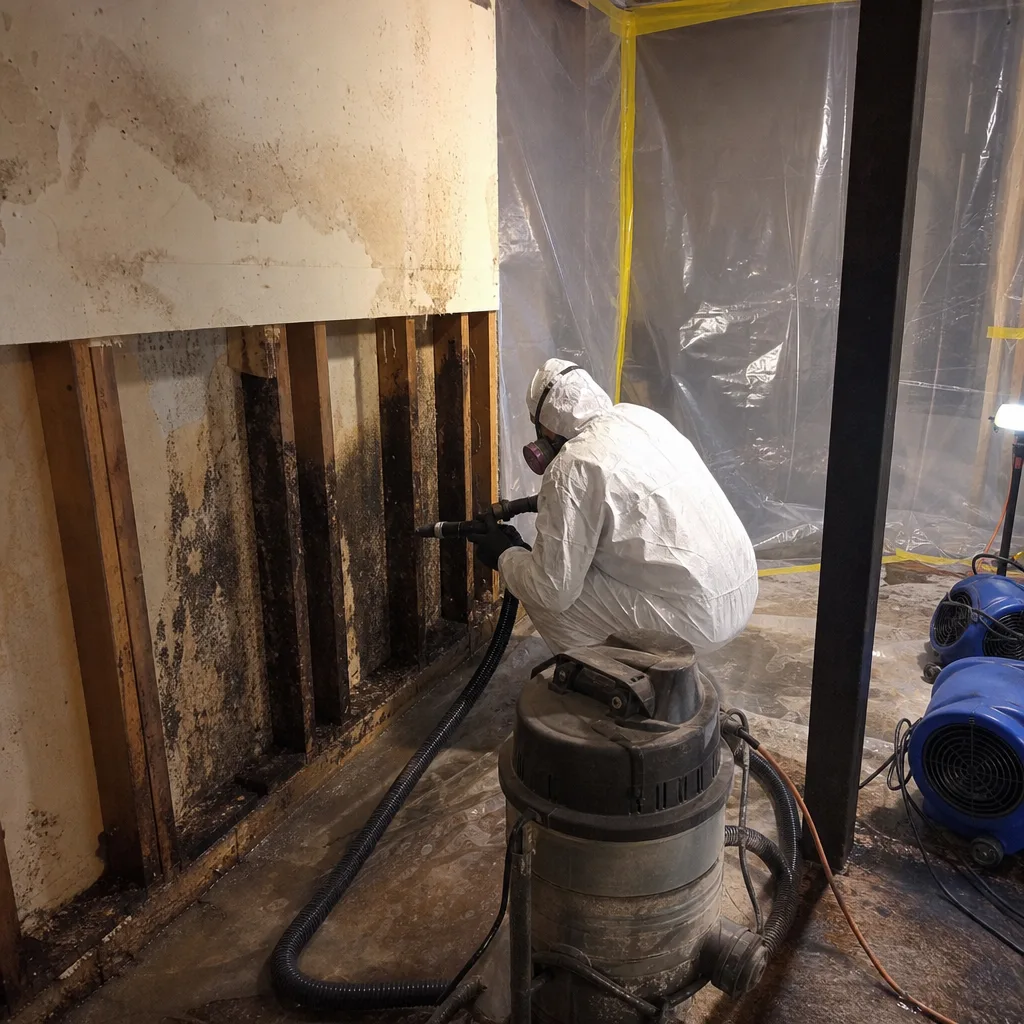
Auburn inspections start with moisture mapping, not guesswork. We measure vapor pressure differential - the force that drives moisture from wet materials into dry air - and document psychrometric data, the temperature and humidity readings that tell us whether conditions support mold growth even when nothing looks wet. In Auburn’s valley-floor homes, we regularly find elevated moisture readings in crawl spaces with no visible plumbing leak, the result of lateral groundwater pressure against foundations from October through March. Our inspection reports include room-by-room moisture readings, thermal imaging documentation, and a written scope with line-item pricing before any remediation begins.
Mold Removal
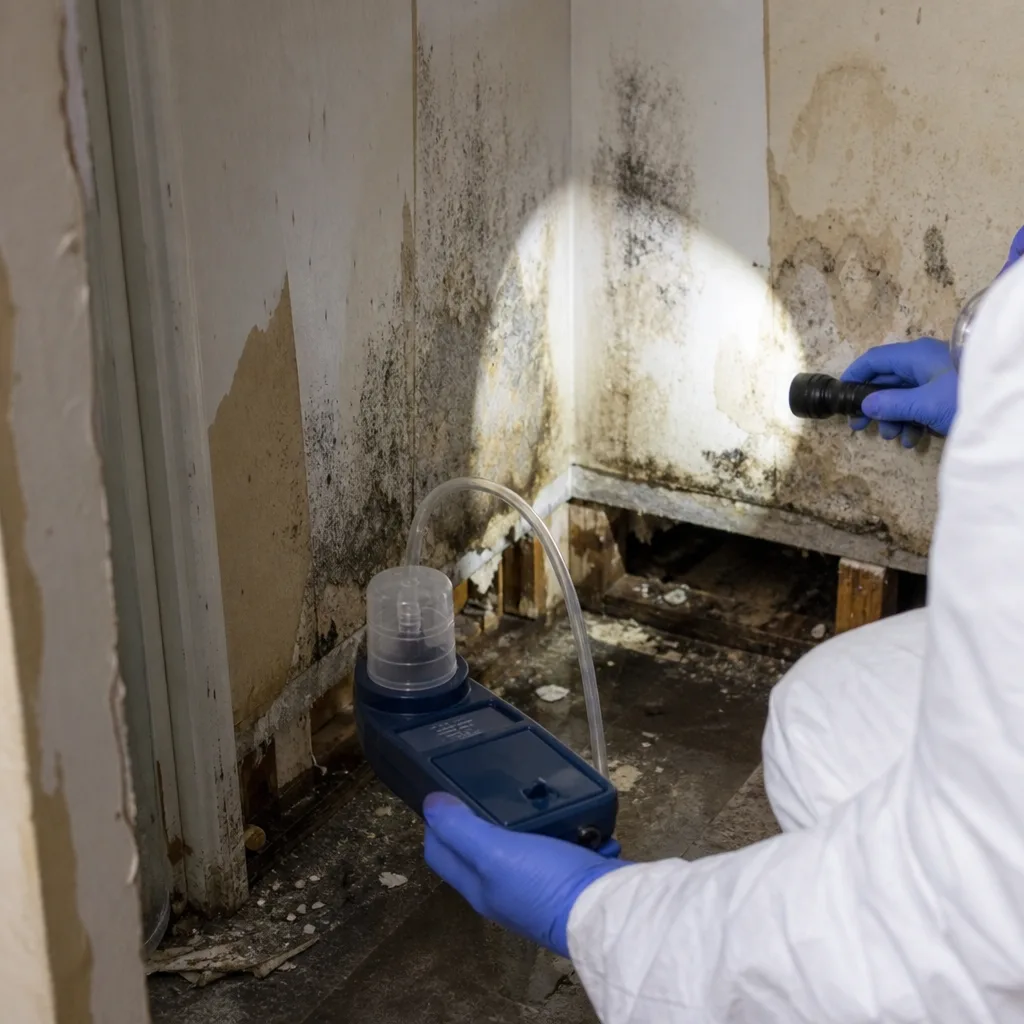
Removal in Auburn follows IICRC S520 standards for professional mold remediation, with containment barriers and negative air pressure to prevent cross-contamination. We classify affected materials by permeability - porous materials like drywall and insulation are removed when contamination exceeds cleanable thresholds, while semi-porous framing may be treated with antimicrobial agents and sealed. Auburn’s older postwar tract homes near the valley floor often have multiple generations of moisture damage in wall cavities, so our removal scopes include exploratory openings to check for hidden colonization behind intact surfaces.
Black Mold Remediation
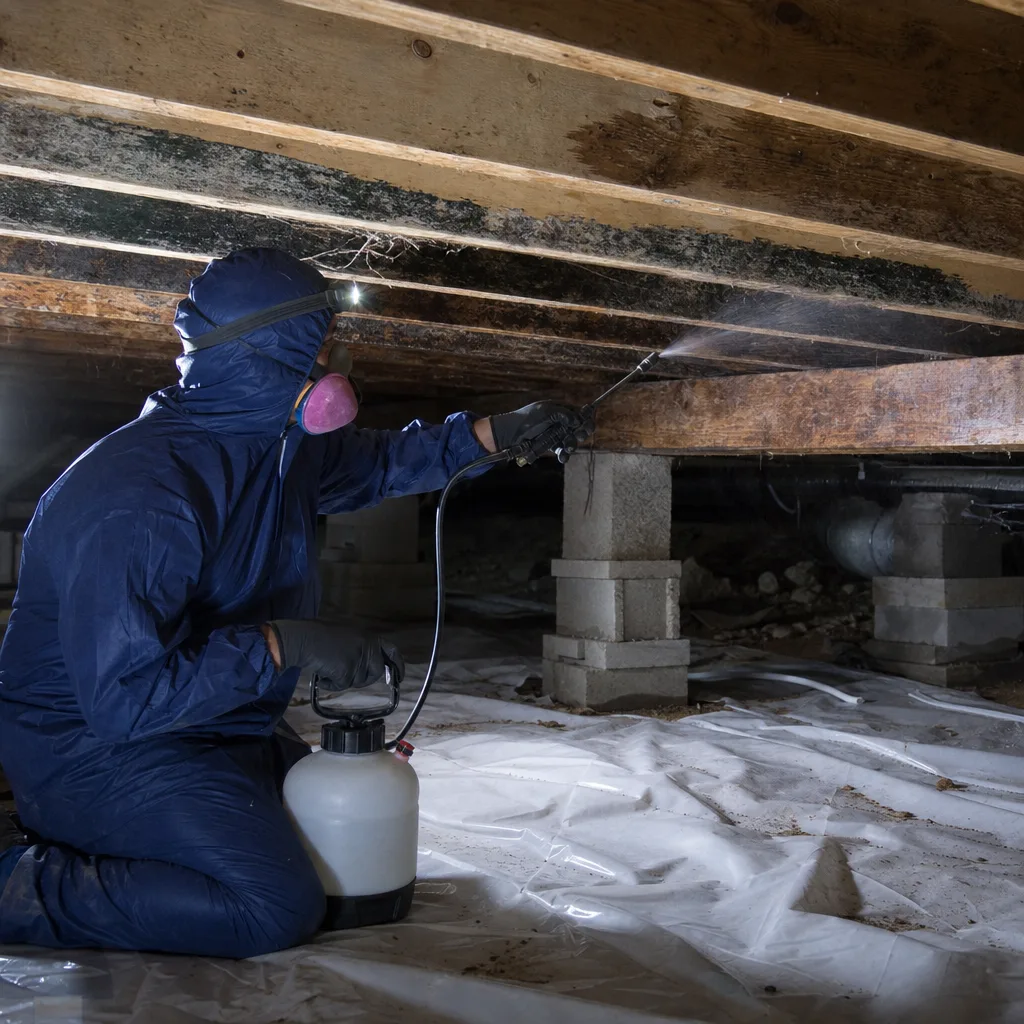
Stachybotrys chartarum and other toxigenic molds require enhanced containment and personal protective equipment. In Auburn, black mold in crawl spaces often traces to chronic groundwater intrusion rather than acute flooding, meaning the remediation scope must address ongoing moisture management or the colony returns. We document pre-loss condition, establish containment with HEPA filtration, and produce written verification of clearance sampling before containment is removed. Every step is photographed for the insurance file.
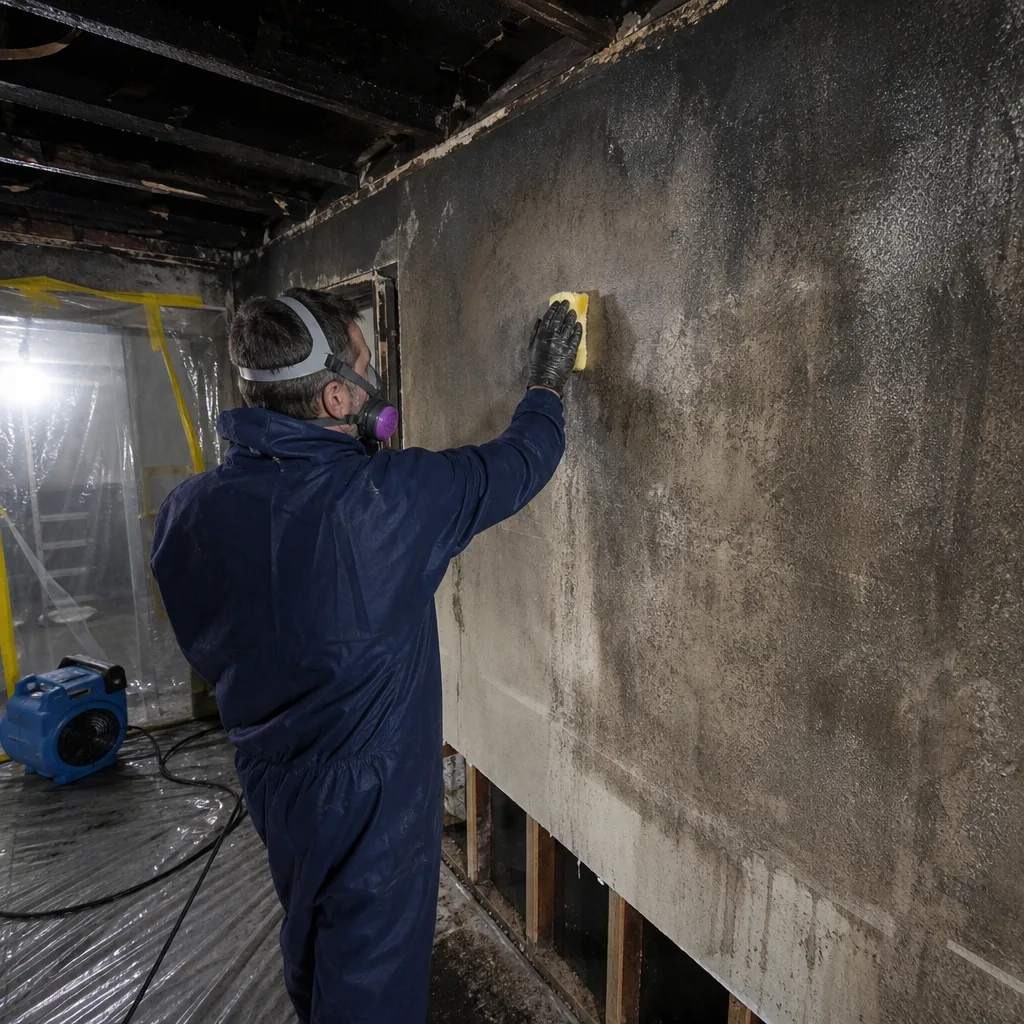
Air Quality Restoration
Post-remediation air quality in Auburn homes requires more than surface cleaning. We deploy HEPA air scrubbers and measure particle counts to verify that airborne spore levels have returned to background conditions. For Auburn properties with forced-air heating systems, we inspect ductwork for cross-contamination and recommend cleaning when spore counts warrant it. Our air quality reports include before-and-after measurements, equipment run-time documentation, and the drying logs that support insurance reimbursement.
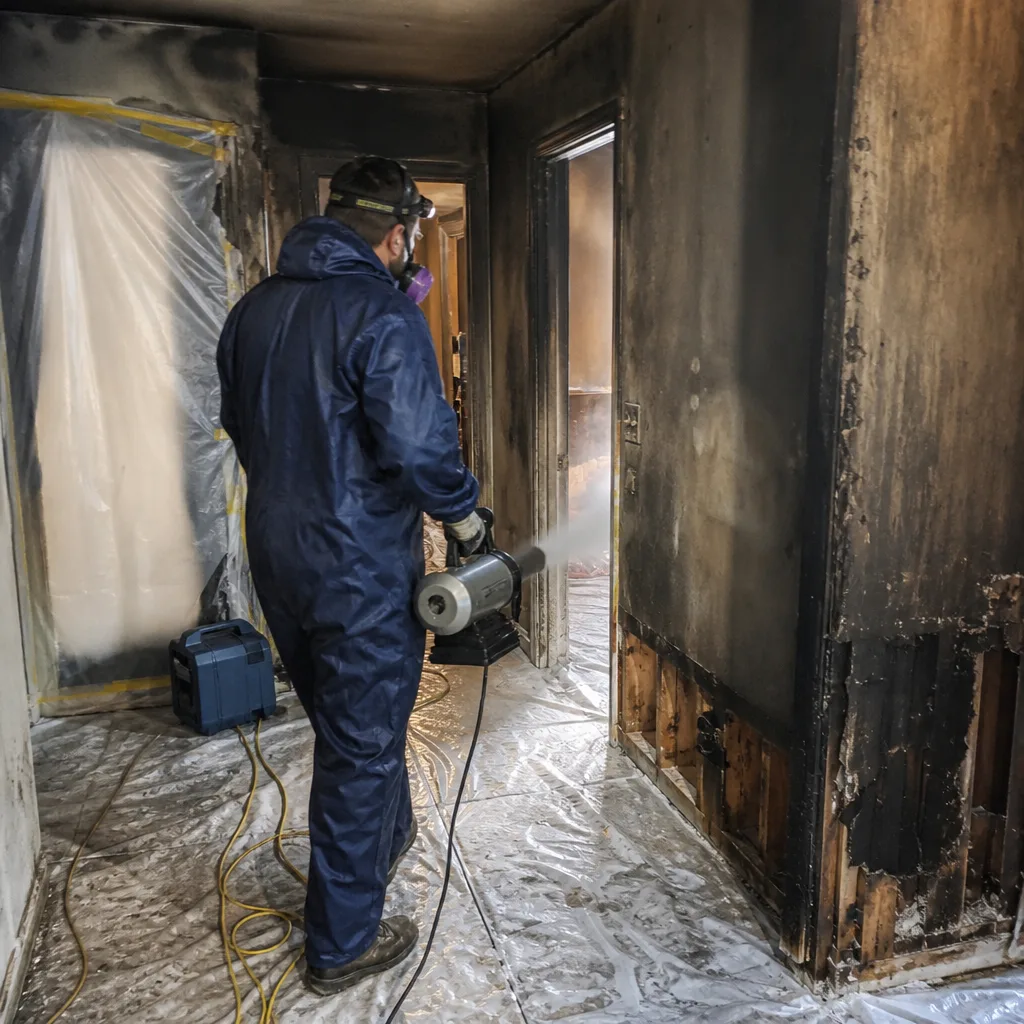
Crawl Space Treatment
Crawl space mold is the defining remediation challenge in Auburn. The combination of shallow crawl spaces over alluvial soils, aging or absent vapor barriers, and the seasonal water table rise creates conditions where mold colonizes floor joists, insulation, and subflooring without any roof or plumbing failure. Our crawl space treatment includes structural drying with Injectidry and Dri-Eaz equipment, antimicrobial application to remaining framing, and moisture barrier installation or repair. We write the scope to distinguish groundwater-driven events from plumbing losses - a distinction that matters for coverage in FEMA-designated zones.
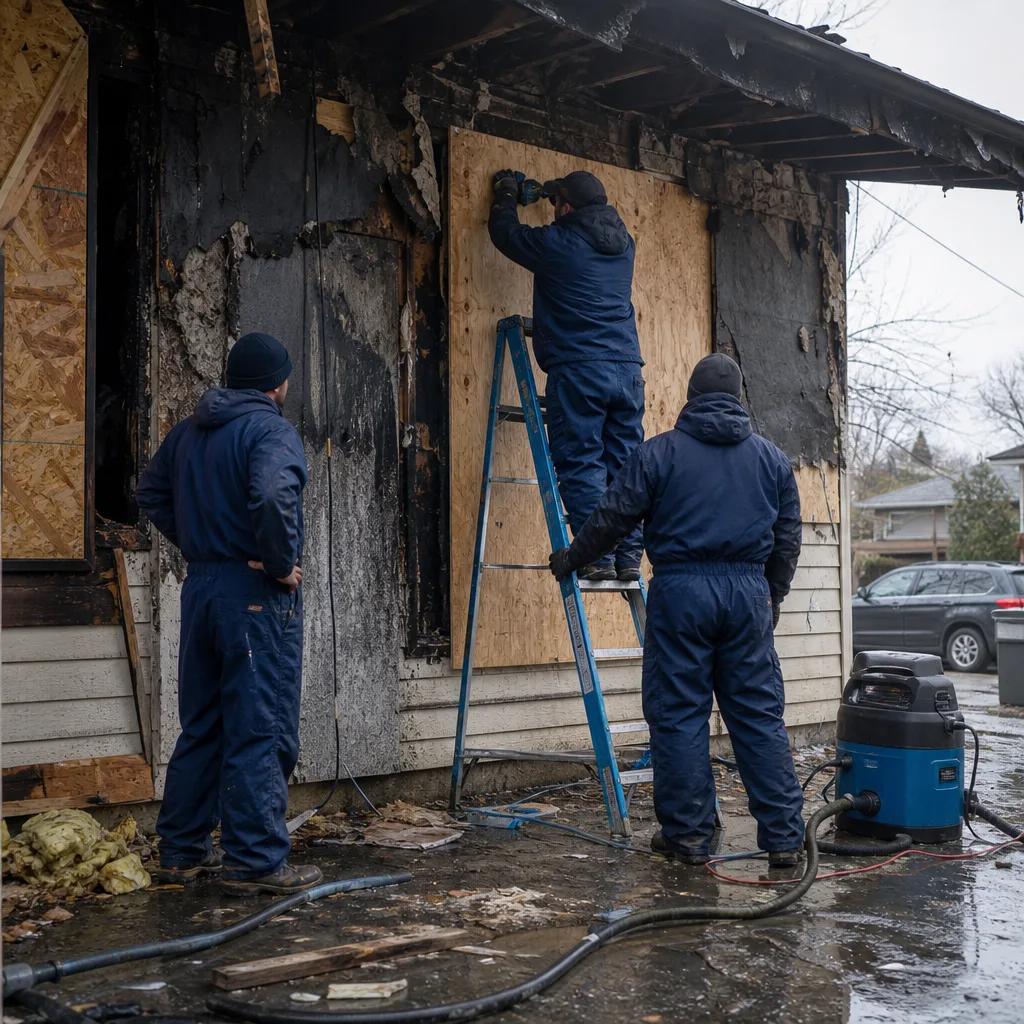
Moisture & Humidity Control
Long-term mold prevention in Auburn requires controlling the moisture source, not just removing the mold. For valley-floor homes, we assess drainage, sump pump capacity, and foundation waterproofing as part of the remediation scope. For hillside properties in Lea Hill, we evaluate surface water routing and downspout discharge. Our moisture control recommendations are written, priced, and documented - Haven Standard, Clause 1 applies to prevention work too.
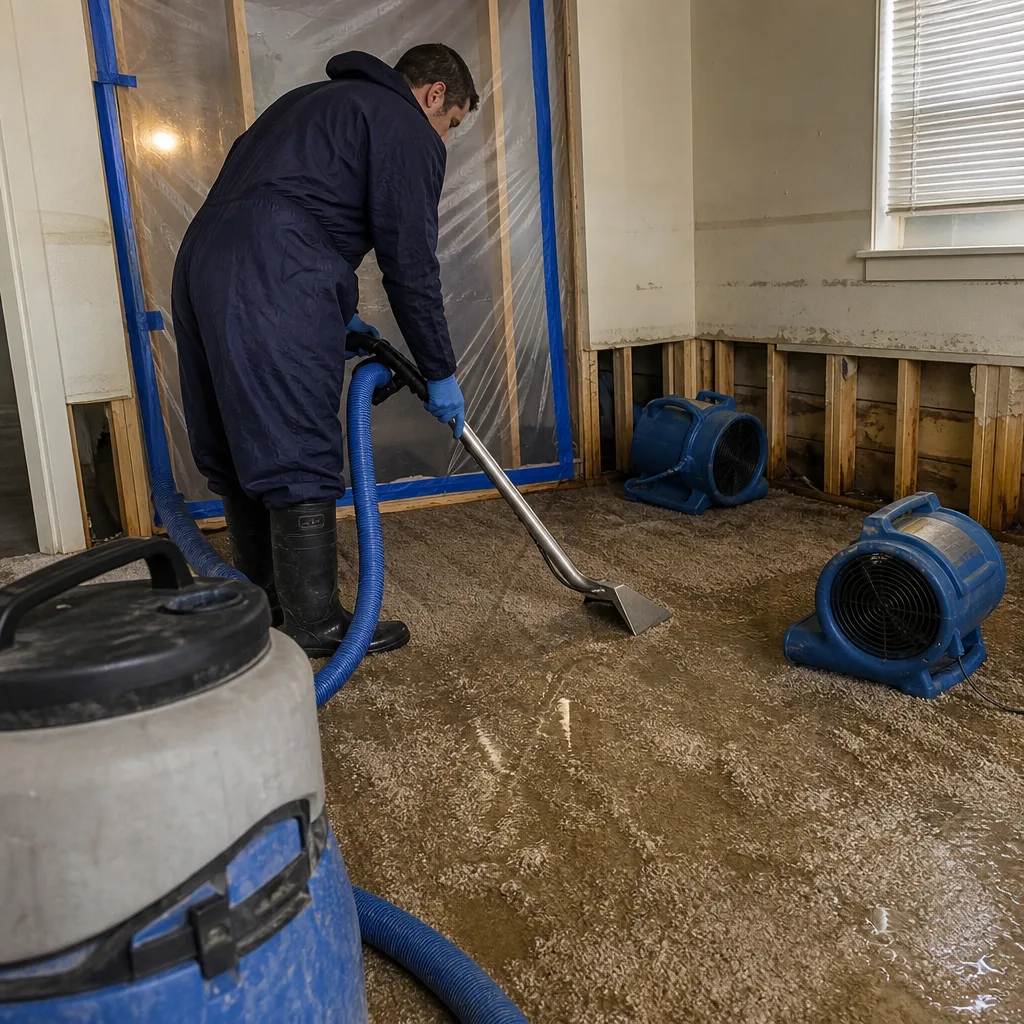
What happens when you call
- 1
A real person answersNo phone trees - you reach a local pro.
- 2
You get an upfront price rangeHonest numbers before anyone is dispatched.
- 3
A background-checked tech heads outLicensed & insured, dispatched right away.
- 4
You approve before work beginsNothing starts until you say go.
BeforeAfterTrusted Brands We Service in Auburn
We deploy professional-grade drying and remediation equipment from Dri-Eaz, Phoenix, and XPOWER on Auburn jobs - brands specified by IICRC, RIA, and IFA standards for structural drying and mold remediation. Our Seattle warehouse stocks replacement filters, hoses, and containment materials for rapid deployment to Auburn, so equipment failures don’t delay drying progress. For crawl space jobs in Auburn’s manufactured home communities, we maintain specialized low-clearance dehumidifiers and flexible ducting that fits tight spaces without compromising airflow rates.
Common Mold Remediation Problems We See in Auburn Homes
- Groundwater-driven crawl space mold treated as a one-time plumbing loss. Without addressing the seasonal water table rise through vapor barriers, drainage improvement, or dehumidification, mold recolonizes by the next rainy season. We scope the moisture source, not just the visible colony.
- Visible mold confined to crawl space while wicking goes undetected in living spaces. Category 2 or 3 water from groundwater intrusion can migrate into subfloor and wall cavities without showing surface stains. Our moisture mapping checks the living space even when the crawl space looks like the only problem.
- Incomplete documentation complicating insurance claims in FEMA flood zones. Auburn properties in designated flood zones require clear distinction between groundwater intrusion and flood events for coverage purposes. Our drying logs, photo records, and written scopes provide that documentation as standard, not as an upsell.
- Sump pump failures during King County multi-day rain events flooding manufactured home undercarriages. Auburn’s manufactured home parks on alluvial fill see rapid water table rise during sustained rainfall. A single overnight pump outage can saturate insulation and belly board, creating mold conditions that require specialized containment and drying protocols different from site-built home remediation.
Pricing for Mold Remediation in Auburn, WA
| Service | Typical Range in Auburn |
|---|---|
| Mold inspection & moisture mapping | $250-$450 |
| Crawl space mold remediation (up to 1,000 sq ft) | $1,200-$2,800 |
| Whole-home mold remediation with air quality restoration | $3,500-$7,500 |
| Black mold / toxigenic species remediation | $2,500-$6,000 |
| Moisture barrier installation (crawl space) | $800-$2,200 |
Auburn pricing reflects the valley-floor conditions that drive our work: groundwater-driven jobs often require more extensive moisture mapping, longer drying cycles, and documentation that distinguishes insurance-covered events from maintenance issues. Every estimate is written and delivered before work begins - Haven Standard, Clause 1. Bring a competitor’s written quote and we’ll review it at no charge. Call (425) 696-6320.
We Also Serve Cities Near Auburn
Our crews work throughout the Green River Valley and surrounding plateau communities, including Auburn, Federal Way, Kent, Renton, and Mercer Island. Each city’s geography drives different mold conditions - we scope accordingly. For our full service area and capabilities, see our Mold Remediation hub page.
Serving Auburn, WA - Our Local Coverage Area
We’re based in the Auburn area and know this community well. Use the map below to see our service coverage - if you’re nearby, we can almost certainly help.
FAQs - Mold Remediation in Auburn
The mold is likely driven by lateral groundwater pressure, not plumbing. Auburn’s position on the Green River Valley floor pushes the water table to within a few feet of grade each winter, creating persistent moisture against foundations and crawl spaces from October through March regardless of pipe condition. We scope for groundwater management - vapor barriers, drainage, dehumidification - not just surface mold removal. Call (425) 696-6320 for moisture mapping that identifies the true source.
Mold colonization can begin in 24-72 hours under favorable conditions, and Auburn’s alluvial soils and limited crawl space ventilation create favorable conditions quickly. In valley-floor homes, groundwater saturation provides both moisture source and temperature stability that accelerates growth compared to drier plateau locations. We recommend emergency drying within 48 hours of any crawl space flooding. Our 24-hour live dispatch can deploy containment and drying equipment same-day.
Yes. Properties in FEMA-designated flood zones require documentation that distinguishes groundwater intrusion from flood events, as coverage and deductible structures differ. Our scopes include pre-loss condition photos, moisture source classification, and drying logs that support adjuster review. We write the scope to reflect what we find, not what simplifies paperwork.
We deploy Dri-Eaz and Injectidry low-grain refrigerant dehumidifiers, Phoenix HEPA air scrubbers for containment, and thermal imaging to track moisture migration in subfloor assemblies. For tight manufactured home crawl spaces, we use XPOWER axial fans with flexible ducting to maintain airflow in confined areas. All equipment is documented to IICRC, RIA, and IFA standards with daily drying logs.
Yes. Manufactured home undercarriages have limited ventilation, fiberglass belly board that traps moisture, and chassis members that create condensation points. The remediation approach differs: we use specialized containment to protect the living space from below, remove saturated belly board insulation, and dry the cavity with directed airflow rather than standard crawl space protocols. Our written scope addresses the specific construction type, not a generic mold remediation template.
Written by Alicia Brennan, Owner at Back to Dry Restoration, serving Auburn since 2011.