
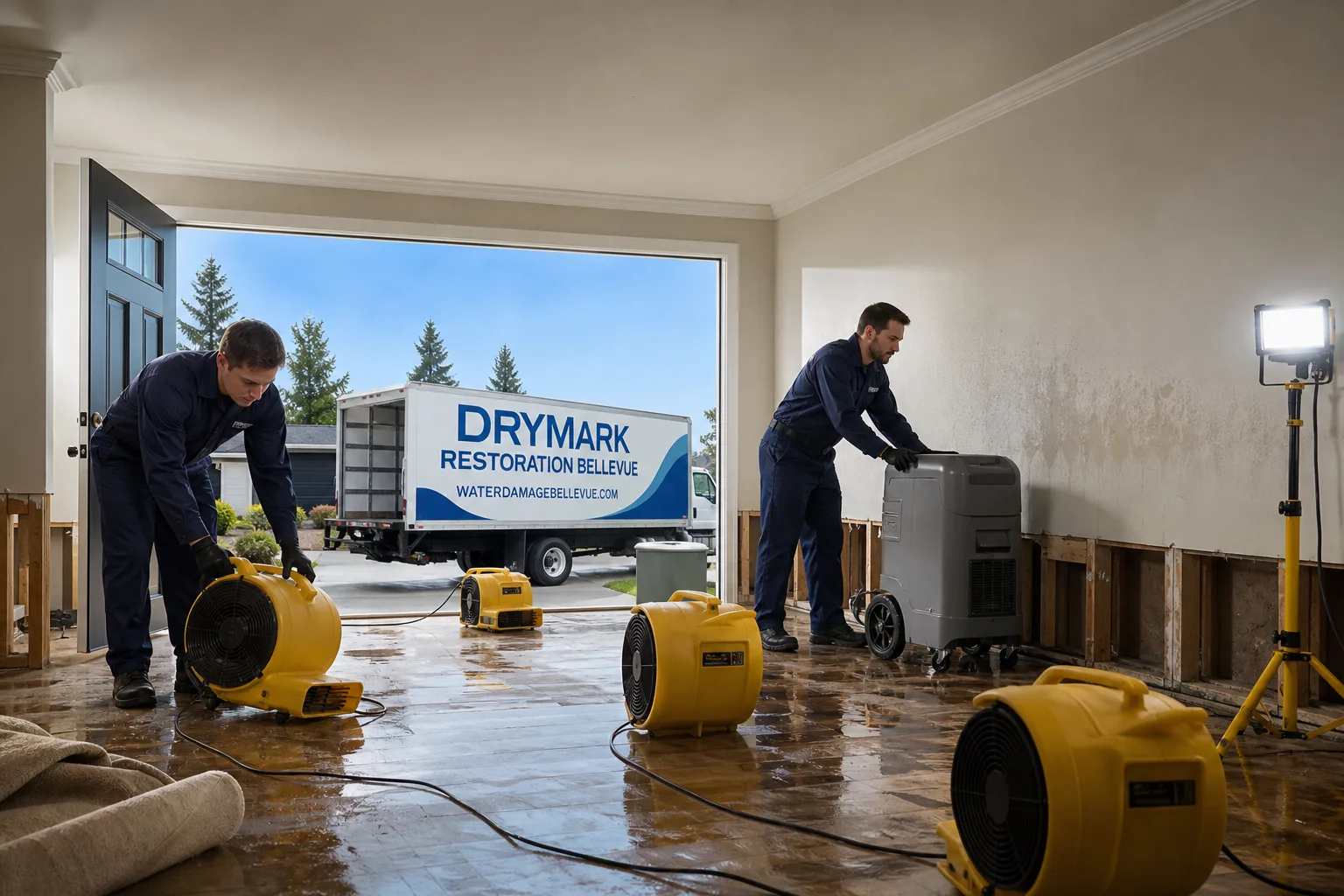
Free visual inspection and a written scope of work before any mitigation begins - photos, moisture readings, and drying logs go in your claim file
The scope we write is the scope we bill. Anything new gets shown to you, in writing, before we touch it.
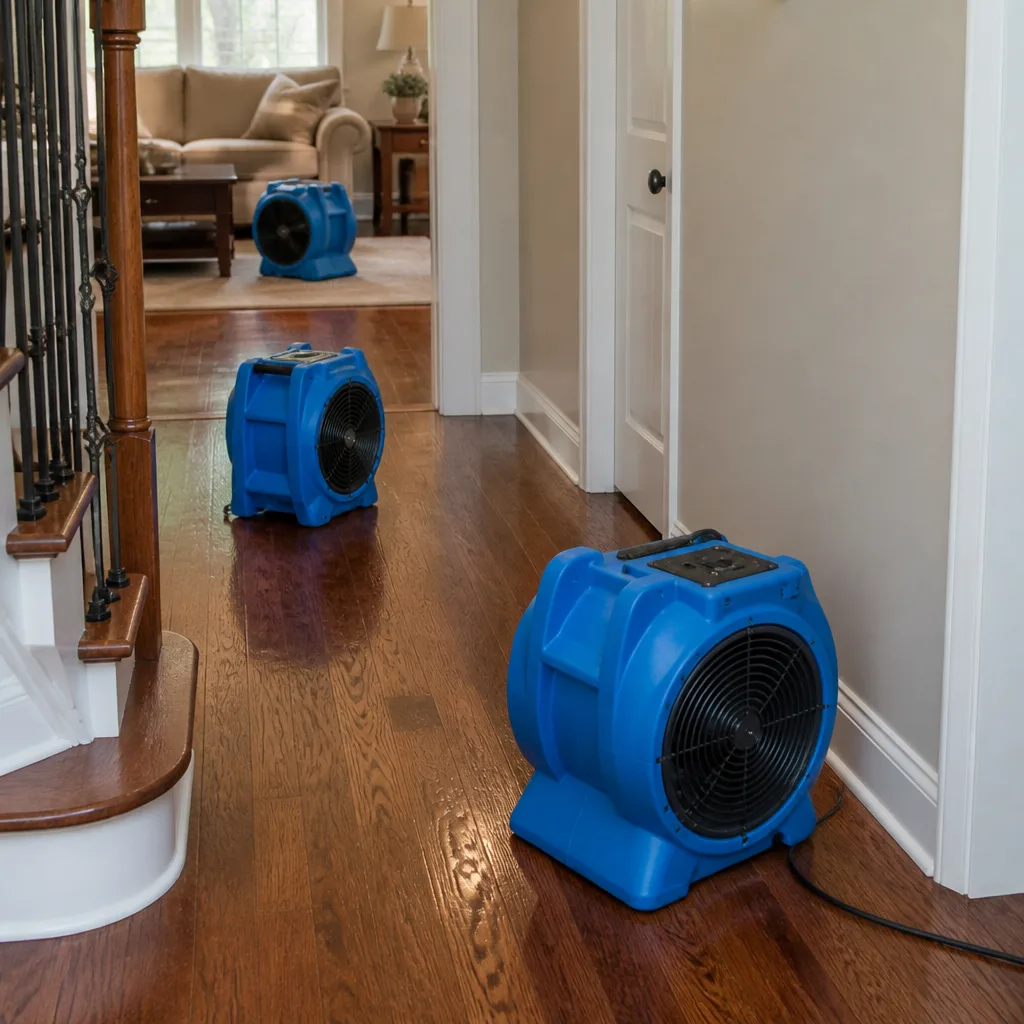
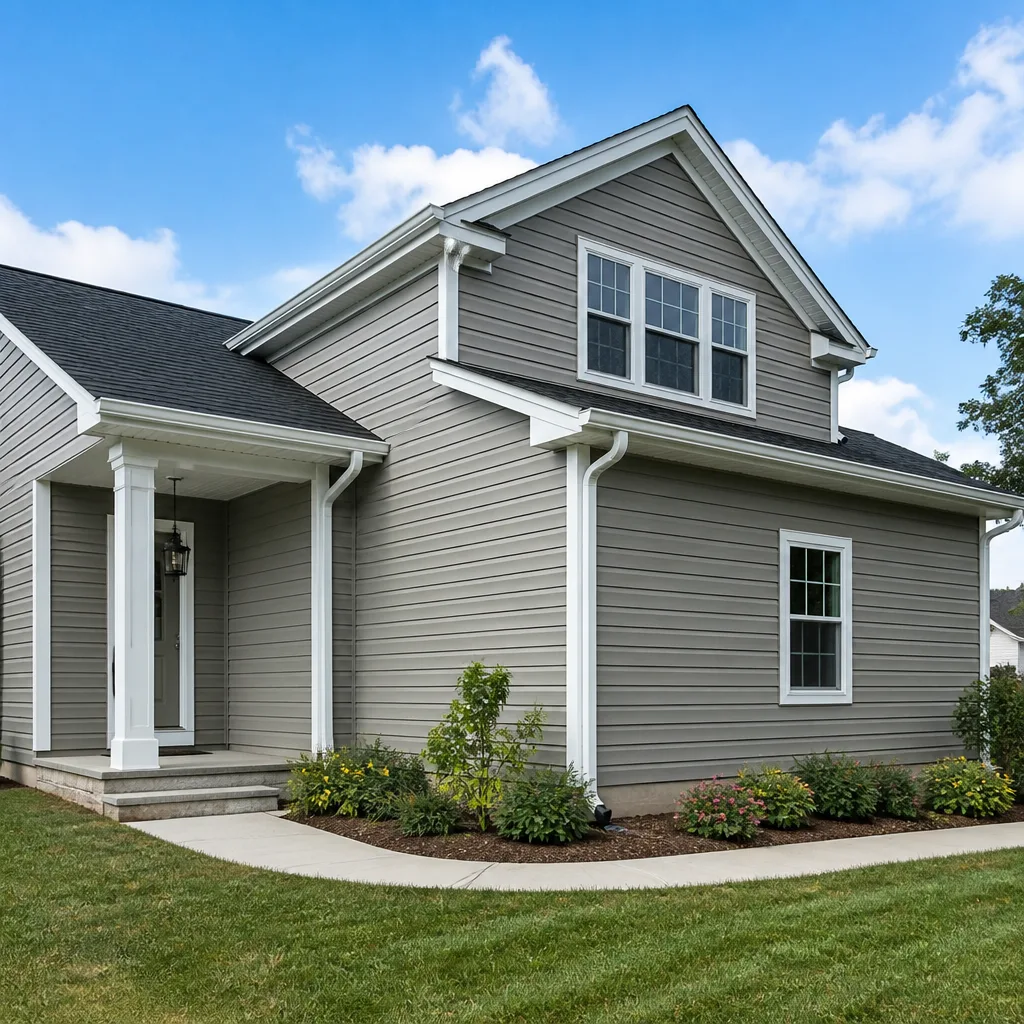
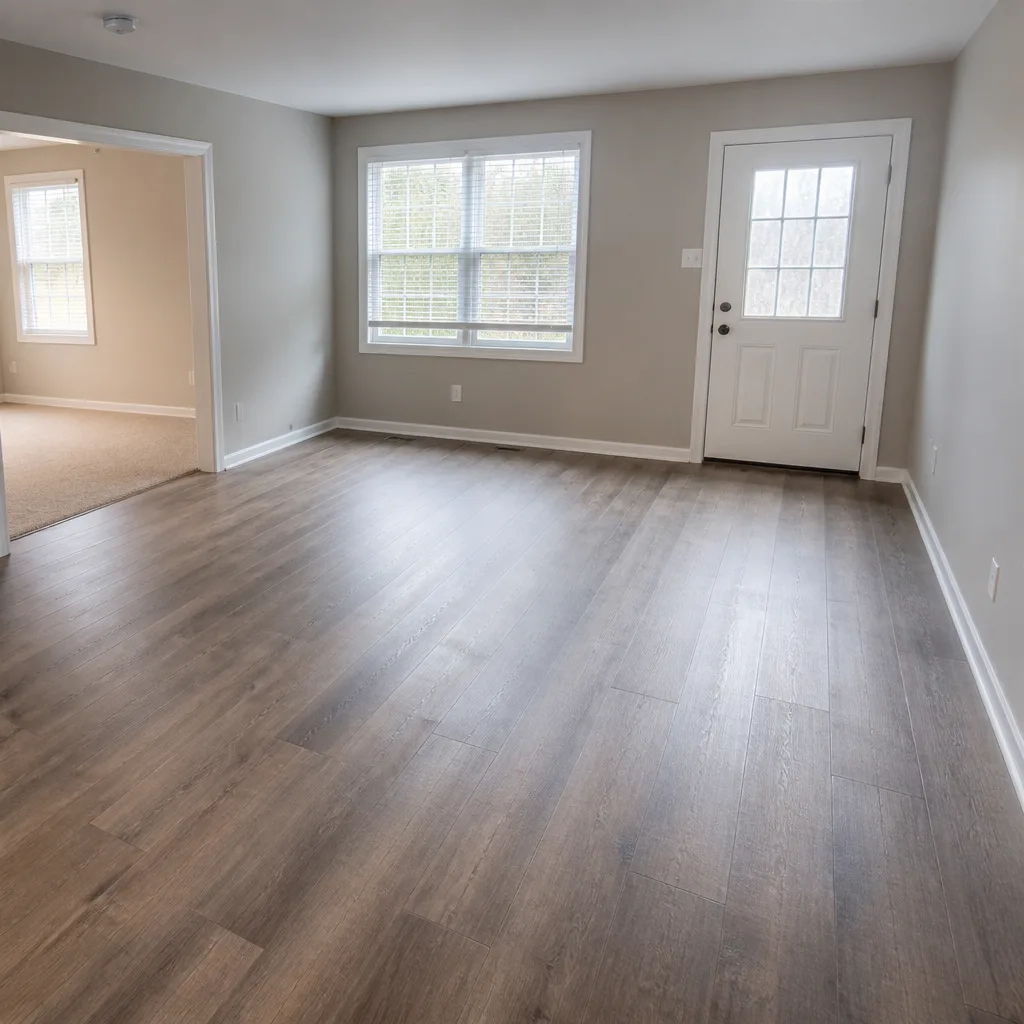
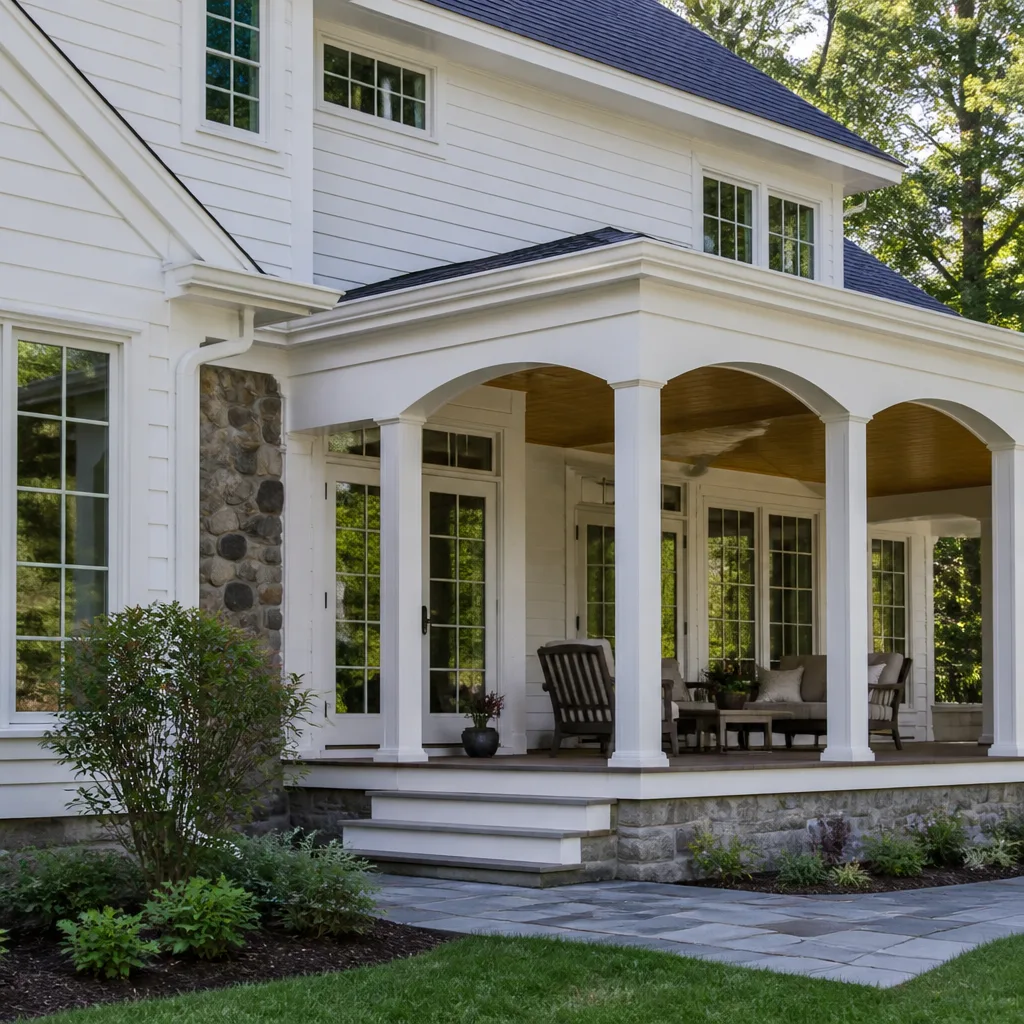
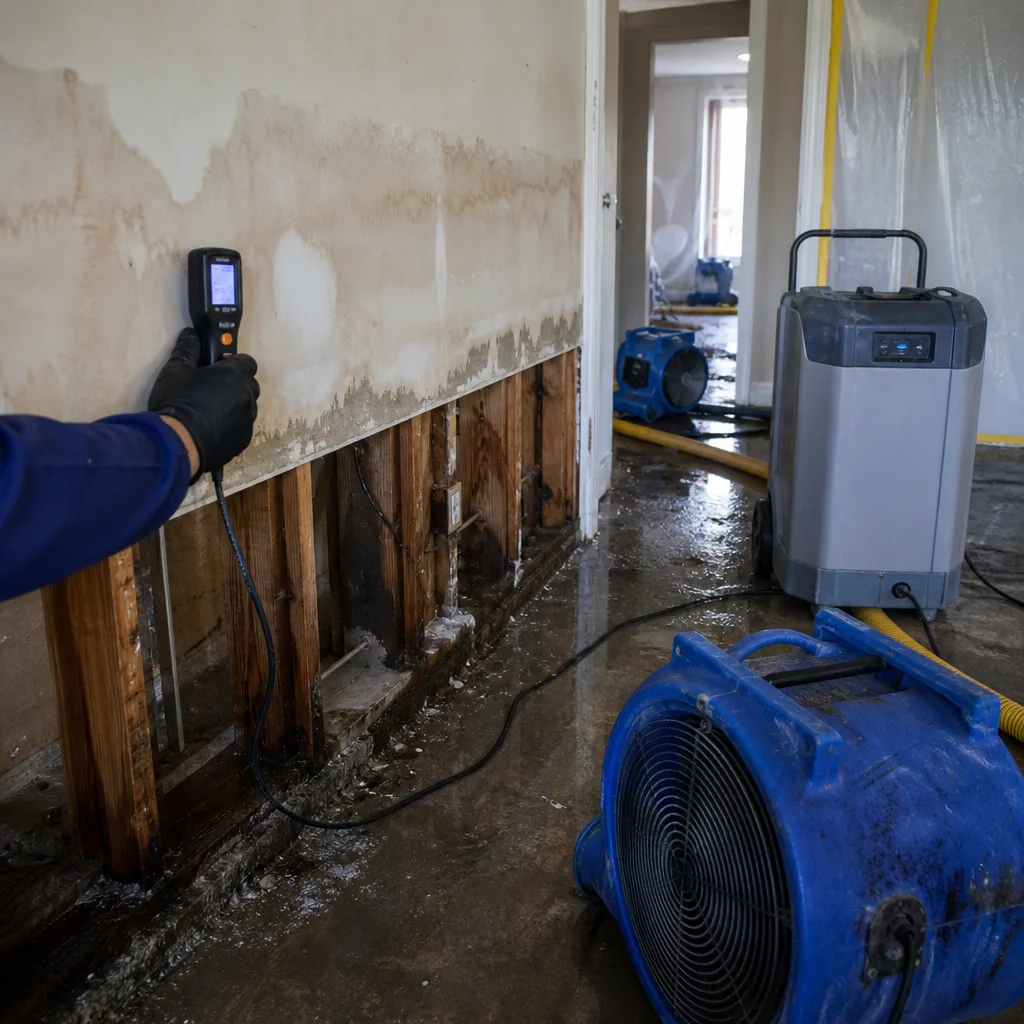 Before
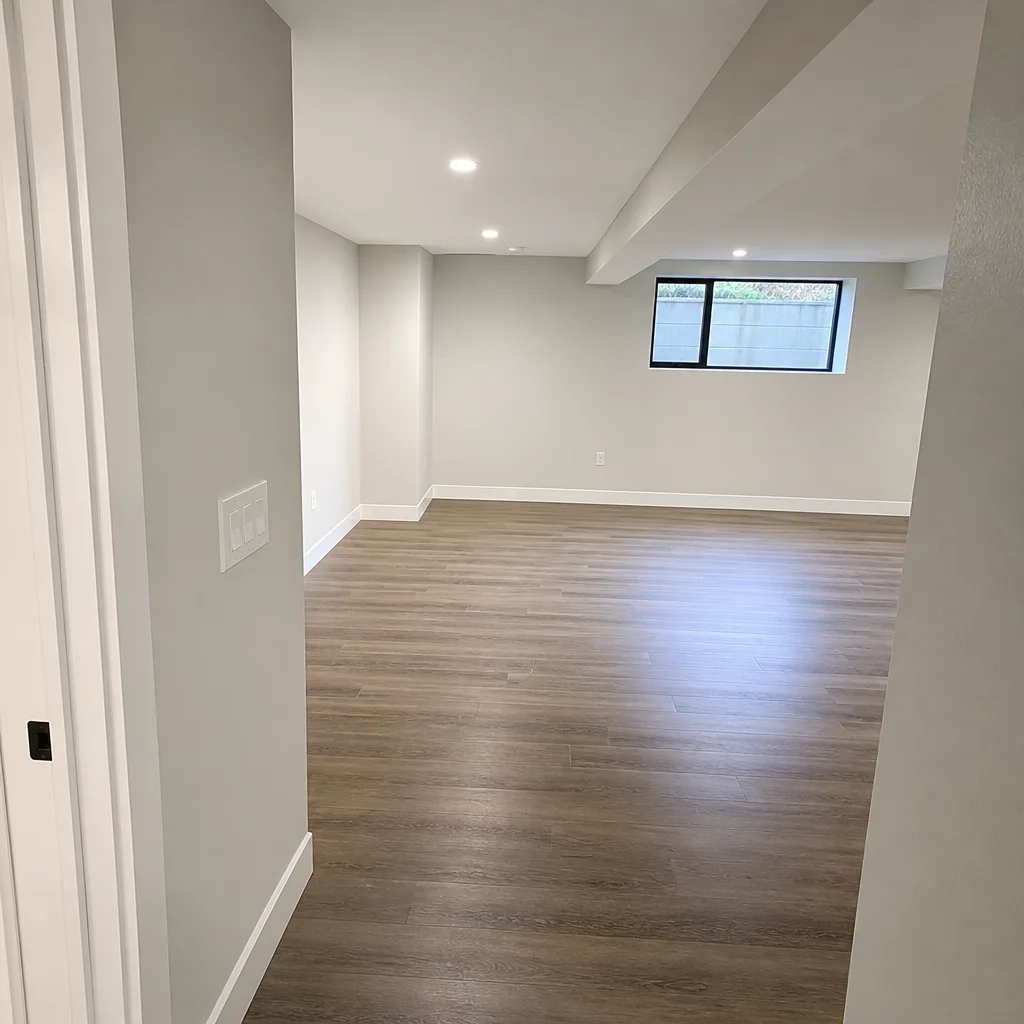 After
After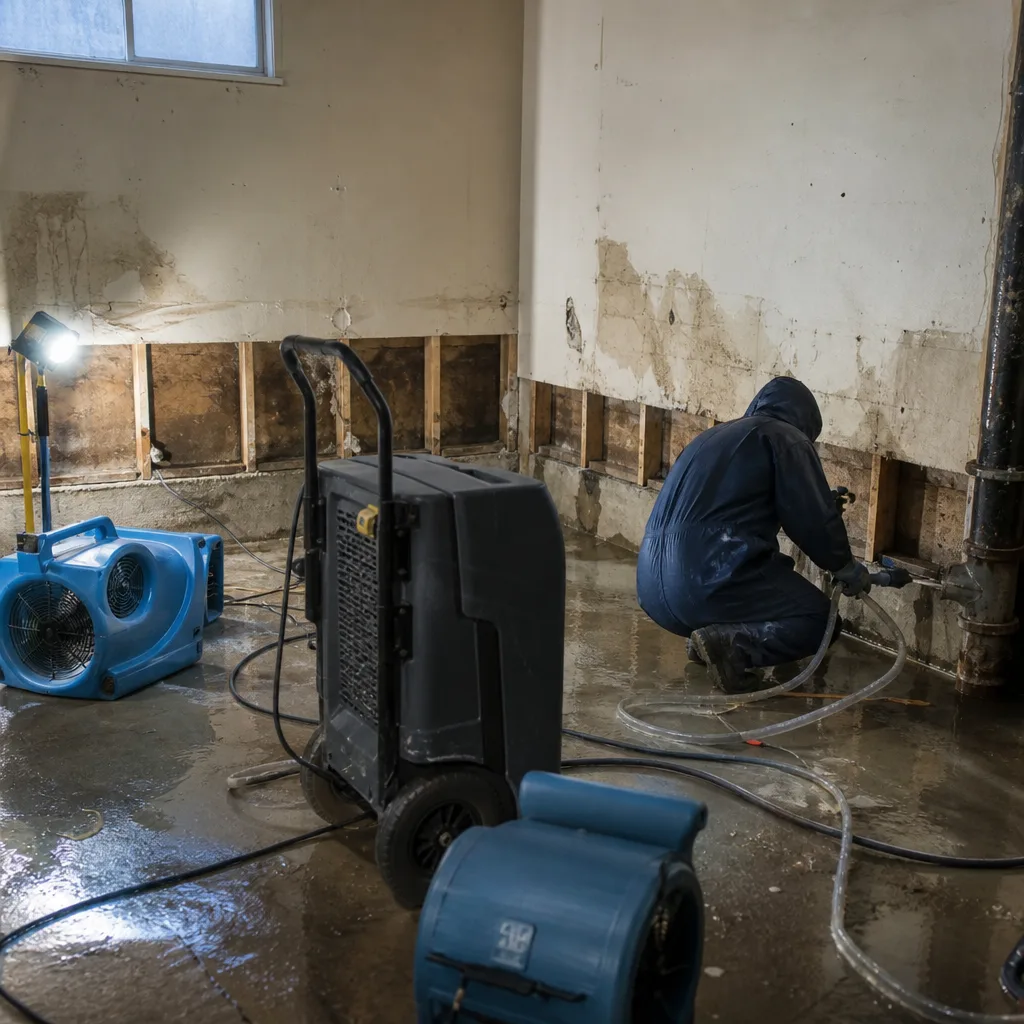 Before
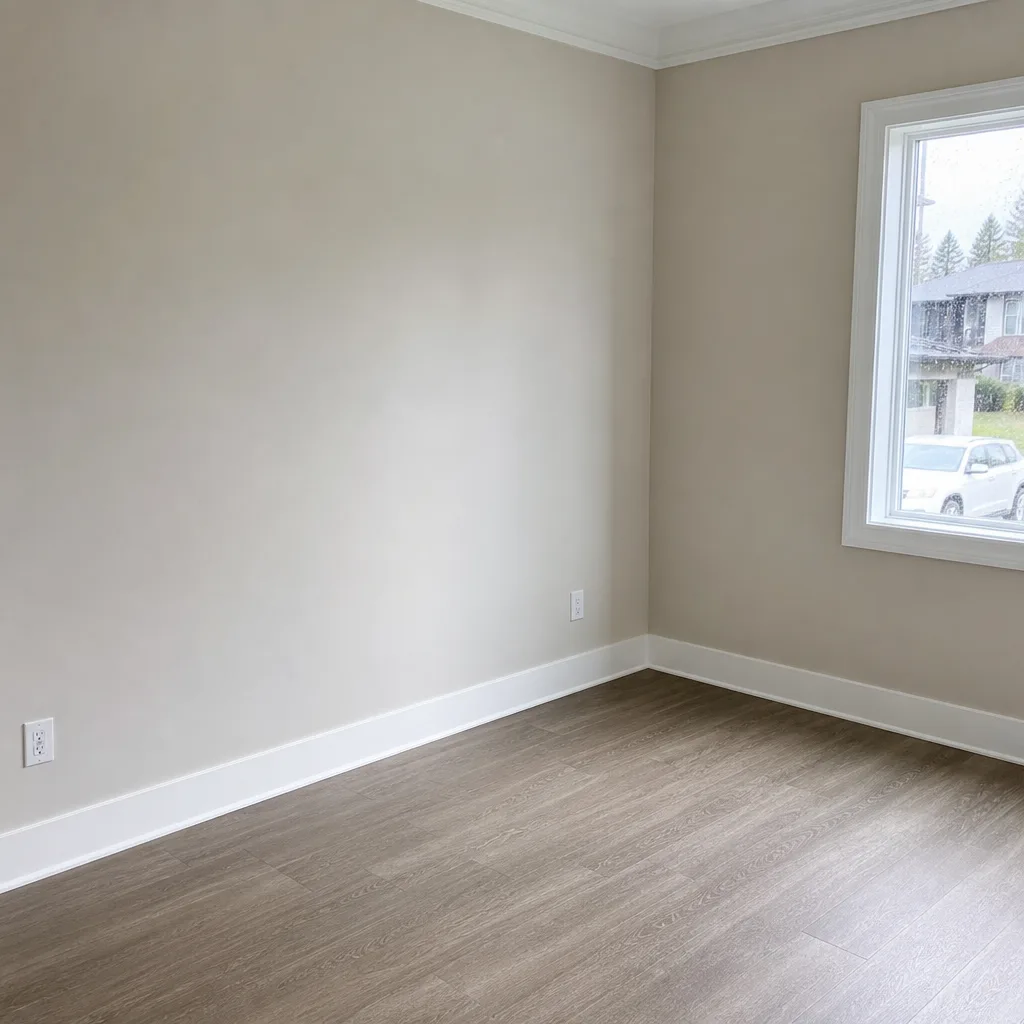 After
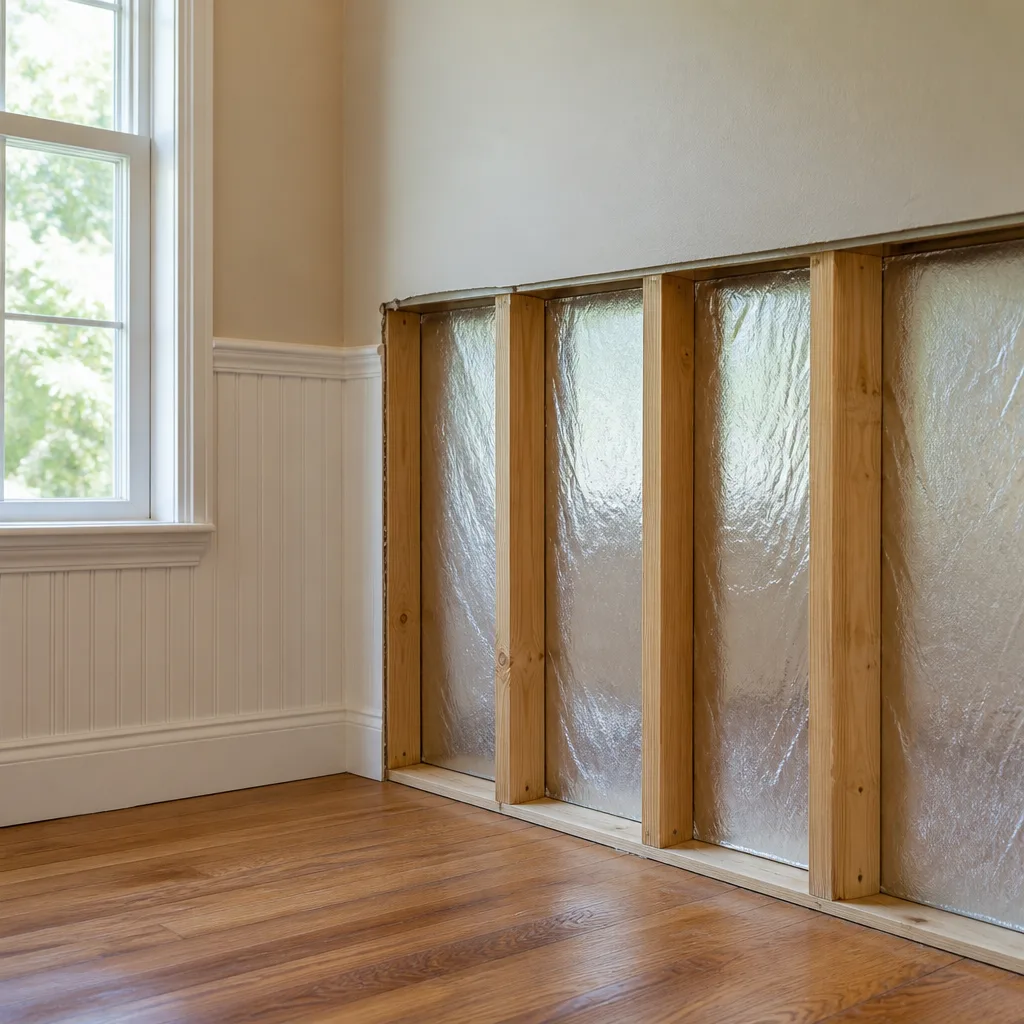
After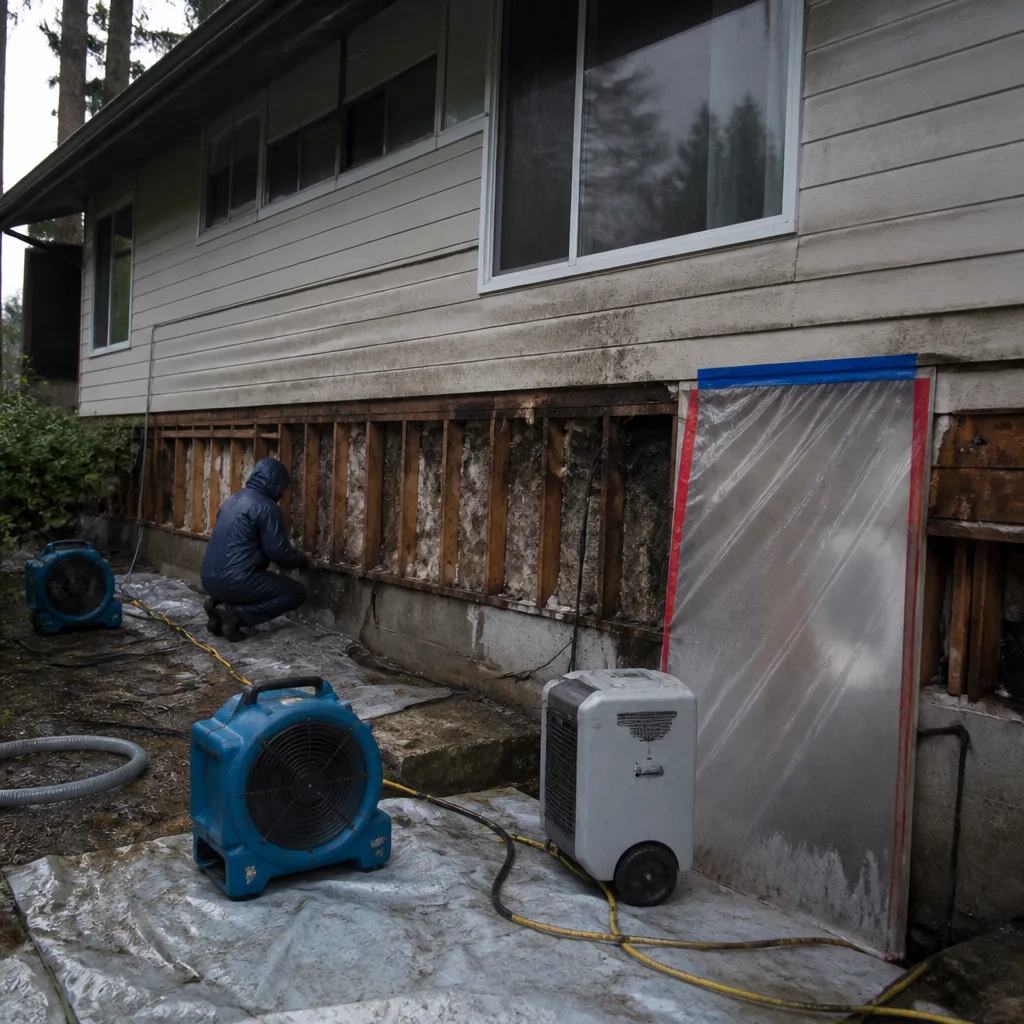 Before
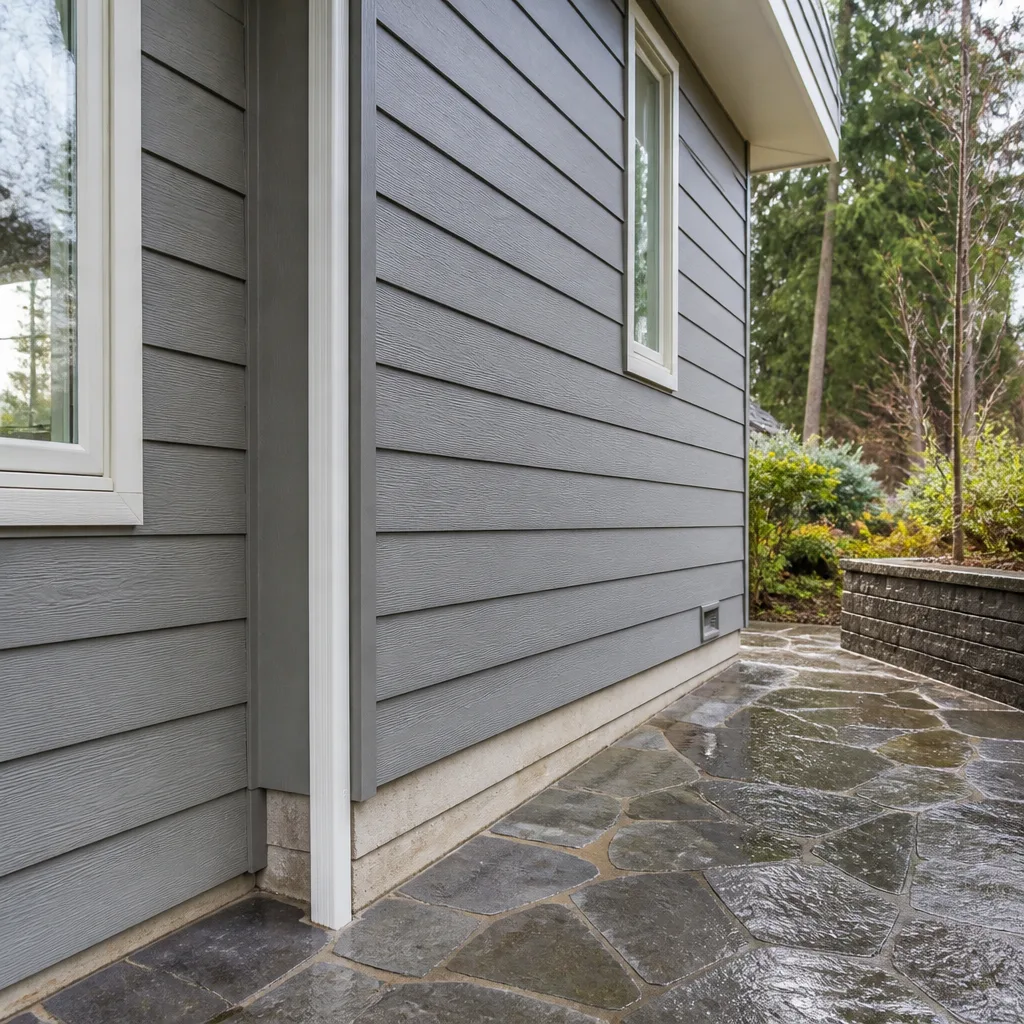 After
AfterFast, Reliable Fire & Smoke Damage Restoration Across Seattle
Fire and smoke damage restoration in Seattle typically runs $4,200-$18,500 depending on the square footage affected, the materials burned, and whether smoke has penetrated into crawl spaces or wall cavities. Most Seattle homeowners need emergency board-up within hours, followed by soot removal, odor deodorization, and often moisture management in the home’s subfloor areas. Call (425) 696-6320 any time, day or night, and a live person will answer. Our Seattle office coordinates dispatch directly, and crews are usually on-site in Seattle neighborhoods within 60-90 minutes.
We’ve restored homes from Ballard to Capitol Hill since 2011, and we’ve learned that Seattle fire jobs almost always carry a second problem beneath the first: salt-air corrosion that has already weakened hardware, and marine moisture that keeps smoke residue active in crawl spaces long after the flames are out. Our Fire & Smoke Damage Restoration team documents every finding with photos, moisture readings, and a written scope before any work begins. Haven Standard, Clause 1.
Why DryMark Restoration Bellevue Is Seattle’s Preferred Fire & Smoke Damage Restoration Company
Seattle homeowners research before they call. They read the three-star reviews. They want to see pricing and documentation promises in writing. We built our company around that exact customer, and our record shows it: 12,000+ homes restored since 2011, every one with a written price before work started and a photo record when the crew left.
Our response time to Seattle averages under 90 minutes from call to arrival. Dispatch runs from our Seattle office, not a distant call center, and crews carry the equipment to begin emergency board-up, tarping, and initial soot removal on the first visit. We serve Seattle homeowners from Magnolia to Madrona, and we know the building stock: the pre-WWII Craftsman bungalows with balloon framing that lets smoke travel vertically, the 1990s wood-frame condos with defective cladding that hides pre-existing moisture, the shallow vented crawl spaces over glacial clay that never fully drain.
Alicia Brennan founded Back to Dry in 2011 after working as a claims adjuster and watching homeowners lose legitimate coverage because restoration contractors failed to document the loss properly. That origin story drives every job we take in Seattle. We don’t sell reassurance. We sell evidence: daily drying logs, room-by-room moisture readings, photo-documented assessments, and a written scope signed before any equipment runs.
Our Fire & Smoke Damage Restoration Services in Seattle
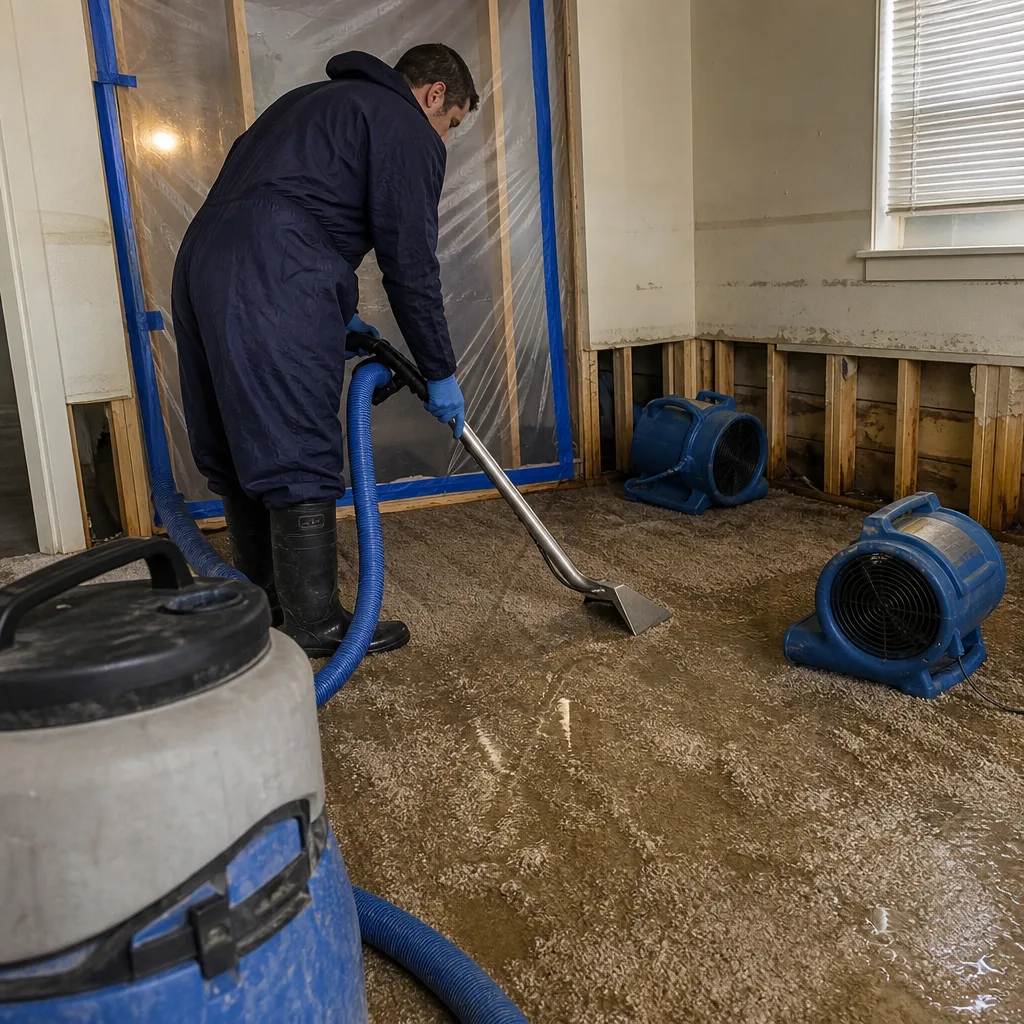
Fire Damage Cleanup
Fire damage cleanup in Seattle starts with structural stabilization and safety assessment. We board up compromised openings, tarp damaged roofs, and evaluate whether framing members can be cleaned and sealed or must be removed. In Seattle’s older housing stock, we frequently find that fire heat has accelerated failure of hardware that was already corroded by salt air. A garage fire in a Ballard bungalow, for example, may require replacement of torsion springs and hinge plates that flaked apart at lower heat thresholds due to years of marine aerosol exposure. Our cleanup protocol includes full hardware assessment, not just surface debris removal.
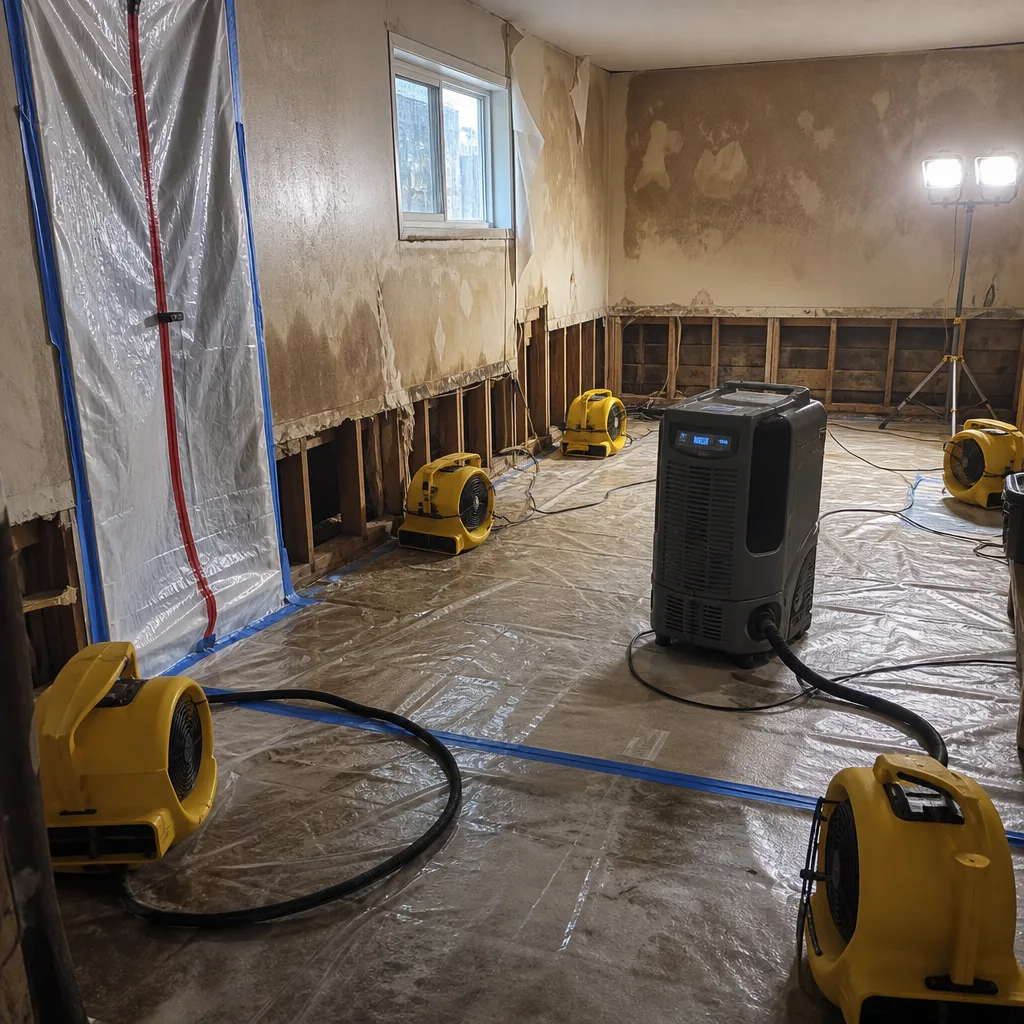
Smoke & Soot Removal
Smoke and soot removal in Seattle demands attention to the city’s persistent humidity. Soot particles are hygroscopic, meaning they attract moisture from the air. In Seattle’s marine climate, that means soot residue stays chemically active longer, etching surfaces and driving odor deeper into porous materials. We use HEPA vacuuming, dry-sponge cleaning, and targeted solvent washing on non-porous surfaces, with full documentation of each step. For pre-WWII Craftsman homes in Wallingford and the Central District, we pay special attention to balloon-framed wall cavities where smoke can migrate between floors without visible damage at the interior surface.
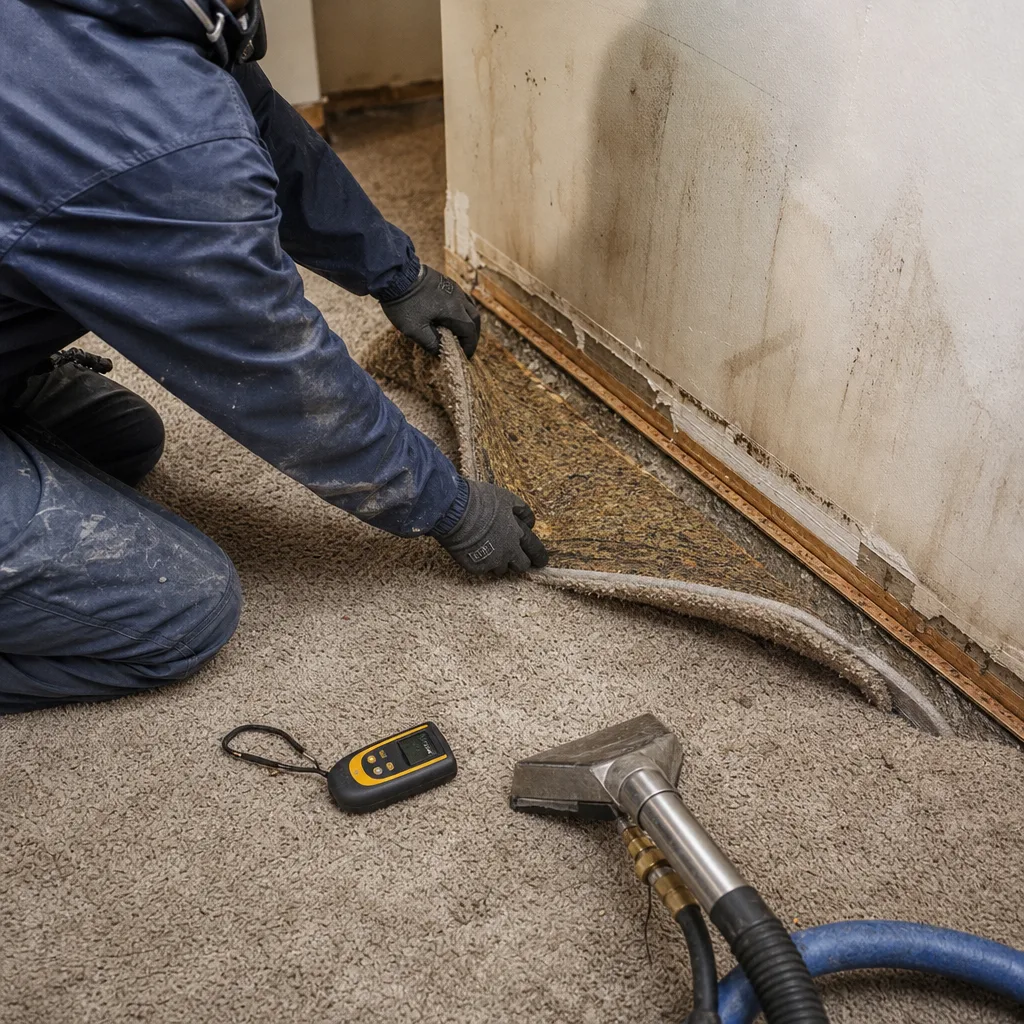
Odor Removal & Deodorization
Odor removal in Seattle often fails when contractors treat it as a surface problem. Smoke odor molecules penetrate into wood framing, insulation, and subfloor joists, especially in homes with chronic moisture that keeps those materials slightly swollen and receptive. Our deodorization protocol includes thermal fogging, ozone treatment where appropriate, and hydroxyl generators for occupied spaces. But the critical step in Seattle is addressing the moisture source: a crawl space with 22% moisture content in joists will continue to re-release smoke odor even after surface treatment. We map moisture, dry to specification, and document the readings that prove the job is complete.
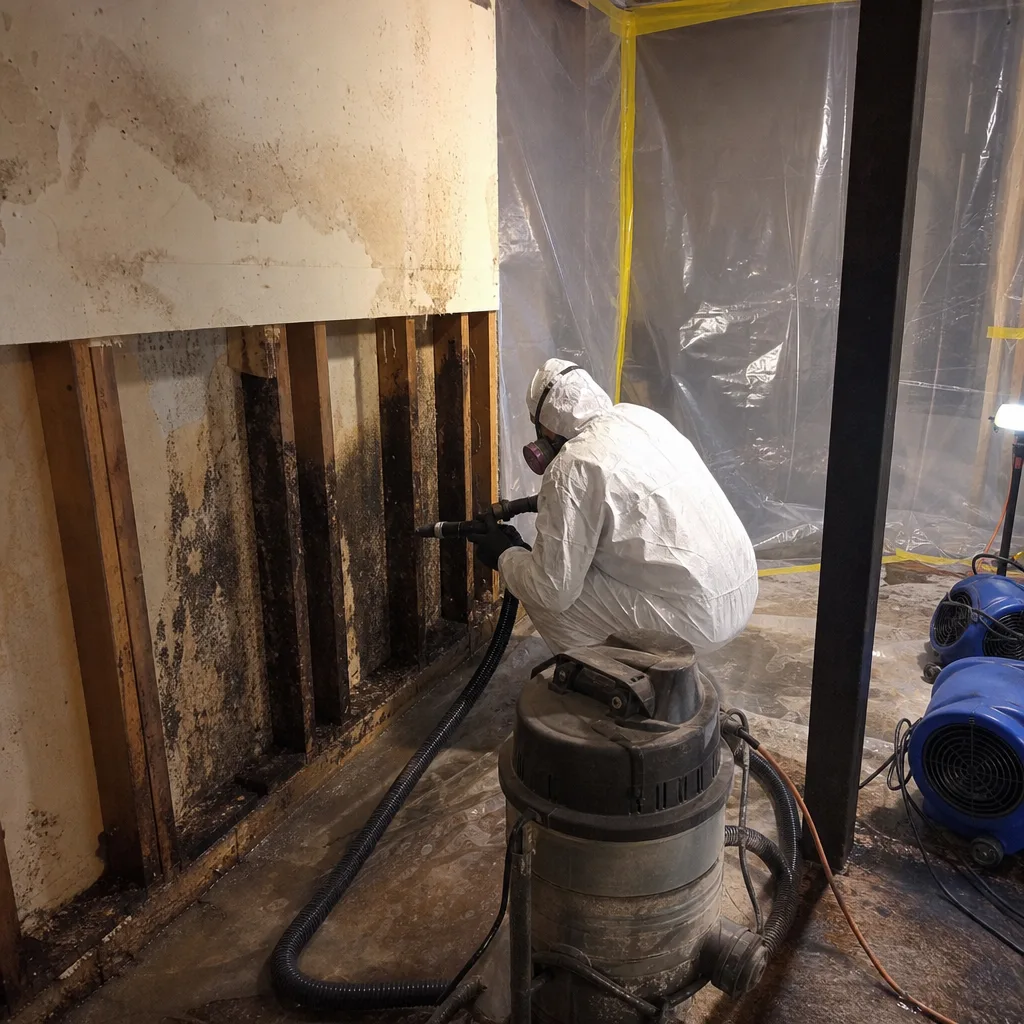
Contents Cleaning & Pack-Out
Contents cleaning and pack-out in Seattle requires inventory documentation that satisfies both the homeowner and the insurance adjuster. We photograph every item before it leaves the premises, clean salvageable contents at our facility using ultrasonic and specialized textile processes, and store items in a climate-controlled environment while structural work proceeds. For smoke-affected electronics and documents, we coordinate specialized restoration vendors and document their scope under our master file. Every item is tracked by barcode, and the homeowner receives a portal login to monitor status.
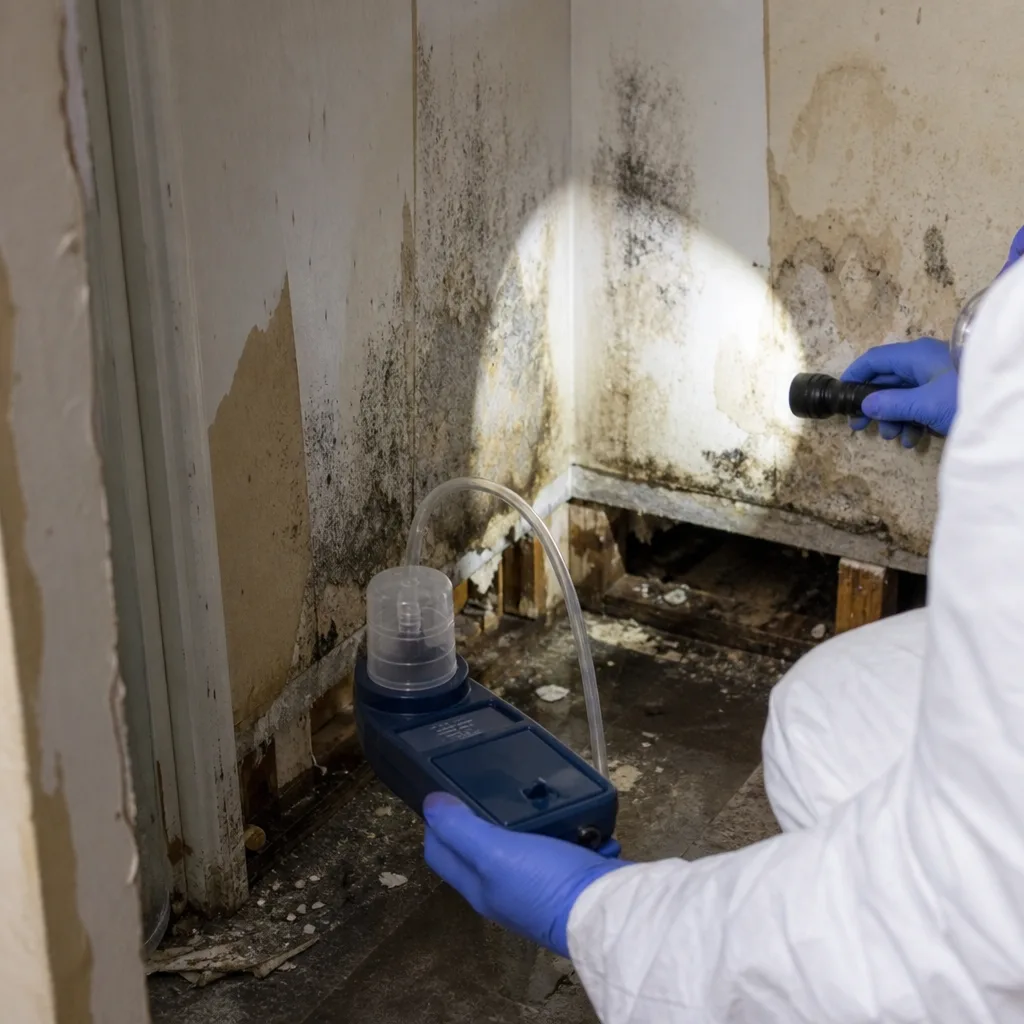
Emergency Board-Up & Tarping
Emergency board-up and tarping in Seattle must account for the city’s wind exposure and near-constant precipitation during the October-May wet season. A fire-damaged roof left exposed will take on water within hours, compounding the loss with secondary water damage and Mold Remediation in Seattle. Our crews carry marine-grade tarping materials and fasten them to withstand Puget Sound wind patterns. We document the pre-existing condition of all exterior surfaces before installation, photograph the secured opening, and provide the insurer with timestamped evidence that mitigates further loss.
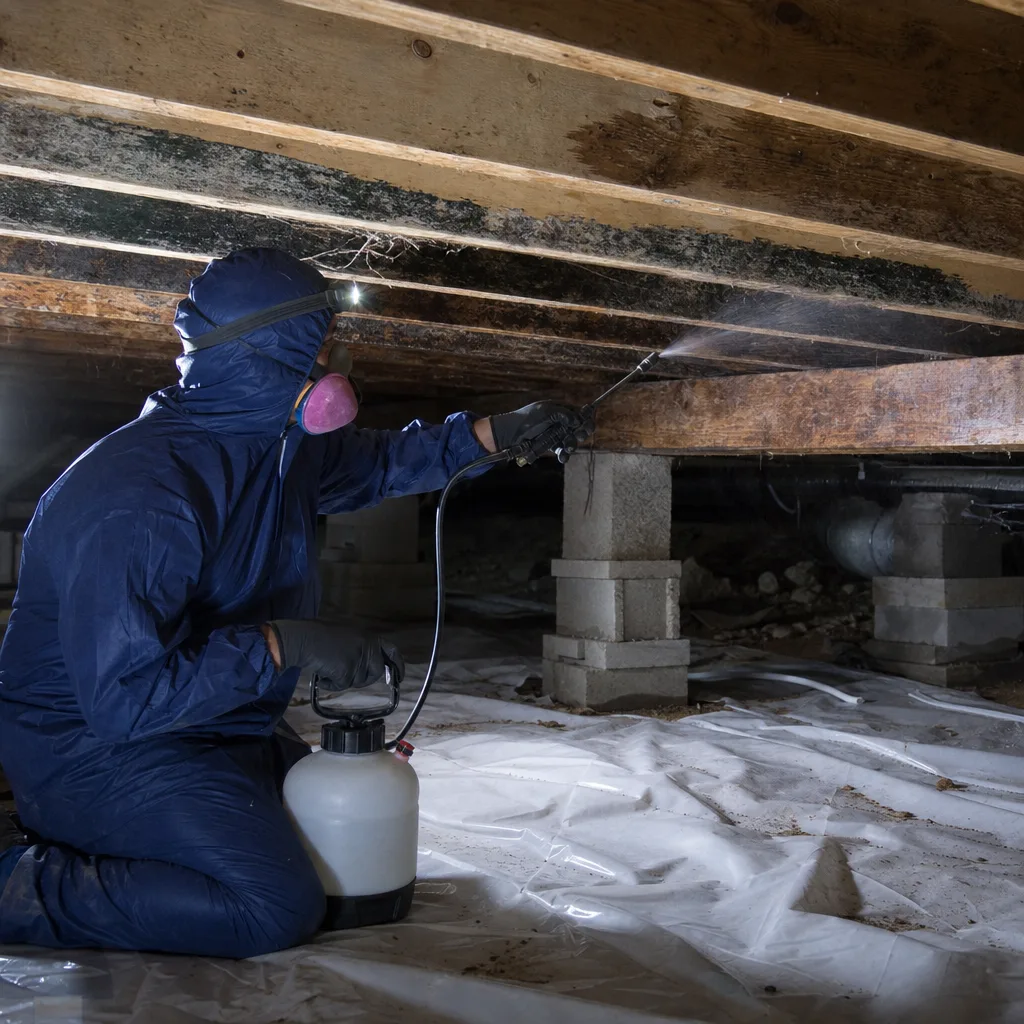
Structural Fire Repair
Structural fire repair in Seattle often reveals pre-existing conditions that must be documented separately from fire damage. Salt-air corrosion on garage-door hardware, rot in subfloor joists from chronic crawl space moisture, and defective cladding on 1990s-2000s condos all require distinct scope lines to preserve insurance coverage. Our written scope separates fire damage from pre-loss conditions, with photo evidence for each. We sister joists, replace corroded hardware with galvanized or stainless equivalents, and coordinate with structural engineers when framing members show combined fire and moisture damage.
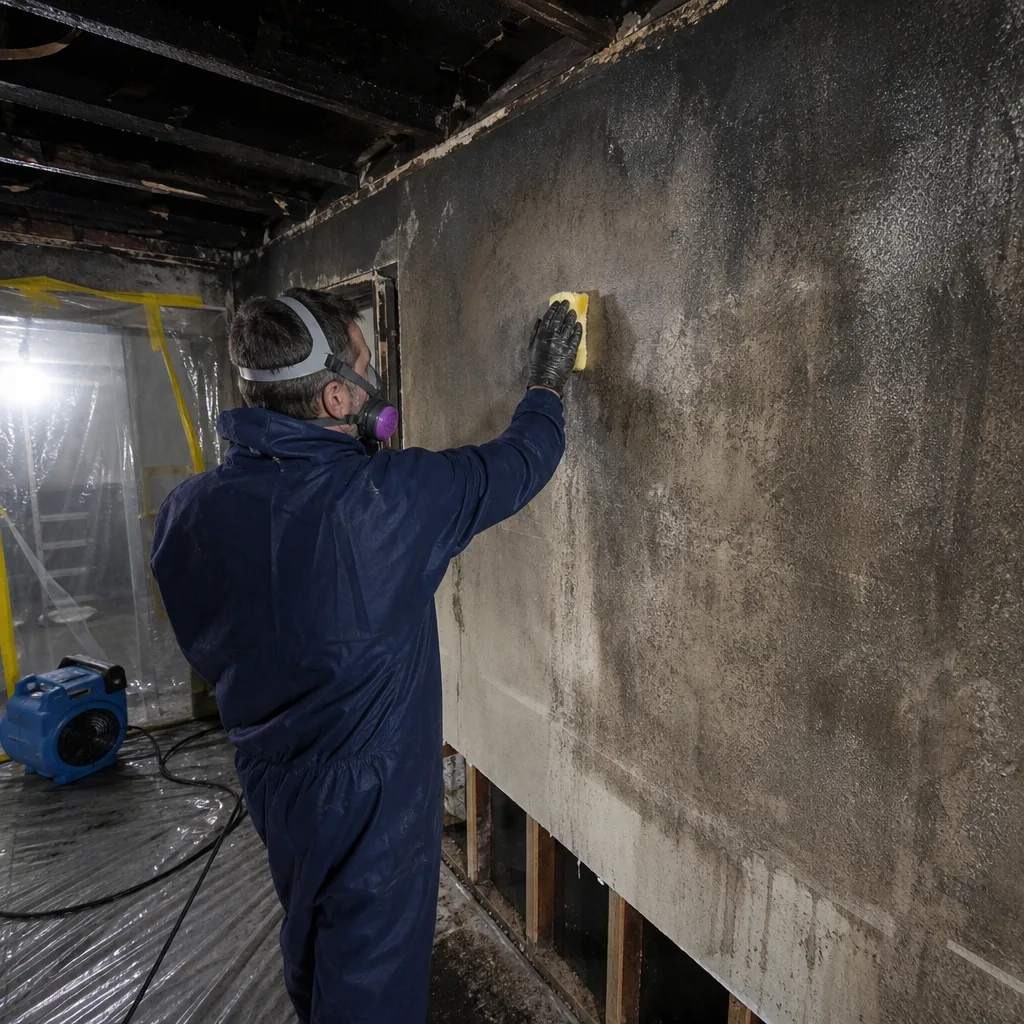
What happens when you call
- 1
A real person answersNo phone trees - you reach a local pro.
- 2
You get an upfront price rangeHonest numbers before anyone is dispatched.
- 3
A background-checked tech heads outLicensed & insured, dispatched right away.
- 4
You approve before work beginsNothing starts until you say go.
BeforeAfterTrusted Brands We Service in Seattle
Our equipment inventory includes professional-grade drying systems from Dri-Eaz, Phoenix, and XPOWER, supplemented with Injectidry cavity-drying systems for the wall and ceiling voids common in Seattle’s older housing stock. We don’t rent equipment by the day and hope it arrives clean. We own, maintain, and document calibration on every unit, and we stock replacement air movers, dehumidifiers, and HEPA filtration devices at our Seattle office for immediate deployment. For fire jobs requiring structural drying alongside smoke remediation, this means no delay waiting for third-party equipment delivery while odor continues to migrate.
Common Fire & Smoke Damage Restoration Problems We See in Seattle Homes
- Moisture-amplified smoke odor in crawl spaces. Seattle’s shallow vented crawls over non-draining glacial clay stay damp year-round. Smoke that enters these spaces wicks into joists and sits in active, humid conditions, making odor removal impossible without structural drying first. We check crawl space moisture on every Seattle fire job, not as an add-on but as standard protocol.
- Salt-air corrosion misclassified as fire damage. Garage-door torsion springs, hinges, and opener chains in coastal-adjacent Seattle neighborhoods corrode years faster than inland hardware. When fire heat causes these already-compromised components to fail, the scope must distinguish pre-loss corrosion from fire damage to preserve accurate coverage. We document pre-existing condition with close-up photography and written notation.
- Smoke migration through balloon-framed bungalows. Pre-WWII Craftsman homes in Ballard, Wallingford, and Capitol Hill use balloon framing with continuous wall cavities from foundation to attic. Smoke from a first-floor fire can travel to the second floor and roof space without visible damage at the interior wall surface. Our inspection protocol includes cavity scope cameras and vapor pressure differential testing to find hidden migration.
- Condo cross-contamination through defective cladding assemblies. Seattle’s 1990s-2000s wood-frame condos are regionally known for face-sealed cladding and window flashing failures that created pre-existing moisture pathways. Fire in one unit can drive smoke through these same pathways into adjoining units, requiring whole-building assessment rather than single-unit containment. We coordinate with building management and multiple adjusters when this occurs.
Pricing for Fire & Smoke Damage Restoration in Seattle, WA
Emergency board-up and tarping in Seattle typically runs $800-$2,400 depending on the number of openings and roof area affected. Smoke and soot removal for a single room averages $1,800-$4,500; whole-house odor removal and deodorization ranges from $3,500-$9,000. Contents cleaning and pack-out is priced per item and cubic foot of storage, generally $2,200-$6,500 for a typical Seattle home. Structural fire repair, including joist sistering, hardware replacement, and finishing, ranges from $4,500-$18,500 based on square footage and material specifications.
These ranges reflect Seattle’s labor market, permit requirements, and the moisture-management dimension that most fire jobs here require. Every price is delivered in writing before work begins, with no scope-creep additions once the crew is inside. Haven Standard, Clause 1. We also offer a Free Second Opinion on any competitor’s written estimate. Bring their scope and we’ll review it at no charge.
We Also Serve Cities Near Seattle
Our crews respond throughout the metro area, including Seattle and the nearby cities of Bellevue, Mercer Island, Kirkland, and Redmond. Dispatch and scheduling are coordinated from our Seattle office, with localized knowledge of building stock, soil conditions, and climate patterns across each community.
Serving Seattle, WA - Our Local Coverage Area
We’re based in the Seattle area and know this community well. Use the map below to see our service coverage - if you’re nearby, we can almost certainly help.
FAQs - Fire & Smoke Damage Restoration in Seattle
Smoke raises humidity as it migrates, and Seattle’s crawl spaces are already moisture-challenged. A garage fire that flashes off surface oil from an opener chain sends hot, humid smoke into the crawl space, where it condenses on cool joists and subfloor surfaces. Those joists, often already at elevated moisture content from marine drizzle, absorb the additional vapor and stay damp for months over glacial clay that won’t drain. Without structural drying, smoke odor remains active and mold colonizes within 48-72 hours. We run moisture mapping on every Seattle garage fire and document the readings that justify drying equipment to the adjuster. Call (425) 696-6320 for an exact quote on your situation - estimates are free.
It means the hardware assessment must be separate from fire damage assessment. Sea-salt aerosol from Puget Sound onshore flow accelerates corrosion of torsion springs, hinges, and opener chains in Seattle’s coastal-adjacent neighborhoods. Fire heat then causes these already-brittle components to flake and fail at thresholds lower than intact hardware would withstand. A scope that treats all hardware damage as fire-caused risks overbilling the fire coverage and underbilling the pre-loss maintenance issue. We photograph pre-existing corrosion with macro documentation, note it in the written scope, and replace with galvanized or stainless hardware only where fire heat actually caused the failure. Call (425) 696-6320 for an exact quote - estimates are free.
We test cleanability on a representative sample before writing the scope. For porous materials like drywall, unfinished wood, and insulation, we evaluate smoke penetration depth, soot pH, and moisture content. In Seattle’s humid climate, materials with moisture content above 16% typically cannot be effectively cleaned because smoke particles have swollen the substrate and bonded chemically. Non-porous surfaces like metal, glass, and sealed tile usually clean successfully with solvent washing or ultrasonic methods. We document the test results with photos and provide the homeowner and adjuster with a written recommendation for each material classification. Call (425) 696-6320 for an exact quote on your bungalow - estimates are free.
Yes. Seattle’s 1990s-2000s wood-frame condos frequently have defective face-sealed cladding and window flashing that created pre-existing moisture pathways through the building envelope. Fire-driven pressure and smoke can exploit these same pathways, and the suppression water or humidity from firefighting can migrate through wall cavities into adjoining units. We assess vapor pressure differentials across party walls and use thermal imaging to find moisture anomalies in neighboring units. When found, we document them separately from the original fire unit and coordinate expanded drying scope with the building’s insurer. Call (425) 696-6320 for an exact quote - estimates are free.
The process has five documented phases: emergency stabilization (board-up, tarping, utility securing), damage assessment and scope writing with photo documentation, soot and debris removal, structural drying and repair where moisture is present, and deodorization with verification testing. In Seattle, phases three and four often overlap because smoke odor cannot be permanently removed from materials that remain above target moisture content. We deliver daily drying logs, room-by-room moisture readings, and a photo record on every visit. Final deodorization is verified with olfactory testing and, when required, air sampling documentation. The 365-Day Done Right Promise applies to all work. Call (425) 696-6320 to schedule assessment - estimates are free.
Written by Alicia Brennan, Owner at DryMark Restoration Bellevue, serving Seattle since 2011.