
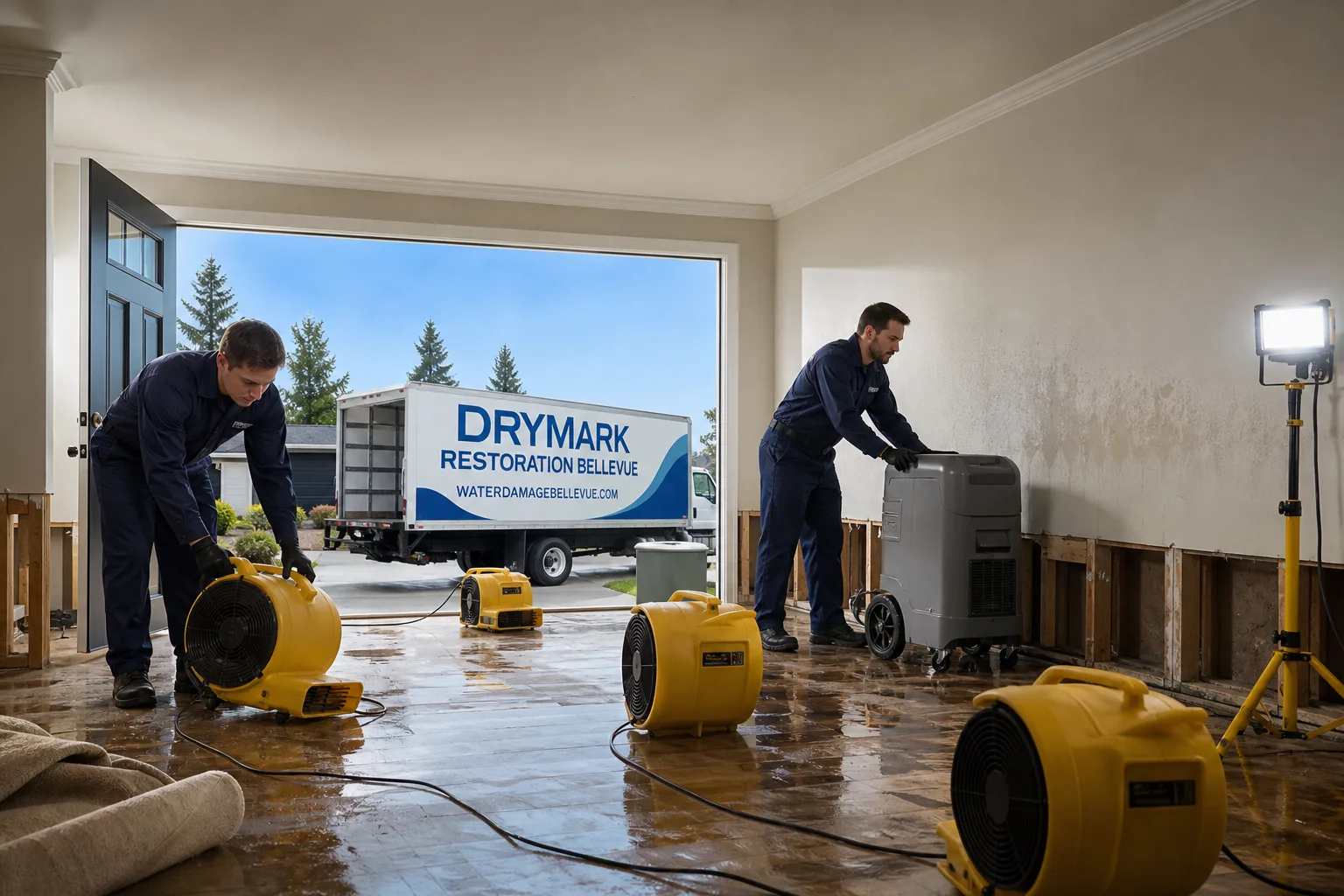
Free visual inspection and a written scope of work before any mitigation begins - photos, moisture readings, and drying logs go in your claim file
The scope we write is the scope we bill. Anything new gets shown to you, in writing, before we touch it.
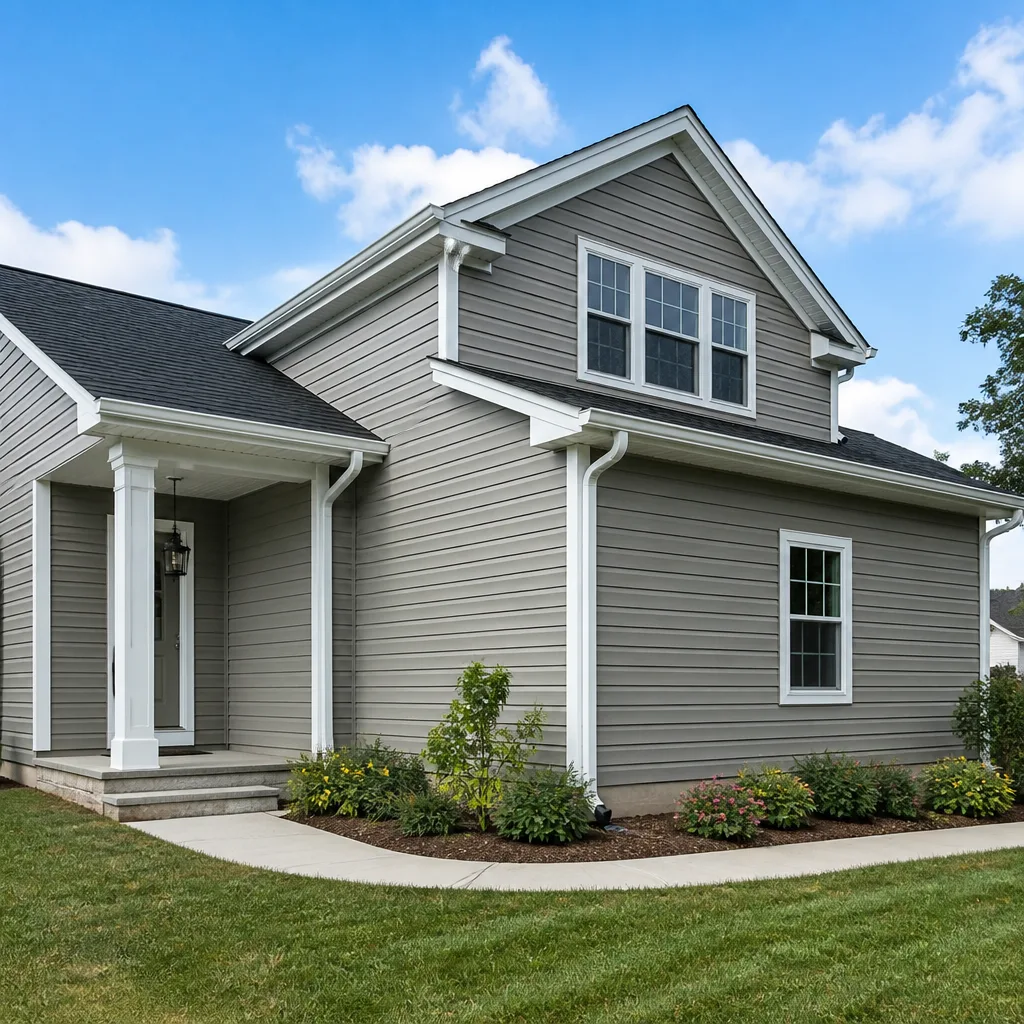
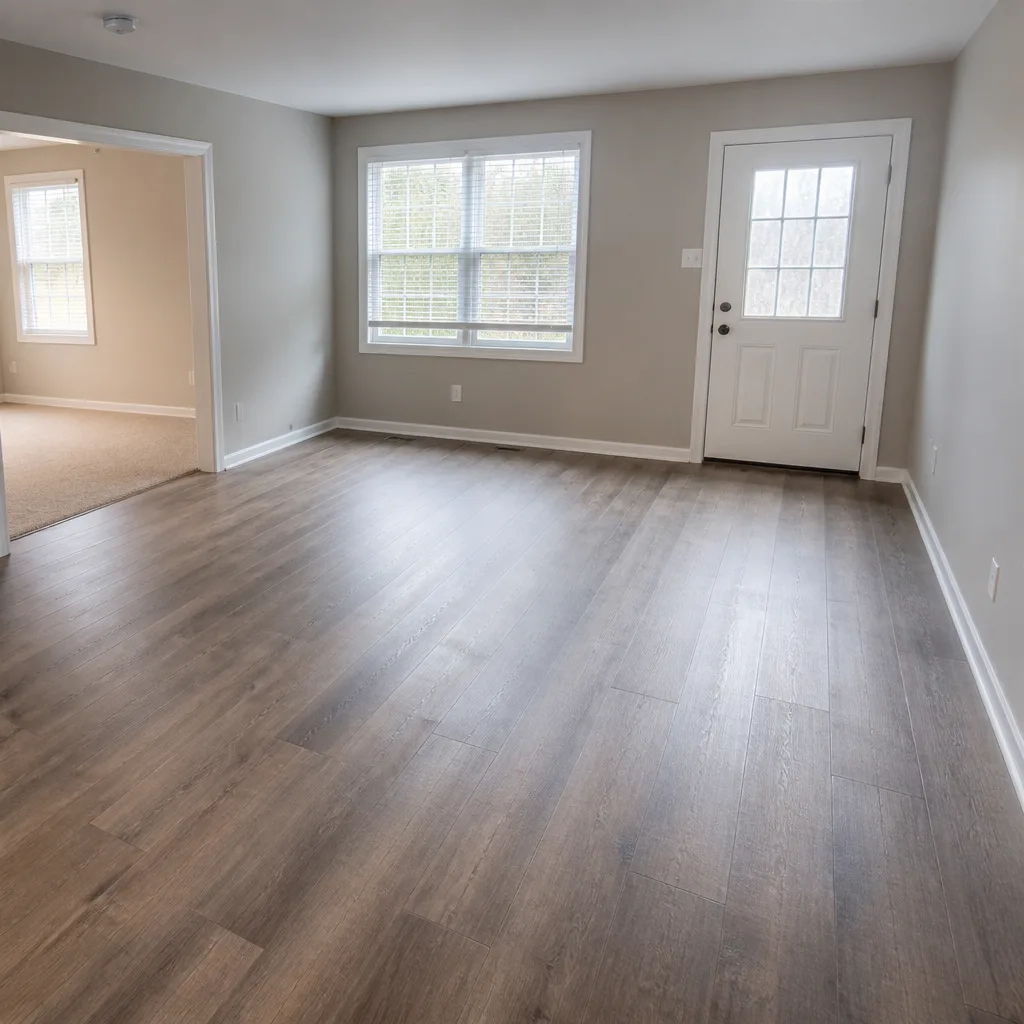
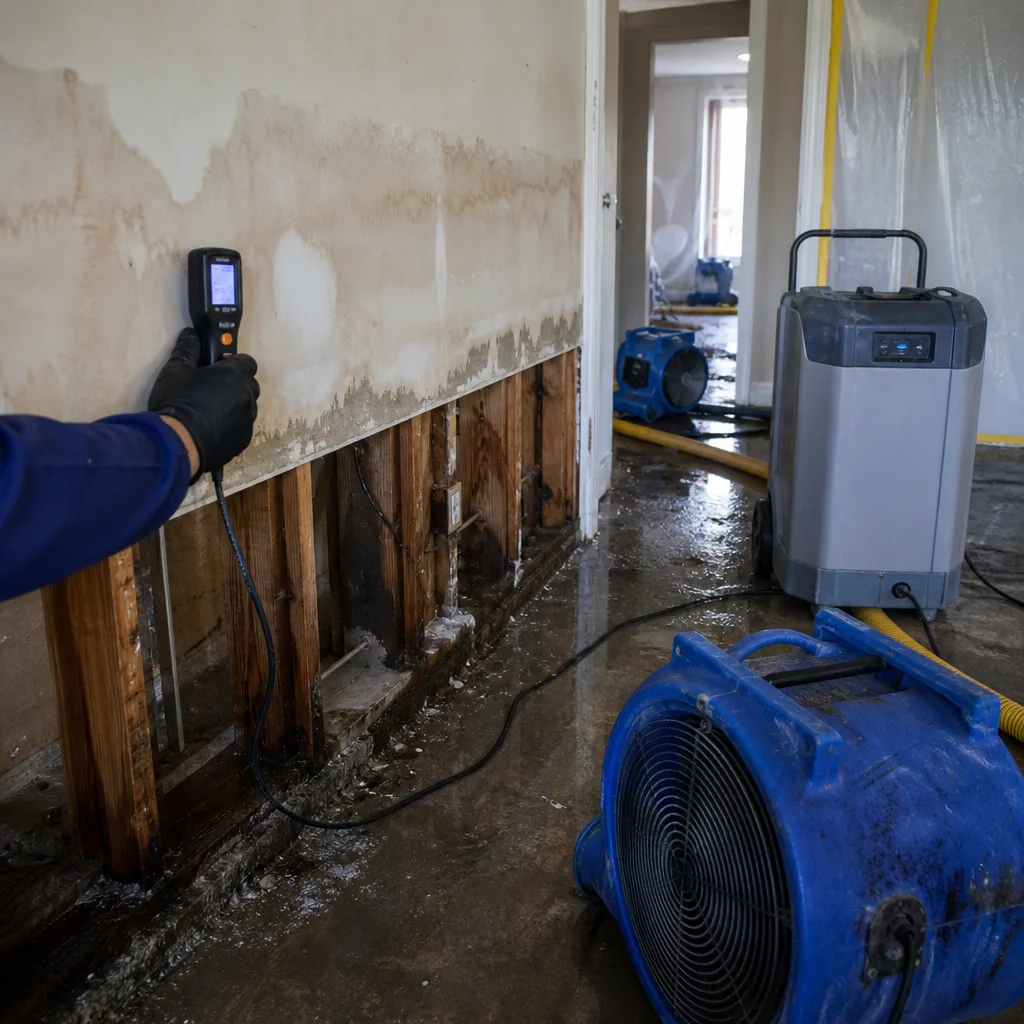 Before
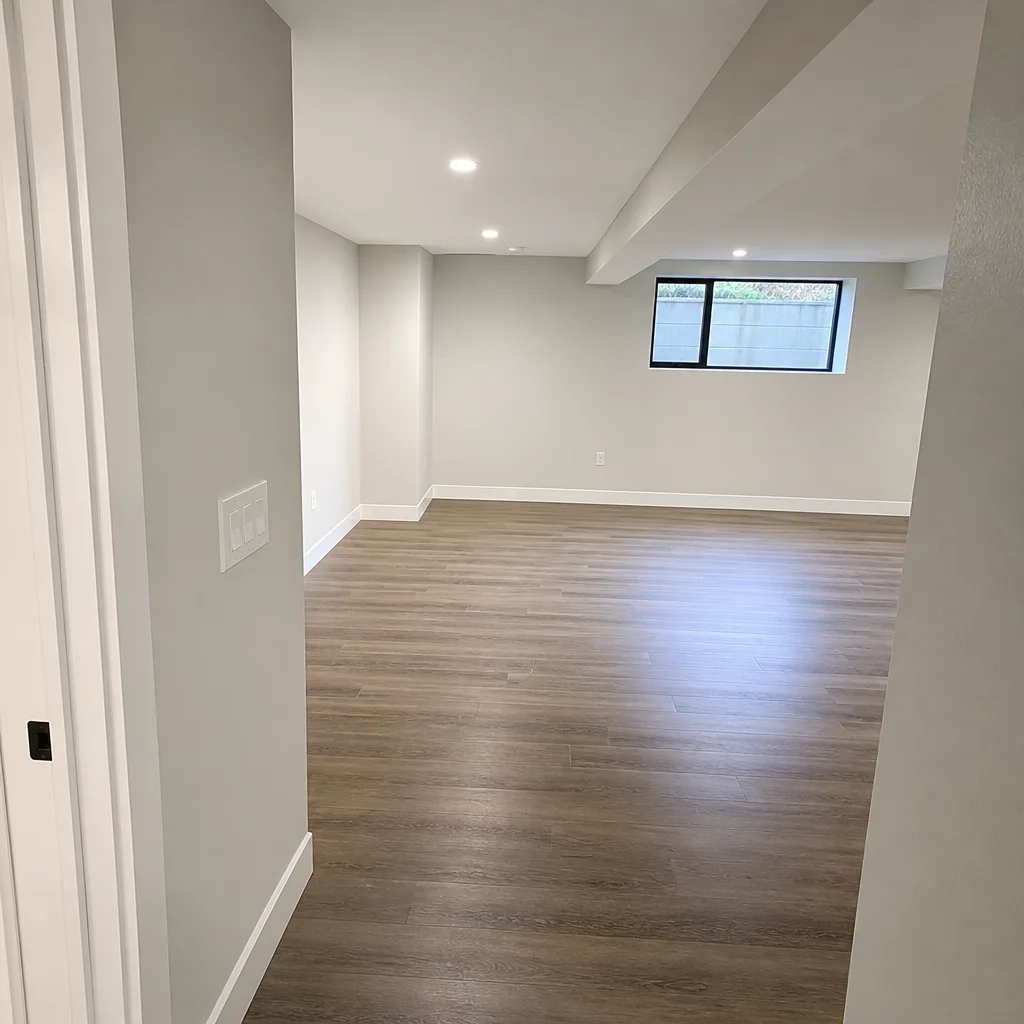 After
After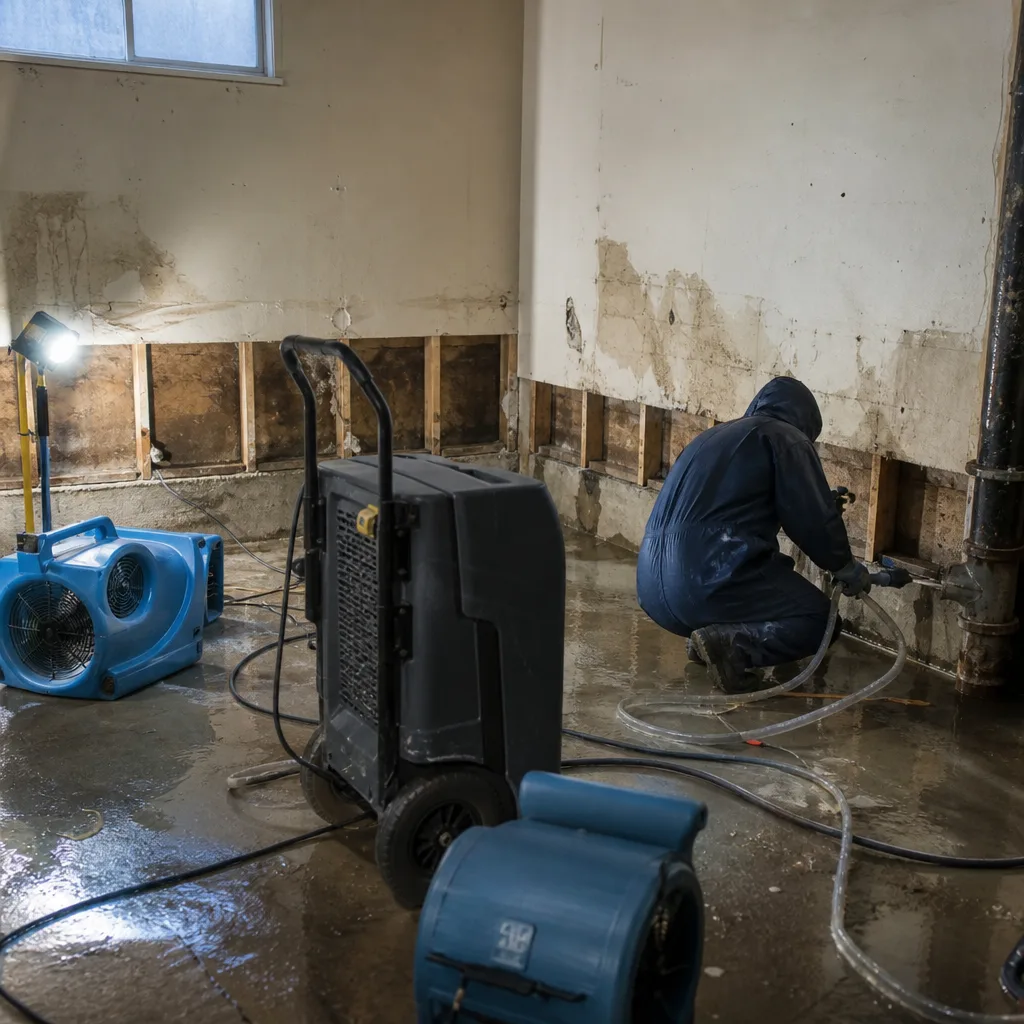 Before
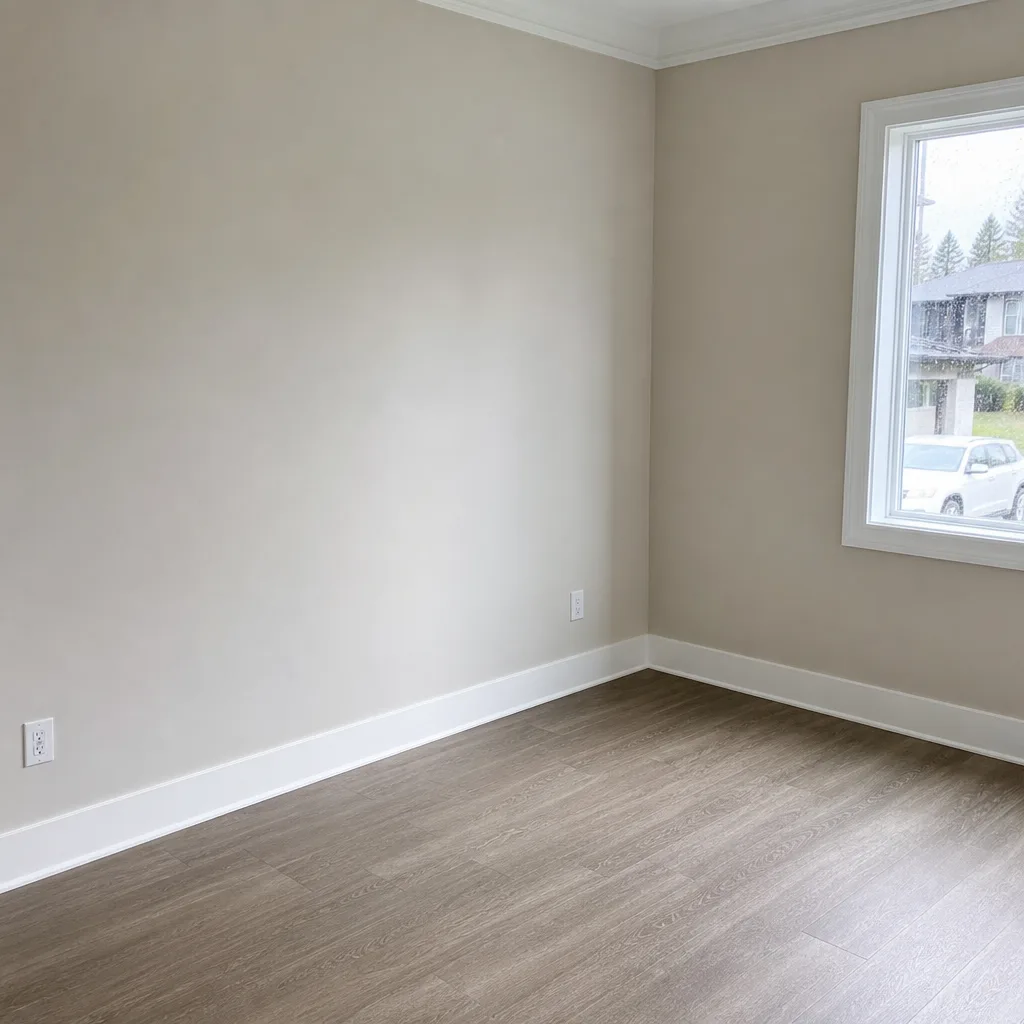 After
After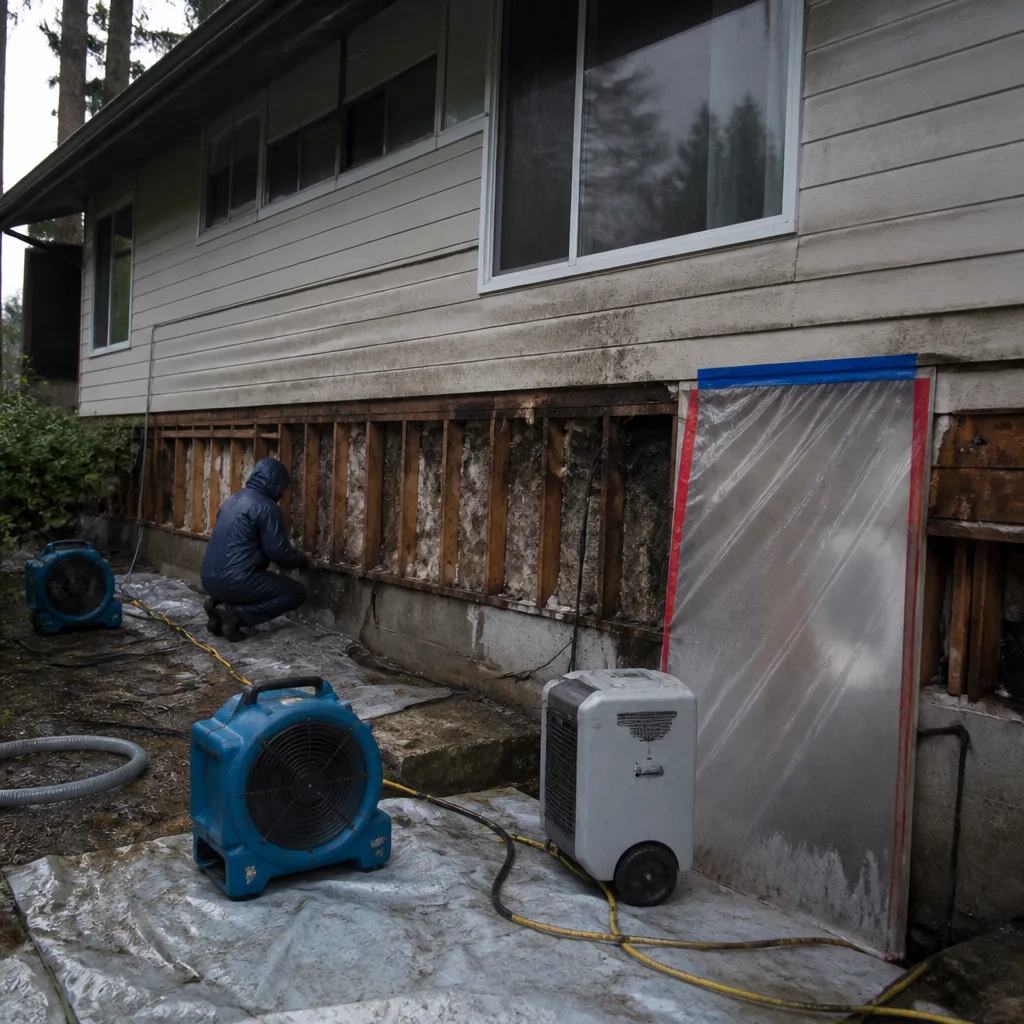 Before
 After
AfterFast, Reliable Mold Remediation Across Seattle
Mold remediation in Seattle typically costs $1,800-$6,500 depending on affected square footage and whether structural repairs are needed, with most crawl-space and subfloor projects falling in the $3,200-$4,800 range. Our crews are dispatched from our Seattle office and can usually be on-site in Ballard, Wallingford, Capitol Hill, or the Central District within 60-90 minutes during business hours. Call (425) 696-6320 for a written estimate before any work begins - Haven Standard, Clause 1.
We’re familiar with what Seattle’s marine climate does to houses. The persistent drizzle, the vented crawl spaces over glacial clay that never drains, the pre-WWII bungalows without vapor barriers - these aren’t talking points for us. They’re the conditions we document on every job. Our Mold Remediation team has mapped moisture in crawl spaces from Phinney Ridge to Mount Baker, and we’ve learned that in this city, what looks like a small ceiling stain upstairs is often a full subfloor-and-joist project below.
Why DryMark Restoration Bellevue Is Seattle’s Preferred Mold Remediation Company
We’ve restored more than 12,000 homes since 2011, every one with a written price before work started and a photo record when the crew left. That documentation-first approach matters especially in Seattle, where insurance carriers routinely challenge mold claims as pre-existing rot. Our daily moisture logs, drying records, and room-by-room psychrometric data - that’s vapor pressure differential and relative humidity tracked against temperature, explained plain - turn restoration invoices into claims that get paid without a fight.
Our technicians are background-checked, uniformed, and named on every job. Live person answers every call, 24 hours a day, 7 days a week - no voicemail trees while water is still wicking into your joists. We serve Seattle locally from our metro office, with crews who know the difference between a Ballard bungalow crawl space and a 1990s condo envelope failure.
Every job carries the 365-Day Done Right Promise under The Haven Standard: if it’s not done right, we make it right. Not a marketing line - a signed guarantee. And we offer a Free Second Opinion on any competitor’s written estimate. Bring their scope, we’ll review it at no charge.
Our Mold Remediation Services in Seattle
Mold Inspection & Testing
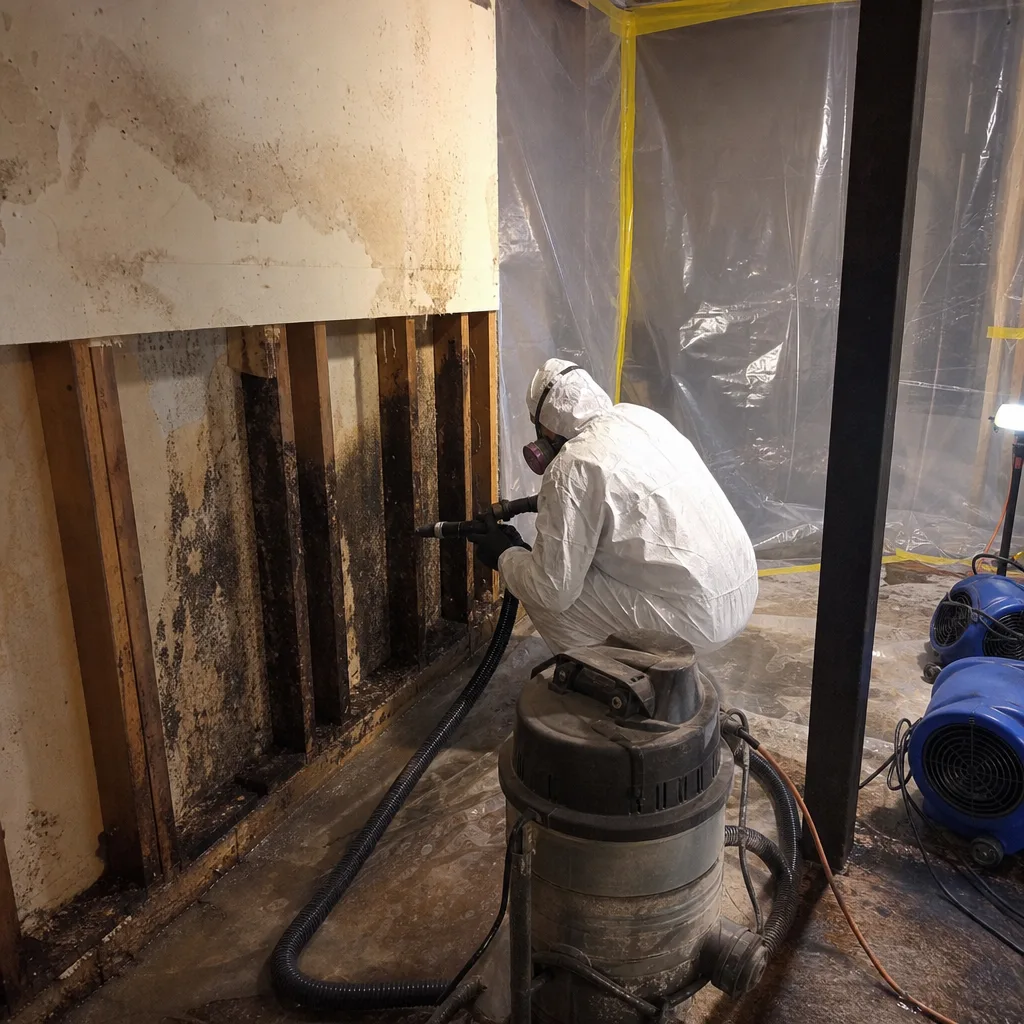
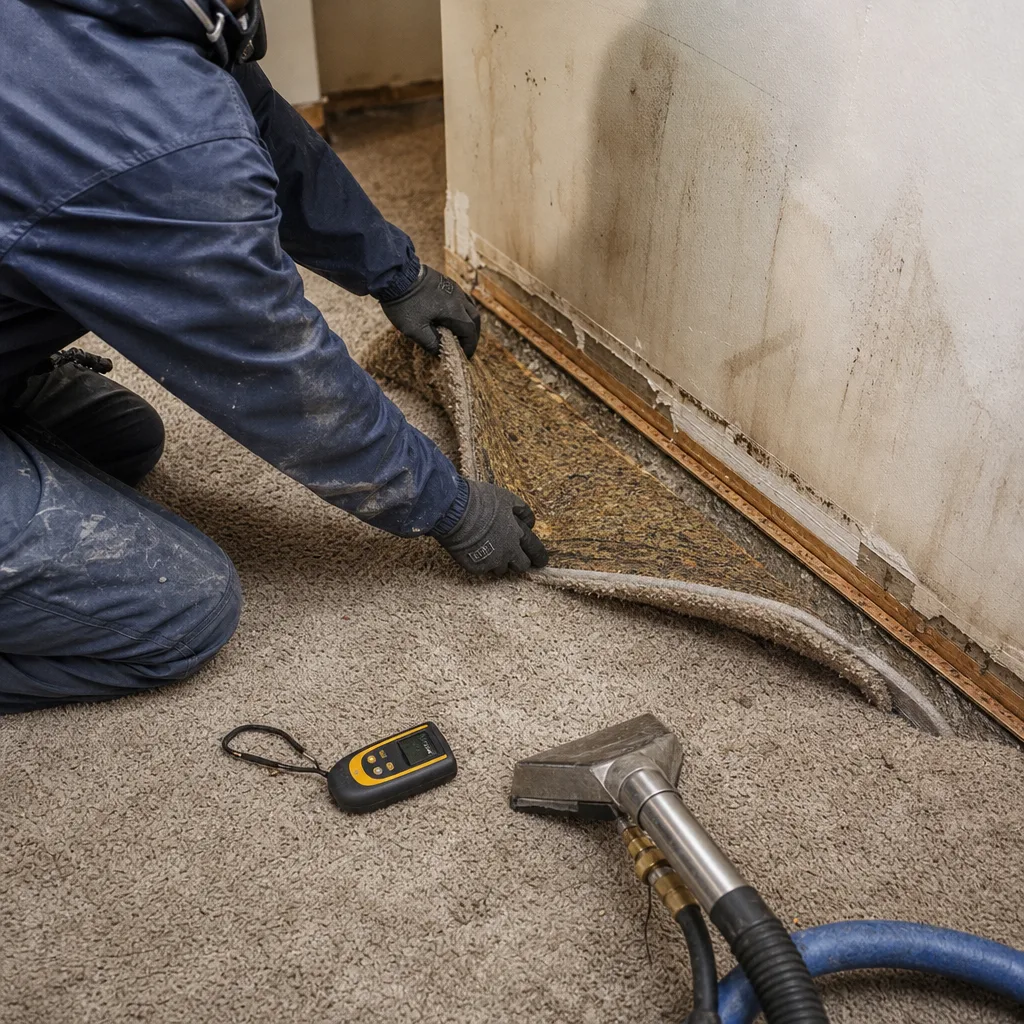
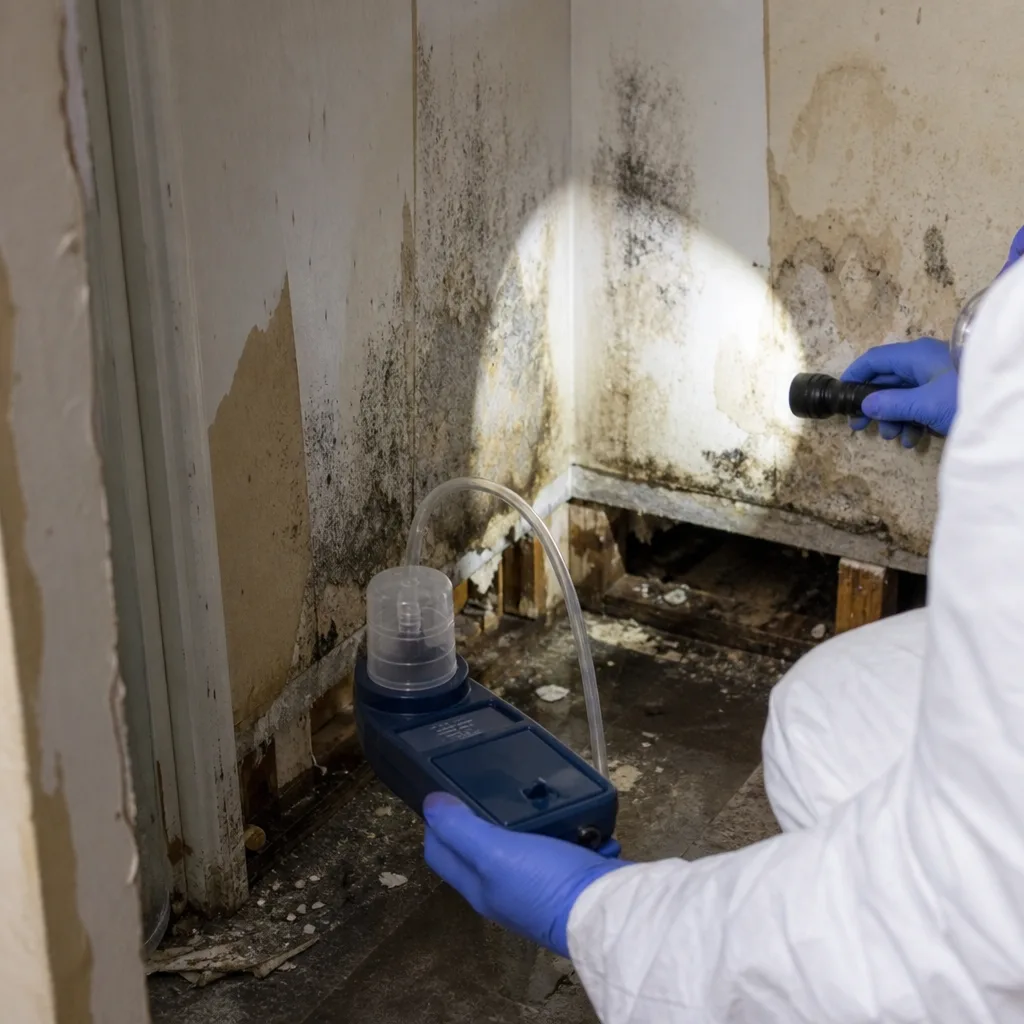
Our Seattle inspections start with moisture mapping, not guesswork. We use professional-grade meters to check wood moisture content in subfloors, joists, and wall cavities, then document readings with photos. In Capitol Hill and the Central District, we know to check the crawl space first: older bungalows have shallow vented crawls over clay that never fully drains, and a roof leak or plumbing drip that would dry out in a week in a drier climate will instead wick into the subfloor joists and sit for months. Air sampling and surface testing follow when needed, with lab results typically returned in 48 hours. The written scope includes every finding, every reading, and the exact treatment protocol - Haven Standard, Clause 1 applies here too.
Mold Removal
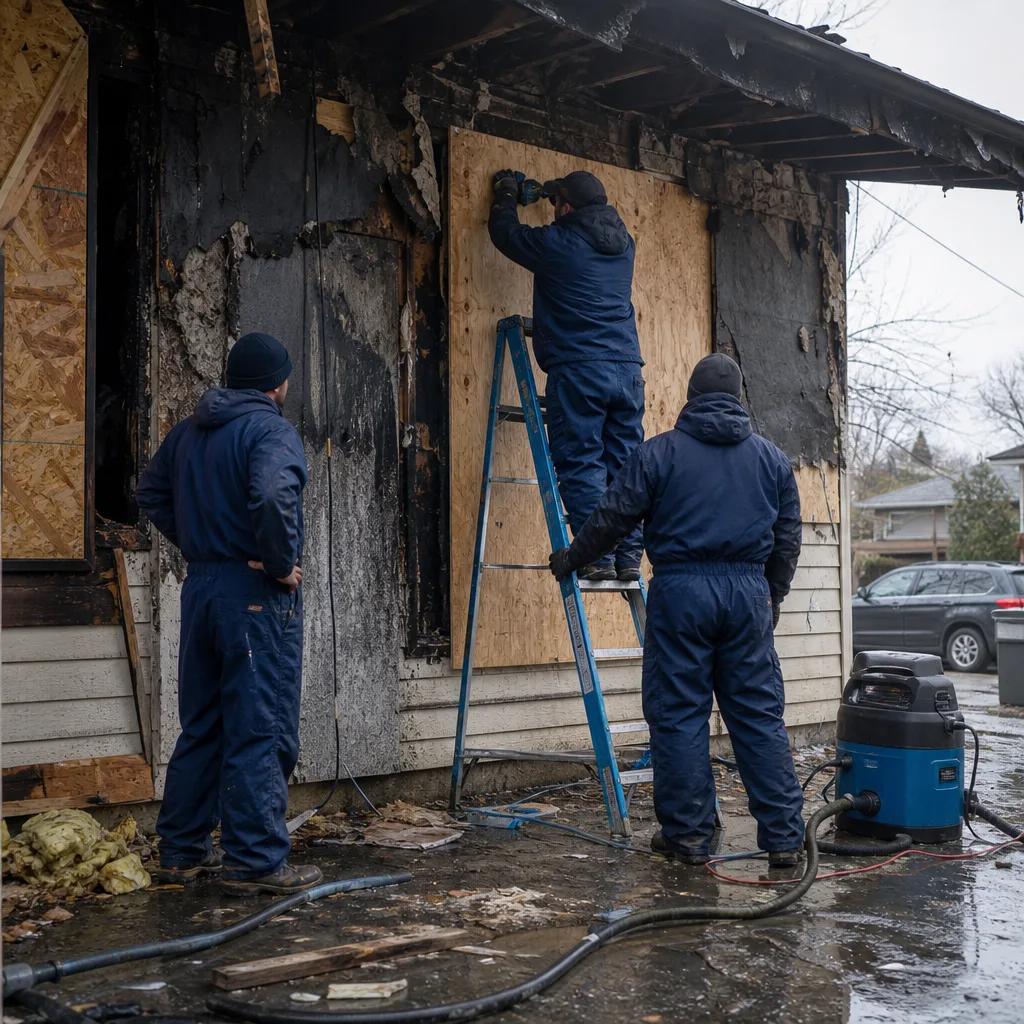
Removal in Seattle is rarely a surface wipe. The city’s 150+ days of precipitation per year deliver persistent marine drizzle rather than heavy downpours, so moisture silently penetrates building envelopes and collects in hidden spaces. We establish containment barriers, apply antimicrobial treatment to affected framing and sheathing, and remove only the material that testing shows is non-salvageable. Our crews run professional-grade drying systems from Dri-Eaz and Phoenix, with Injectidry panel systems for wall cavity drying when we can save the drywall. Every removal job includes a documented photo record on every visit - standard deliverable, never an upsell.
Black Mold Remediation
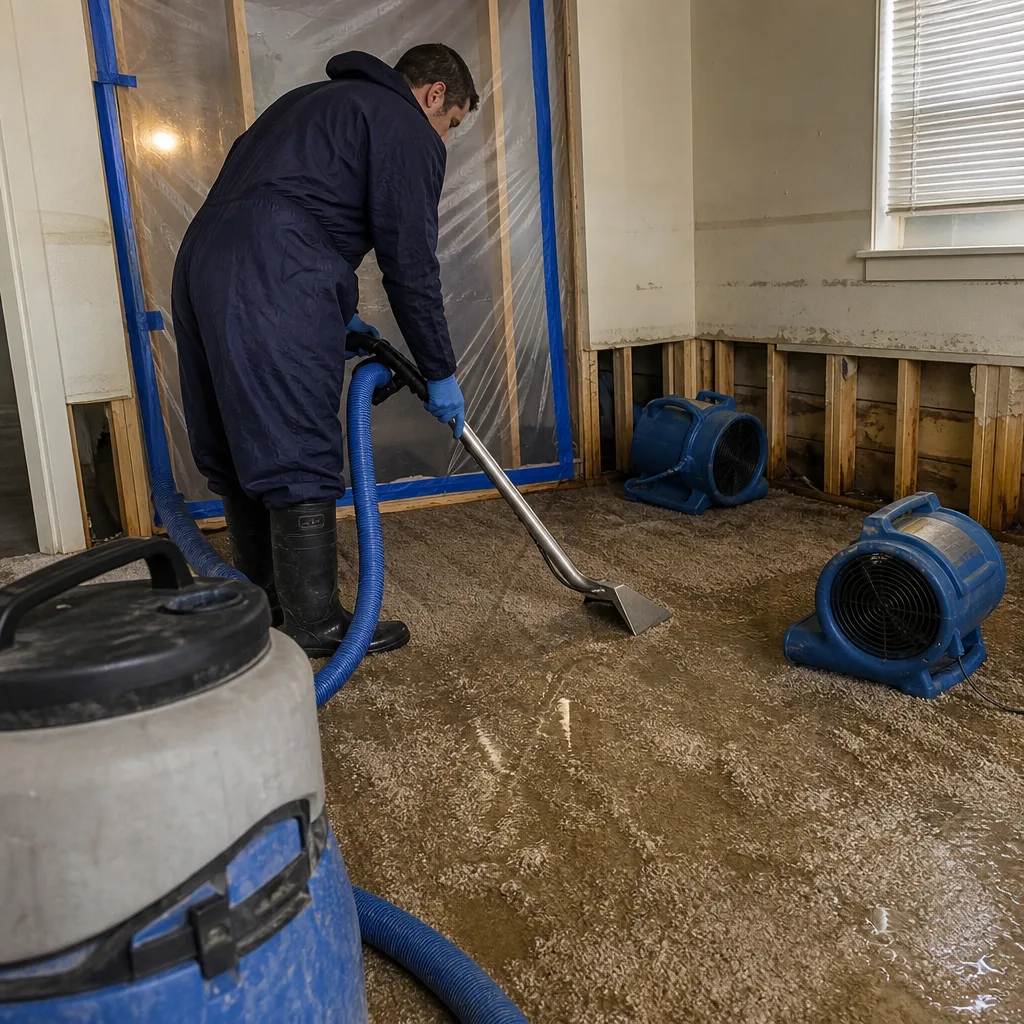
Stachybotrys and other toxigenic molds require controlled containment and negative air pressure during removal. In Seattle’s 1990s-2000s wood-frame condo buildings - regionally notorious for defective face-sealed cladding and window flashing - black mold often grows behind stucco and EIFS exteriors where years of water silently rotted structural framing. Remediation here fails unless the envelope leak is corrected, not just the mold removed. We coordinate with envelope specialists when needed, and we document pre-loss condition thoroughly so carriers can’t attribute the damage to pre-existing neglect.
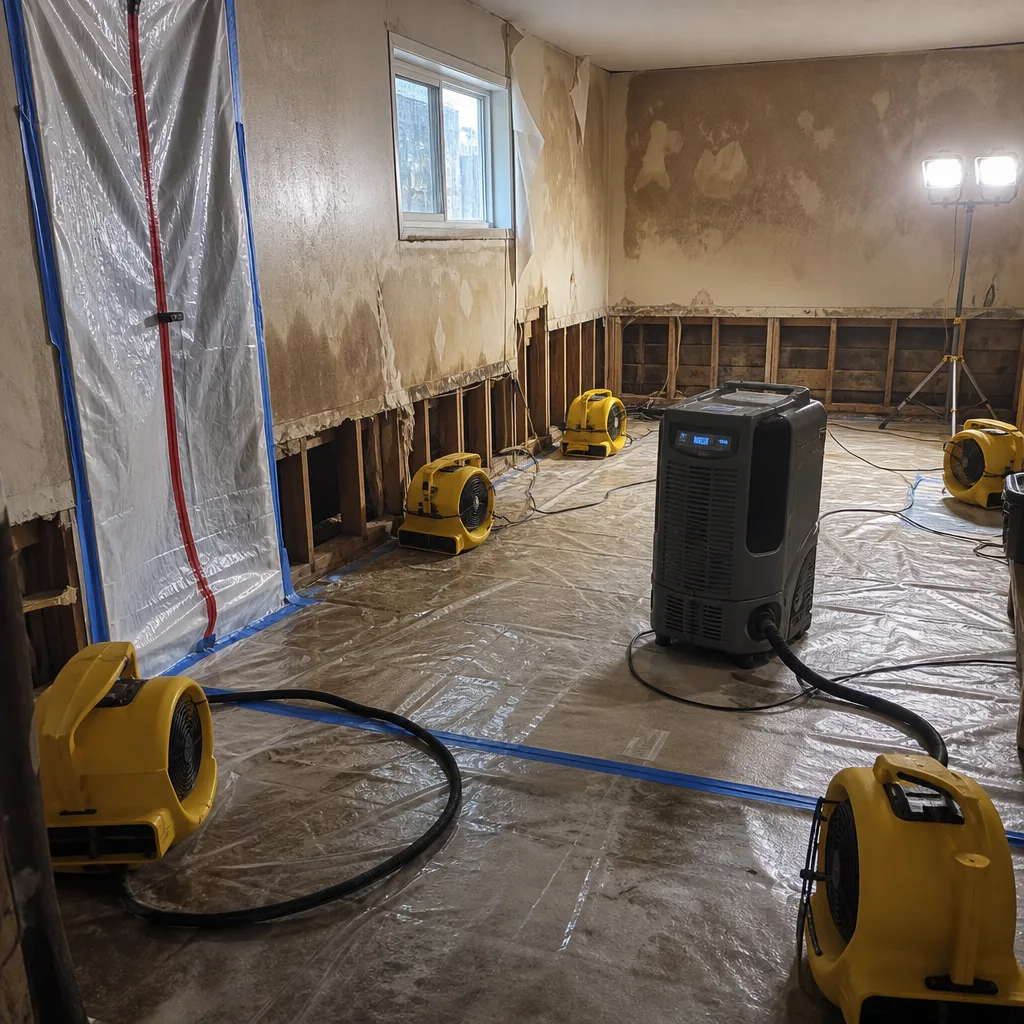
Air Quality Restoration
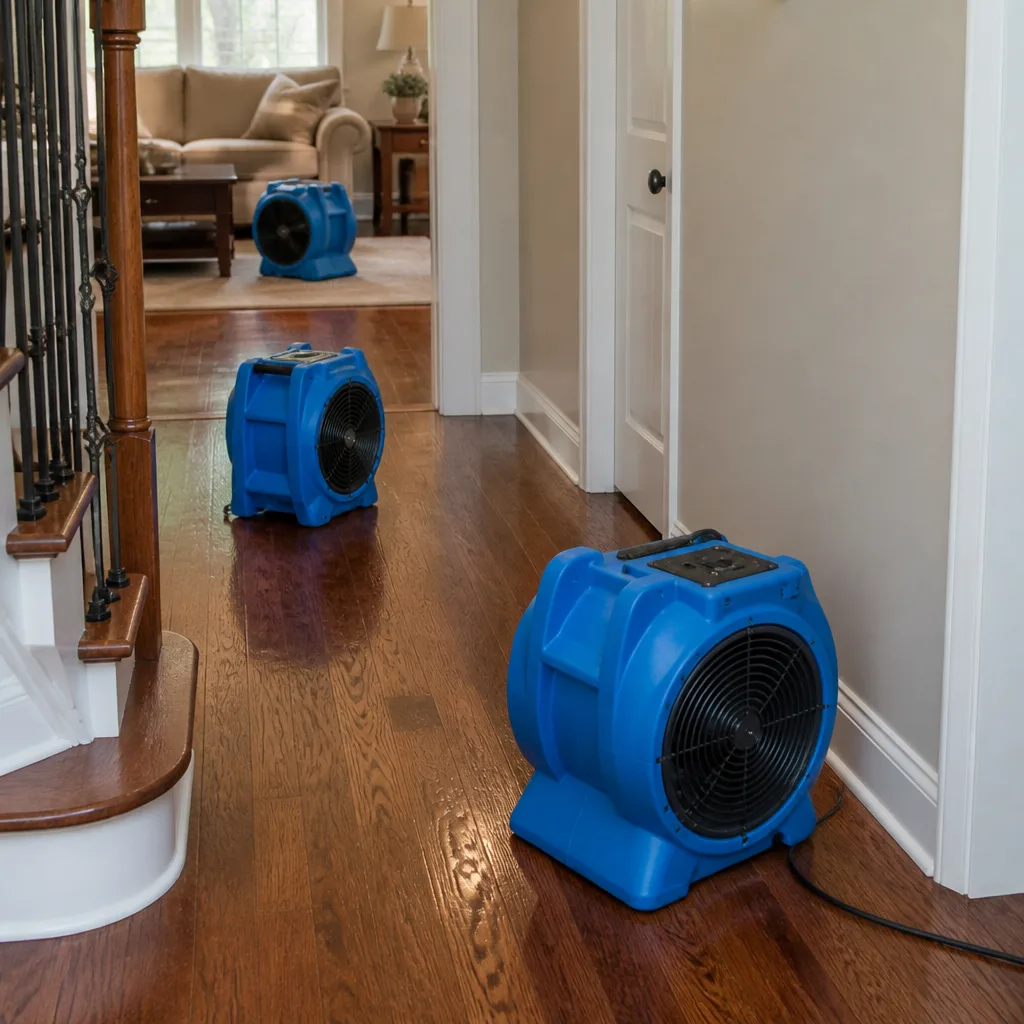
After removal, we verify air quality with post-remediation testing. HEPA air scrubbers from XPOWER and B-Air run during and after work, with particle counts documented. In Seattle’s long wet season from October through May, indoor humidity often sits above 60% even without an active leak, so we include moisture and humidity control recommendations in every air quality report. The goal isn’t just passing a test - it’s keeping the building dry enough that mold doesn’t return.
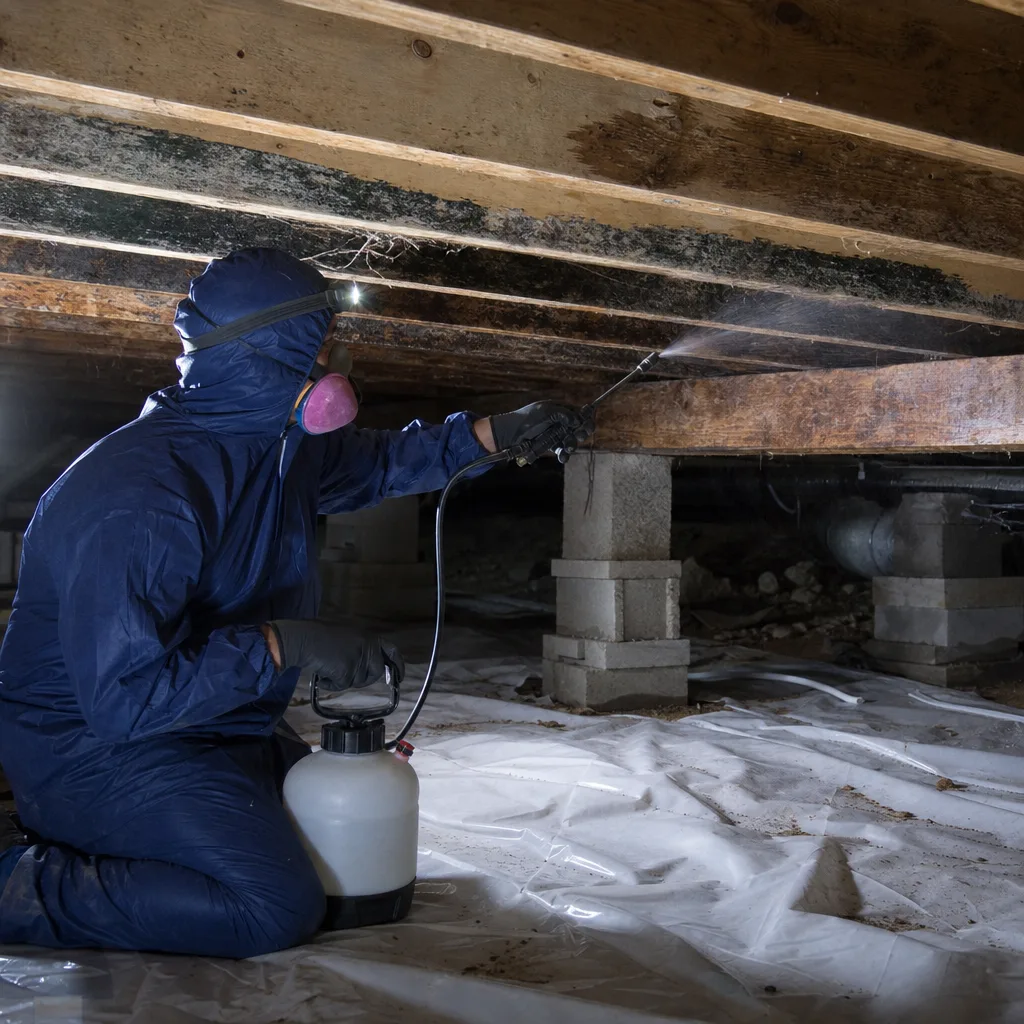
Crawl Space Treatment
This is where Seattle’s geography hits hardest. The glacially deposited clay soils under neighborhoods like Wallingford, Ballard, and Phinney Ridge shed groundwater laterally into foundations and under-floor spaces rather than absorbing it. Vented crawl spaces stay damp year-round. Our crawl space treatments include full moisture mapping, subfloor and joist antimicrobial application, structural drying with desiccant dehumidification, and vapor barrier installation where missing. We sister joists when rot has compromised structural capacity, and we document everything for your insurer.
Moisture & Humidity Control
Seattle’s chronic low-level humidity means mold prevention is ongoing, not one-time. We install and specify permanent dehumidification, improve crawl space ventilation where appropriate, and seal building envelope penetrations. Our drying logs track psychrometric data through the full October-May wet season, giving you and your carrier proof that the structure returned to dry standard and stayed there.
What happens when you call
- 1
A real person answersNo phone trees - you reach a local pro.
- 2
You get an upfront price rangeHonest numbers before anyone is dispatched.
- 3
A background-checked tech heads outLicensed & insured, dispatched right away.
- 4
You approve before work beginsNothing starts until you say go.
BeforeAfterTrusted Brands We Service in Seattle
We deploy professional-grade drying systems from Dri-Eaz, Phoenix, and XPOWER on Seattle jobs, with Injectidry panel systems for cavity drying and B-Air air scrubbers for containment work. These aren’t brand names we mention to impress - they’re the machines that produce the daily moisture logs and documented drying curves that turn restoration invoices into payable insurance claims. We stock critical components locally for fast turnaround, and every piece of equipment is calibrated and documented to IICRC, RIA, and IFA standards.
Common Mold Remediation Problems We See in Seattle Homes
- Relying on surface drying only. In Seattle’s vented crawl spaces over clay, water wicks laterally into joists and stays trapped. Surface drying leaves the core wet, so mold returns within one wet season. We map moisture content at depth and dry to specification, not appearance.
- Missing the chronic moisture source. Marine drizzle penetrates defective 1990s face-sealed cladding and window flashing in Ballard condos. Remediation fails unless the envelope leak is found and corrected - we coordinate that identification before writing the scope.
- Skipping pre-loss condition documentation. Without drying logs and moisture readings across the long October-May wet season, insurance carriers challenge Seattle claims as pre-existing rot. We document everything from day one, photo-recorded and time-stamped.
- Using Category 3 water protocols on every loss. Seattle’s slow drips and clay-shed groundwater are often Category 2, not black water. Misclassifying leads to unnecessary tear-out or inadequate antimicrobial treatment. We test and classify properly, then scope accordingly.
Pricing for Mold Remediation in Seattle, WA
| Service | Typical Range in Seattle |
|---|---|
| Mold inspection & moisture mapping | $350-$650 |
| Contained wall cavity remediation (under 50 sq ft) | $1,800-$3,200 |
| Crawl space mold remediation with subfloor access | $3,200-$5,500 |
| Full crawl space with joist sistering/repair | $4,800-$8,500 |
| 1990s condo envelope-related remediation | $5,500-$12,000+ |
| Post-remediation air quality testing | $450-$750 |
What moves a Seattle job toward the higher end: concealed mold behind EIFS cladding, structural rot requiring joist sistering, multiple affected levels in a bungalow, or the need for third-party envelope repair before remediation can be guaranteed. What keeps costs controlled: early detection, accurate moisture mapping that limits demolition scope, and proper water classification that avoids overtreatment. Every job gets a written price before work begins - Haven Standard, Clause 1 - with no scope-creep additions once the crew is inside. Estimates are free. Call (425) 696-6320.
We Also Serve Cities Near Seattle
Our crews work throughout the metro area, including Bellevue, Mercer Island, Kirkland, and Redmond. Each city’s building stock and soil conditions create different mold patterns - clay soils and marine drizzle in Seattle give way to different drainage profiles east of the lake - and we scope accordingly.
Serving Seattle, WA - Our Local Coverage Area
We’re based in the Seattle area and know this community well. Use the map below to see our service coverage - if you’re nearby, we can almost certainly help.
FAQs - Mold Remediation in Seattle
Because the moisture source wasn’t eliminated - Seattle’s vented crawl spaces over non-draining glacial clay stay damp year-round, and surface drying or spot treatment leaves joist cores wet enough for regrowth. We map moisture content at multiple depths, install or repair vapor barriers, and specify permanent dehumidification or ventilation changes before signing off. Call (425) 696-6320 for a written scope that addresses the source, not just the symptom - estimates are free.
Mold can establish visible growth on organic materials in 48-72 hours under Seattle’s typical indoor humidity, and in a Ballard bungalow’s unconditioned crawl space with clay-soil moisture loading, that timeline compresses further. The real risk isn’t the initial growth - it’s that the slow drip continues unseen for weeks because the crawl space is shallow and rarely entered. We respond same-day to active leaks and can begin moisture mapping immediately. Call (425) 696-6320.
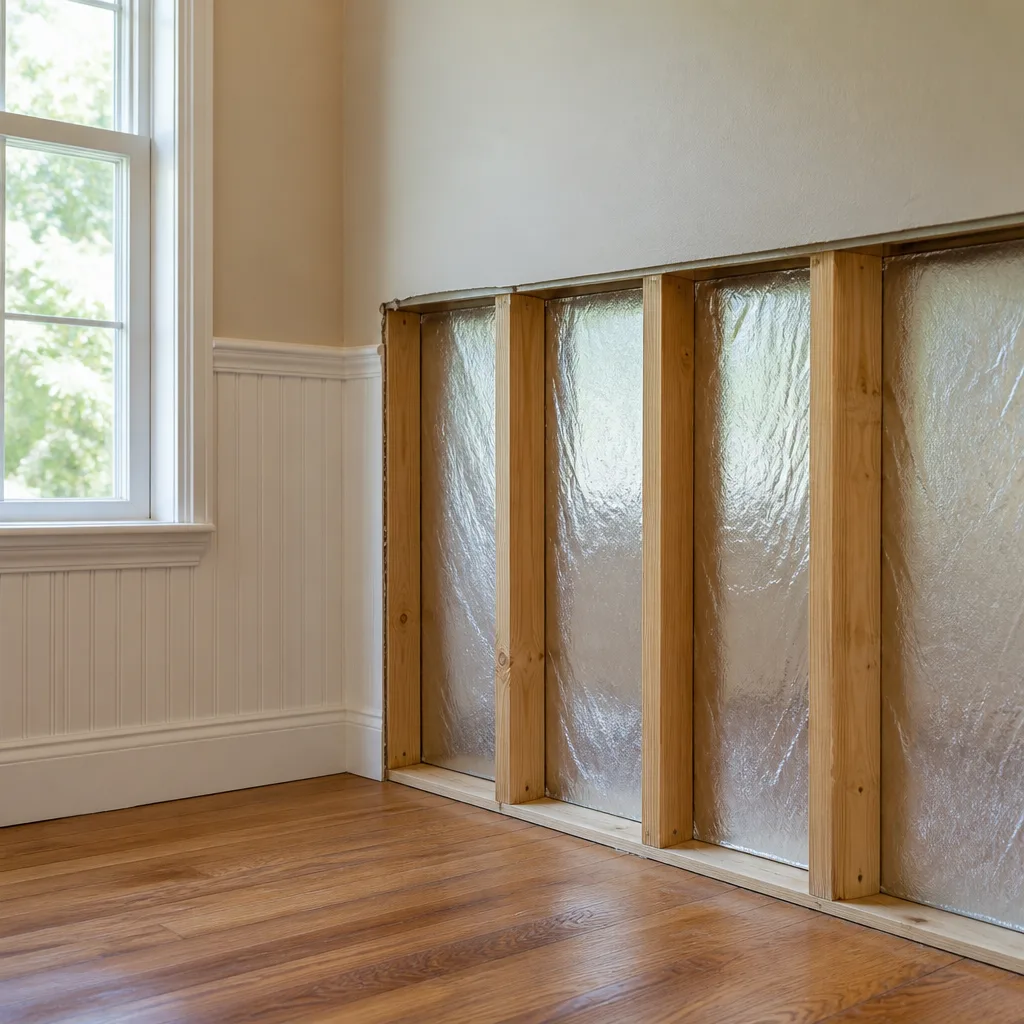
Not necessarily - we use Injectidry cavity drying systems and targeted antimicrobial application when moisture mapping shows the damage is contained and the drywall is structurally sound. Tear-out becomes necessary when the wall cavity has been wet long enough to compromise sheathing or when defective cladding has allowed repeated saturation. We document pre-loss condition with photos and moisture readings so you and your carrier know why each decision was made. Call (425) 696-6320 for a written scope before any demolition.
The crawl space. Older bungalows in these neighborhoods have shallow vented crawls over clay that never fully drains, and what the homeowner reports as a minor water stain upstairs is routinely a full mold-remediation and joist-sistering project below. Our moisture meters go to the subfloor first, then the joists, then we work back up to the visible damage. In Wallingford, we pulled up a buckled oak floor in a 1920s bungalow after the owner reported a small ceiling stain. Our moisture mapping found the subfloor at 28% MC and black mold on the joists, so we set containment, applied antimicrobial treatment, ran Injectidry panels into the wall cavity, and sistered two joists before structural drying. Call (425) 696-6320 for inspection and written scope.
Often yes - if the subfloor is accessible from below and moisture mapping shows the damage hasn’t spread to the finish flooring above. We use desiccant dehumidification, directed airflow, and vapor pressure differential management to dry joists and subfloor from the crawl space side. When the finish floor is already buckled or the subfloor is saturated through, access from above becomes necessary. We always map first, scope in writing, and get your approval before cutting material. Call (425) 696-6320 for a free assessment.
Written by Alicia Brennan, Owner at Back to Dry Restoration, serving Seattle since 2011.