
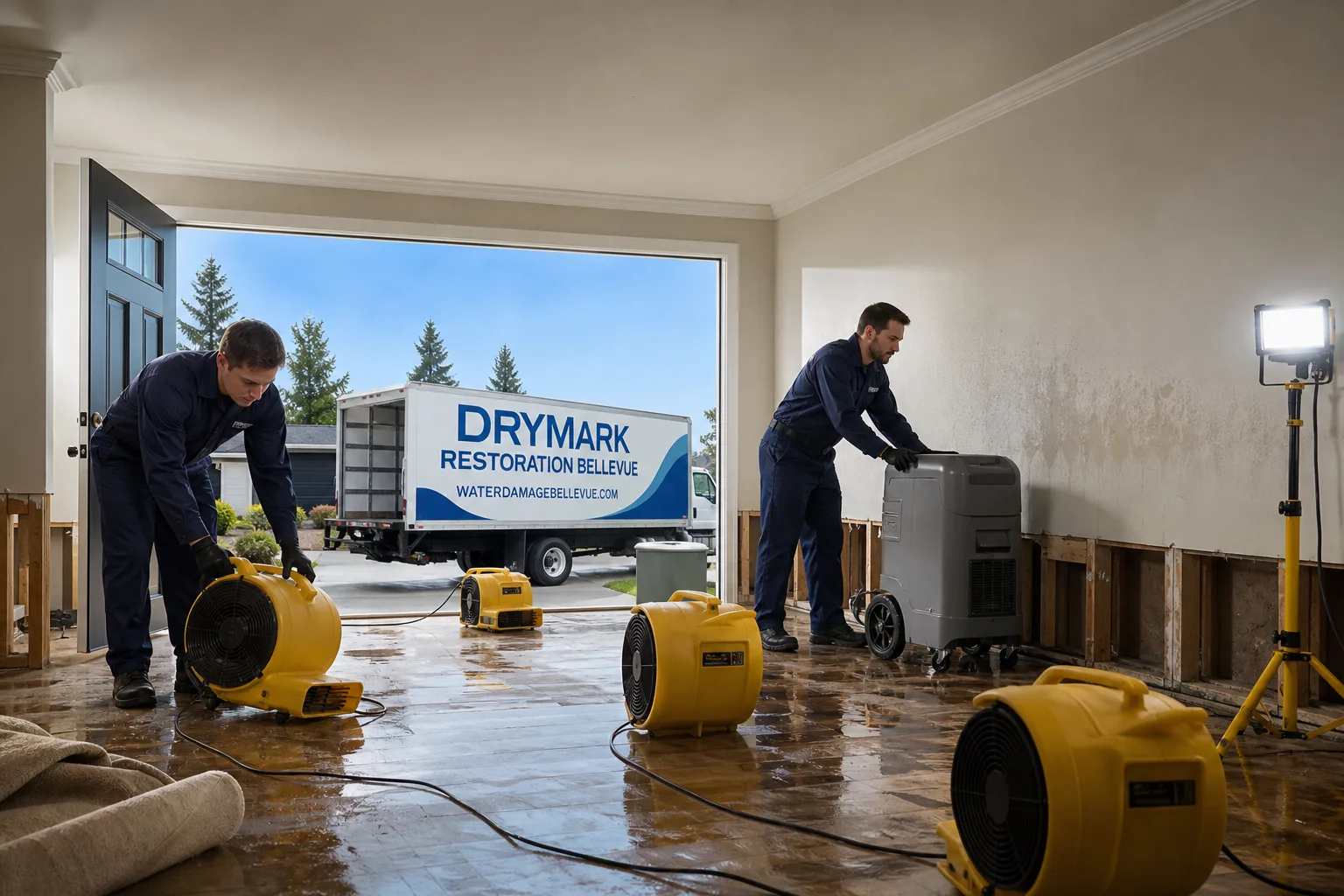
Free visual inspection and a written scope of work before any mitigation begins - photos, moisture readings, and drying logs go in your claim file
The scope we write is the scope we bill. Anything new gets shown to you, in writing, before we touch it.
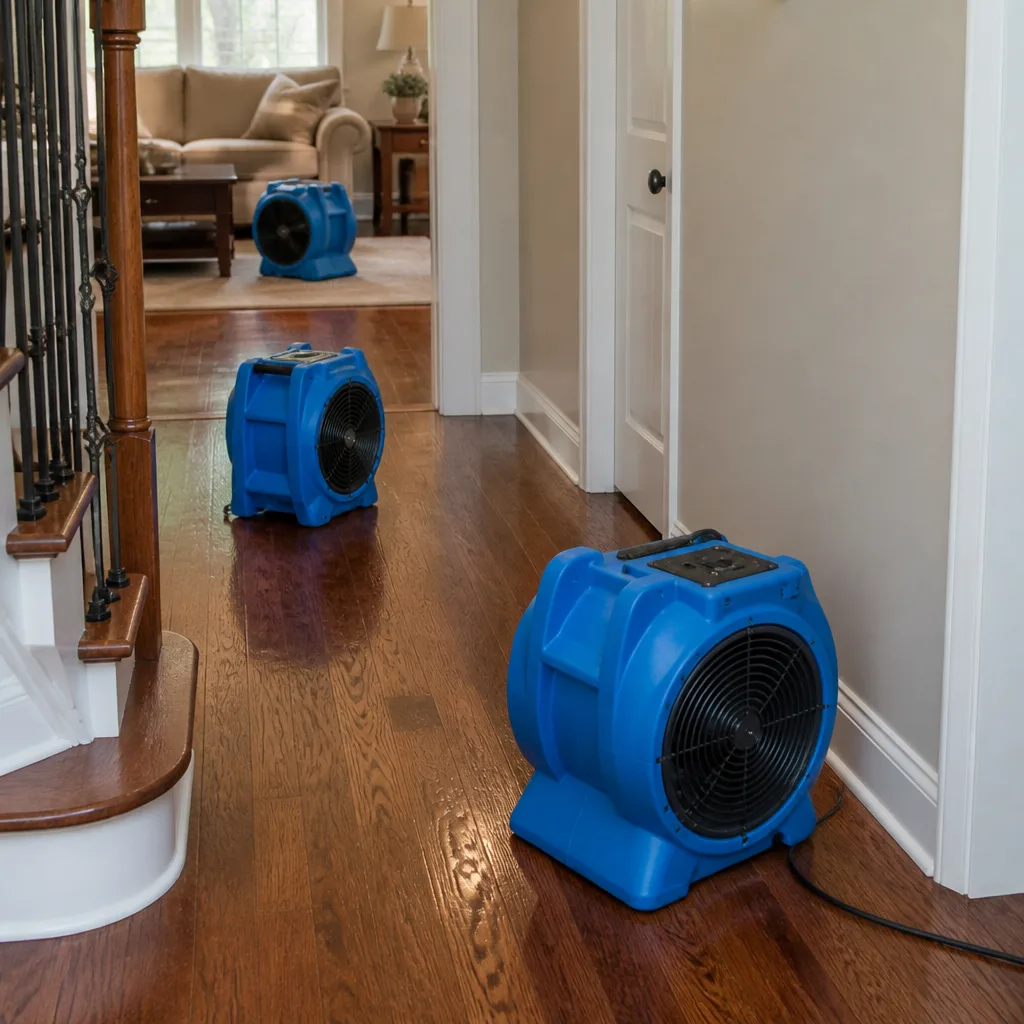
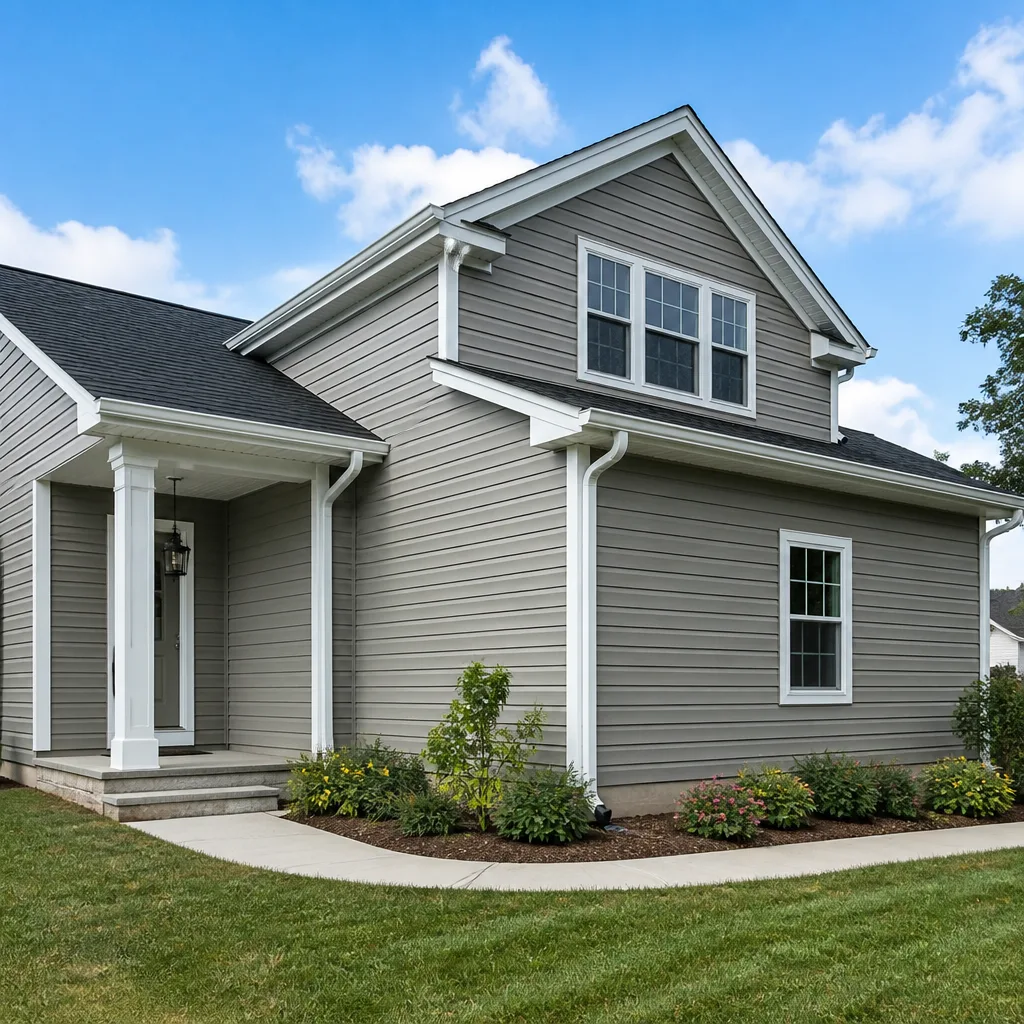
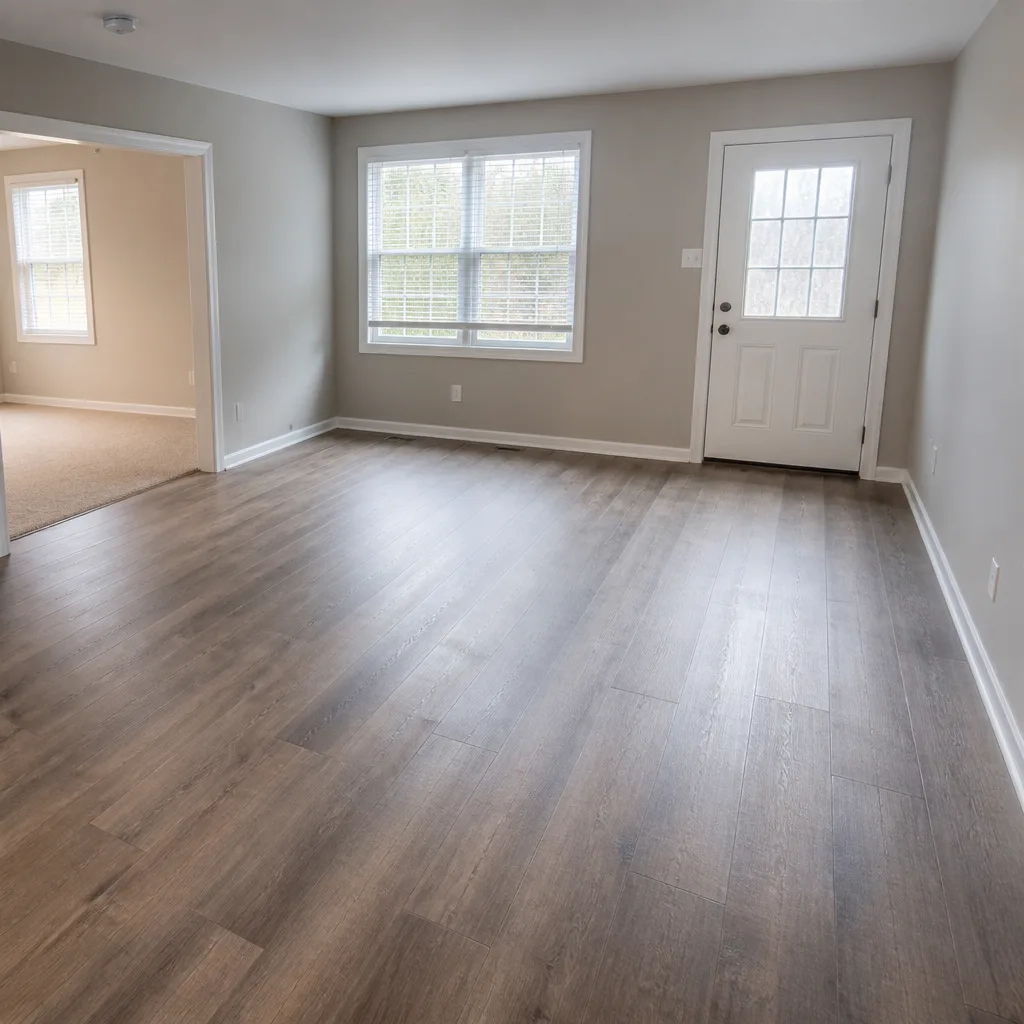
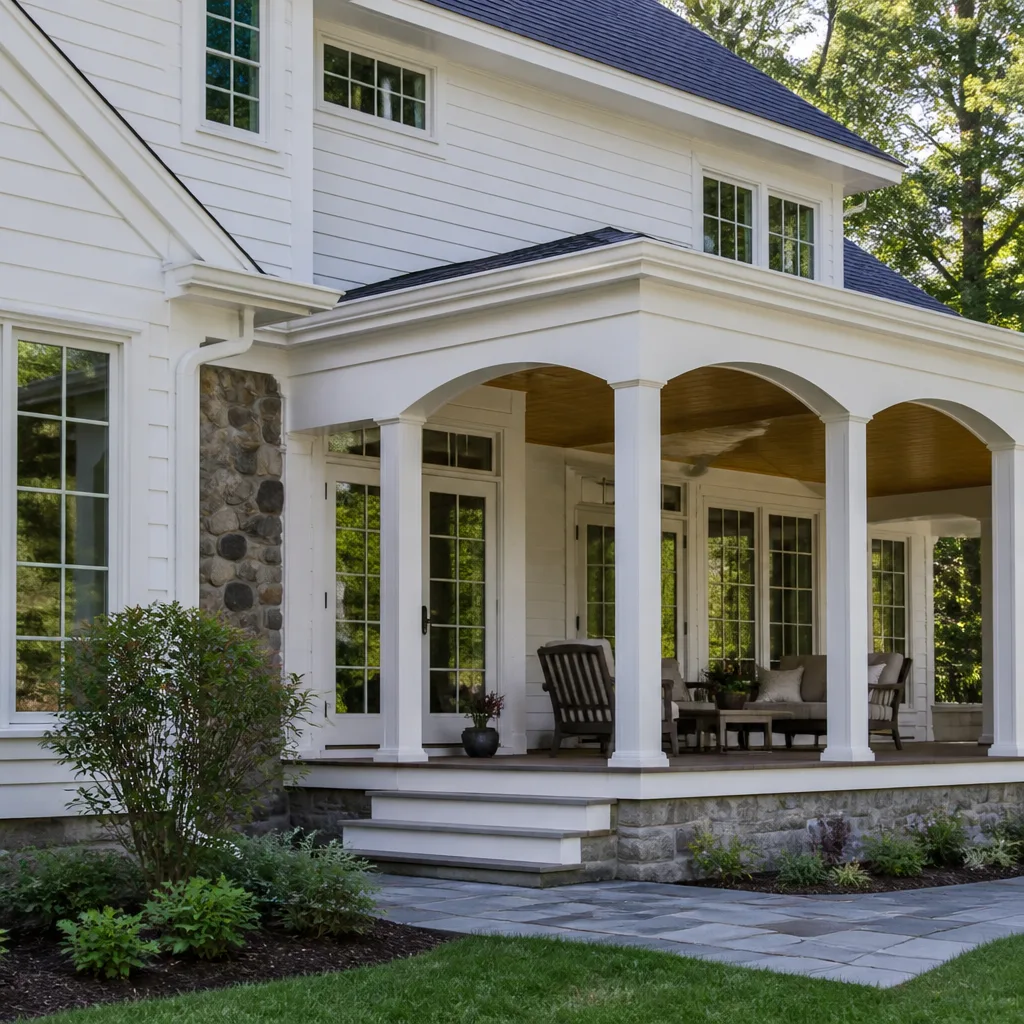
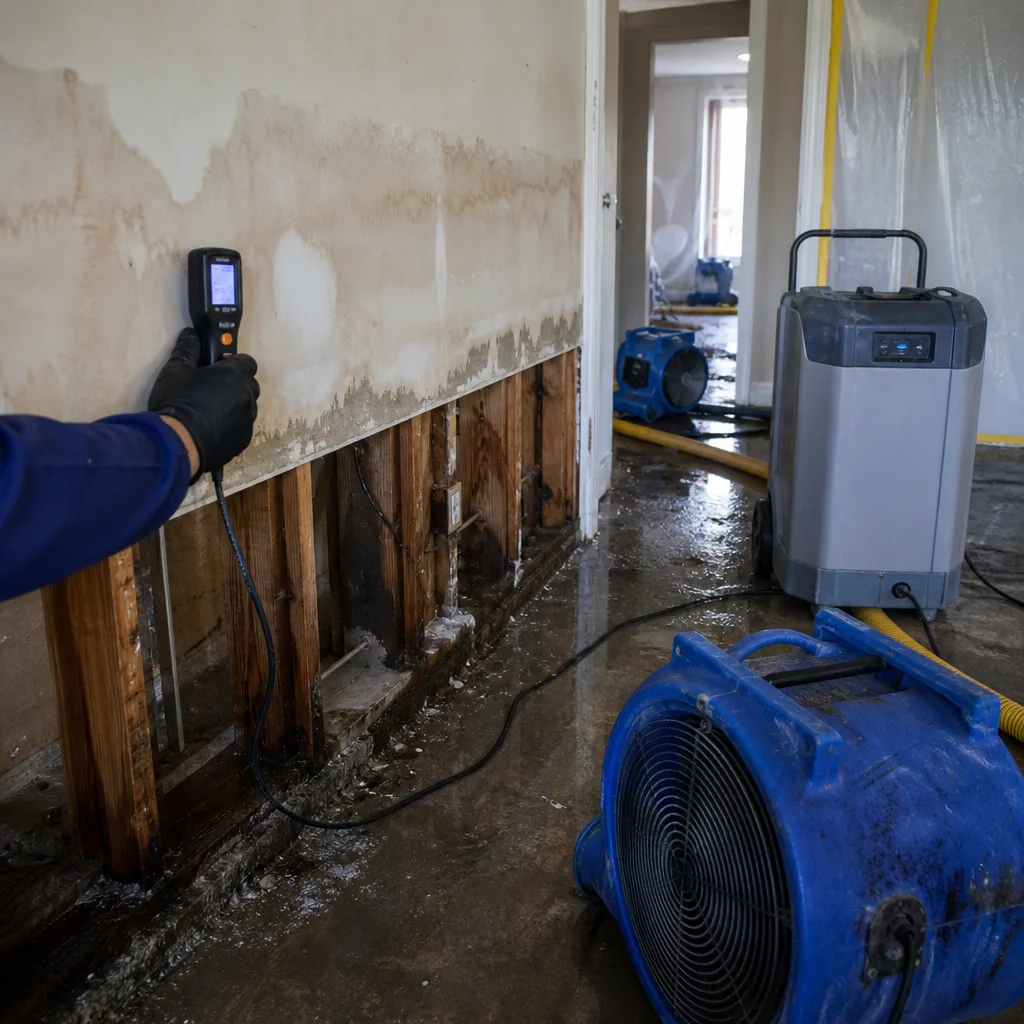 Before
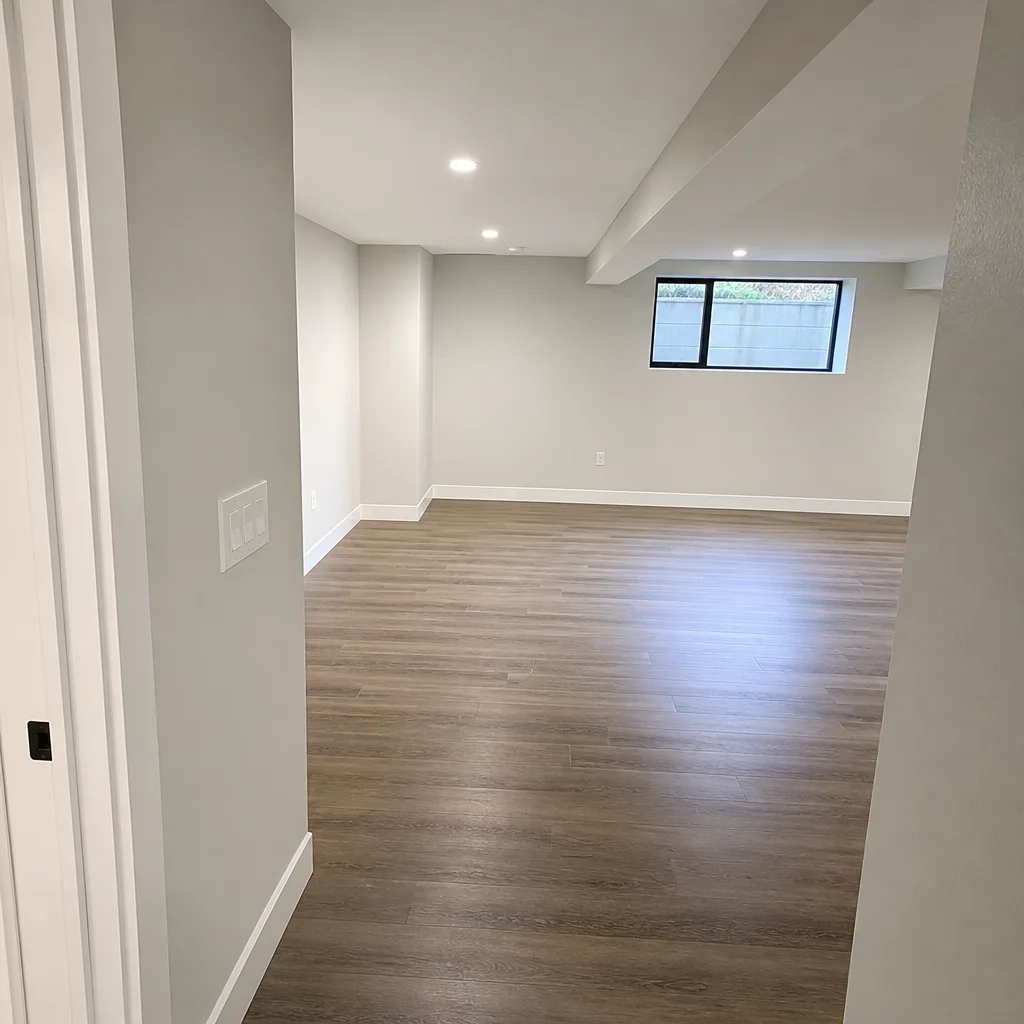 After
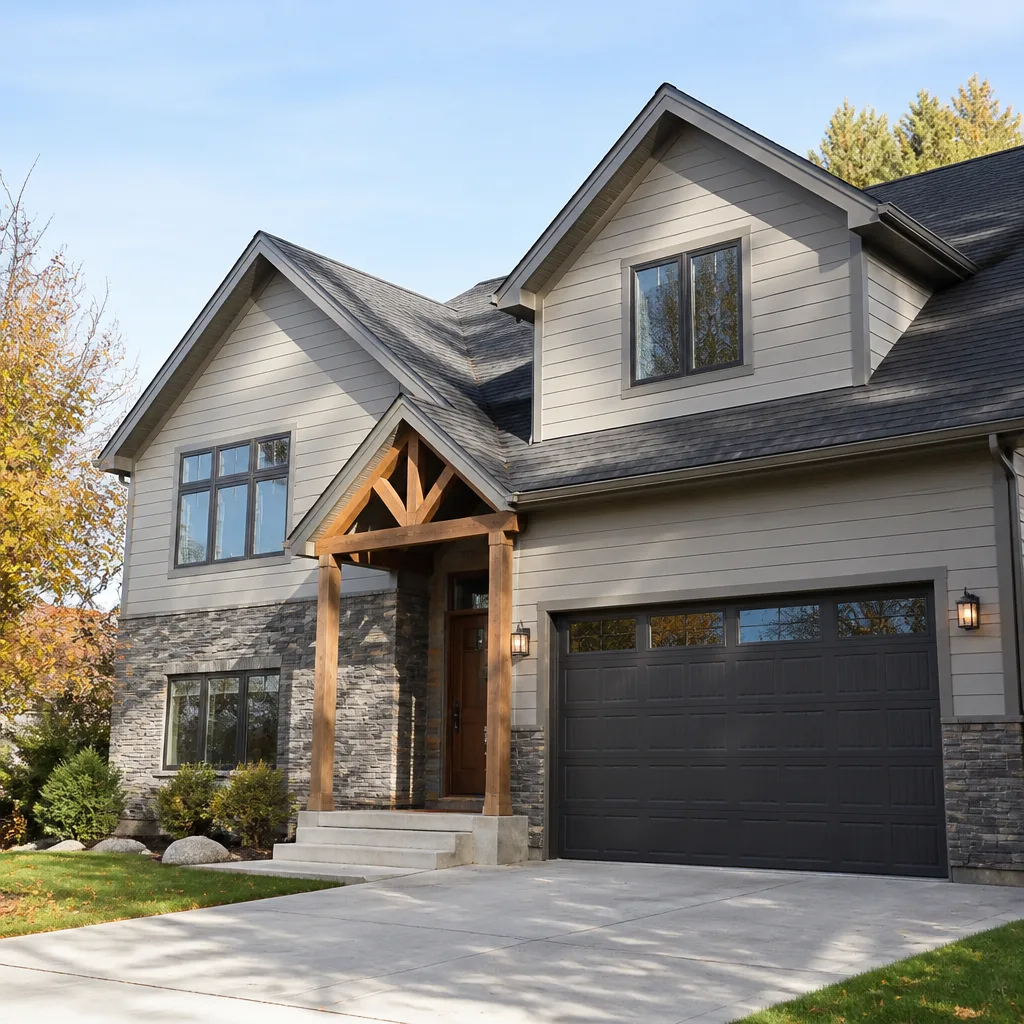
After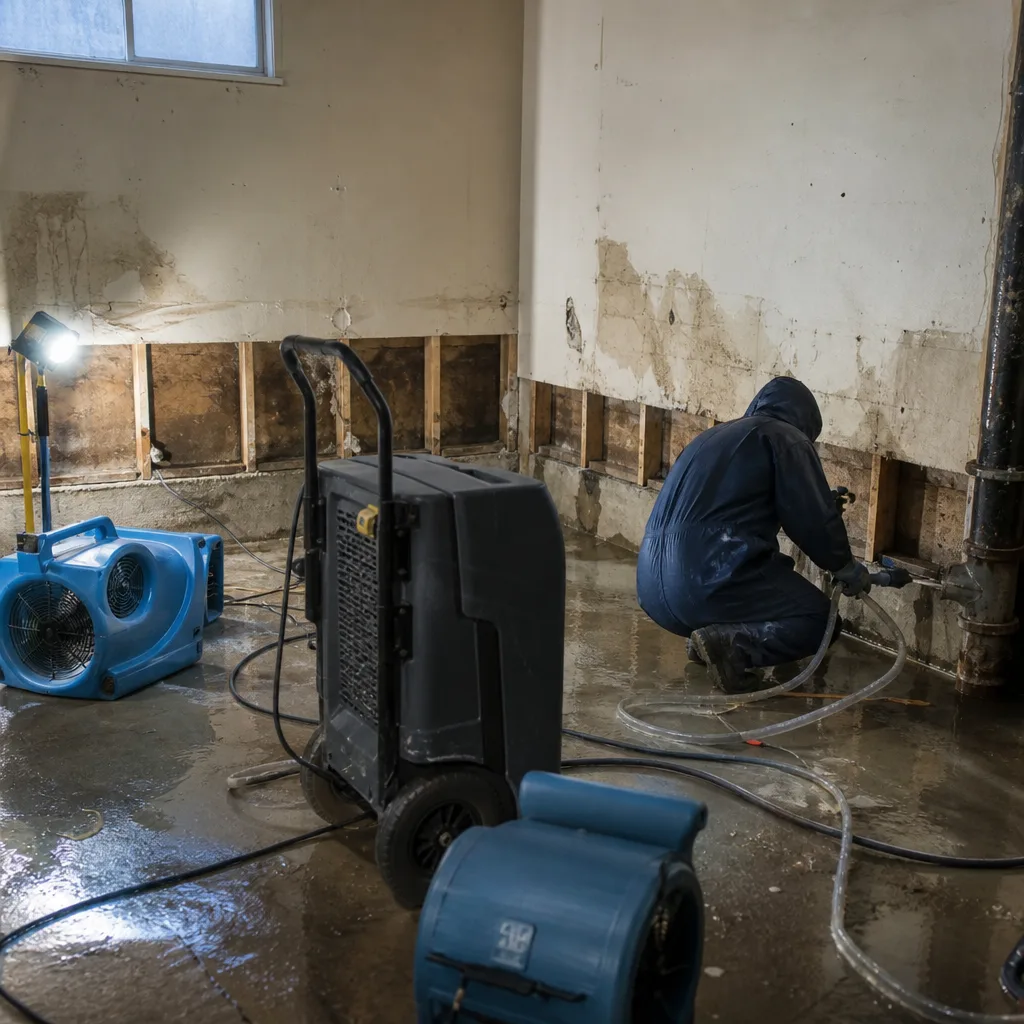 Before
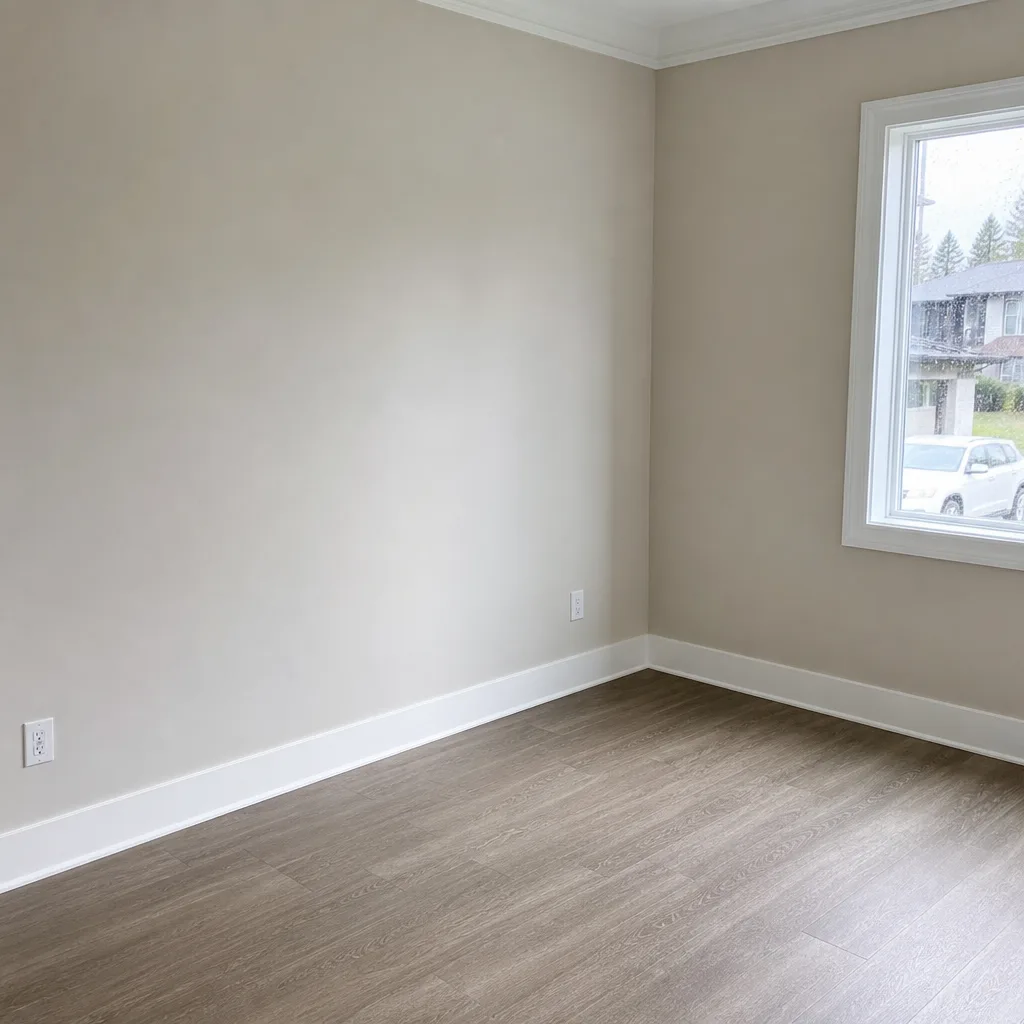 After
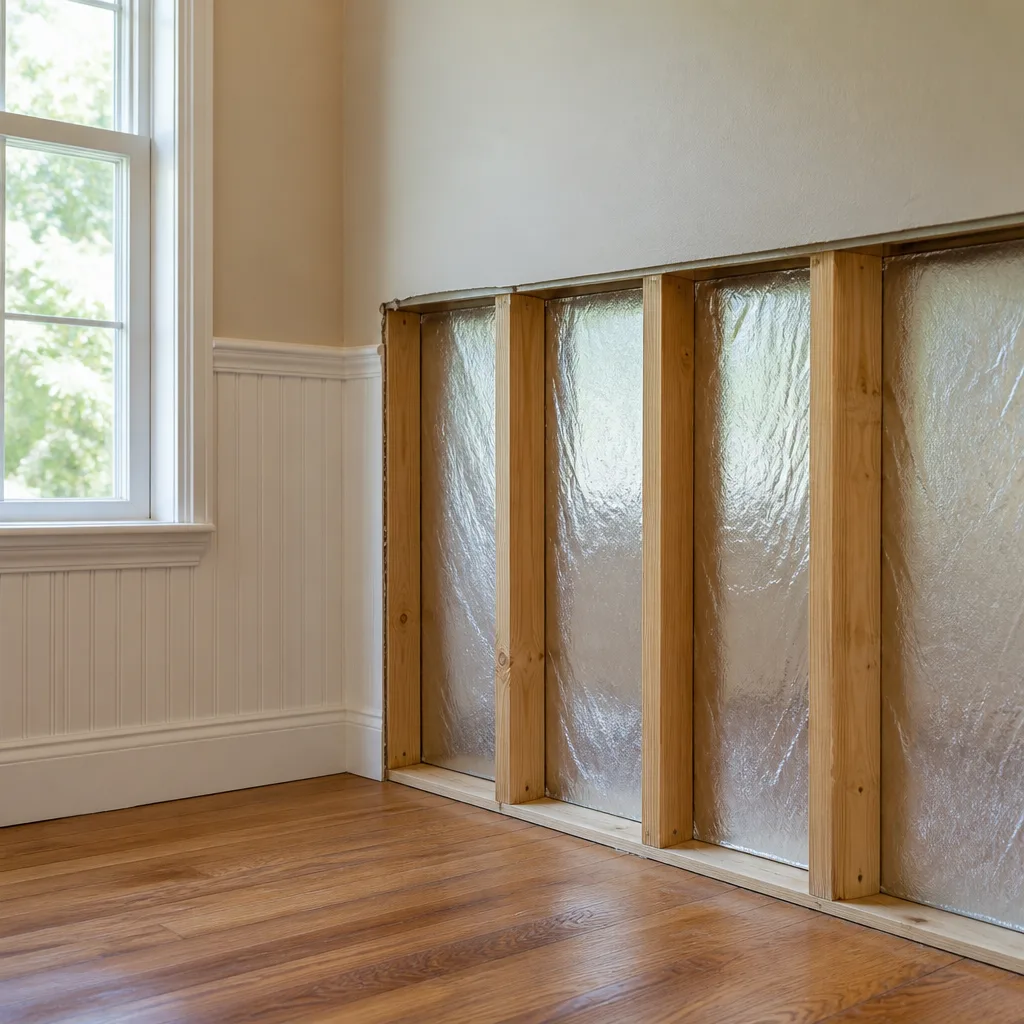
After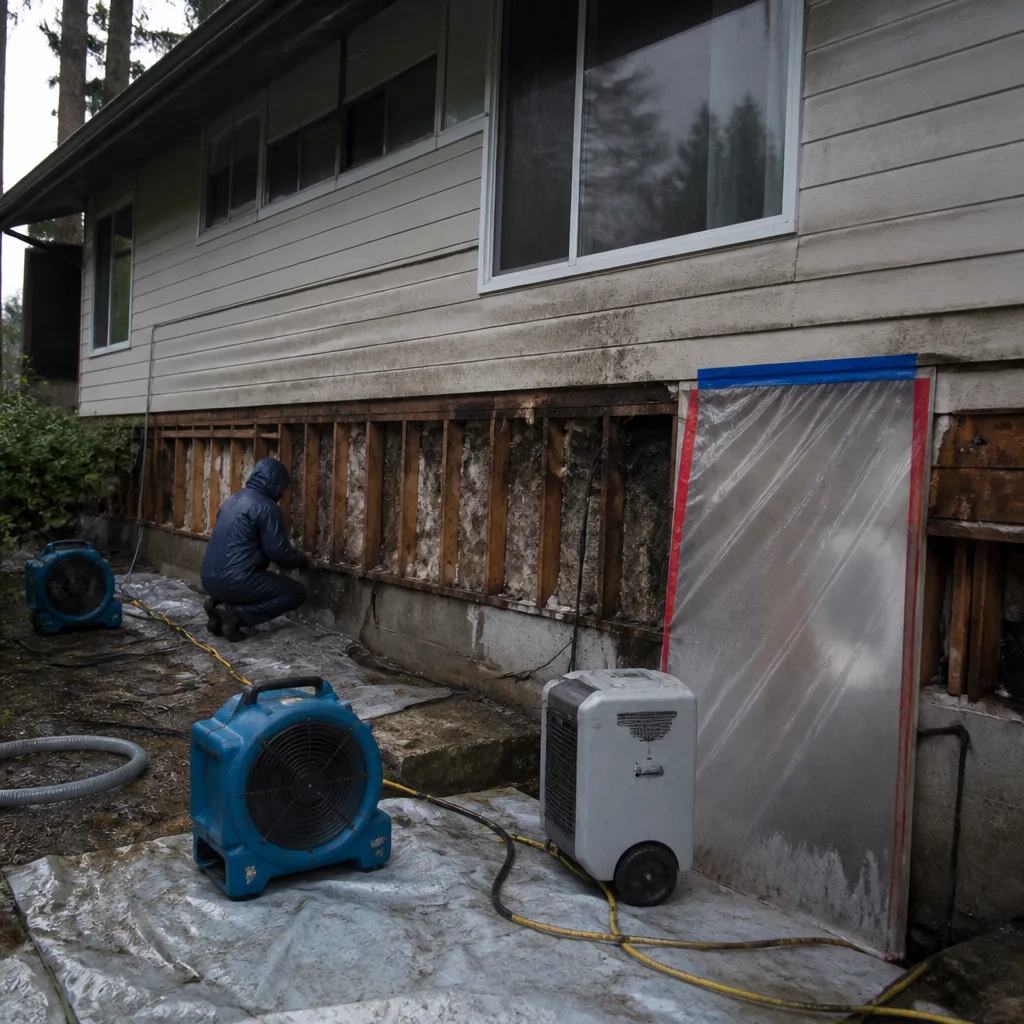 Before
 After
AfterFast, Reliable Water Damage Restoration Across Seattle
Water damage restoration in Seattle typically costs between $1,800 and $6,500 depending on the affected square footage, material classification, and whether mold remediation is required. Most emergency calls in Seattle receive a crew on-site within 60 to 90 minutes, with our Water Damage Restoration team coordinating dispatch from our Seattle office. We’re familiar with the crawl spaces under Ballard’s pre-WWII bungalows, the defective cladding on 1990s Capitol Hill condos, and the way marine drizzle finds its way through building envelopes that would hold tight in drier climates. If you’re standing in water right now, call (425) 696-6320 - a live person answers, 24 hours a day, 7 days a week.
Why DryMark Restoration Bellevue Is Seattle’s Preferred Water Damage Restoration Company
We’ve restored homes in Seattle since 2011, and our reputation here is built on documentation that survives adjuster scrutiny. Every job gets a written price before work begins - Haven Standard, Clause 1 - plus a photo record on every visit and daily moisture logs tied to IICRC drying standards. Our Seattle customers leave reviews citing the same thing: they knew exactly what they were paying for, and their insurance paid without a fight.
Response time to Seattle neighborhoods averages under 90 minutes for emergency water extraction. We know the local failure patterns: the shallow vented crawls in Wallingford, the face-sealed condo cladding near downtown, the rim-joist rot that follows every winter’s sustained drizzle. That local knowledge means we find the water other crews miss.
Our technicians are background-checked, uniformed, and licensed - their license numbers are available on request. Equipment on every Seattle truck includes Dri-Eaz and Phoenix dehumidification systems, plus Injectidry cavity drying for the hidden moisture behind Seattle’s stucco and EIFS exteriors. The 365-Day Done Right Promise applies to every job, backed by The Haven Standard in writing, not a verbal assurance.
Our Water Damage Restoration Services in Seattle
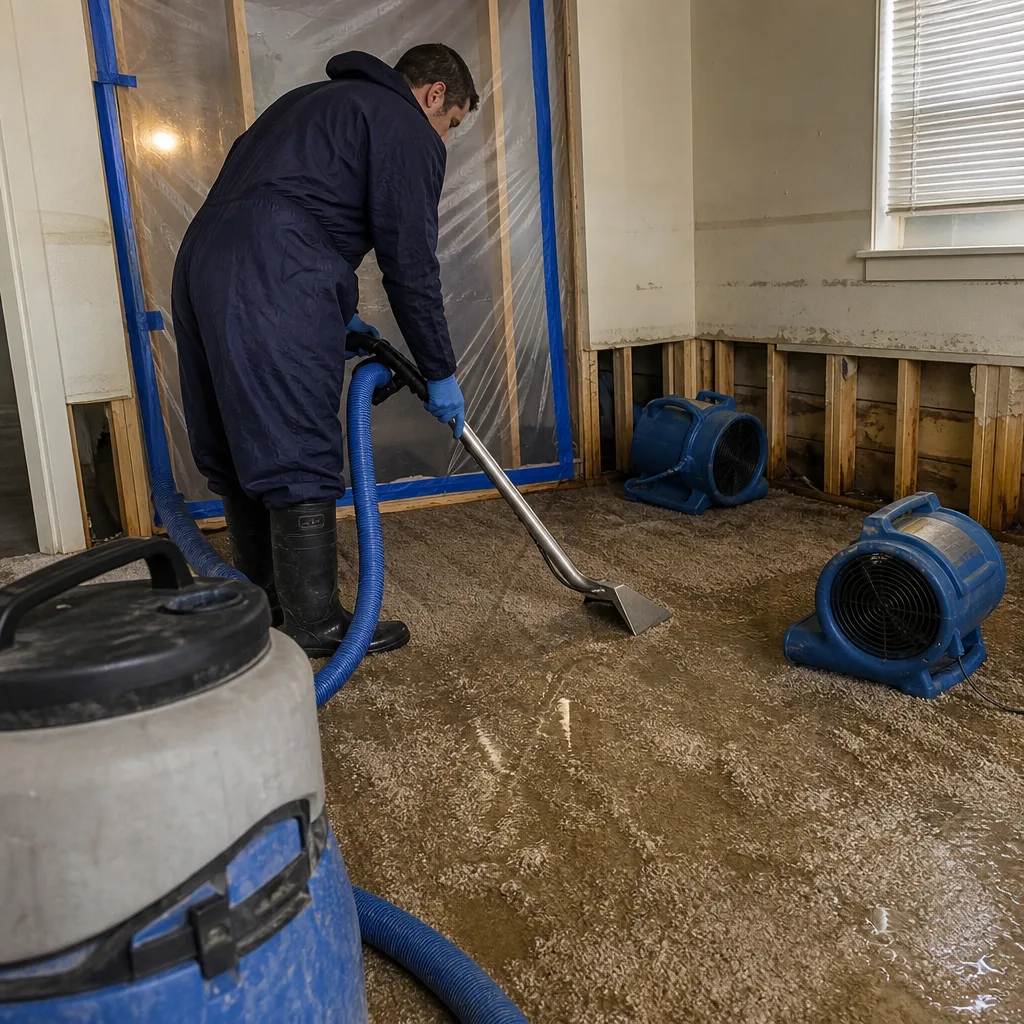
Emergency Water Extraction
When a supply line bursts in a Central District bungalow or a dishwasher fails in a Queen Anne townhouse, standing water doesn’t wait. Our crews extract to the subfloor using truck-mounted systems, then moisture-map the full affected area to find where water traveled. In Seattle’s marine climate, extraction is only the start - the real work is proving to your insurer that everything downstream of the visible water was found and dried.
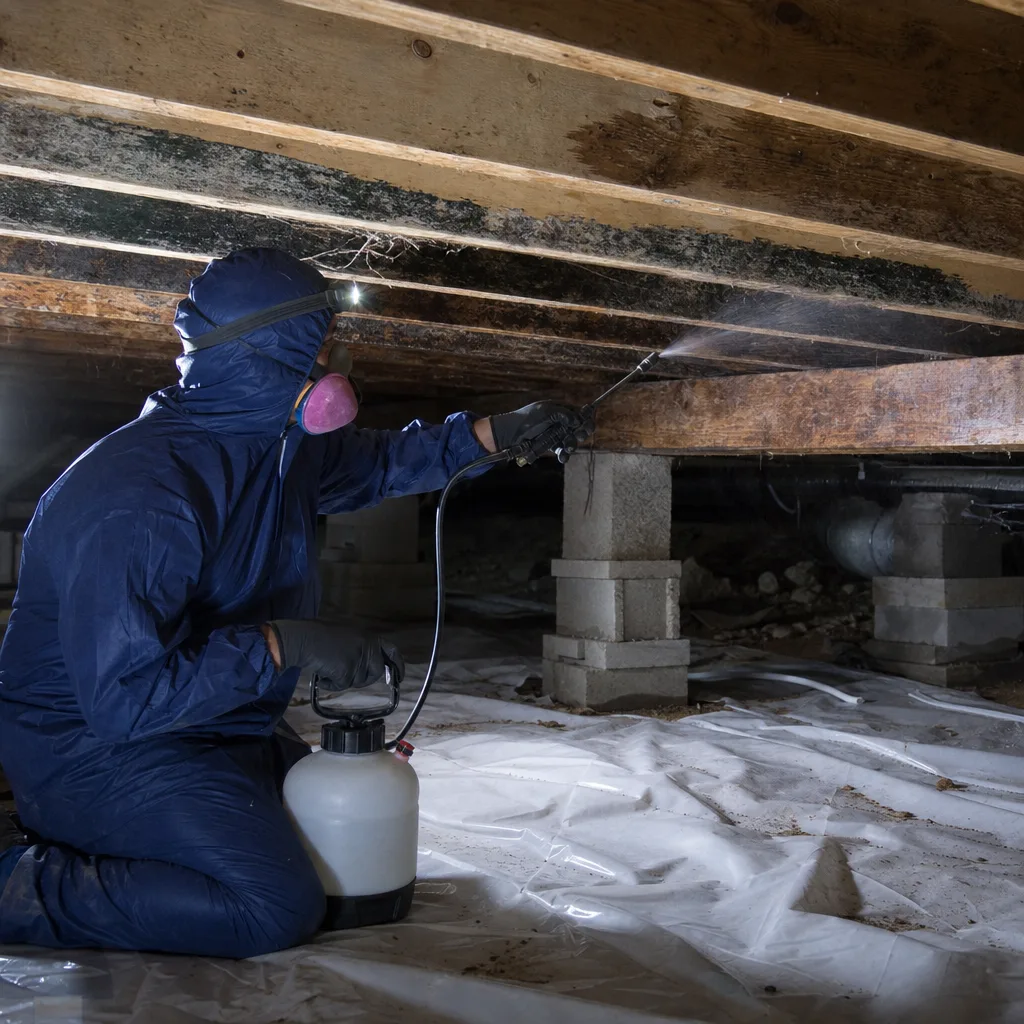
Structural Drying & Dehumidification
This is where Seattle jobs diverge from drier markets. Our marine climate delivers 150+ days of precipitation per year, and that persistent low-level humidity saturates building materials slowly. We deploy psychrometric monitoring - measuring vapor pressure differential, temperature, and relative humidity - to force drying conditions that overcome Seattle’s ambient moisture load. Dri-Eaz and Phoenix dehumidifiers run until daily moisture logs prove materials have returned to pre-loss equilibrium, not until they “feel dry.” Tertiary drying, the final phase where dense materials like Douglas fir joists release bound moisture, often takes longer in Seattle than the IICRC baseline suggests.
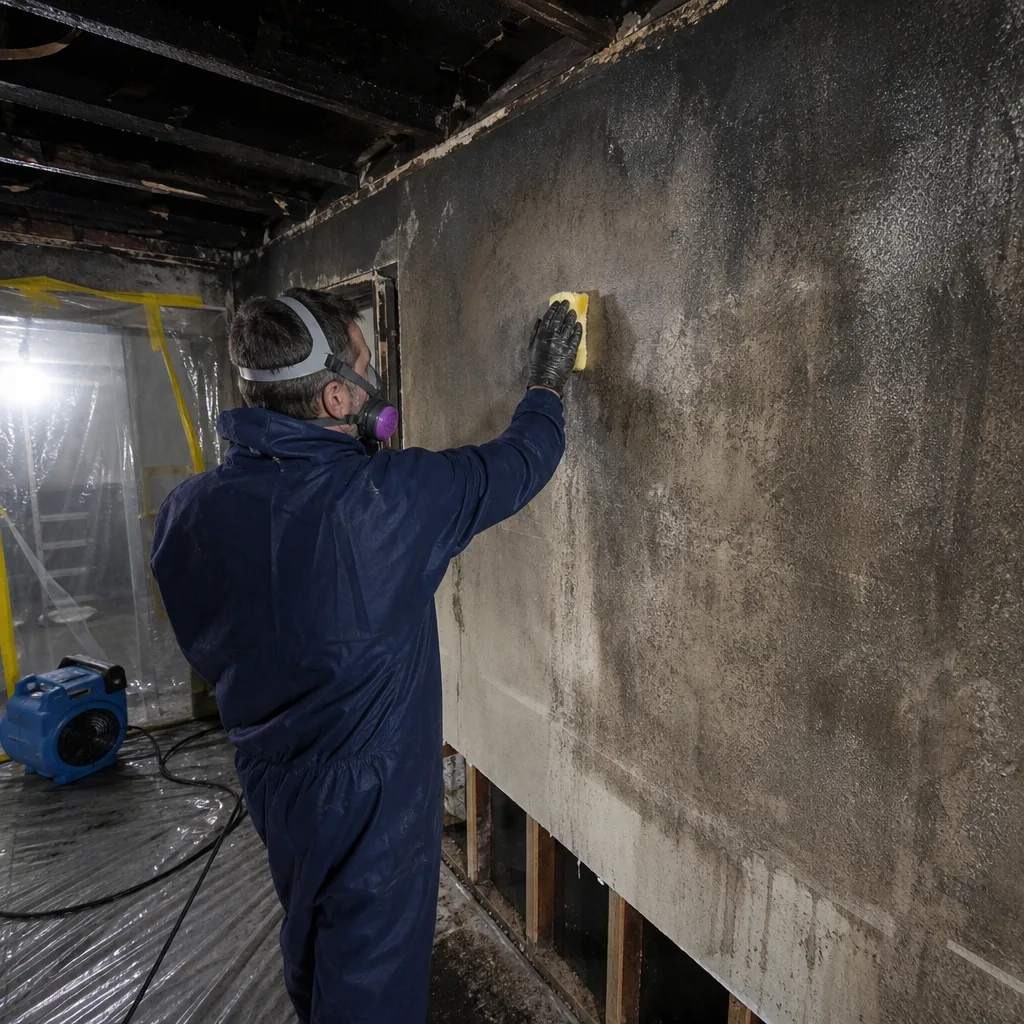
Flood Cleanup
Seattle’s flooding is rarely dramatic storm surge. More often it’s groundwater migrating through glacial clay soils into basements and crawl spaces, or overwhelmed drainage on sloped lots in neighborhoods like Magnolia and West Seattle. We classify the water source, document contamination levels with photo evidence, and build a written scope that distinguishes what can be dried from what must be removed. For Category 3 black water, demolition and pack-out are specified in writing before any wall comes down.
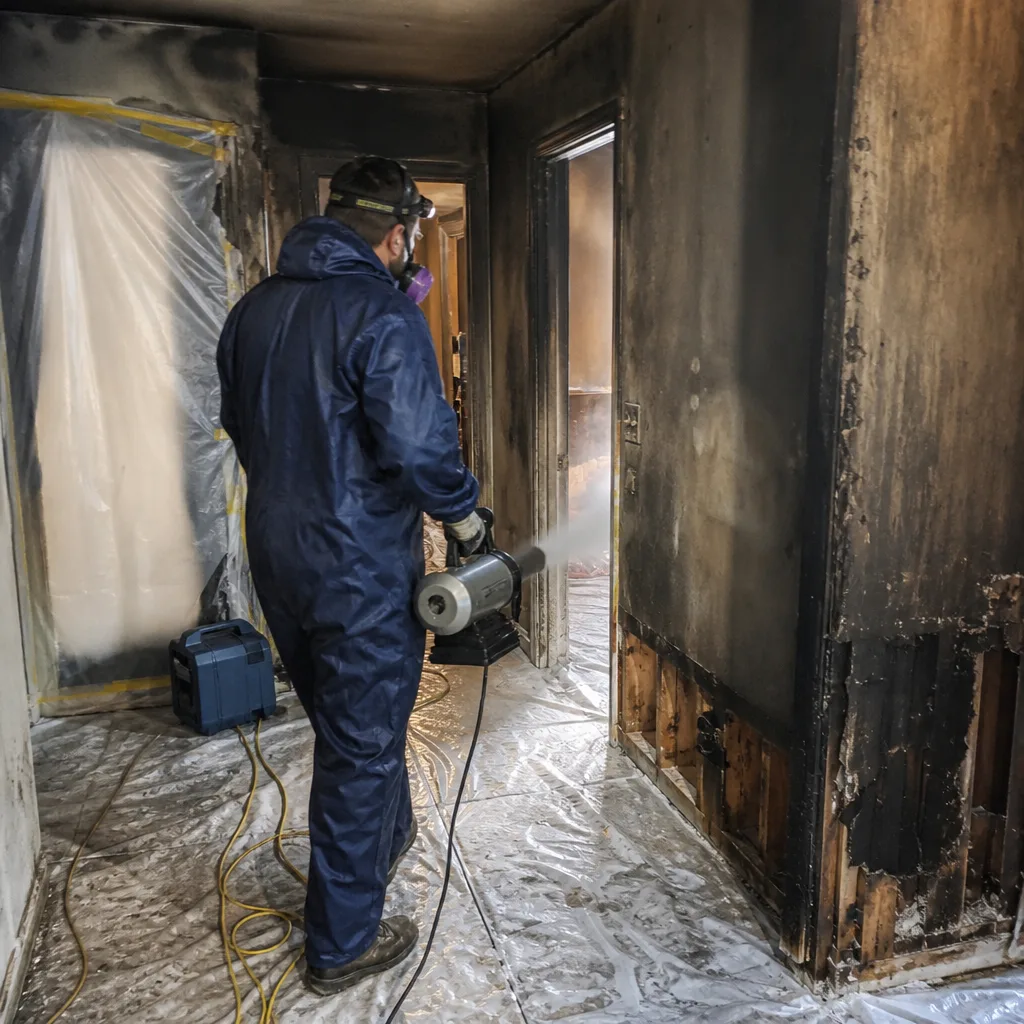
Burst Pipe Restoration
Seattle’s older copper and galvanized systems, combined with freeze events during cold snaps, produce pipe failures that can run for hours before detection. In a 1924 Craftsman bungalow off Northwest 65th Street in Ballard, our tech found that a slow supply-line drip behind the kitchen wall had fed water down into a shallow vented crawl over clay that never drains; moisture mapping showed the subfloor joists near the rim board reading near saturation while the upstairs oak floor still looked fine. We set containment with antimicrobial treatment, ran Dri-Eaz and Phoenix air movers and dehumidification for structural drying, sistered two rotted joists, and logged daily moisture readings so the homeowner’s insurance had a complete drying log tied to the pre-loss condition.
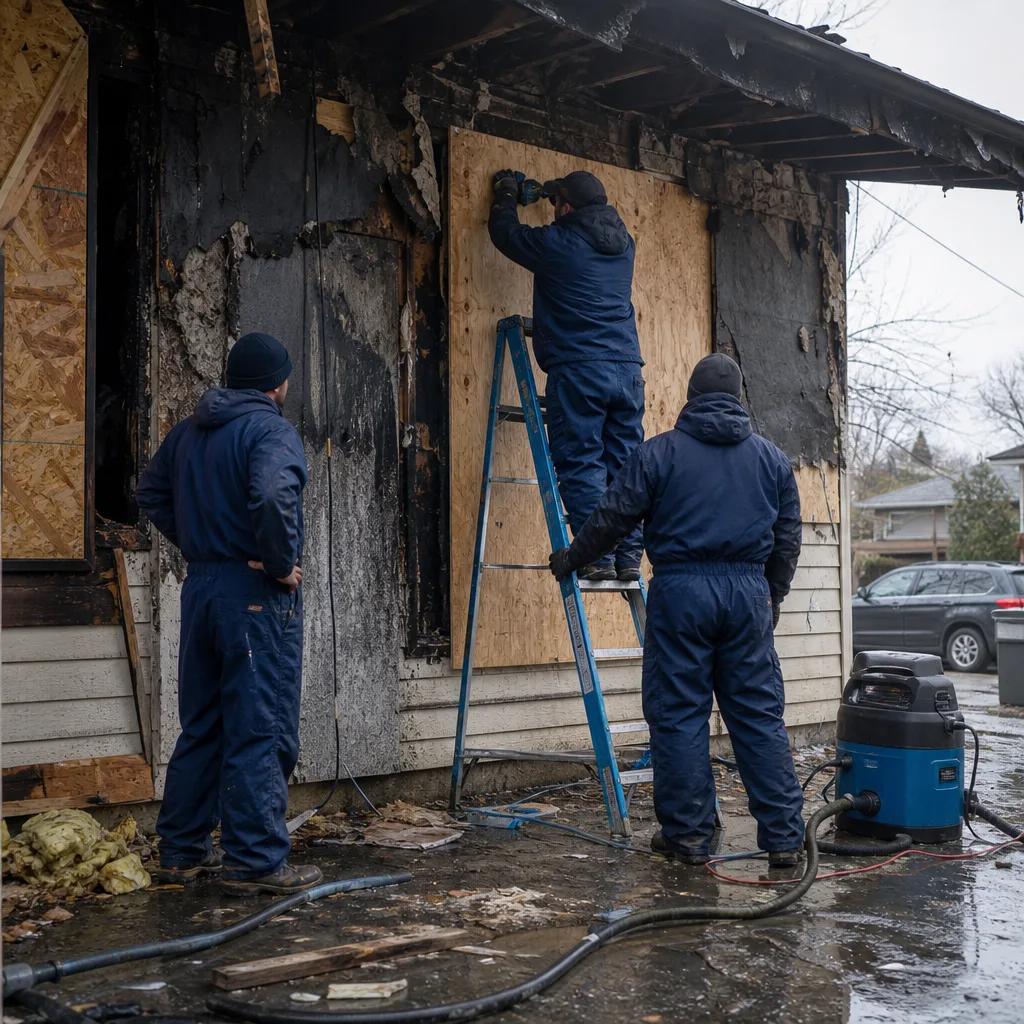
Ceiling & Roof Leak Water Damage
Roof leaks in Seattle rarely announce themselves with dramatic ceiling collapse. The marine drizzle finds failed flashing, degraded vent boots, or ice-dam gaps, then migrates through insulation for weeks before staining drywall. By the time a Capitol Hill homeowner spots a brown spot, the cavity above may hold saturated fiberglass and mold on the top plate. We cut strategic inspection openings, moisture-map the full cavity, and document findings with photos before any repair scope is written.
What happens when you call
- 1
A real person answersNo phone trees - you reach a local pro.
- 2
You get an upfront price rangeHonest numbers before anyone is dispatched.
- 3
A background-checked tech heads outLicensed & insured, dispatched right away.
- 4
You approve before work beginsNothing starts until you say go.
BeforeAfterTrusted Brands We Service in Seattle
Our Seattle crews deploy professional-grade drying systems from Dri-Eaz, Phoenix, and XPOWER - equipment documented to IICRC, RIA, and IFA standards. We stock antimicrobial formulations and replacement materials sized for Seattle’s common building types: the 2×8 Douglas fir joists in pre-WWII bungalows, the lightweight truss systems in 1990s condos, the membrane assemblies behind regional stucco and EIFS. Parts availability means no waiting for specialty orders while your home sits wet.
Common Water Damage Restoration Problems We See in Seattle Homes
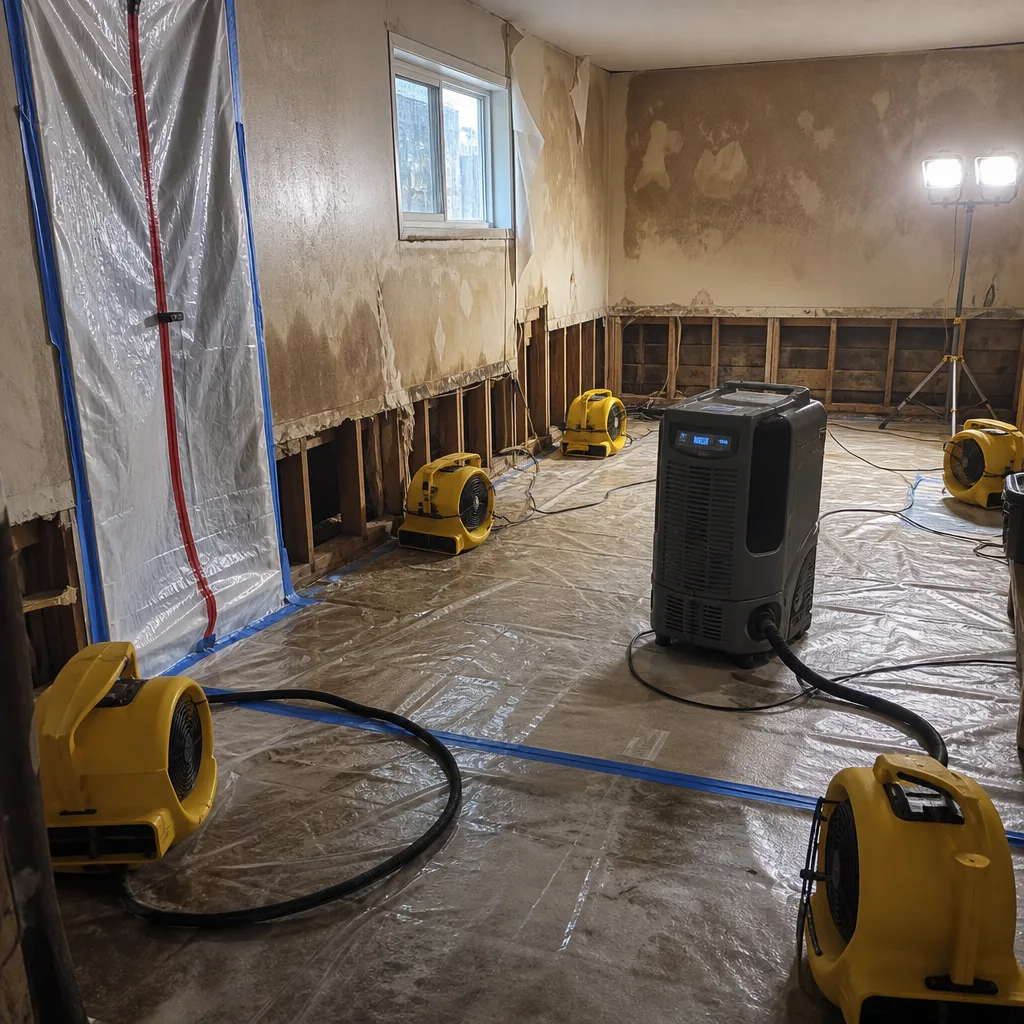
- Crawl space saturation in Ballard and Wallingford bungalows. Shallow vented crawls over non-draining glacial clay pool extracted water and drizzle runoff indefinitely. Without active dehumidification and moisture monitoring, dried joists re-wet within days.
- Hidden wall cavity rot in 1990s-2000s condos. Face-sealed cladding and failing window flashing allow years of water behind stucco and EIFS. The visible stain is rarely near the actual leak.
- Category 2 grey water degrading to Category 3 black water. Seattle’s lack of dramatic storm events means slow drips get ignored for weeks. What started as a clean water line becomes contaminated water requiring full demolition and pack-out.
- Rim-joist and sill-plate rot from persistent marine humidity. Even without a specific leak event, 150+ days of annual precipitation drives moisture into the lowest structural elements, producing rot that only reveals itself during unrelated work.
Pricing for Water Damage Restoration in Seattle, WA
We publish ranges because Haven Standard, Clause 1 requires a written price before work begins - and that price should never be a surprise.
| Service | Typical Range in Seattle |
|---|---|
| Emergency water extraction (up to 500 sq ft) | $1,800 - $3,200 |
| Structural drying & dehumidification (3-5 day cycle) | $2,400 - $4,800 |
| Crawl space drying with active dehumidification | $3,200 - $6,500 |
| Category 3 black water demolition and pack-out | $4,500 - $9,000+ |
| Mold remediation following water damage (add-on) | $2,000 - $5,500 |
What moves a Seattle job toward the higher end: affected square footage beyond the visible stain, Category 3 contamination requiring PPE and disposal, dense old-growth lumber that extends tertiary drying time, and crawl spaces requiring containment and active dehumidification. What keeps costs controlled: fast extraction that limits wicking, accurate moisture mapping that avoids unnecessary demolition, and documentation that gets your insurer to cover the full scope. We provide a Free Second Opinion on any competitor’s written estimate - bring their scope and we’ll review it at no charge. Call (425) 696-6320 for a written price before any work starts.
We Also Serve Cities Near Seattle
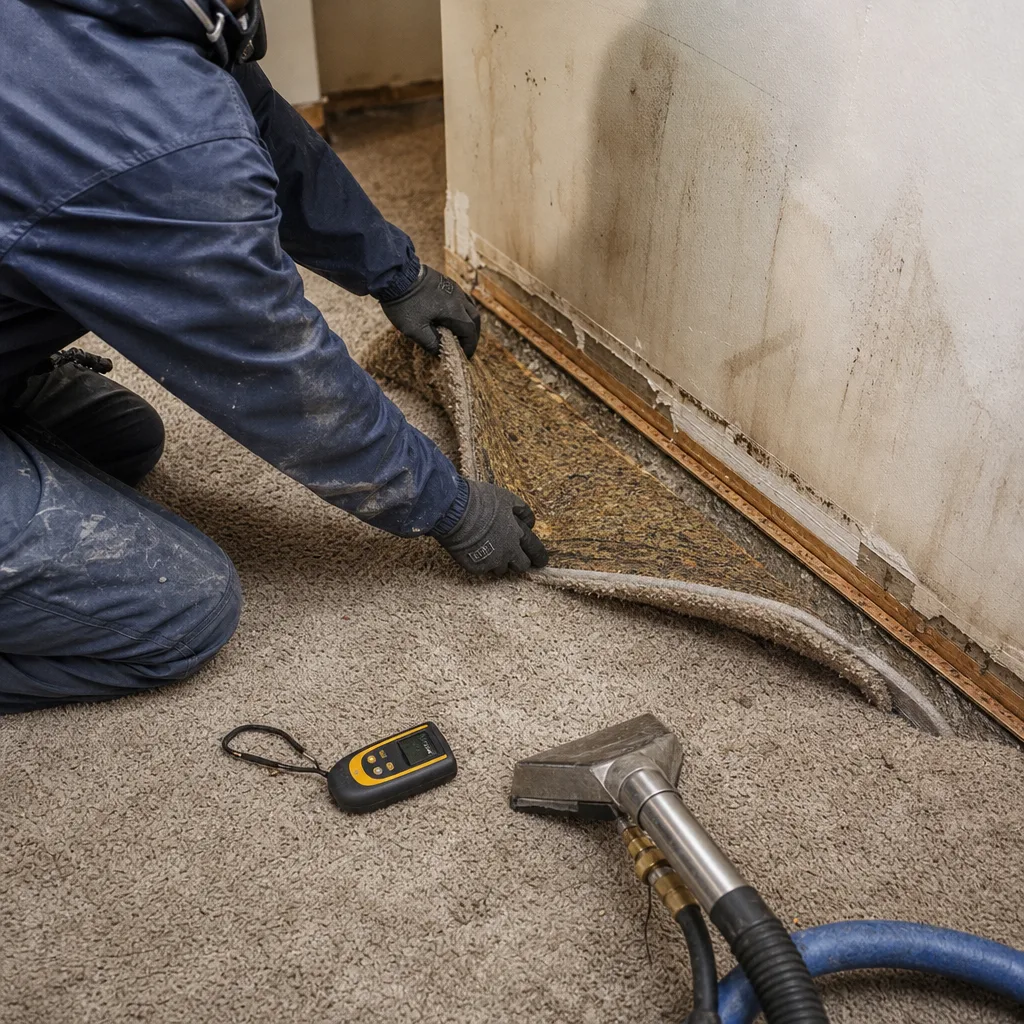
Our Seattle office dispatches crews throughout the metro area, including Bellevue, Mercer Island, Kirkland, and Redmond. Each city’s building stock and soil conditions produce different failure patterns - we adjust our moisture mapping and drying protocols accordingly.
Serving Seattle, WA - Our Local Coverage Area
We’re based in the Seattle area and know this community well. Use the map below to see our service coverage - if you’re nearby, we can almost certainly help.
FAQs - Water Damage Restoration in Seattle
Because Seattle’s glacial clay soils don’t drain, and 150+ days of marine drizzle keep everything damp. In Ballard’s pre-WWII bungalows, shallow vented crawls sit over that clay, so a plumbing drip or roof leak wicks down into the subfloor joists and sits for months. By the time you see a stain upstairs, the crawl space below often holds saturated wood and active mold growth requiring full remediation and structural repair. Call (425) 696-6320 and we’ll moisture-map both levels before writing a scope.
Yes. Seattle’s 1990s-2000s wood-frame condos are regionally notorious for defective face-sealed cladding and window flashing that allows water to rot structural framing behind stucco and EIFS exteriors. Moisture mapping typically shows the leak origin is nowhere near the visible stain, and the cavity behind may hold weeks or months of hidden water. We cut inspection openings, document findings with photos, and build a written scope before any repair work begins.
It matters more than flooding. Persistent low-level humidity and drizzle across Seattle’s long wet season (roughly October through May) saturates building materials slowly and drives mold growth in crawl spaces, attics, and wall cavities without any dramatic single event. The city’s glacial clay soils compound this by shedding groundwater laterally into foundations rather than absorbing it. Chronic moisture intrusion is Seattle’s defining restoration challenge.
IICRC standards allow 24-48 hours before mold colonization begins, but Seattle’s ambient humidity shortens that window. In practice, we recommend emergency extraction and dehumidification within 4-6 hours for Category 1 clean water, and immediate antimicrobial application for any grey water source. Our live dispatch operates 24 hours a day, 7 days a week with no voicemail - call (425) 696-6320 and a crew can typically be on-site within 60 to 90 minutes.
It depends on how long it ran and what it contacted. Category 2 grey water - think dishwasher or washing machine discharge - can often be dried if extraction begins quickly and affected materials are non-porous: tile, sealed concrete, metal framing. But in Seattle’s older craftsmans with porous plaster, unsealed Douglas fir, and saturated insulation, grey water that sits for more than 24-48 hours typically degrades to Category 3 and requires controlled demolition. We moisture-map, classify the contamination with photo documentation, and specify in writing what stays and what goes before any demolition starts.
Written by Alicia Brennan, Owner at Back to Dry Restoration, serving Seattle since 2011.