
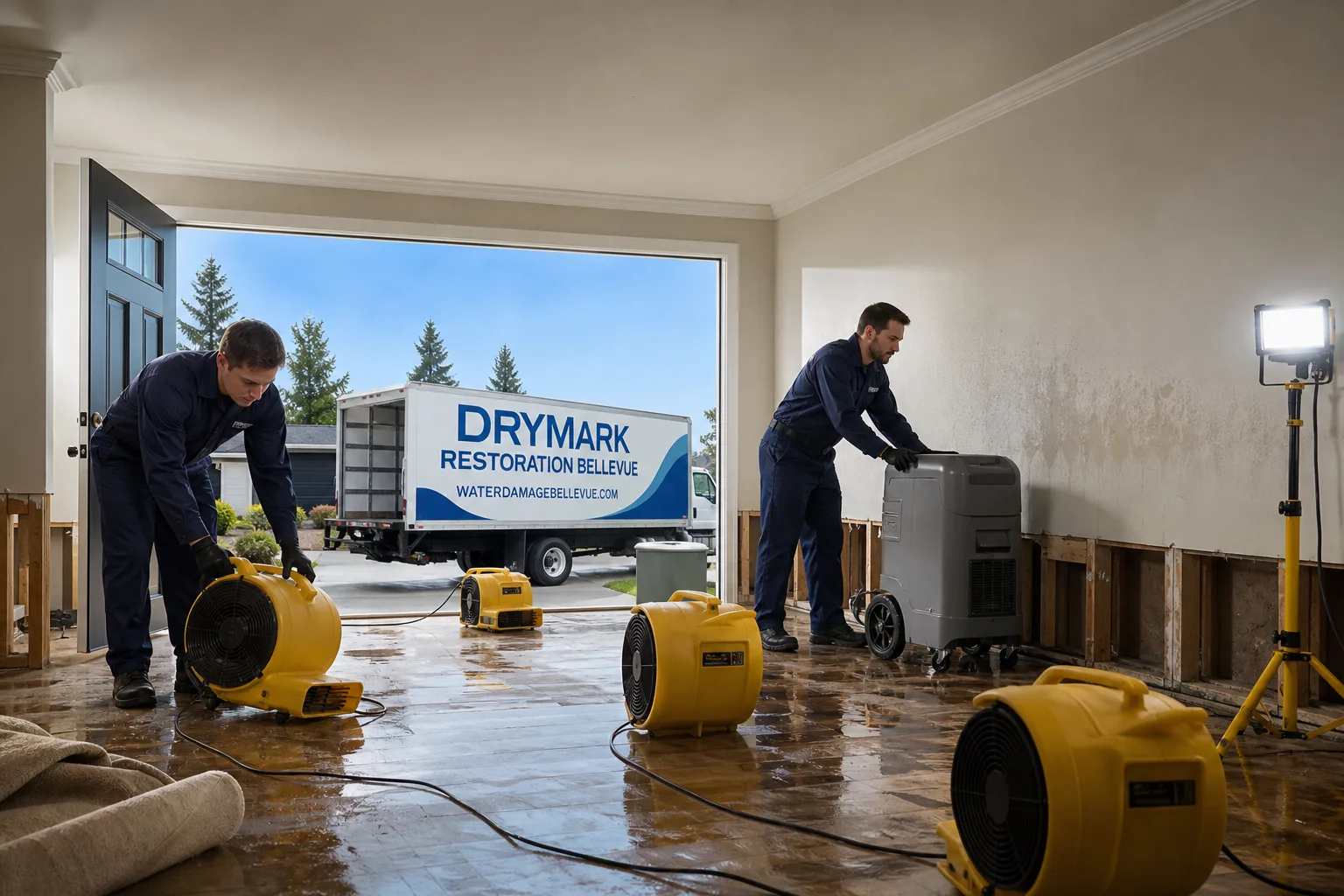
Free visual inspection and a written scope of work before any mitigation begins - photos, moisture readings, and drying logs go in your claim file
The scope we write is the scope we bill. Anything new gets shown to you, in writing, before we touch it.
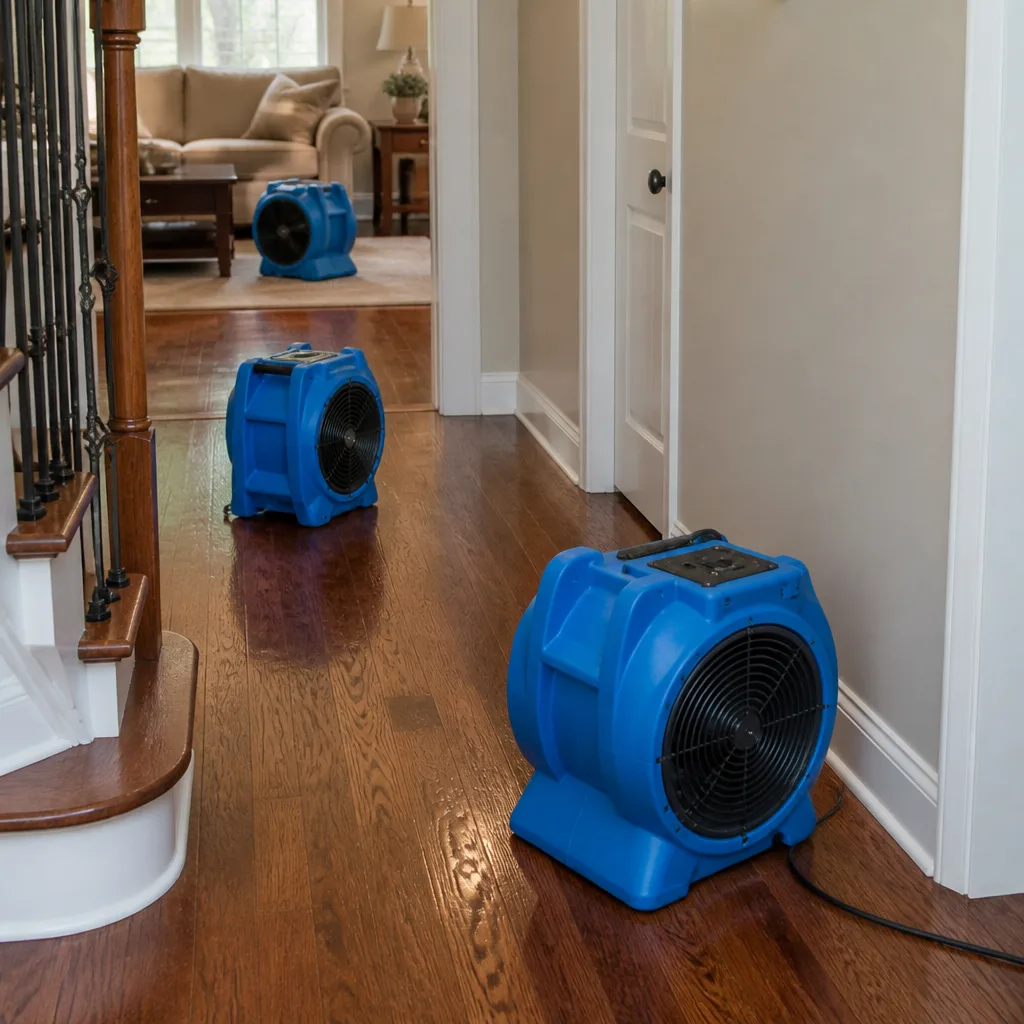
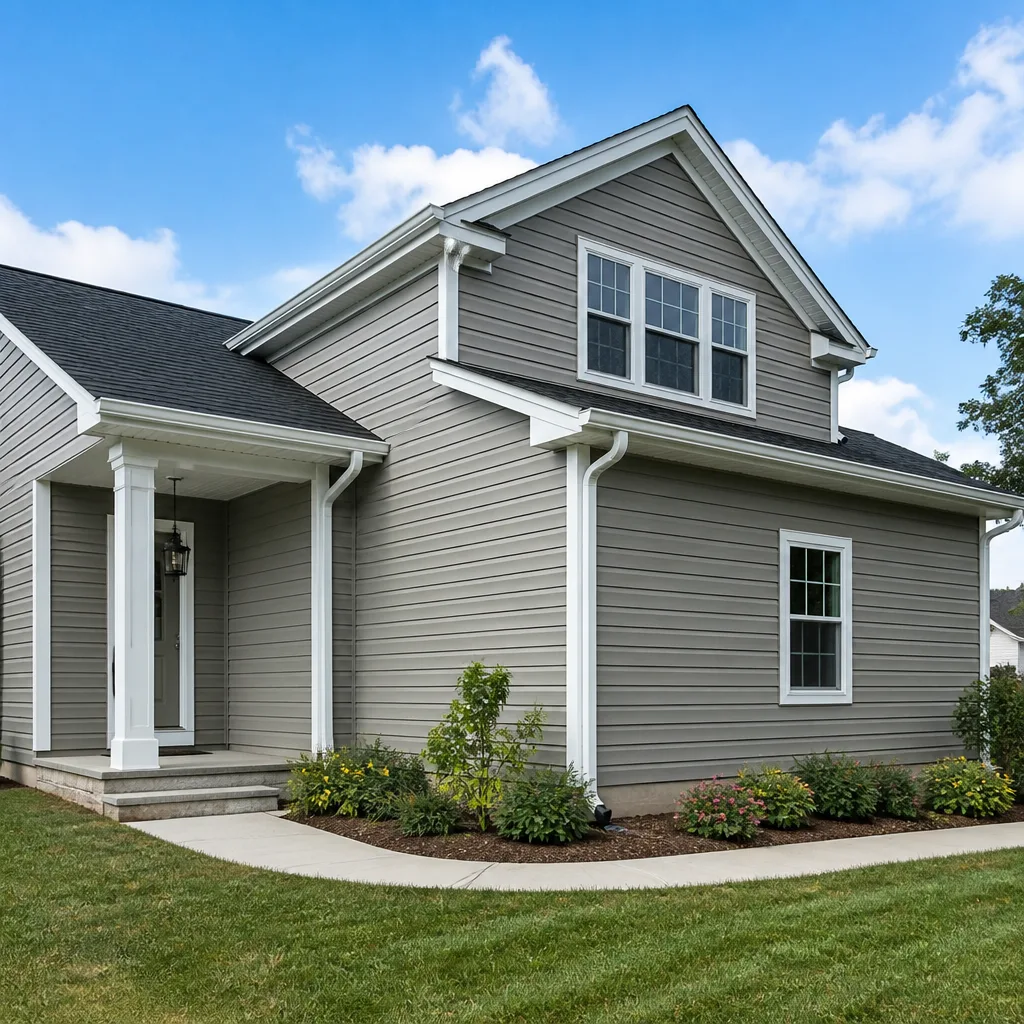
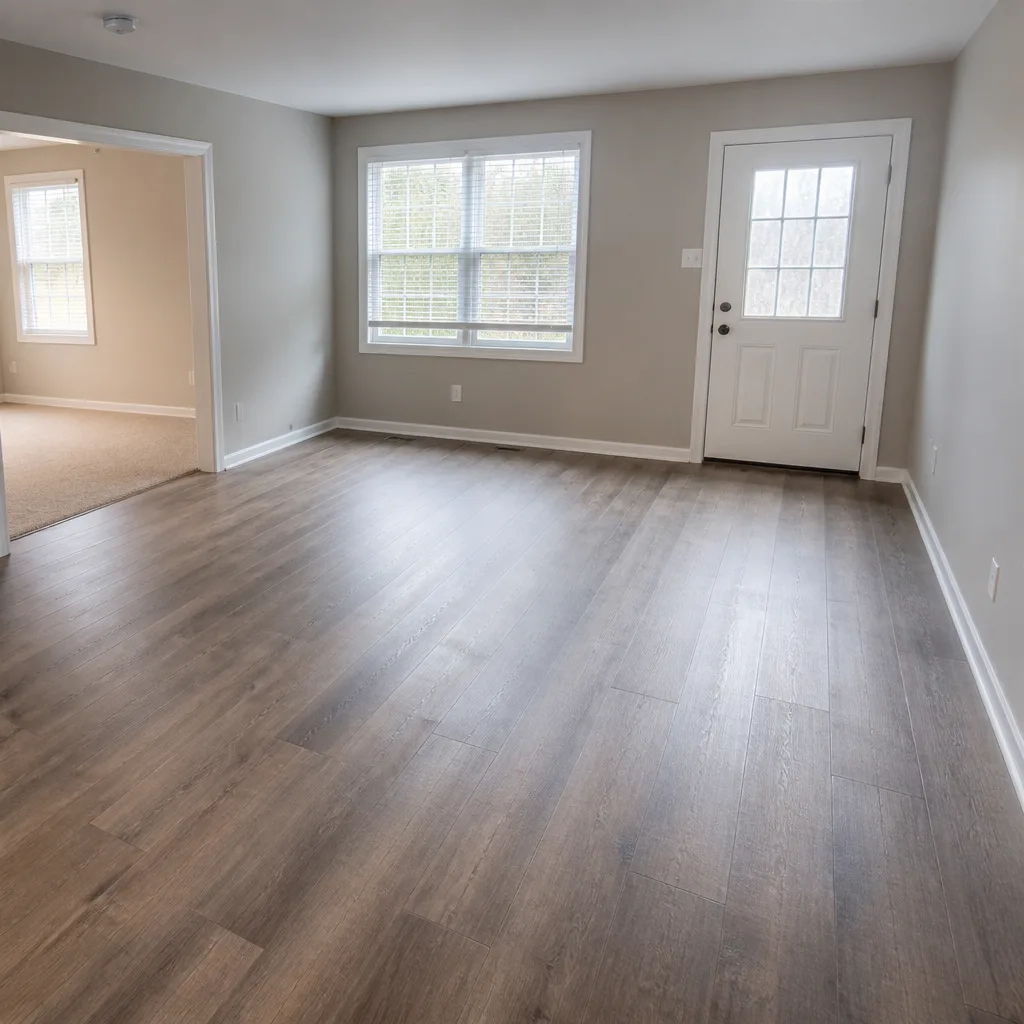
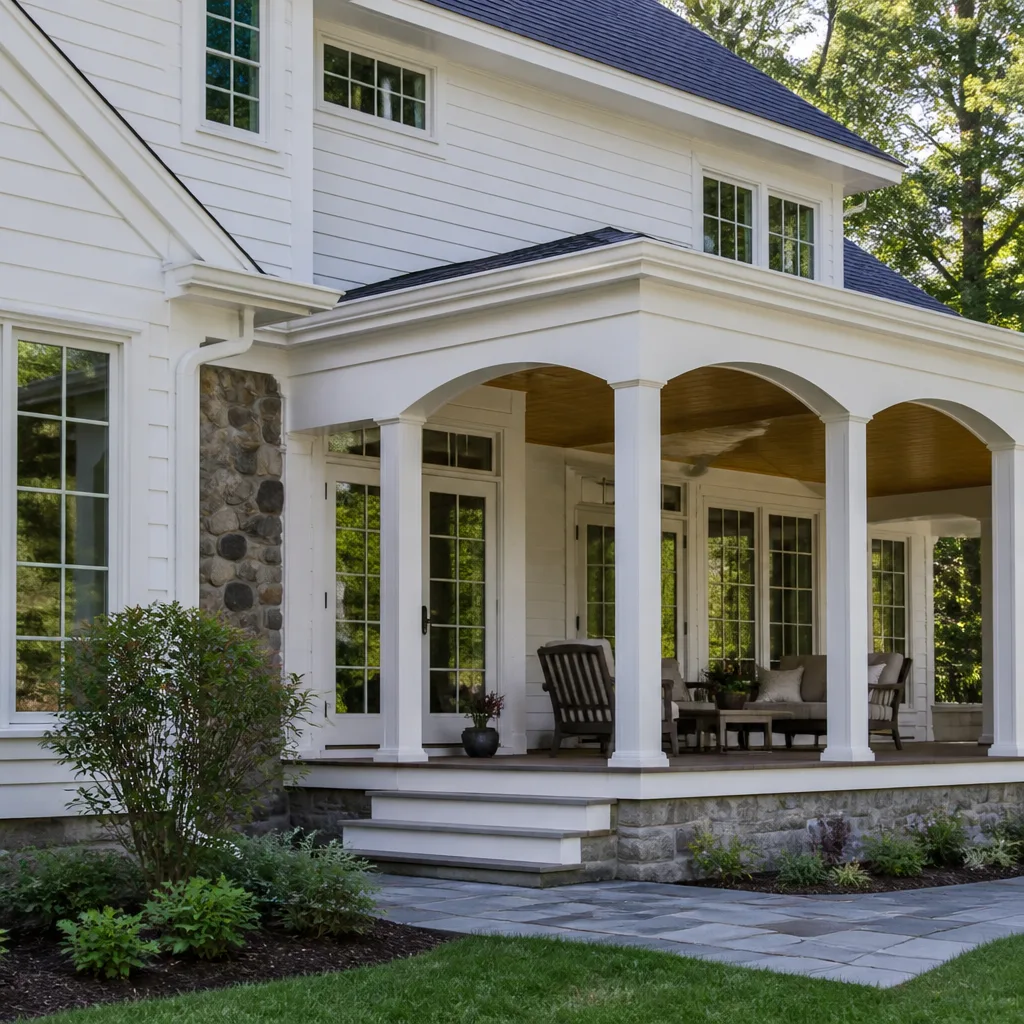
 Before
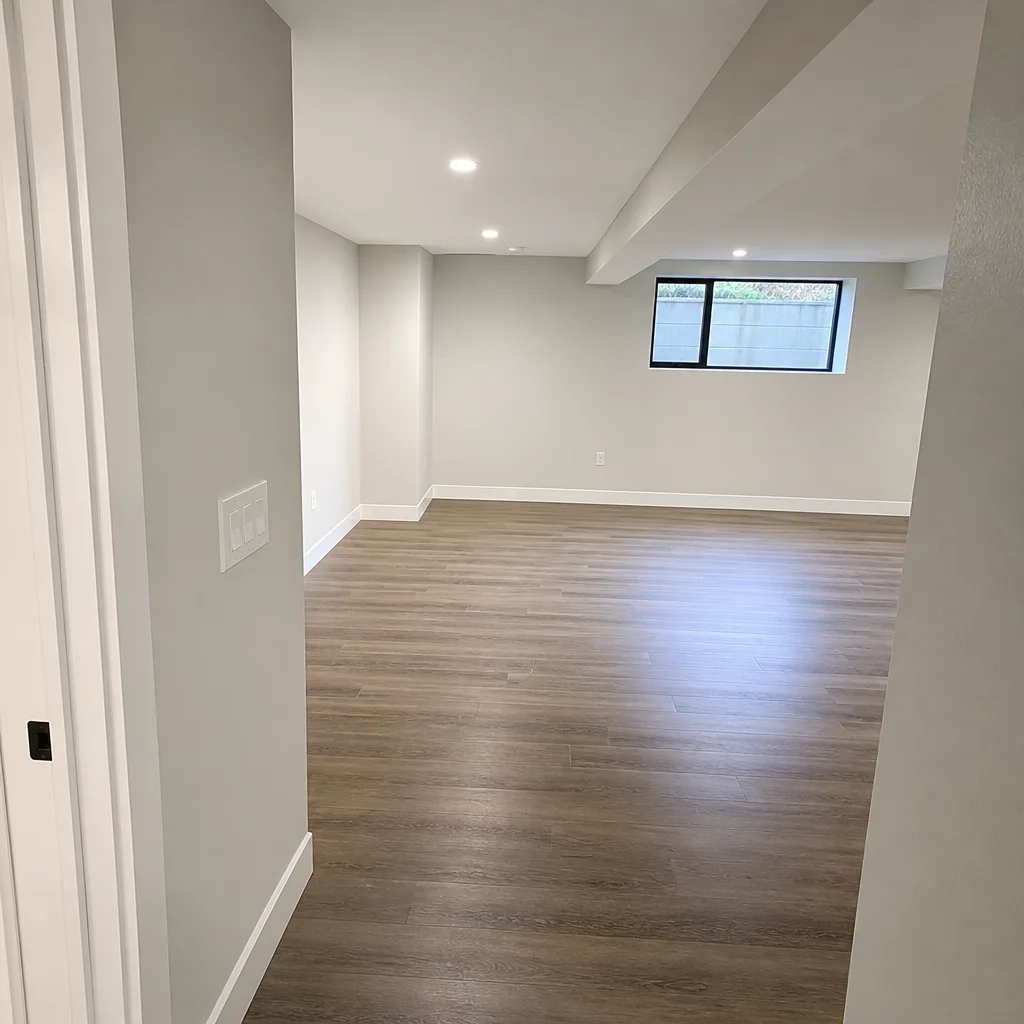 After
After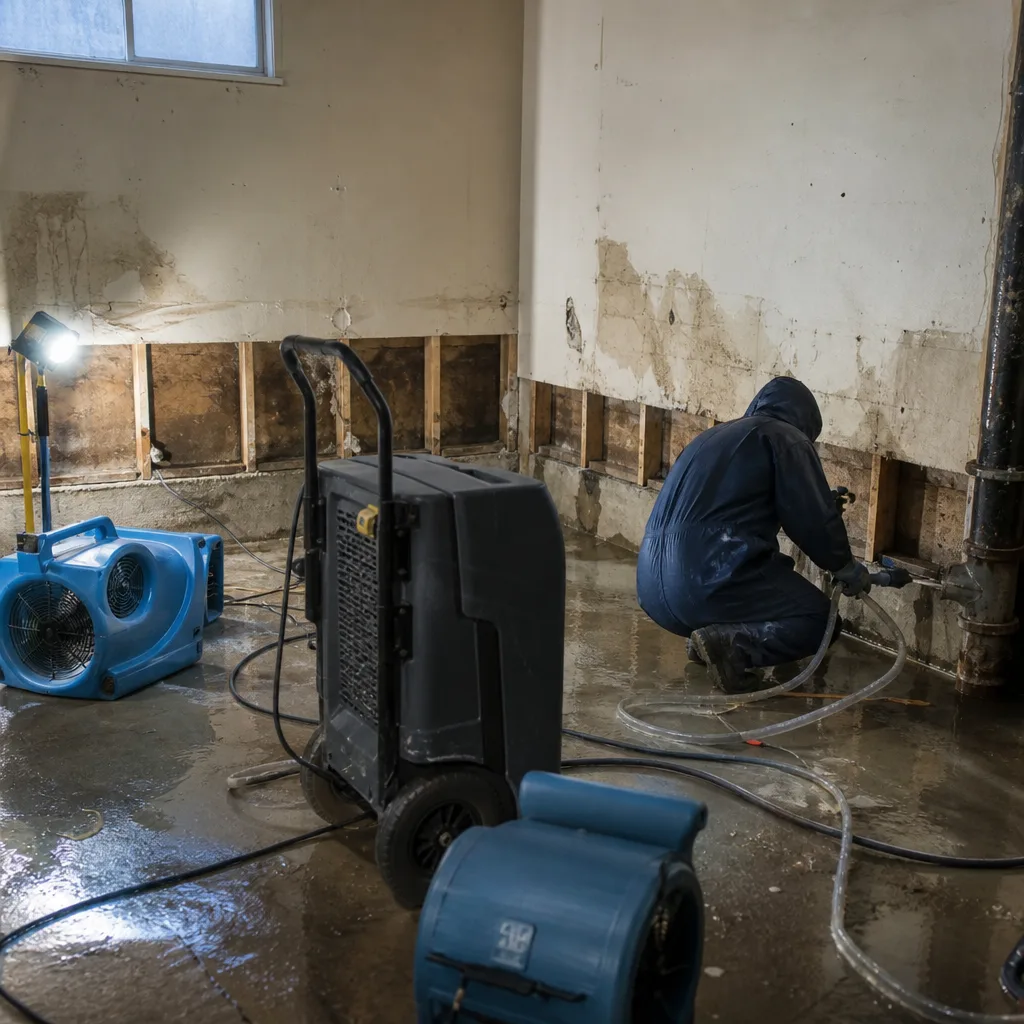 Before
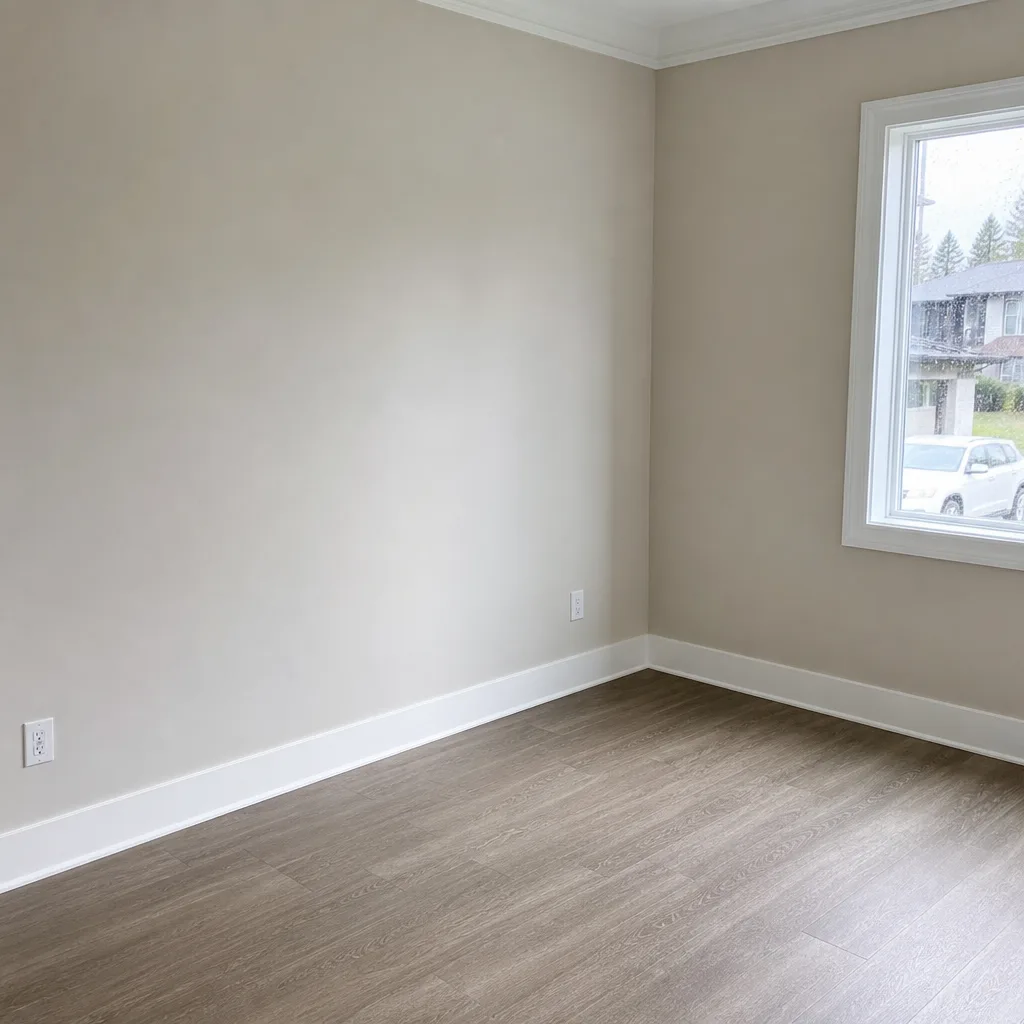 After
After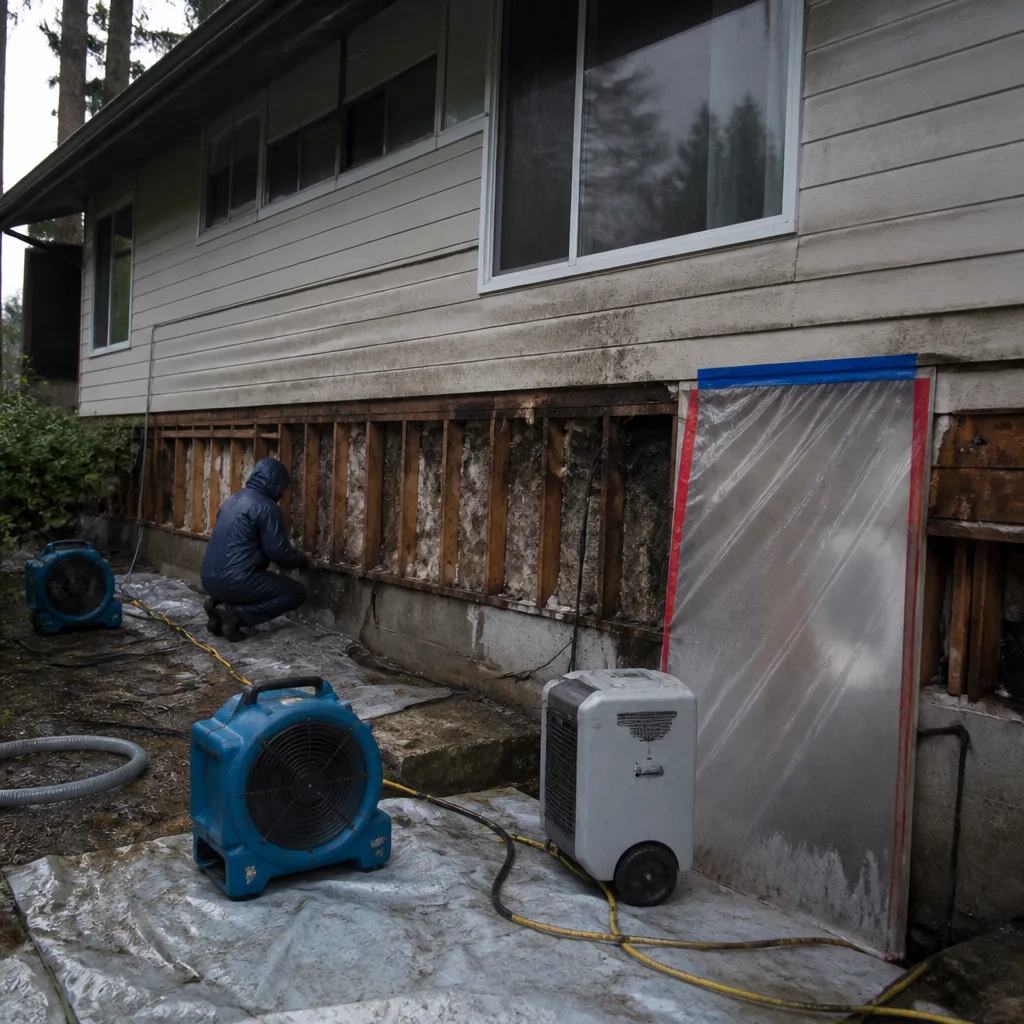 Before
 After
AfterFast, Reliable Water Damage Restoration Across Sammamish
Water damage restoration in Sammamish typically costs $2,800-$6,500 for most residential jobs, with emergency extraction starting at $1,200 and full structural drying running $3,200-$5,800 depending on square footage and material saturation. Our crews are dispatched from our Seattle office and can be on-site anywhere in Sammamish within 45-60 minutes. Call (425) 696-6320 now - estimates are free, and every job starts with a written price before anyone touches your home.
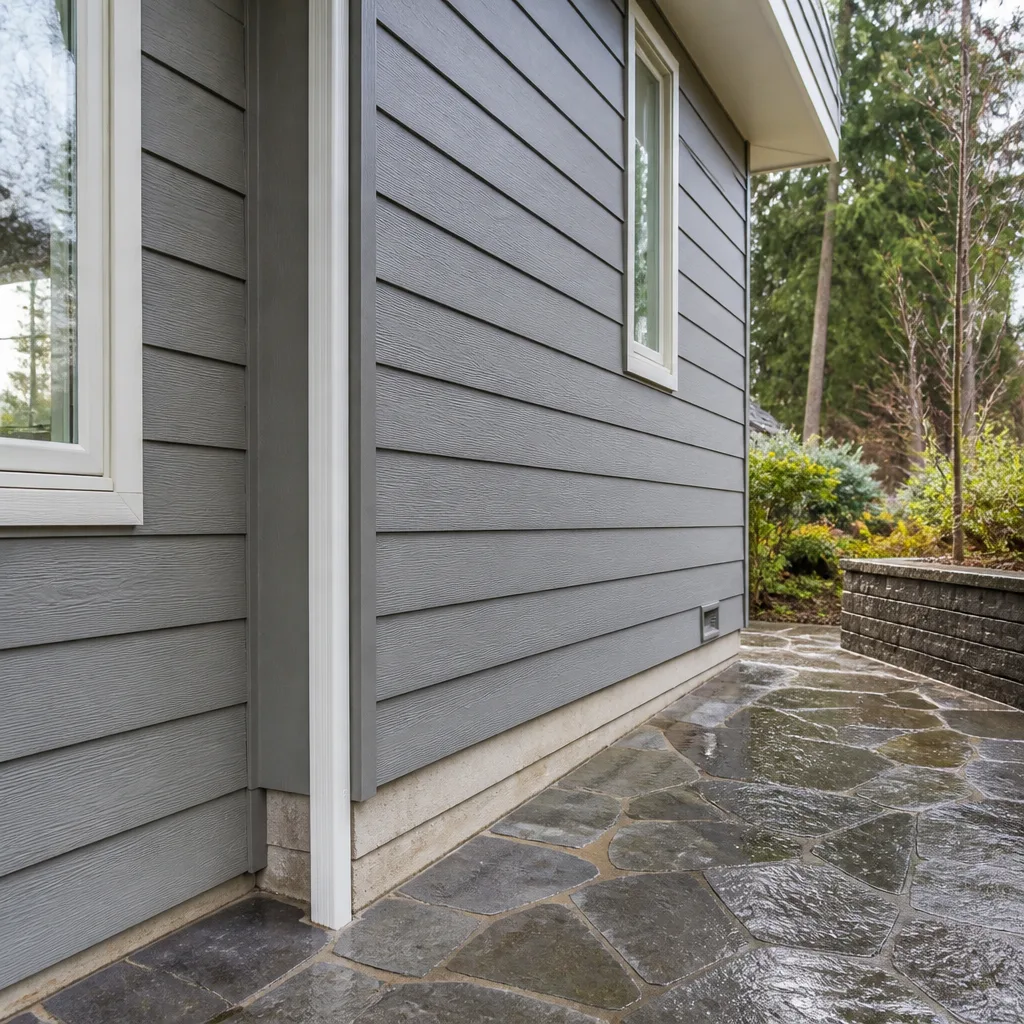
We know Sammamish’s homes because we’ve dried hundreds of them. The 1990s-2010s tech-boom construction that defines this plateau - OSB-sheathed walls, engineered lumber, lap siding - ages differently than the cedar-shingled craftsman stock you’ll find closer to Seattle. Water gets in through pathways that didn’t exist when these houses were new: flashing fatigue at roof-wall intersections, window rough openings that have shifted with settlement, deck ledger connections that no longer shed water the way they once did. Our Water Damage Restoration team documents every moisture reading, every photo, every drying decision - because in Sammamish, the water source is often not what it first appears.
Why DryMark Restoration Bellevue Is Sammamish’s Preferred Water Damage Restoration Company
We’ve restored water-damaged homes in Trossachs, Pine Lake, and along the Lake Sammamish slope - neighborhoods where clay-rich glacial till and persistent plateau rainfall create conditions you won’t find in flat-lot Bellevue subdivisions. Sammamish homeowners leave reviews that mention the same things: our crew showed up when we said we would, the written price matched the final invoice, and the photo documentation helped their adjuster approve the claim without a fight.
Our response time to Sammamish averages under an hour for emergency calls. We coordinate dispatch from our Seattle office, but our technicians live in and around the Eastside and know the difference between Pine Lake Road traffic at 7 AM versus 4 PM. That local routing knowledge matters when water is still moving through your subfloor.
What separates us from competitors who also “serve Sammamish” is our protocol for this specific geology. Homes on the plateau’s western edge, particularly those near steep slopes above Lake Sammamish, routinely show crawl space water with no plumbing failure at all. Hydrostatic pressure from saturated clay till pushes groundwater through slab edges and vapor barriers. A technician trained on Bellevue flat-lot assumptions will chase a leak that doesn’t exist. We probe the crawl space first. Every time.
Our Water Damage Restoration Services in Sammamish
Emergency Water Extraction
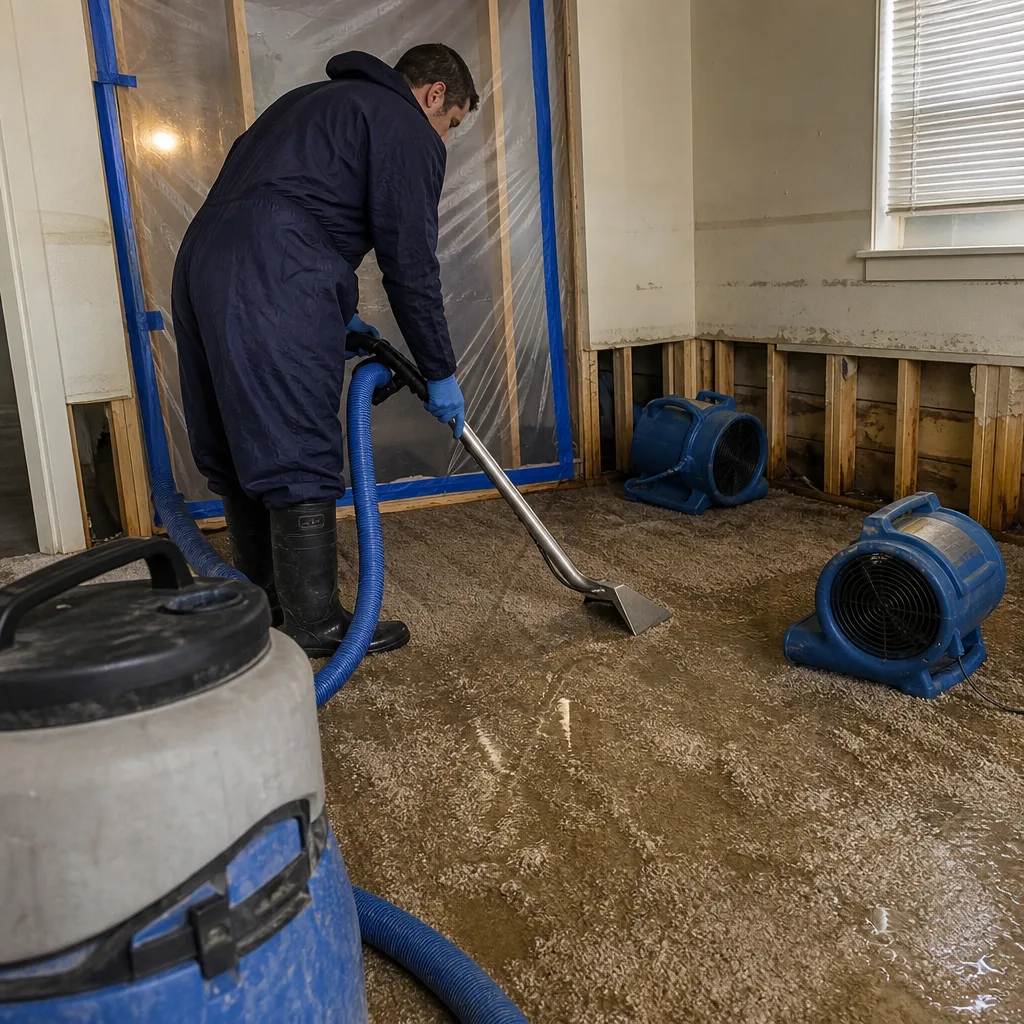
When a supply line bursts in a Sammamish kitchen at 10 PM, standing water doesn’t wait for business hours. Our live dispatch answers every call, 24 hours a day, 7 days a week - no voicemail trees, no next-day callbacks while water wicks into your OSB subfloor. We deploy truck-mounted extraction systems and portable units from Dri-Eaz and XPOWER to remove bulk water fast, then set containment to prevent secondary migration into dry areas. In Sammamish’s tighter 1990s floor plans, where open-concept living spaces connect directly to carpeted bedrooms, rapid extraction is the difference between a $3,200 drying job and a $12,000 reconstruction.
Structural Drying & Dehumidification
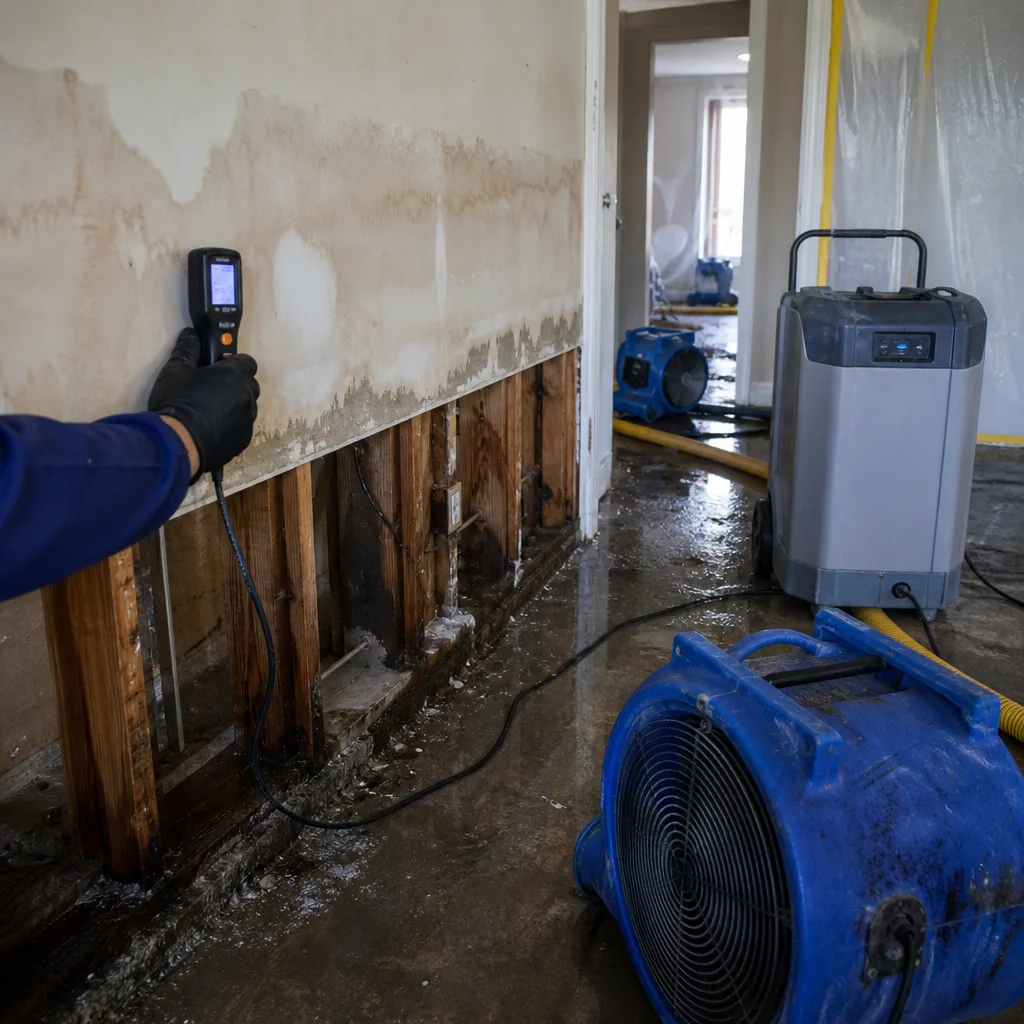
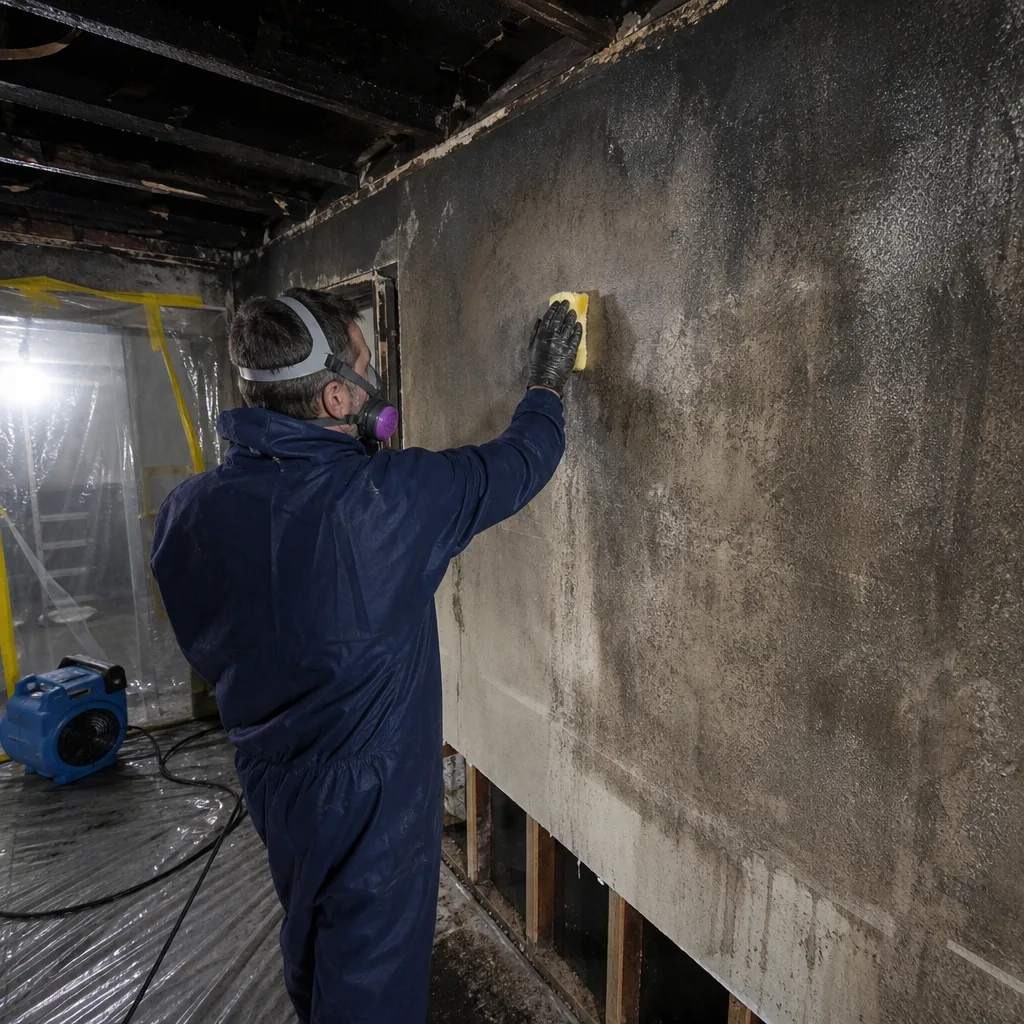
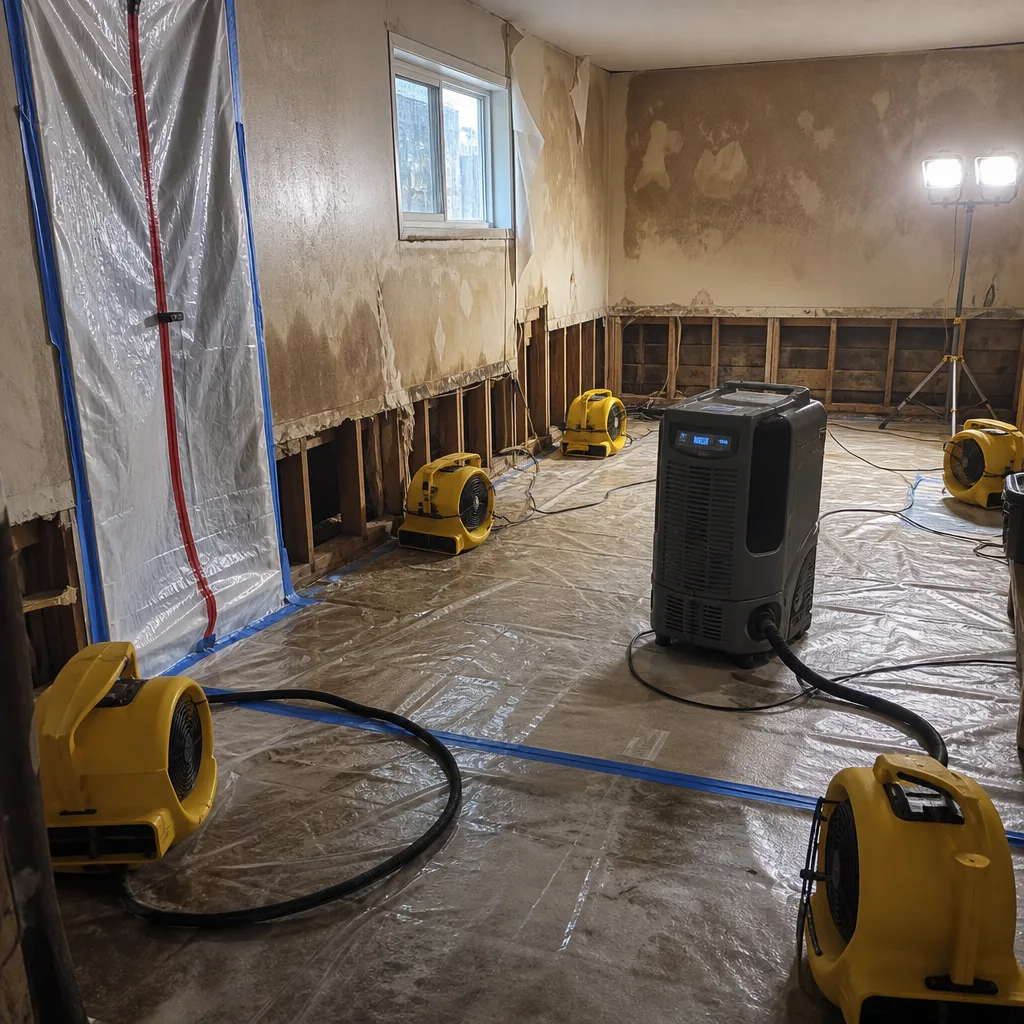
Sammamish’s engineered lumber joists and OSB sheathing don’t behave like old-growth fir. They absorb moisture faster, lose structural integrity at lower saturation points, and require precise psychrometric control - that’s the science of measuring temperature, relative humidity, and vapor pressure to force evaporation without over-drying. We deploy Phoenix LGR dehumidifiers and Dri-Eaz air movers in calculated configurations, then log daily moisture readings for every affected material. Those logs become your insurance documentation. They prove the structure returned to pre-loss moisture content before we billed for completion. Haven Standard, Clause 1: written price before work begins. Clause 4: documented photo record on every visit.
Basement Water Removal
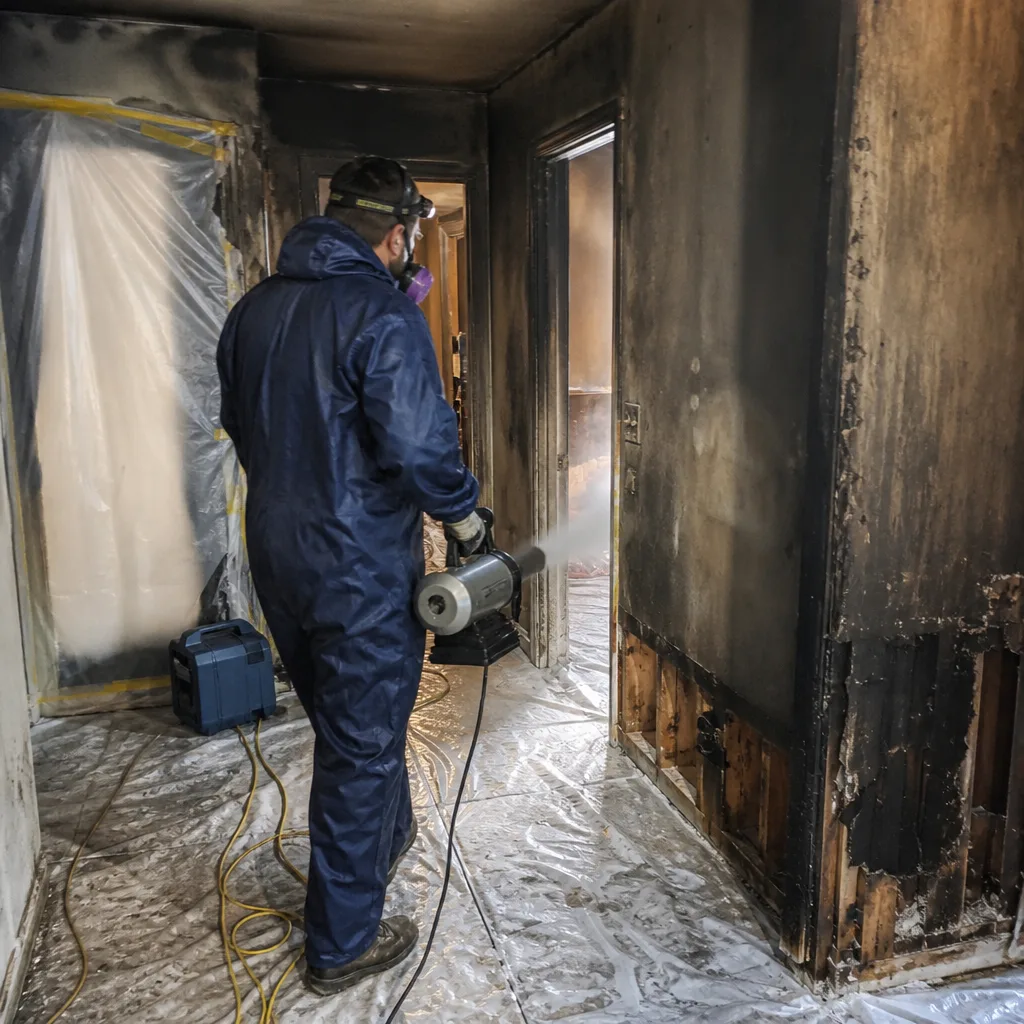
Basements in Sammamish face a double threat: the same envelope failures that affect above-grade walls, plus hydrostatic pressure from the clay-rich glacial till that pushes water through slab cracks and cove joints during wet-season saturation. We’ve extracted basement water in homes near Beaver Lake, on the plateau above Pine Lake, and along the Lake Sammamish slope where the water table sits high enough to meet your slab. Our protocol includes sub-slab moisture probing, not just surface extraction, because the water you see is rarely the water that will cause mold in 72 hours. We document slab moisture content, install vapor-pressure differential drying systems, and don’t sign off until the readings support it.
Flood Cleanup
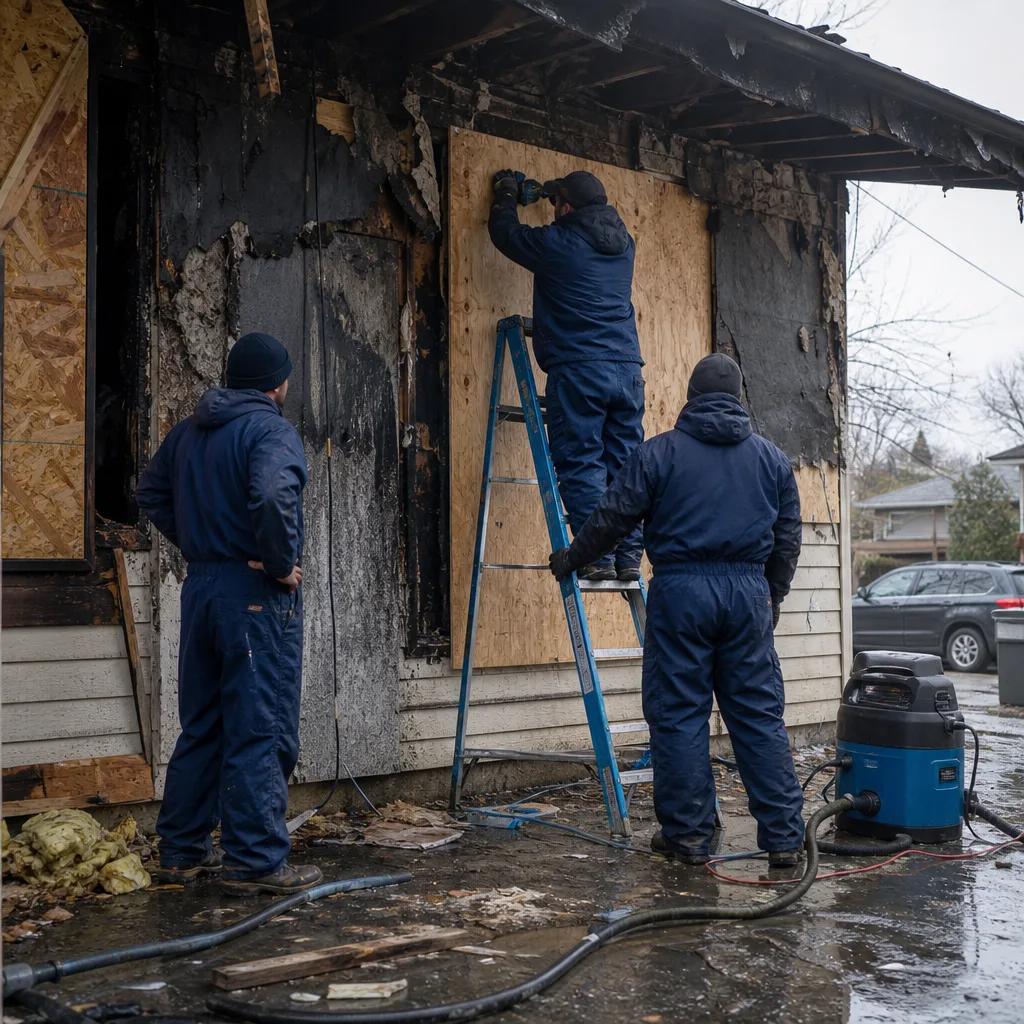
Sammamish’s dense canopy of Douglas fir and cedar deposits needles and organic debris onto roofs and into gutters year-round. When gutters overflow during the plateau’s 45 inches of annual rainfall, water sheets behind siding, saturates wall sheathing, and enters through compromised flashing. Flood cleanup here often means addressing Category 2 or 3 water that has picked up contaminants from roofing materials, attic insulation, or exterior wall cavities. We classify the water source, document contamination levels with photo evidence, and build our scope accordingly - because an insurer will deny a claim if the restoration invoice doesn’t match the water category documented on day one.
Burst Pipe Restoration
Even in Sammamish’s relatively moderate climate, pipes burst. Exterior hose bibs on north-facing walls freeze during plateau cold snaps. Polybutylene supply lines in early-1990s builds reach end-of-life and fail at fittings. We extract, dry, and rebuild - but we also document the pipe material, the failure mode, and the resulting water classification because your adjuster will ask. Our written scope includes line-item pricing for extraction, drying, material removal, and reconstruction, with no additions once the crew is inside your home.
Ceiling & Roof Leak Water Damage
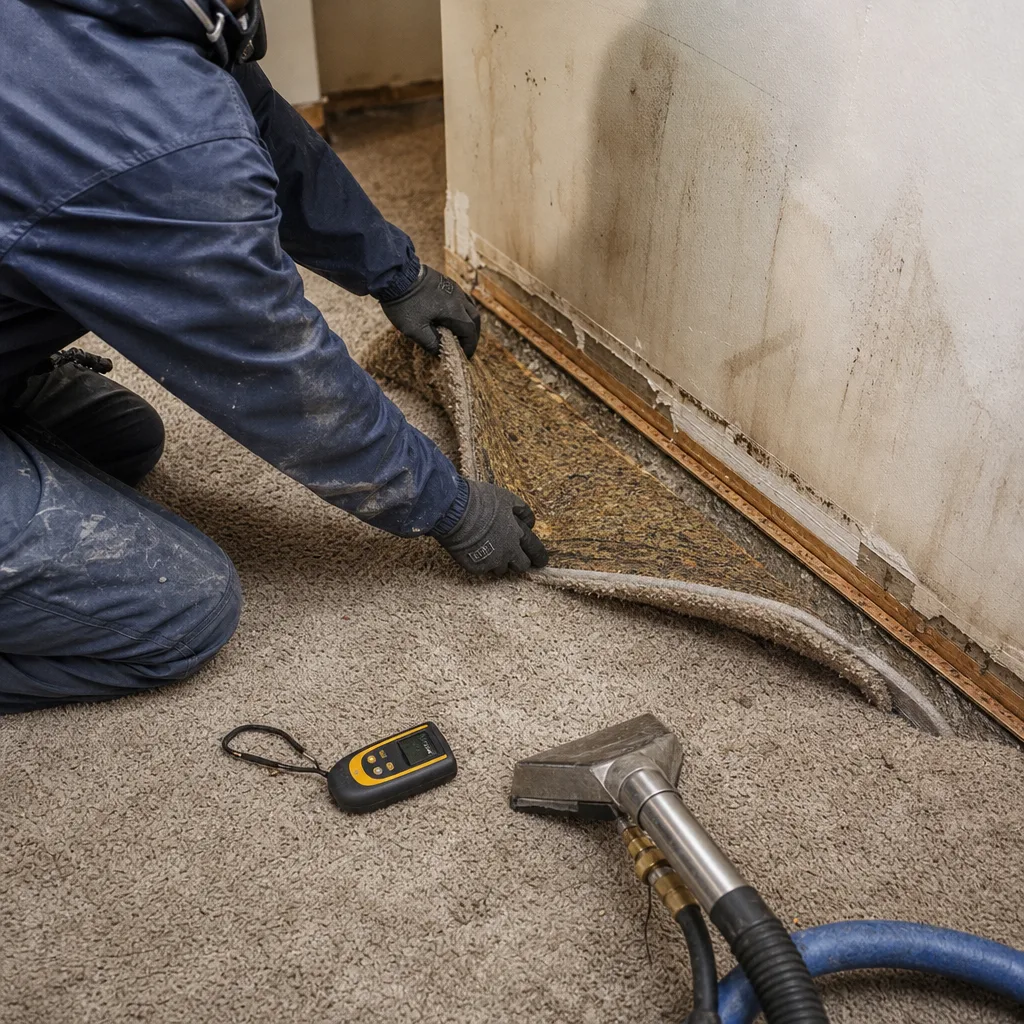
Moss colonization on Sammamish roofs is relentless - the plateau’s persistent dampness and tree canopy create ideal conditions. Moss lifts shingles, creates capillary pathways, and allows water into attic spaces that vent poorly due to modern energy-code construction. By the time a homeowner notices a ceiling stain, the OSB roof deck above may have been wet for weeks. We probe the deck, map the migration path, and document whether the damage is localized or indicates systemic flashing failure. That determination shapes whether we recommend spot repair or full envelope assessment.
What happens when you call
- 1
A real person answersNo phone trees - you reach a local pro.
- 2
You get an upfront price rangeHonest numbers before anyone is dispatched.
- 3
A background-checked tech heads outLicensed & insured, dispatched right away.
- 4
You approve before work beginsNothing starts until you say go.
BeforeAfterTrusted Equipment We Deploy in Sammamish
Our drying systems come from Dri-Eaz, Phoenix, and XPOWER - brands that produce the airflow volume and dehumidification capacity engineered lumber demands. We don’t rent equipment by the day and hope for results. We own our fleet, maintain it to manufacturer spec, and select units based on the psychrometric load of each specific job. A 2,400-square-foot Sammamish home with saturated OSB sheathing requires a different drying plan than a 1950s Bellevue ranch with old-growth framing. We calculate that difference, document our equipment selections in the written scope, and adjust based on daily moisture logs until the readings confirm dry.
Common Water Damage Restoration Problems We See in Sammamish Homes
- Assuming every wet crawl space is a plumbing leak. On Sammamish’s clay-rich glacial till, hydrostatic pressure during wet-season saturation pushes groundwater into lower slabs and crawl spaces with no burst pipe or roof breach. Techs who skip a crawl-space probe miss the actual source entirely, and the water returns within days.
- Treating surface mold as a mold-only problem. On 15-30-year-old OSB-sheathed homes with vinyl or fiber-cement lap siding, water that got past flashing or window rough openings has often rotted the structural sheathing behind the wall. Drying visible mold without opening the envelope leaves silent rot in place, and the next heavy rain starts the cycle over.
- Ignoring Critical Areas Ordinance triggers on wetland-adjacent lots. Pack-out, containment, or exterior drainage regrade near lot edges can require City of Sammamish review. Crews used to Bellevue or Redmond flat-lot workflows blow timelines by not checking first, leaving homeowners with a half-finished job and a compliance violation.
- Underestimating engineered lumber’s moisture sensitivity. OSB and LVL joists absorb water faster than solid sawn lumber and lose structural capacity at lower moisture content thresholds. Restoration plans designed for older framing may leave Sammamish’s newer stock compromised without visible symptoms until sag or failure appears months later.
Pricing for Water Damage Restoration in Sammamish, WA
Most Sammamish water damage restoration projects fall between $2,800 and $6,500, with the final cost driven by three factors we measure on every job: affected square footage, material saturation depth, and water contamination category. Emergency water extraction alone typically runs $1,200-$2,400 for residential jobs. Structural drying and dehumidification adds $3,200-$5,800 depending on equipment days and dehumidifier count. Basement water removal involving sub-slab moisture or hydrostatic pressure management starts around $4,500 and can reach $8,000+ if engineered lumber replacement is required.
What changes the price: Category 3 water (sewage or exterior flood contamination) requires more protective equipment, antimicrobial treatment, and material disposal. Hidden moisture in OSB sheathing extends drying days. Critical Areas Ordinance review adds permit timing but not typically significant cost if flagged early. We deliver a written price before work begins, every time, with no scope-creep additions - Haven Standard, Clause 1. Bring a competitor’s written estimate and we’ll review it free - our Free Second Opinion policy.
We Also Serve Cities Near Sammamish
Our crews work throughout the Eastside, including Sammamish, Redmond, Bellevue, Kirkland, and Issaquah. Each city has distinct housing stock, soil conditions, and municipal requirements that shape how we scope water damage restoration. What works on a Redmond flat-lot ranch may fail on a Sammamish plateau home with clay-till hydrostatic pressure. We adjust our protocol accordingly.
Serving Sammamish, WA - Our Local Coverage Area
We’re based in the Sammamish area and know this community well. Use the map below to see our service coverage - if you’re nearby, we can almost certainly help.
FAQs - Water Damage Restoration in Sammamish
Clay-rich glacial till beneath many Sammamish homes, particularly on the western plateau above Lake Sammamish, becomes saturated during wet season and exerts hydrostatic pressure against slab edges and vapor barriers. Water enters with no pipe failure at all. We probe crawl space moisture content first on every Sammamish call, then design drying and drainage solutions that address the ground source, not a phantom leak. Call (425) 696-6320 for a free assessment with written pricing.
Mold colonization on organic substrates like OSB sheathing begins in 24-72 hours under favorable moisture conditions, and Sammamish’s persistent plateau dampness keeps those conditions active longer than drier microclimates. By the time interior symptoms appear, structural sheathing behind vinyl or fiber-cement lap siding may be compromised. We use moisture mapping and thermal imaging to find the water migration path, document the affected square footage, and build a scope that addresses sheathing condition, not just surface treatment. Call (425) 696-6320 - estimates are free.
It can, if your lot borders a mapped wetland, steep slope, or critical area buffer. Exterior work near lot edges - including drainage regrade, containment structure placement, or material stockpiling - may require City of Sammamish review before commencement. We flag this in our initial scope assessment and coordinate pre-checks to prevent mid-project delays. Crews accustomed to flat-lot Bellevue or Redmond workflows often miss this layer entirely. Call (425) 696-6320 and we’ll review your lot location as part of our free estimate.
Three factors: the clay-till hydrostatic pressure that pushes groundwater into crawl spaces with no plumbing failure; the 15-30-year age of most housing stock, when OSB sheathing and flashing systems begin failing behind intact-looking siding; and the Critical Areas Ordinance review required on wetland-adjacent or steep-slope lots that flat-lot cities rarely trigger. Our Sammamish protocol addresses all three - probe the crawl space first, map envelope moisture behind siding, and check lot-edge compliance before exterior work begins. Call (425) 696-6320 for a scope built to these conditions.
Daily moisture logs are the documentation that turns a restoration invoice into a claim an insurer pays without dispute. Each log records date, time, equipment deployed, ambient readings, and material-specific moisture content - OSB sheathing, engineered joists, drywall, concrete - with photos attached. For Sammamish’s moisture-sensitive engineered lumber, this evidence proves the structure reached pre-loss dryness before we billed for completion. It’s not extra paperwork; it’s the core of what we do. Haven Standard, Clause 4: documented photo record on every visit. Call (425) 696-6320 and we’ll show you a sample log from a comparable Sammamish job.
On a 1990s-built home in the Trossachs neighborhood off Issaquah-Pine Lake Road, our crew probed the crawl space first per Sammamish protocol and found water wicking through the clay till beneath the vapor barrier - no burst pipe, no roof breach. We set containment, ran moisture mapping and structural drying with Dri-Eaz air movers and Phoenix dehumidifiers, logged daily moisture readings, and applied antimicrobial treatment to the engineered lumber joists before rebuilding the subfloor. Because the lot edge bordered a mapped wetland buffer, we flagged the scope of work for a Critical Areas Ordinance pre-check before any exterior drainage regrade, keeping the project compliant and the homeowner’s pre-loss condition documented.
Every job we take in Sammamish starts with a written price before work begins, includes a documented photo record on every visit, and carries our 365-Day Done Right Promise under The Haven Standard. If it’s not done right, we make it right - signed, not just said. We’ve restored over 12,000 homes since 2011, every one with the same documentation discipline that our founder, a former claims adjuster, built this company to deliver.
Water damage in Sammamish doesn’t follow generic patterns. The plateau’s geology, its aging tech-boom housing stock, and its wetland-adjacent permitting requirements demand a restoration approach built for this specific place. We are.
Call (425) 696-6320 now for a free estimate with written pricing. Live dispatch answers 24 hours a day, 7 days a week. No voicemail. No callbacks tomorrow while water keeps moving.
Written by Alicia Brennan, Owner at Back to Dry Restoration, serving Sammamish and the greater Seattle area since 2011.