
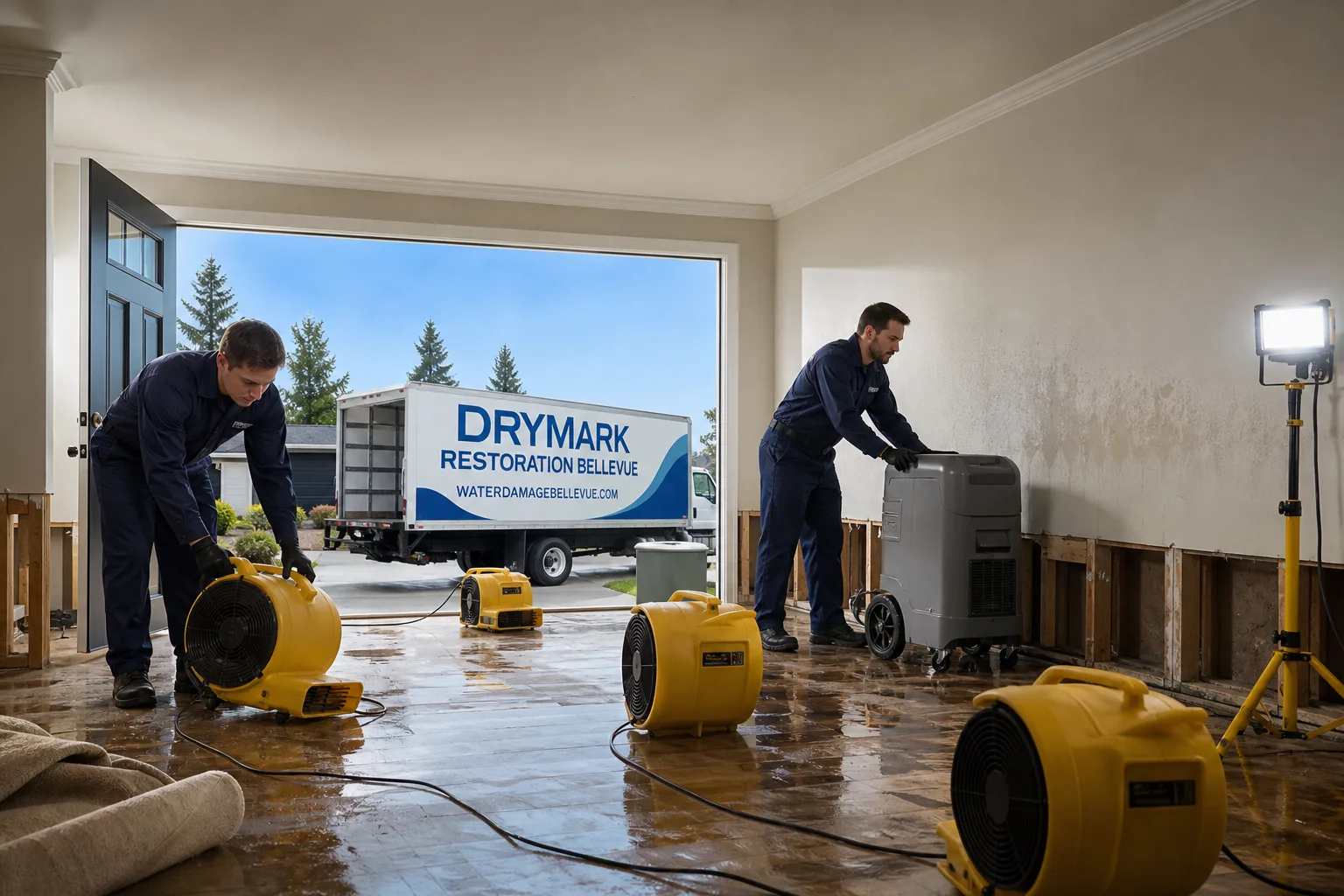
Free visual inspection and a written scope of work before any mitigation begins - photos, moisture readings, and drying logs go in your claim file
The scope we write is the scope we bill. Anything new gets shown to you, in writing, before we touch it.
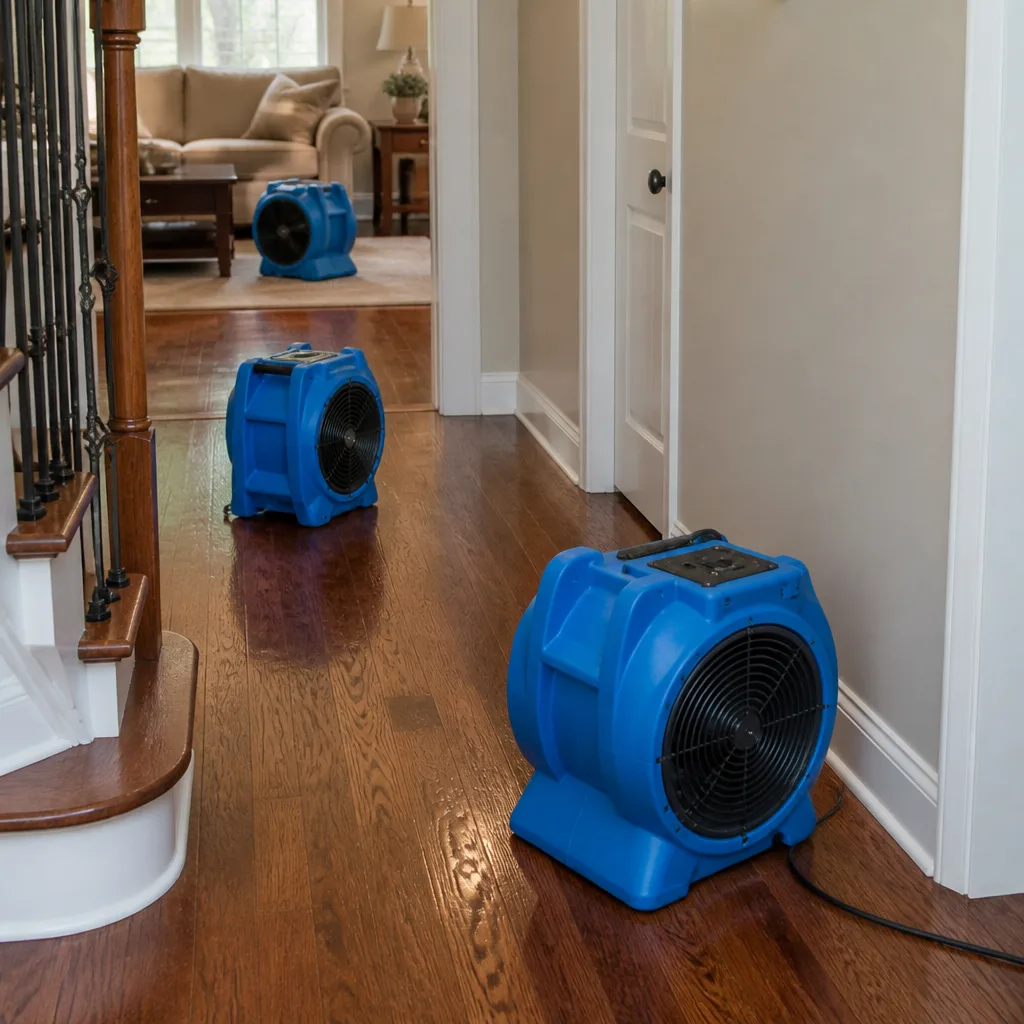
 Before
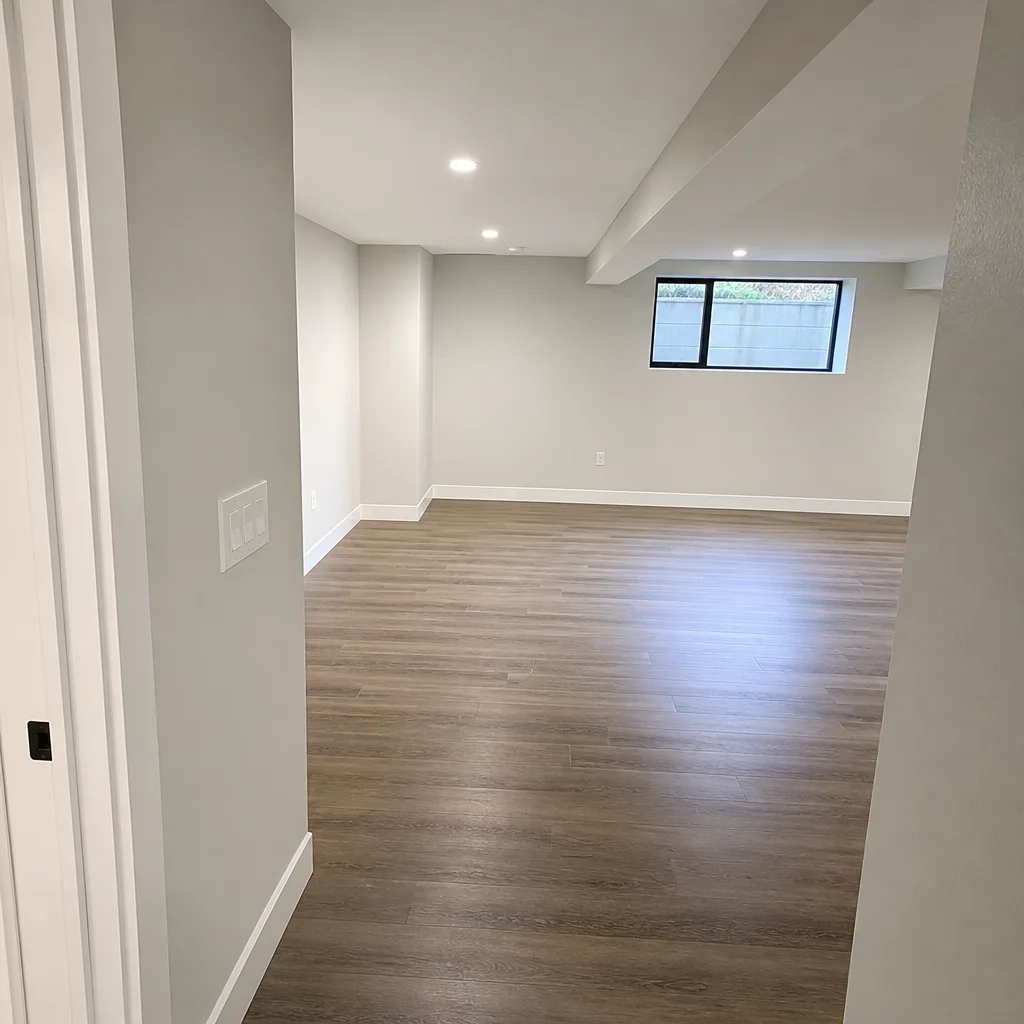 After
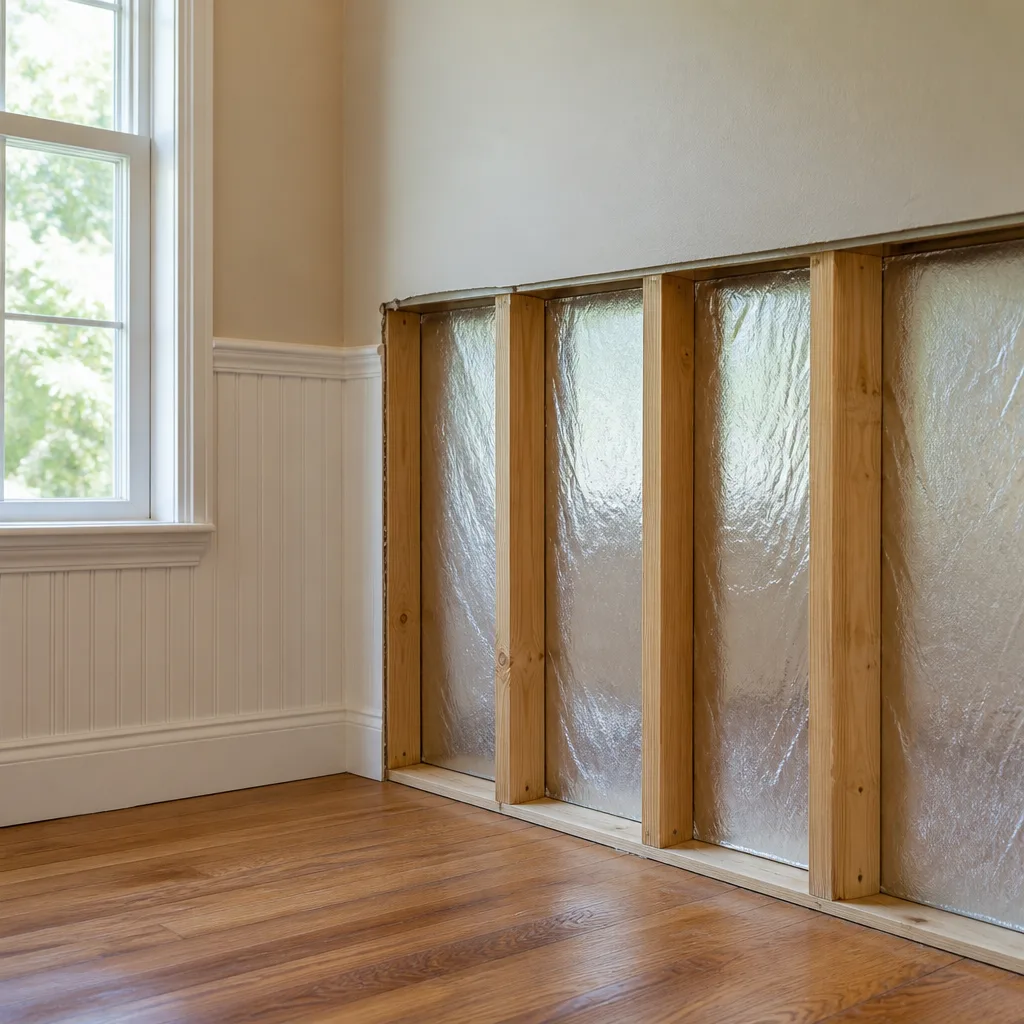
After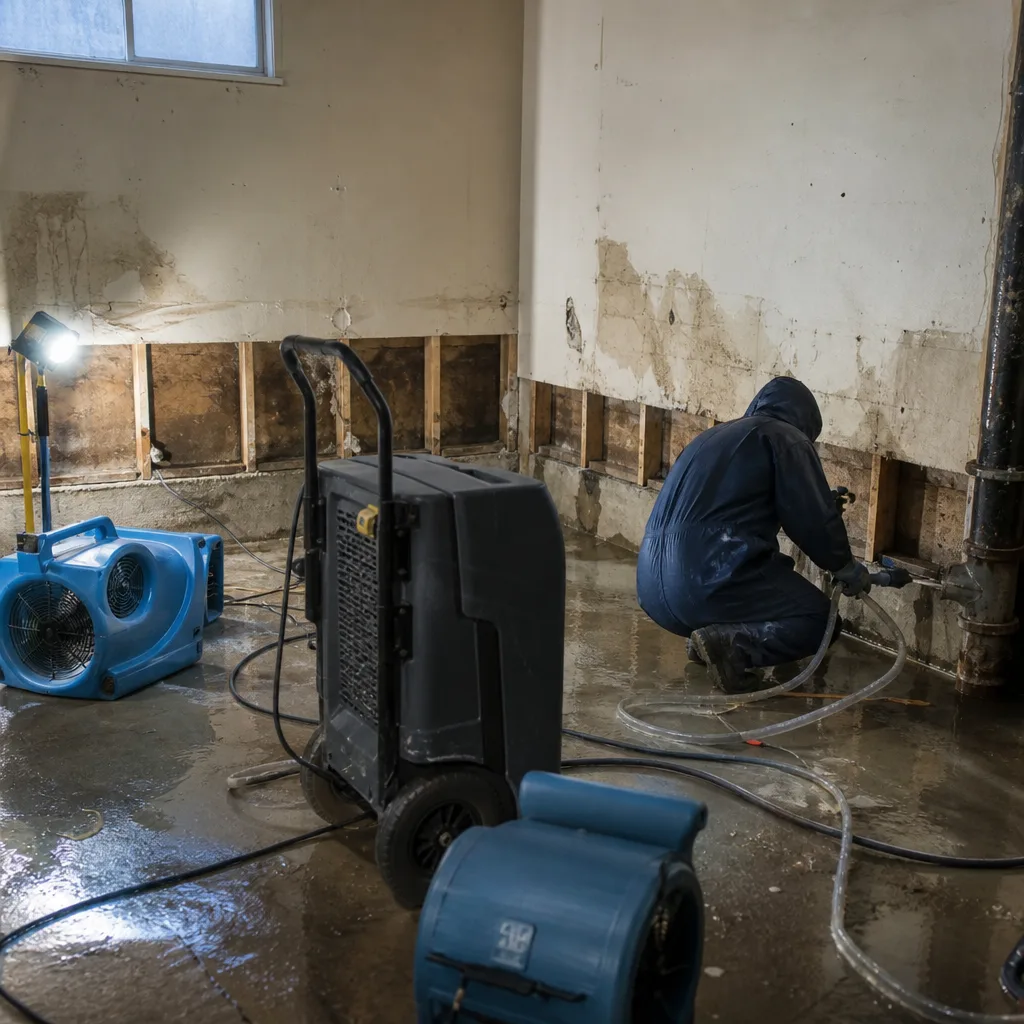 Before
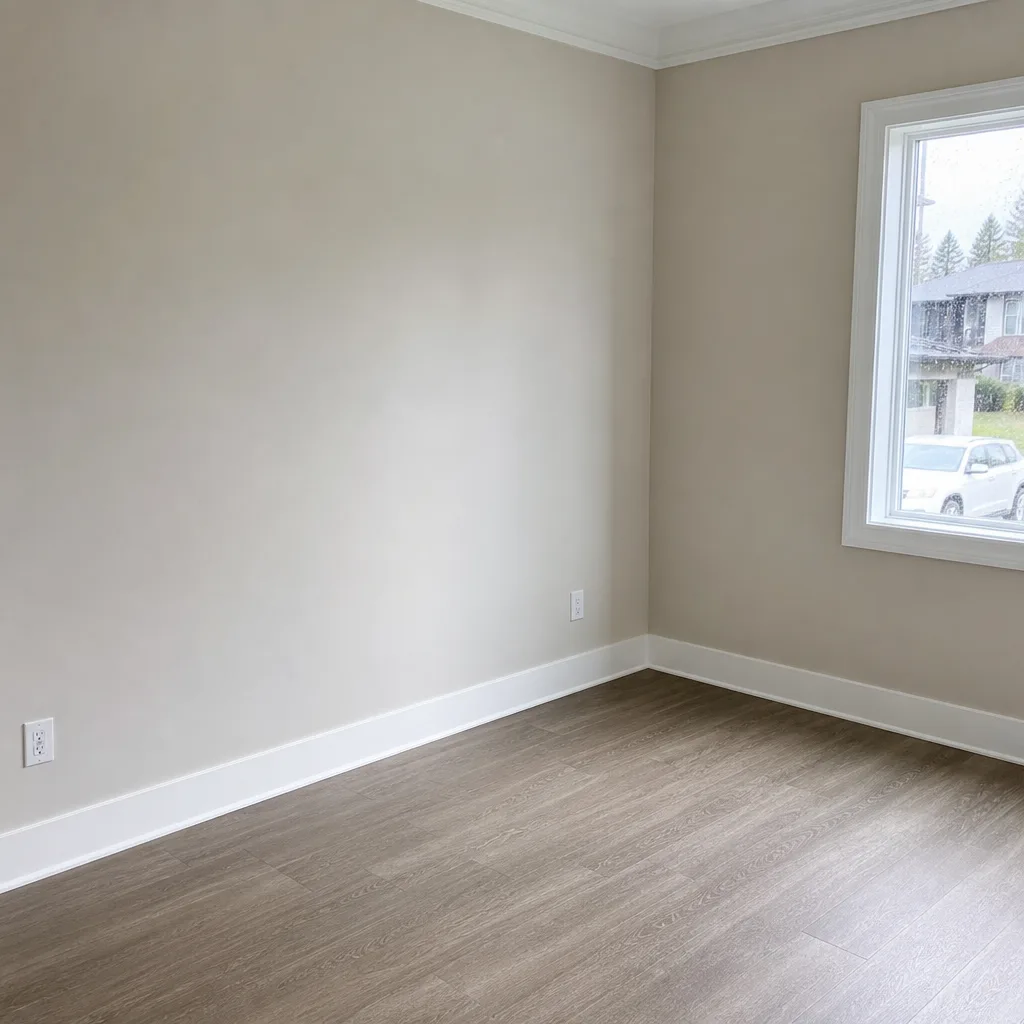 After
After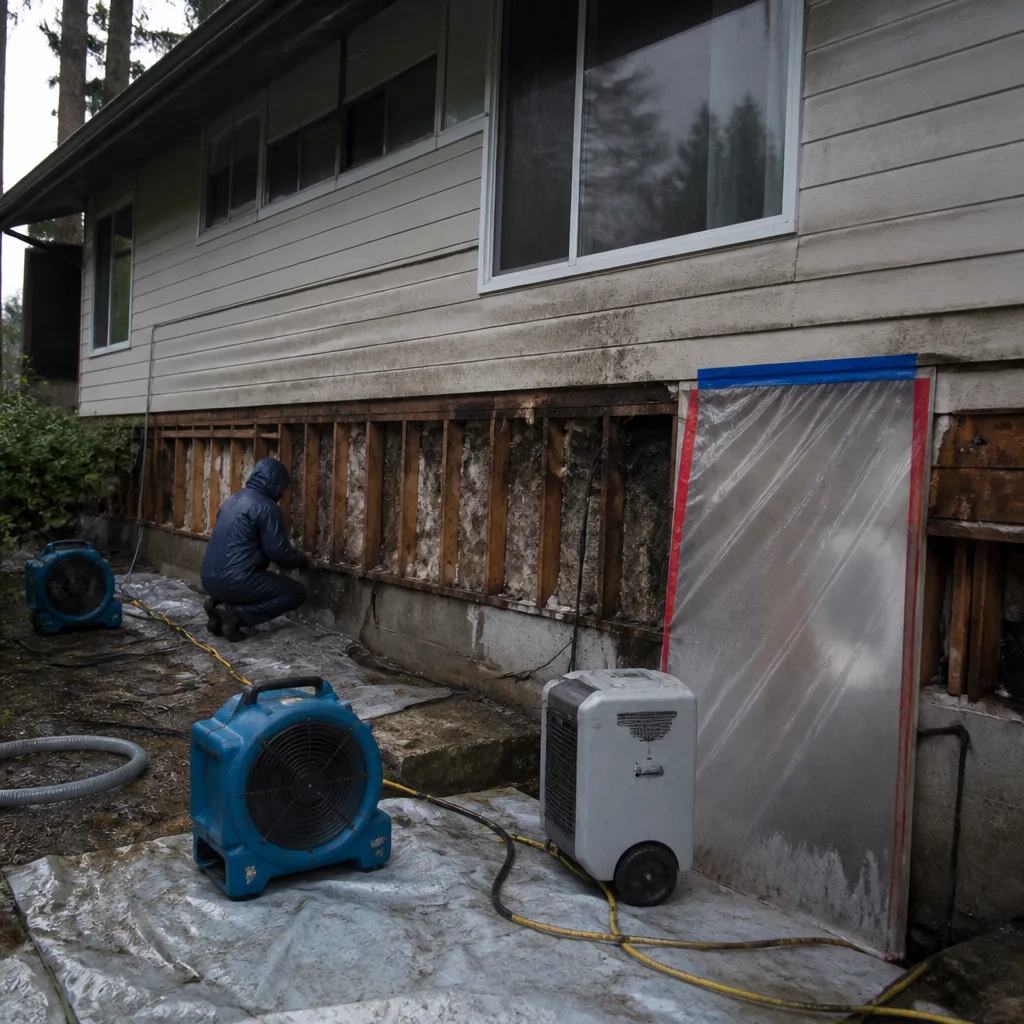 Before
 After
AfterHow Much Does Sewage Cleanup Cost in Bellevue?
Sewage cleanup in Bellevue typically costs between $2,500 and $8,500 for a standard residential incident, though costs vary based on the square footage affected, the porosity of the materials involved, and the complexity of the contamination. A minor sewage line backup in a localized area like a bathroom or laundry room often falls on the lower end of that spectrum, while a full-basement flood requiring extensive structural drying and material disposal will exceed $10,000. DryMark Restoration Bellevue provides a written price before any work begins, ensuring you know exactly what the project requires before our crew starts the cleanup process.
If you are experiencing a sewage backup, your primary goal is to isolate the affected area and contact a professional. Sewage is classified as Category 3 water, which means it contains pathogenic agents and requires specialized handling under IICRC S500 standards. For immediate assistance, call (425) 696-6320.
Sewage Cleanup Cost Breakdown (2026)
Restoration costs are driven by the specific labor, equipment, and disposal requirements mandated by the level of contamination. In the Bellevue market, we categorize these costs into distinct phases to ensure transparency, adhering to The Haven Standard, Clause 1, which requires a written price before work begins.
| Service Component | Estimated Cost Range |
|---|---|
| Initial Inspection & Moisture Mapping | $250 - $500 |
| Containment & Biohazard PPE Setup | $300 - $700 |
| Extraction & Category 3 Water Removal | $800 - $2,500 |
| Disinfection & Antimicrobial Treatment | $500 - $1,200 |
| Structural Drying (Equipment Rental & Monitoring) | $1,500 - $4,000 |
| Demolition & Disposal of Porous Materials | $1,000 - $3,000 |
These figures represent the labor and materials required to return your home to a pre-loss condition. Factors such as the age of your home in neighborhoods like Clyde Hill or Medina, where older sewer lines may be more prone to root intrusion, often dictate the volume of sewage involved. Our home page details our full range of services, but for immediate concerns regarding contamination, please see our specific guide on Sewage Cleanup in Bellevue.
What Affects Sewage Cleanup Pricing in Bellevue
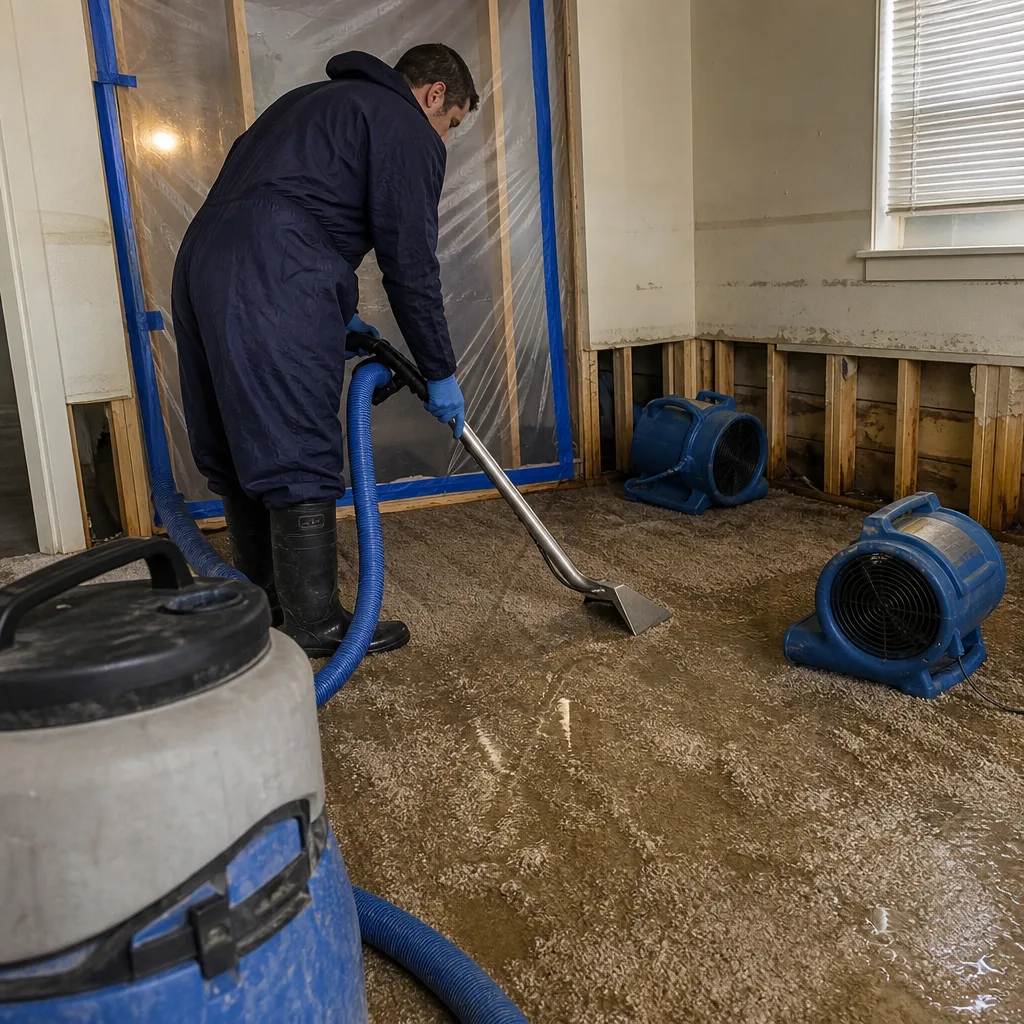
Several variables impact the final invoice. Understanding these helps you see why a single price cannot be quoted over the phone without an onsite assessment.
- Material Porosity: Porous materials like carpet, pad, drywall, and insulation cannot be salvaged after sewage exposure. If these materials are affected, they must be removed and replaced, which increases costs significantly compared to non-porous surfaces like concrete or tile.
- Volume and Duration: The amount of time sewage has been standing determines the extent of the bacterial growth. Standing water for 48 hours requires a higher level of sanitization and often more aggressive structural removal than a spill caught within four hours.
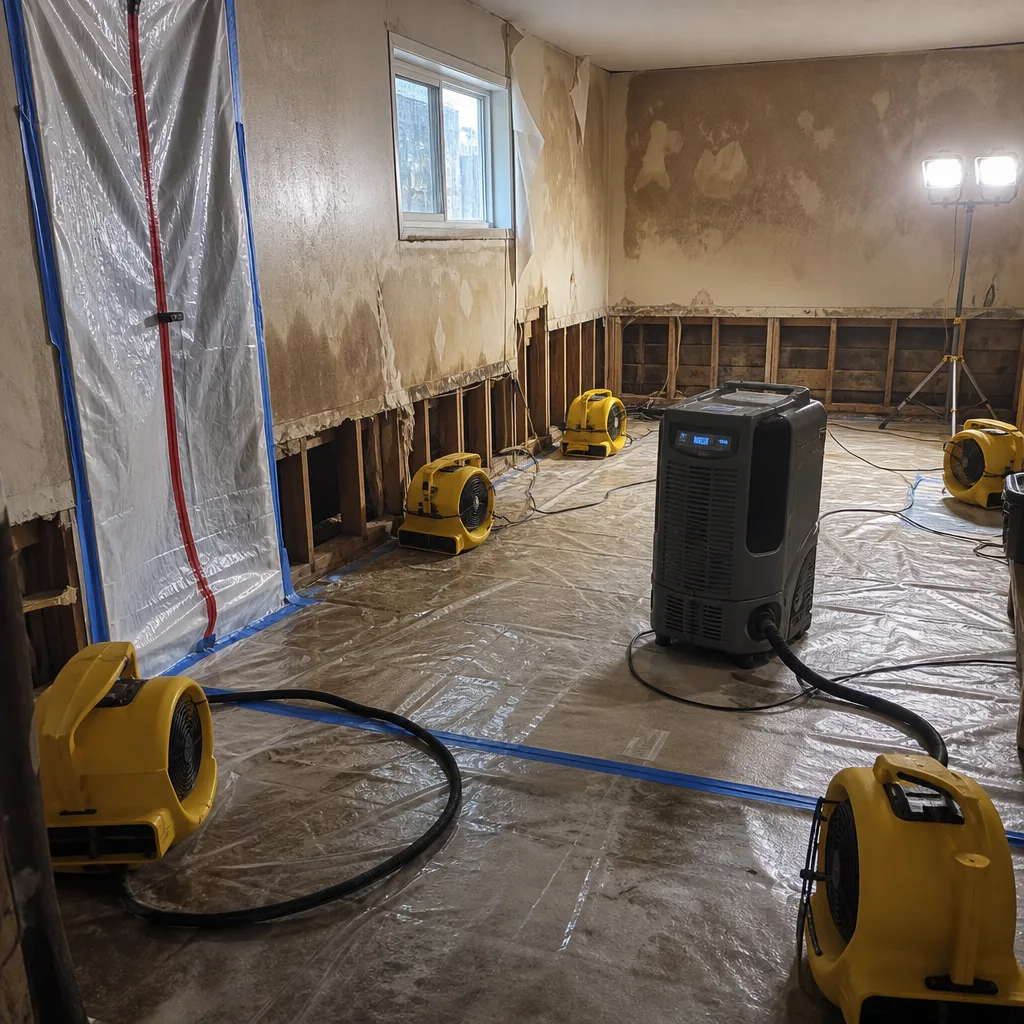
- Equipment Deployment: We use professional-grade drying systems from Dri-Eaz, Phoenix, XPOWER, B-Air, and Injectidry. The number of air movers and dehumidifiers required depends on the psychrometric data-the relationship between temperature, humidity, and moisture in your home’s air.
- Disposal Fees: Sewage-contaminated materials are considered biohazardous waste. They cannot be disposed of in standard residential trash. We must transport these materials to specialized facilities, and disposal fees are factored into the total project cost.
- Access and Layout: Basements in Bellevue homes that are finished or have complex layouts require more time for containment and careful demolition to avoid damaging unaffected areas.
BeforeAfterThe Difference Between Category 1, 2, and 3 Water
The IICRC (Institute of Inspection, Cleaning and Restoration Certification) classifies water damage into three categories. This classification is the primary driver of your restoration cost.
Category 1 (Clean Water): Water originating from a clean source, such as a broken supply line or a leaking faucet. This is the least expensive to remediate as materials can often be dried in place.
Category 2 (Grey Water): Water that contains significant contamination and has the potential to cause discomfort or sickness if contacted or consumed. This includes discharge from dishwashers or washing machines. This requires disinfection and more aggressive drying.
Category 3 (Black Water): This is sewage. It contains pathogenic, toxigenic, or other harmful agents. It includes water from sewer backups, toilet overflows with feces, or flooding from rivers or streams. This water is grossly unsanitary. Under The Haven Standard, we treat all Category 3 jobs with strict containment, full PPE, and immediate removal of all porous materials. This is the most expensive category because the safety protocols and disposal requirements are the most stringent.
Why Documentation Matters for Your Insurance Claim
Alicia Brennan founded DryMark Restoration Bellevue on a core principle: the documentation gap costs homeowners their claims. Many restoration companies provide a final invoice but fail to provide the daily evidence that proves the work was necessary and performed to industry standards. Our approach is different.
Every job we perform includes a documented photo record on every visit. We log moisture readings, material classifications, and the psychrometric data of the environment. When you provide this documentation to your insurance adjuster, you are not just presenting a bill; you are presenting a case file that explains exactly why the work was done and how it met the IICRC, RIA, and IFA standards. This documentation turns a restoration invoice into a claim that is far more likely to be paid without a fight. We believe that if it is not documented, it did not happen.
Our Process: From Assessment to Sanitization
We follow a strict, evidence-based process for every sewage cleanup project. This ensures safety for our crew and your family, and accountability for the final result.
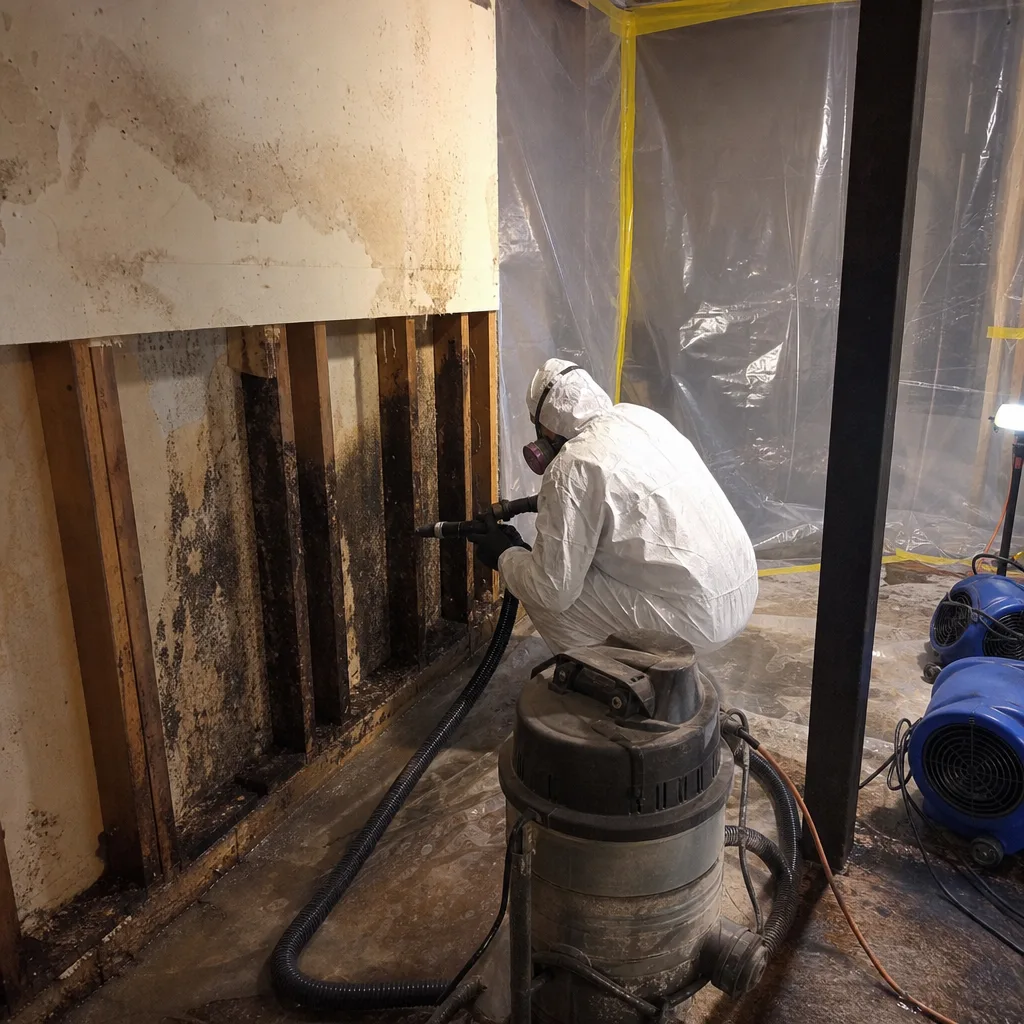
- Emergency Response and Containment: Upon arrival, we immediately establish containment zones to prevent cross-contamination. We use physical barriers and negative air pressure to ensure that airborne pathogens do not migrate to other parts of your home.
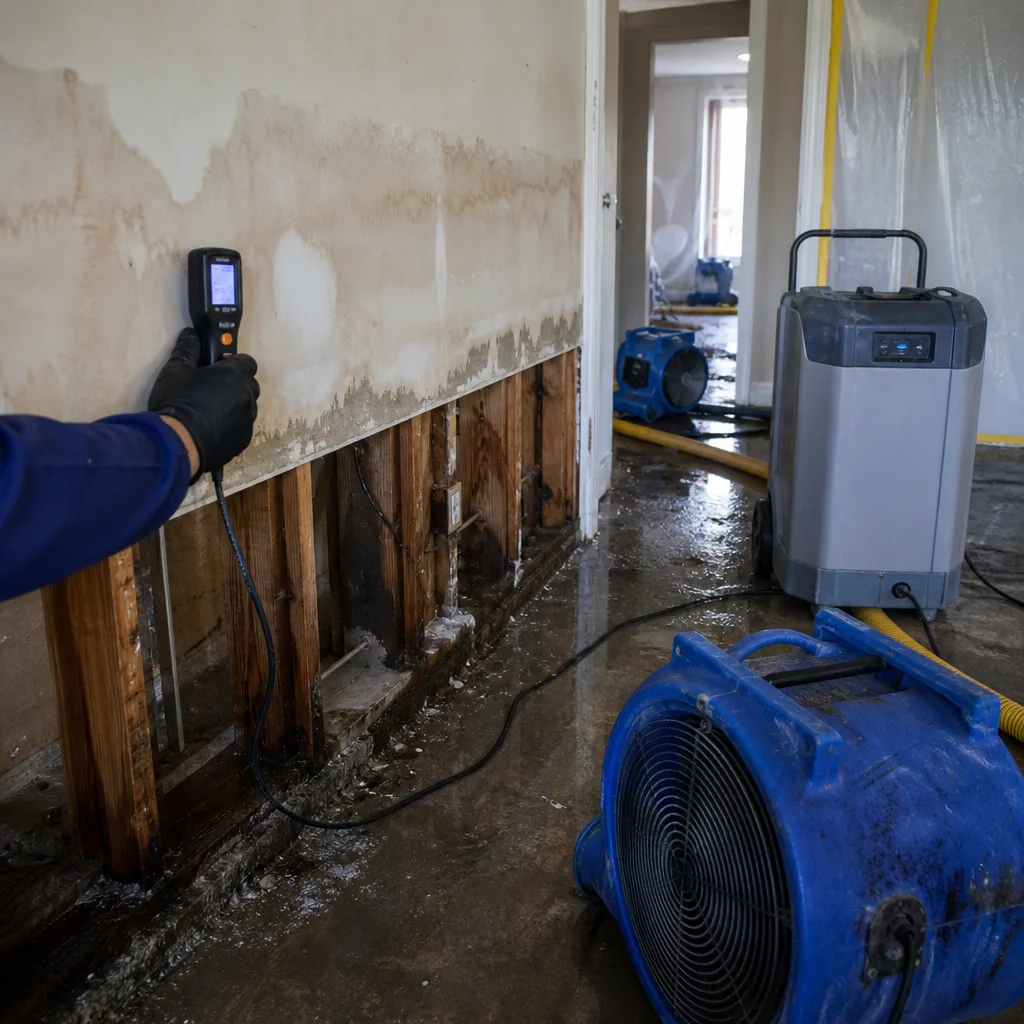
- Site Assessment and Documentation: We perform an initial moisture map. We identify the source of the sewage, the extent of the spread, and which materials are salvageable versus those that must be removed. We take photos of everything before work begins.
- Extraction: Using high-powered pumps and extraction tools, we remove the standing sewage. This is done quickly to minimize the time that moisture has to penetrate structural elements like subflooring and framing.
- Material Removal: Porous materials that have been in contact with Category 3 water are removed. This is a surgical process; we do not tear out more than is necessary, but we do not leave behind anything that could harbor bacteria or mold.
- Sanitization: We apply EPA-registered antimicrobial agents to all affected surfaces. This is not just a spray-and-go process; we ensure the dwell time is sufficient for the chemicals to neutralize pathogens effectively.
- Drying and Monitoring: We deploy professional-grade equipment from Phoenix and Dri-Eaz. We monitor the drying process daily, taking moisture readings and adjusting the equipment based on real-time data. We do not remove the equipment until the moisture content of the structure is back to a safe, pre-loss level.
- Final Verification: Once the structure is dry and sanitized, we perform a final inspection. We provide you with the full documentation package, including the drying logs and the final photo record, to ensure you have everything you need for your records or insurance claim.
Safety Risks of Handling Sewage
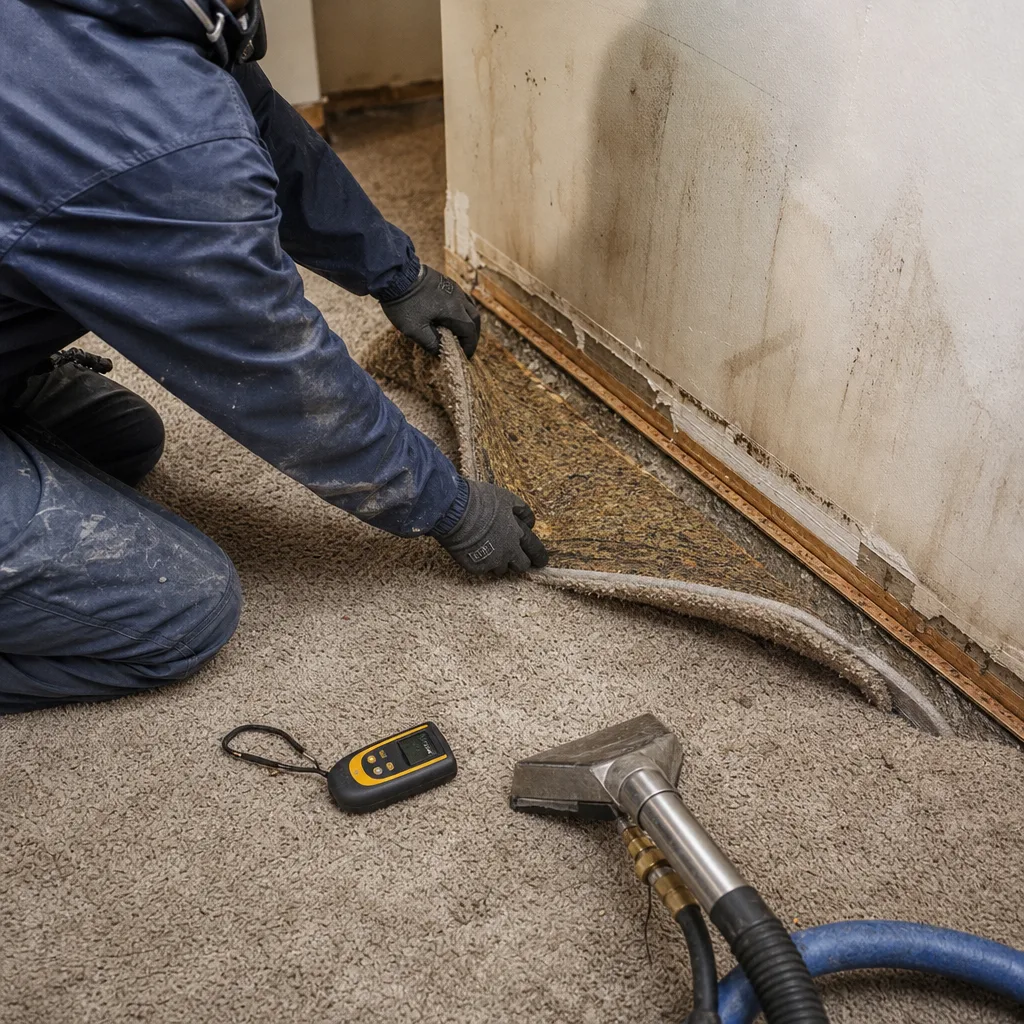
Sewage is not just a mess; it is a biohazard. It contains bacteria, viruses, and parasites that pose a real threat to human health. Common pathogens found in sewage backups include E. coli, Salmonella, Hepatitis A, and various types of fungi. These organisms can be transmitted through skin contact, inhalation of aerosols, or accidental ingestion.
Because of these risks, we strongly advise against attempting to clean up sewage yourself. Professional remediation requires specialized personal protective equipment (PPE), including respirators, chemical-resistant suits, and gloves, as well as the knowledge of how to handle contaminated materials without spreading the hazard. If you have a sewage backup, please stay out of the affected area and call a professional for Sewage Cleanup services to handle it safely. Your health is not worth the risk of improper handling.
How to Save on Sewage Cleanup
While sewage cleanup is a significant expense, there are ways to manage the process effectively without sacrificing quality or safety. The most important factor is speed. The longer sewage remains in your home, the more damage it causes. A smaller, faster response is almost always less expensive than a delayed one.
Another way to manage costs is to ensure that you are only paying for work that is necessary. This is why we provide a written price before any work begins. You will never face “scope creep” or unexpected additions to your bill once the crew is on site. We also offer a Free Second Opinion on any competitor’s written estimate. If you have already received a quote for sewage cleanup and you are unsure about the scope or the price, bring it to us. We will review it at no charge and give you an honest assessment of whether the work is truly required.
Frequently Asked Questions - Sewage Cleanup Cost
How much does it cost to clean up a sewage backup in a basement?
Cleanup for a basement sewage backup typically ranges from $4,000 to $12,000. The cost depends heavily on whether the basement is finished or unfinished, the square footage involved, and how much structural material (drywall, carpet, insulation) must be removed. Call (425) 696-6320 for an exact quote - estimates are free.
Is sewage cleanup covered by homeowners insurance?
Most standard homeowners insurance policies do not cover sewage backups unless you have added a specific endorsement for water and sewer backup coverage. You should check your policy declarations page or call your agent immediately. Regardless of coverage, our documentation process, including our daily photo record and drying logs, provides the evidence you need to submit a claim effectively.
Can I clean up sewage myself to save money?
We strongly advise against cleaning up sewage yourself. It is a biohazard that requires specialized PPE, antimicrobial chemicals, and disposal methods that most homeowners are not equipped to handle. Attempting to DIY the cleanup often leads to the spread of contamination throughout the rest of your home, which increases the total cost of professional restoration later. Call (425) 696-6320 for professional assistance.
How quickly can you respond to a sewage emergency in Bellevue?
We provide live phone coverage 24 hours a day, 7 days a week. When you call us, you speak to a live person, not a voicemail tree. Because we are locally based, our team can be on-site quickly to assess the situation, contain the area, and begin the extraction process, which is the most critical step in minimizing damage. Call (425) 696-6320 to dispatch a team.
What is the 365-Day Done Right Promise?
Our 365-Day Done Right Promise is our guarantee that the work we perform is completed to the highest standards. If you find that the work was not done right within 365 days of completion, we will make it right. This is a written warranty under The Haven Standard, ensuring that you have peace of mind knowing the job was handled correctly the first time. Call (425) 696-6320 for more details on our service guarantees.
Pricing reflects the Bellevue market as of 2026. DryMark Restoration Bellevue offers free estimates - call (425) 696-6320.
Written by Alicia Brennan, Owner at DryMark Restoration Bellevue, serving Bellevue since 2011.
What Our Customers Say
"Daily moisture readings, written down, room by room. When the adjuster questioned the drying time they sent the log and the conversation ended."
- Constance E."Burst supply line upstairs. They had equipment in the house within a few hours and told me honestly which flooring could be saved and which could not."
- Jarrod P."Storm took part of the roof. They tarped it the same evening and the written scope came through the next morning."
- Emmett L.