
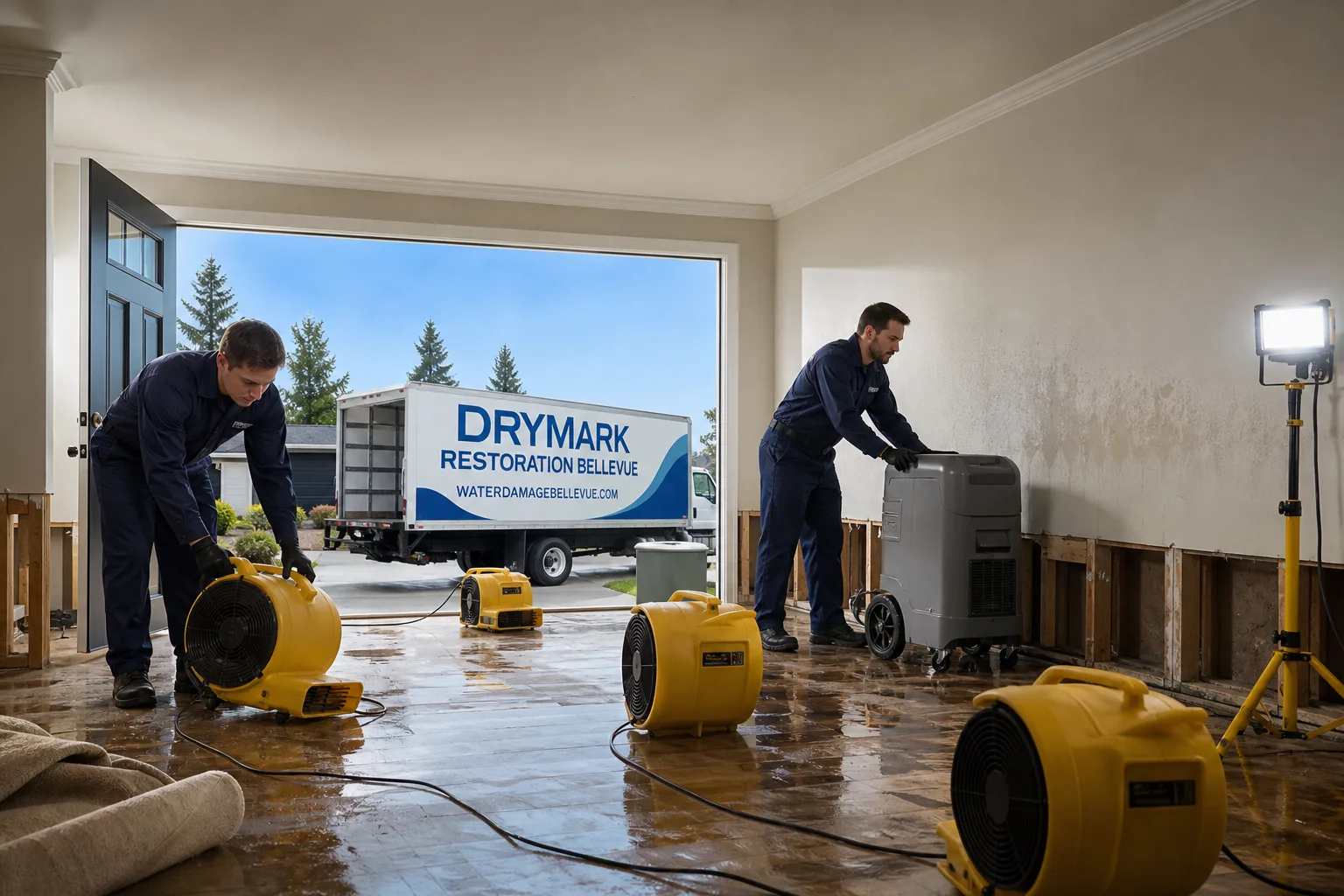
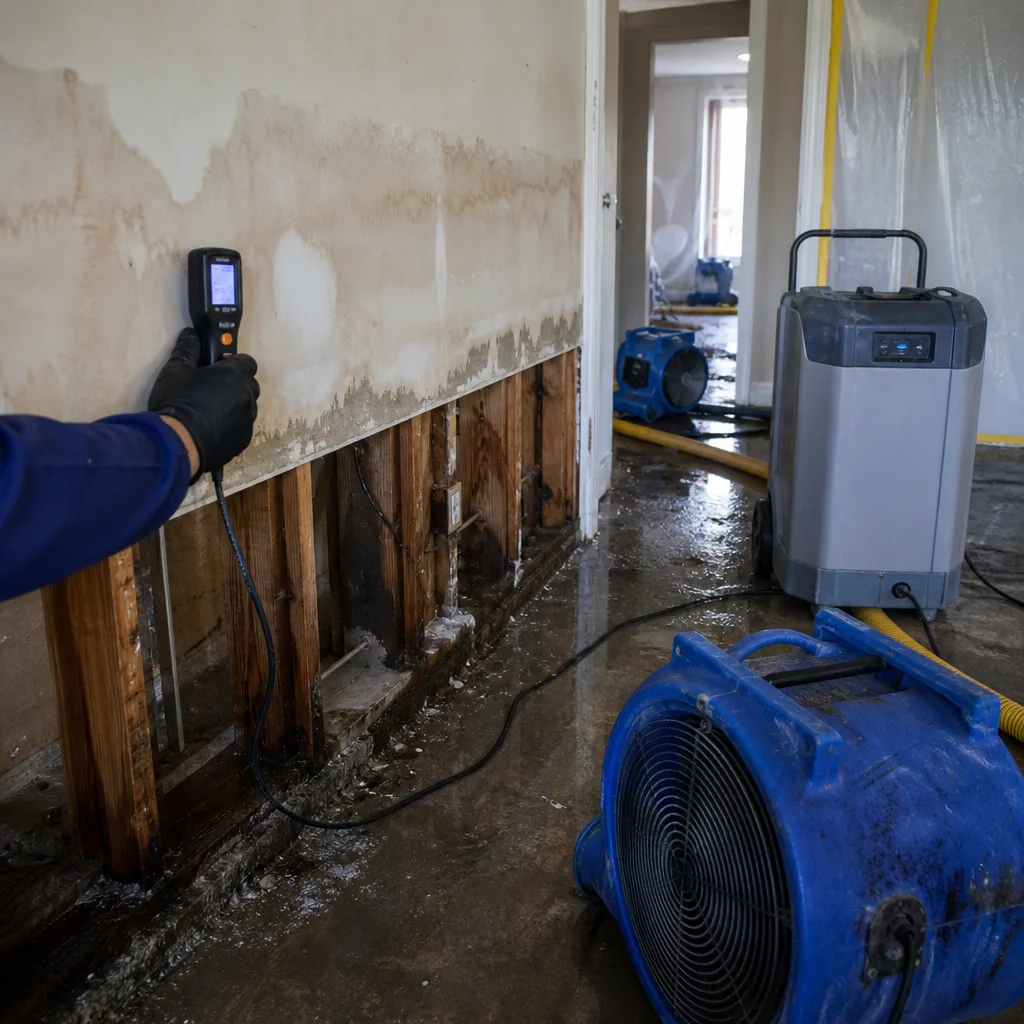
Free visual inspection and a written scope of work before any mitigation begins - photos, moisture readings, and drying logs go in your claim file
The scope we write is the scope we bill. Anything new gets shown to you, in writing, before we touch it.
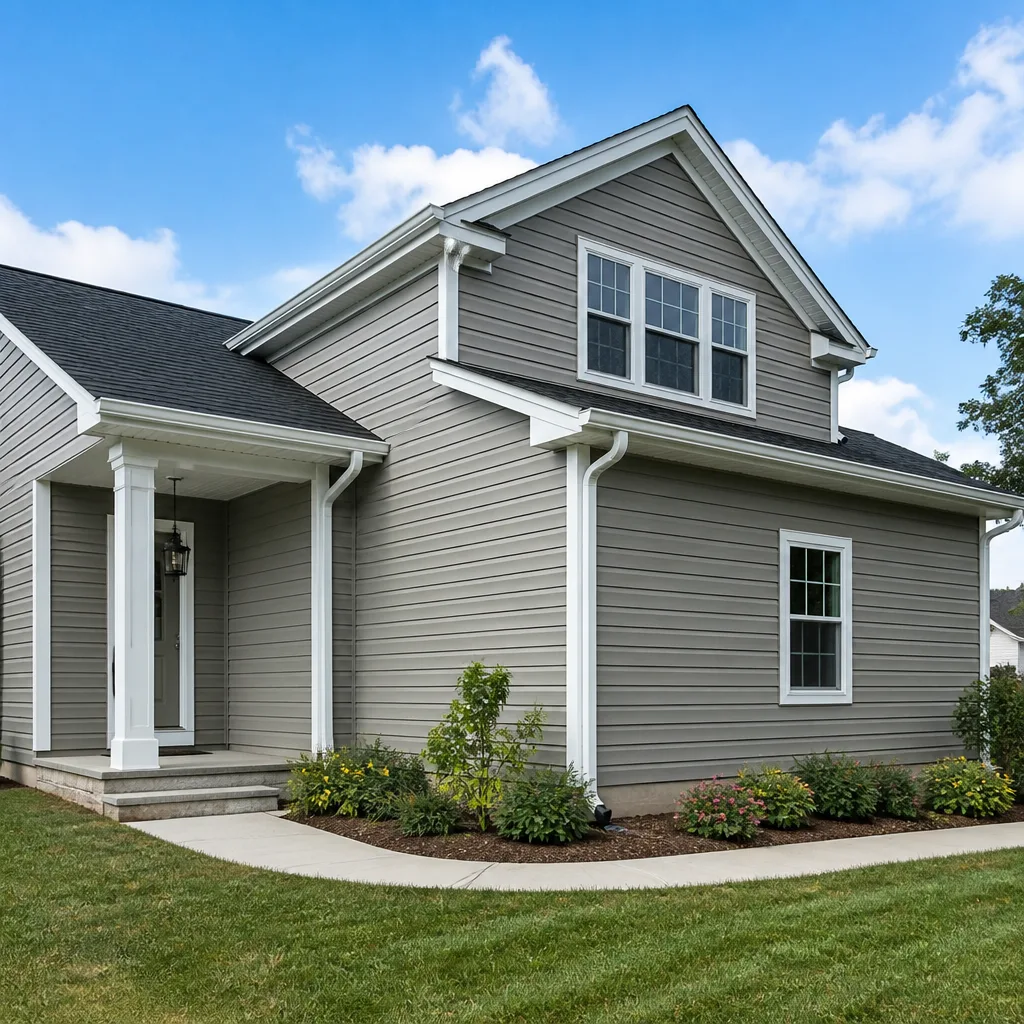
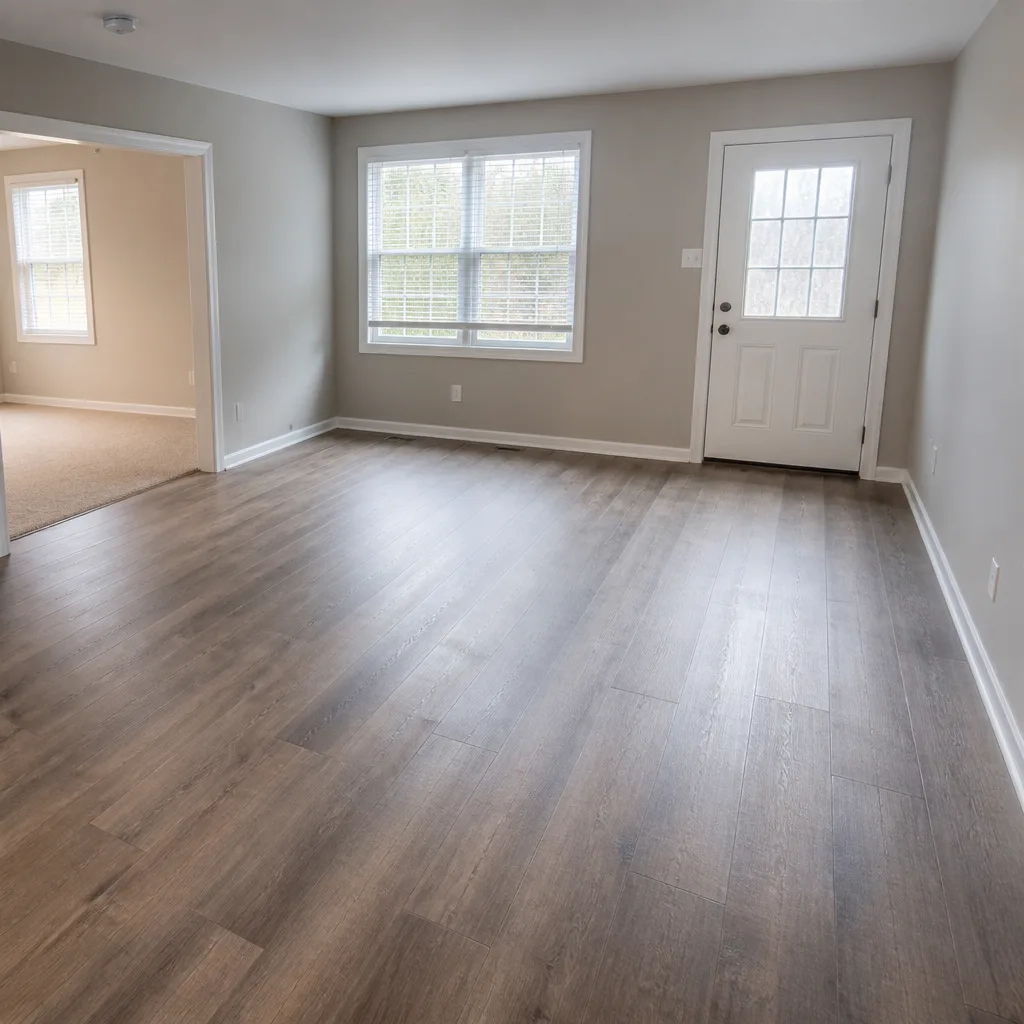
 Before
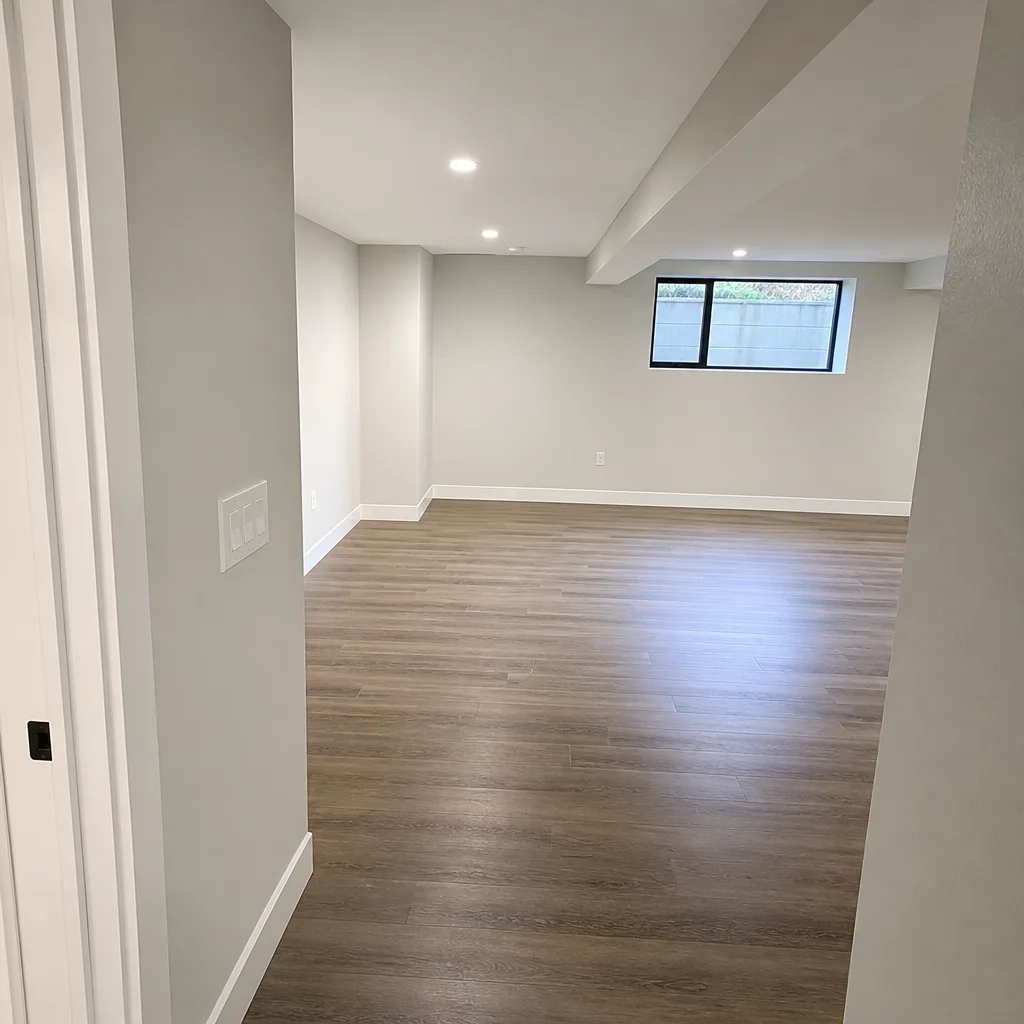 After
After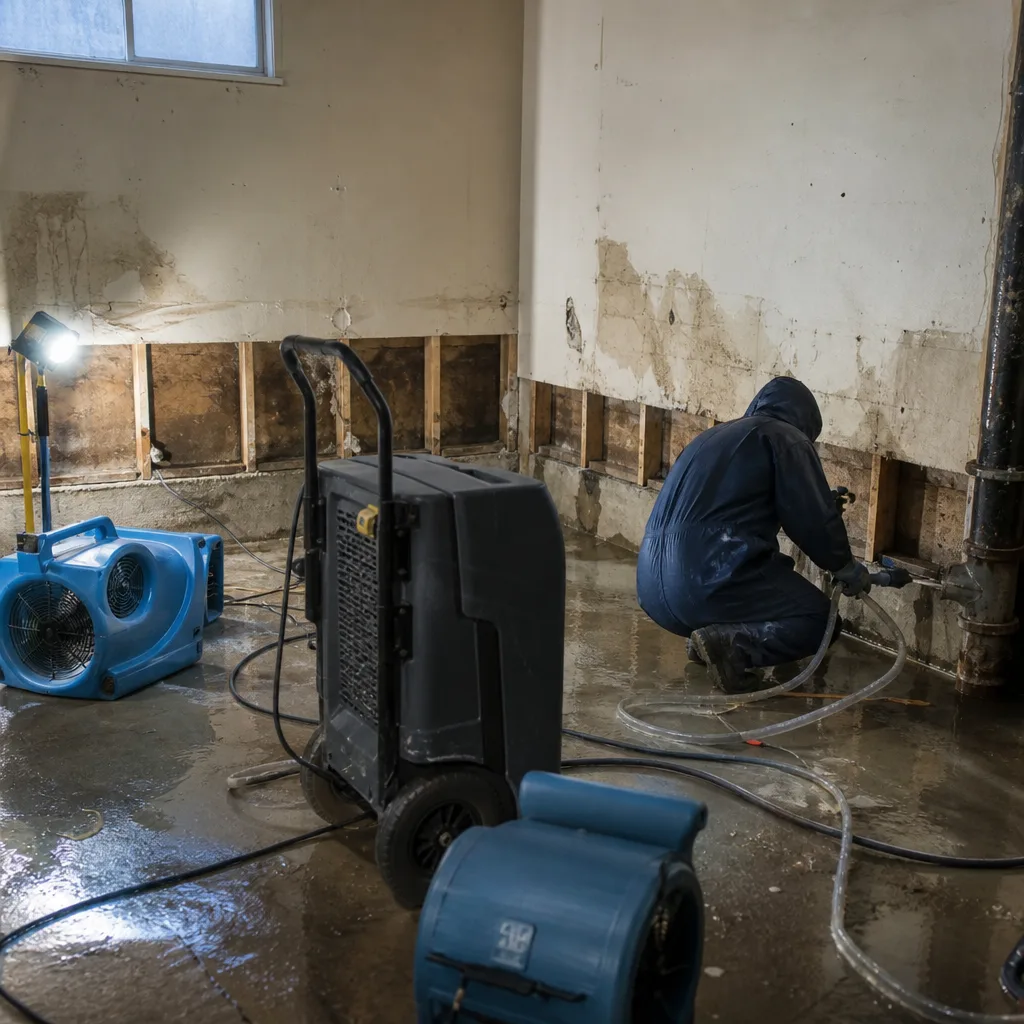 Before
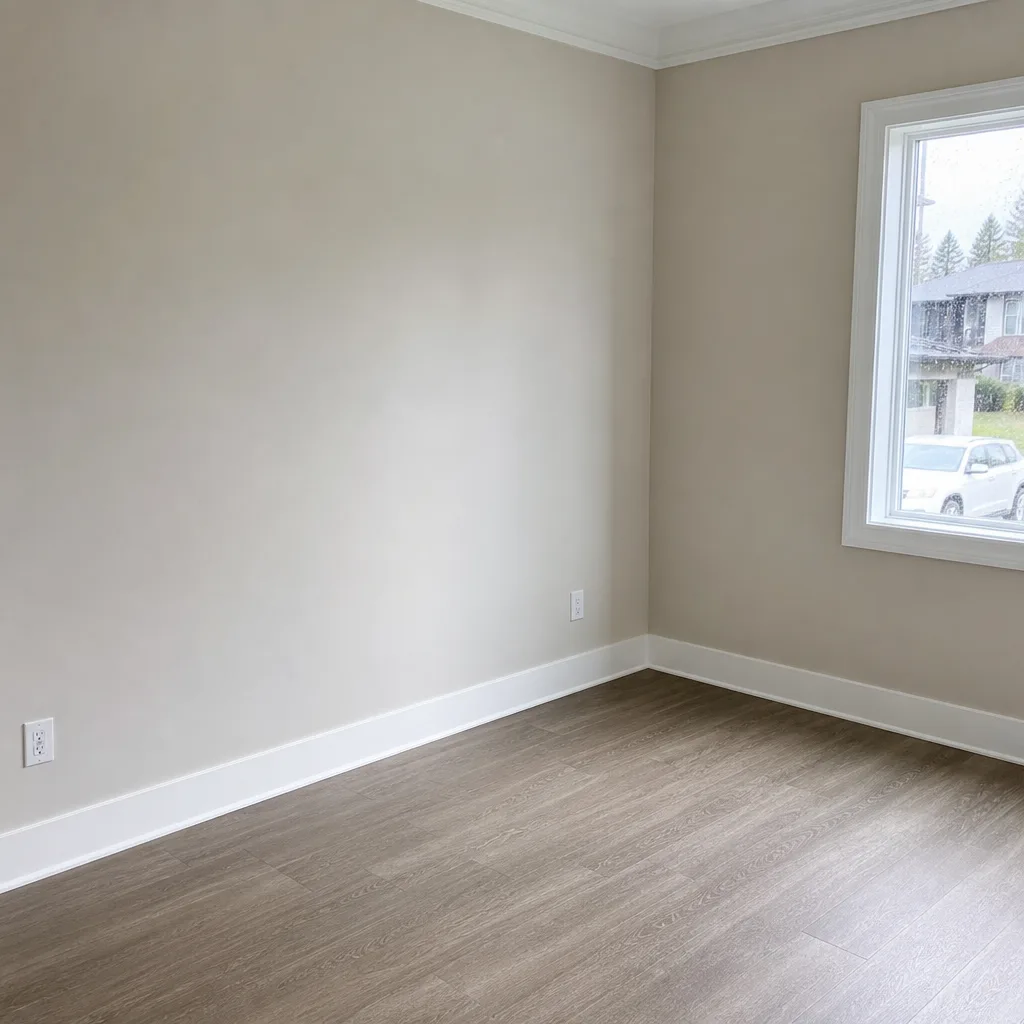 After
After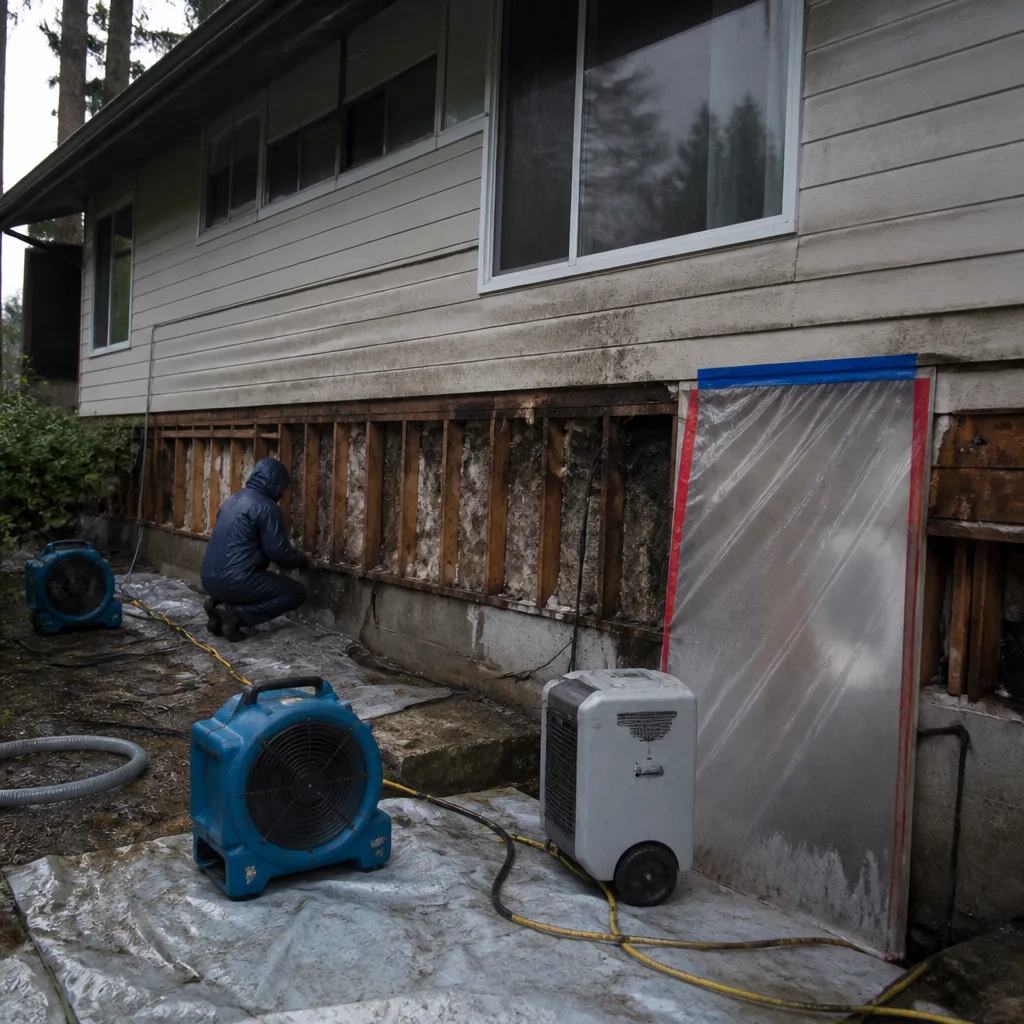 Before
 After
AfterFast, Reliable Mold Remediation Across Monroe
Mold remediation in Monroe typically costs $1,800-$4,500 for crawl-space and wall-cavity work, with full containment and removal jobs running higher when Category 3 river contamination is involved. Most Monroe inspections can be scheduled within 24 hours, and our crews carry containment equipment, HEPA filtration, and moisture mapping tools on every truck dispatched to the Skykomish River corridor. Call (425) 696-6320 - a live person answers, 24 hours a day, 7 days a week.
We’ve worked Monroe’s valley-floor properties long enough to know the pattern: what starts as a musty crawl space or a water stain on drywall often traces back to the Skykomish River, not a leaking roof. The distinction matters. River overflow carries silt, debris, and bacteria that change how mold must be treated, what can be dried in place, and what documentation your adjuster needs to see. Our Mold Remediation team coordinates dispatch from our Seattle office and carries the trade-specific vocabulary - psychrometric data, vapor pressure differential, tertiary drying - that turns a restoration invoice into a claim that gets paid without dispute.
Why DryMark Restoration Bellevue Is Monroe’s Preferred Mold Remediation Company
Monroe homeowners measure contractors by what they can show, not by how long they’ve claimed to be around. We show them a written price before anyone starts work, every time - Haven Standard, Clause 1. No exceptions. That practice, maintained across 12,000+ homes since 2011, was built by Alicia Brennan, a former claims adjuster who founded Back to Dry after watching too many homeowners lose out on coverage because the contractor’s documentation didn’t hold up.
Our Monroe customers receive a photo record on every visit, room-by-room moisture readings logged to IICRC and IFA standards, and a 365-Day Done Right Promise stamped under The Haven Standard. If it’s not done right, we make it right. Not a verbal assurance - a signed guarantee.
Response time to Monroe runs same-day to next-morning for non-emergency inspections, with emergency calls triaged immediately through live dispatch. We know the local building stock: the Craftsman cottages near the downtown core with balloon framing and vented crawl spaces, and the 1990s-2000s tract homes off Highway 2 with OSB sheathing that swells and delaminates when the Skykomish rises. That local knowledge changes what we pack on the truck and how we scope the job before we cut into a wall.
We also offer a Free Second Opinion on any competitor’s written estimate. Bring us another contractor’s scope and we’ll review it at no charge. Homeowners in the 98272 ZIP and surrounding Monroe neighborhoods use this when an adjuster has flagged concerns about prior remediation work or when the scope doesn’t match the visible damage.
Our Mold Remediation Services in Monroe
Mold Inspection & Testing
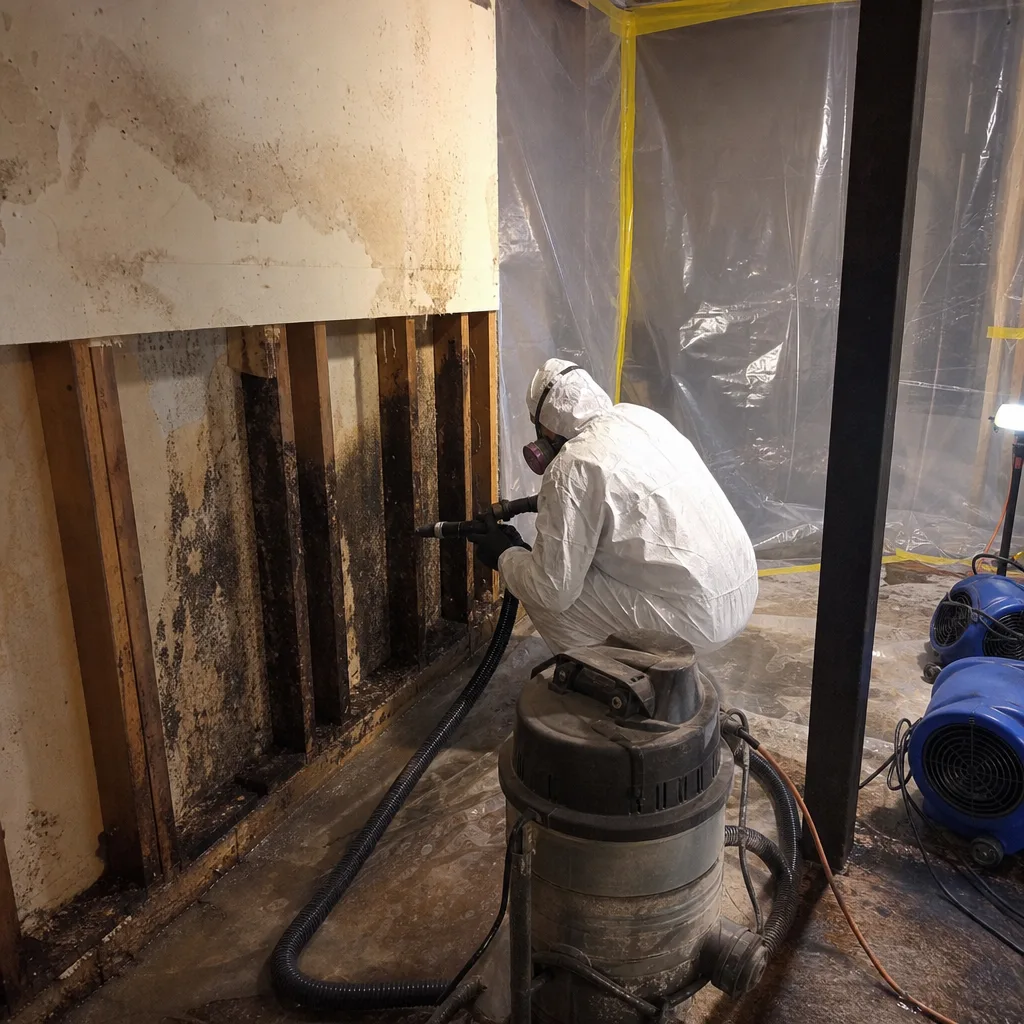
A proper Monroe inspection starts with moisture mapping, not guesswork. We use thermal imaging and calibrated moisture meters to find the water source behind the mold - critical here because valley-floor properties often have multiple intrusion paths: hydrostatic pressure through slab edges, capillary wicking in older crawl-space piers, or previous Category 3 events that left hidden contamination. Air and surface samples go to an independent lab; we don’t perform our own testing to avoid conflict of interest. The inspection report includes affected square footage, material classifications by trade name (drywall, OSB sheathing, fiberglass batt, spray foam), and a written scope with line-item pricing before any remediation begins.
Mold Removal
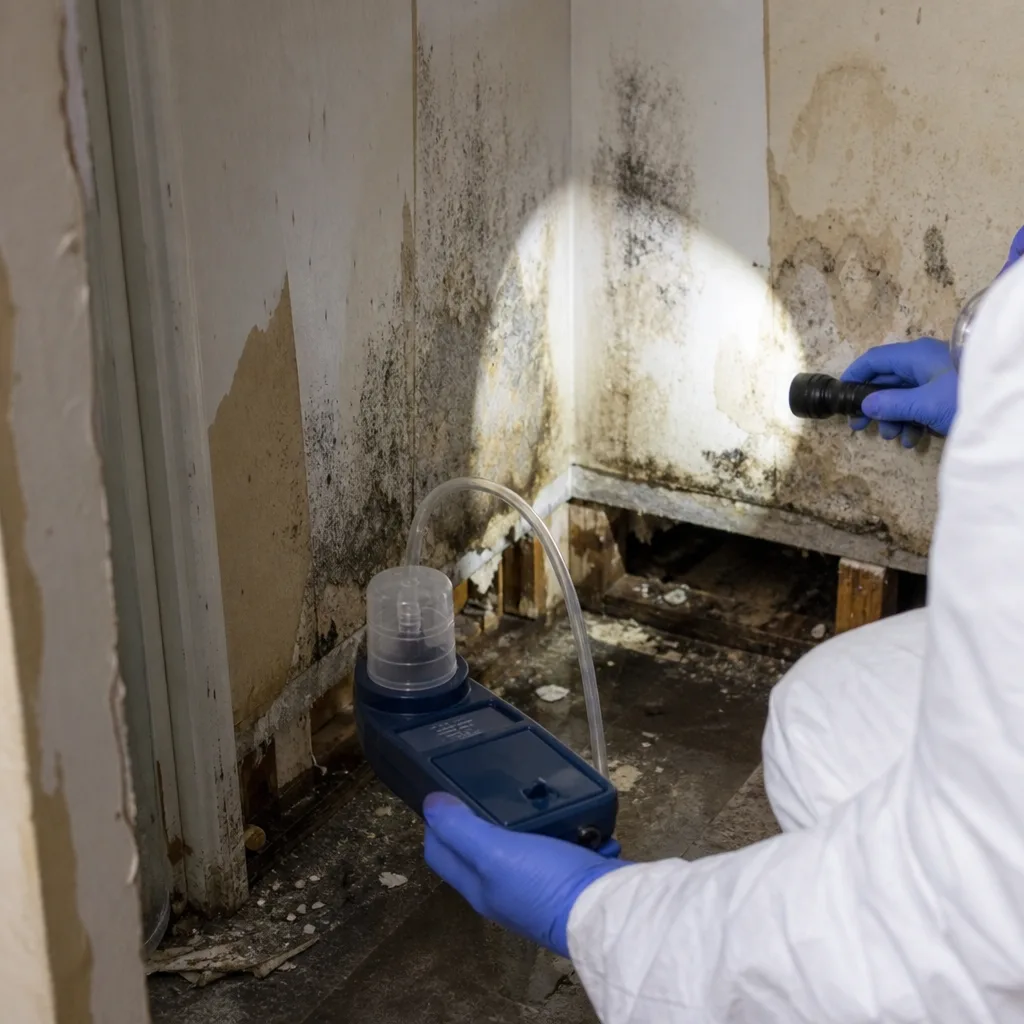
Removal in Monroe frequently means full tear-out of contaminated sheathing and insulation, not surface treatment. After Skykomish overflow events, we’ve opened walls to find swollen, delaminated OSB that can’t be dried in place - the material has lost structural integrity and will harbor mold behind any refinished surface. We establish containment with negative air pressure, remove contaminated materials under HEPA filtration, and treat remaining framing with antimicrobial agents rated for Category 3 water exposure. Daily drying logs track moisture content reduction to the 12-16% range required for safe rebuild.
Black Mold Remediation
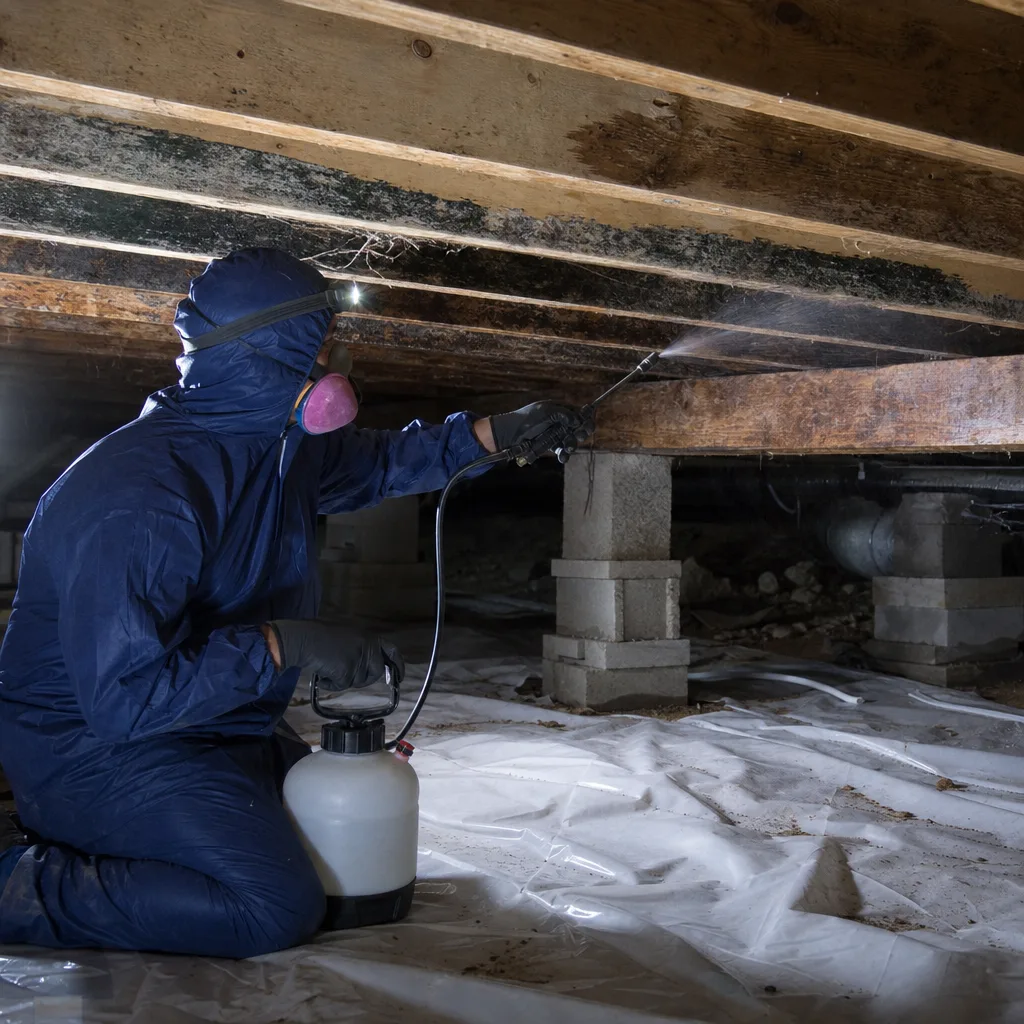
Stachybotrys and other toxigenic molds in Monroe are almost always tied to chronic water intrusion, not humidity alone. The valley’s higher precipitation and harder freeze-thaw cycles create conditions where crawl spaces stay wet longer than in lowland Puget Sound cities. Black mold remediation requires the same containment and removal protocols as other species, with additional attention to spore dispersal control during disturbance. We document every step with photos for adjuster review, particularly important when FEMA flood insurance is in play and prior loss history may affect coverage determinations.
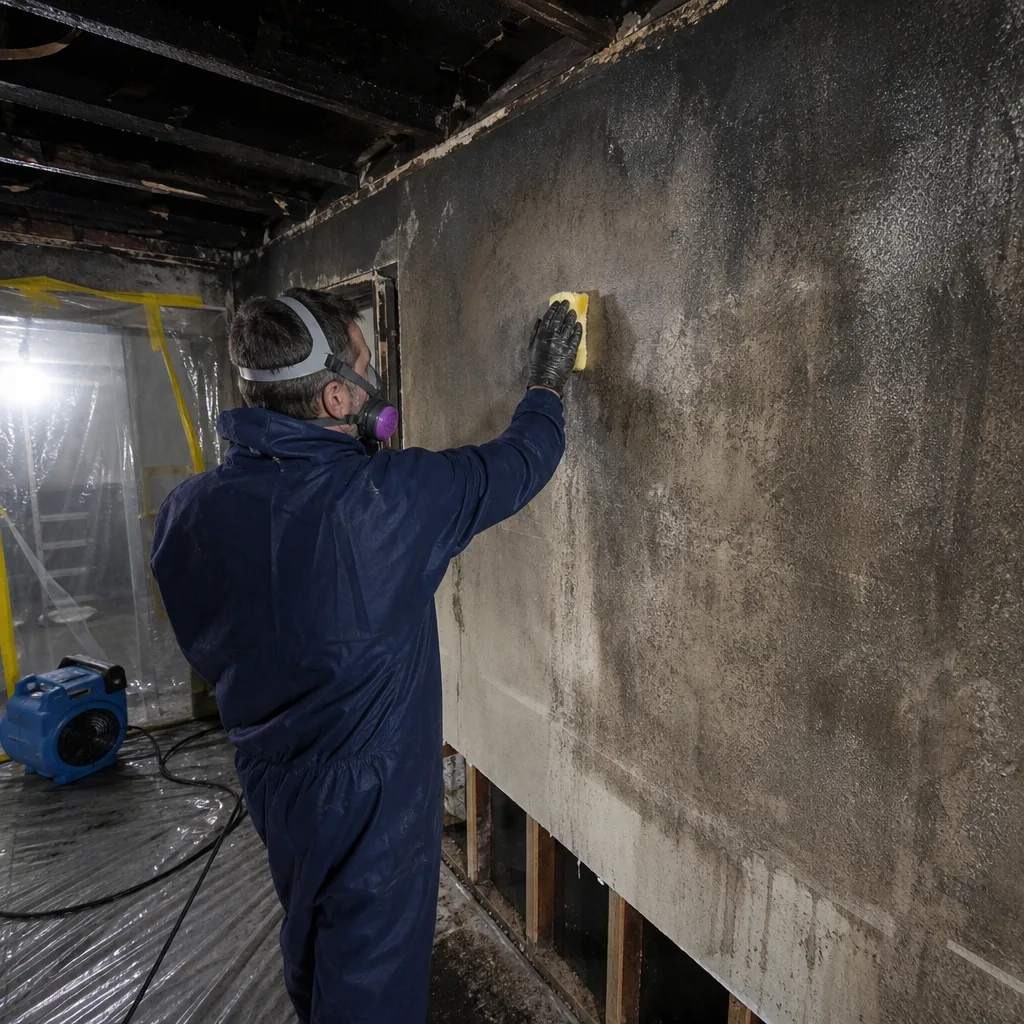
Air Quality Restoration
Post-remediation air quality in Monroe homes must account for both mold spores and the fine silt that Category 3 river water deposits in wall cavities. Our air scrubbers run HEPA filtration at 99.97% efficiency on 0.3 micron particles, with carbon pre-filtration for volatile organic compounds released during material removal. We don’t declare a job complete until third-party clearance testing confirms spore counts at or below outdoor baseline levels - a documentation point that protects both the homeowner and the insurer from future liability.
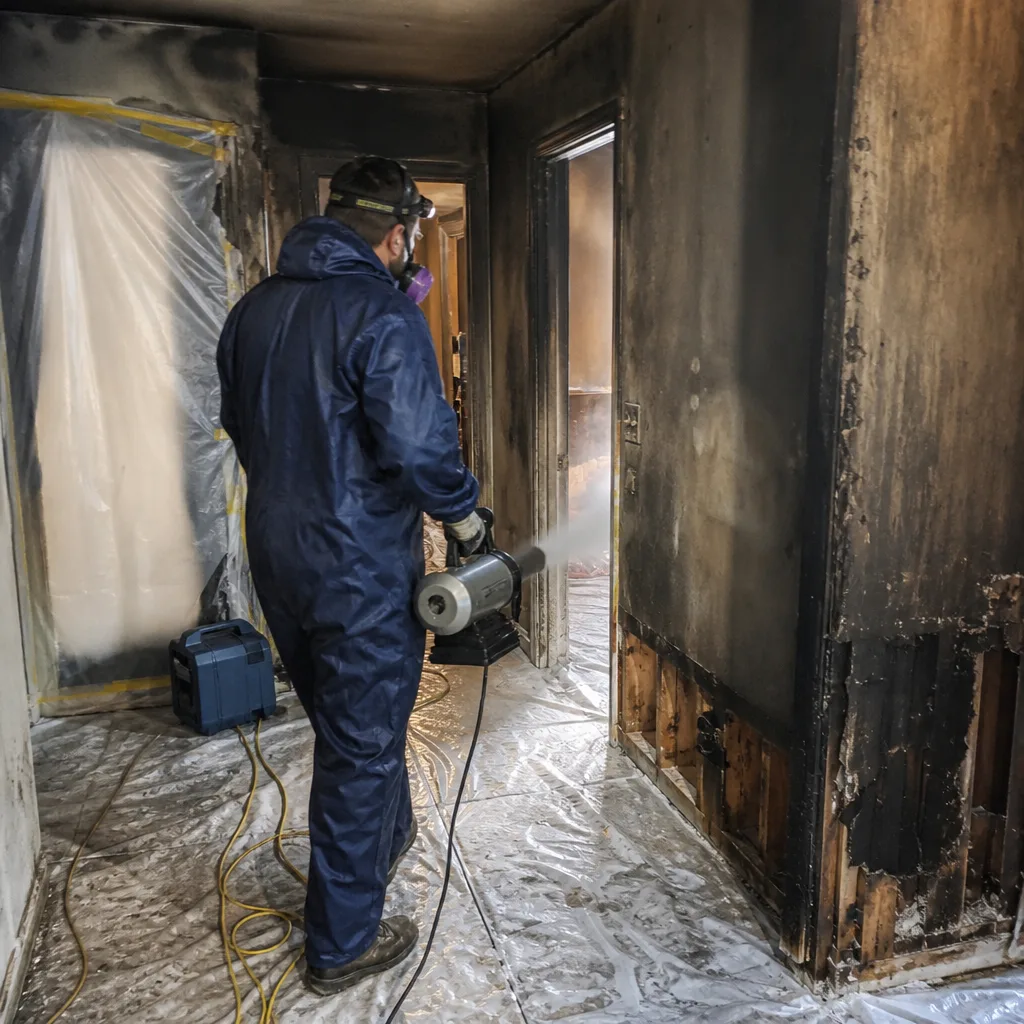
Crawl Space Treatment
Monroe crawl spaces are where most of our mold work happens. The combination of valley-floor drainage patterns, older vented designs in downtown-core homes, and the newer sealed crawl spaces that trap moisture from soil vapor creates two distinct problem types. We treat both: vapor barrier installation and dehumidification for chronic moisture, full removal and antimicrobial treatment after river overflow. Our crews carry Dri-Eaz and Phoenix dehumidification systems sized to the cubic footage of Monroe’s typically shallow crawl spaces, with ducting configurations that reach the corners where mold colonies establish first.
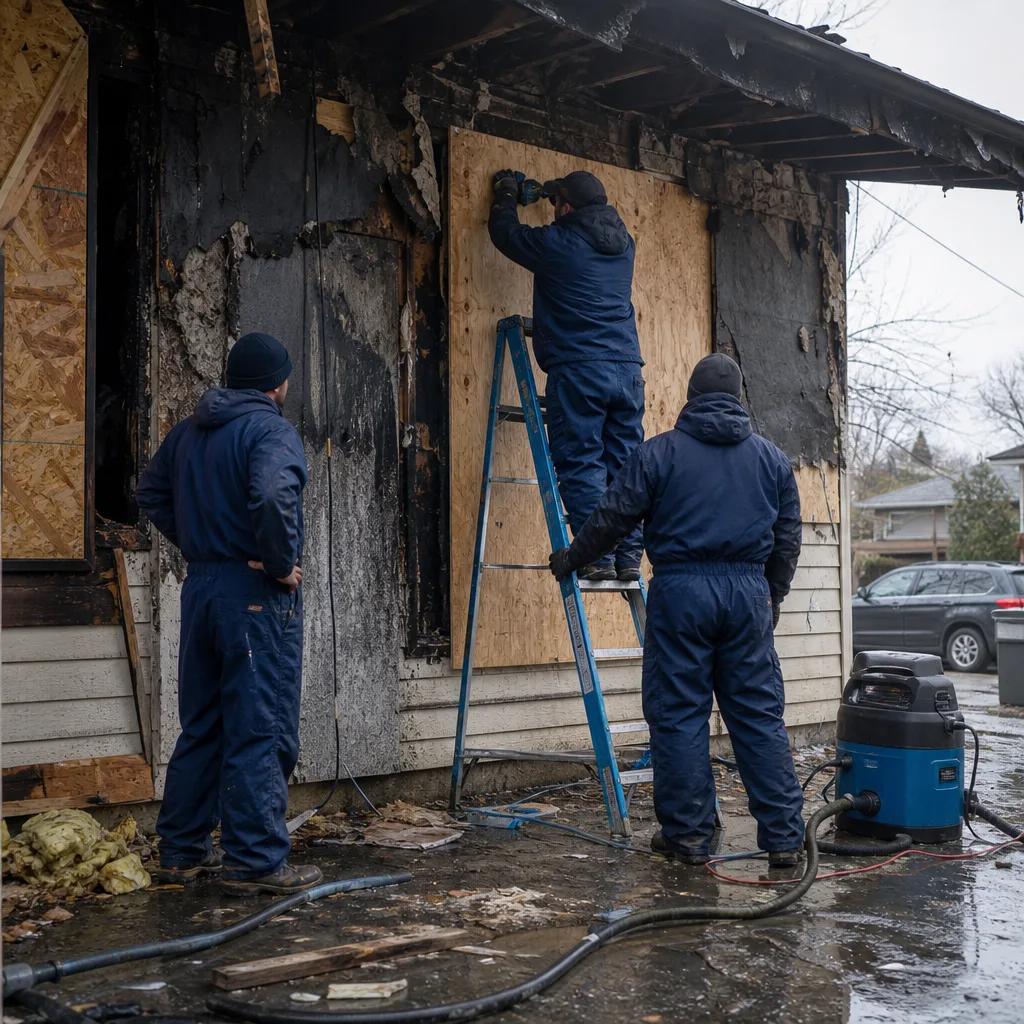
Moisture & Humidity Control
Controlling moisture after remediation prevents recurrence. In Monroe, that means addressing the source: grading and drainage corrections for properties near the Skykomish, sealed crawl-space conversion for homes with chronic soil vapor intrusion, or targeted dehumidification for the 1990s-2000s tract homes with OSB sheathing that won’t tolerate repeated wetting. We specify equipment by load calculation, not by square footage rule-of-thumb, and we document the psychrometric data - temperature, relative humidity, and vapor pressure differential - that proves the system is working.
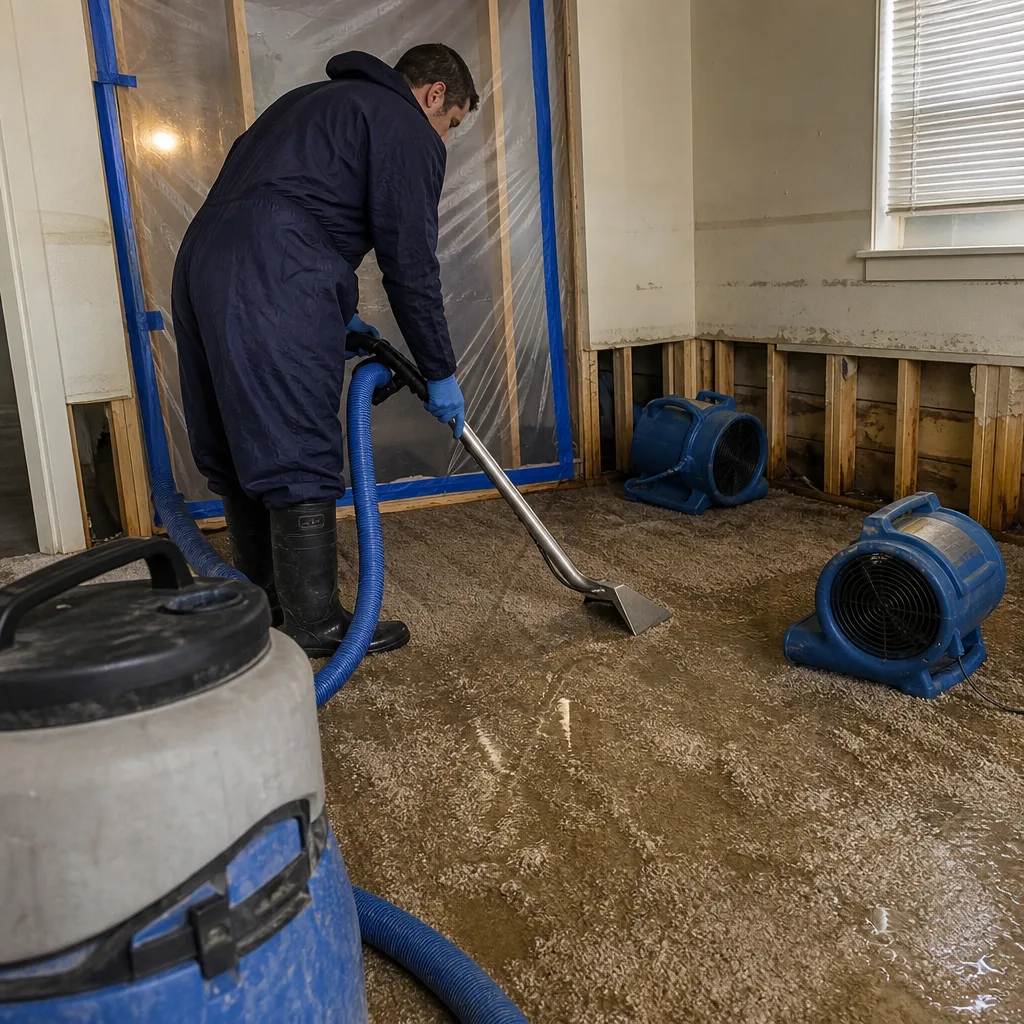
What happens when you call
- 1
A real person answersNo phone trees - you reach a local pro.
- 2
You get an upfront price rangeHonest numbers before anyone is dispatched.
- 3
A background-checked tech heads outLicensed & insured, dispatched right away.
- 4
You approve before work beginsNothing starts until you say go.
BeforeAfterTrusted Brands We Service in Monroe
Our Monroe crews deploy professional-grade drying and air quality equipment from Dri-Eaz, Phoenix, and XPOWER - brands specified in IICRC restoration protocols and recognized by adjusters nationwide. We stock HEPA filtration media, antimicrobial formulations rated for Category 3 water, and containment supplies locally so we’re not waiting on Seattle delivery when a Monroe job needs immediate mobilization. For crawl-space dehumidification, we size Phoenix systems to the specific cubic footage and soil conditions we find under Monroe homes, not to a generic chart. That specificity shows up in the drying logs: measurable moisture content reduction, documented daily, with equipment serial numbers noted for adjuster reference.
Common Mold Remediation Problems We See in Monroe Homes
- Drying swollen OSB sheathing in place instead of removing it. Newer tract homes off Highway 2 and in the Fryelands area absorb Category 3 river water and delaminate. The mold returns behind refinished surfaces because the sheathing was structurally compromised and never fully dried. We remove it, treat the framing, and document the replacement need in writing before rebuild.
- Missing prior remediation layers under fresh paint or new drywall. Valley-floor properties in Monroe’s flood plain frequently carry FEMA flood insurance with prior loss history. We open walls and find older remediation work - sometimes improperly dried, sometimes just painted over - that complicates moisture mapping and triggers adjuster disputes. Our photo documentation captures each layer for coverage determination.
- Treating crawl-space mold as clean-water moisture control when it originated from contaminated river overflow. The Skykomish doesn’t deliver rainwater. It delivers silt, debris, and bacteria that change the remediation protocol from drying to removal. Misidentifying the source leaves contamination in the cavity and exposes the homeowner to health risks and coverage denial.
- Ignoring harder freeze events that burst pipes and create hidden moisture paths. Monroe’s Cascade-foothills position produces freeze events that Everett and Bothell contractors see less often. A pipe burst in an exterior wall wets insulation and sheathing that may not show surface mold for weeks. Our thermal imaging finds the moisture before the colony establishes.
Pricing for Mold Remediation in Monroe, WA
| Service | Typical Range in Monroe |
|---|---|
| Mold inspection & moisture mapping | $350-$650 |
| Crawl-space mold remediation (up to 1,000 sq ft) | $1,800-$3,200 |
| Wall-cavity mold removal with containment | $2,400-$4,500 |
| Category 3 river-water mold remediation (full removal protocol) | $3,500-$7,000+ |
| Post-remediation air quality testing | $400-$750 |
| Crawl-space dehumidification system installation | $1,200-$2,800 |
Monroe pricing runs toward the higher end of regional ranges when Category 3 contamination is involved, because river-water jobs require more extensive removal, longer drying timelines, and additional documentation for FEMA and private insurer review. The written price we deliver before work starts includes all containment, removal, treatment, drying, and documentation - no scope-creep additions once our crew is inside your home. Haven Standard, Clause 1. Bring us a competitor’s written estimate and we’ll review it at no charge.
We Also Serve Cities Near Monroe
Our crews handle mold remediation across the Skykomish River corridor and into the eastern Snohomish County metro, including Monroe and nearby Bothell, Redmond, Lynnwood, and Sammamish. Each city’s page covers the local conditions that shape its mold problems - Monroe’s river-valley flood exposure, Redmond’s plateau drainage patterns, Sammamish’s newer construction moisture loads. The documentation standards stay the same: written price first, photo record on every visit, drying logs to IFA standards.
Serving Monroe, WA - Our Local Coverage Area
We’re based in the Monroe area and know this community well. Use the map below to see our service coverage - if you’re nearby, we can almost certainly help.
FAQs - Mold Remediation in Monroe
Both, and the source determines the treatment. Chronic mold in older downtown-core homes often traces to soil vapor and poor ventilation - a moisture control problem. But valley-floor properties near the Skykomish frequently show Category 3 river contamination with silt and debris, which requires full removal and antimicrobial treatment rather than drying in place. We test and map to identify the source before scoping remediation. Call (425) 696-6320 for an inspection - estimates are free.
Mold colonization begins in 24-72 hours on organic materials with moisture content above 16%. In Monroe’s cooler valley temperatures, that timeline can stretch slightly, but OSB sheathing in newer tract homes absorbs water so aggressively that hidden colonization often outpaces visible growth. We recommend inspection within 48 hours of any water intrusion event. Call (425) 696-6320 - live dispatch answers 24/7.
Monroe’s FEMA flood-zone properties often carry prior loss history, and previous contractors sometimes refinished over incompletely dried materials to meet insurance timelines or budget constraints. Our moisture mapping and photo documentation identify these layers for adjuster review, protecting you from coverage disputes over pre-existing versus new damage. Call (425) 696-6320 if you’ve been told your damage might be “pre-existing.”
Frequently, yes. Monroe’s harder freeze events burst pipes in exterior walls where insulation and sheathing get saturated. The pipe gets repaired, but the wall cavity stays wet - sometimes for weeks - until mold appears on the interior surface. Our thermal imaging finds the moisture before visible growth, and we document the full drying process for adjuster review. Call (425) 696-6320 for moisture mapping after any winter pipe burst.
We deploy Dri-Eaz, Phoenix, and XPOWER equipment as standard on every Monroe job - not as an upgrade or specialty request. These are the brands specified in IICRC drying protocols and recognized by adjusters; our daily drying logs include equipment serial numbers and psychrometric readings taken with calibrated meters. Call (425) 696-6320 to discuss equipment documentation for your specific claim.
Written by Alicia Brennan, Owner at Back to Dry Restoration, serving Monroe and the Skykomish River corridor since 2011.