
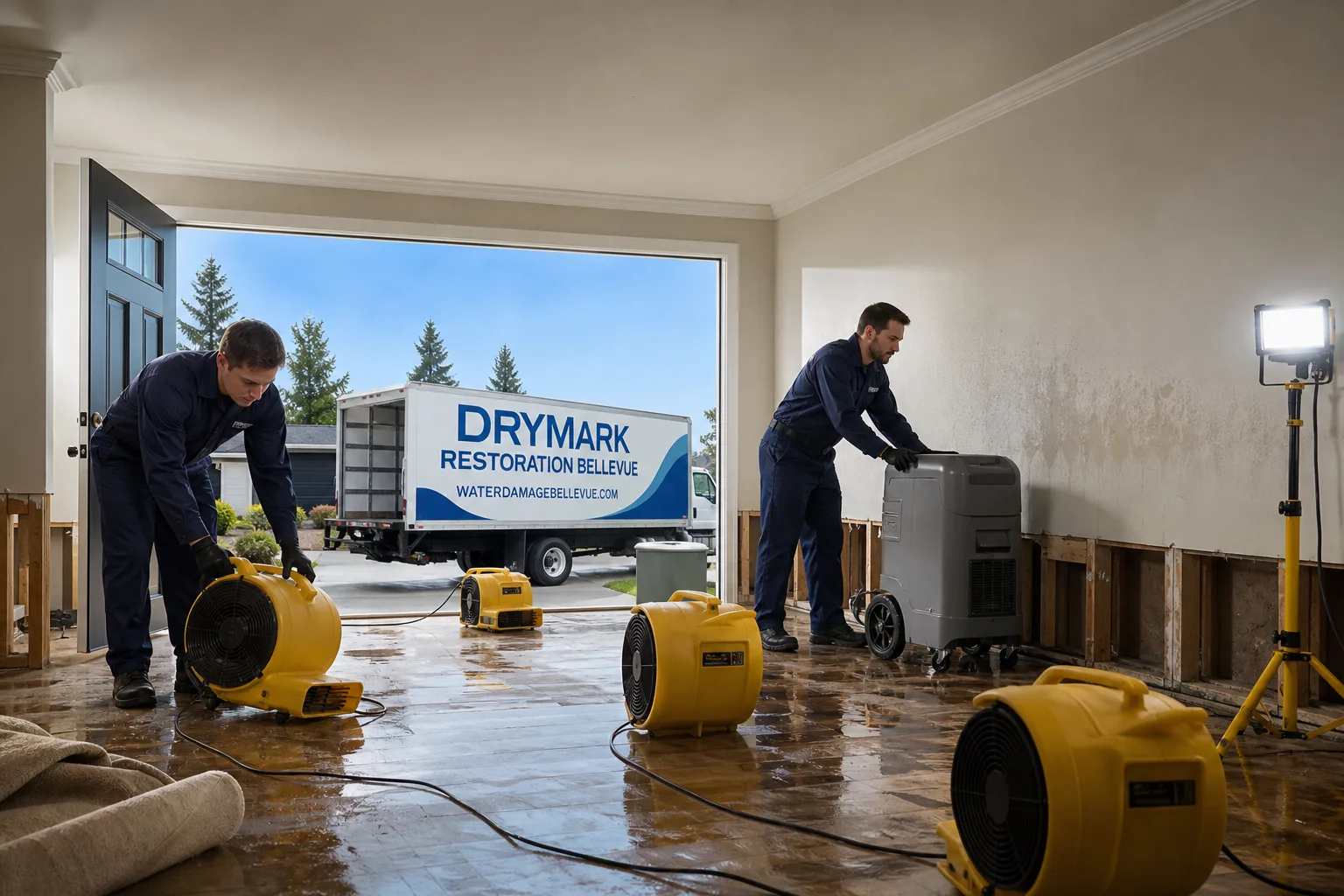
Free visual inspection and a written scope of work before any mitigation begins - photos, moisture readings, and drying logs go in your claim file
The scope we write is the scope we bill. Anything new gets shown to you, in writing, before we touch it.
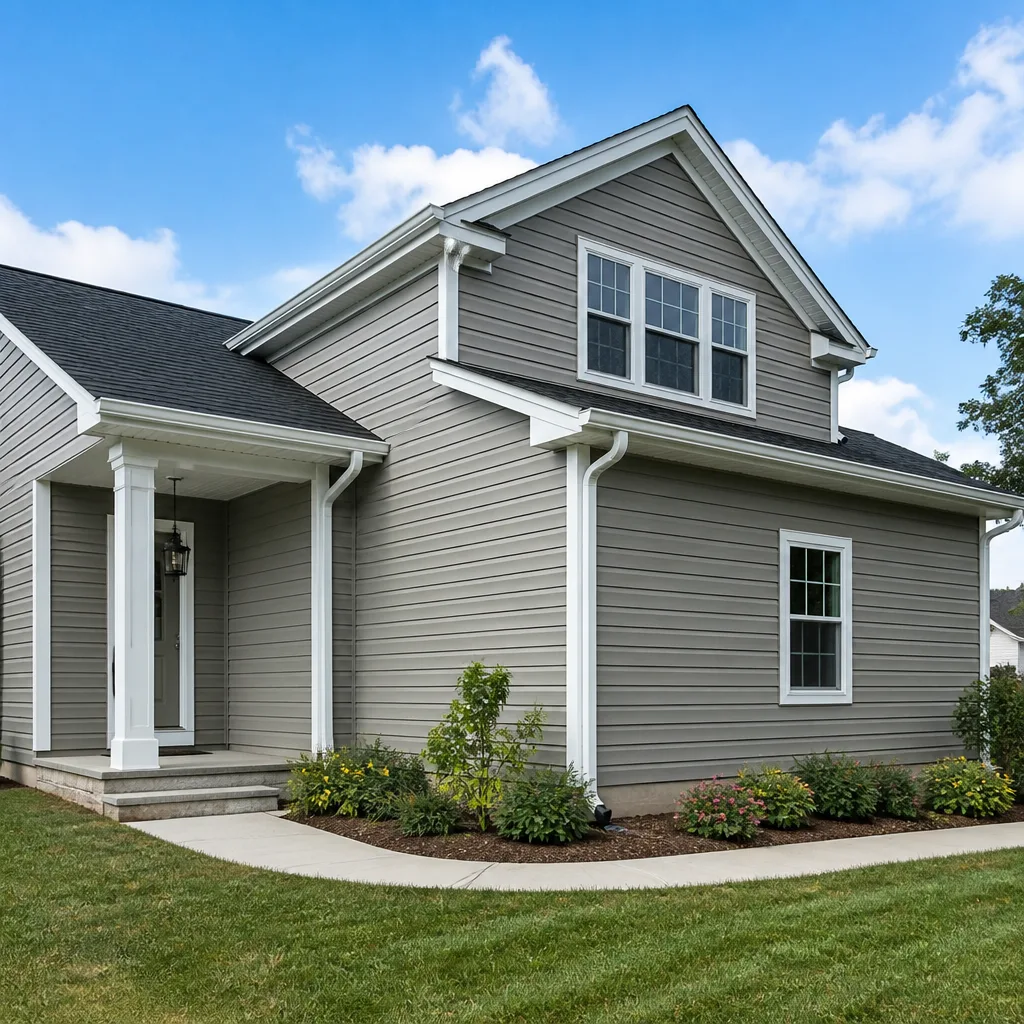
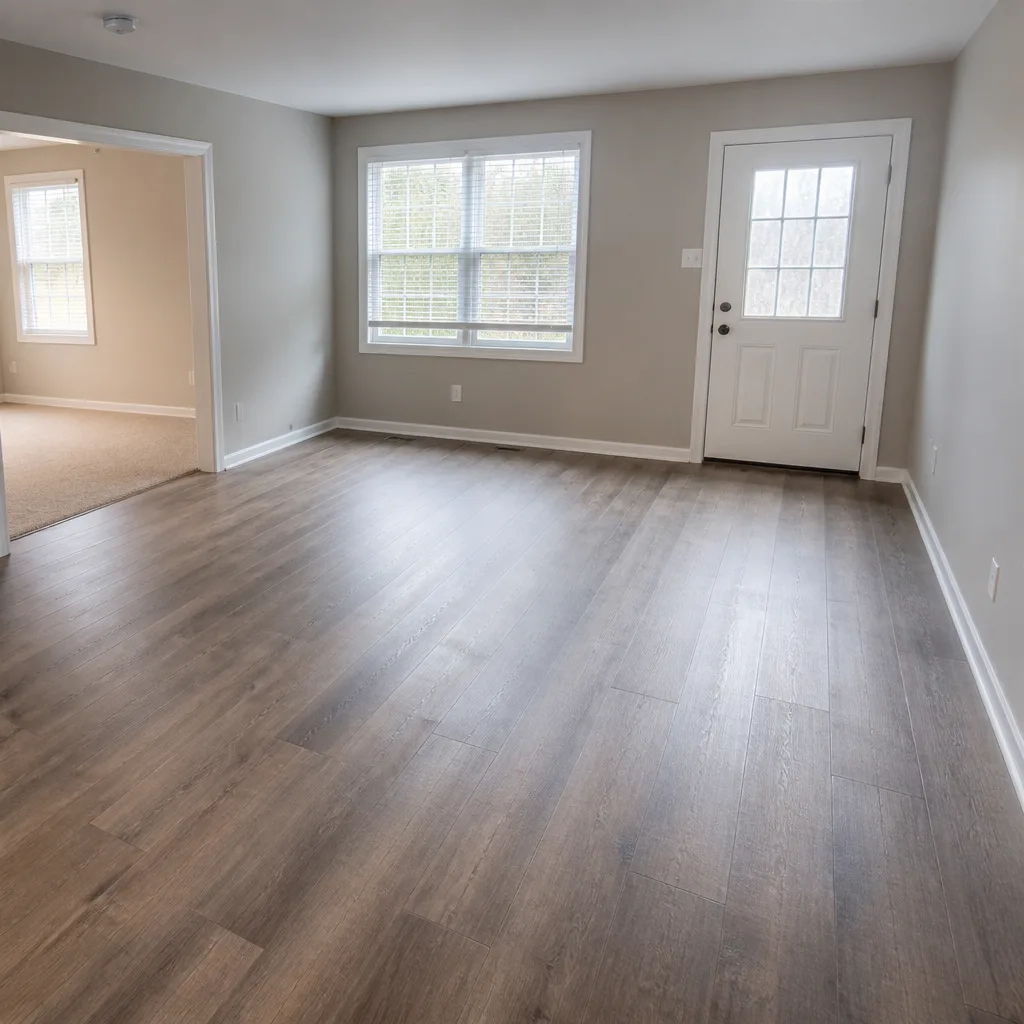
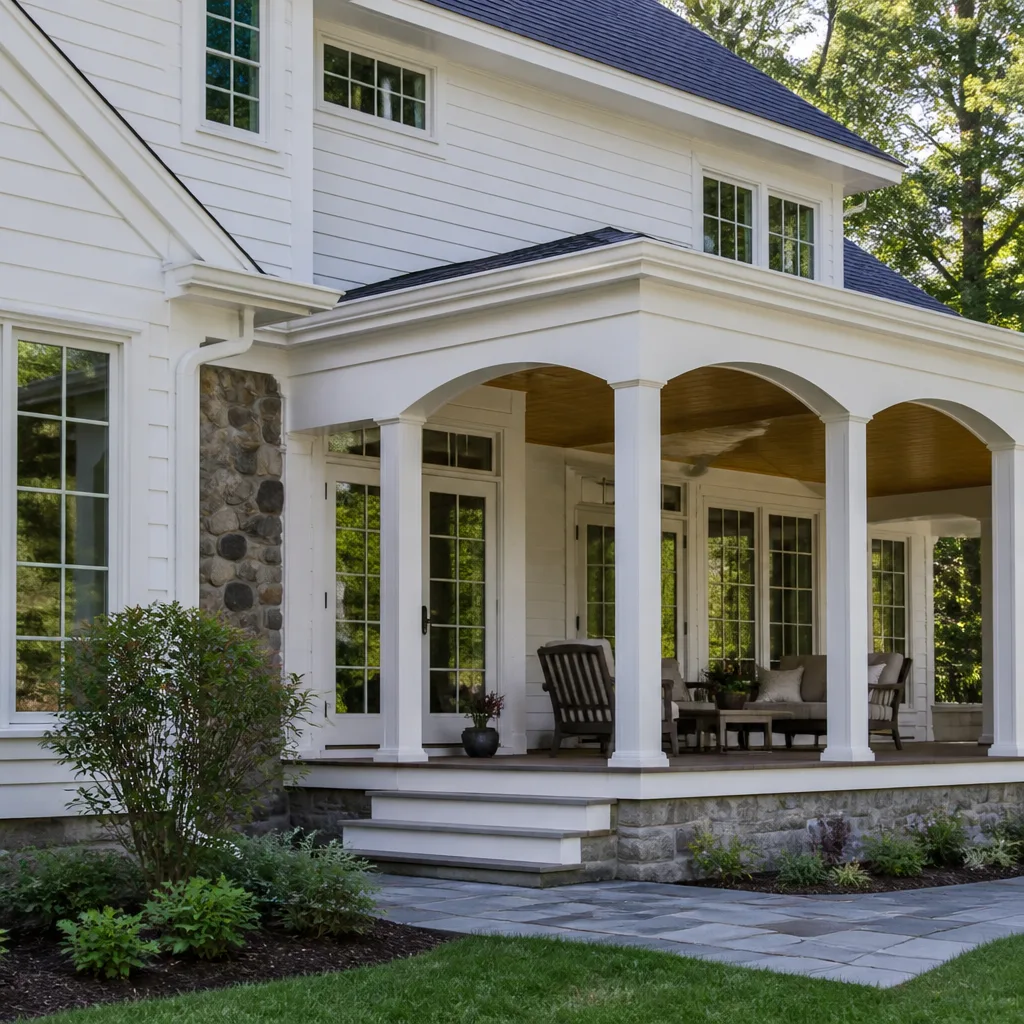
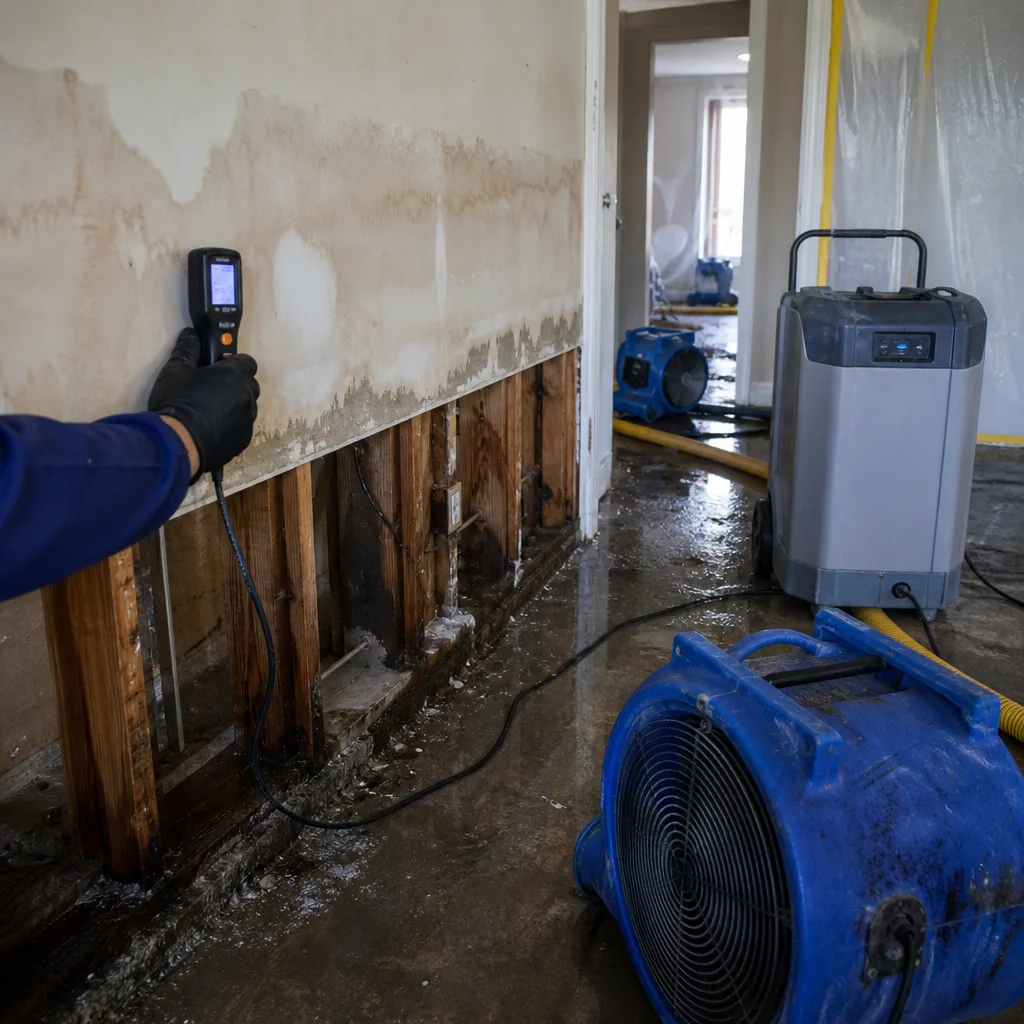 Before
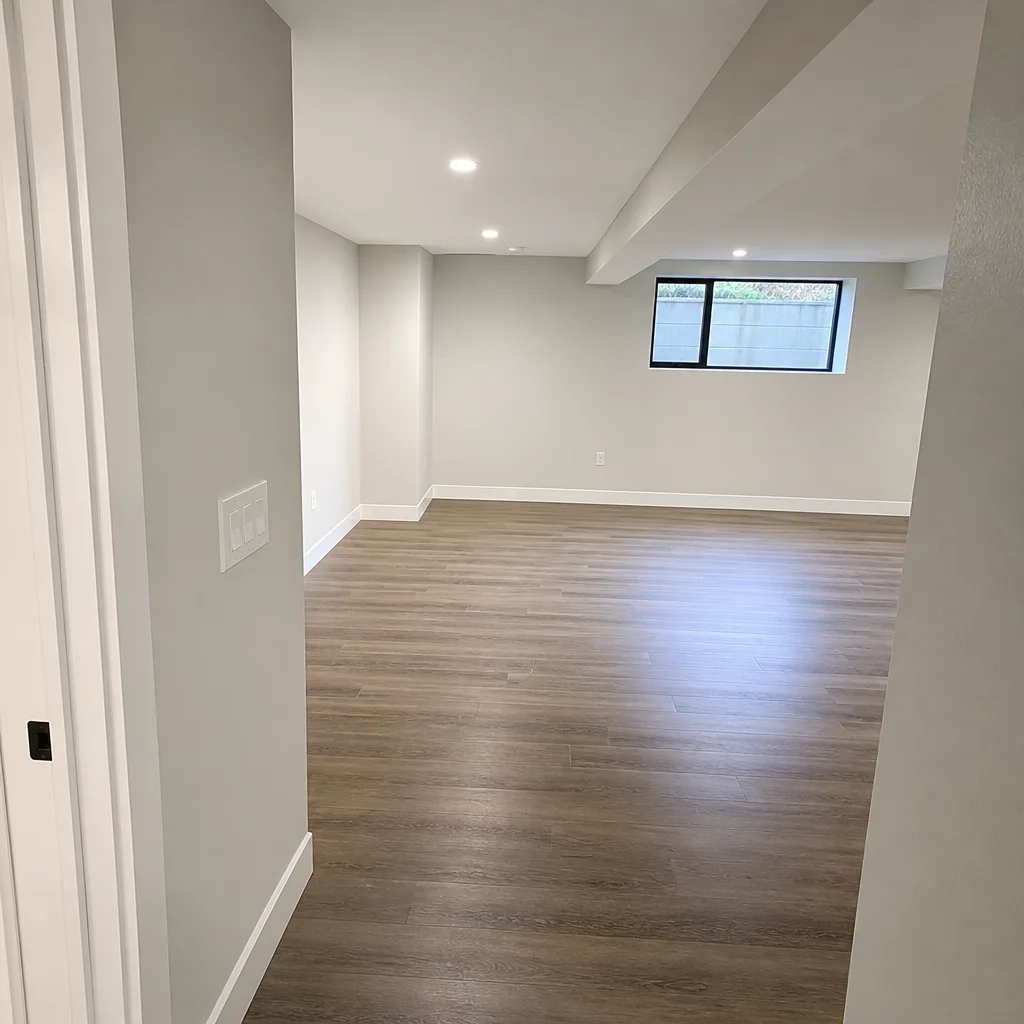 After
After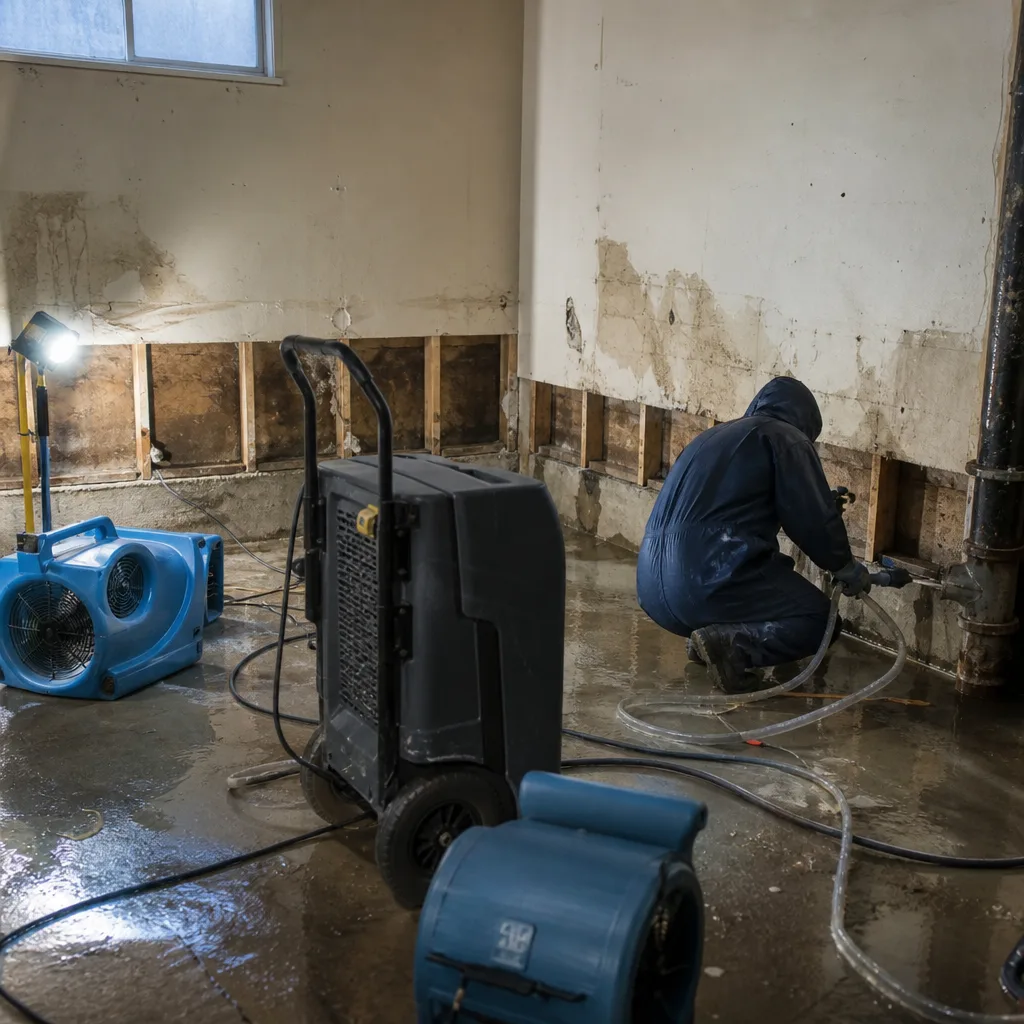 Before
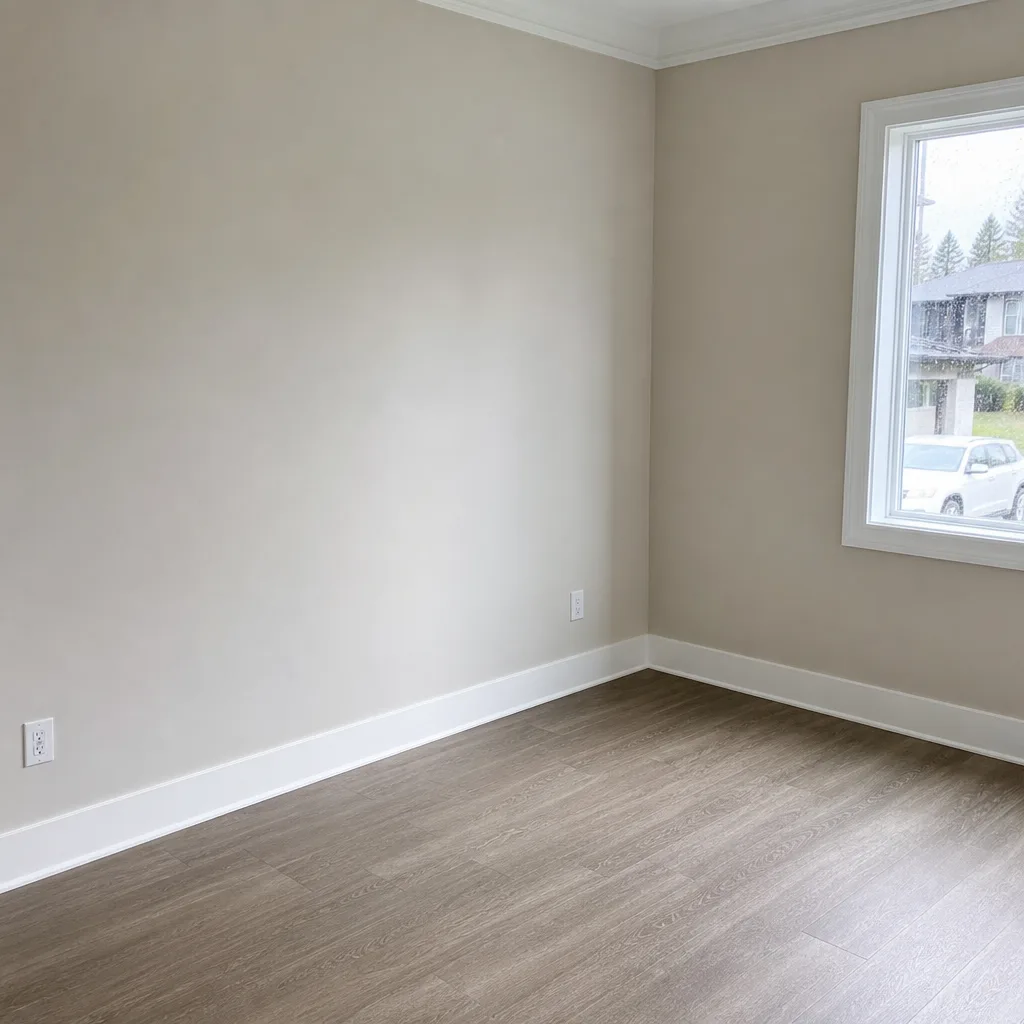 After
After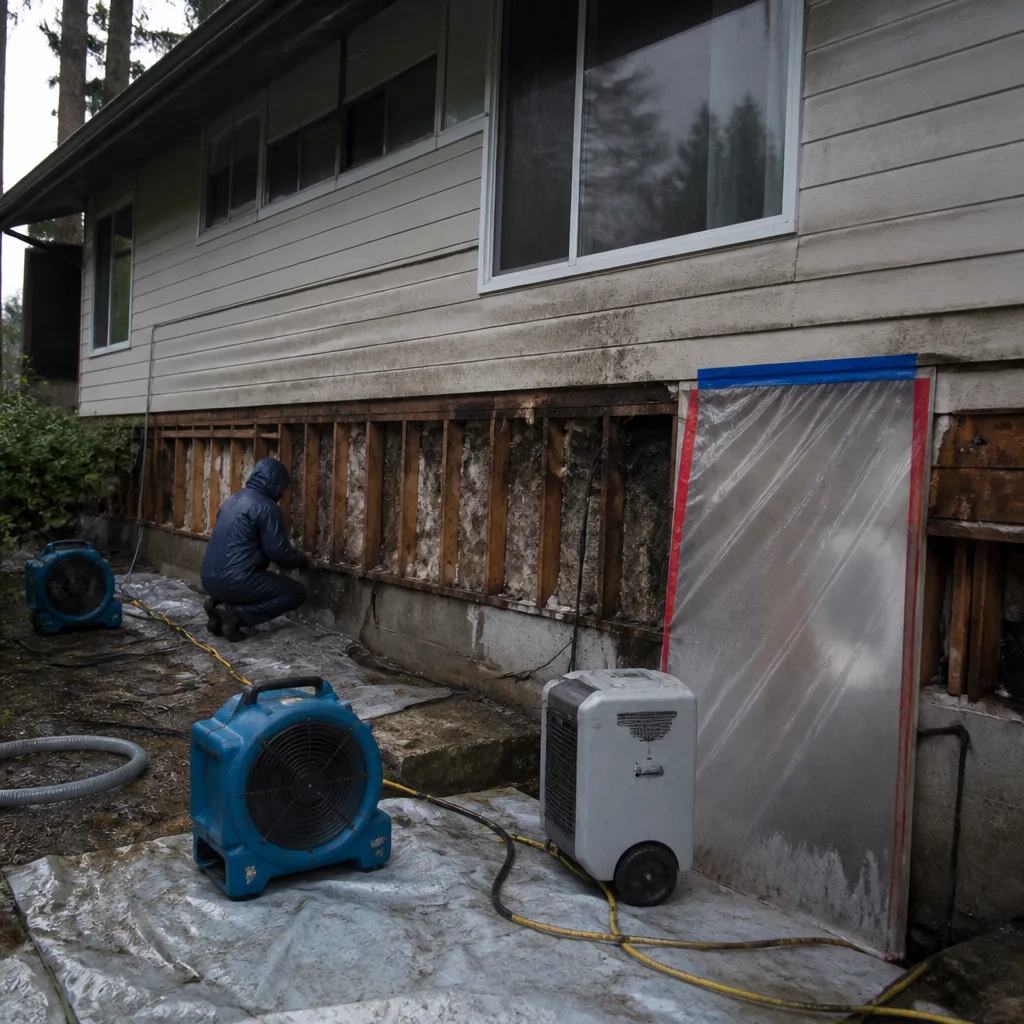 Before
 After
AfterFast, Reliable Fire & Smoke Damage Restoration Across SeaTac
Fire and smoke damage restoration in SeaTac typically runs $3,200-$8,500 for residential mitigation, with emergency board-up and tarping starting at $450-$950 and full structural fire repair reaching $12,000-$35,000 depending on the NIP retrofit assemblies involved. Our crews are dispatched from our Seattle office and can be on-site anywhere in SeaTac within 45-60 minutes, including the airport hotel corridors along International Boulevard and the residential blocks near Angle Lake and McMicken Heights. Call (425) 696-6320 - a live person answers, 24 hours a day, 7 days a week, no voicemail trees.
We’ve restored fire and smoke damage in SeaTac since 2011, and we’ve learned that homes here don’t behave like homes in Bellevue or Redmond. The Port of Seattle Noise Insulation Program retrofitted thousands of mid-century ranches and split-levels near the runways with sealed windows, added vapor barriers, and modified HVAC systems. Those retrofits trap smoke, soot, and firefighting water in wall and attic cavities that standard restoration approaches miss entirely. Our Fire & Smoke Damage Restoration team maps every cavity before declaring a job complete.
Why DryMark Restoration Bellevue Is SeaTac’s Preferred Fire & Smoke Damage Restoration Company
Back to Dry Restoration, led by Alicia Brennan, has completed more than 12,000 restorations since 2011. Every single job started with a written price before any work began, and every visit produced a documented photo record. That documentation-first approach matters especially in SeaTac, where insurers scrutinize fire claims heavily and NIP-retrofit assemblies complicate scope definitions.
Our response time to SeaTac averages under an hour because we coordinate dispatch from our Seattle office and maintain equipment staging near the airport corridor. We’ve handled fire and smoke losses at SeaTac-area hotels, employee housing complexes, and the aging rental stock along Military Road South and Ambaum Boulevard. Our technicians are background-checked, uniformed, and licensed; their license numbers are provided on every written scope.
SeaTac customers receive Haven Standard, Clause 1: a written price before work starts, every time, with no scope-creep additions once the crew is inside. We also offer a Free Second Opinion on any competitor’s written estimate. Our 365-Day Done Right Promise is a signed guarantee, not a marketing line, stamped on every job under The Haven Standard.
Our Fire & Smoke Damage Restoration Services in SeaTac
Fire Damage Cleanup
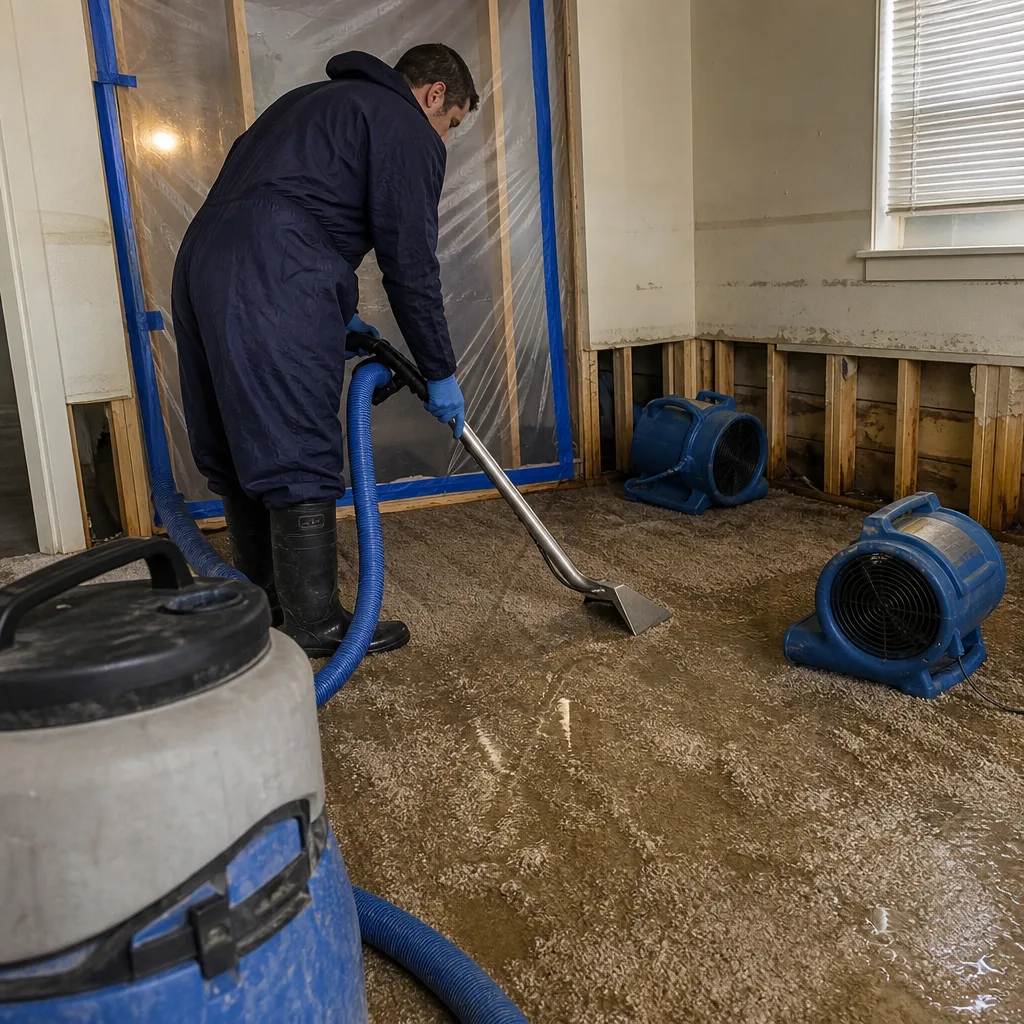
Fire damage cleanup in SeaTac starts with structural stabilization and debris removal, then moves to water extraction from firefighting efforts. In NIP-retrofitted homes near the airport, we frequently find that firefighting water has wicked deep into sealed insulation cavities - thermal imaging and standard moisture meters under-read until we probe the vapor barrier directly. A typical fire damage cleanup in SeaTac runs $3,200-$6,800 for a single-family residence, with commercial properties along International Boulevard starting higher due to 24/7 operational constraints.
Smoke & Soot Removal
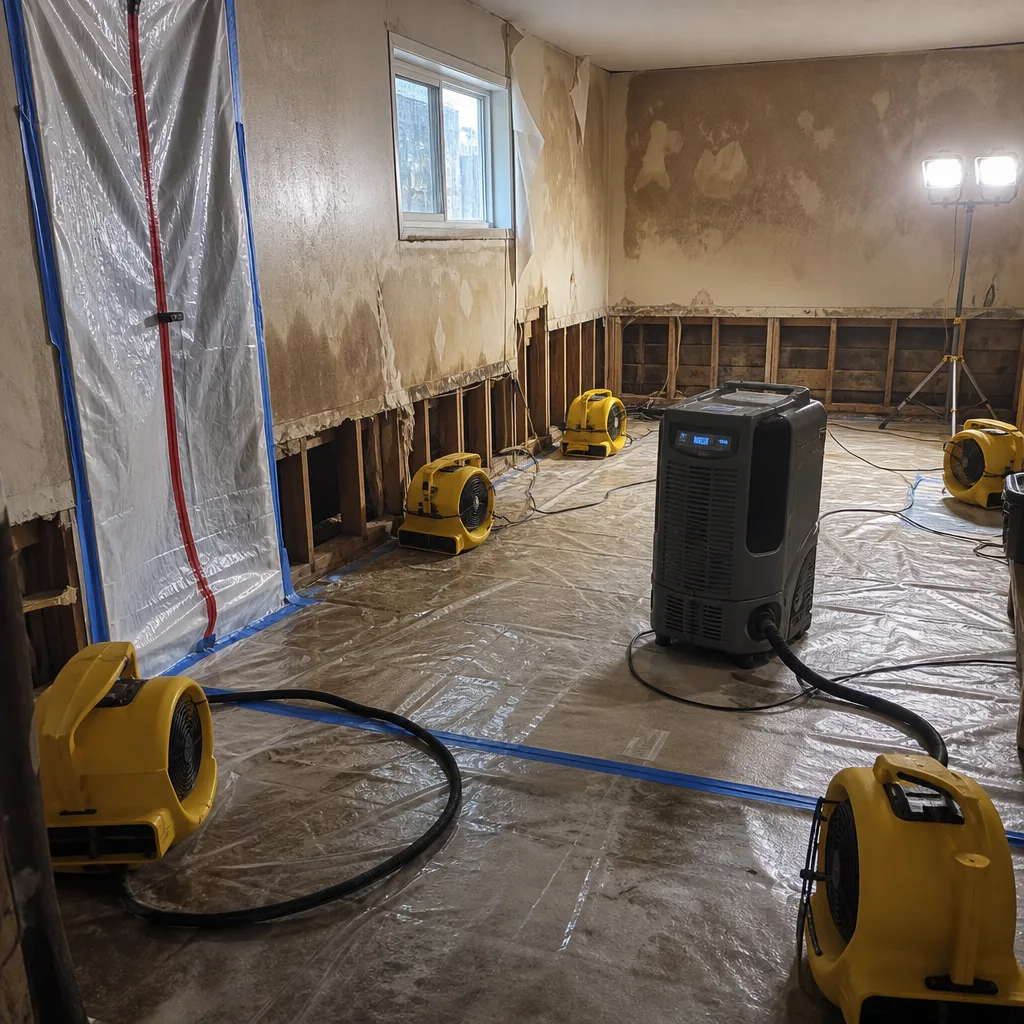
Smoke and soot removal is where SeaTac’s housing stock diverges most dramatically from standard Pacific Northwest construction. The sealed windows and vapor barriers installed under the Noise Insulation Program create positive-pressure interior environments that drive smoke into attic baffles, wall cavities, and HVAC retrofits invisible from the living space. Our crews use HEPA air scrubbers, contact vacuuming, and chemical sponges on accessible surfaces, then deploy Injectidry and Phoenix systems for cavity drying and air-exchange when invasive access is required. Smoke and soot removal in SeaTac typically costs $1,800-$4,500 depending on cavity involvement.
Odor Removal & Deodorization
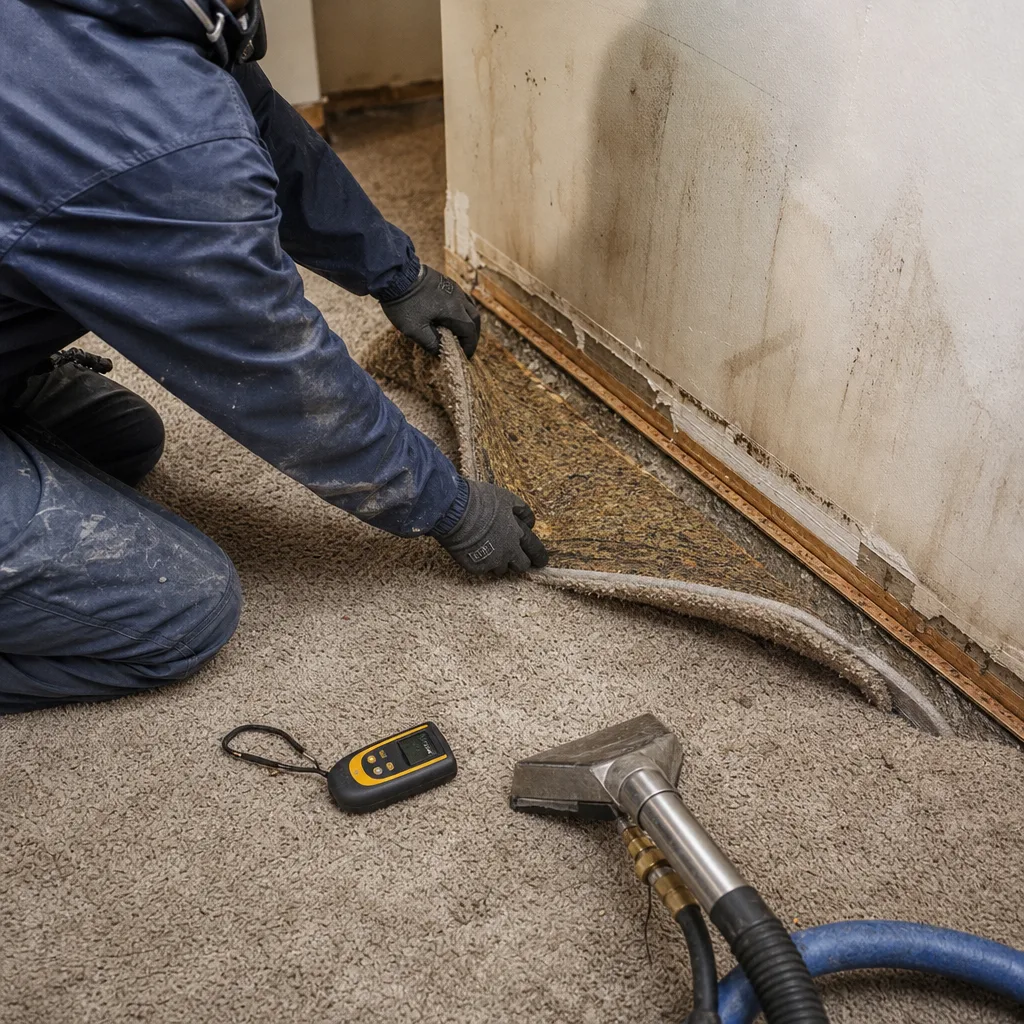
Odor removal in SeaTac demands more than surface treatment. Masking agents fail in NIP-retrofitted homes because the odor source - smoke-laden insulation, charred vapor barrier sections, contaminated attic baffles - remains sealed behind the retrofit assembly. We remove and replace affected materials, then run ozone or hydroxyl generators with documented air-quality readings before clearance. Odor removal and deodorization in SeaTac runs $950-$2,800, with full attic assembly replacement pushing toward the higher end.
Contents Cleaning & Pack-Out
Contents cleaning and pack-out in SeaTac follows a triage protocol: salvageable items are inventoried, photographed, and transported to our cleaning facility; non-salvageable items are documented for insurance replacement. The pack-out itself typically costs $1,200-$3,500, with cleaning and storage billed separately. In NIP-retrofitted homes, we frequently discover smoke-damaged contents in closets and storage areas that appeared untouched - the sealed envelope redirected smoke paths in unpredictable ways.
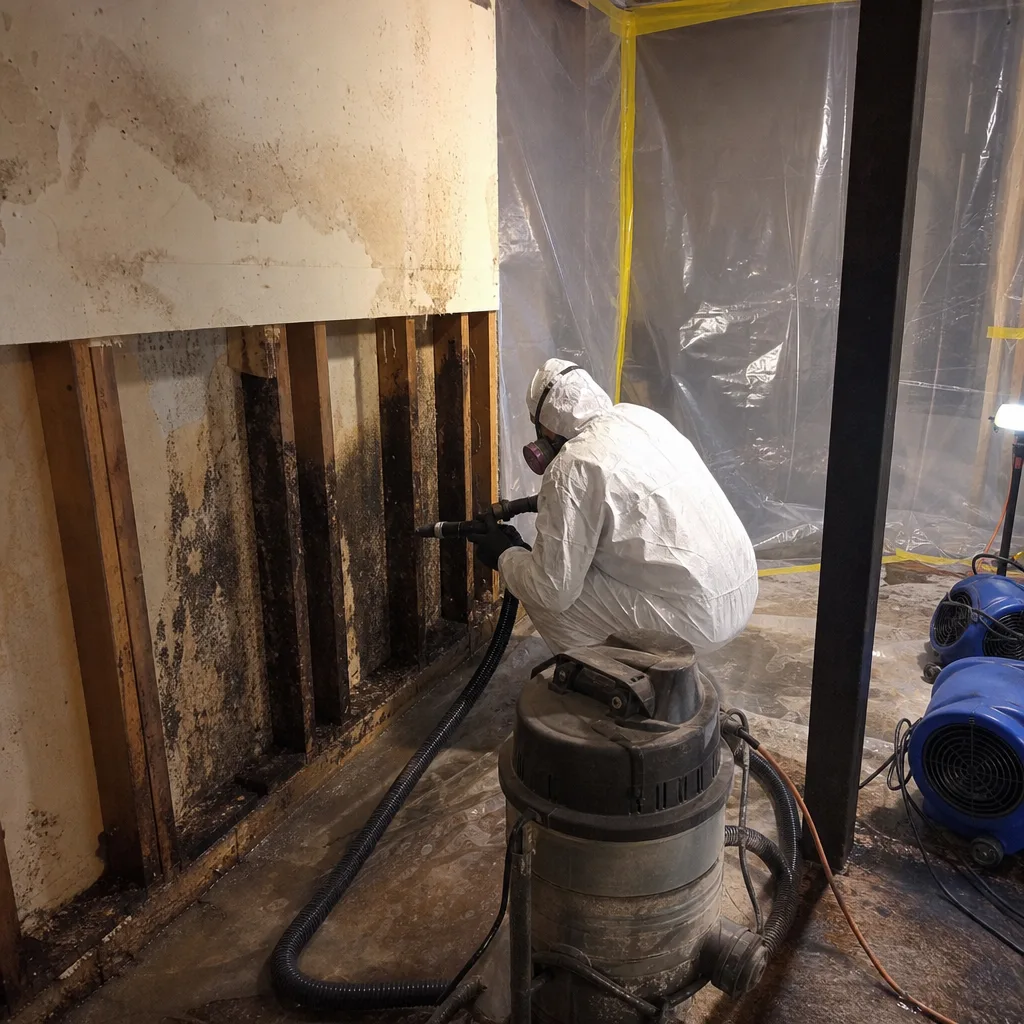
Emergency Board-Up & Tarping
Emergency board-up and tarping in SeaTac is often our first contact with a fire loss, particularly in the rental stock where property management companies need immediate security compliance. Board-up runs $450-$950 for residential properties; commercial board-up along the airport corridor starts at $1,200 due to larger openings and 24/7 access requirements. We document every board-up with photos for the adjuster before leaving the site.
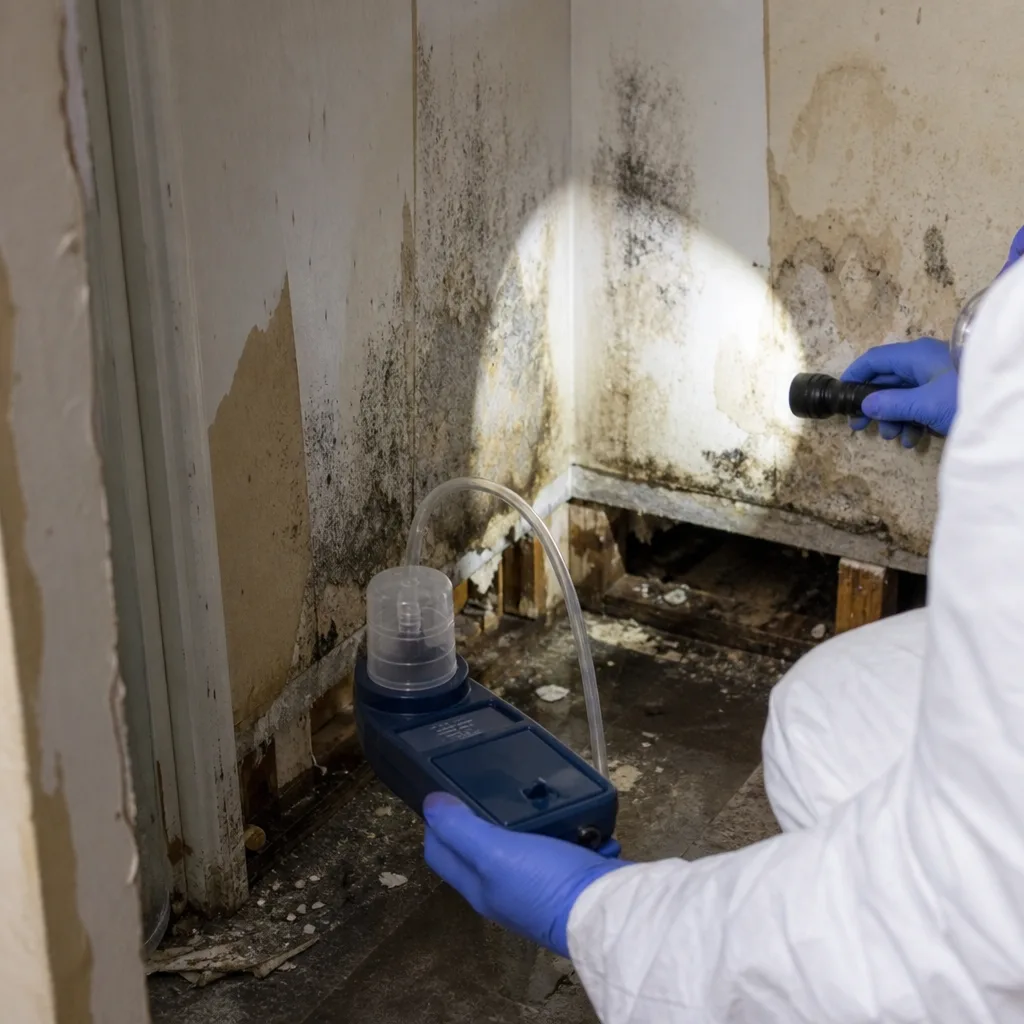
Structural Fire Repair
Structural fire repair in SeaTac is scoped and scheduled, not dispatched for same-day completion. A written scope, material specifications, and firm price are delivered before reconstruction begins - Haven Standard, Clause 1. Structural fire repair ranges from $8,000 for limited char repair to $35,000+ for full room rebuilds in NIP-retrofitted homes where non-standard assemblies require custom material sourcing.
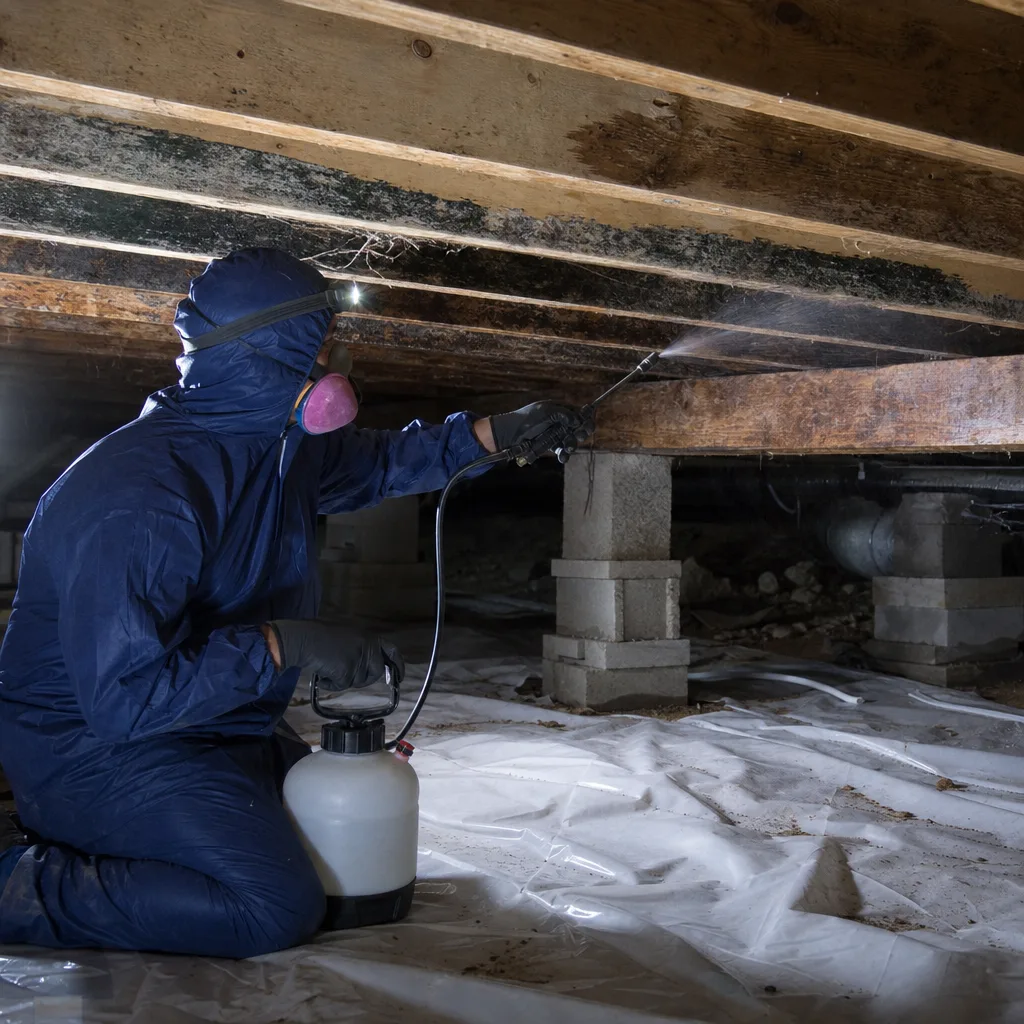
What happens when you call
- 1
A real person answersNo phone trees - you reach a local pro.
- 2
You get an upfront price rangeHonest numbers before anyone is dispatched.
- 3
A background-checked tech heads outLicensed & insured, dispatched right away.
- 4
You approve before work beginsNothing starts until you say go.
BeforeAfterTrusted Equipment and Documentation Standards
Our SeaTac crews deploy professional-grade drying and air-quality systems from Dri-Eaz, Phoenix, and XPOWER, documented to IICRC, RIA, and IFA standards. The daily drying logs we produce - psychrometric data, vapor pressure differential readings, material moisture content percentages - turn restoration invoices into claims insurers pay without dispute. Psychrometric data is simply the measurement of temperature, humidity, and air movement that tells us whether materials are actually drying or just feeling dry. Vapor pressure differential measures the force driving moisture out of wet materials into the air; without it, you’re guessing.
Common Fire & Smoke Damage Restoration Problems We See in SeaTac Homes
- Hidden smoke paths in NIP-retrofitted cavities. The Port of Seattle Noise Insulation Program added vapor barriers and sealed windows that trap smoke in wall and attic assemblies. Homeowners see a scorched kitchen; we find smoke residue three rooms away behind the retrofit barrier.
- Under-dried firefighting water extending mold-risk windows. SeaTac’s mild winters rarely freeze wet materials, so they stay wet longer. The sealed NIP envelope slows evaporation further, pushing firefighting water into Category 2 contamination faster than in standard construction.
- Assuming visible damage matches actual damage. In SeaTac’s 1950s-1970s ranches, smoke travels through original soffit vents, modified HVAC returns, and NIP-added ductwork in ways that defy visual inspection. Thermal imaging misses it until the vapor barrier is probed.
- Masking odor instead of removing the source. Ozone generators and thermal fogging without material replacement fail in NIP homes because the contaminated insulation and vapor barrier sections remain sealed behind the retrofit. The odor returns.
Pricing for Fire & Smoke Damage Restoration in SeaTac, WA
Fire and smoke damage restoration in SeaTac carries specific cost drivers tied to the local housing stock. Here’s what we quote in writing before any work starts, every time:
| Service | Typical Range in SeaTac |
|---|---|
| Emergency board-up & tarping (residential) | $450-$950 |
| Emergency board-up (commercial/airport corridor) | $1,200-$2,400 |
| Smoke & soot removal (surface only) | $1,800-$3,200 |
| Smoke & soot removal (with cavity access) | $3,500-$6,500 |
| Odor removal & deodorization | $950-$2,800 |
| Contents cleaning & pack-out | $1,200-$3,500 |
| Full fire damage cleanup (residential) | $3,200-$8,500 |
| Structural fire repair (scoped reconstruction) | $8,000-$35,000+ |
Three factors push SeaTac jobs toward the higher end: NIP-retrofit cavity involvement requiring invasive access, extended drying timelines due to the sealed envelope, and commercial properties near the airport demanding 24/7 response coordination. We deliver a written price before work begins - Haven Standard, Clause 1 - with no additions once the crew is inside. Call (425) 696-6320 for a free estimate; we also provide a Free Second Opinion on any competitor’s written quote.
We Also Serve Cities Near SeaTac
Our Fire & Smoke Damage Restoration in SeaTac crews also respond to fire and smoke losses in Bellevue, Mercer Island, Sammamish, and Redmond. Each city’s housing stock and climate conditions shape our approach - Bellevue’s newer construction presents different smoke-path behavior than SeaTac’s NIP-retrofitted mid-century stock, and we scope accordingly.
Serving SeaTac, WA - Our Local Coverage Area
We’re based in the SeaTac area and know this community well. Use the map below to see our service coverage - if you’re nearby, we can almost certainly help.
FAQs - Fire & Smoke Damage Restoration in SeaTac
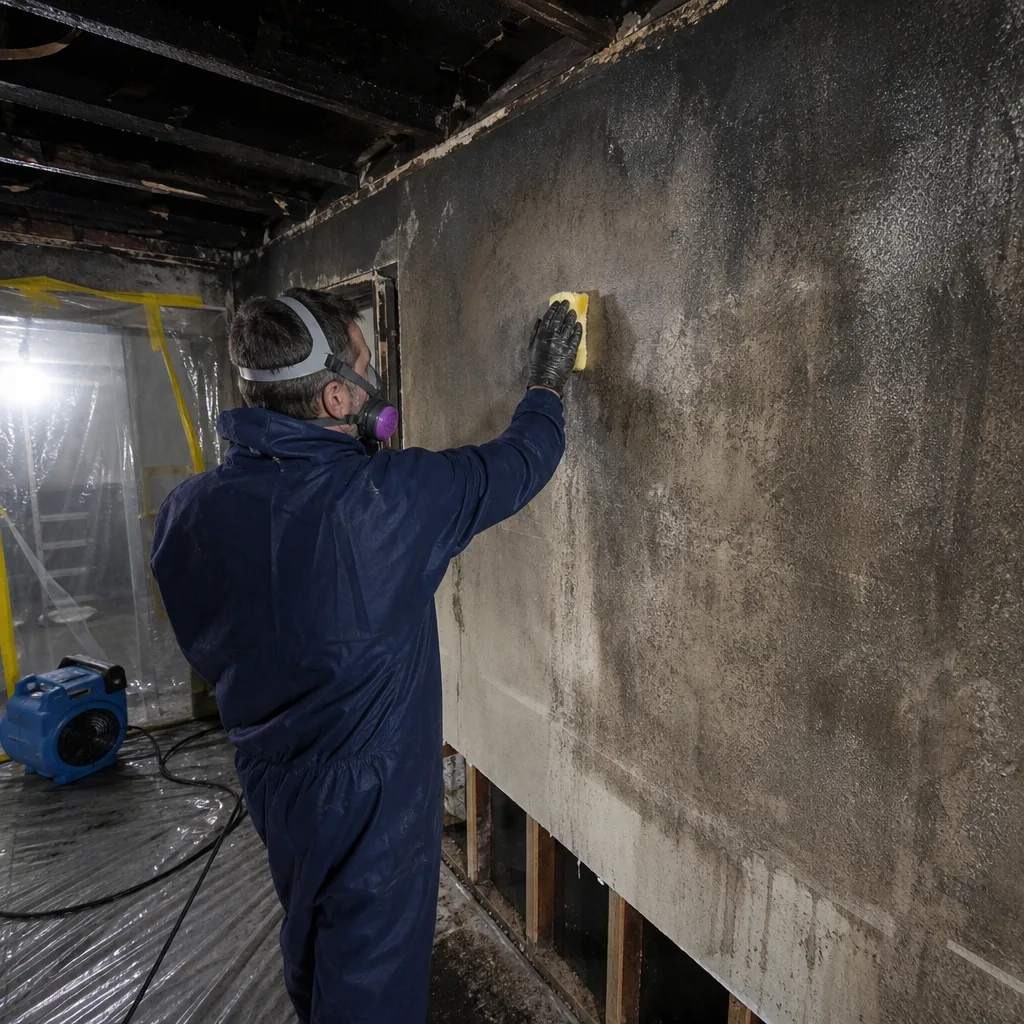
The Port of Seattle Noise Insulation Program retrofitted thousands of SeaTac ranches with sealed windows, added vapor barriers, and modified HVAC systems that trap smoke and firefighting water in hidden cavities. Our crew was called to a 1962 ranch near South 200th Street, where a kitchen fire had been knocked down by the fire department but smoke had traveled into a NIP-retrofitted attic assembly with a sealed vapor barrier. Standard air movers and dehumidification cleared the open rooms in a day, but our moisture mapping and thermal imaging flagged hidden smoke residue and wet insulation behind the retrofit barrier; we set containment, performed antimicrobial treatment, and ran a longer drying log after removing the affected cavity materials. The homeowner’s reported “small kitchen fire” turned into a full mitigation with pack-out, structural drying, and odor removal using Dri-Eaz and Phoenix equipment. Call (425) 696-6320 for an exact quote - estimates are free.
We use the same documentation standards and core equipment brands - Dri-Eaz, Phoenix, XPOWER - but commercial properties near SeaTac Airport require scaled capacity and 24/7 operational coordination that residential jobs don’t. Hotels and car-rental facilities along International Boulevard can’t pause operations; we segment work areas, run negative air containment, and schedule intensive odor removal during low-occupancy windows. The equipment is familiar; the logistics are different. Call (425) 696-6320 for an exact quote - estimates are free.
Category classification depends on the smoke source and what it contacted: Category 1 is clean smoke from natural materials; Category 2 involves significant synthetic material burning; Category 3 includes protein fires or mixed-source combustion with heavy grease or chemical involvement. In SeaTac’s NIP-retrofitted homes, we also classify by cavity penetration - smoke trapped behind a vapor barrier and in contact with wet insulation for more than 48 hours degrades to Category 2 regardless of original source. We determine this through invasive moisture mapping, material sampling, and documented photo evidence, not visual inspection alone. Call (425) 696-6320 for an exact quote - estimates are free.
Sometimes, but not when smoke has penetrated porous materials or when NIP-retrofit cavities have held smoke-laden air in contact with contents for extended periods. We triage on-site: hard goods and non-porous items often clean in place; textiles, electronics, and porous items typically require facility cleaning or replacement. The decision is documented with photos and explained in the written scope before work begins - Haven Standard, Clause 1. Call (425) 696-6320 for an exact quote - estimates are free.
Ensure personal safety first - do not re-enter until the fire department clears the structure. Then, if safe, ventilate by opening windows only if weather permits and the structure is stable; do not operate HVAC systems, which will redistribute smoke throughout NIP-modified ductwork. Document visible damage with your own photos for insurance, and gather identification and insurance policy information. Do not attempt to clean soot yourself - improper cleaning can set stains and complicate professional restoration. Our crew arrives with board-up materials, air-scrubbing equipment, and the moisture-mapping tools needed for SeaTac’s retrofitted housing stock. Call (425) 696-6320 - we’re already en route.
Written by Alicia Brennan, Owner at Back to Dry Restoration, serving SeaTac since 2011 under The Haven Standard.