
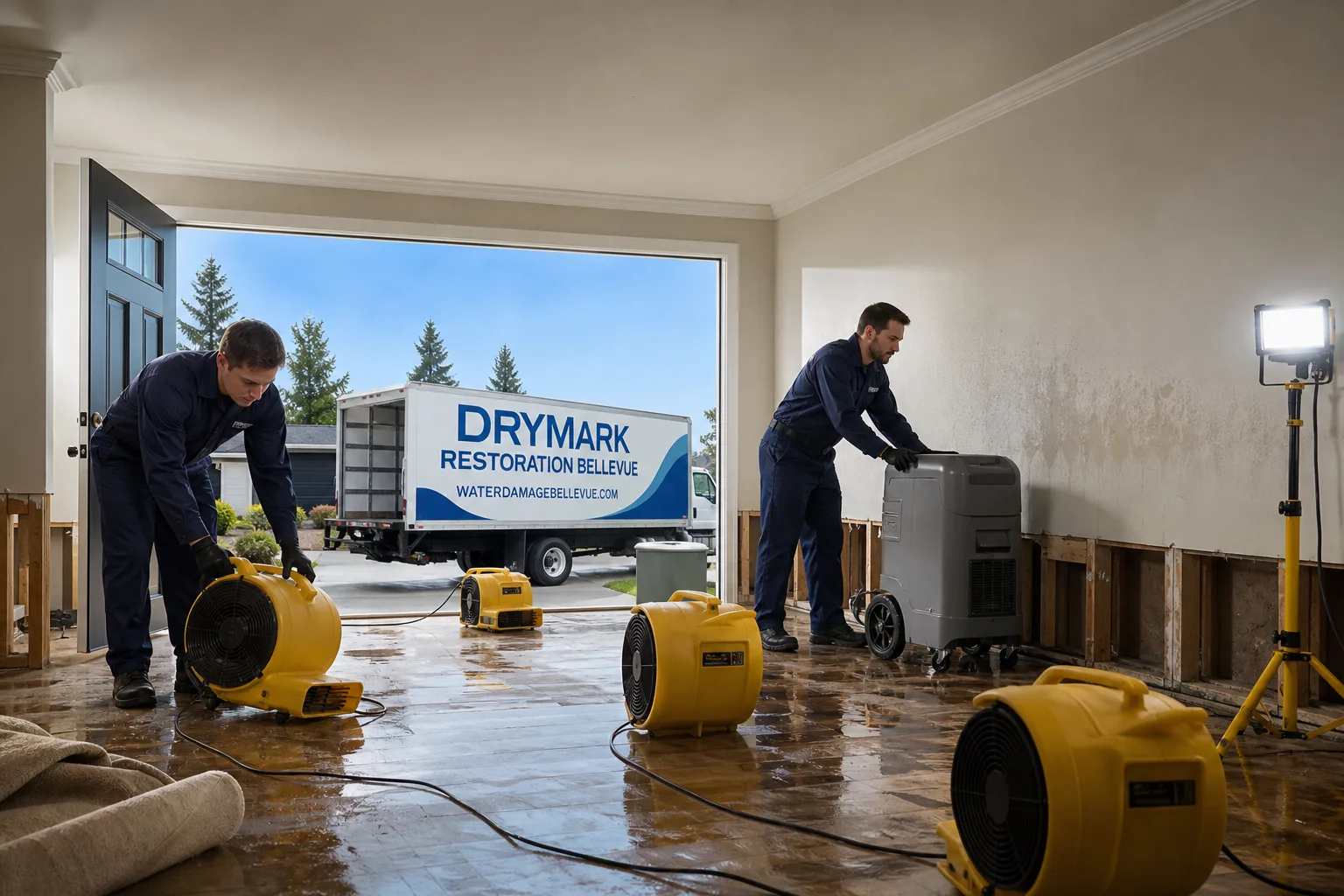
Free visual inspection and a written scope of work before any mitigation begins - photos, moisture readings, and drying logs go in your claim file
The scope we write is the scope we bill. Anything new gets shown to you, in writing, before we touch it.
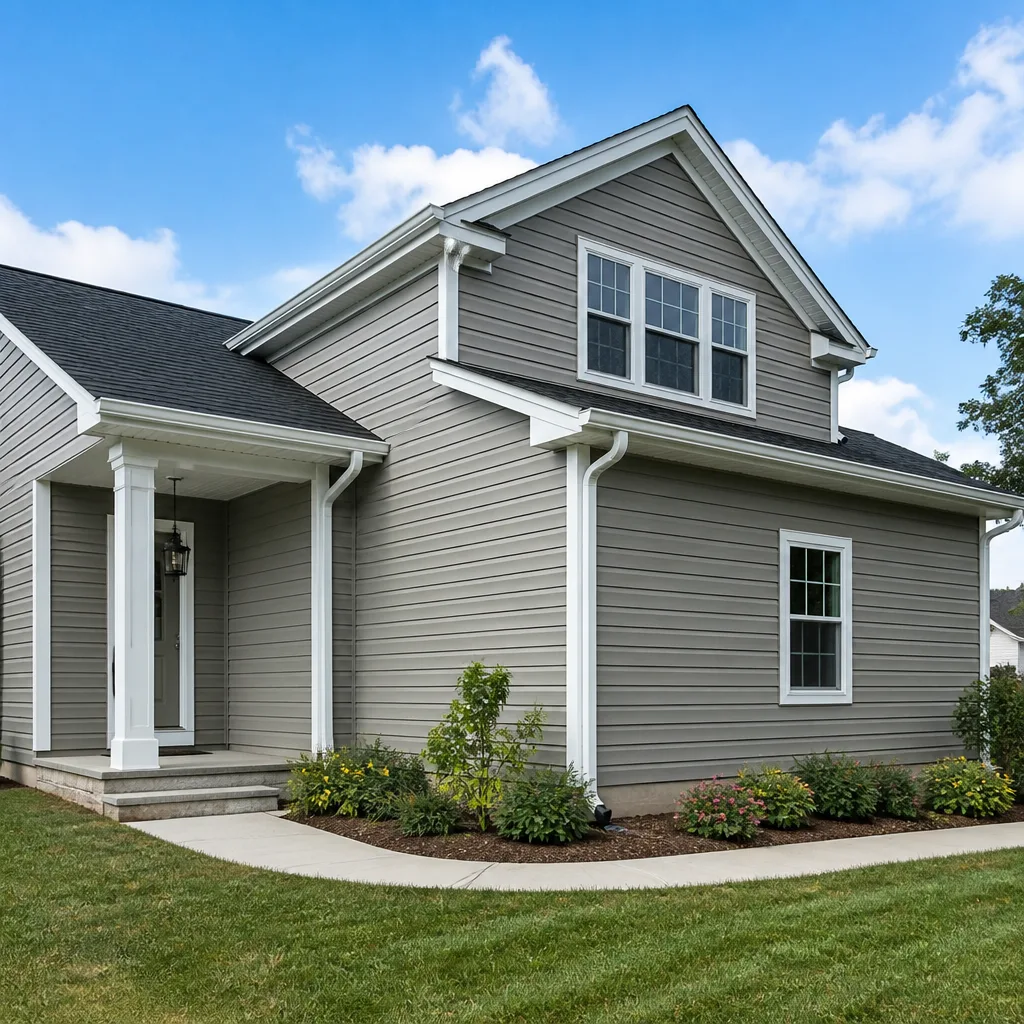
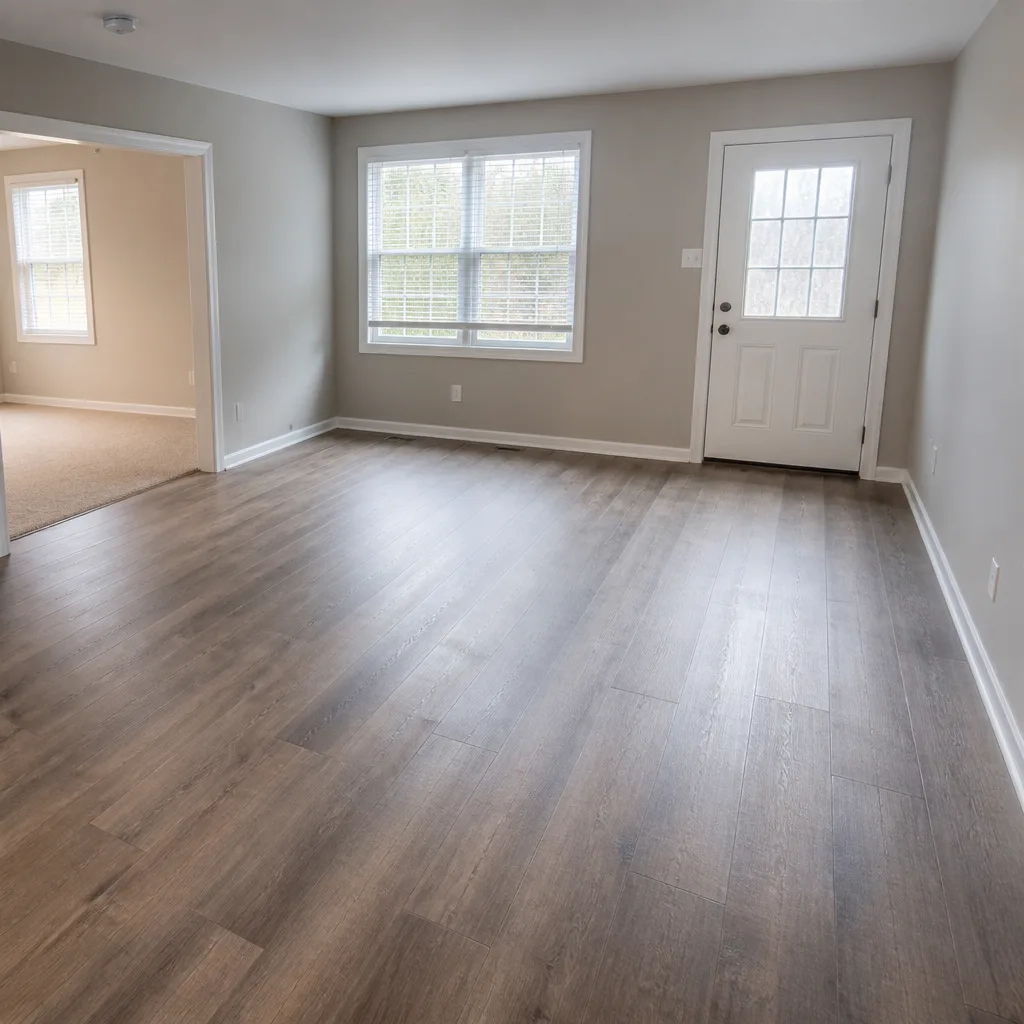
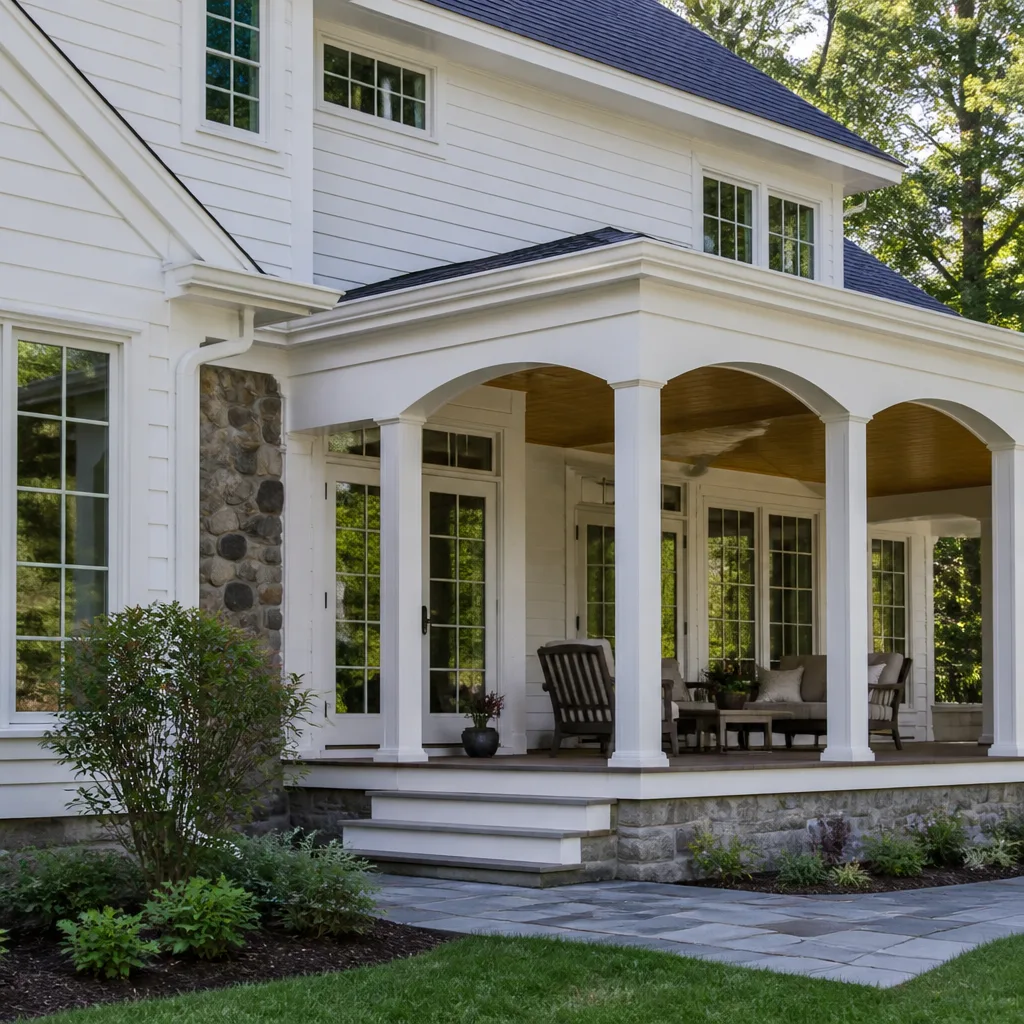
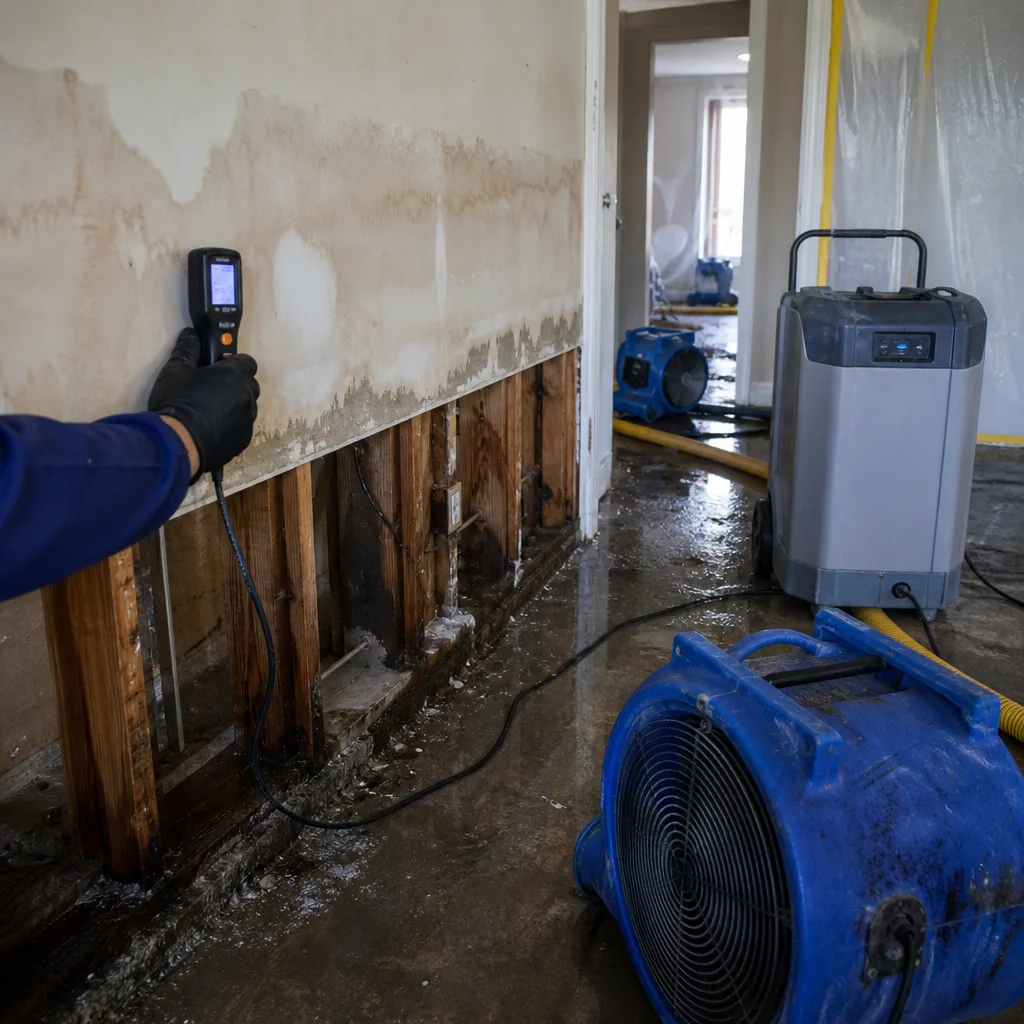 Before
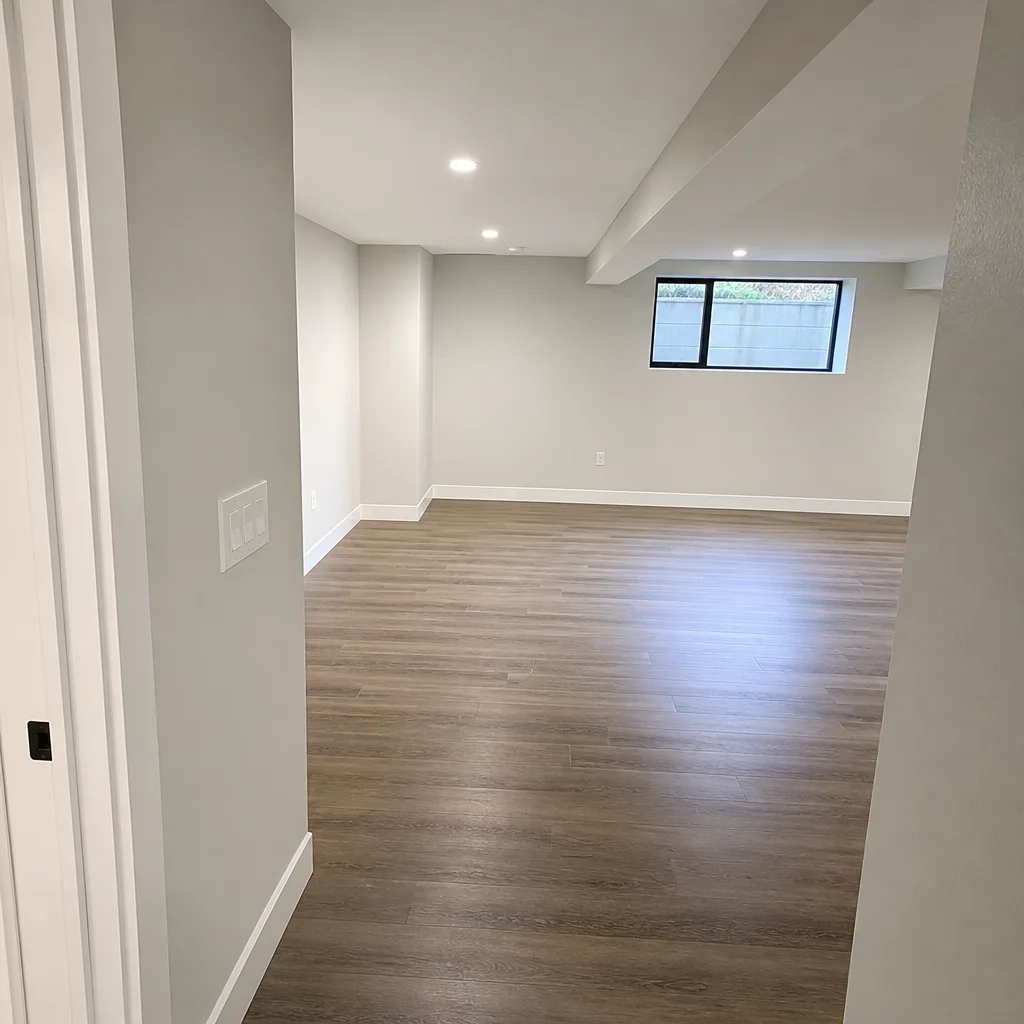 After
After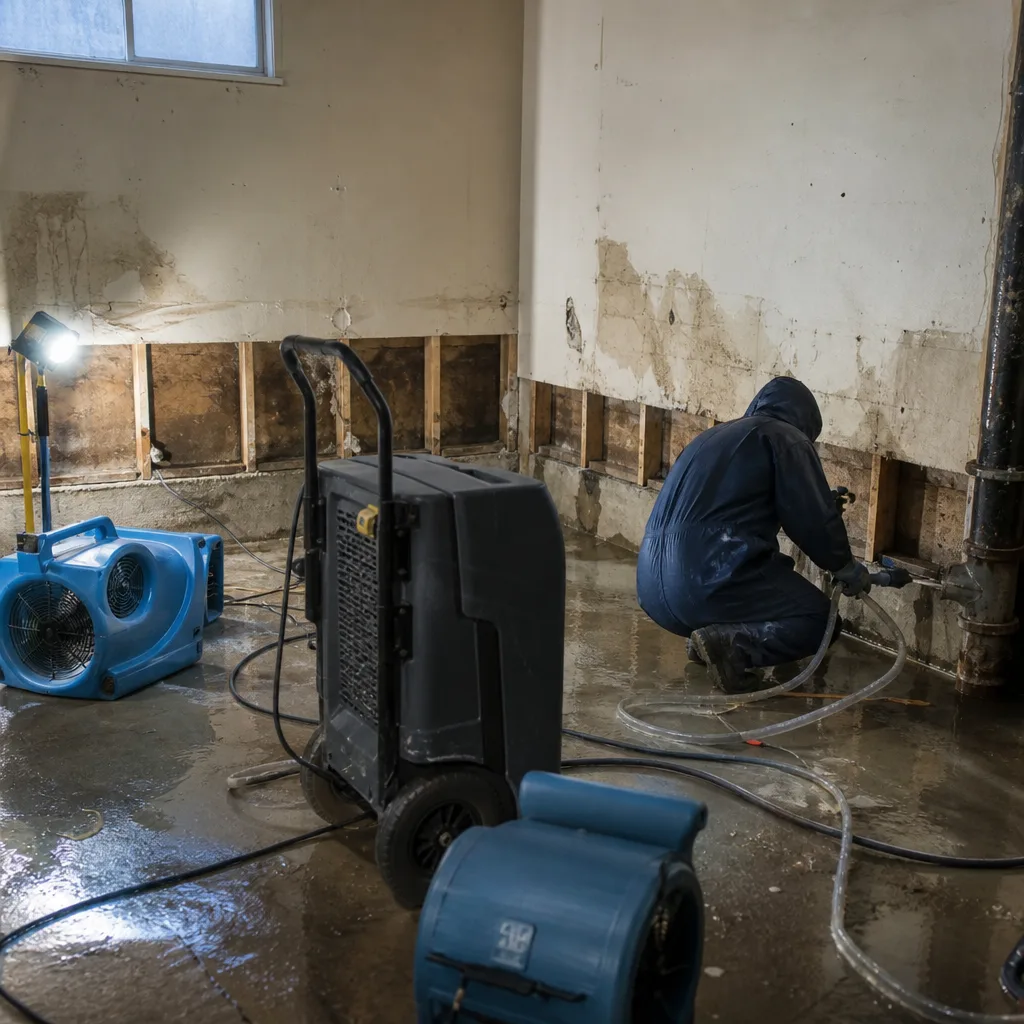 Before
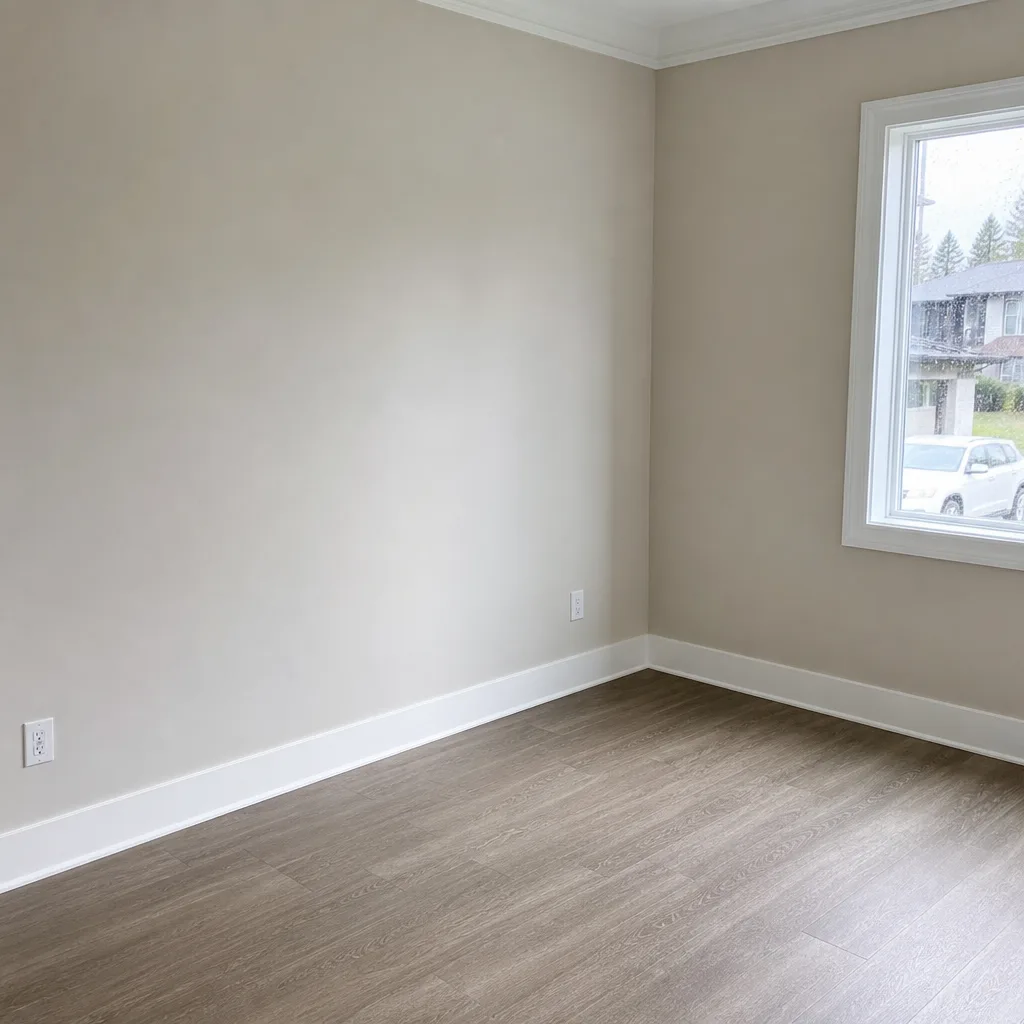 After
After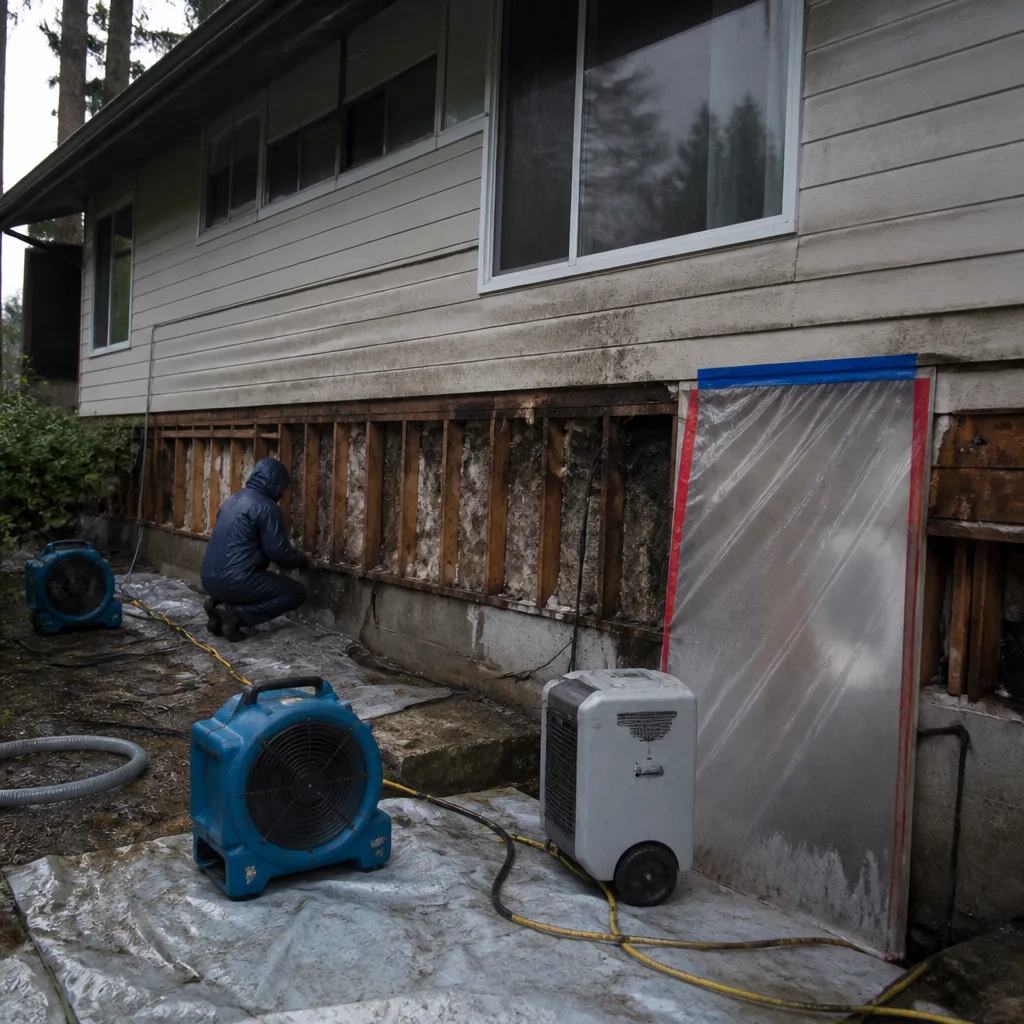 Before
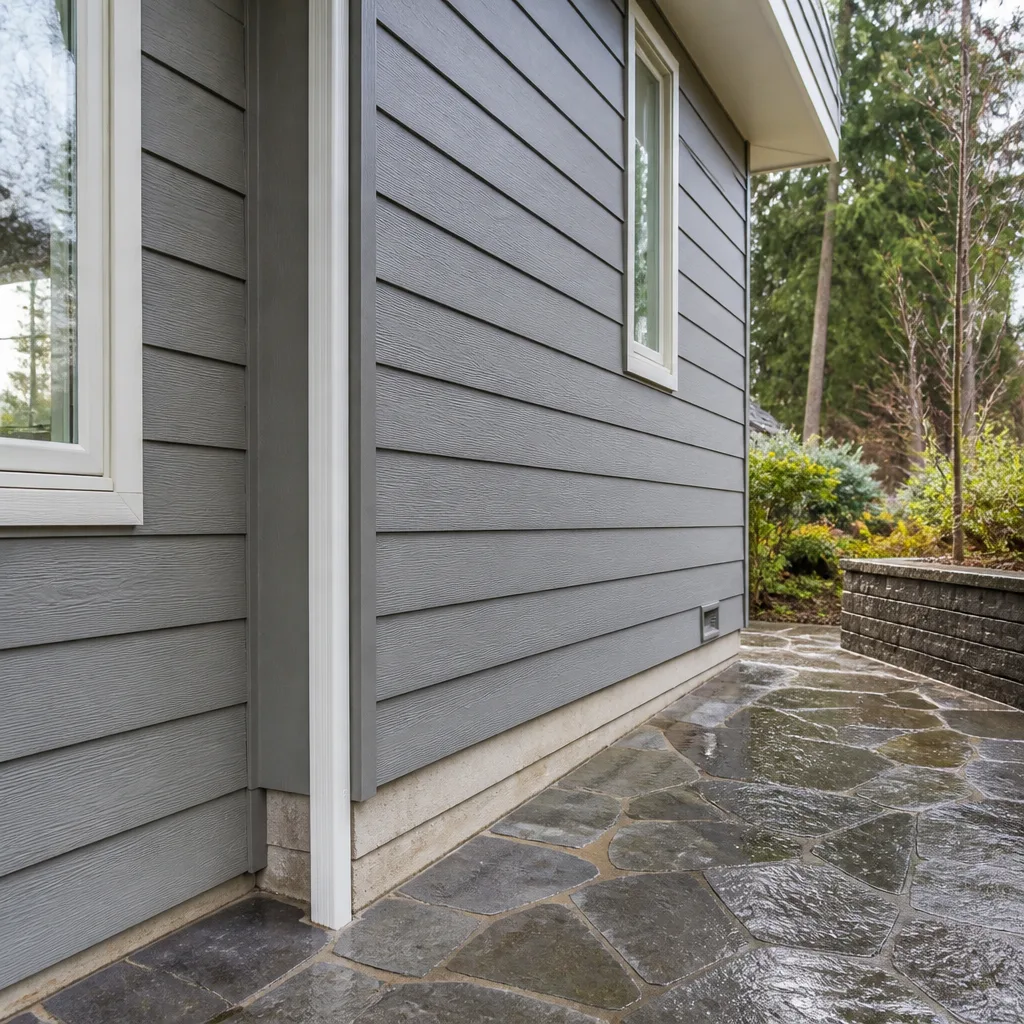 After
AfterFast, Reliable Fire & Smoke Damage Restoration Across Des Moines
Fire restoration in Des Moines typically runs $4,200-$18,500 depending on the extent of structural damage, smoke penetration, and whether suppression water has reached the crawl space. Most homeowners in Des Moines see us on-site within 60-90 minutes of calling (425) 696-6320, with crews dispatched from our Seattle office and routed directly to hillside neighborhoods above the marina or the flatter central districts near Pacific Highway.
We’ve restored fire-damaged homes across Des Moines since 2011, and the pattern we see here is distinct from inland jobs. The bluffs above Puget Sound create a moisture environment that turns standard fire cleanup into a compound loss: suppression water hits the subfloor, marine humidity keeps it there, and lateral groundwater wicks through stem walls into charred framing. Our Fire & Smoke Damage Restoration team documents every moisture reading because we’ve learned that what dries in three days in Federal Way takes six to eight in Des Moines.
Why DryMark Restoration Bellevue Is Des Moines’s Preferred Fire & Smoke Damage Restoration Company
Des Moines homeowners find us through adjuster referrals and neighbor recommendations in the Marina District, the 216th Street corridor, and the mid-century neighborhoods between Woodmont Beach and Saltwater State Park. We don’t advertise heritage or longevity; we show the documentation. Every job carries a written price before work begins, a photo record on every visit, and a 365-Day Done Right Promise under The Haven Standard.
Our response time to Des Moines averages under 90 minutes because we route crews from our Seattle office with GPS dispatch, not callback queues. A live person answers (425) 696-6320 at 2 a.m. on a Sunday; no voicemail tree, no next-business-day delay while smoke residue etches window glass and countertops.
Alicia Brennan built this company after working claims adjustment and watching homeowners lose tens of thousands to restoration invoices insurers rejected for insufficient documentation. That origin shapes how we work in Des Moines: moisture logs by room, psychrometric data (temperature, relative humidity, vapor pressure) recorded daily, and a written scope signed before the first air mover starts. Haven Standard, Clause 1.
Our Fire & Smoke Damage Restoration Services in Des Moines
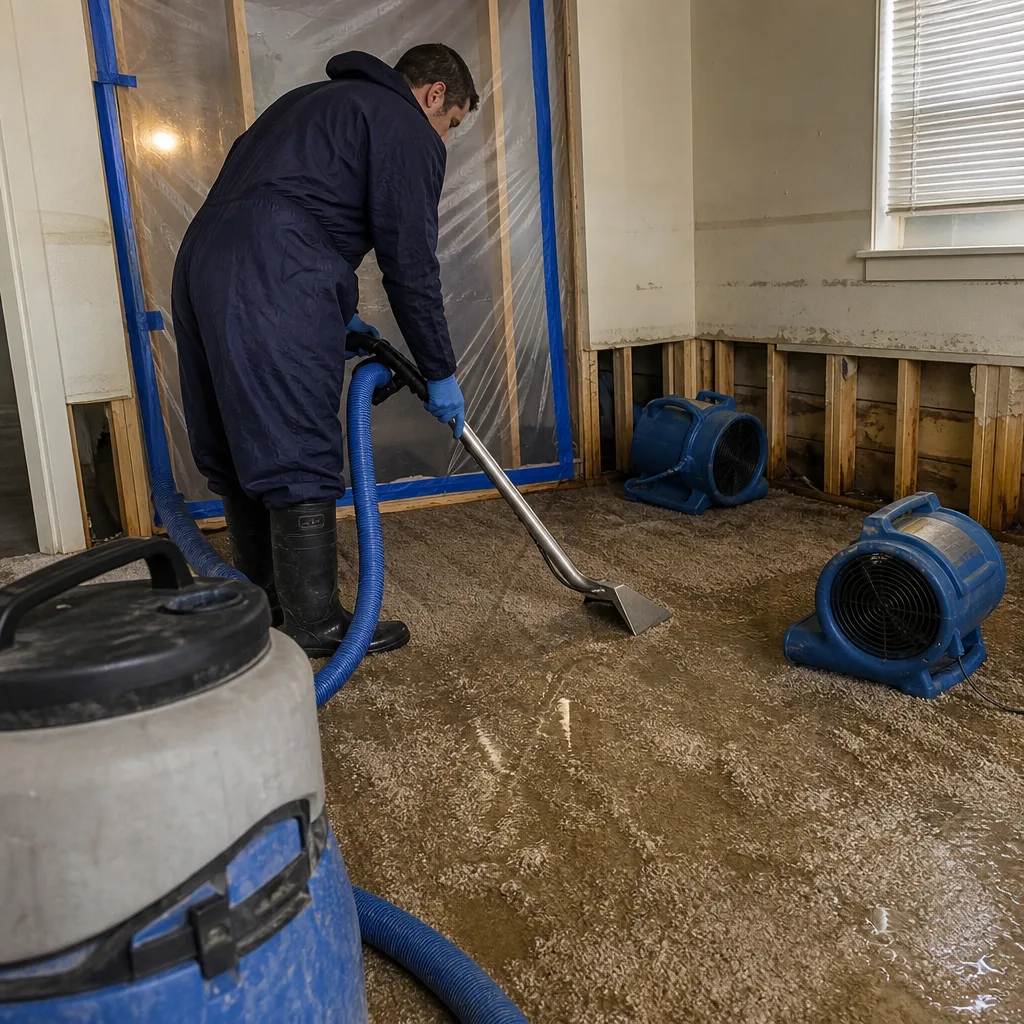
Fire Damage Cleanup
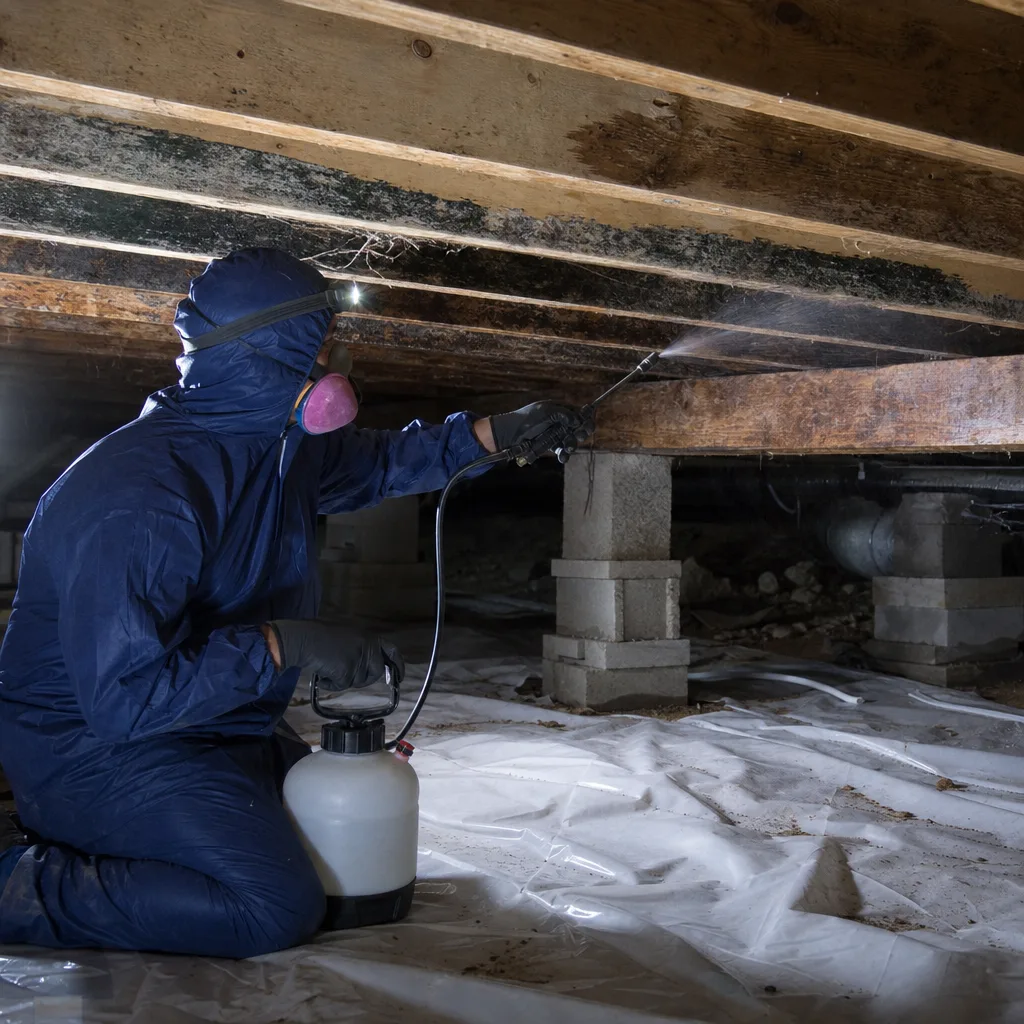
Fire damage cleanup in Des Moines starts with a documented assessment of what burned, what the suppression water reached, and whether that water migrated into the crawl space. On hillside lots above the marina, we almost always find secondary moisture intrusion from lateral groundwater pushing through foundation stem walls - not from the fire hoses, but from the same bluff drainage pattern that affects these homes every winter. Our scopes include stem-wall inspection, subfloor moisture mapping, and containment of affected crawl-space areas before surface cleaning begins.
Smoke & Soot Removal
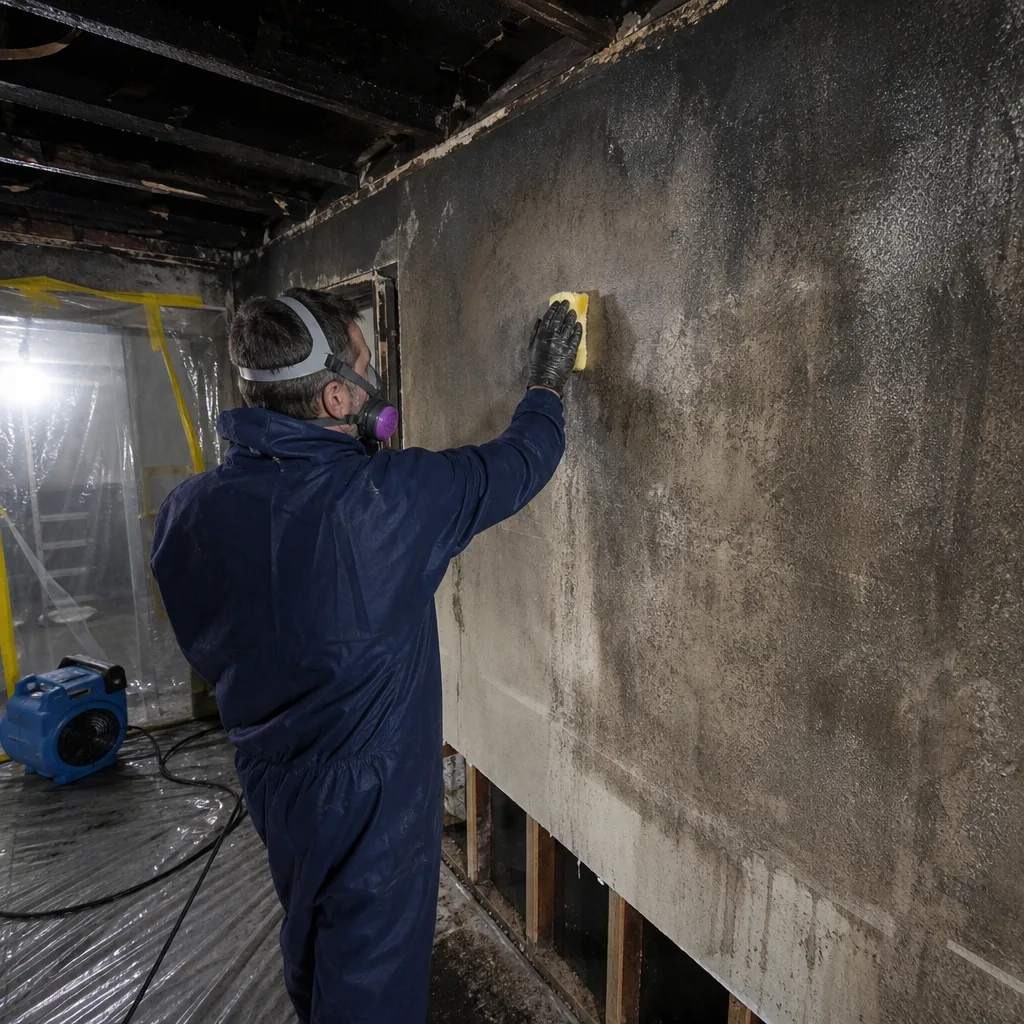
Smoke and soot behave differently in Des Moines’s marine climate. The elevated relative humidity here, even between rain events, causes soot particles to hygroscopically attract moisture and bond more aggressively to painted drywall, unfinished wood, and HVAC ducting. We see this on split-level ranches throughout the 98198 ZIP, where smoke from a kitchen fire migrates through the open stairwell and deposits wet, acidic soot on upper-level ceilings. Our crews use HEPA vacuuming followed by dry-sponge cleaning for loose particulate, then solvent-based or aqueous cleaning agents selected by material type - always documented by surface area treated and product lot number for the insurance file.
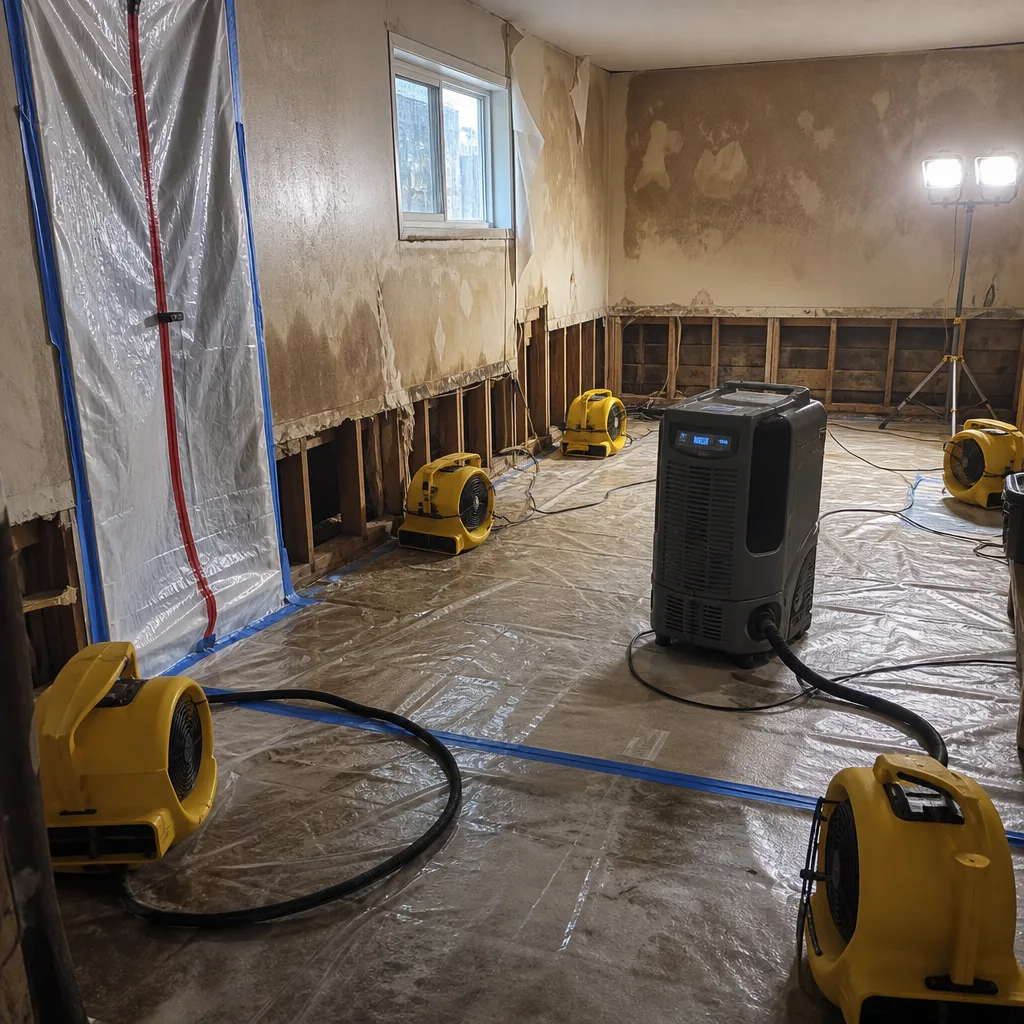
Odor Removal & Deodorization
Odor removal in Des Moines requires longer dwell times and more aggressive vapor-phase treatment than equivalent jobs inland. Marine humidity slows the off-gassing of smoke residue trapped in porous materials - the same oak trim and plaster that would release odor molecules in three days of dry air can hold them for two weeks here. We deploy thermal fogging, ozone treatment, and hydroxyl generators based on material sensitivity and occupancy status, with airborne particle counts and odor-threshold testing documented before equipment is pulled. Crews that remove dehumidifiers too early in Des Moines almost always get callback complaints six weeks later when humidity spikes and trapped odor reactivates.
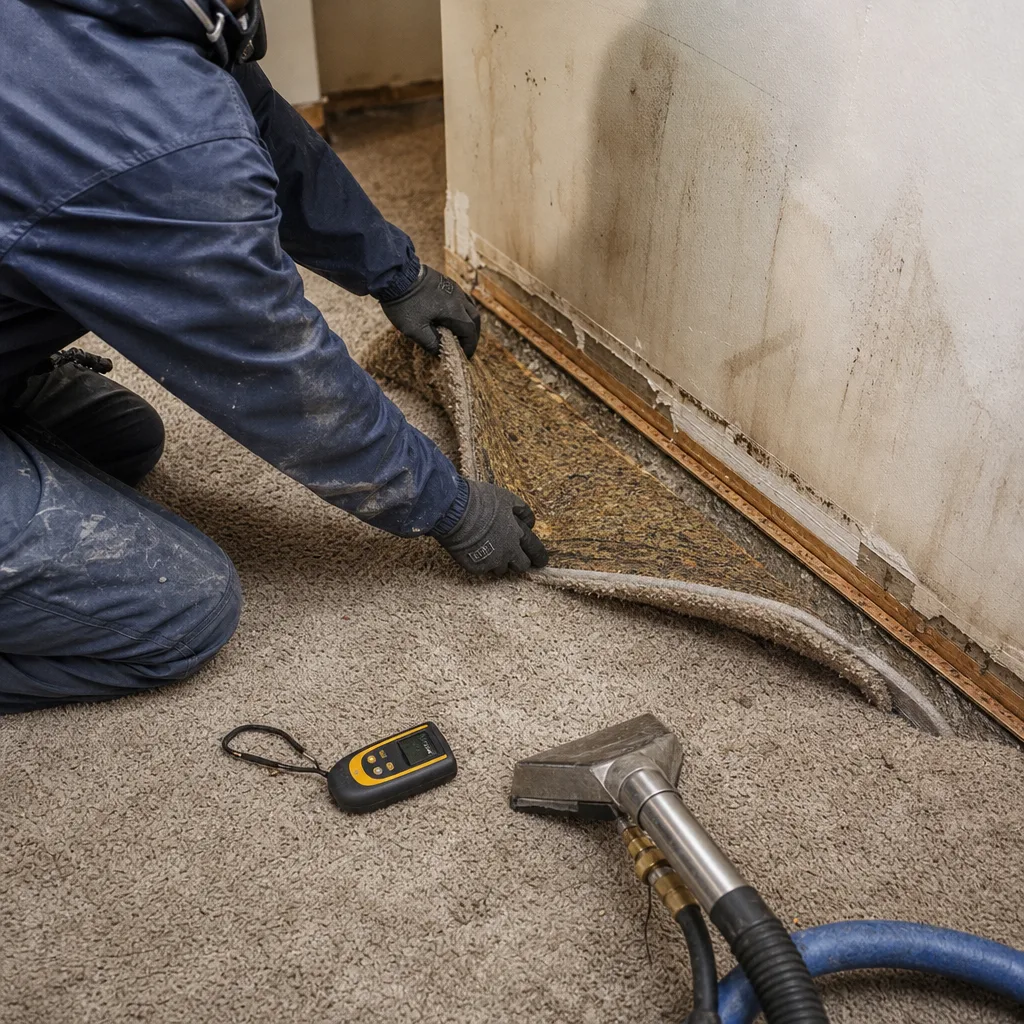
Contents Cleaning & Pack-Out
Contents pack-out from Des Moines fire losses happens in two phases: emergency removal of textiles and electronics before acid soot causes irreversible damage, then systematic inventory, cleaning, and storage at our facility. For homes on steep lots above the marina, we often pack out while crawl-space drying is still underway - the homeowner can’t occupy during compound restoration, so contents cleaning runs parallel to structural work. Every item is photographed, barcoded, and tracked through ultrasonic cleaning, deodorization chamber treatment, or textile restoration. The photo record goes to the adjuster; the cleaned contents return when the home passes post-restoration inspection.
Emergency Board-Up & Tarping
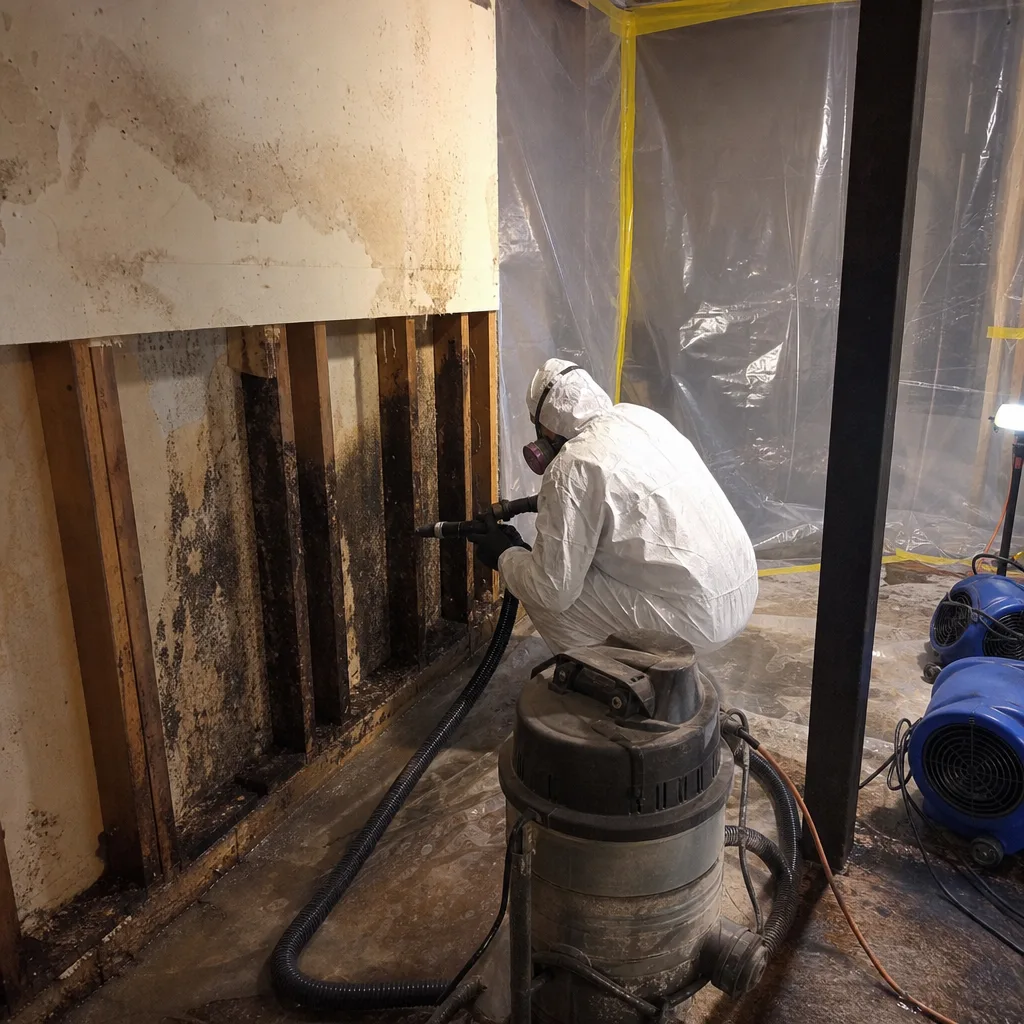
Board-up and tarping in Des Moines addresses the immediate security and weatherproofing need after fire department ventilation. Marine wind exposure off Puget Sound can drive rain into compromised roof decks within hours, compounding a fire loss with water intrusion. We use 5/8″ plywood for window and door security, reinforced poly sheeting for roof coverage, and document every opening sealed with timestamped photos for the claim file.
Structural Fire Repair
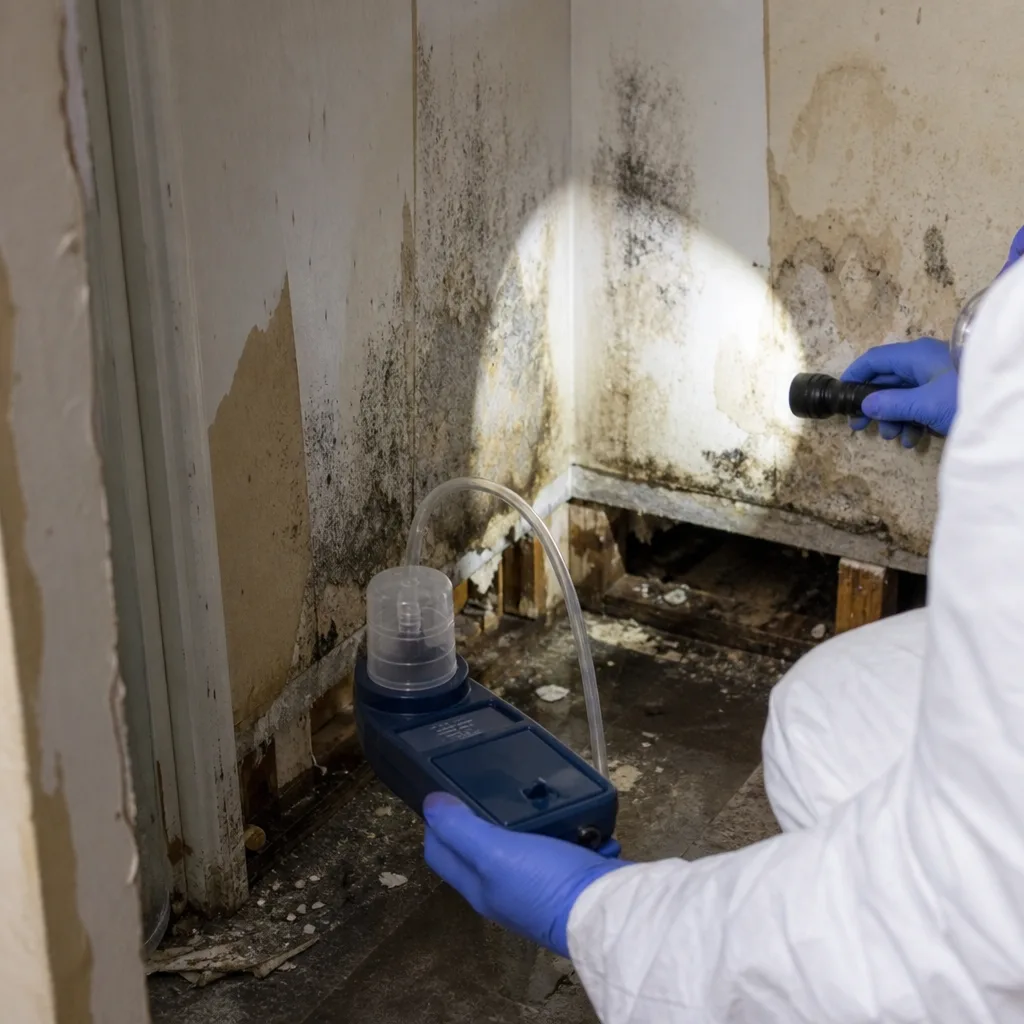
Structural repair in Des Moines’s 1950s-1970s housing stock frequently encounters asbestos-containing materials - vinyl floor tile, pipe insulation, textured ceiling coatings - that trigger abatement requirements once disturbed by fire or suppression water. Our scopes include pre-demolition sampling and abatement coordination, with air-monitoring documentation required before reconstruction begins. This isn’t an upsell; it’s a compliance step that protects the homeowner’s liability and the insurer’s coverage position.
What happens when you call
- 1
A real person answersNo phone trees - you reach a local pro.
- 2
You get an upfront price rangeHonest numbers before anyone is dispatched.
- 3
A background-checked tech heads outLicensed & insured, dispatched right away.
- 4
You approve before work beginsNothing starts until you say go.
BeforeAfterTrusted Equipment We Deploy in Des Moines
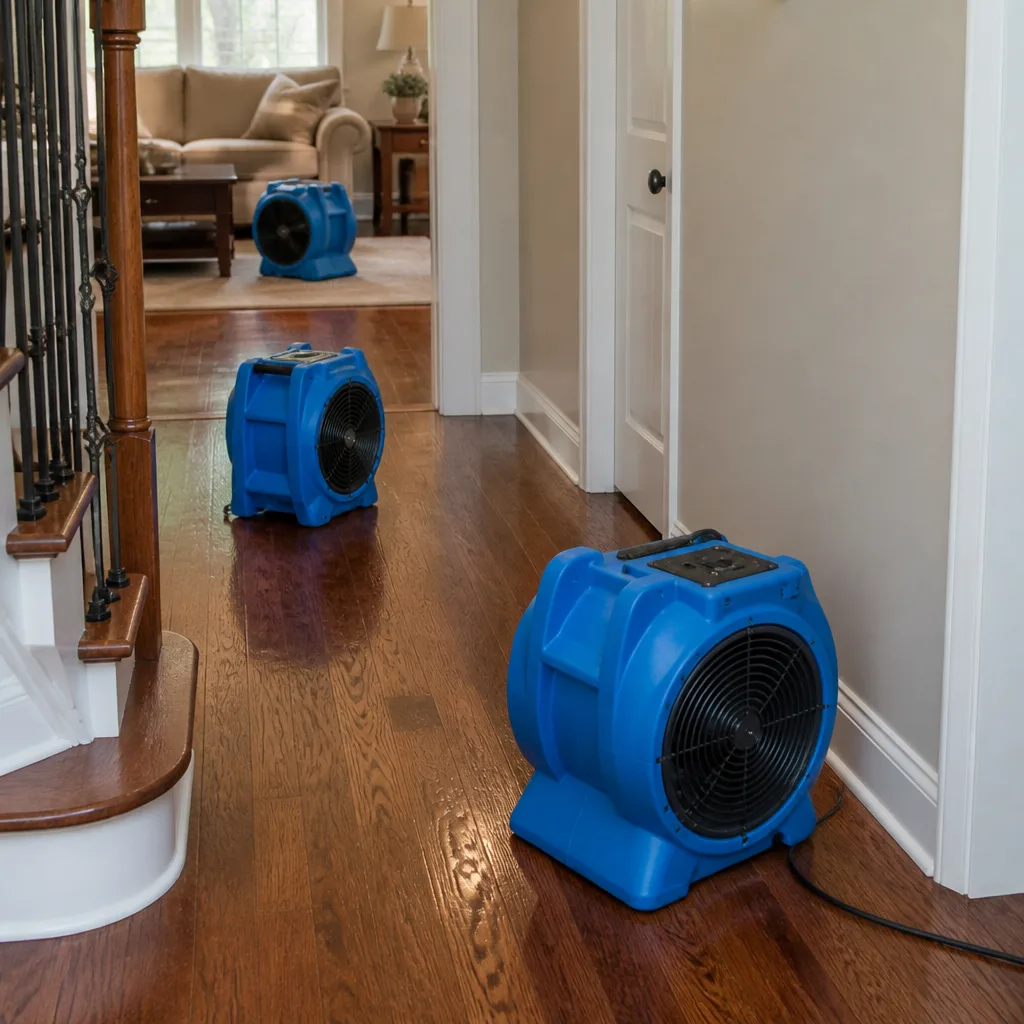
Our Des Moines crews work with Dri-Eaz and Phoenix dehumidification systems, XPOWER air movers, and Injectidry cavity-drying equipment - all documented to IICRC, RIA, and IFA standards. We don’t rent equipment by the job; we own, maintain, and calibrate it, which means a Des Moines homeowner gets the same machine performance on day six of drying as on day one. Daily moisture logs from this equipment become the documentation that turns restoration invoices into payable claims.
Common Fire & Smoke Damage Restoration Problems We See in Des Moines Homes
- Crawl-space re-wetting after fire suppression. Local contractors dry the visible rooms but skip the crawl space, so Des Moines’s lateral groundwater re-wets sill plates and framing inside a single rain season. The fire loss becomes a mold loss, and the insurer denies the secondary claim for scope failure.
- Marine humidity trapping smoke residue. Des Moines’s elevated relative humidity keeps structural drying slow and prevents complete off-gassing of smoke odor. Crews that pull equipment too early leave active residue that re-odorizes when humidity spikes.
- Ignoring uphill drainage on hillside lots. Fire cleanup on steep streets above the marina sometimes treats the job as a dry loss and ignores the groundwater source. Without curtain drains or stem-wall remediation, the home re-wets and fails post-restoration inspection.
- Asbestos discovery mid-restoration. Des Moines’s mid-century housing stock contains ACMs that weren’t sampled before demolition started. Work stops, costs escalate, and the insurer disputes whether abatement is covered as part of the original fire scope.
Pricing for Fire & Smoke Damage Restoration in Des Moines, WA
Fire restoration pricing in Des Moines reflects the compound nature of most losses here: fire damage plus suppression water plus marine-humidity drying complications plus potential asbestos abatement.
| Service Component | Typical Range in Des Moines |
|---|---|
| Emergency board-up and securing | $850-$2,400 |
| Smoke and soot removal (per affected room) | $1,200-$3,800 |
| Odor removal and deodorization | $900-$2,600 |
| Contents pack-out and cleaning | $2,100-$6,500 |
| Crawl-space drying and containment | $1,800-$4,200 |
| Structural repair and reconstruction | $4,500-$18,000+ |
| Asbestos abatement (if required) | $3,200-$8,700 |
What moves a Des Moines job toward the higher end: multi-level smoke migration in split-level homes, suppression water reaching the crawl space, asbestos-containing materials requiring abatement, and the extended drying times our marine climate demands. We deliver a written price before any work starts - Haven Standard, Clause 1 - and offer a Free Second Opinion on any competitor’s written estimate. Call (425) 696-6320 for documentation and pricing specific to your loss.
We Also Serve Cities Near Des Moines
Our Fire & Smoke Damage Restoration in Des Moines crews also respond to fire losses in Bellevue, Mercer Island, Sammamish, and Redmond. Each city presents distinct restoration challenges - different housing stock, different drainage patterns, different insurer preferences - and our documentation protocols adapt to each while maintaining the same Haven Standard guarantees.
Serving Des Moines, WA - Our Local Coverage Area
We’re based in the Des Moines area and know this community well. Use the map below to see our service coverage - if you’re nearby, we can almost certainly help.
FAQs - Fire & Smoke Damage Restoration in Des Moines
Des Moines’s position on Puget Sound bluffs creates higher baseline humidity and active lateral groundwater migration through crawl-space foundations, while Federal Way’s flatter terrain and slightly inland position allow faster natural drying. Our Des Moines fire scopes routinely run drying logs 40-100% longer than equivalent inland jobs before moisture readings return to pre-loss condition. Call (425) 696-6320 and we’ll show you the daily readings that justify the timeline.
Yes, if restoration crews remove dehumidification equipment before complete off-gassing or fail to treat the open stairwell cavity where smoke concentrates. Des Moines’s marine humidity reactivates partially neutralized odor molecules when relative humidity climbs above 65%, which happens regularly here even without rain. We verify odor elimination with documented threshold testing before equipment removal, and our 365-Day Done Right Promise covers callback re-treatment at no charge.
Yes, almost always. Des Moines’s dominant housing stock from this era contains asbestos in vinyl floor tile, pipe insulation, and textured ceiling coatings that become friable when disturbed by fire or water damage. State and federal law require abatement by licensed contractors; our scopes include pre-demolition sampling and certified abatement coordination with air-monitoring documentation. Starting demolition without this step exposes the homeowner to liability and the insurer to coverage disputes.
Mold colonization begins 48-72 hours after water intrusion in Des Moines’s elevated-humidity environment, compared to 72-96 hours in drier inland climates. The combination of suppression water, marine air, and lateral groundwater in hillside crawl spaces means fire losses here almost always require concurrent mold prevention - containment, dehumidification, and antimicrobial treatment - not sequential fire-then-mold remediation. Our scopes include this from day one.
It involves a compound scope: surface fire and smoke damage treatment, suppression water extraction, crawl-space containment and dehumidification, stem-wall moisture source identification, and often uphill drainage remediation with curtain drains or stem-wall sealing. Generic fire restoration skips the groundwater component; our Des Moines hillside scopes don’t, because we’ve seen too many jobs fail inspection when lateral re-wetting occurs. The written price covers the complete scope before work begins - Haven Standard, Clause 1. Call (425) 696-6320 for a documented assessment.
Written by Alicia Brennan, Owner at Back to Dry Restoration, serving Des Moines and the Puget Sound region since 2011.