
Last updated September 23, 2026
Free visual inspection and a written scope of work before any mitigation begins - photos, moisture readings, and drying logs go in your claim file
The scope we write is the scope we bill. Anything new gets shown to you, in writing, before we touch it.
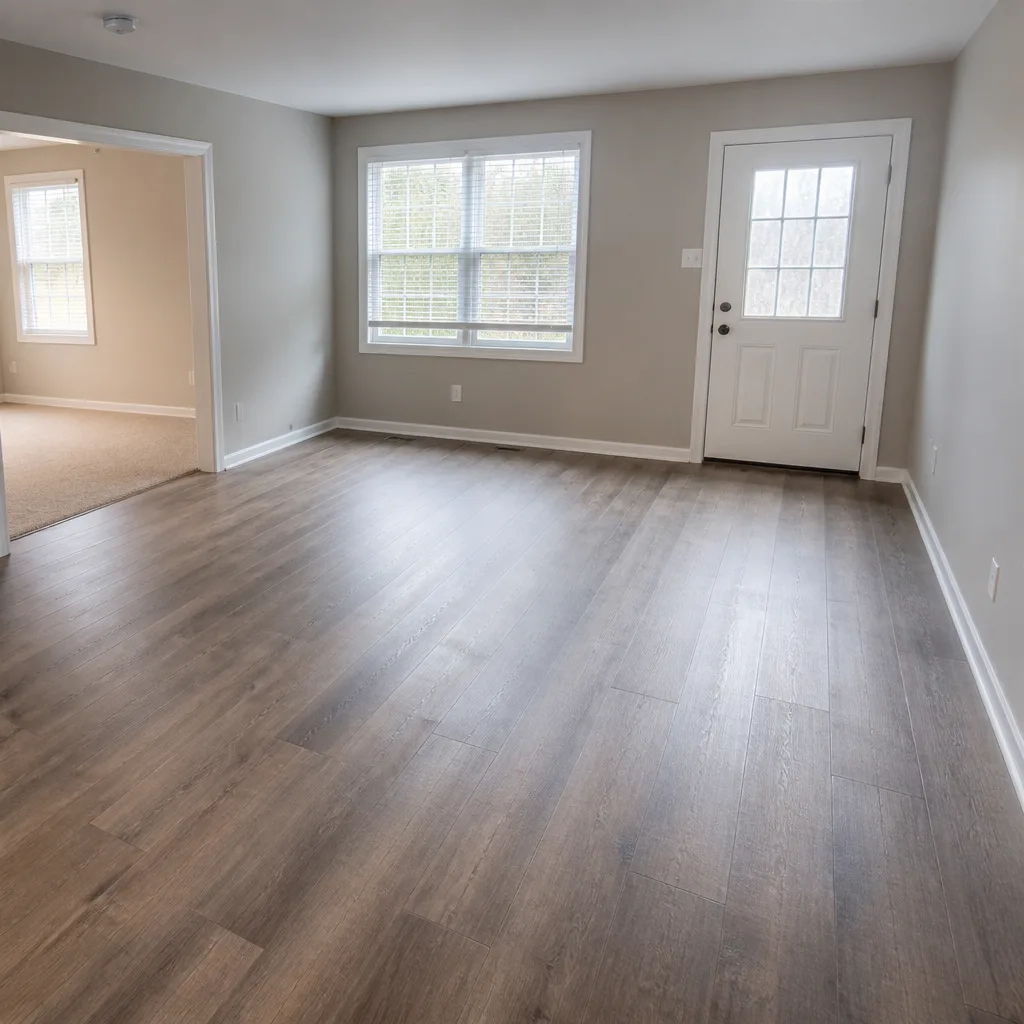
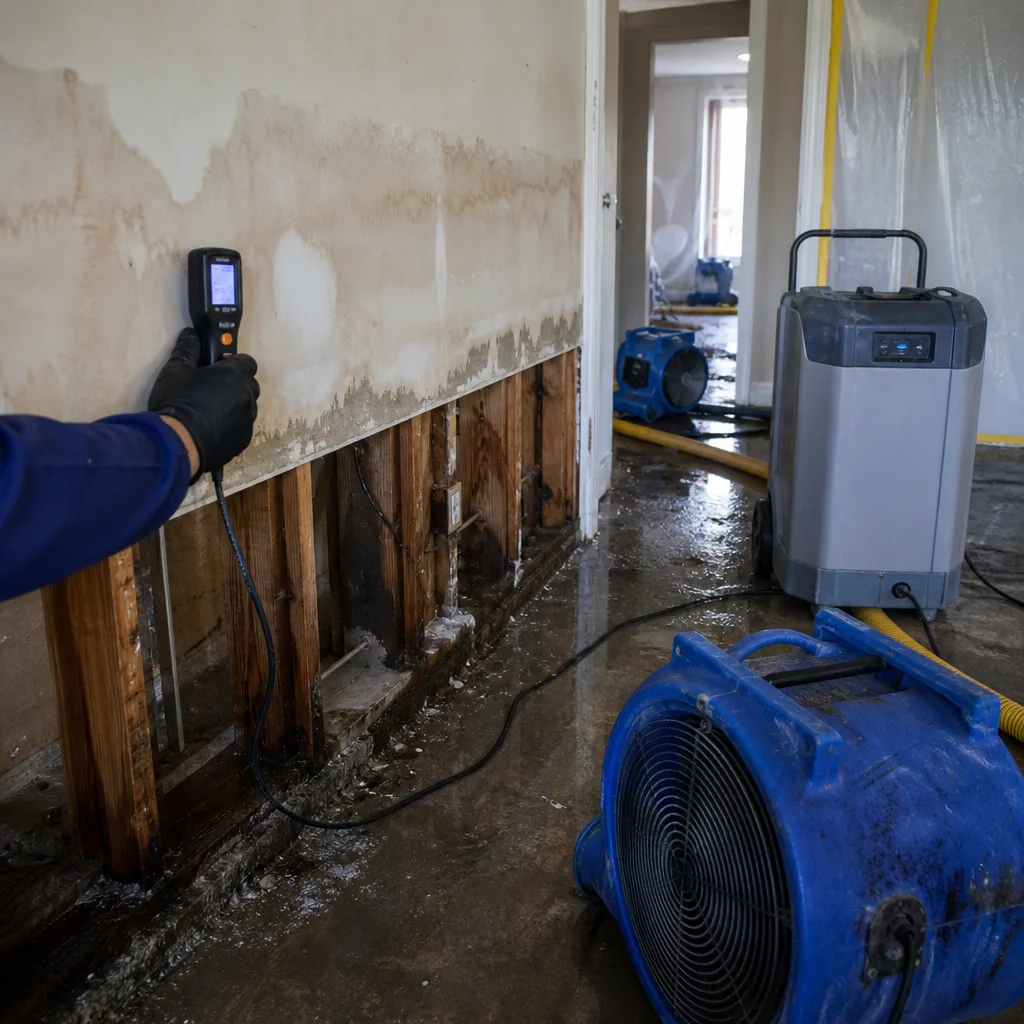 Before
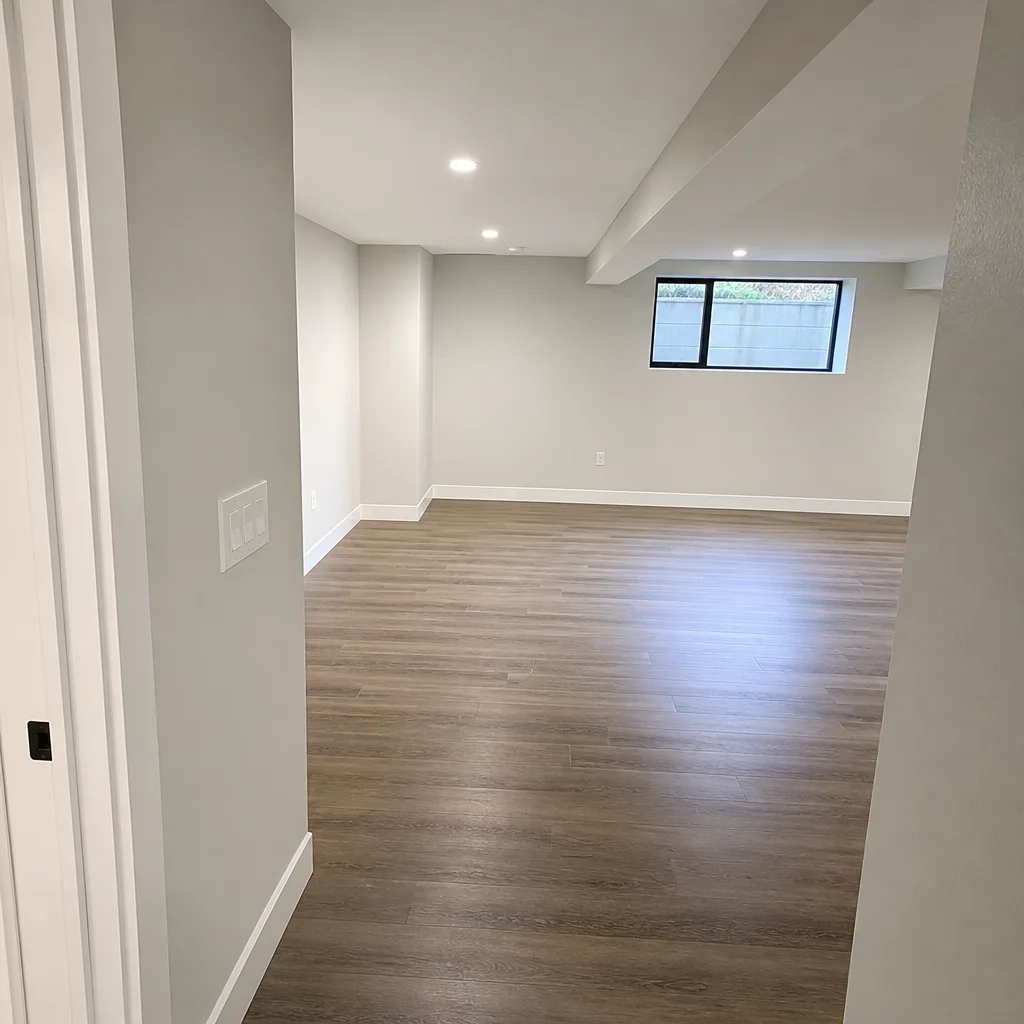 After
After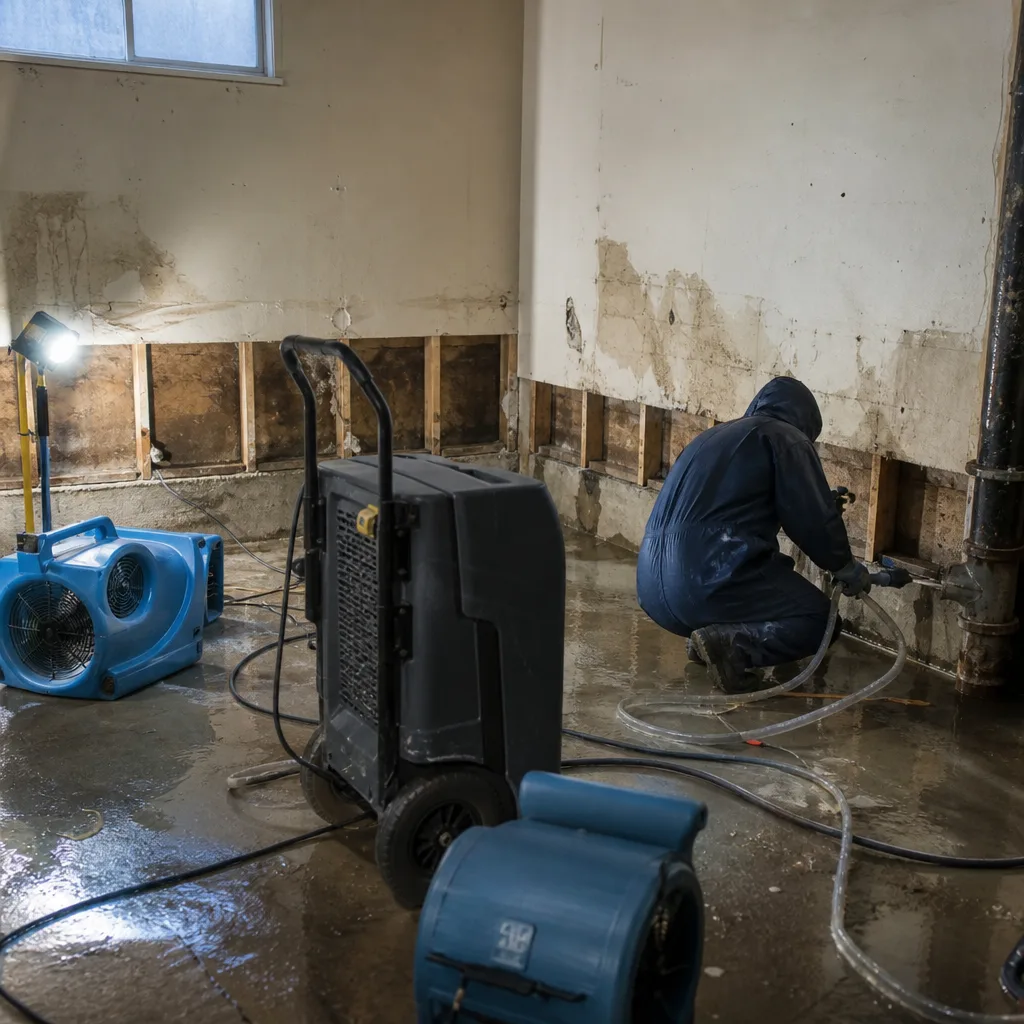 Before
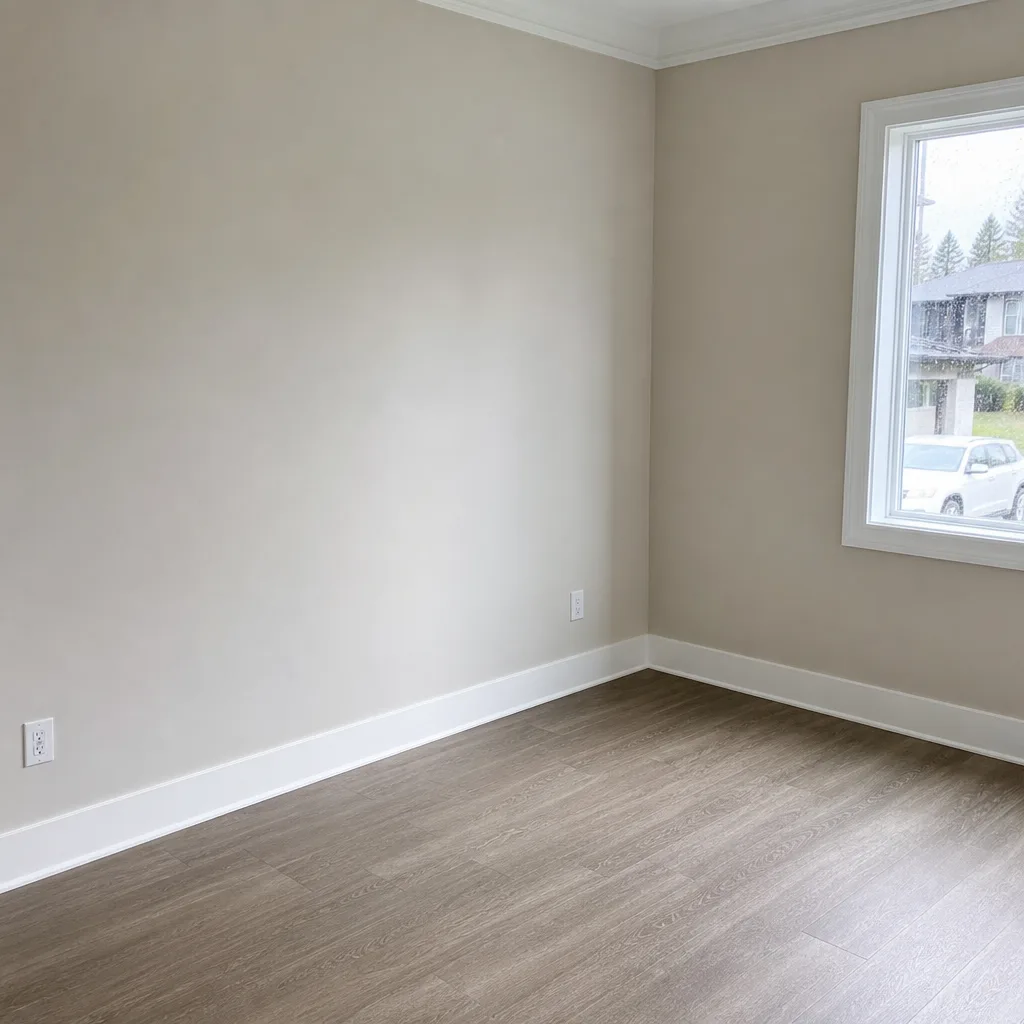 After
After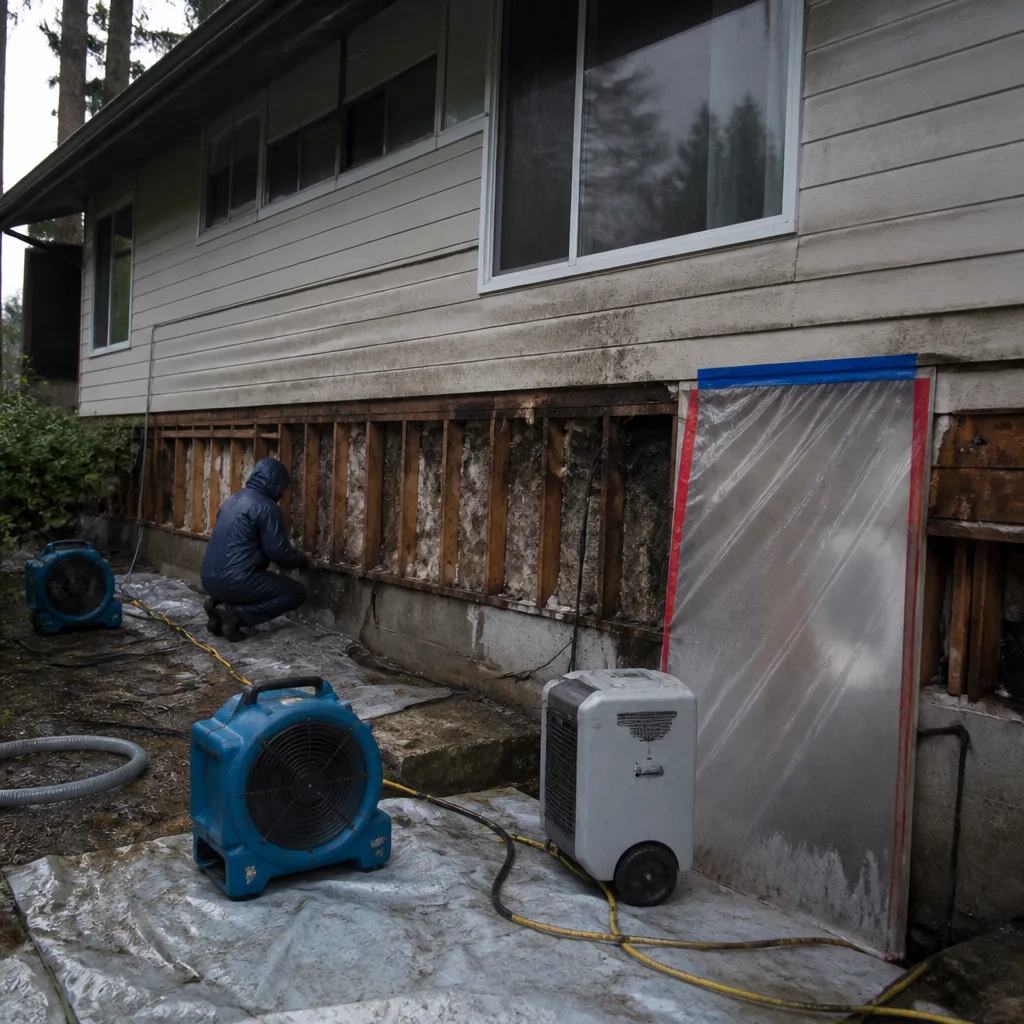 Before
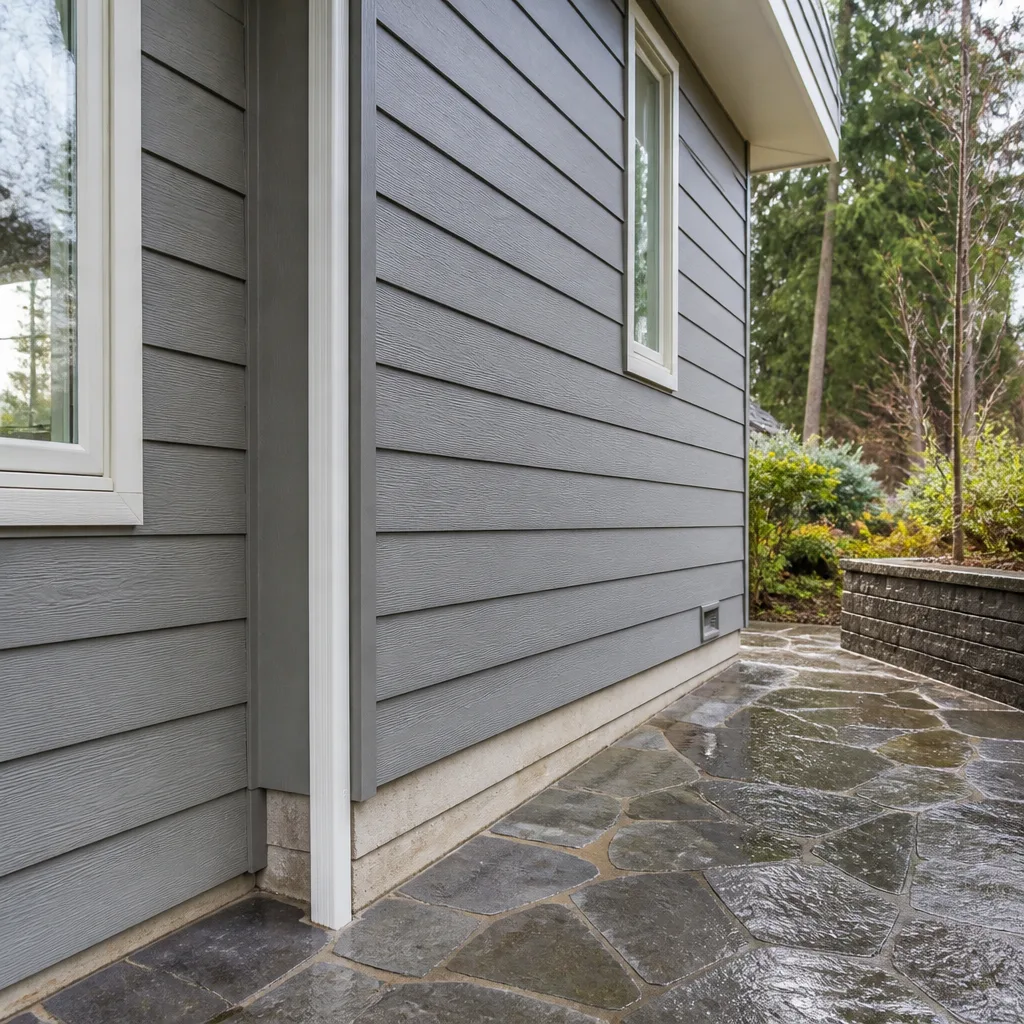 After
AfterDamage Restoration Permits, Codes & Inspections in WA: What You Need to Know
A Bellevue homeowner whose contractor repaired flood-damaged drywall and subfloor without a permit discovered at resale that the unpermitted structural repair voided their buyer’s lender inspection - costing them the sale and a second round of remediation costs. This happens more often than most homeowners realize. In our experience restoring over 12,000 homes since 2011, we’ve seen permit gaps turn straightforward insurance claims into disputed losses, and turn clean restoration invoices into title defects that surface years later. This guide explains exactly which restoration tasks trigger permits in Bellevue, how Washington’s state building code interacts with local amendments, and why the permit record matters as much as the repair itself. For related reading, see our Damage Restoration Warning Signs: A Bellevue Homeowner’s Reference Guide.
Quick Answer
Most water damage repairs in Bellevue require a permit once they cross into structural work - including subfloor replacement, load-bearing wall repair, or electrical and plumbing modifications. Cosmetic repairs like painting, carpet replacement, and non-structural drywall patches typically do not. The contractor, not the homeowner, is legally responsible for pulling permits under their own license number, and skipping this step can void insurance coverage, cloud title, and block resale. Before starting any project, review our DIY vs Professional Damage Restoration: The Bellevue Homeowner’s Decision Guide.
Table of Contents
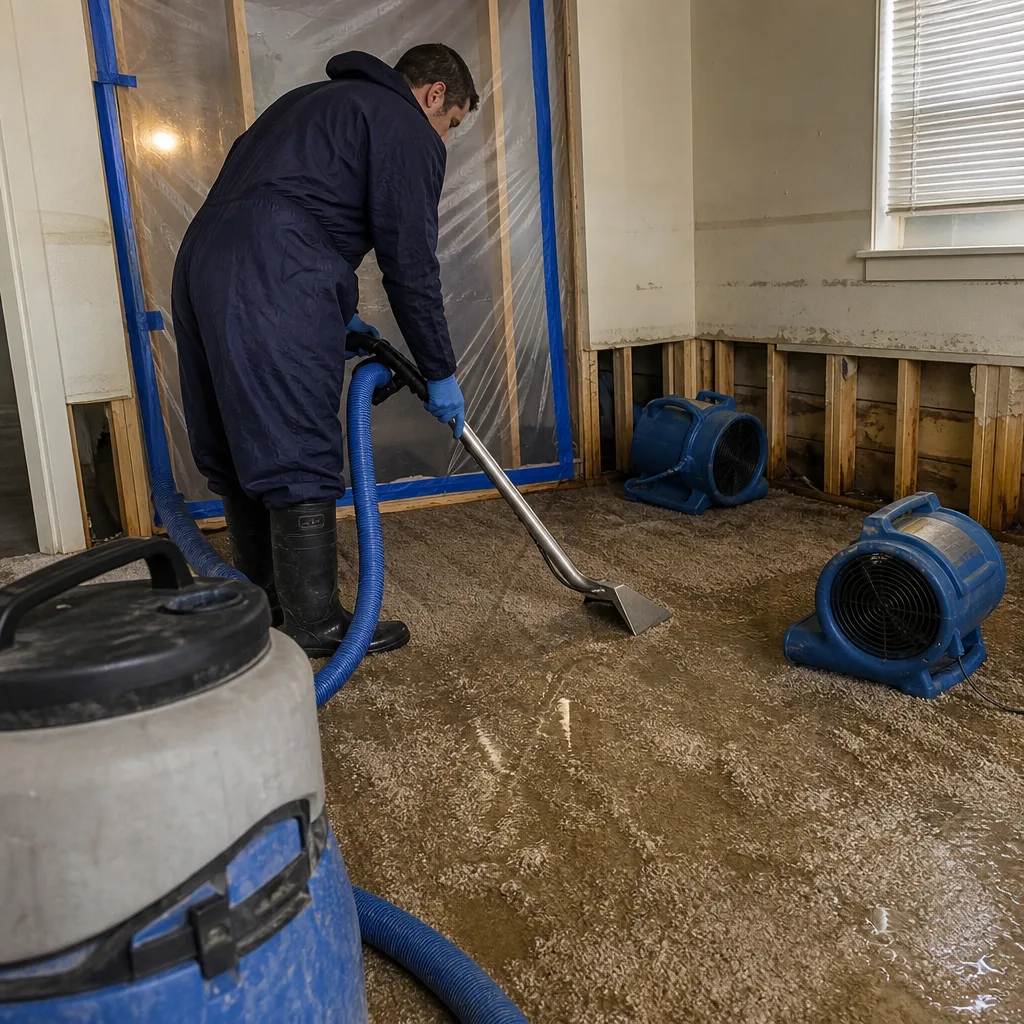
- When Are Permits Required for Restoration Work in Bellevue?
- Washington State Building Code vs. Bellevue Amendments
- Water Mitigation Permit Requirements
- Mold Remediation Permit Requirements
- Fire & Smoke Damage Restoration Permits
- What Final Inspection Records Do for Your Insurance Claim
- The Contractor’s Legal Obligation to Pull Permits
- Common Mistakes to Avoid
- When to Call a Professional
- Frequently Asked Questions
- The Bottom Line
BeforeAfterWhen Are Permits Required for Restoration Work in Bellevue?
Bellevue’s municipal code draws a sharp line between maintenance and construction, and that line determines whether your restoration project needs a permit. Understanding this threshold before work begins prevents the surprise of a stop-work order, a failed inspection, or a title problem at closing.
The Structural Work Threshold
Under Bellevue’s adopted building code, permit requirements trigger when restoration involves:
- Replacement of subflooring or structural sheathing - any material that transfers load to joists or beams
- Repair or modification of load-bearing walls, including wall framing compromised by water, fire, or mold
- Electrical work beyond like-for-like fixture replacement, including rewiring of outlets or circuits damaged by water or fire
- Plumbing modifications, including relocation or replacement of supply lines, drain lines, or valves
- HVAC ductwork replacement or modification, particularly when mold growth requires removal of lined ducts
- Window or door replacement that alters the rough opening or involves structural header modification
- Roofing repairs exceeding 25% of total roof area in any 12-month period, per Bellevue’s amended IRC provisions
Cosmetic work generally does not require permitting: painting, carpet or flooring installation over intact subfloor, non-structural drywall patches under 32 square feet per wall, and cabinet replacement that does not relocate plumbing or electrical. The key distinction is whether the work affects the building’s structural integrity, life safety systems, or weather protection.
Square-Footage and Load-Bearing Distinctions That Matter
Bellevue applies specific quantitative triggers. Drywall replacement exceeding 32 square feet on any single wall face requires permit verification if the wall is load-bearing or contains fire-rated assemblies. In multi-family buildings common in downtown Bellevue and the Bel-Red corridor, this threshold drops lower due to fire-separation requirements. Subfloor replacement exceeding one standard sheet (32 square feet) in a single room typically requires inspection, even when joists remain intact, because the subfloor diaphragm contributes to lateral load distribution.
We’ve documented cases in the Somerset neighborhood where a 40-square-foot subfloor repair from a washing machine leak went unpermitted. The homeowner’s insurer initially covered the loss, but when the same area showed elevated moisture readings six months later, the lack of inspection record complicated the secondary claim. The original contractor’s invoice described “subfloor replacement” but could not prove the work met code - a gap that permitted work would have closed with a signed inspection card.
For water damage restoration in Bellevue, we always assess whether drying will suffice or whether material removal crosses into structural territory. Our written scope specifies which tasks are permit-exempt and which require Bellevue Development Services filing, with the permit number recorded on every invoice.
Washington State Building Code vs. Bellevue Amendments
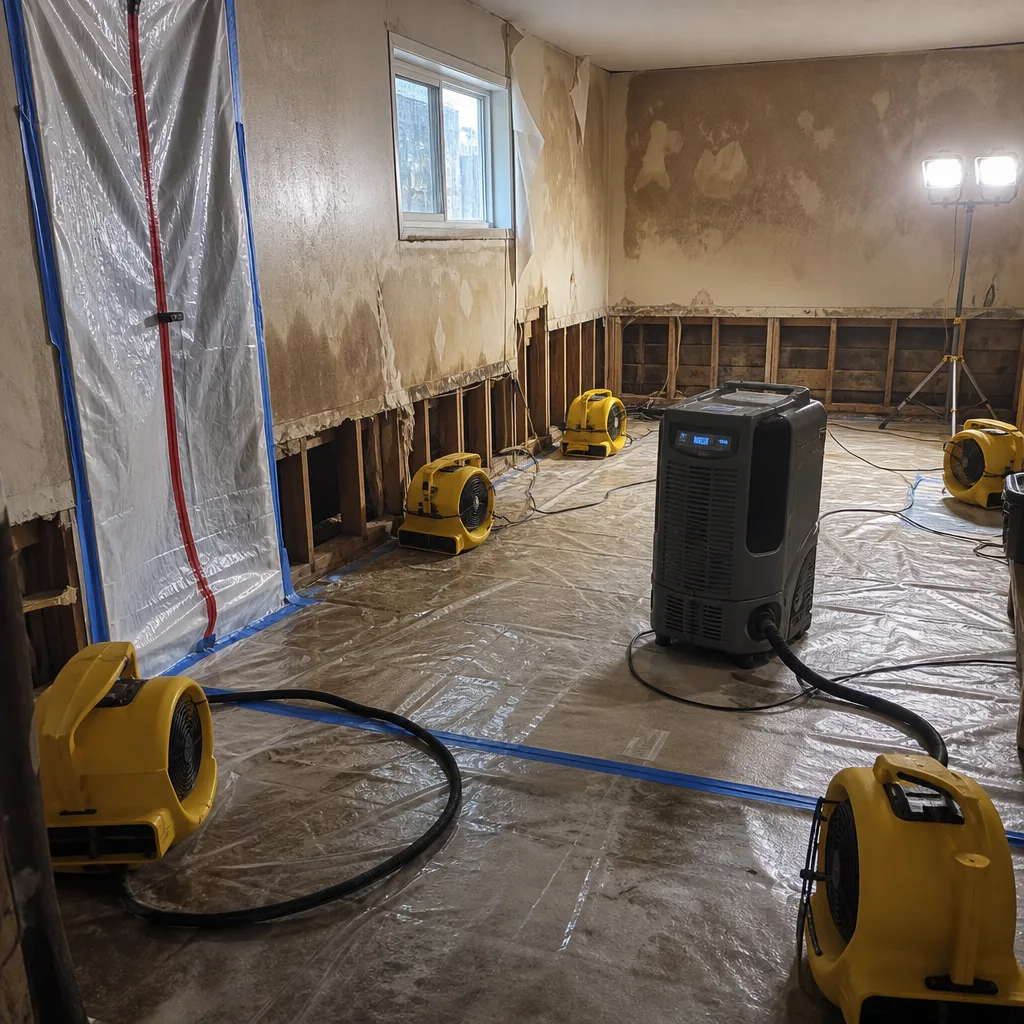
Washington operates under a state-adopted building code with local amendment authority. This layered system creates specific compliance obligations for restoration contractors working in Bellevue versus unincorporated King County.
RCW 19.27 and the State Building Code Act
Washington’s State Building Code Act (RCW 19.27) mandates that all cities and counties enforce the current state building code, which incorporates the International Building Code (IBC), International Residential Code (IRC), International Mechanical Code (IMC), International Plumbing Code (IPC), and National Electrical Code (NEC) with Washington-specific amendments. The current effective edition cycles on a three-year basis, with the 2021 codes fully enforced statewide as of the most recent adoption cycle.
Under RCW 19.27.074, local jurisdictions may adopt amendments more stringent than the state code but cannot reduce requirements below the state minimum. This means Bellevue’s amendments add obligations; they never subtract them.
Bellevue’s Local Amendments
Bellevue has adopted several amendments relevant to restoration work:
- Enhanced floodplain management: Properties in the 100-year floodplain, including portions of the Wilburton and Eastgate areas near Kelsey Creek, must meet additional elevation and material requirements for subfloor and foundation repairs. FEMA flood insurance rate maps intersect with Bellevue’s critical areas ordinance here.
- Critical areas protection: Restoration work near steep slopes (greater than 40%), wetlands, or fish-bearing streams triggers environmental review. The Bridle Trails and Lakemont neighborhoods contain multiple critical area buffers where standard restoration protocols may require biological assessment before permit issuance.
- Energy code supplements: Replacement of exterior envelope components must meet enhanced thermal performance standards. This affects window and wall assembly repairs after fire or water damage, particularly in Bellevue’s newer construction built to the 2018 and 2021 energy code cycles.
- Fire-resistance rating maintenance: Multi-family and commercial buildings must restore fire-rated assemblies to original ratings, with inspection required. This applies to many Bellevue high-rise and mid-rise residential buildings constructed since 2000.
Unincorporated King County vs. City Limits
Properties in unincorporated King County - including portions of the Lake Hills and Newport Hills areas that some Bellevue addresses border - fall under King County Building Inspection Division jurisdiction, not Bellevue Development Services. The codes are substantially similar, but permit fees, inspection scheduling, and amendment enforcement differ. A restoration contractor must file in the correct jurisdiction; misfiled permits are void and do not protect the homeowner. For help selecting qualified help, see How to Hire a Damage Restoration Contractor in Bellevue: A Step-by-Step Guide.
We verify jurisdiction for every job using the King County Parcel Viewer and Bellevue’s address lookup tool before filing. The 15-minute verification prevents months of permit invalidation.
Water Mitigation Permit Requirements
Water mitigation - the emergency extraction, drying, and stabilization phase - occupies a unique regulatory position. The work is urgent, often performed before full damage assessment, yet it can trigger permit requirements if not carefully scoped.
Emergency Work Exemptions
Bellevue allows limited emergency work without prior permit when necessary to prevent imminent hazard to life or property. This includes:
- Water extraction and removal of wet materials to prevent mold proliferation
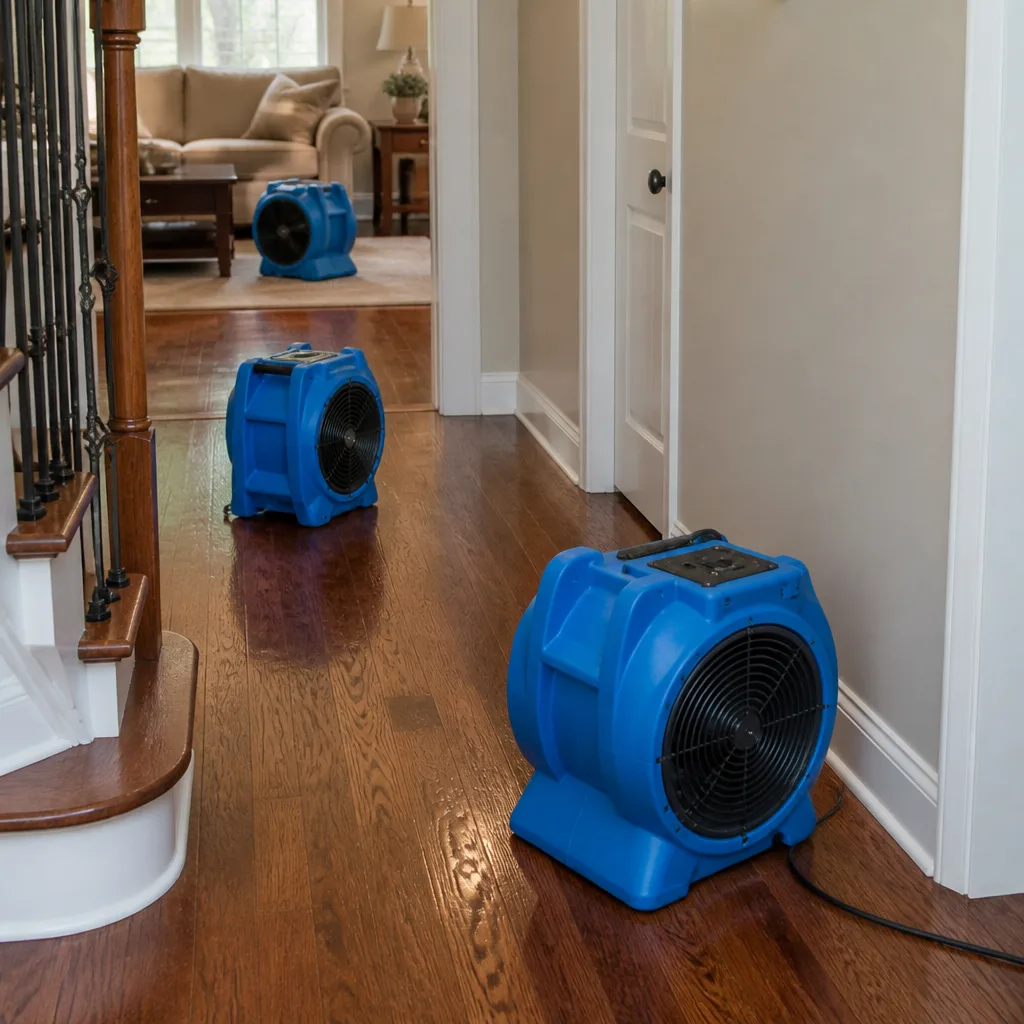
- Installation of temporary drying equipment (air movers, dehumidifiers) without permanent electrical modification
- Emergency board-up of compromised openings
- Removal of sagging or collapsed ceiling materials posing fall hazard
The exemption expires when the emergency stabilizes. Permanent repairs must then proceed under standard permitting. In practice, this means a water loss in a Bellevue home can begin immediately, but the contractor must file for permits within a defined window - typically before structural repairs commence, or within 72 hours of emergency work initiation for projects requiring immediate inspection.
When Drying Becomes Construction
The transition point catches many homeowners. Consider a typical supply-line leak in a Bellevue ranch home:
- Day 1: Emergency extraction, removal of wet carpet and pad, placement of drying equipment - no permit required
- Day 2-4: Controlled drying with psychrometric monitoring - no permit required if no structural material is removed
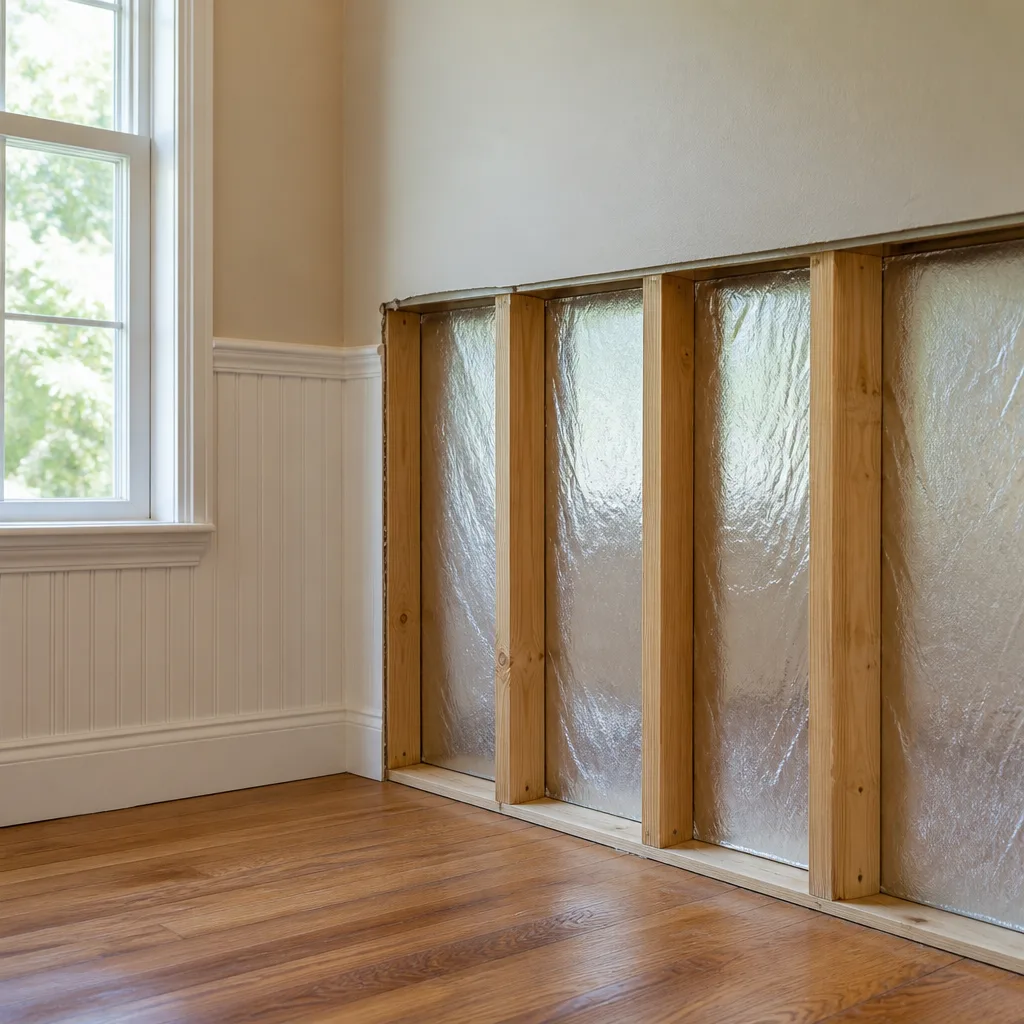
- Day 5: Discovery of delaminated subfloor requiring removal - permit required before removal if subfloor is structural
- Day 6-10: Subfloor replacement, new underlayment, flooring installation - full permit and inspection sequence required
Our crews document this progression with daily moisture logs recorded to IICRC S500 standards, using equipment from Dri-Eaz and Phoenix to generate the psychrometric data that proves drying completion. These logs become evidence in permit applications and insurance submissions.
The Haven Standard, Clause 1 requires our written price before work starts to specify which phase is emergency mitigation and which is permitted reconstruction. This separation protects the homeowner from permit surprises mid-project.
Equipment and Documentation Standards
Permit inspectors in Bellevue increasingly ask to see drying documentation. We provide:
- Daily moisture content readings by material type and room location
- Vapor pressure differential calculations showing drying progress
- Equipment placement maps with CFM and grain depression specifications
- Tertiary drying verification - the final phase where materials reach equilibrium moisture content appropriate for Bellevue’s marine climate, typically 9-12% for wood framing
Bellevue’s climate matters here. The marine west coast climate produces higher ambient humidity than inland Washington, extending drying timelines and affecting equipment selection. Our Injectidry systems and B-Air axial air movers are specified for this humidity profile, not generic national standards.
Mold Remediation Permit Requirements
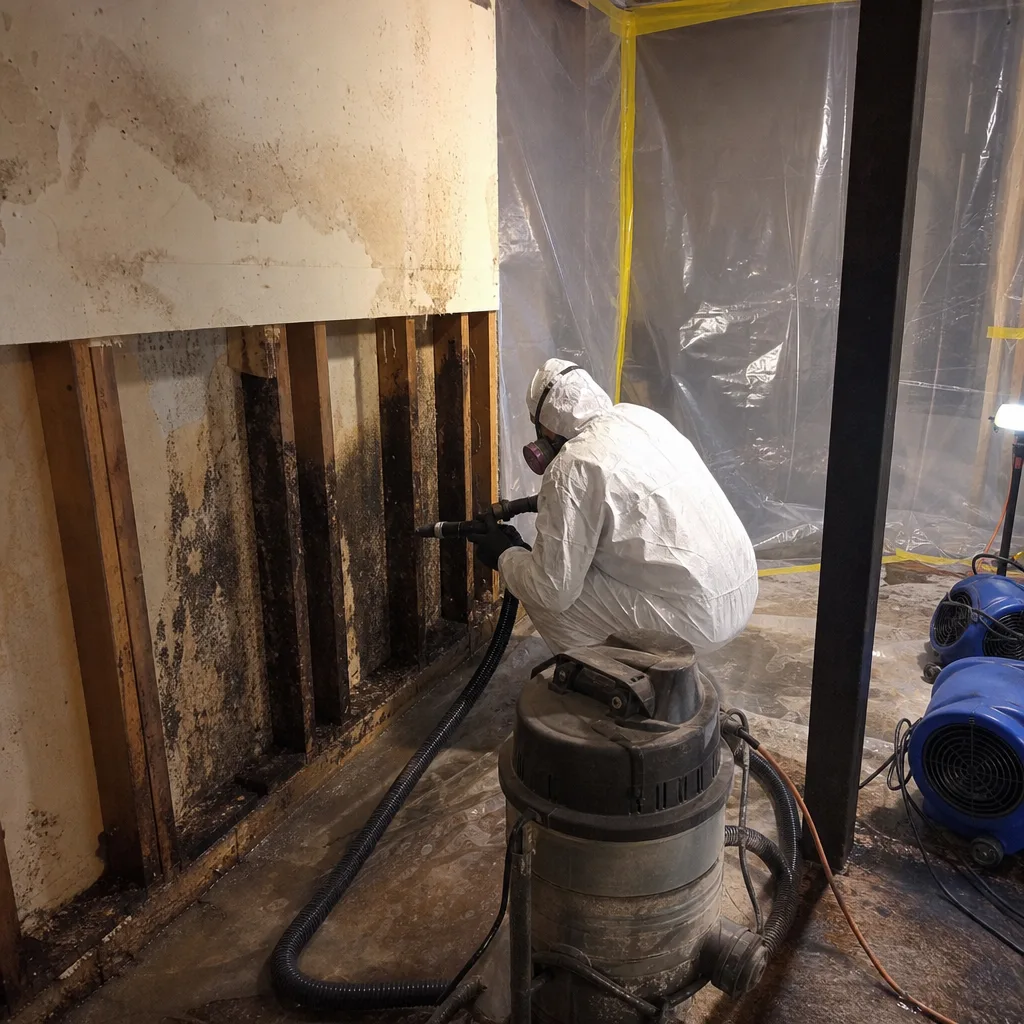
Mold remediation follows a separate regulatory path from water mitigation, and conflating the two is the most common permit error we encounter in Bellevue.
Health Department Notification vs. Building Permit
Washington does not have a statewide mold remediation licensing law. Instead, mold work triggers two distinct regulatory frameworks:
- Public Health – Seattle & King County notification: For mold contamination exceeding 10 square feet in occupied buildings, or any visible mold in sensitive environments (schools, healthcare, childcare), the health department recommends - and Bellevue enforces through its housing and building codes - professional assessment and remediation protocol submission. This is not a building permit but a health compliance record.
- Building permit for affected materials: Removal and replacement of mold-contaminated structural materials (framing, sheathing, subfloor) requires standard building permits. The mold itself does not trigger the permit; the material removal does.
This distinction matters for mold remediation in Bellevue. A standard bathroom with 15 square feet of mold on drywall may require no building permit if the drywall is non-structural and no plumbing or electrical is disturbed. The same bathroom with mold extending to the subfloor and wall framing requires full permitting for structural repair, plus health department protocol documentation.
Containment and Negative Air Requirements
Bellevue enforces IICRC S520 containment standards for mold remediation in multi-family buildings and commercial properties. Single-family homes are not formally required to use negative air machines and HEPA filtration, but failure to contain spores can trigger neighbor complaints and health department intervention - particularly in Bellevue’s dense townhouse developments near Main Street and the Spring District.
Our containment protocols exceed minimum requirements in all building types. The documentation - photo records of containment setup, air scrubber CFM logs, and post-remediation clearance sampling - supports both health compliance and insurance claim substantiation.
Post-Remediation Verification
Unlike water damage, mold remediation has no universal “dry standard.” Bellevue accepts multiple verification methods:
- Clearance air sampling by third-party industrial hygienist
- Visual inspection with moisture meter confirmation of source elimination
- ERMI or HERSTMI-2 dust analysis for sensitive occupants
We specify the verification method in our written scope before work begins, with costs included in the fixed price. This prevents the scope-creep addition of “surprise” clearance testing that some competitors introduce after remediation is underway.
Fire & Smoke Damage Restoration Permits
Fire restoration almost always requires permits because the damage typically compromises structural, electrical, and HVAC systems simultaneously. The permit landscape for fire damage is the most complex in restoration work.
Structural Fire Damage
Any fire damage affecting load-bearing elements requires structural engineering evaluation and permit. In Bellevue, this includes:
- Charring or pyrolysis of framing members exceeding 1/4 inch depth or 20% of cross-section
- Heat distortion of steel connections or engineered wood products
- Sagging or deflected structural members, even without visible char
- Damage to fire-resistance-rated assemblies in multi-family construction
Bellevue requires a structural engineer’s letter for repair of any of these conditions, stamped and submitted with the permit application. The engineer must be licensed in Washington State. We maintain relationships with three Bellevue-area structural engineers who understand restoration timelines and can respond within 48 hours.
Electrical and HVAC Systems
Fire-damaged electrical systems require full inspection by a licensed electrician and permit for any replacement beyond device-level. Smoke-damaged HVAC ductwork presents a particular challenge: Bellevue’s amended IMC requires replacement of lined ductwork when smoke exposure exceeds certain thresholds, but the threshold is qualitative (visible contamination, odor persistence) rather than quantitative. We document HVAC conditions with internal video inspection and photo records, then specify replacement scope in our written price.
For fire and smoke damage restoration in Bellevue, our scope always separates emergency board-up and contents manipulation (typically permit-exempt) from structural, electrical, and mechanical repairs (fully permitted), with engineering and permit costs line-itemed in the fixed price.
Asbestos and Lead Considerations
Pre-1990 construction in Bellevue - common in the Lake Hills, Newport Shores, and older West Bellevue neighborhoods - requires asbestos and lead testing before fire damage demolition. Bellevue enforces WISHA and EPA notification requirements. Emergency demolition without testing can result in stop-work orders and significant penalties. We test before disturbing materials, with results in 24 hours through our certified laboratory relationship.
What Final Inspection Records Do for Your Insurance Claim
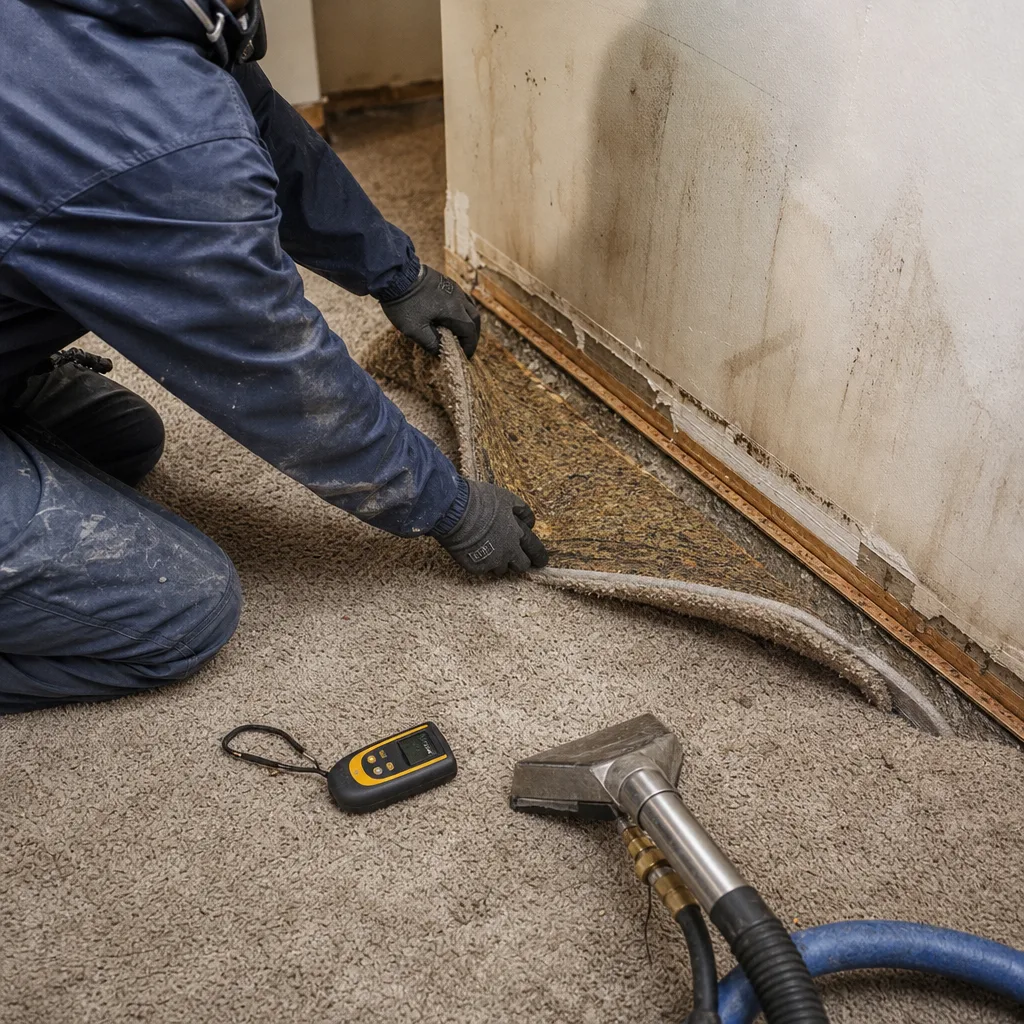
The permit inspection record is not bureaucratic paperwork. It is evidentiary documentation that serves functions no contractor invoice can replicate.
Corroboration of Scope of Loss
An insurance claim requires proof of loss - documentation that the damage occurred, that the repair was necessary, and that the cost was reasonable. A contractor’s invoice asserts these facts; a permit inspection record independently verifies them.
Consider the difference:
- Invoice states: “Replaced water-damaged subfloor in kitchen, 48 square feet”
- Permit record states: “Inspection approved 3/15/2024 - subfloor replacement, 48 SF, 23/32 T&G plywood, glued and screwed to joists per R503.1, moisture content verified 10% before covering”
The permit record includes date, material specification, code compliance method, and verification standard. When an insurer disputes whether subfloor replacement was necessary, the permit inspection confirms it was performed to code - which is only required when the original material was compromised beyond repair.
Title Protection and Resale Value
Washington’s seller disclosure law (RCW 64.06) requires disclosure of material defects and repairs. Unpermitted work is a latent title defect. Title insurers increasingly exclude unpermitted structural work from coverage. Lenders require permit verification for structural repairs before funding.
The Bellevue homeowner in our opening example lost their sale because the buyer’s lender required permit records for all structural repairs within five years. The contractor’s invoice was insufficient; the absence of permit records created an uninsurable title gap. The homeowner paid for re-remediation, permit retroactivity (where possible), and extended carrying costs - a $34,000 lesson in permit compliance.
Our Documentation Standard
Every DryMark Restoration Bellevue job concludes with a complete documentation package:
- Permit application copies with contractor license number
- Inspection cards with date, inspector identification, and approval signatures
- Photo record of pre-condition, work-in-progress, and post-completion
- Written scope matching the permit description
- Daily drying logs with moisture readings, where applicable
- Signed 365-Day Done Right Promise under The Haven Standard
This package is delivered to the homeowner and, with authorization, to their insurer and adjuster. It converts restoration work from a disputed expense to a documented, verifiable claim component. Explore more guides & resources on protecting your Bellevue home.
The Contractor’s Legal Obligation to Pull Permits
Washington law places the permit obligation squarely on the contractor, not the homeowner. Understanding this allocation of liability protects homeowners from improper requests.
RCW 18.27 and Contractor Registration Requirements
Washington’s Contractor Registration Act (RCW 18.27) requires that all construction work be performed by registered contractors. The registration number must appear on all contracts, advertising, and permit applications. A contractor who performs work without proper registration or permits commits a misdemeanor and faces civil penalties.
Importantly, the law requires permits to be pulled in the contractor’s name and registration number, not the homeowner’s. When a contractor asks a homeowner to “pull the permit as owner-builder” to save time or avoid their own compliance issues, the homeowner assumes liability for code compliance, inspection scheduling, and worker injury - exposures they are typically uninsured for.
The “Work Around It” Trap
We encounter this regularly in Bellevue’s competitive restoration market. A contractor proposes:
- “We can do this as maintenance, no permit needed”
- “You pull the owner-builder permit, it’s faster”
- “The city won’t know if we don’t open the wall that far”
- “We’ll come back and pull the permit later if there’s a problem”
Each of these statements transfers liability to the homeowner. “Maintenance” that involves structural material is construction under the code. Owner-builder permits void standard homeowner’s insurance for construction defects. Concealed work cannot be inspected. Permits pulled after work completion require destructive verification - removing finished surfaces to prove compliance.
Haven Standard, Clause 1 - written price before work starts - includes explicit permit identification. Our scope states which permits we will pull, in our name, with our registration number, and the permit cost is included in the fixed price. No surprises, no transferred liability.
Verifying Contractor Compliance
Homeowners can verify permit status through Bellevue’s online permit portal or by calling Development Services. Key verification points:
- Confirm the permit exists and is active, not expired or void
- Verify the contractor name and registration number match the contract
- Check that the permit description covers all work being performed
- Request copies of inspection approvals before final payment
We provide permit numbers at contract signing and inspection approvals within 24 hours of each inspection. This transparency is standard, not exceptional - any contractor resisting it should prompt immediate concern.
Common Mistakes to Avoid
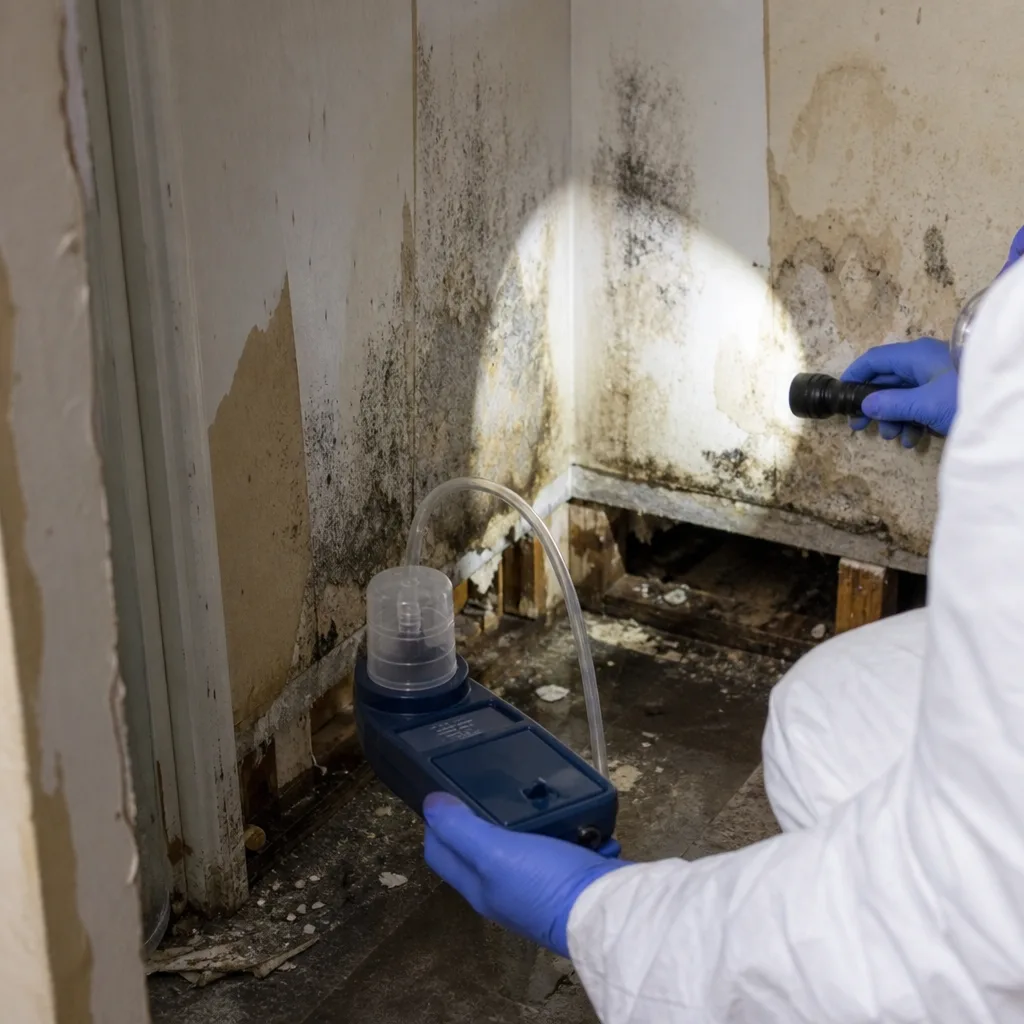
- Accepting “permit included” without seeing the permit number. Verbal assurances mean nothing; the permit number on the contract or in the city’s online system is the only valid confirmation. We’ve reviewed competitor estimates that promised permits but never filed, leaving homeowners exposed.
- Confusing mold health notification with building permit. A mold remediation company that shows you a health department protocol has not satisfied building permit requirements for structural repairs. Ask specifically: “What is the building permit number for the subfloor replacement?”
- Assuming emergency work never needs permits. Emergency stabilization is exempt, but the exemption is temporary. In Bellevue’s rainy season - October through April, when water losses peak - contractors sometimes stretch emergency work across weeks to avoid permitting. This violates the exemption’s intent and creates compliance gaps.
- Failing to verify jurisdiction for properties near city limits. Bellevue addresses in the Lake Hills and Newport Hills areas may fall under King County jurisdiction. A permit filed in the wrong jurisdiction is invalid. We verify jurisdiction for every job; homeowners should confirm independently.
- Paying in full before final inspection approval. Washington law limits upfront payment, but some restoration contractors demand full payment at “substantial completion” before final inspection. This removes the homeowner’s leverage if inspection reveals code deficiencies. Our payment terms tie final payment to inspection approval, documented in writing.
- Neglecting to request inspection records for insurance submission. Adjusters increasingly request permit records to verify scope. Homeowners who do not receive these records from their contractor must obtain them from the city, a process that can delay claim resolution by weeks.
- Hiring unregistered contractors for “small” jobs. Bellevue requires contractor registration for any work valued over $500, including labor and materials. The threshold is low; most restoration work exceeds it. Unregistered contractors cannot pull permits legally, and their work is unenforceable.
When to Call a Professional
Call a licensed, registered restoration contractor when your damage involves structural materials, electrical or plumbing systems, or exceeds the cosmetic repair threshold. In Bellevue, this means most water losses that reach subflooring, all fire damage, and mold contamination affecting framing or HVAC. The cost of proper permitting and inspection is modest compared to the liability of unpermitted work.
DryMark Restoration Bellevue offers free estimates in Bellevue - call (425) 696-6320. Our written scope identifies all permit requirements before work begins, with permit costs included in the fixed price. We pull permits in our name and registration number, deliver inspection records with every job, and back our work with the 365-Day Done Right Promise under The Haven Standard.
Frequently Asked Questions
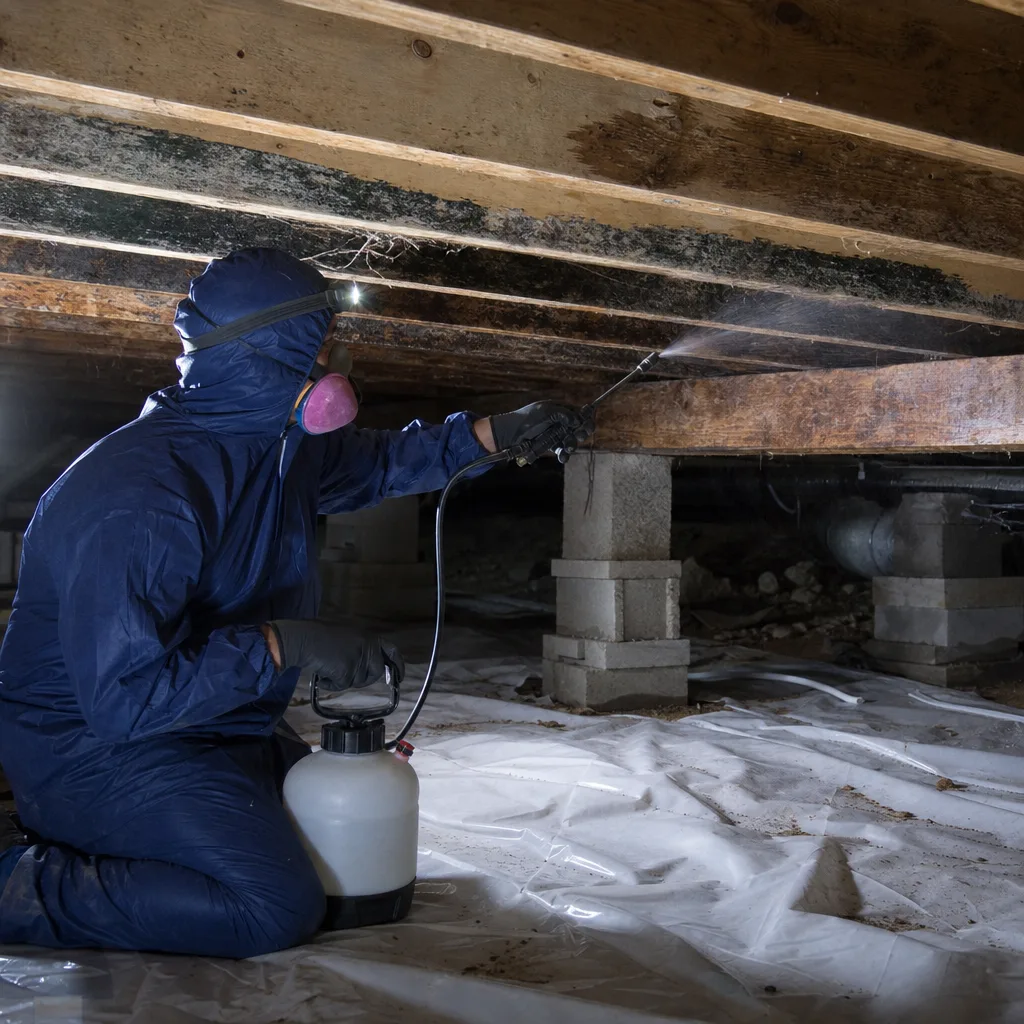
You need a permit when water damage repair involves structural materials - subfloor, wall framing, load-bearing elements - or modifications to electrical, plumbing, or HVAC systems. Cosmetic repairs like painting, carpet replacement, and small drywall patches typically do not require permits. The specific threshold in Bellevue is 32 square feet of drywall replacement on a single wall face, or any subfloor replacement that affects the structural diaphragm. Call (425) 696-6320 for a free estimate that identifies permit requirements for your specific loss.
Insurance coverage for unpermitted work is increasingly restricted. Most policies cover the direct damage but may deny costs to bring unpermitted work into compliance, or may dispute whether the repair was necessary and properly performed. Some insurers now require permit records for structural repairs before paying replacement-cost benefits. The permit inspection record provides independent verification that supports full claim payment.
Bellevue Development Services issues most residential restoration permits within 3-5 business days for standard structural, electrical, and plumbing work. Emergency permits for imminent hazards can be obtained same-day in person. Our experience with Bellevue’s permit system allows us to prepare complete applications that avoid the delays from incomplete submissions. We file simultaneously with emergency work authorization when needed.
Under Washington law, the registered contractor performing the work is responsible for pulling permits in their own name and registration number. A contractor who asks you to pull an owner-builder permit is improperly transferring liability. You should never agree to this. Our permits are always filed under our registration, with copies provided to you at contract signing.
Water damage permits address structural and system repairs triggered by water intrusion. Mold remediation involves health department notification for contamination assessment and building permits only for structural material removal. The two regulatory frameworks operate independently. A mold job may require health protocol submission without building permits, or both, or - in limited cases - neither. We specify which applies in our written scope before work begins.
For mold contamination under 10 square feet on non-porous surfaces in a single-family home, DIY cleaning with appropriate PPE may suffice. Larger areas, porous material contamination (drywall, insulation, carpet), HVAC involvement, or sensitive occupant conditions (asthma, immunocompromise, pregnancy) require professional remediation with containment and verification. We offer free second opinions on any competitor’s written mold estimate to help you assess whether the scope proposed is appropriate.
We coordinate directly with adjusters as your authorized representative, providing the documented photo record, daily drying logs, written scope, and permit inspection records that support claim payment. Our documentation-first approach - developed by a former claims adjuster - produces the evidence adjusters need to approve scope without dispute. We do not inflate estimates or perform work outside the approved scope without written authorization.
The Bottom Line
Permits are not obstacles to efficient restoration. They are the legal framework that protects your insurance claim, your property title, and your resale value. In Bellevue, the threshold between exempt maintenance and permitted construction is specific and enforceable - and crossing it unknowingly creates liability that survives long after the contractor has left. The contractor’s obligation to pull permits in their own name is non-negotiable under Washington law. The inspection record’s value to your insurance claim exceeds any cost or delay. And the documentation package you receive at job completion - permits, inspections, photos, drying logs, and a signed warranty - is the difference between a disputed expense and a verified, payable restoration.
Written by Alicia Brennan, Owner at DryMark Restoration Bellevue, serving Bellevue since 2011.