Free visual inspection and a written scope of work before any mitigation begins - photos, moisture readings, and drying logs go in your claim file
The scope we write is the scope we bill. Anything new gets shown to you, in writing, before we touch it.
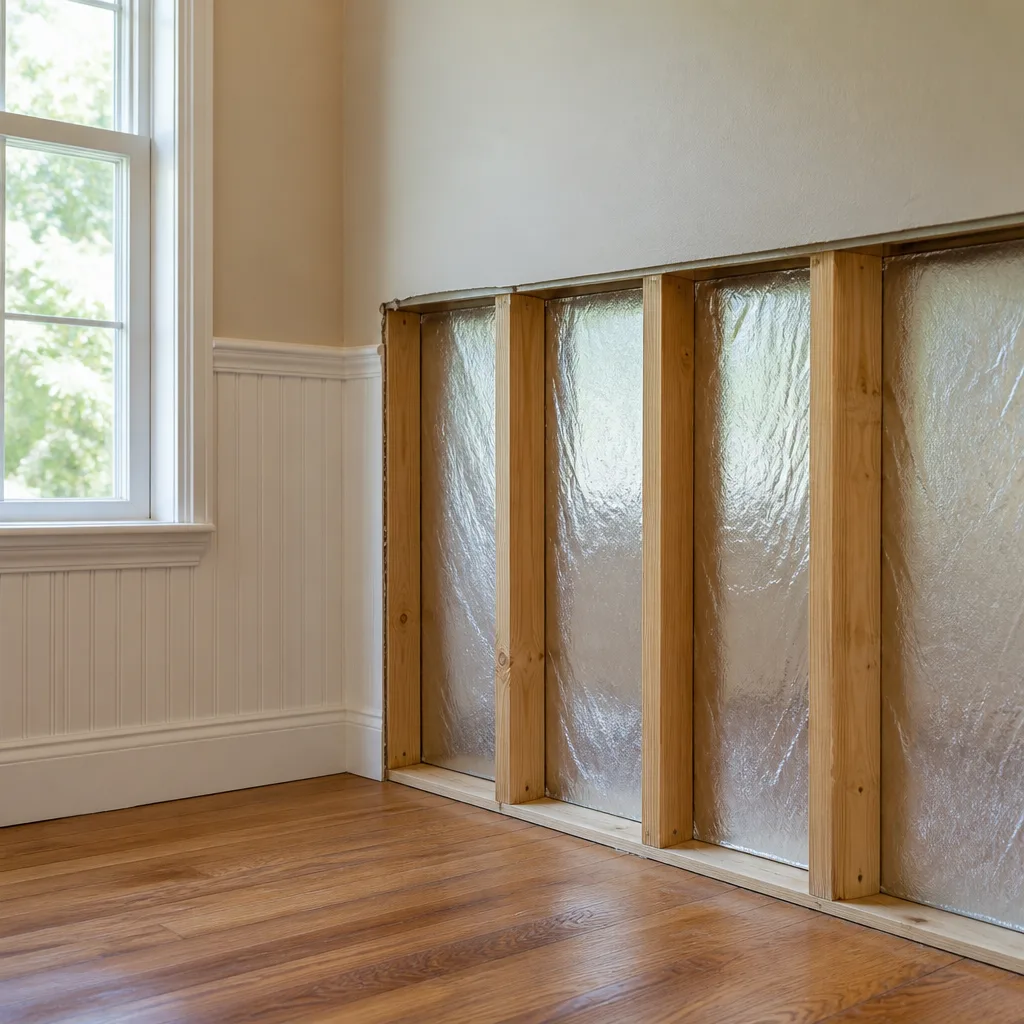
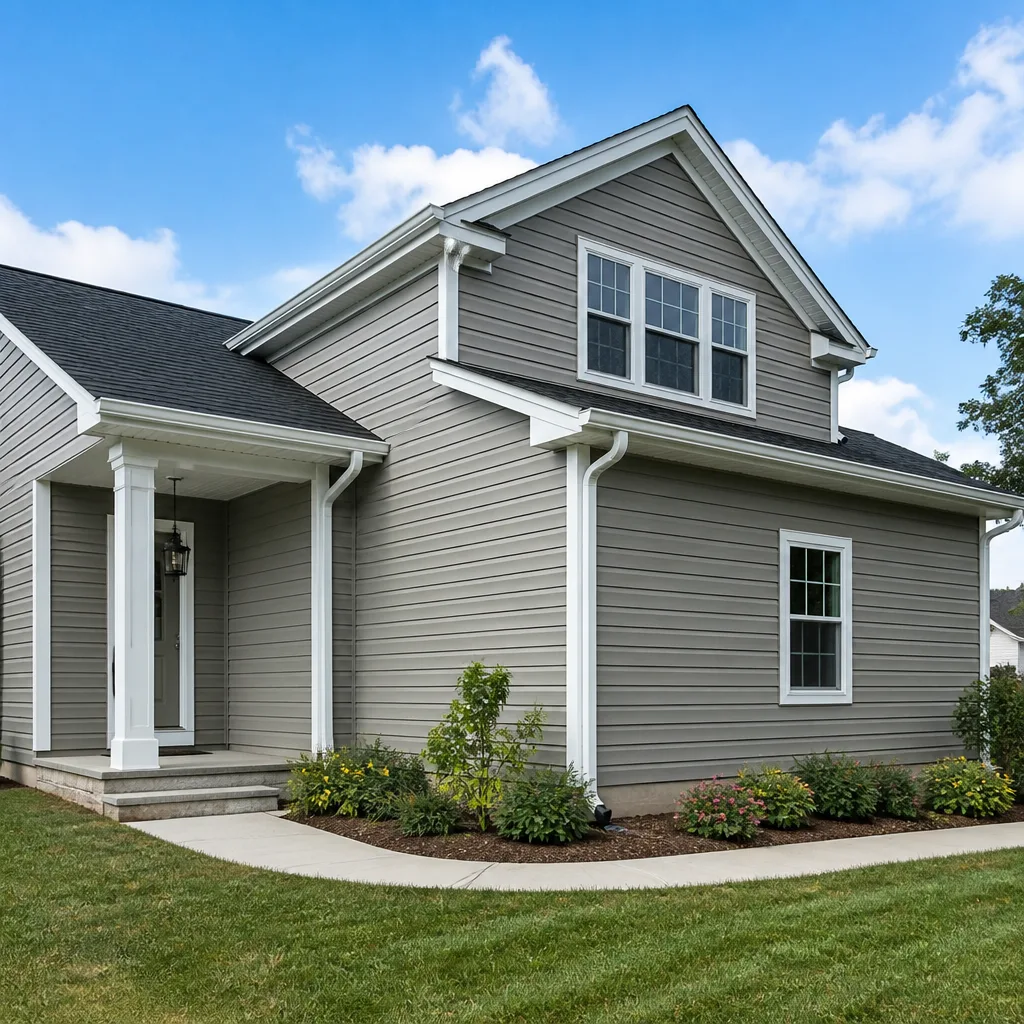
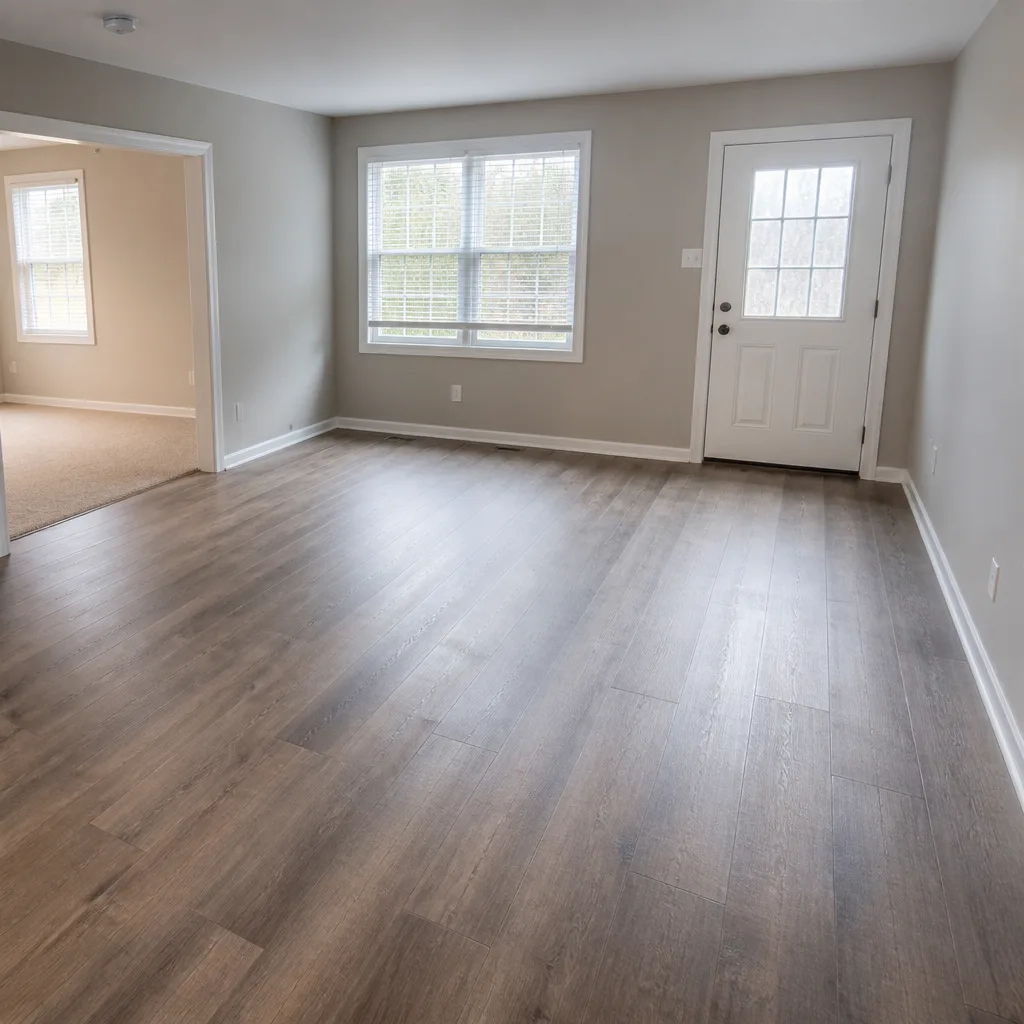
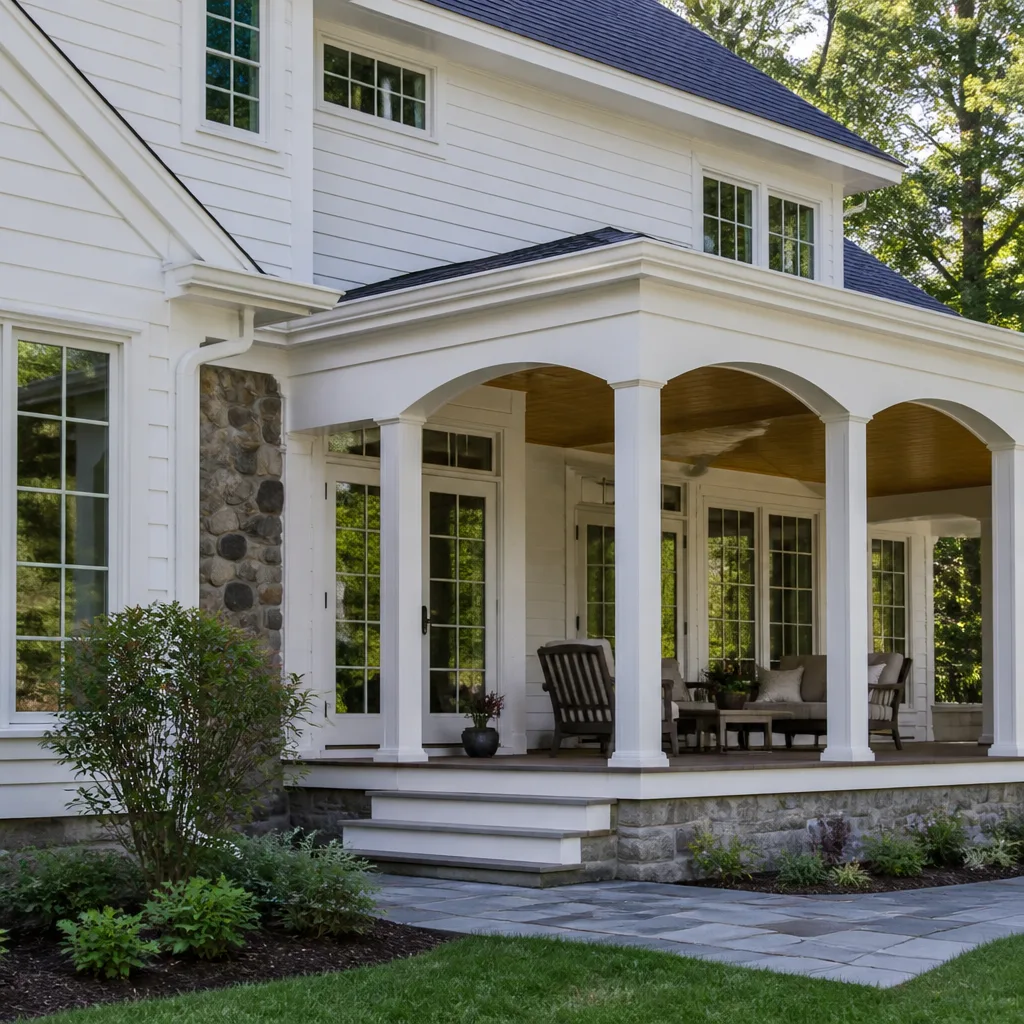
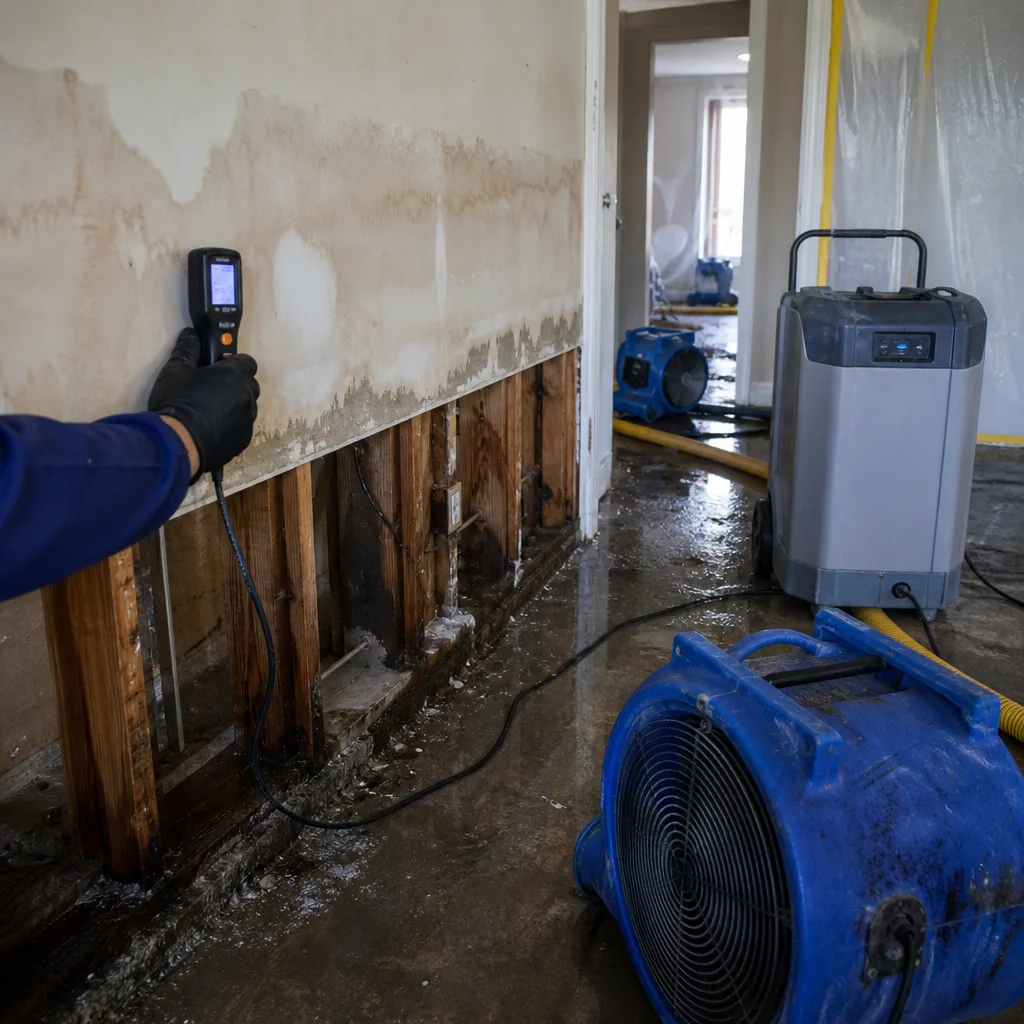 Before
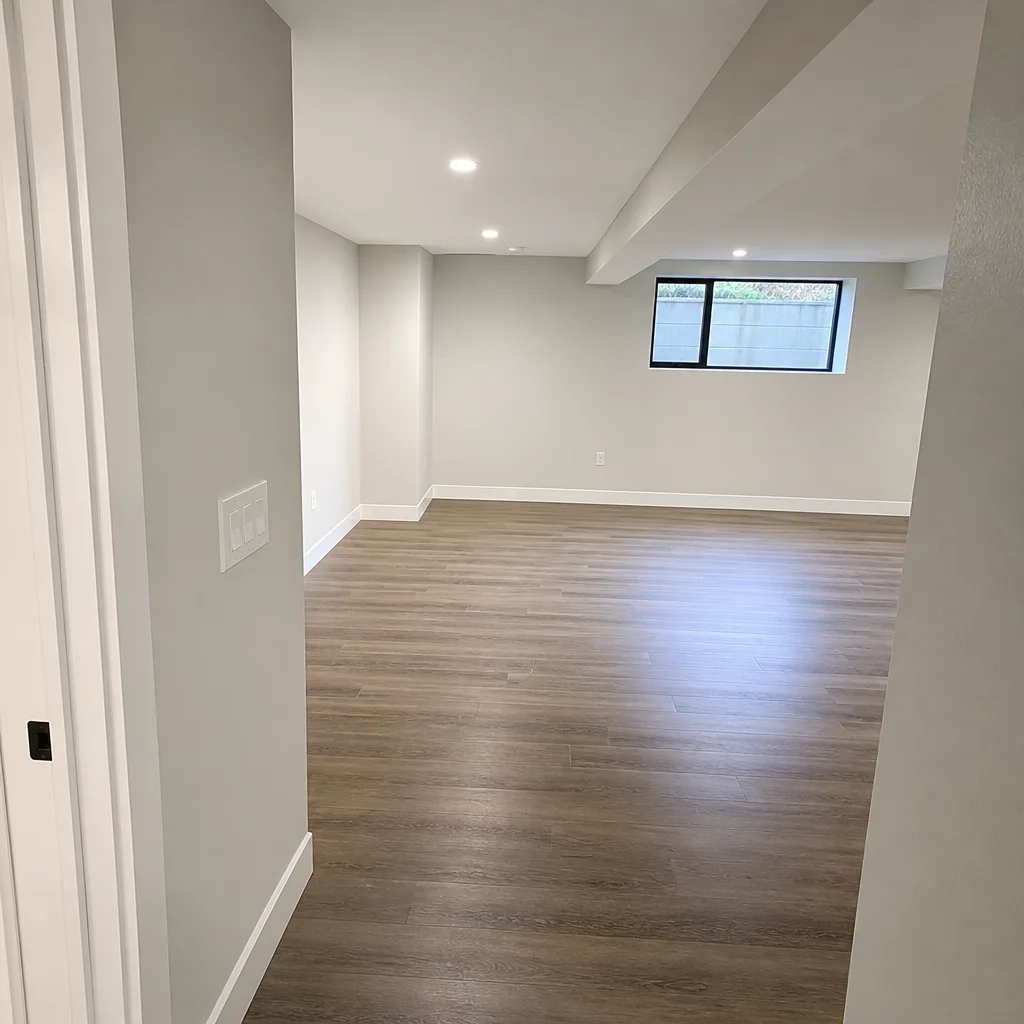 After
After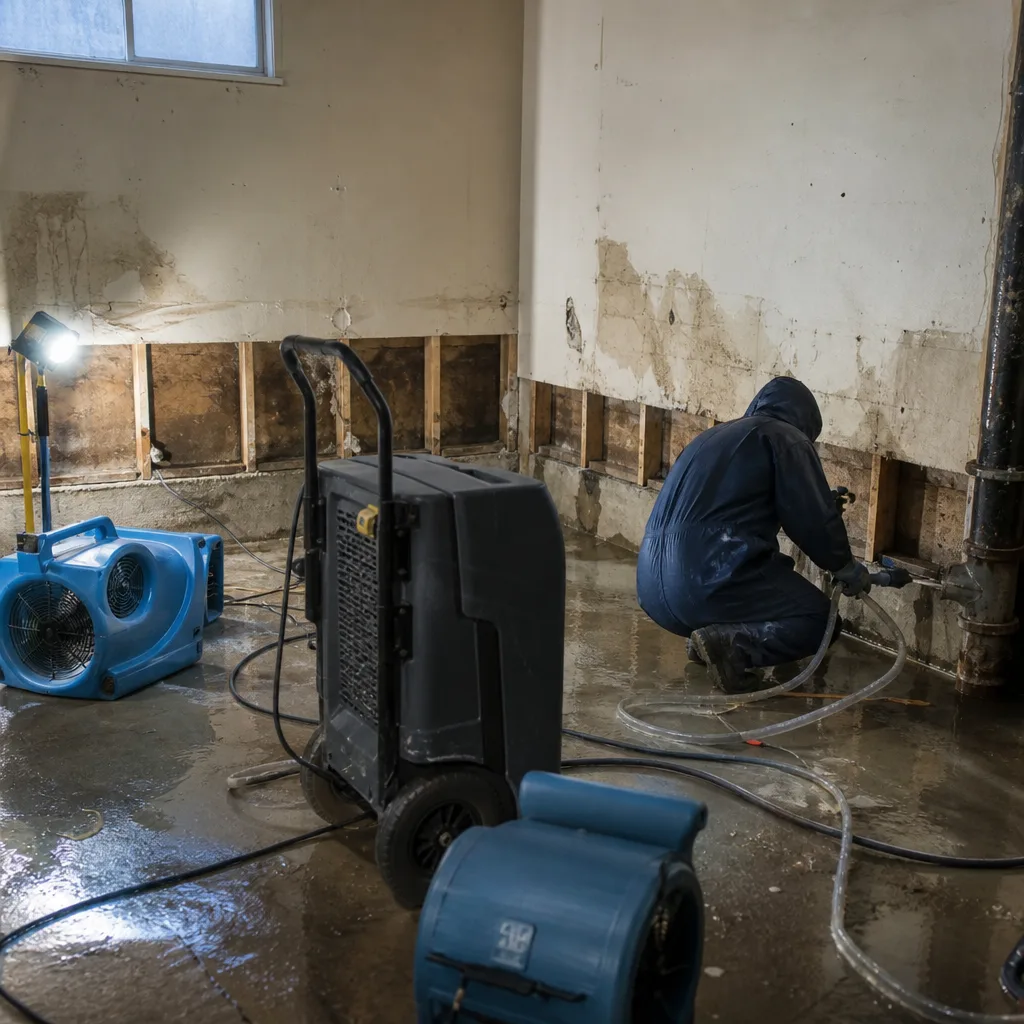 Before
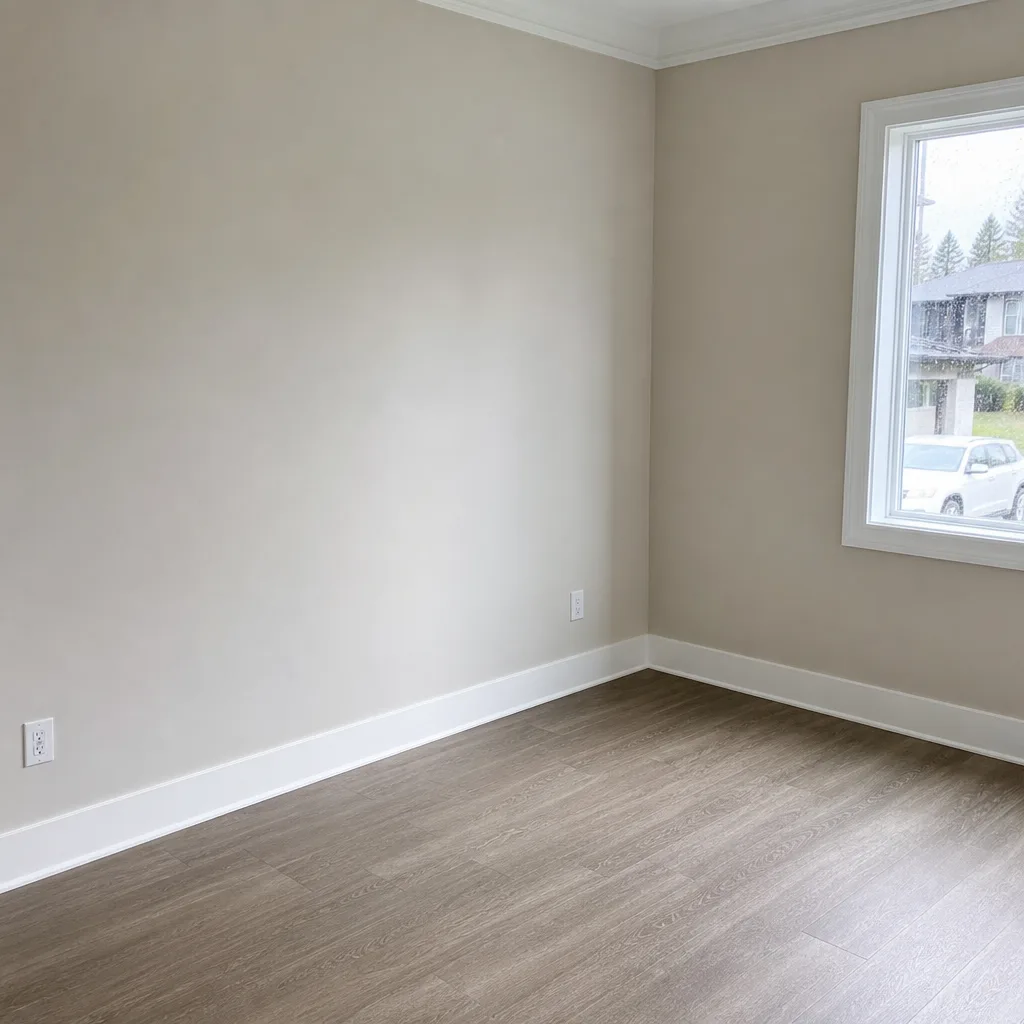 After
After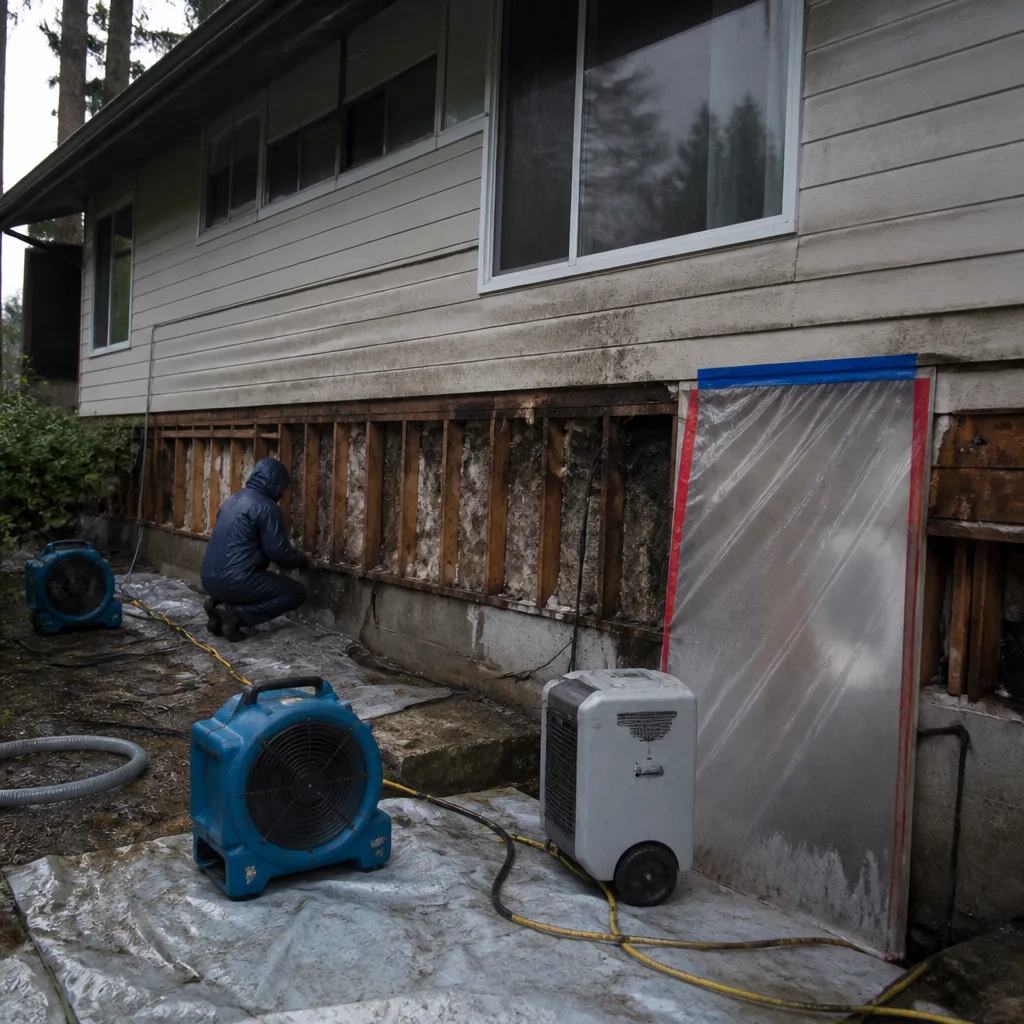 Before
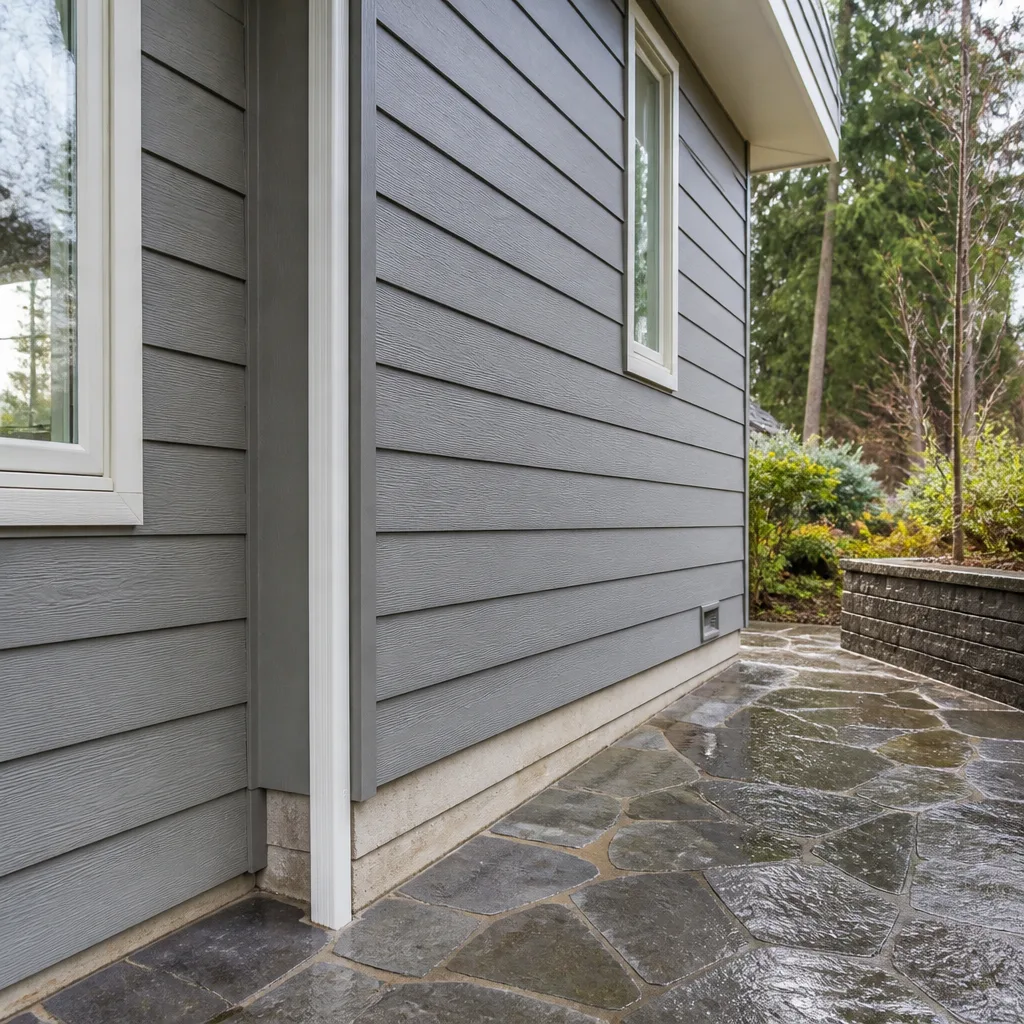 After
AfterFast, Reliable Mold Remediation Across Kent
Mold remediation in Kent typically costs between $1,200 and $4,500 for residential jobs, with most crawl-space treatments falling in the $2,000-$3,200 range and valley-floor commercial work running higher due to containment requirements. Our crews are usually on-site in Kent within 60-90 minutes of your call, dispatched from our Seattle office and routed directly to East Hill neighborhoods, the Green River industrial corridor, or valley-floor homes near Kent Kangley Road. We answer live 24 hours a day, 7 days a week at (425) 696-6320 - no voicemail, no next-day callback while moisture keeps moving.
Kent’s mold problems don’t look like Renton’s or Auburn’s. The city splits between two realities: East Hill’s 1970s-1990s wood-frame tract homes on crawl-space foundations, and the valley floor’s slab-on-grade tilt-up warehouses sitting on clay-heavy glacial soils that wick groundwater upward. We’ve handled both since 2011, and we don’t treat them the same. Our Mold Remediation team documents every job with photo records, daily moisture logs, and a written price before any work starts - Haven Standard, Clause 1.
Why DryMark Restoration Bellevue Is Kent’s Preferred Mold Remediation Company
We’ve restored over 12,000 homes since 2011, every one with a written price before work started and a documented record when the crew left. Kent homeowners find us because they read the three-star reviews and want to see how a company handles the job that didn’t go perfectly - our response is always the same: photo documentation, a written scope adjustment, and the 365-Day Done Right Promise stamped under The Haven Standard.
Our response time to Kent averages under 90 minutes because we coordinate dispatch from our Seattle office and know the difference between East Hill’s residential grid and the industrial access points along the Green River corridor. Technicians arrive background-checked, uniformed, and named on your work order - not a rotating subcontractor list.
We understand Kent’s specific mold pressures: the valley floor’s poor drainage underlain by clay-heavy glacial soils, the 2009 Howard Hanson Dam seepage emergency that still shapes how property owners here think about flood risk, and the chronic crawl-space moisture in East Hill’s older tract housing. That local knowledge changes what we look for during inspection and what equipment we load on the truck.
Alicia Brennan built this company around the documentation gap that costs homeowners their insurance claims - the missing photo, the unlogged moisture reading, the verbal promise that evaporates. In Kent, that precision matters more than most places because the city’s split housing stock creates two completely different failure modes, and adjusters here have seen both.
Our Mold Remediation Services in Kent
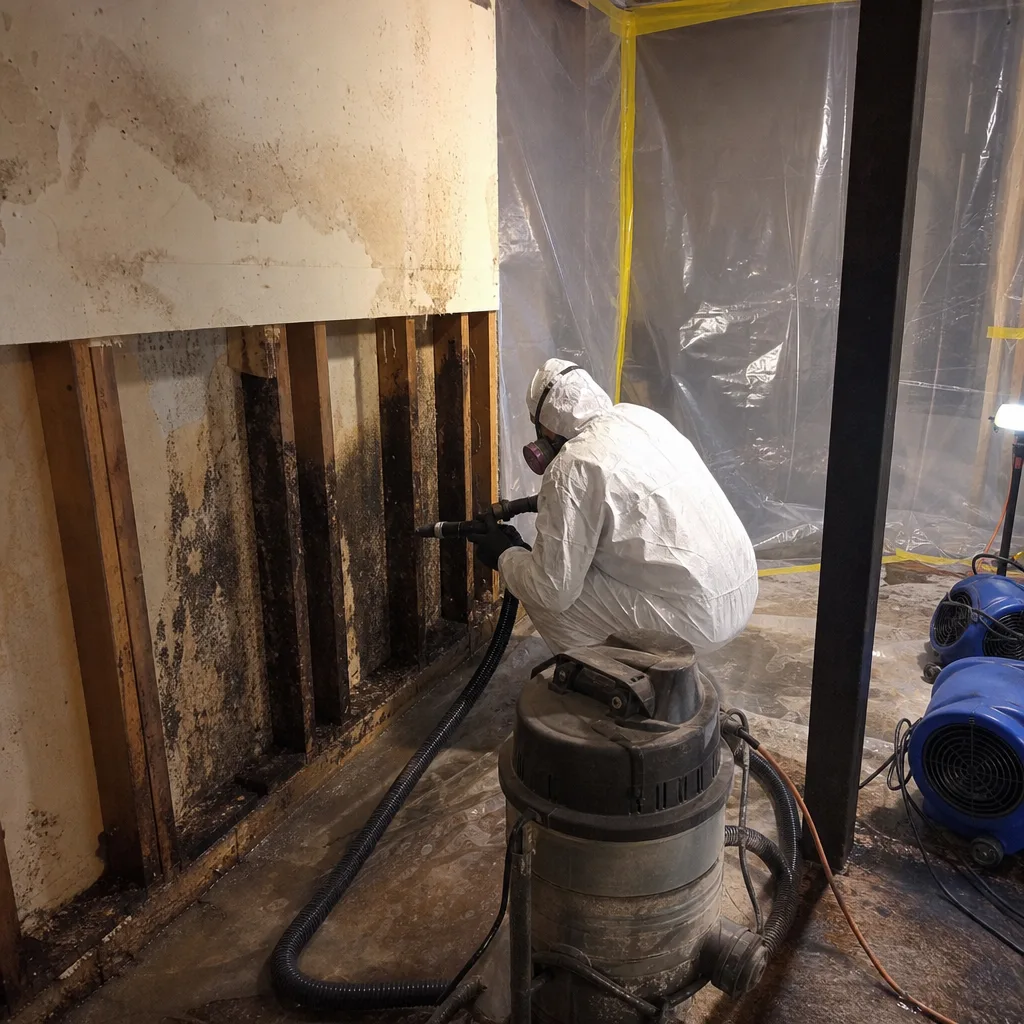
Mold Inspection & Testing
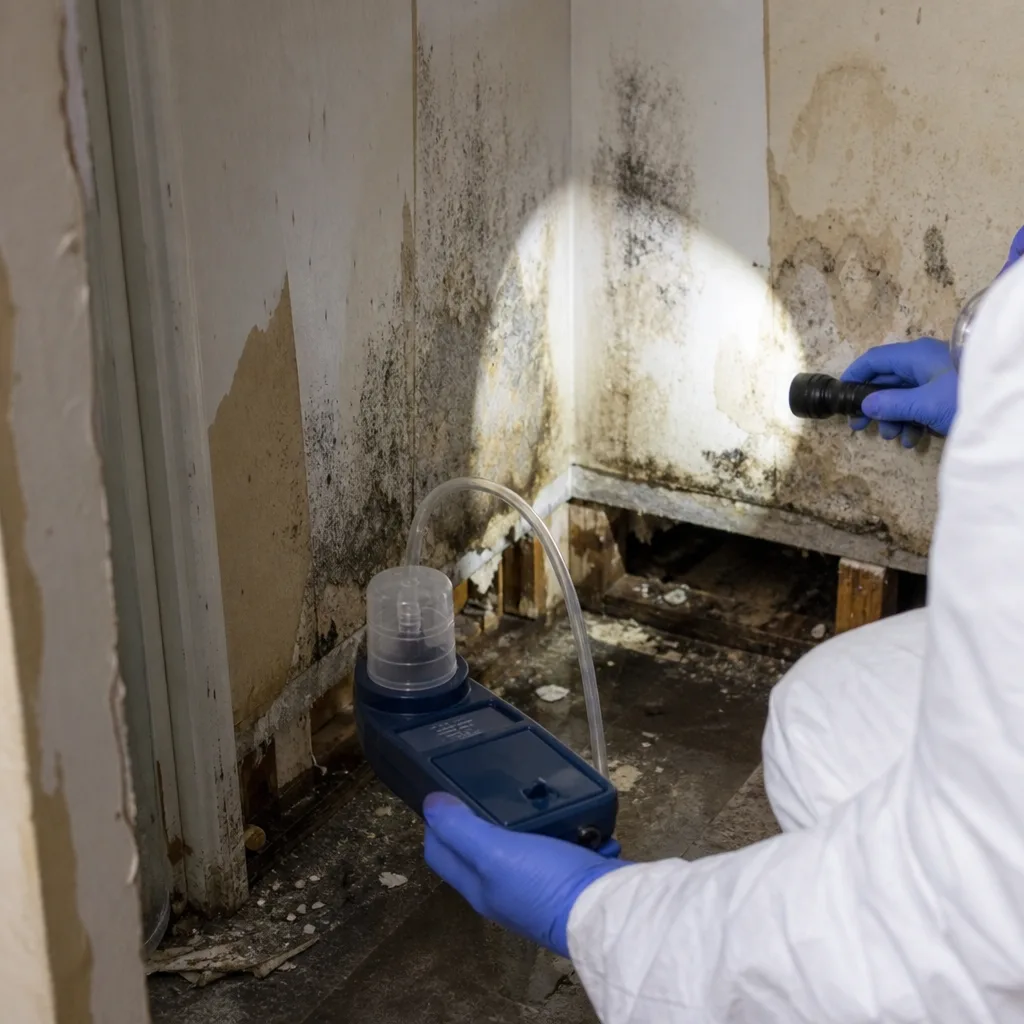
Every Kent inspection starts with moisture mapping, not guesswork. In East Hill crawl spaces, we’re looking for groundwater saturation in the foundation perimeter, condensation on ductwork, and insulation that’s trapping vapor against subflooring. On the valley floor, we scan slab-on-grade warehouses for wicking patterns - moisture that moves upward through concrete capillaries and feeds mold at the base of interior walls. We document every reading to IICRC standards, produce a written scope with line-item pricing, and deliver your photo record before any remediation equipment arrives.
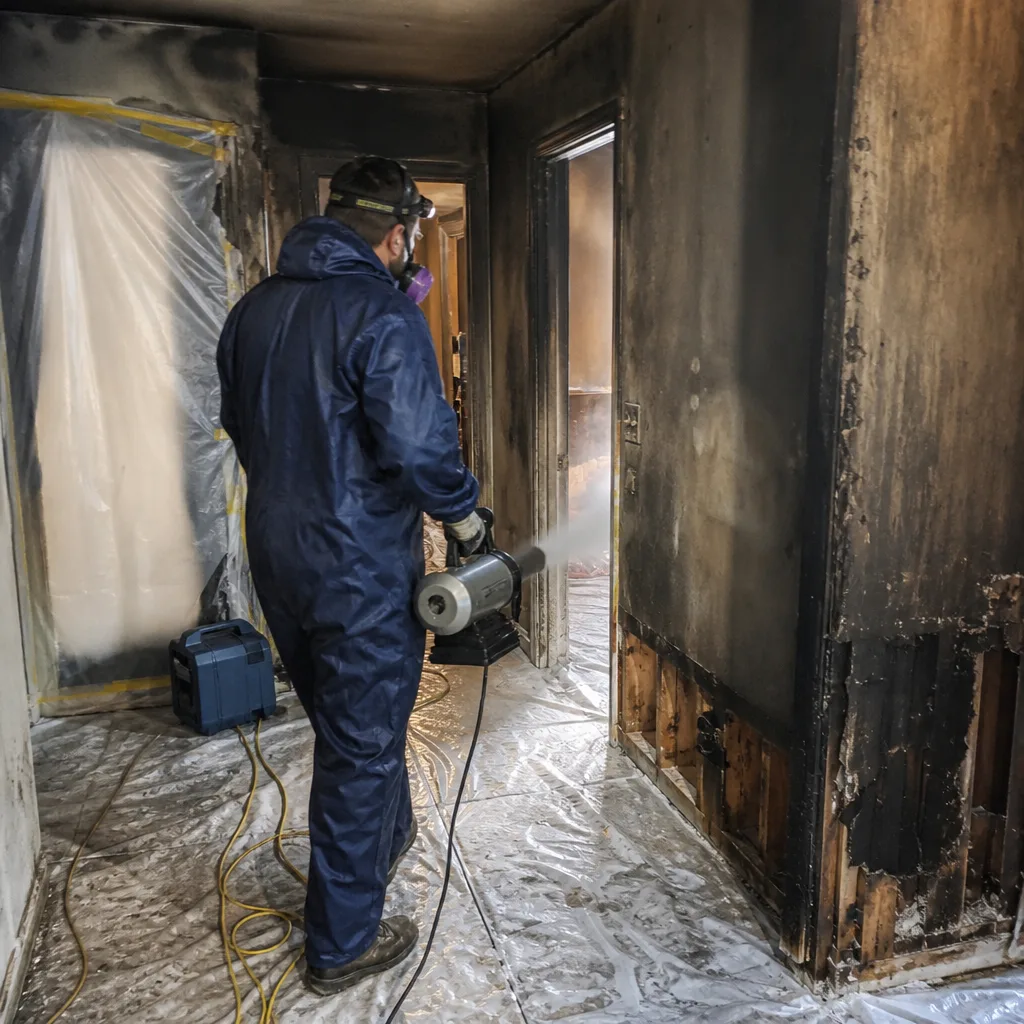
Crawl Space Treatment
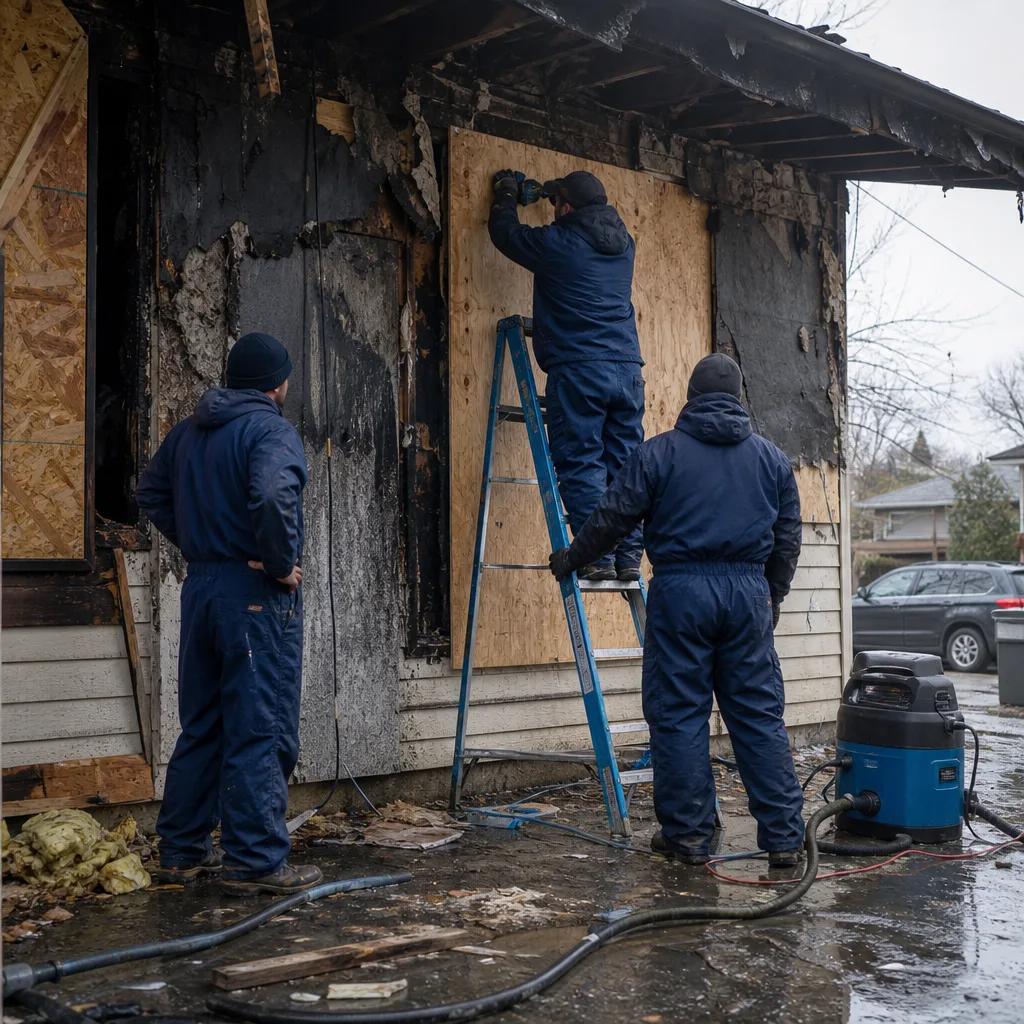
East Hill’s 1970s-1990s wood-frame homes were built with crawl-space ventilation standards that don’t match Kent’s actual climate. The result is chronic moisture that outlasts every DIY fan-and-dehumidifier attempt. Our crawl-space treatment installs vapor barriers, seals foundation vents where appropriate, and runs Injectidry panel drying systems to pull moisture from subflooring and wall cavities without tearing out finished spaces above. We log psychrometric data - temperature, relative humidity, and vapor pressure differential - daily until readings confirm the space is dry, not just “feels dry.”
Moisture & Humidity Control
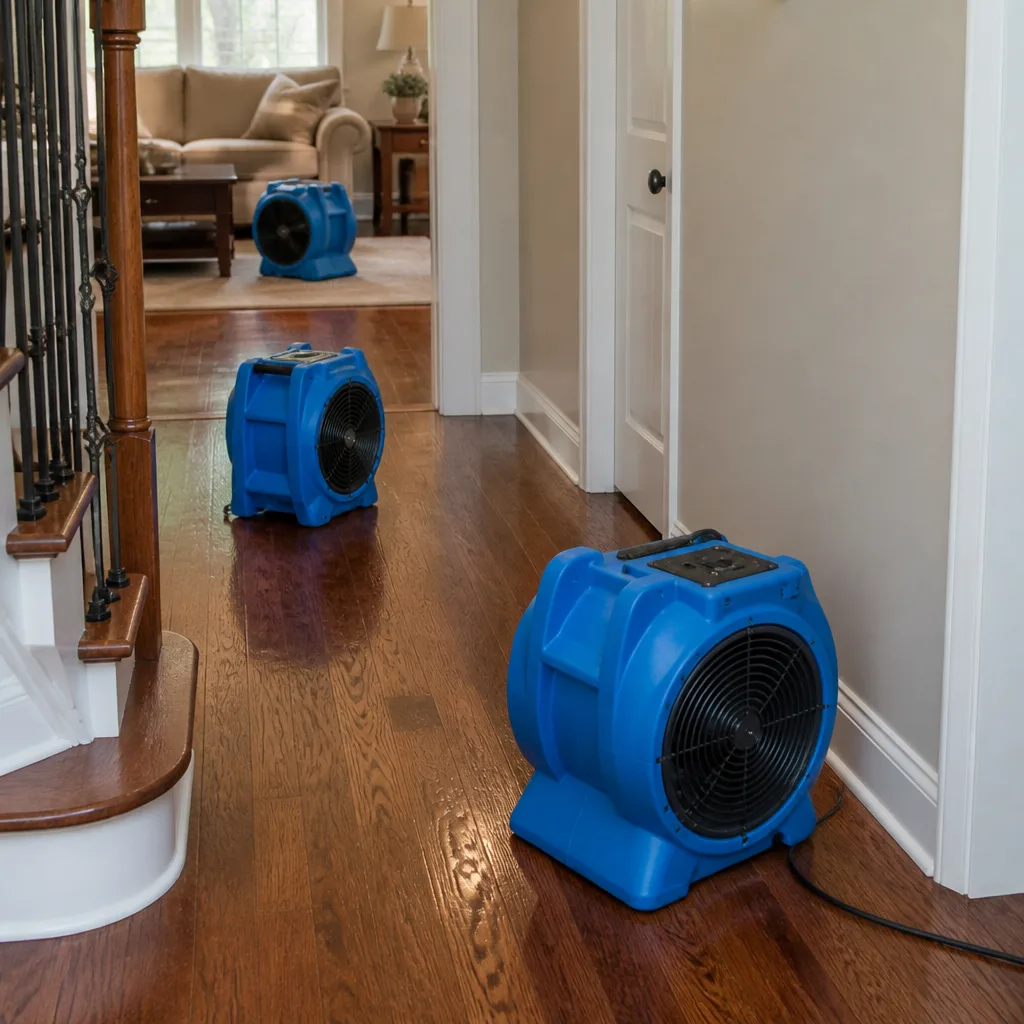
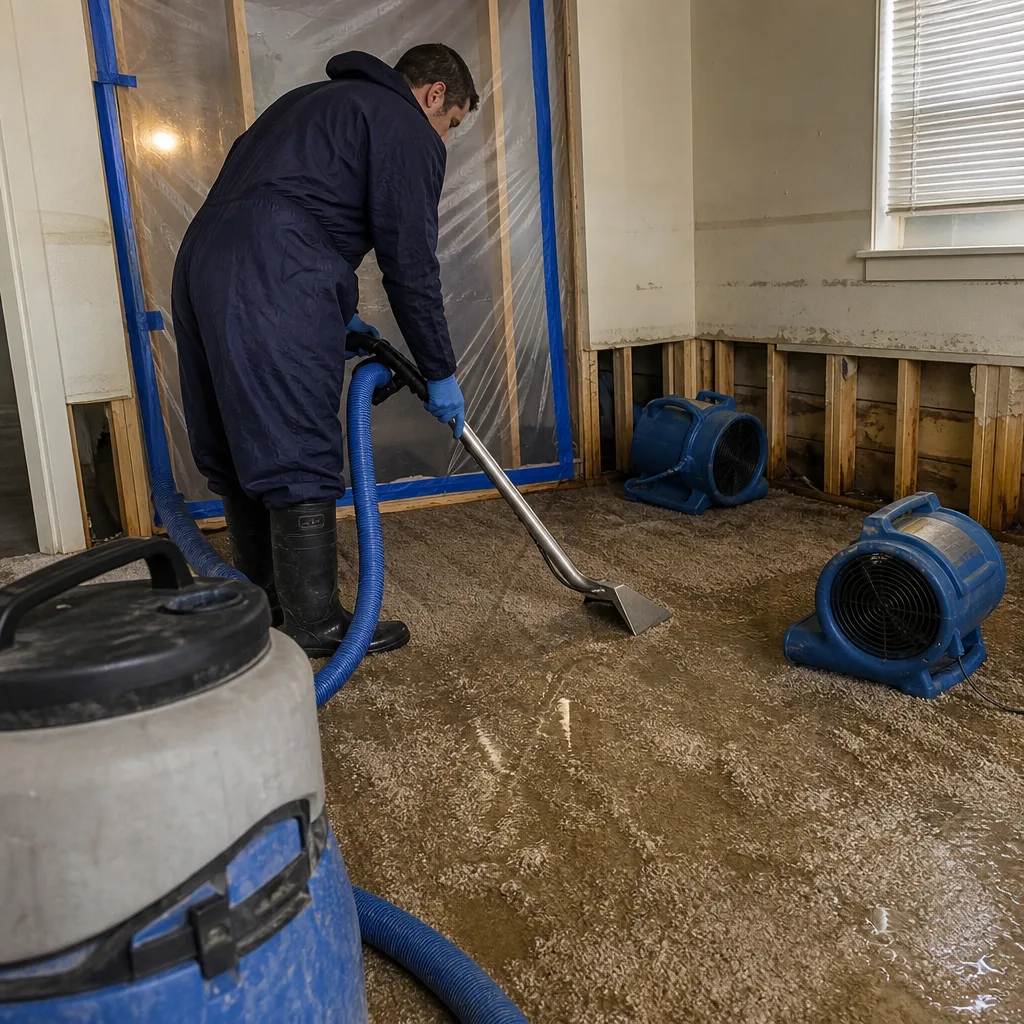
Kent averages 38 inches of rain annually, but the real hazard is the flat valley floor’s inability to drain. Clay-heavy glacial soils impede percolation, so even moderate multi-day rain events saturate crawl spaces and push groundwater into commercial slabs. Our moisture control systems for Kent properties include Dri-Eaz and Phoenix dehumidifiers sized to the cubic footage and vapor load, not the square footage alone. We calculate equipment placement using vapor pressure differential - the force that drives moisture from wet materials into dry air - and adjust daily based on logged readings.
Air Quality Restoration
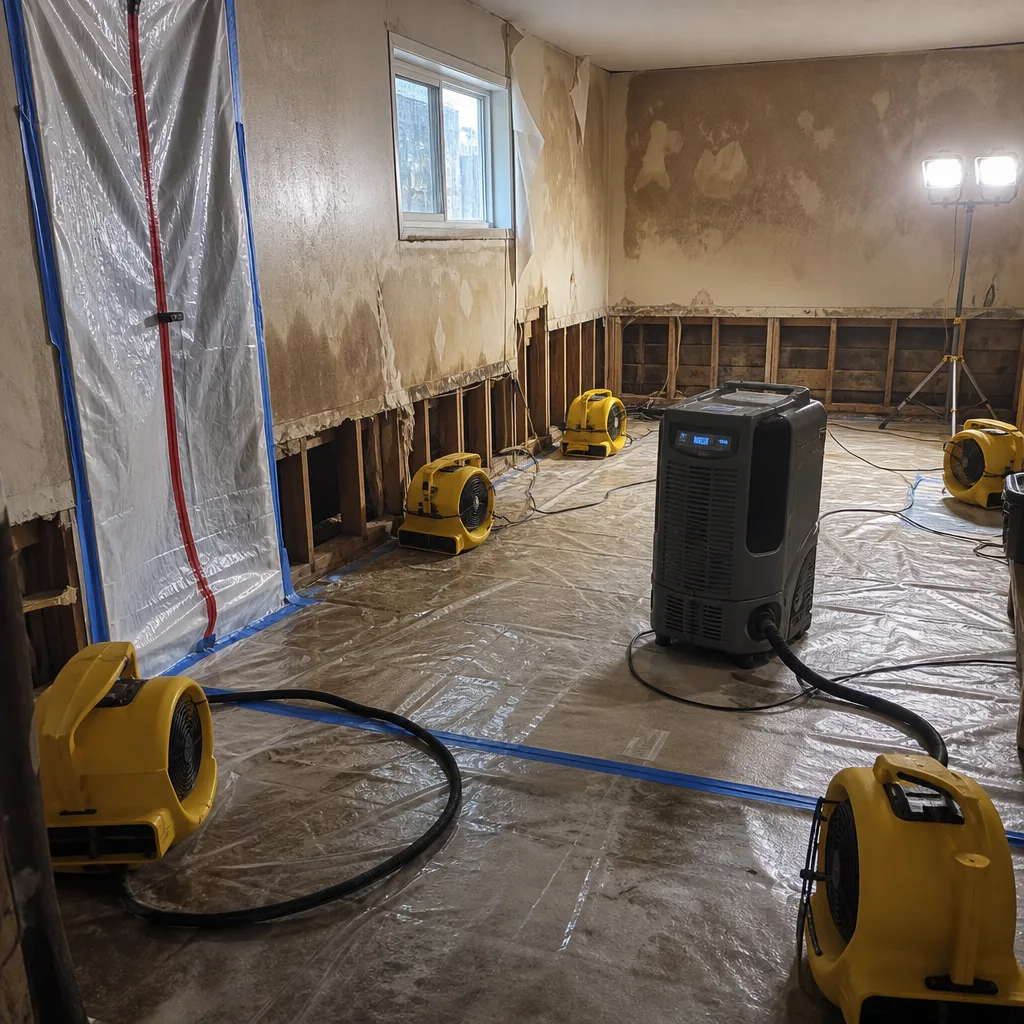
After containment and removal, we verify air quality with post-remediation sampling, not visual inspection alone. In Kent’s industrial corridor, this matters for warehouse tenants who can’t afford downtime - we document clearance to standard, deliver the lab report, and coordinate with your adjuster on the same timeline. For East Hill homes, we check that HEPA filtration has dropped airborne spore counts below background levels before any rebuild begins. The photo record includes every sampling location and timestamp.
Black Mold Remediation
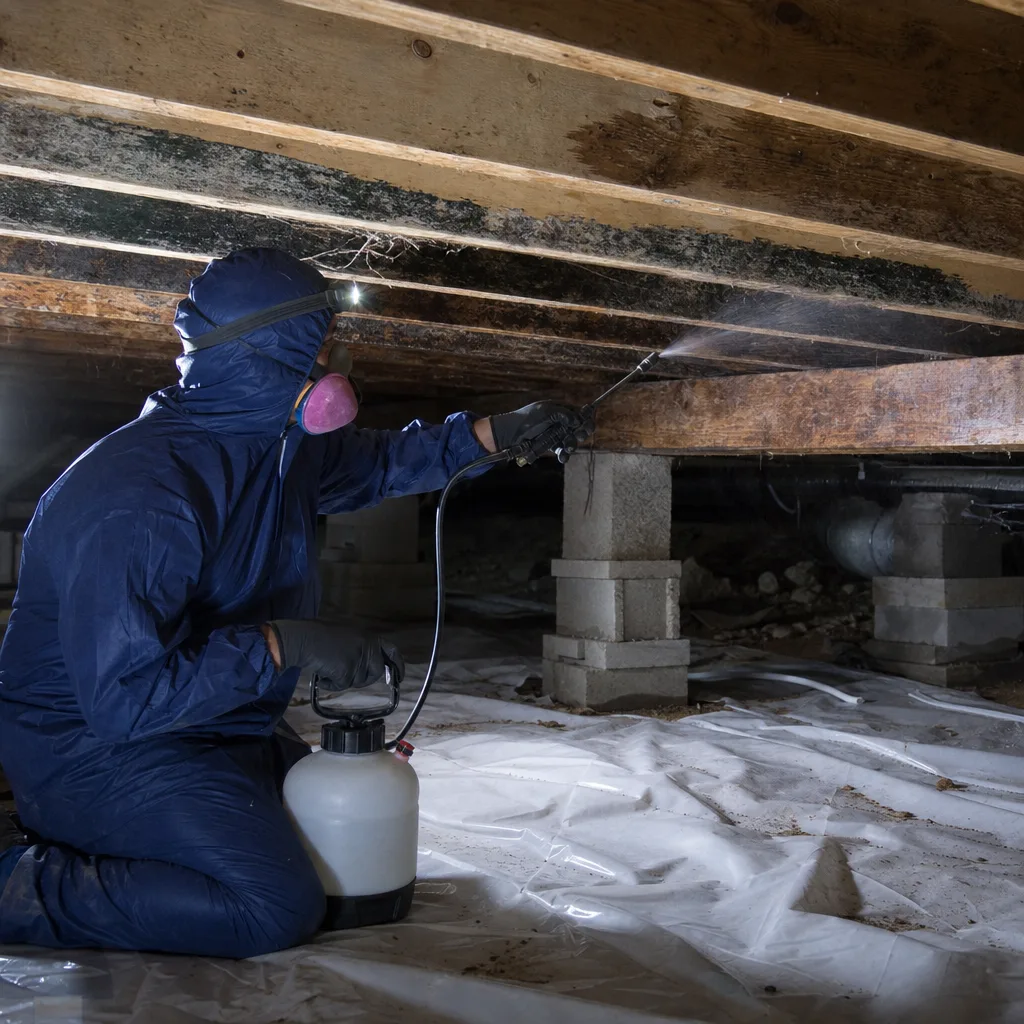
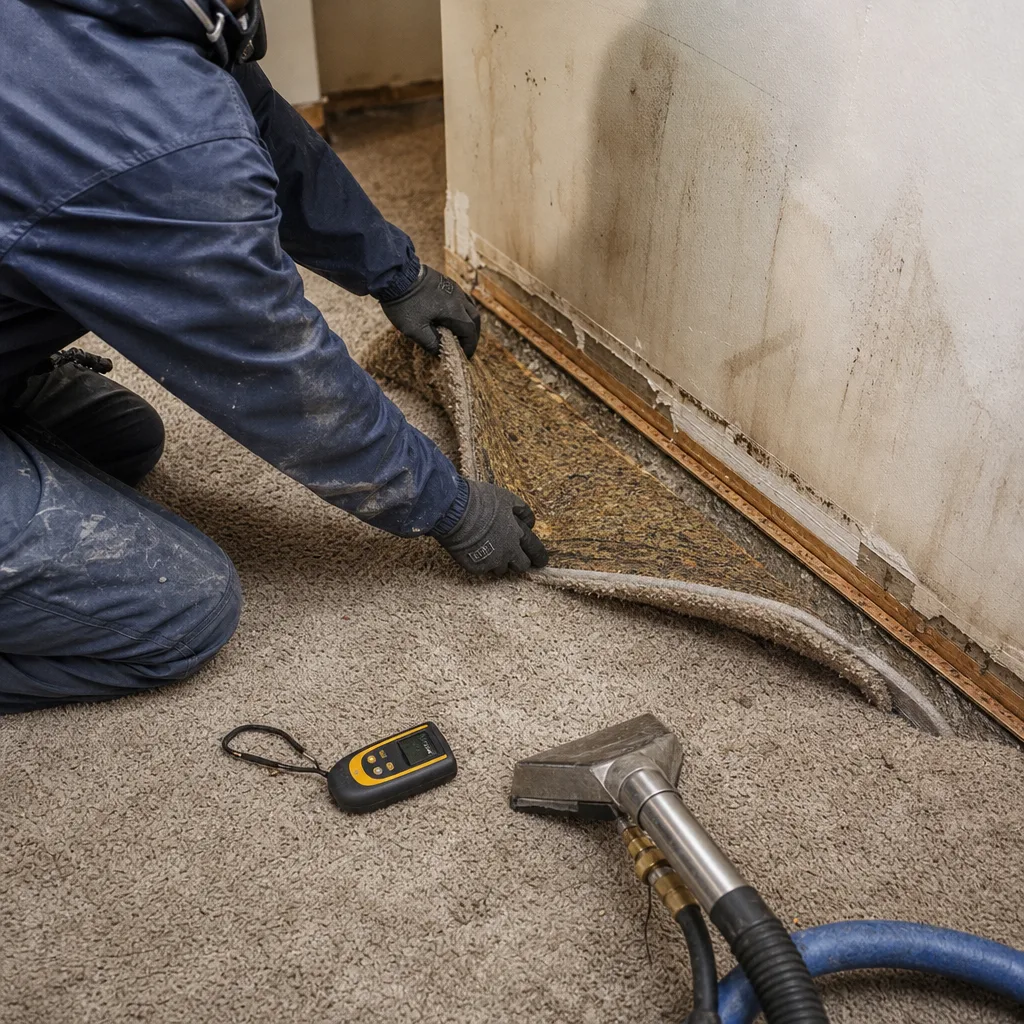
Stachybotrys and other toxigenic species require the same documentation rigor as any mold job, plus stricter containment protocols. In Kent, we most often find black mold in East Hill crawl spaces where chronic moisture has gone unaddressed for seasons, or in valley-floor warehouses after river-backup events. We establish negative air pressure containment, run HEPA filtration during removal, and dispose of contaminated materials per local waste regulations. The written scope specifies exactly which materials are removed, which are treated in place, and what the rebuild sequence looks like.
What happens when you call
- 1
A real person answersNo phone trees - you reach a local pro.
- 2
You get an upfront price rangeHonest numbers before anyone is dispatched.
- 3
A background-checked tech heads outLicensed & insured, dispatched right away.
- 4
You approve before work beginsNothing starts until you say go.
BeforeAfterCommon Mold Remediation Problems We See in Kent Homes
- Treating a valley-floor warehouse like a crawl-space home. Slab-on-grade tilt-up buildings need vapor barrier analysis and slab-drying equipment, not crawl-space fans. Without it, groundwater keeps feeding mold after the crew leaves.
- Skipping daily drying logs in East Hill crawl spaces. Hidden mold behind insulation doesn’t show until rebuild is underway. We log moisture readings every 24 hours and photograph insulation condition before any “all clear” call.
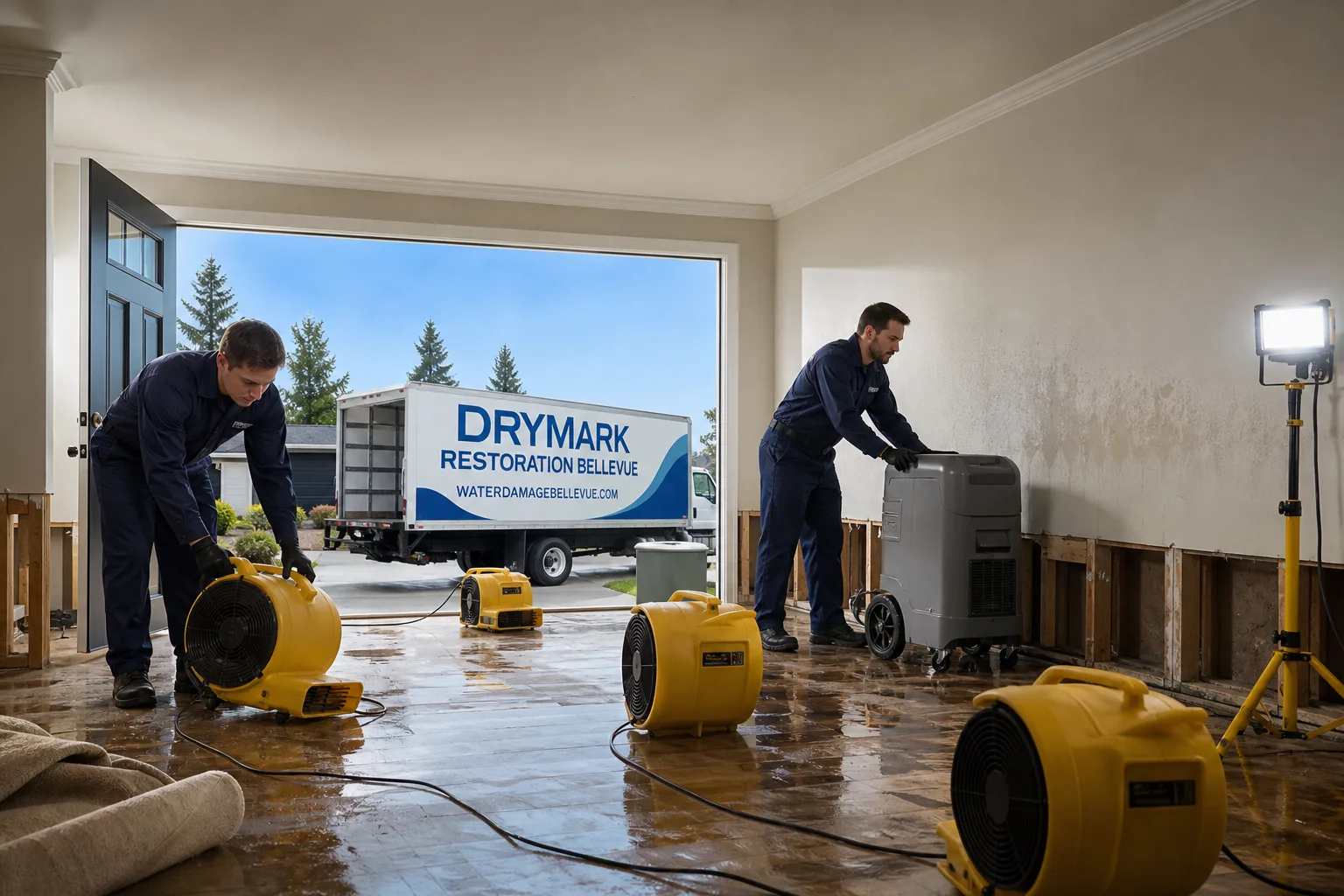
- Running air movers without containment on Category 3 river-backup jobs. Green River corridor floodwater carries contaminants. Uncontained air movement spreads spores through HVAC systems into tenant spaces. We remove wet material first, then dry, then verify.
- Assuming one rain event caused what years of groundwater actually did. Kent’s clay soils hold moisture for weeks. We distinguish one-time leaks from chronic conditions by mapping moisture patterns and reviewing historical weather against the property’s maintenance records.
Pricing for Mold Remediation in Kent, WA
Here’s what mold remediation costs in Kent’s market, based on the jobs we’ve scoped and documented since 2011:
| Service | Typical Range in Kent |
|---|---|
| Crawl space inspection & moisture mapping | $250-$450 |
| Residential mold remediation, crawl space (up to 1,000 sq ft) | $2,000-$3,200 |
| Residential mold remediation, whole-house scope | $3,500-$6,500 |
| Valley-floor commercial slab treatment (per 5,000 sq ft) | $4,500-$8,000 |
| Air quality testing & post-remediation verification | $350-$600 |
| Vapor barrier installation (crawl space) | $1,200-$2,800 |
Three factors push Kent jobs toward the higher end: crawl spaces with extensive insulation removal, commercial slabs requiring containment during active tenant operations, and any Category 3 water source requiring additional PPE and disposal protocols. Every price is delivered in writing before work begins - Haven Standard, Clause 1 - with no scope-creep additions once our crew is inside your property. Bring a competitor’s written estimate and we’ll review it free under our Second Opinion policy.
We Also Serve Cities Near Kent
Our crews handle Mold Remediation in Kent and surrounding communities including Renton, Auburn, Federal Way, and Mercer Island. Each city’s housing stock and drainage conditions create distinct mold profiles - we adjust our inspection protocol accordingly rather than running the same checklist everywhere.
Serving Kent, WA - Our Local Coverage Area
We’re based in the Kent area and know this community well. Use the map below to see our service coverage - if you’re nearby, we can almost certainly help.
FAQs - Mold Remediation in Kent
Because the drying stopped at the surface and missed the moisture trapped behind insulation or in soil contact with the foundation. East Hill’s 1970s-1990s tract homes were built with vented crawl spaces that pull humid outdoor air across cool surfaces, creating condensation even when the ground “looks” dry. We use Injectidry panels to pull moisture from wall cavities and subflooring, log readings until vapor pressure differential confirms true dryness, and specify vapor barrier or seal-vent upgrades in the written scope so the conditions don’t return. Call (425) 696-6320 for a crawl-space assessment - estimates are free.
Yes. The Green River corridor’s storm system backups introduce Category 3 water - contaminated with river sediment and whatever it picked up across the valley floor - which changes both the remediation protocol and the documentation requirements for insurance. After the 2009 Howard Hanson Dam seepage emergency, adjusters working Kent commercial claims expect detailed photo records, daily moisture logs, and explicit contamination handling documentation. We produce all three as standard deliverables, never upsells. Call (425) 696-6320 to discuss your warehouse or industrial property.
Concrete slabs wick groundwater upward through capillary action, feeding mold at the base of drywall that looks fine from the room side. Homes have crawl spaces where we can inspect from below; warehouses have slabs where we have to diagnose from above, using moisture meters with deep-signal penetration and sometimes core sampling. The equipment differs too - slab drying requires Dri-Eaz or Phoenix dehumidification with higher grain-removal capacity, and containment must account for active tenant operations. We scope each building type separately and price accordingly in writing before starting.
Pattern analysis. One-time leaks create localized moisture maps that correspond to a specific roof penetration, window, or pipe failure. Chronic groundwater shows as perimeter saturation, especially in East Hill crawl spaces after multi-day rain events, or as uniform slab wicking in valley-floor properties. We compare your moisture readings against Kent’s recent weather data, inspect for grading and drainage failures, and document whether the source is resolved or ongoing before specifying remediation. A one-time leak gets dried and repaired; chronic groundwater needs a moisture control system or the mold returns. Call (425) 696-6320 and we’ll show you the difference on your property.
Often, yes. Containment with negative air pressure and HEPA filtration allows partial-occupancy remediation when the affected area can be isolated from active operations. We coordinate with tenant schedules, document the containment setup with photos for the property manager’s records, and schedule noisier equipment phases during off-hours. The written scope specifies exactly which zones are restricted and for how long, so there’s no operational surprise. Full shutdown is only required when the contamination has spread through HVAC or when structural access is needed across the entire tenant space. Call (425) 696-6320 to review your building’s layout and options.
After a multi-day rain event pushed the Green River’s storm system back into a valley-floor tilt-up warehouse off the Green River corridor, our crew ran moisture mapping across the slab, pulled water extraction equipment, and found wicking had already fed mold into the base of interior drywall. We set containment, logged moisture readings daily while Dri-Eaz dehumidification and air movers dried the slab, then ran antimicrobial treatment on the affected wall sections before any rebuild. Up on East Hill, the same week, a 1980s crawl-space home needed the same approach after groundwater saturated the foundation - just with Injectidry panels instead of slab drying.
Call (425) 696-6320 now for a free written estimate on mold remediation in Kent. We answer live 24 hours a day, 7 days a week, deliver your price in writing before any work starts, and back every job with the 365-Day Done Right Promise under The Haven Standard.
Written by Alicia Brennan, Owner at Back to Dry Restoration, serving Kent since 2011.
Mold Remediation in Nearby Areas